
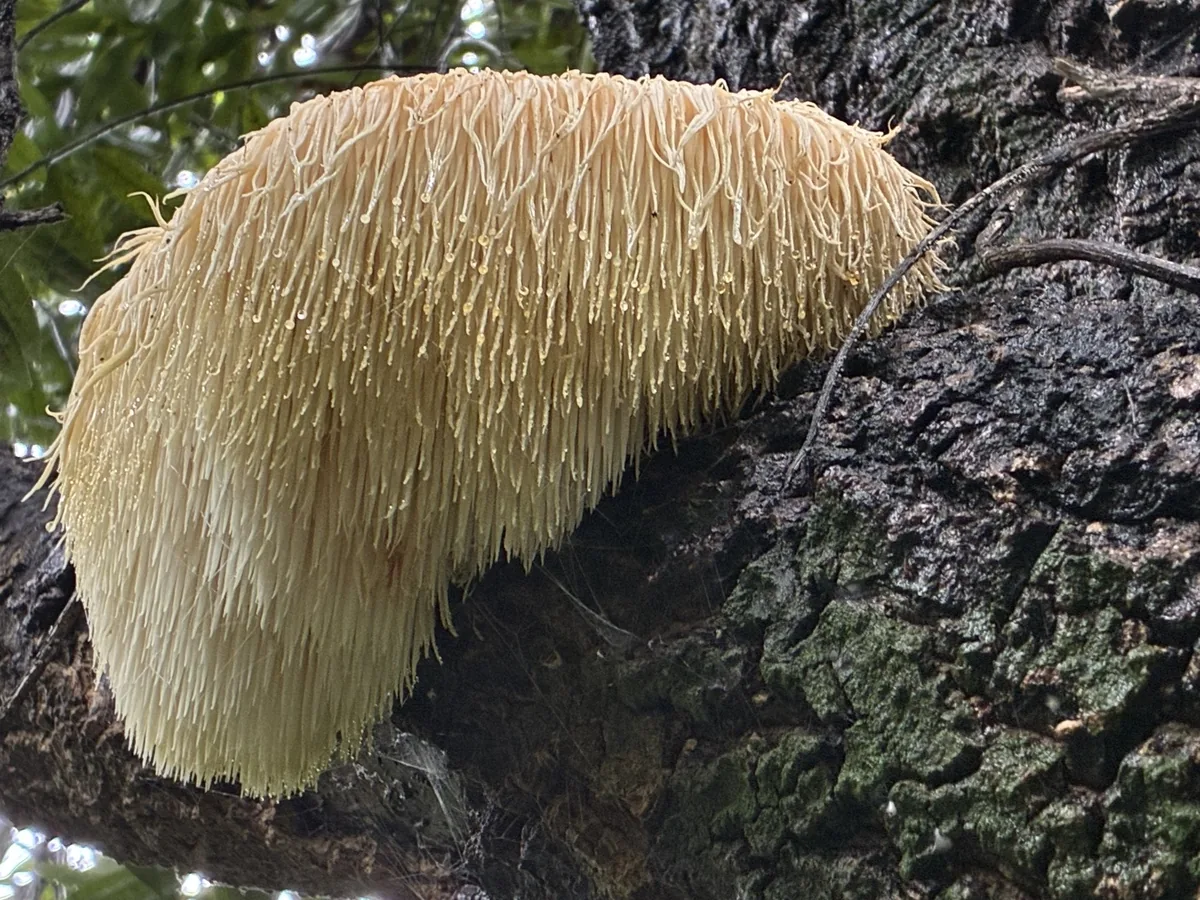
Lions Mane is a perennial grown for the harvest, ready about 30 days after sowing. Notably, it stands up to deer and grows just as well in a container as in the ground.
Lions Mane — the short answer
Lions Mane: shade, pH 4–7, about 30 days to maturity.
- Soil pH
- 4–7
- Growable Ground Plant Database
- Sun
- Shade
- Growable Ground Plant Database
- Days to Maturity
- 30 days
- Growable Ground Plant Database
- Frost-kill temp (growing season)
- 28°F
- Growable Ground Plant Database
Plant data: Growable Ground Plant Database, compiled from FAO ECOCROP, USDA PLANTS and university Extension sources — each tile names its own row's source, because per-field provenance varies.
Score Lions Mane on your exact land.
Zone averages can't see the slope, soil, frost, and sun that decide whether lions mane actually takes — and those shift from one yard to the next. Enter your address and we'll score lions mane against your land's real conditions.
We read public map data for this spot — soil, climate, flood, and parcel records. How we handle your address.
No card required · your parcel report in seconds — read in full free for your first 14 days
What Lions Mane is
Lions Mane grows as a perennial and reaches around 8 inches at maturity. It's also deer-resistant and well suited to containers.
How to grow Lions Mane
Lions Mane is ready to harvest about 30 days after planting. Lions Mane does best in shade — at least 2 hours of direct sun a day — and soil from pH 4 to 7, on well-drained ground. It needs a growing season of at least 30 frost-free days, which is why climate matters as much as soil.
 USDA Zones
Data pending
Soil pH
4 - 7
Growable Ground Plant Database
Sun
Shade
Growable Ground plant catalog
Drainage
well (dry spells)
Growable Ground plant catalog
Frost Kill Temperature
28°F
Where cold starts killing growing tissue. Not a winter-survival floor — a dormant perennial takes far colder, which its hardiness zone answers.
Growable Ground Plant Database
Days to Maturity
30 days
Growable Ground plant catalog
Mature Height
0.7 ft
Growable Ground plant catalog
Frost-Free Days
30+
The frost-free stretch it needs start to finish — short-season areas may need an indoor head start.
Growable Ground plant catalog
Start the season right
Plant lions mane in shade with at least 2 hours of direct sun. It grows in the cool halves of the year, so sow it in spring or late summer rather than waiting for midsummer heat.
Match the soil
Lions Mane prefers pH 4 to 7 (Growable Ground Plant Database). A quick soil test from your local Extension lab tells you whether to add lime or sulfur to land in band.
Water steadily
Keep the root zone evenly moist through establishment. A 2–3 inch mulch layer holds moisture without waterlogging.
Harvest at maturity
Lions Mane is ready about 30 days after sowing. Watch for cultivar-specific ripeness cues and pick at peak.
Where Lions Mane thrives
Whether lions mane thrives on a given site comes down to its soil pH, drainage, sun, and frost dates — the conditions that vary parcel to parcel.
What grows around Lions Mane
Growing guides for lions mane
Related plants in vegetable
Good to know
Lions Mane isn't classified as a notable pollinator plant in our data — pair it with high-value bloomers nearby to feed bees.
Before you harvest lions mane, know your soil
Anything you grow to eat takes up what's in the ground it grows in, so it's worth knowing what's documented near you before you plant lions mane for food. Our free screen reads 8 federal source types across roughly 1.8M indexed sites and shows which sit near your address and which way they drain. It's a screening estimate from public records and proximity — not a soil test — so a nearby record means a soil test is worth it, not that your soil is unsafe.
Your land is one point inside Lions Mane's range
This page resolves to the species. Your state page draws the county line, and a report reads the parcel — the soil pH, drainage, sun, and frost dates on your exact ground, which no species average can see.
See if Lions Mane will thrive on your land
Zone averages are a start. Your exact soil pH, drainage, sun exposure, and frost dates shape whether lions mane actually takes — we score it against the real conditions at your address.
Three things about your exact spot that zone averages miss:
We read public map data for this spot — soil, climate, flood, and parcel records. How we handle your address.
25+ data sources analyzed in seconds
How we know this about Lions Mane
The figures above are cited per row, not per site: the pH band names this plant’s own source column, the three temperature figures each carry their own, and days-to-maturity cites the publication that actually lists it. All of it comes from the Growable Ground Plant Database — a compilation over FAO ECOCROP, USDA PLANTS, and university Extension sources, published openly with per-field provenance.
Grounded inUSDA PLANTS Database•ASPCA
Frequently asked questions
Can I grow Lions Mane in my zone?
Zone data for lions mane is being finalized. A Growable Ground report checks your parcel's full suitability against federal soil, climate, and zone data.
How long does Lions Mane take to grow?
Lions Mane is ready to harvest about 30 days after planting. Your local frost dates and soil temperature move that window earlier or later.
When should you plant Lions Mane?
Lions Mane is a cool-season crop, so it goes in during the cool halves of the year — early spring, and again in late summer for a fall planting — rather than at the height of summer heat. Your local frost dates set the exact window — a Growable Ground report reads them for your address.
How much sun does Lions Mane need?
Lions Mane is shade-tolerant — it gets by on as little as 2 hours of direct sun, so it earns a place most vegetables can't use. A north-facing strip or the ground under a leafy canopy is right where it belongs. A Growable Ground report shows which corners of your land stay shaded through the day, turning those dim spots into planting spots.
What soil does Lions Mane need?
Lions Mane prefers soil pH 4 to 7, on well-drained ground (Growable Ground Plant Database). Your report scores your parcel's actual soil against that using USDA SSURGO data.
Does Lions Mane attract pollinators?
Lions Mane isn't classified as a notable pollinator plant in our data. Pairing it with high-value bloomers nearby keeps bees and butterflies fed.