
An experienced grower reads a piece of land before planting a thing — what the soil is made of, how the winter runs, where the water goes.
These guides teach you to read yours the same way, using the public federal record: hardiness zones and frost dates for your season, soil, sun, and drainage. Start with those. Then the work-your-ground guides cover what you can actually change — pH, organic matter, water, and the length of your season — and the plan-your-garden and protect-your-garden guides turn all of it into a real plant list and a plan to keep it alive.
Every guide is free. When you want all of it applied to one exact address at once, that’s what a report does.

See all of this for your exact address
Enter your address and we read your soil, frost dates, hardiness zone, sun, and drainage from the federal record — then score 1,085 plants against the real conditions on your land.
Three things about your exact spot that zone averages miss:
We read public map data for this spot — soil, climate, flood, and parcel records. How we handle your address.
25+ data sources analyzed in seconds
Read Your Land
Soil Report
Read what your soil says about growing potential.
Soil Types
Glacial till to adobe clay — what your ground is made of, and how to work with it.
Hardiness Zones
How USDA zones translate to what survives winter on your land.
Sun Hours
How sunlight maps across your parcel and which plants it supports.
Frost Dates
First and last frost for your exact coordinates, from NOAA normals.
Drainage & Water
How your soil moves water — and what that means for roots.
Microclimates
Frost pockets, warm walls, cold-air drainage — why one yard holds several climates.
Growing Methods
Work Your Ground
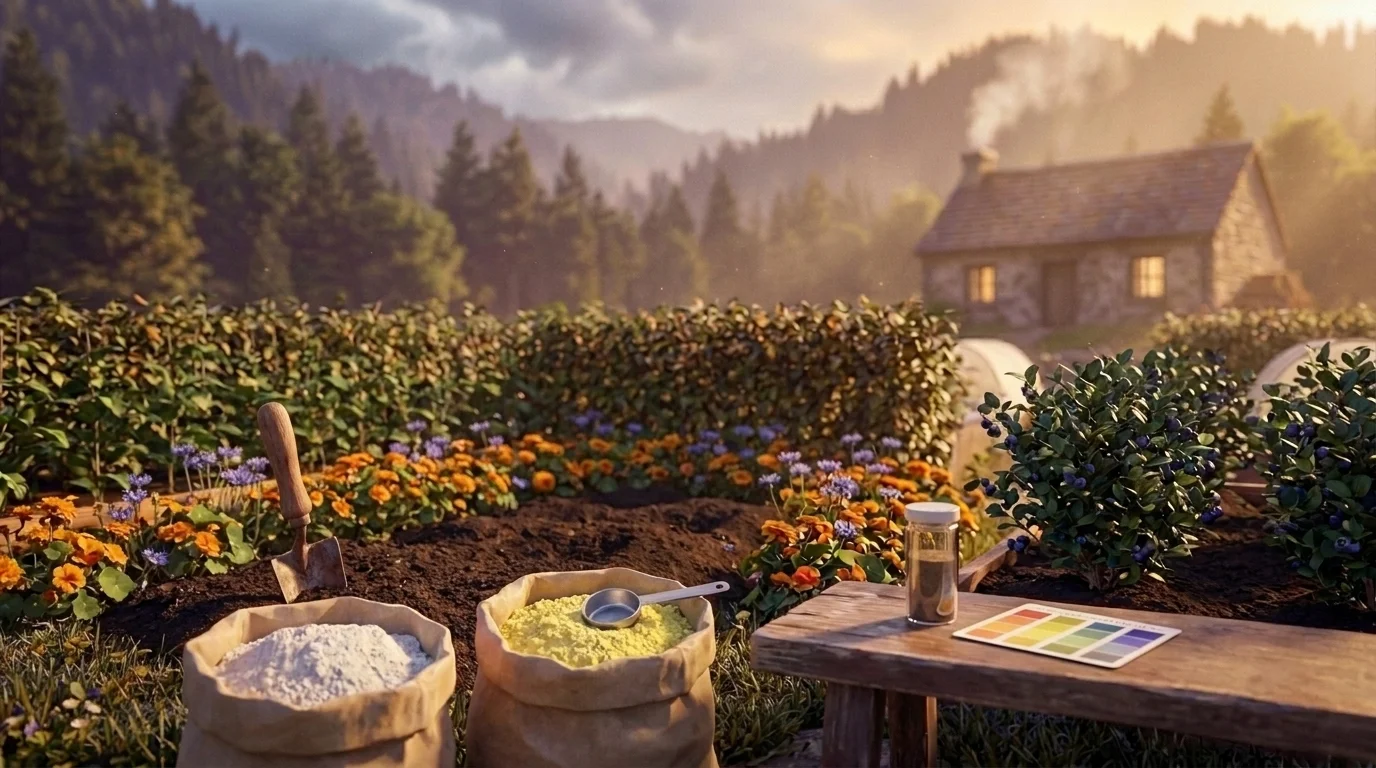
Soil pH Amendment
Lime raises it, sulfur lowers it — how much, how long, and what a shift unlocks.
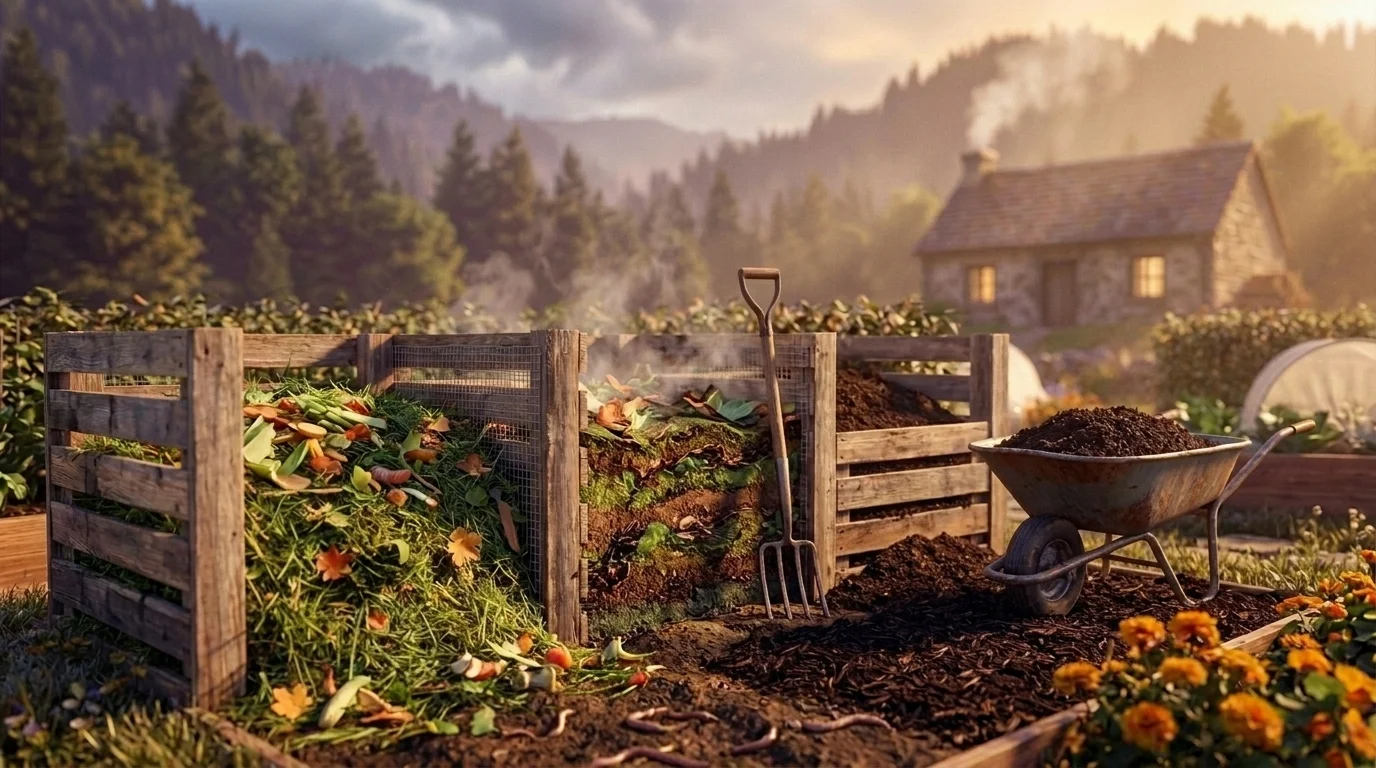
Composting & Organic Matter
The one soil property you can actually change — and what compost can't fix.
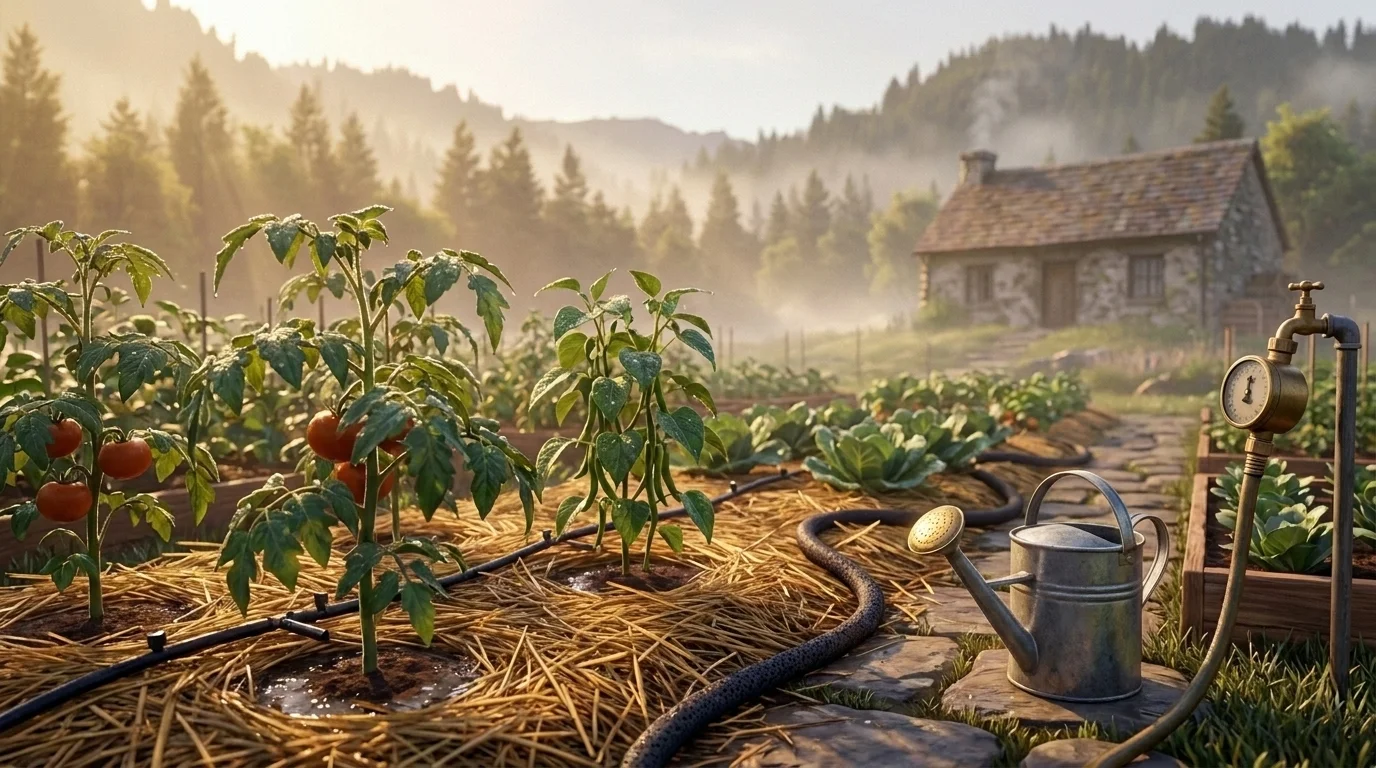
Watering & Irrigation
How much, how often, how deep — the weekly practice, not the plumbing.
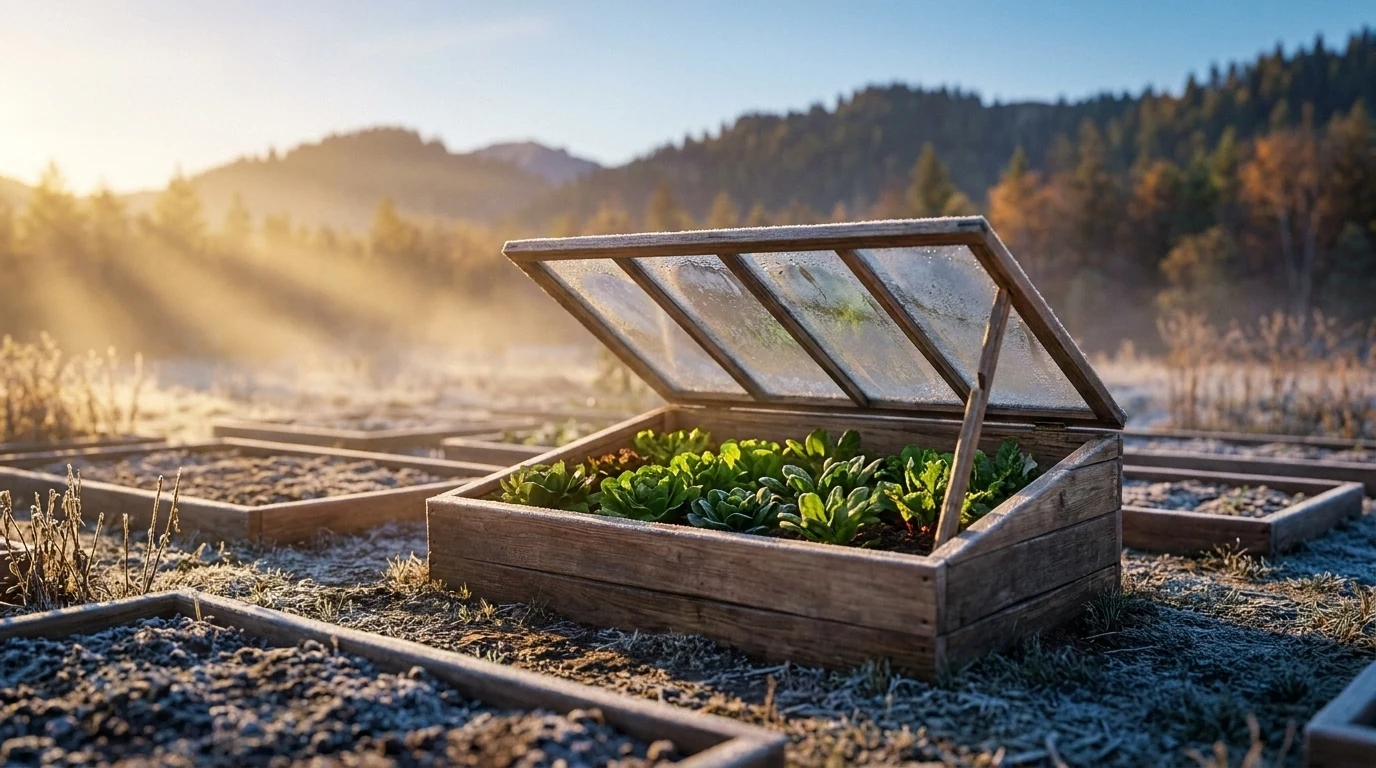
Season Extension
Buy weeks at both ends of the frost-free window — and finish crops you couldn't before.
Plan Your Garden
What Can I Grow?
How we match every plant to your exact soil, sun, and climate.
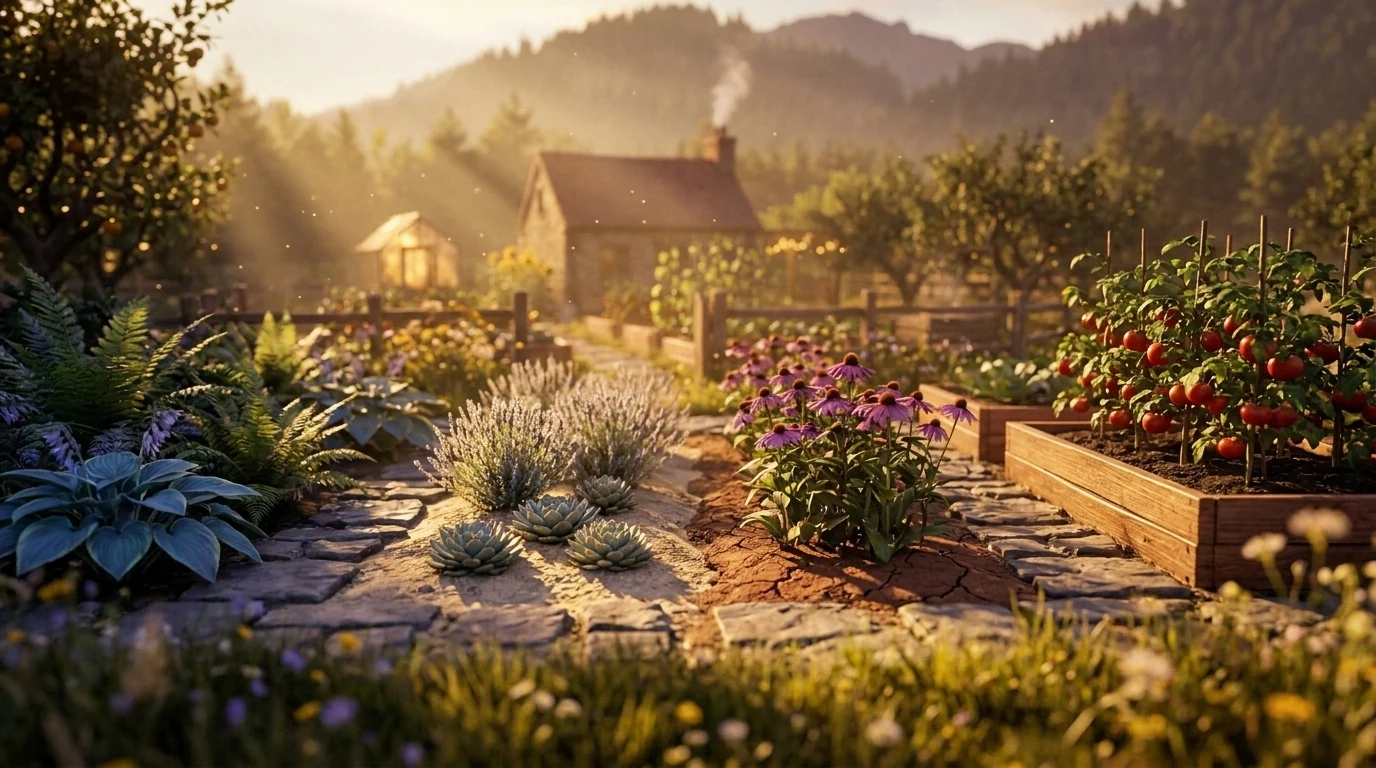
Plants for Your Conditions
What grows well in shade, clay, sand, drought, wet ground, or a tricky pH — real plant lists by condition.
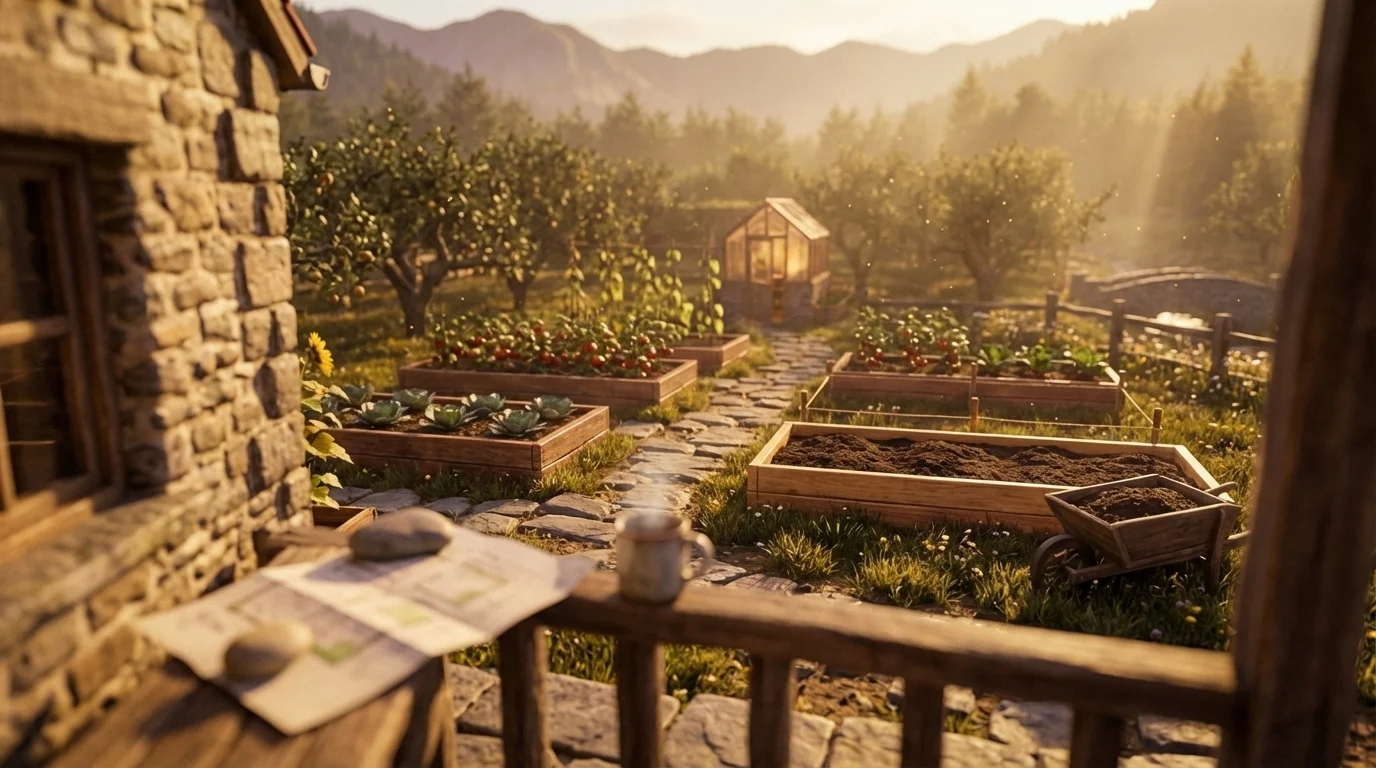
Garden Builder
Place beds on your property and see what scores where.
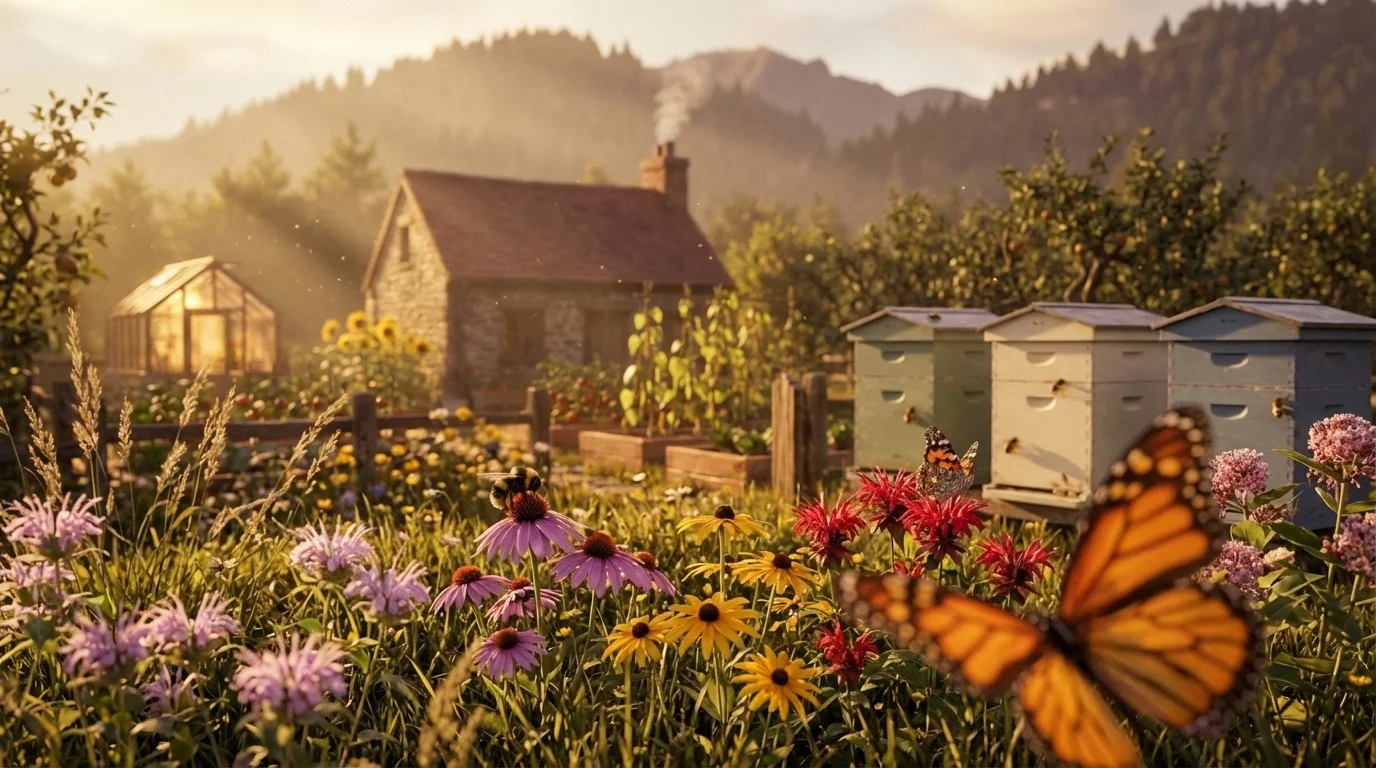
Pollinator Garden
Build the bloom calendar that keeps bees and butterflies fed.
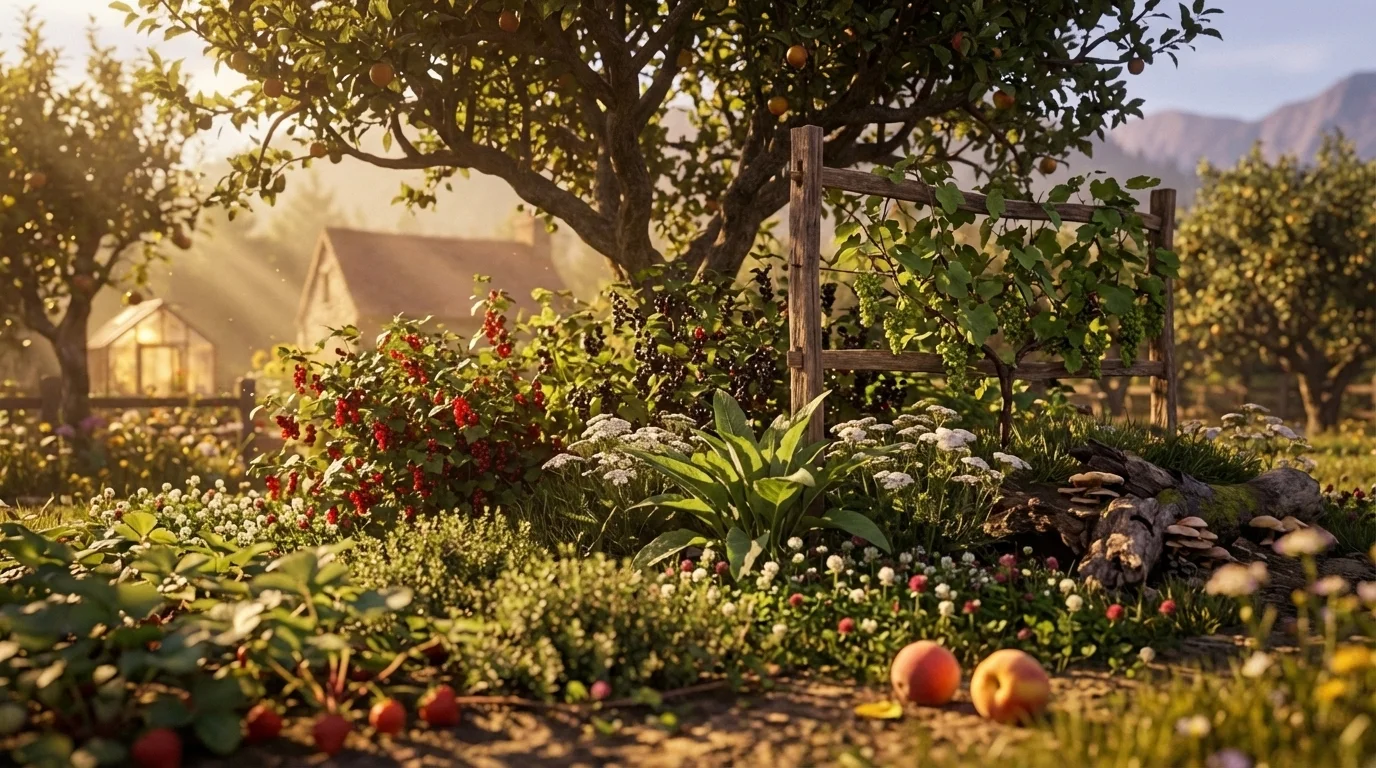
Permaculture
Food-forest and perennial systems, matched to your site.
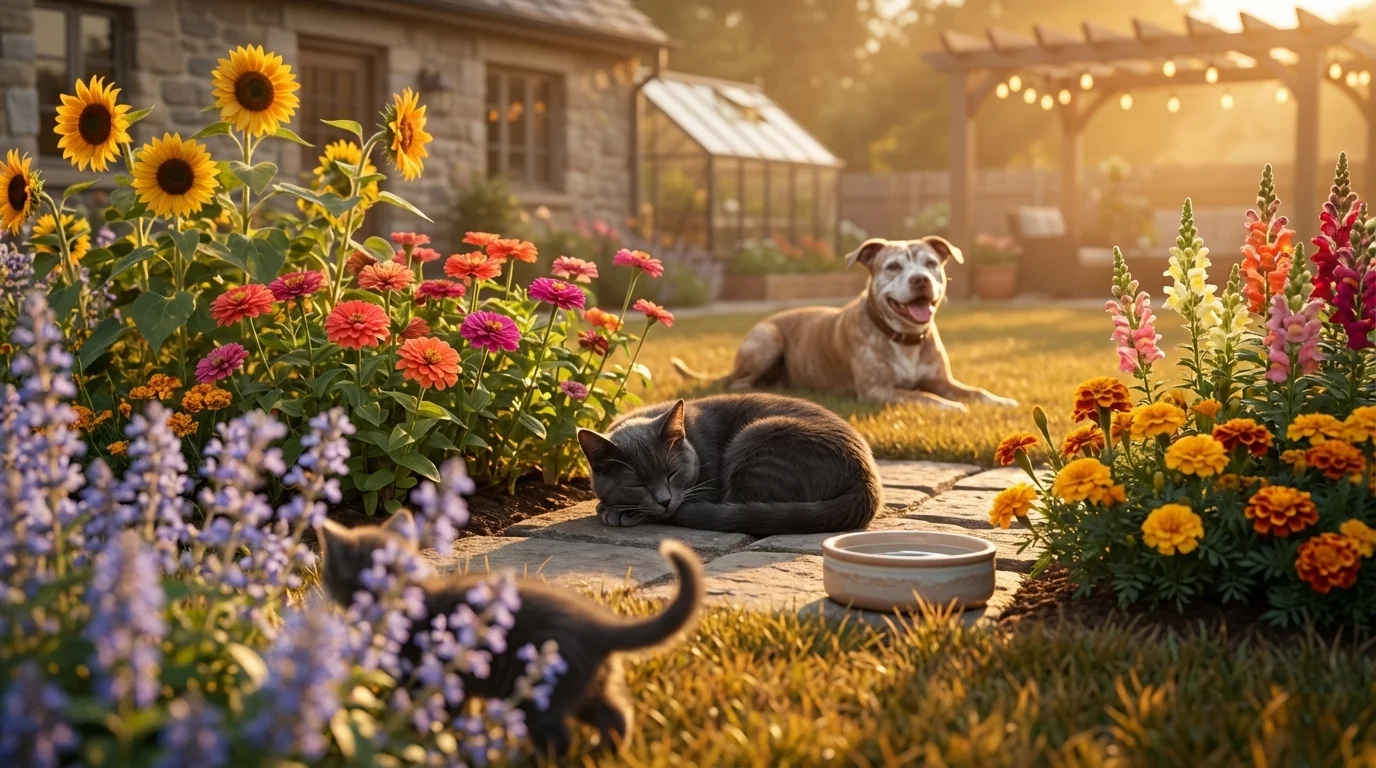
Pet-Safe Plants
Non-toxic plants safe for dogs and cats.
Protect Your Garden
Plant Diseases
Spot powdery mildew, blight, black spot, and the impostors — and the habits that prevent them.
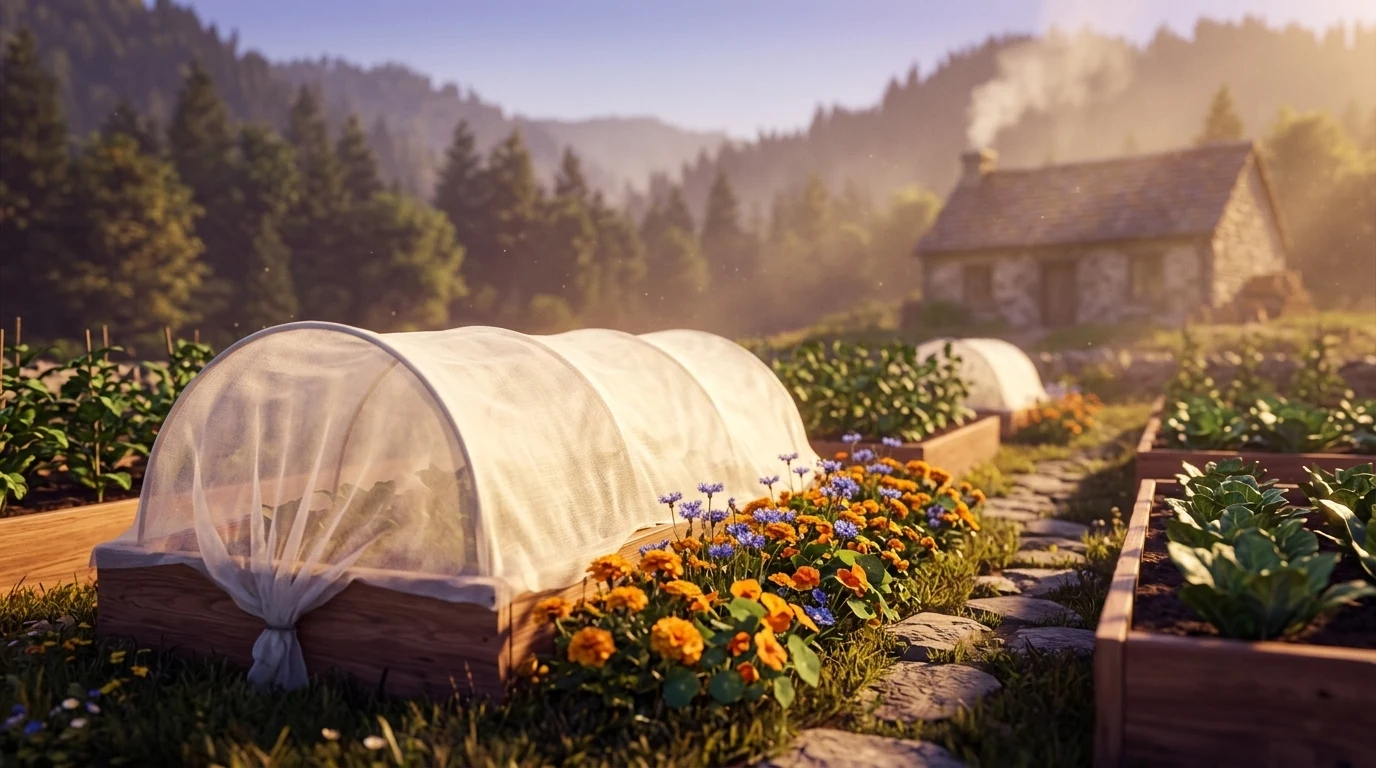
Garden Pests
Identify the beetles, worms, aphids, and slugs — and outsmart them the IPM way.
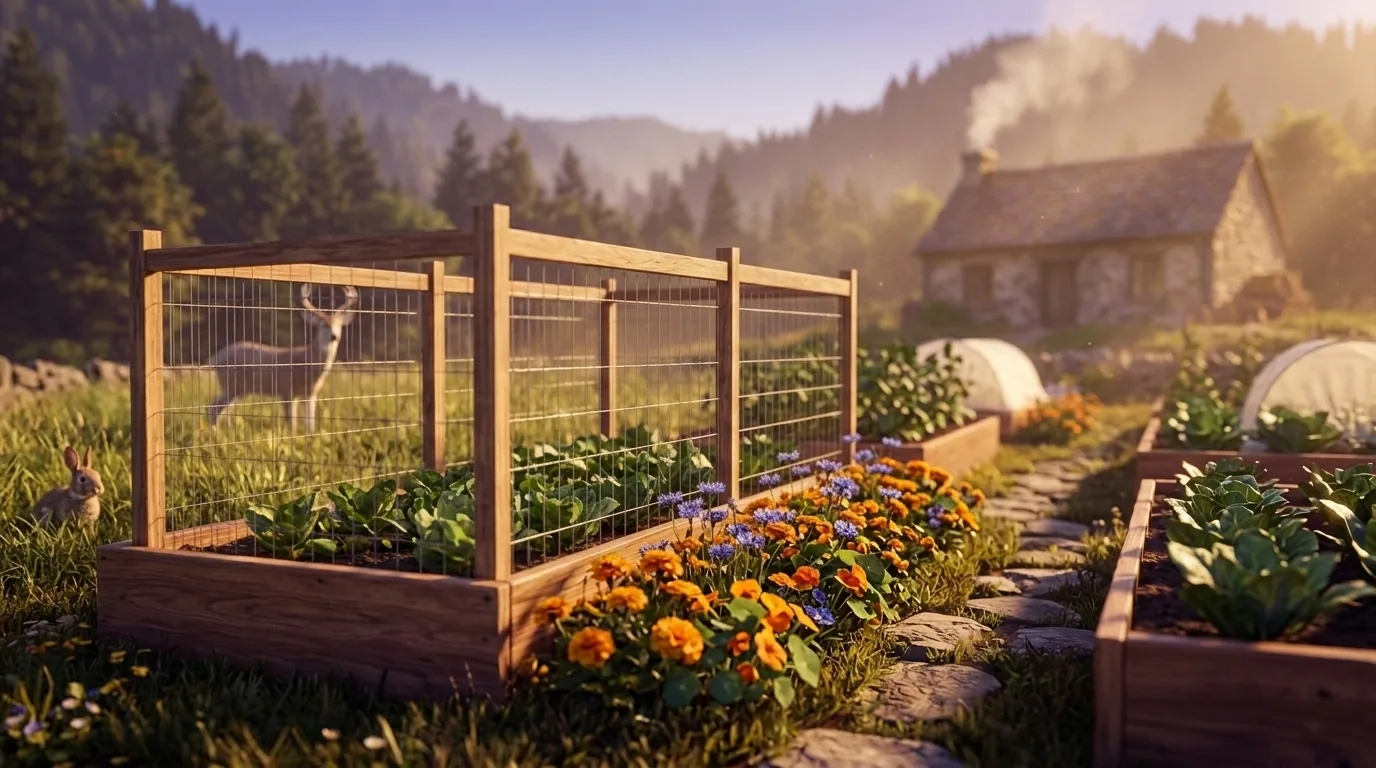
Deer & Wildlife
Deer, rabbits, groundhogs, voles, squirrels, and birds — and the exclusion-first fixes that actually work.
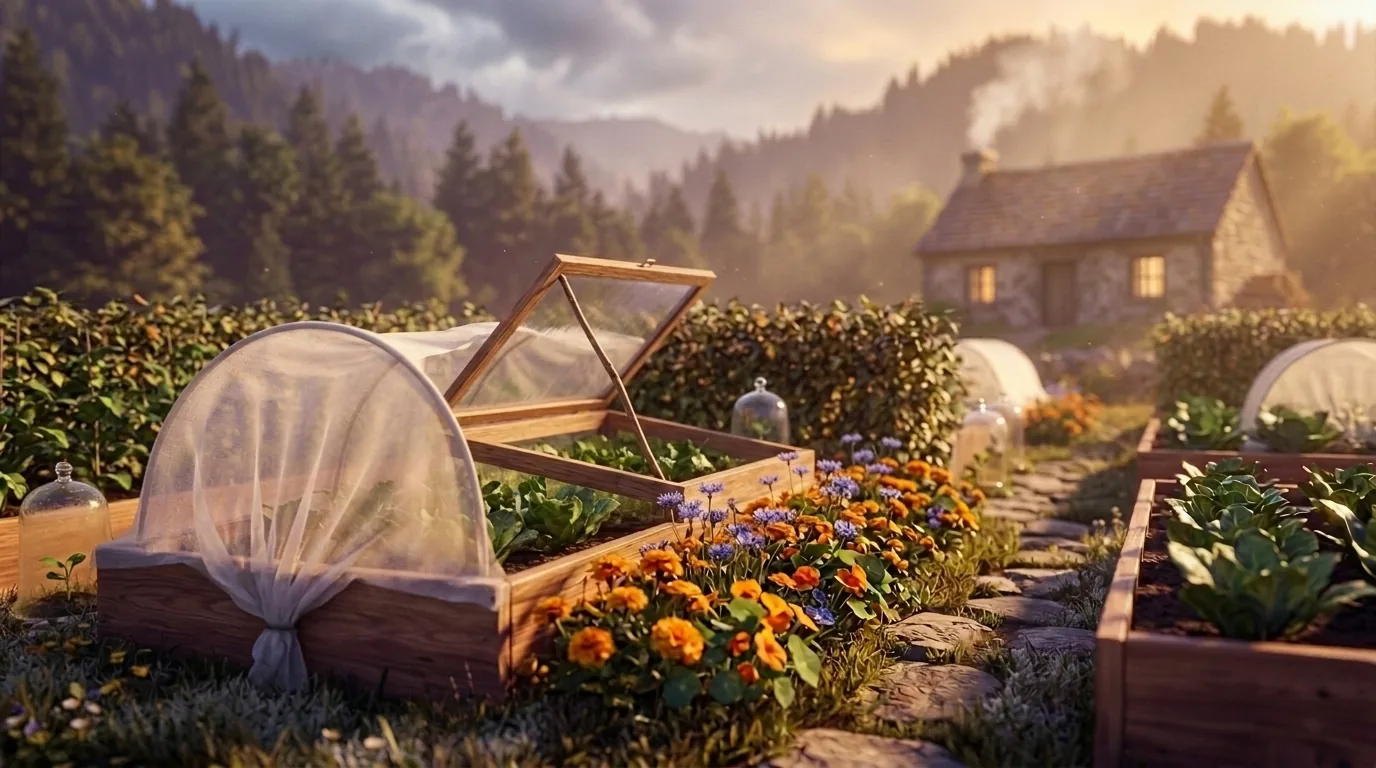
Weather Protection
Frost, wind, hail, heat, and salt — the covers, cold frames, shade cloth, and windbreaks that shield your garden.
Find the Right Tool
Best Free Plant Finder
A working tour of the free tools — USDA, Calflora, Native Plant Trust, Cooperative Extensions, and us.
What Plants Will Grow on My Land?
The multi-factor question, answered from public federal data.
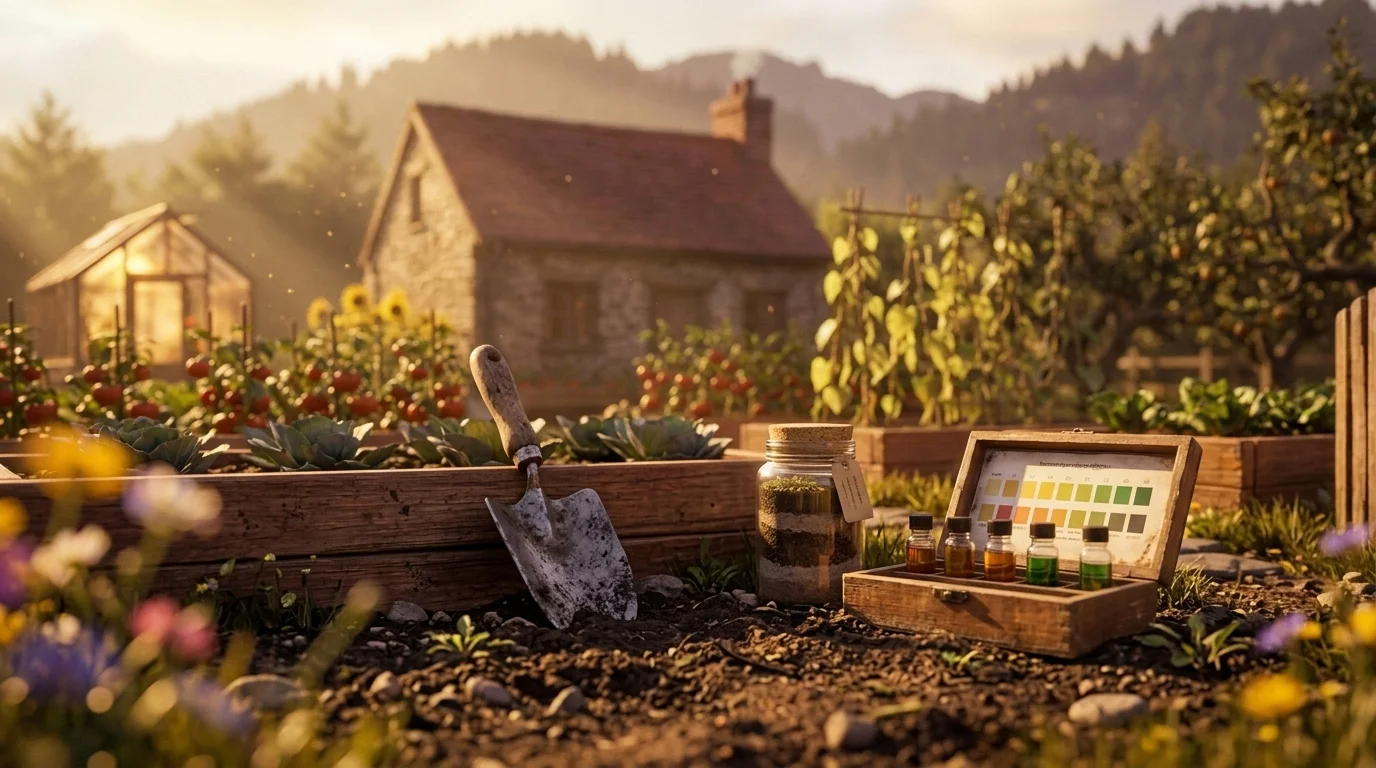
Is My Property Contaminated?
How to read the federal contamination record for your address before you plant food.
Frequently Asked Questions
Which growing guide should I start with?
Start by reading your land: the Hardiness Zones and Frost Dates guides tell you what survives winter and how long your season runs, and the Soil Report guide tells you what your ground is made of. Once you know those three, the plant-matching guides turn them into a real plant list.
How do I find my hardiness zone and frost dates?
The USDA Plant Hardiness Zone Map sets your zone from 30-year winter lows, and NOAA climate normals set your average first and last frost. The Hardiness Zones and Frost Dates guides explain both — and a Growable Ground report reads them for your exact coordinates, not just your ZIP.
What can actually grow in my soil?
The USDA has already mapped your soil in SSURGO — texture, pH, and drainage, field by field. The soil guides teach you to read it, and a report scores 1,085 plants against the map units under your parcel so the answer is your ground, not your state's average.
Are these guides free?
Yes. Every guide here is free to read, and so are the tools they point to. A Growable Ground report — which applies all of this to your specific address — is where the paid interpretation lives, but the learning is open to everyone.
Last updated: