
Growing Guide
Build a Pollinator Garden That Actually Thrives on Your Land
Sources: Xerces Society, Pollinator Partnership, USDA PLANTS Database, Lady Bird Johnson Wildflower Center
 Pollinators at risk
40%+
Xerces Society
Bloom season needed
Mar - Oct
Pollinator Partnership
Companion plants scored
849
Growable Ground DB
Why pollinator gardens need location-specific plants
Most pollinator garden guides hand you a generic plant list. The problem: a coneflower that thrives in Ohio clay may fail in sandy coastal soil. A milkweed species native to the Southeast won't overwinter in Zone 4. Pollinators need plants that actually grow well on your land — stressed, stunted plants produce less nectar and bloom for shorter windows.
Native plants consistently outperform ornamental hybrids for pollinator support. Research from the University of Delaware shows native-plant landscapes support about 4x as many caterpillars — the food that fuels breeding songbirds — as non-native equivalents. Native bees have co-evolved with native flora — their tongue lengths, body sizes, and foraging behaviors are adapted to specific native flower shapes.
The most common mistake: planting double-petaled hybrids that look beautiful but offer no accessible nectar. Those ruffled roses and pom-pom dahlias? Their extra petals have replaced the reproductive structures pollinators need. A simple single-petaled native wildflower will draw more bees than an entire bed of ornamental doubles.

Find pollinator plants for YOUR land
See 849 pollinator-friendly species scored against your actual sun, soil, and climate conditions.
Three things about your exact spot that zone averages miss:
We read public map data for this spot — soil, climate, flood, and parcel records. How we handle your address.
25+ data sources analyzed in seconds
Pollinator plants by region and zone
These regional recommendations are based on Xerces Society plant lists, Pollinator Partnership regional guides, and USDA PLANTS Database native range data. Each plant below is documented as a significant nectar or pollen source for native pollinators.
Northeast (Zones 4–7)
Source: Xerces Society Northeast Plant List
Southeast (Zones 7–9)
Source: Pollinator Partnership Southeast Guide
Midwest (Zones 3–6)
Source: Xerces Society Midwest Plant List
West (Zones 5–9)
Source: Xerces Society Western Plant List
Also native here — plant profiles coming soon:
- Showy milkweed (Asclepias speciosa) — western monarchs, bumble bees
- Buckwheat (Eriogonum spp.) — specialist bees, beneficial wasps, blues butterflies
Pacific Northwest (Zones 6–9)
Source: Xerces Society PNW Plant List
Also native here — plant profiles coming soon:
- Douglas aster (Symphyotrichum subspicatum) — late-season native bees, butterflies
- Narrowleaf milkweed (Asclepias fascicularis) — western monarchs, native bees
- Globe gilia (Gilia capitata) — native bees, hover flies, butterflies
The pollinators that matter most — and what they need
Bumble bees — Essential for "buzz pollination," a vibration technique required to release pollen from tomatoes, peppers, eggplant, and blueberries. Honeybees cannot do this. Without bumble bees, these crops produce fewer and smaller fruit. Bumble bees need continuous bloom from March through October and undisturbed ground for nesting.
Source: Xerces Society, "Bumble Bees of North America"
Mason bees (Osmia spp.) — A single mason bee pollinates roughly 100x more efficiently than a single honeybee for fruit tree blossoms. They emerge early (March–April), fly in cooler temperatures, and work in light rain. Critical for apple, cherry, pear, and plum. They nest in hollow stems and small cavities — not hives.
Source: USDA ARS, Logan Bee Lab research
Monarch butterflies — Monarchs have an obligate relationship with milkweed (Asclepias spp.): females will only lay eggs on milkweed, and larvae can only eat milkweed leaves. No milkweed means no monarchs. Adults need nectar from a variety of flowers during migration, but the breeding cycle depends entirely on milkweed availability.
Source: Monarch Joint Venture, USFWS Species Status Assessment
Pollinator partnerships and common fixes
Some plants set fruit or seed only with a specific partner — and that partner lives where the plant is native. Others fruit fine on their own, and the "you need a pollinator" worry is a myth. These are the partnerships gardeners actually run into: which milkweed monarchs need, how to hand-pollinate squash when bees fall short, whether your fig needs a wasp, and the famous yucca–moth story. Open any story for the full account — and how to tell whether the pollinator lives where you garden.
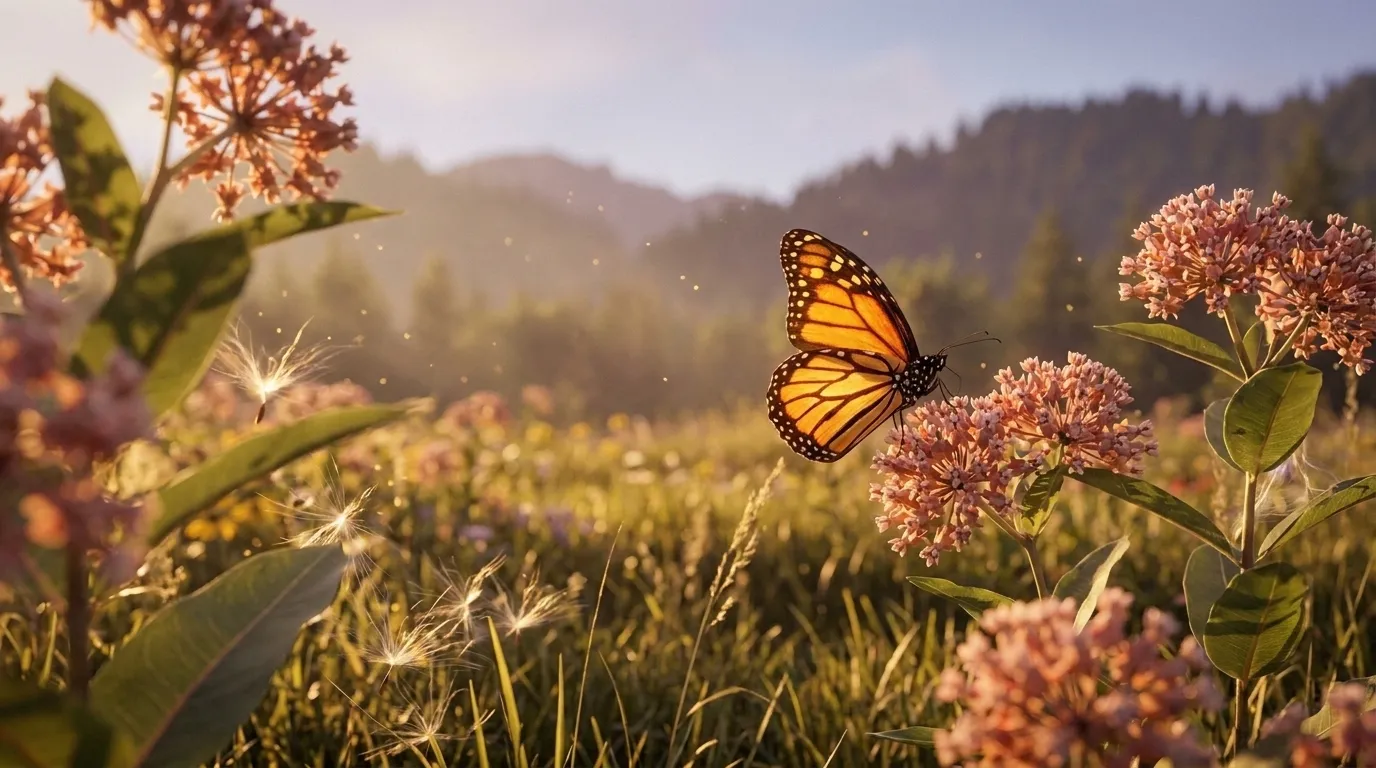
Monarch Host Plants: Which Milkweed Is Native to Your State
Milkweed is the one plant monarch caterpillars can eat — here is which native species belongs where you garden.
Read the story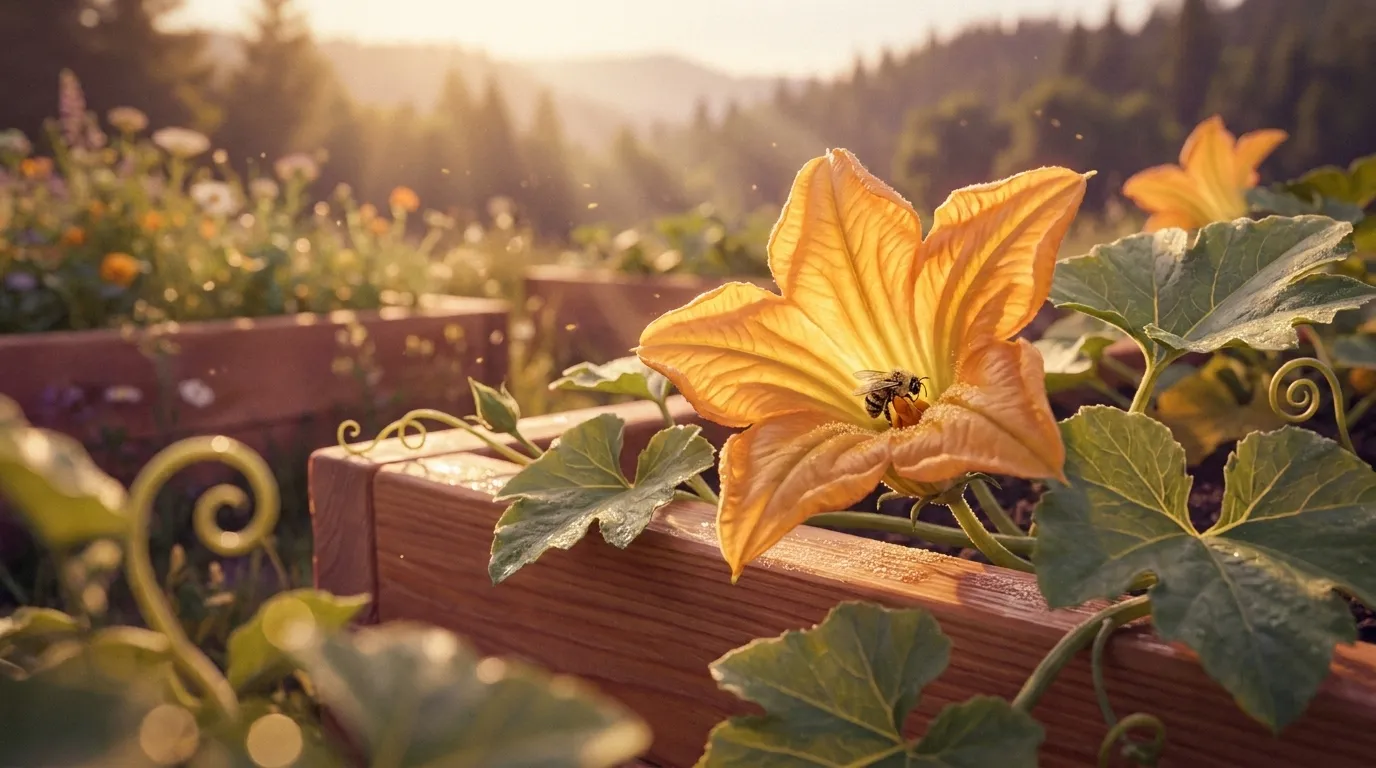
How to Hand-Pollinate Squash (When Your Zucchini Won't Set Fruit)
Young squash yellowing and dropping is usually a pollination gap — and a 30-second hand-pollination fixes it.
Read the story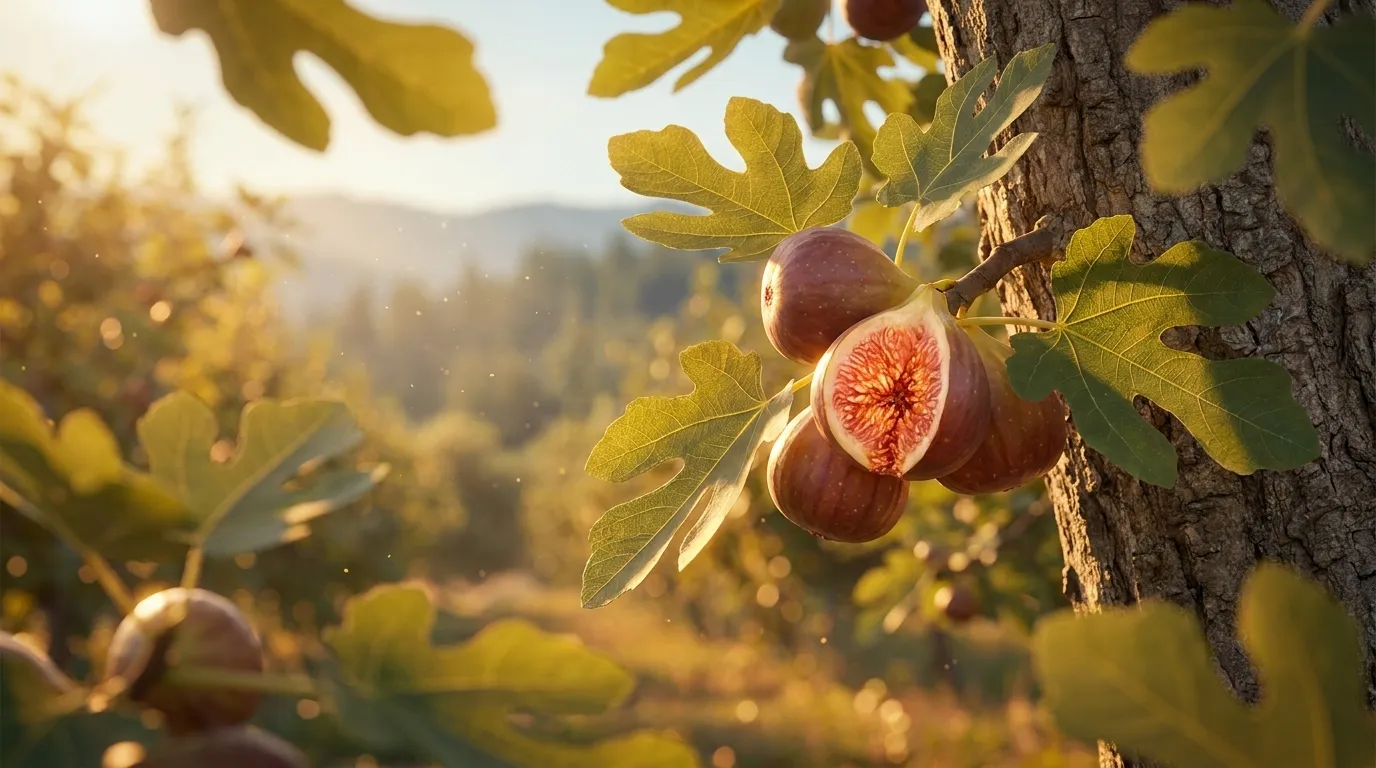
Do Fig Trees Need a Pollinator? Why Your Fig Isn't Fruiting
Almost every fig a home gardener grows fruits on its own — here is why, and what actually stalls fruiting.
Read the story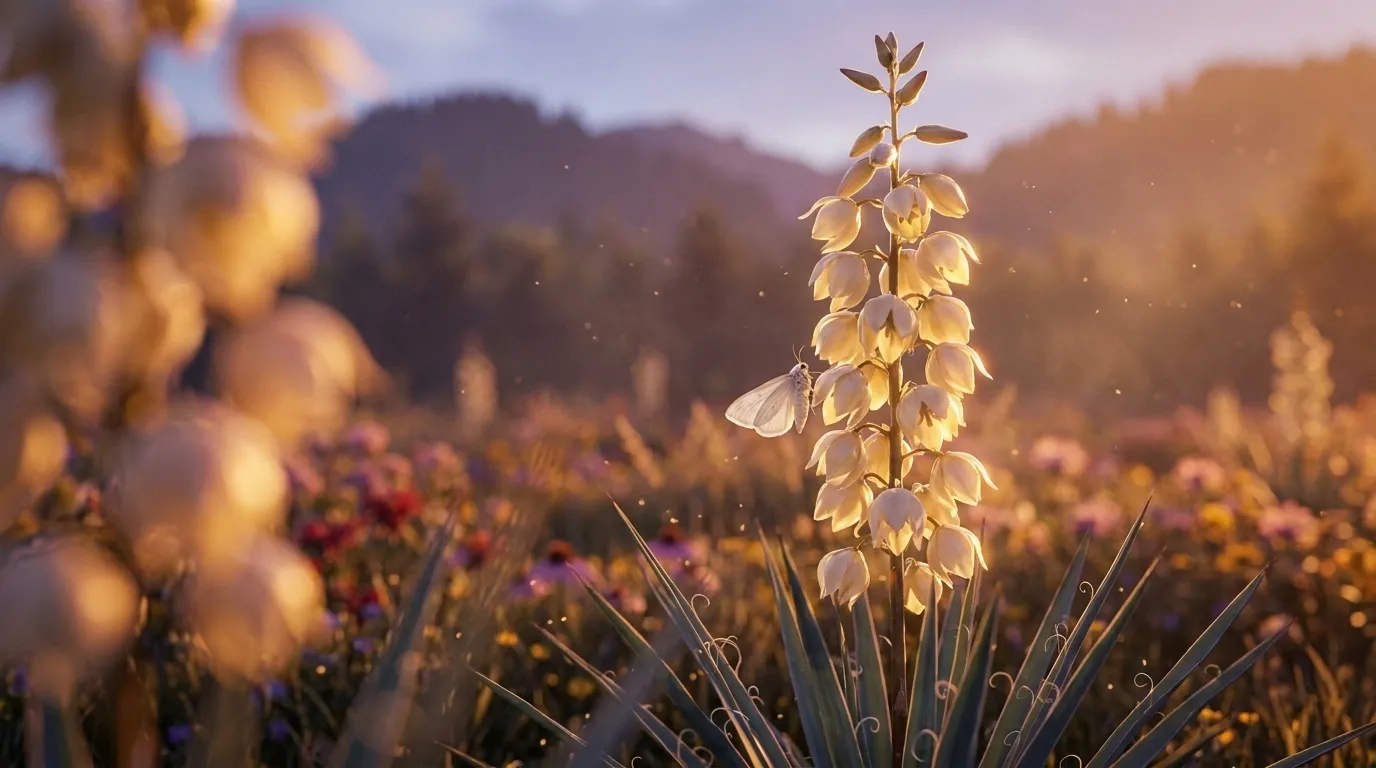
The Yucca and Its Moth: Nature’s Tightest Partnership
One of biology’s most famous partnerships — and the reason a yucca grown outside its range blooms but sets no seed.
Read the storyThe pollinator filter in Growable Ground
Our plant database tracks pollinator data for 849 species — each tagged with pollinator type (native bees, honeybees, butterflies, hummingbirds, moths), pollinator value rating (high, moderate, low), and native pollinator significance. Data sourced from the Xerces Society, Pollinator Partnership, and Lady Bird Johnson Wildflower Center.
When you run a report, the crop engine scores every pollinator-tagged species against your actual conditions — hardiness zone, sun hours, soil pH, drainage class, frost-free days, and growing degree days. A milkweed that scores 95 on your land is a far better choice than one that scores 40 because your soil is too alkaline or your season too short.
The pollinator companion feature also identifies which food crops benefit from nearby pollinator plants. Planting goldenrod near your tomatoes isn't just good for bees — it draws the bumble bees that buzz-pollinate your fruit for better yields.
Designing for continuous bloom
The most common pollinator garden mistake is planting everything that blooms in June. By July, the garden is green and flowerless while bees search desperately for food. A functional pollinator garden provides continuous bloom from early spring through hard frost — with no gap longer than two weeks.
Crocus, willow, red maple, Virginia bluebells, columbine. Critical for queen bumble bees emerging from hibernation and early mason bees. Even a small patch matters.
Source: Xerces Society bloom calendar
Milkweed, coneflower, bee balm, sunflower, Joe-Pye weed. Peak pollinator activity. Plant at least 3 species that bloom simultaneously to support diverse pollinator types.
Source: Pollinator Partnership seasonal guides
Goldenrod, aster, sedum, witch hazel. These plants fuel the fall migration of monarchs and help bees build winter reserves. Goldenrod alone supports 100+ native bee species.
Source: Xerces Society, USDA PLANTS Database
Growable Ground's flower farmer persona reads your bloom calendar and flags gap periods in your planned garden. If your selections leave a 3-week gap in late July, the engine flags it and suggests species that fill exactly that window — scored for your specific conditions.
Pro TipFind pollinator plants for YOUR land
See 849 pollinator-friendly species scored against your actual sun, soil, and climate conditions.
Three things about your exact spot that zone averages miss:
We read public map data for this spot — soil, climate, flood, and parcel records. How we handle your address.
25+ data sources analyzed in seconds
Frequently Asked Questions
Do all flowers help pollinators?
No. Double-petaled hybrids and heavily bred cultivars often produce little or no accessible nectar or pollen. Pollinators need single-petaled, open-throated flowers with visible reproductive structures. Native wildflowers consistently outperform ornamental hybrids for pollinator visitation rates.
What is the most important pollinator plant?
There is no single most important plant — pollinators need continuous bloom from early spring through fall. Goldenrod (Solidago spp.) supports over 100 native bee species. Milkweed (Asclepias spp.) is the only host plant for monarch butterfly larvae. A diverse planting with overlapping bloom times is more valuable than any single species.
How many pollinator-friendly plants does Growable Ground track?
849 species in our database are tagged with pollinator data — including pollinator type (bees, butterflies, hummingbirds, moths), pollinator value rating, and native pollinator significance. Each is scored against your specific soil, sun, and climate conditions.
Are native plants really better for pollinators than non-natives?
Research from the University of Delaware and others shows native-plant landscapes support about 4x as many caterpillars — the food that fuels breeding songbirds — as non-native equivalents. Native bees have co-evolved with native flora for millennia — their tongue lengths, body sizes, and foraging behaviors are adapted to specific native flower shapes.
Related Guides
See what this means where you are
This guide is national — a state's own zones, frost dates and soils change how it plays out. Start with your state's growing hub: