
Growing Guide
Every Plant in Your Garden Should Be Safe for Your Pets
Sources: ASPCA Animal Poison Control Center, Pet Poison Helpline, Cornell Poisonous Plants Database
If you suspect your pet has ingested a toxic plant, contact your veterinarian, the ASPCA Animal Poison Control Center (888-426-4435), or Pet Poison Helpline (855-764-7661) immediately.
Last updated:
 Lethal to cats
Lilies
Pollen alone — kidney failure
Safe options
Hundreds
ASPCA non-toxic species
Verified by
ASPCA
Animal Poison Control Center
This information is for educational purposes only and does not constitute veterinary medical advice.
Why pet safety data matters
Garden centers sell toxic plants without warnings. Lilies — lethal to cats even from pollen exposure — sit next to pet-safe snapdragons with no differentiation. Sago palms, toxic to both dogs and cats in every part of the plant, are marketed as low-maintenance landscaping. Of the 1,085 species in our database, 64 are documented non-toxic to dogs and cats and hundreds more carry a documented toxicity record — stocked side by side, unlabelled.
The risk isn't theoretical. A cat brushing against lily pollen and grooming it off, a puppy chewing a fallen oleander leaf, a dog digging up and eating a tulip bulb — these are emergency vet visits that happen every day. Knowing which plants are dangerous before you put them in the ground is the simplest prevention.

See pet-safe plants for YOUR land
See ASPCA-confirmed non-toxic species matched to your soil, sun, drainage, and climate.
Three things about your exact spot that zone averages miss:
We read public map data for this spot — soil, climate, flood, and parcel records. How we handle your address.
25+ data sources analyzed in seconds
Our data sources
Every toxicity classification in Growable Ground is traceable to one or more of these authoritative sources. We do not invent, estimate, or infer toxicity data.
- ASPCA Animal Poison Control Center — The primary reference for pet plant toxicity in the US. Maintains a database of toxic and non-toxic plants for dogs, cats, and horses.
aspca.org/pet-care/animal-poison-control/toxic-and-non-toxic-plants - Pet Poison Helpline — 24/7 veterinary poison control staffed by veterinary toxicologists. Provides clinical severity ratings and treatment protocols.
petpoisonhelpline.com - American Veterinary Medical Association (AVMA) — Professional veterinary body with pet care resources and poisonous plant guidance.
avma.org/resources-tools/pet-owners/petcare - Cornell University Poisonous Plants Informational Database — Academic reference covering toxic principles, clinical signs, and affected species.
poisonousplants.ansci.cornell.edu - Merck Veterinary Manual — Comprehensive veterinary reference with detailed toxicology sections covering plant poisoning mechanisms and treatment.
merckvetmanual.com/toxicology/poisonous-plants
Top 10 toxic plants gardeners unknowingly plant
These plants are commonly sold at garden centers and nurseries without toxicity warnings. Severity ratings are based on ASPCA Animal Poison Control Center classifications.

Cats: Even small amounts of pollen, a single leaf, or water from a vase can cause acute kidney failure. Death within 72 hours without treatment. Dogs are less affected but GI upset is possible. All parts are toxic to cats.
Source: ASPCA Animal Poison Control Center
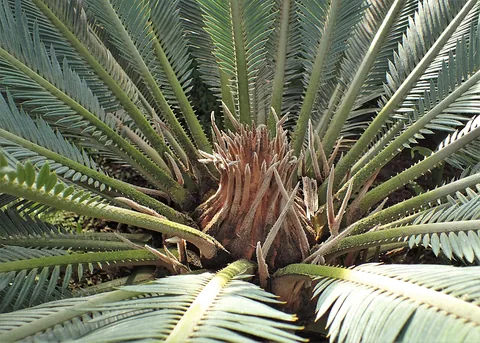
Dogs: All parts toxic, seeds contain highest cycasin concentration. Causes severe liver failure. Published case-fatality rates differ sharply between the two peer-reviewed series: 17 of 34 dogs died or were euthanized in Ferguson 2011, against 12.3% of 130 dogs in Lake 2020 — so treat any suspected ingestion as an emergency rather than trusting a single number. Dogs are attracted to the seeds.
Source: ASPCA Animal Poison Control Center and Pet Poison Helpline (toxicity); Ferguson et al. 2011, J Vet Intern Med 25(4):831-7 and Lake et al. 2020, Aust Vet J 98(11):555-62 (case fatality)
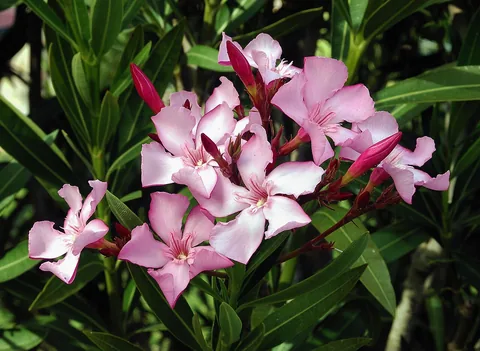
Dogs and cats: Contains cardiac glycosides affecting the heart. All parts are toxic, including smoke from burning branches and water the plant has been soaking in. A single leaf can be lethal to a dog.
Source: ASPCA Animal Poison Control Center, Merck Veterinary Manual
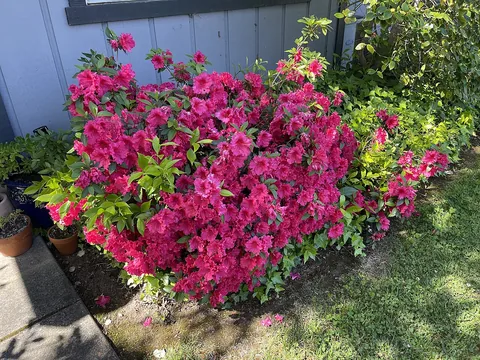
Dogs and cats: Contains grayanotoxins. Ingestion of even a few leaves can cause vomiting, diarrhea, weakness, cardiac failure, and potentially death. All parts are toxic.
Source: ASPCA Animal Poison Control Center
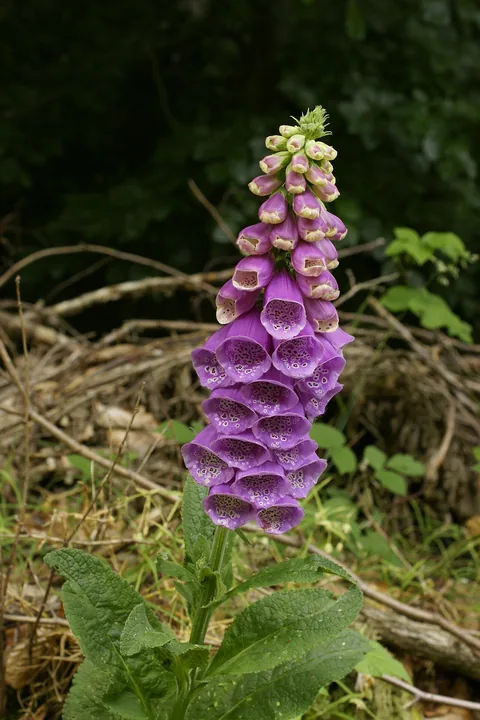
Dogs and cats: Contains cardiac glycosides (digitoxin, digoxin). All parts are toxic. Causes cardiac arrhythmias that can be fatal. Even the water in a vase containing foxglove is dangerous.
Source: ASPCA Animal Poison Control Center, Cornell Poisonous Plants Database
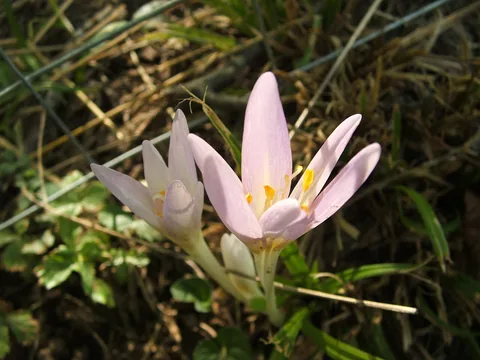
Dogs and cats: Contains colchicine, which causes multi-organ failure. Symptoms may be delayed 2–5 days, making diagnosis difficult. All parts toxic, especially bulbs. Not to be confused with spring crocus (Crocus spp.), which causes only mild GI upset.
Source: ASPCA Animal Poison Control Center, Pet Poison Helpline
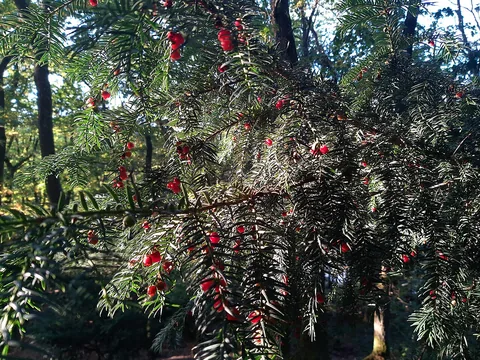
Dogs and cats: Contains taxine alkaloids that cause sudden cardiac arrest. All parts except the fleshy red aril are toxic. Death can occur within hours, often without prior symptoms. Commonly used as foundation planting and hedging.
Source: ASPCA Animal Poison Control Center, Merck Veterinary Manual
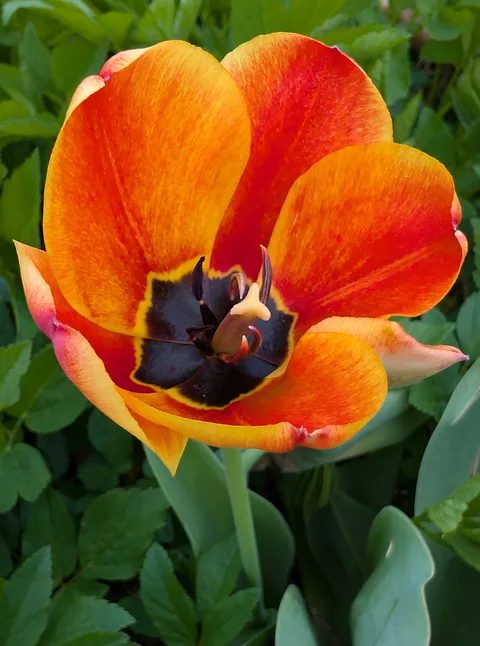
Dogs and cats: Bulbs contain the highest concentration of tulipalin A and B. Causes intense GI irritation, drooling, and central nervous system depression. Dogs that dig are most at risk.
Source: ASPCA Animal Poison Control Center
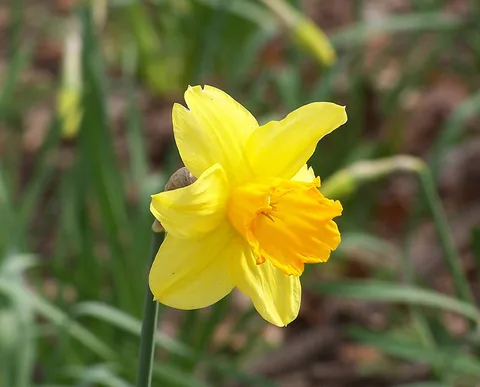
Dogs and cats: Bulbs contain lycorine and calcium oxalate crystals. Large ingestions can cause cardiac arrhythmias, low blood pressure, and tremors. Bulbs are the most dangerous part.
Source: ASPCA Animal Poison Control Center
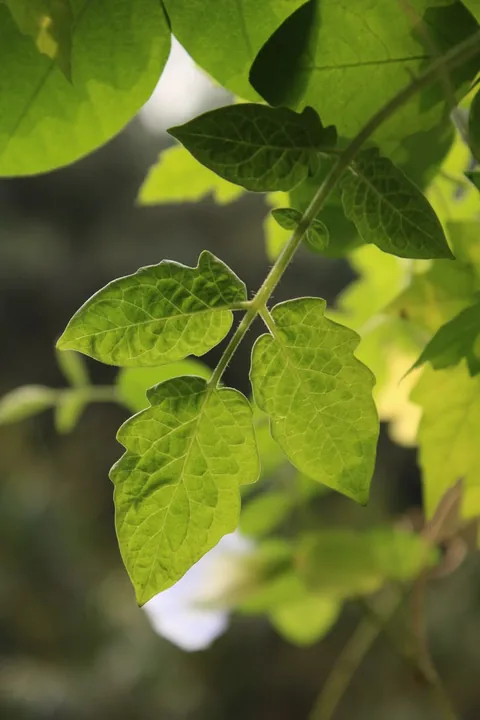
Dogs and cats: Stems, leaves, and unripe green fruit contain solanine and tomatine. Ripe fruit is safe. Typically causes mild GI upset — drooling, vomiting, diarrhea. Rarely serious unless large quantities of green parts are consumed.
Source: ASPCA Animal Poison Control Center
Cats and dogs react differently
Toxicity is not equal across species. Some plants are deadly to one pet and merely unpleasant to another. Knowing which species is affected changes the risk assessment entirely.
Cats are uniquely susceptible to lily toxicity — even pollen groomed from fur can cause fatal kidney failure. Cats also lack certain liver enzymes (glucuronyl transferase deficiency) that detoxify compounds other animals can handle, making many essential oils and plant compounds more dangerous. Their grooming behavior means any plant they brush against becomes an ingestion risk.
Source: ASPCA Animal Poison Control Center
Dogs are more likely to dig up and ingest bulbs (tulip, daffodil, autumn crocus) and chew on seeds (sago palm). Puppies and young dogs are highest risk due to exploratory chewing. Dogs are also more likely to consume large quantities, making dose-dependent toxins (like sago palm cycasin) more dangerous in practice.
Source: Pet Poison Helpline, ASPCA
How the pet-safe filter works
Growable Ground's plant database includes pet toxicity data for every species where ASPCA or veterinary poison control data is available. Each plant is classified by toxicity level (lethal, severe, moderate, mild, or non-toxic), affected species (dogs, cats, horses), and toxic plant parts.
When you toggle the Hide pet-toxic filter, plants with a documented toxicity to dogs or cats are hidden. Plants with no toxicity rating on file stay in the list, so the filter narrows your options — it does not certify what remains. The ones we can confirm as non-toxic carry a Pet-safe badge. Everything is still scored against your actual site conditions: soil pH, drainage, sun hours, hardiness zone, and frost-free season.
Important: absence from the toxic list does not guarantee safety. If a plant has not been evaluated by ASPCA or the sources above, we do not label it as safe — it simply has no data. When in doubt, consult your veterinarian before planting.
Pet-safe plants by growing zone
These widely available species are confirmed non-toxic by ASPCA and grow reliably across common US zones. Your Growable Ground report scores ASPCA-confirmed pet-safe species against your specific conditions.
- Snapdragon (Antirrhinum majus)
- Basil (Ocimum basilicum)
Source: ASPCA Non-Toxic Plant List
- Rose (Rosa spp.) — thorns are a physical hazard only
- Cilantro / Coriander (Coriandrum sativum)
- Thyme (Thymus vulgaris)
Source: ASPCA Non-Toxic Plant List
- Spider plant (Chlorophytum comosum)
- Boston fern (Nephrolepis exaltata)
- Rosemary (Salvia rosmarinus)
- Camellia (Camellia spp.)
Source: ASPCA Non-Toxic Plant List
- Cucumber (Cucumis sativus)
- Squash / Zucchini (Cucurbita spp.)
Source: ASPCA Non-Toxic Plant List
See how each grows — and how it scores on your land
Each is ASPCA-confirmed non-toxic to dogs and cats. Confirm any plant against the ASPCA list before you plant near pets.
See pet-safe plants for YOUR land
See ASPCA-confirmed non-toxic species matched to your soil, sun, drainage, and climate.
Three things about your exact spot that zone averages miss:
We read public map data for this spot — soil, climate, flood, and parcel records. How we handle your address.
25+ data sources analyzed in seconds
Frequently Asked Questions
What garden plants are most dangerous to cats?
Lilies (Lilium and Hemerocallis species) are the most dangerous garden plant for cats. Even small amounts of pollen, a single leaf, or water from a vase can cause acute kidney failure and death within 72 hours without veterinary treatment. The ASPCA Animal Poison Control Center lists lilies as one of the most common causes of fatal plant poisoning in cats.
What garden plants are most dangerous to dogs?
Sago palm (Cycas revoluta) is the most dangerous common garden plant for dogs. All parts are toxic, but seeds contain the highest concentration of cycasin. Ingestion causes severe liver failure. Published case-fatality rates differ sharply between the two peer-reviewed series: 17 of 34 dogs died or were euthanized in Ferguson 2011, against 12.3% of 130 dogs in Lake 2020 — so treat any suspected ingestion as an emergency rather than trusting a single number.
How many pet-safe plants does Growable Ground track?
64 species in our database are confirmed non-toxic to dogs and cats, based on ASPCA Animal Poison Control data. These include vegetables, herbs, fruit trees, flowers, and native plants — all scored against your specific soil, sun, and climate conditions.
Are tomato plants safe for pets?
Ripe tomato fruit is safe for dogs and cats. However, the green parts — stems, leaves, and unripe green fruit — contain solanine and tomatine, which can cause mild GI upset. The ASPCA classifies the tomato plant as toxic to dogs and cats, though severity is typically mild.
If you suspect your pet has ingested a toxic plant, contact your veterinarian, the ASPCA Animal Poison Control Center (888-426-4435), or Pet Poison Helpline (855-764-7661) immediately.
This information is for educational purposes only and does not constitute veterinary medical advice.
Related Guides
See what this means where you are
This guide is national — a state's own zones, frost dates and soils change how it plays out. Start with your state's growing hub: