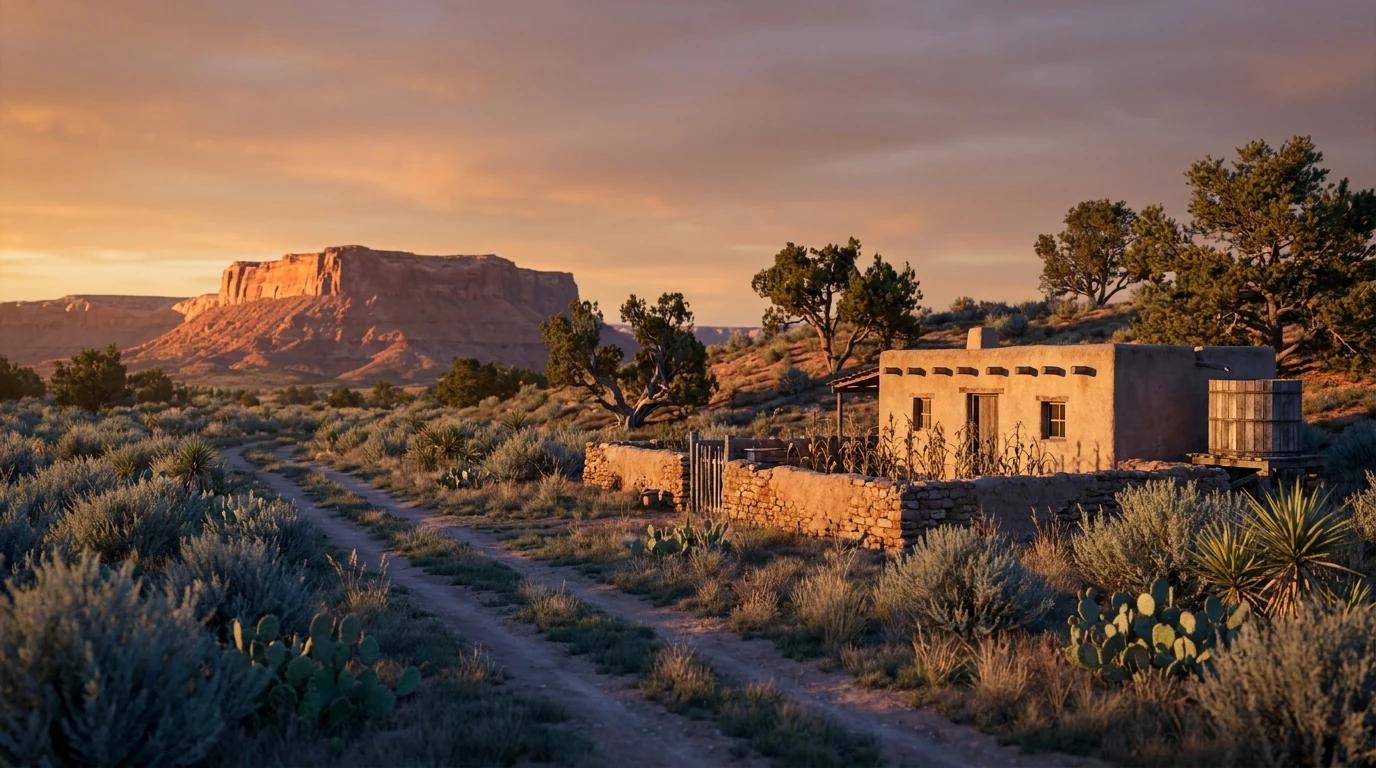
Harney County, in Oregon, sits in USDA hardiness zone 6b — enough range to grow cool-season vegetables, hardy fruit, and warm-season crops that mature before the first hard frost.
On paper, cabbage, blackberry, california poppy, and collard greens all suit these conditions — on the ground, soil, sun, and drainage make the final call.
Grounded in USDA PHZM 2023 · Growable Ground suitability scoring · NOAA 1991–2020 Climate Normals
Harney County holds more than one microclimate.
Soils and elevations shift across Harney County, so your frost dates and drainage aren't the county average. Enter your address and we'll score 1,085 plants against your land's actual soil, sun, and frost.
We read public map data around Harney County — soil, climate, flood, and parcel records. How we handle your address.
No card required · your parcel report in seconds — read in full free for your first 14 days
Harney County — the short answer
Harney County, Oregon: USDA zone 6b, about 142 days between hard freezes, across 6.5M acres.
- USDA zone
- 6b
- USDA PHZM 2023
- Last hard freeze (28°F)
- May 11
- NOAA RCC-ACIS 1991–2020 daily record, 28°F
- First hard freeze (28°F)
- Sep 30
- NOAA RCC-ACIS 1991–2020 daily record, 28°F
- Days between freezes
- ~142
- NOAA RCC-ACIS 1991–2020 daily record, 28°F
- County area
- 6.5M acres
- US Census TIGER/Line 2025
Every figure names the dataset it came from. Hard-freeze dates are county 28°F normals: light frosts run a few weeks past them, and tender transplants usually wait 2–3 weeks after the last hard freeze.
Hardiness Zone Range
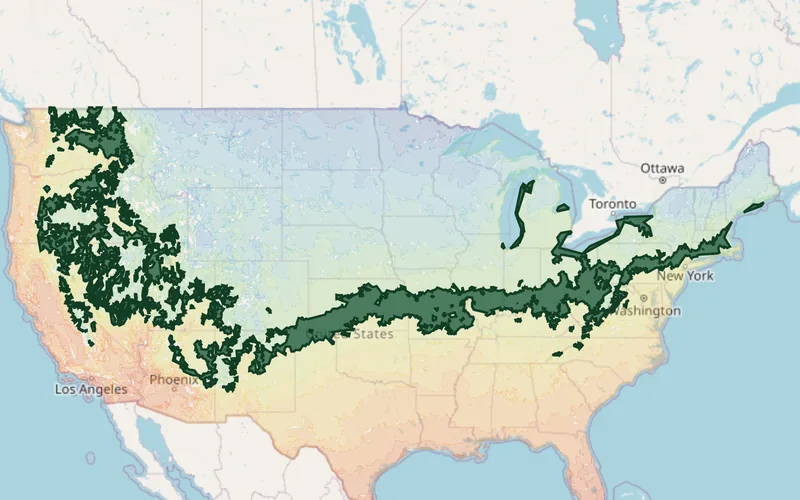
Zone 6b is Harney County's average, not your lot's — a low corner or a tree line moves it. Against Harney County's 142-day season, see what your own ground reads.
Heat in Harney County
Across a year, Harney County accumulates about 1,666 growing degree days above 50°F, about 186 fewer than the middle Oregon county — ahead of 14 of Oregon’s 36 counties. Degree days are the heat a crop actually gets to work with — more of them is more room to ripen a long-season crop before the freeze closes the window.
Grounded in PRISM Climate Group, Oregon State University — 1991–2020 monthly normals
Soil in Harney County
Across Harney County, the ground is predominantly Aridisols, where Raz, Ninemile, and Brace are the most extensive named soil series. The soil is generally well drained with a very cobbly loam surface. Topsoil pH runs about 7.2–7.6, slightly alkaline. Rainfall drains through hydrologic group D soils.
Soil order
Aridisols
Drainage
Well drained
Hydric soils
8%
Soil still varies lot by lot — soil types explained.
How the ground varies across Harney County
The USDA soil survey maps 84% of Harney County as well drained — but another 14% drains differently: 4% somewhat poorly drained, 3% poorly drained.
Raz is the most extensive named soil at 7% of mapped acres, then Ninemile (6%) and Brace (5%).
Which of them your own lot sits on is a parcel question, not a county one. Check your address for the survey at your boundary.
What this means for growing in Harney County
Each reading below is measured for Harney County itself — here is what it means for a garden here, and the move an experienced grower makes about it.
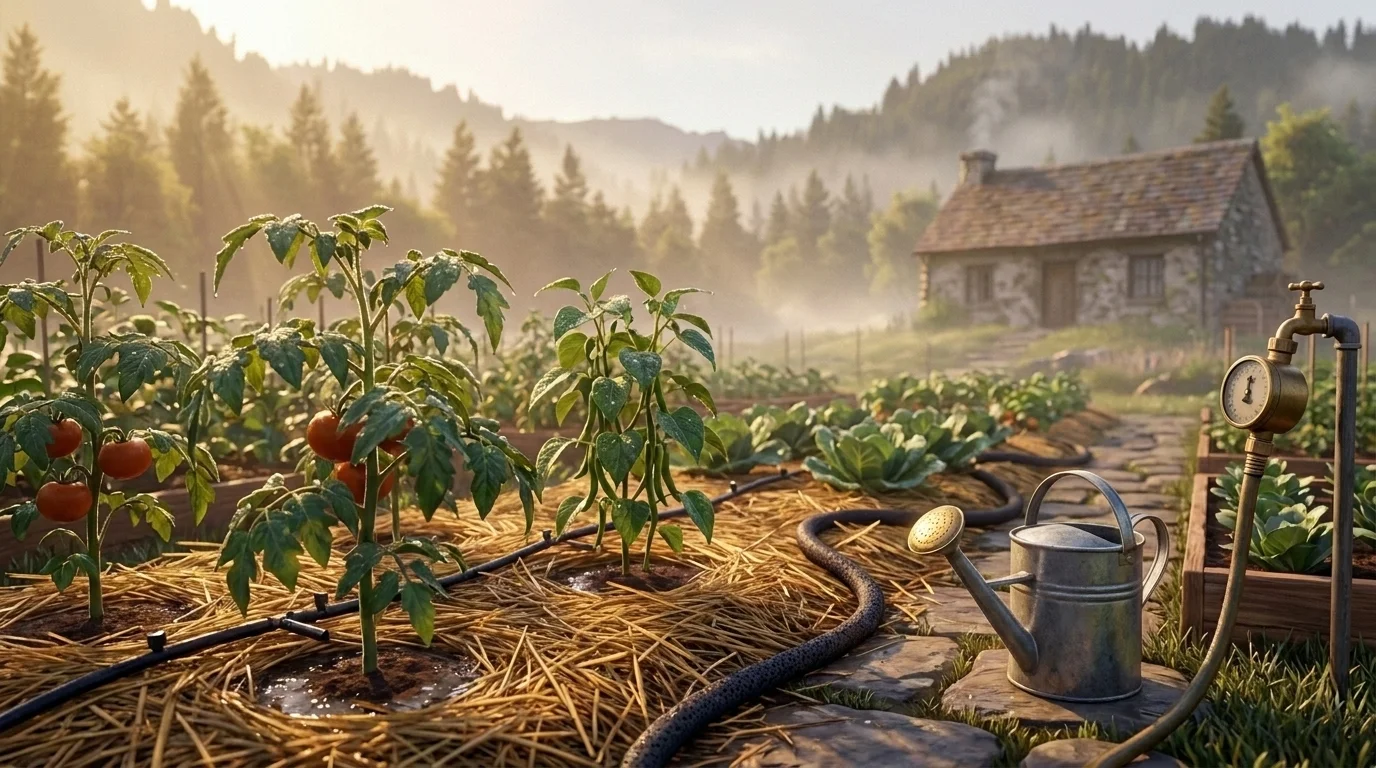
Drainage
MeasuredThe dominant soils across Harney County are well drained, in hydrologic group D — ground that drains quickly.
The upside is soil you can work early in spring and roots that never drown; the cost is that fast-draining ground dries out fast and leaches nutrients away before plants can use them.
Work in compost and mulch to hold moisture and feed, and water more often in short doses than deep and rarely.
USDA NRCS SSURGO
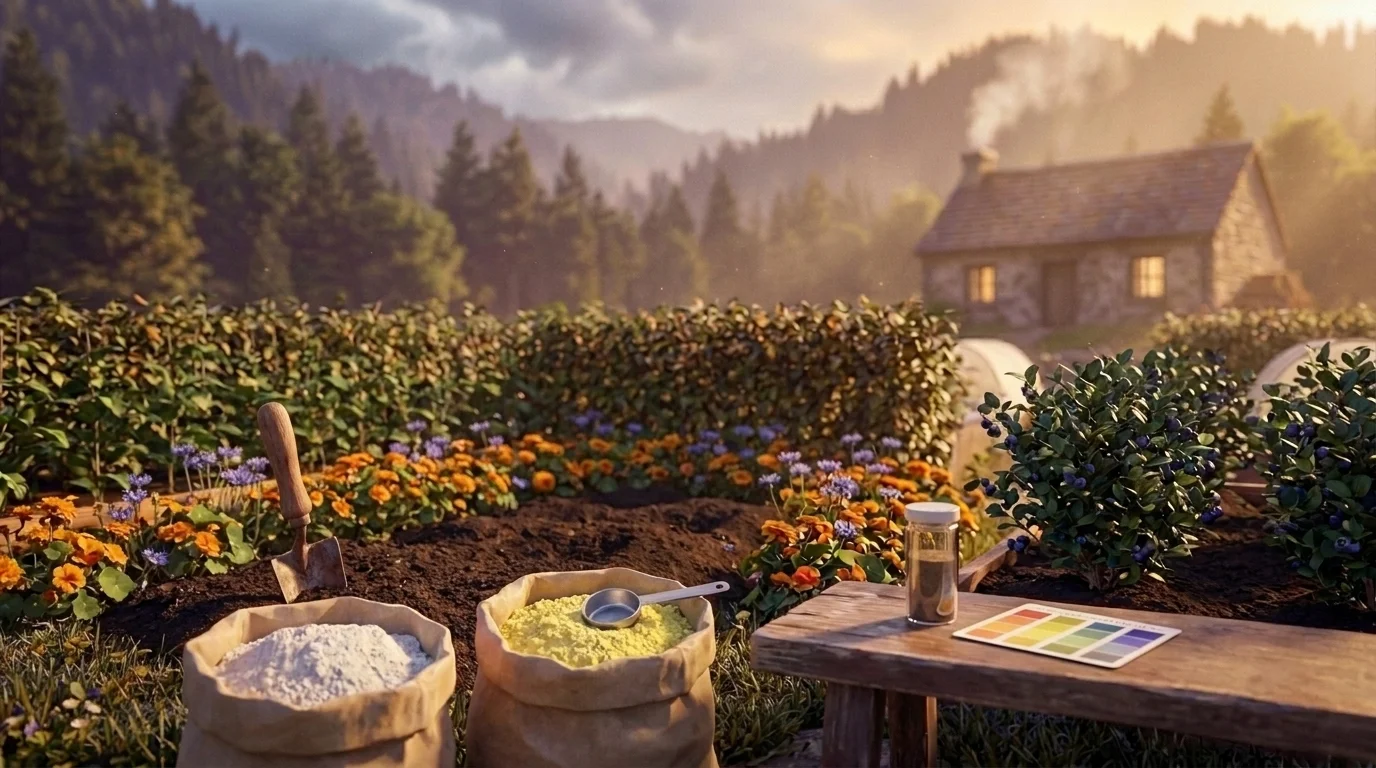
Surface pH
MeasuredTopsoil across Harney County runs about pH 7.2–7.6, on the alkaline side.
Many vegetables cope, but acid-lovers like blueberries struggle, and iron and manganese lock up above about pH 7.5 — leaves yellow between the veins even in rich soil.
Elemental sulfur and generous organic matter lower pH slowly for the beds that need it; test first so you add only what the soil actually calls for.
USDA NRCS SSURGO
Season length
MeasuredHarney County runs about 142 days between hard freezes — a short growing season.
Long-maturing crops like melons, sweet potatoes, and winter squash can run out of runway before the first hard freeze, ripening late or not at all.
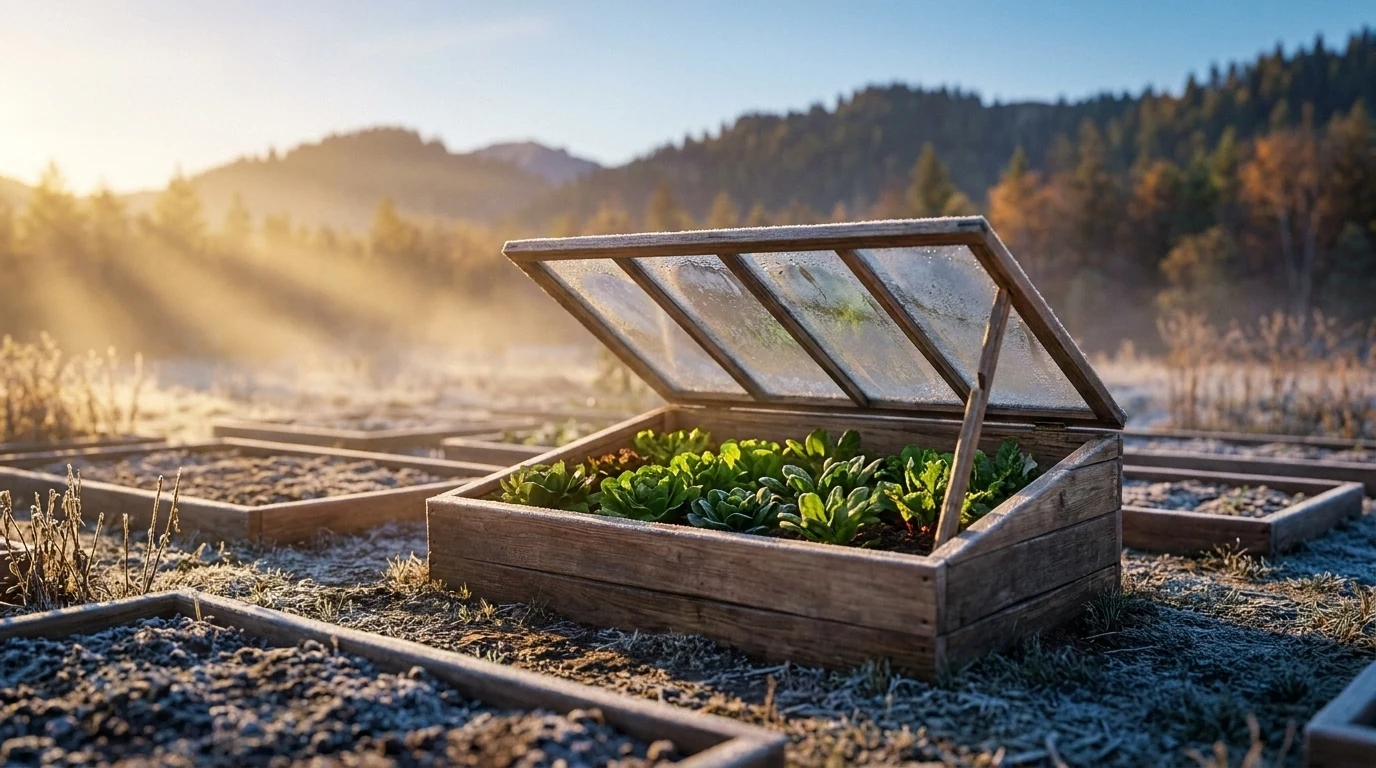
Lead with fast-maturing varieties, and stretch the season on both ends with cold frames, low tunnels, or a greenhouse.
NOAA 1991–2020 Climate Normals
Winter hardiness
MeasuredHarney County sits in USDA hardiness zone 6b.
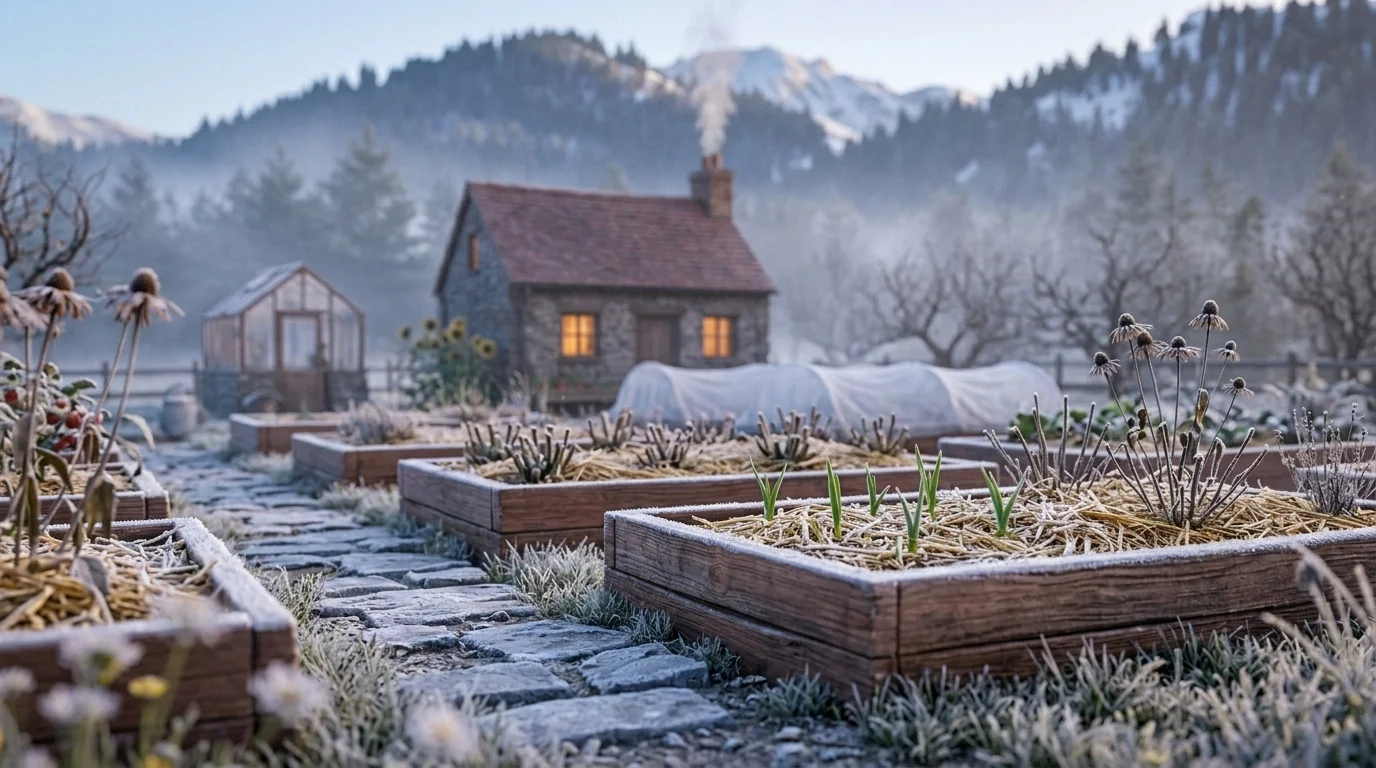
The zone sets which perennials, shrubs, and fruit trees live through an average winter here — a plant rated for a colder zone is a safe bet, one rated warmer needs winter protection or gets treated as an annual.
Match perennials and fruit to the zone before you buy, so nothing you plant is a gamble against the cold.
USDA PHZM 2023
The kind of country Harney County is in
Harney County spans 2 EPA Level III ecoregions — Northern Basin and Range (84%) and Blue Mountains (16%). Which one your land falls in changes what grows wild there and how the ground behaves, and a county-wide answer cannot tell you which.
What Grows in Harney County
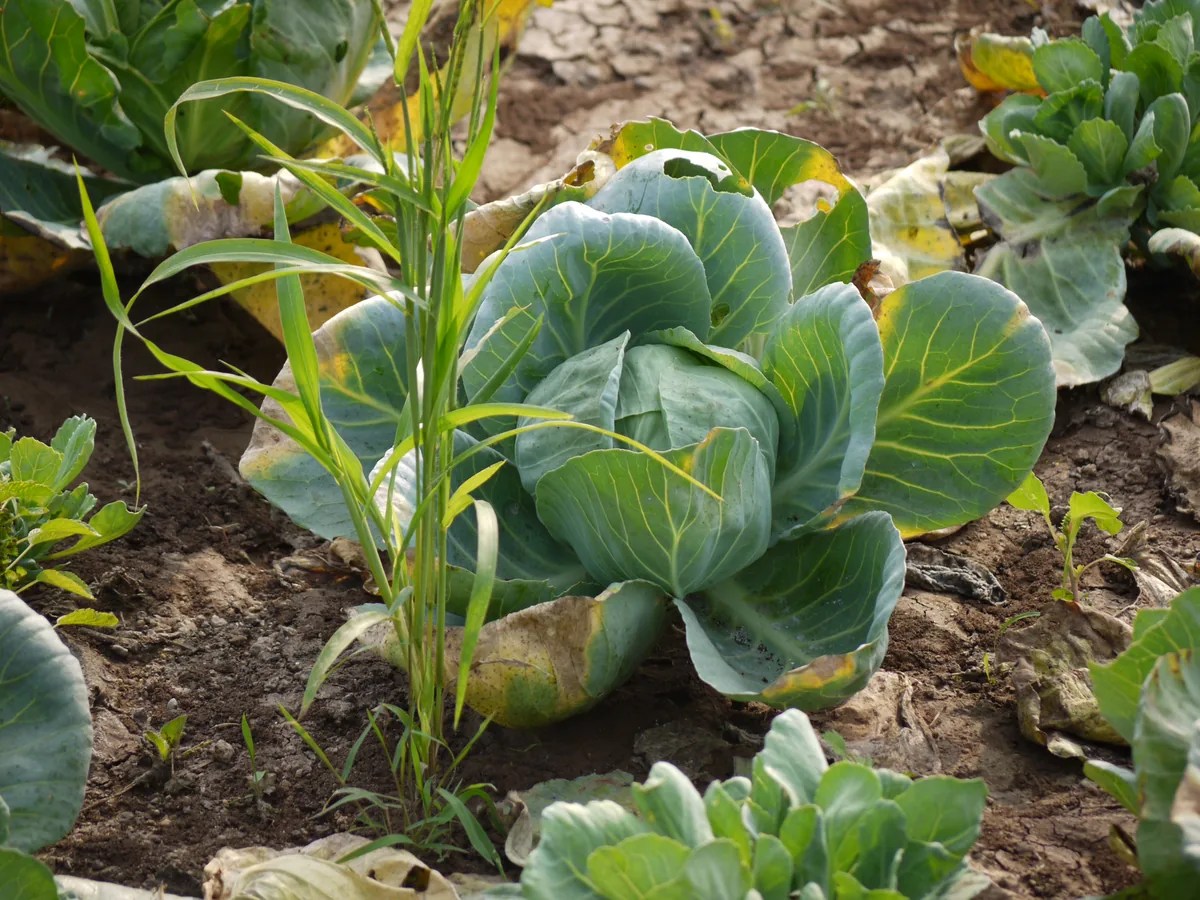
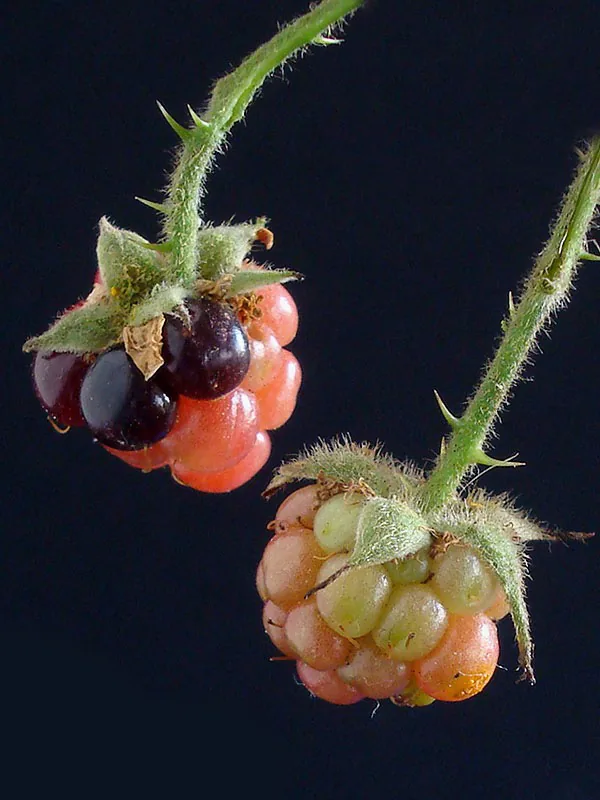
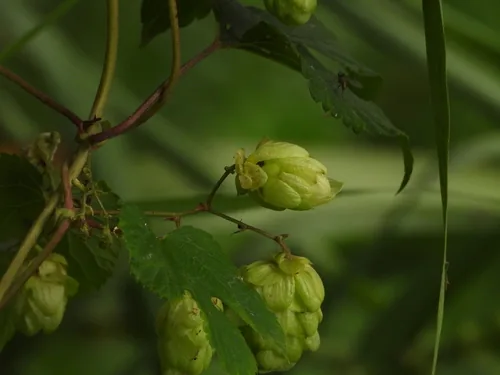
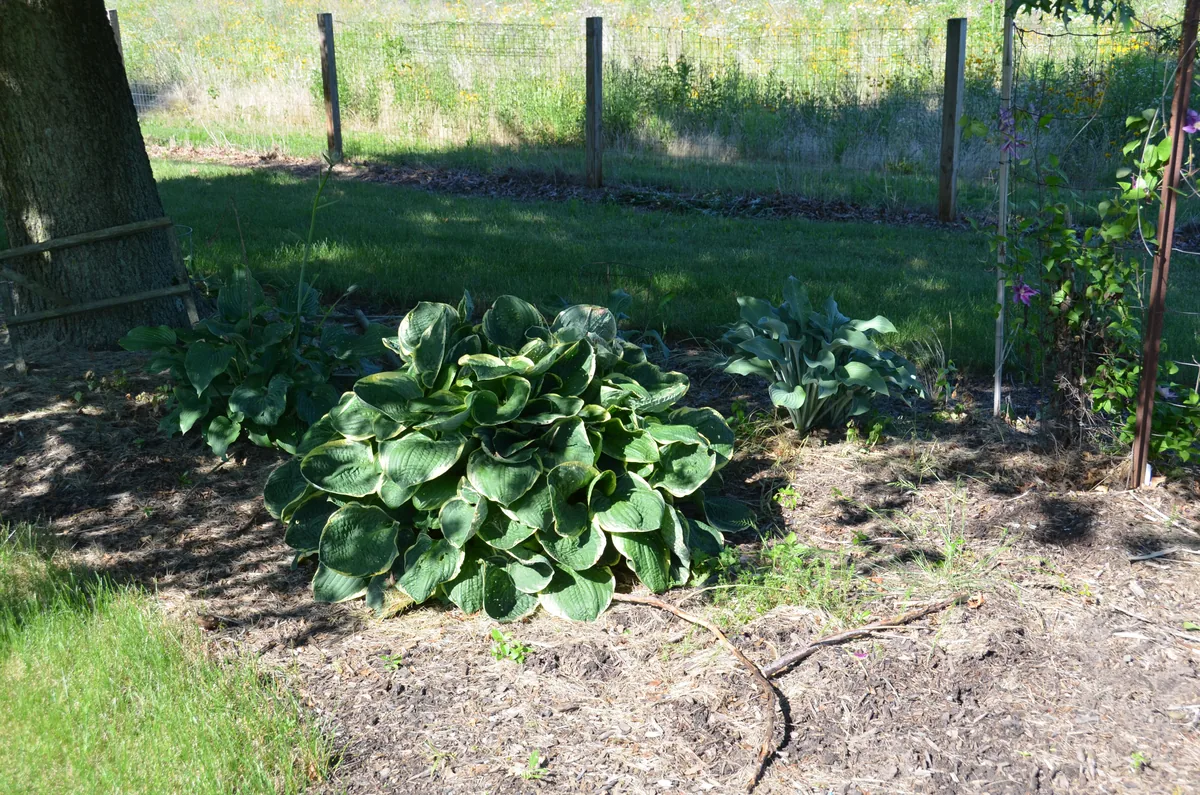
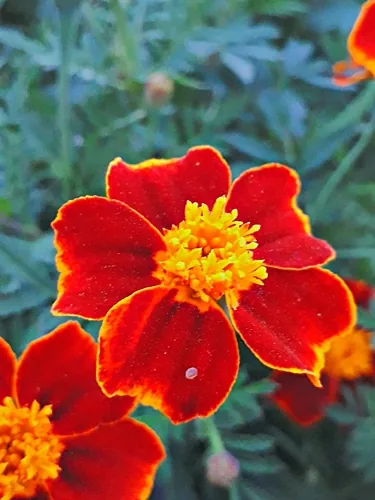
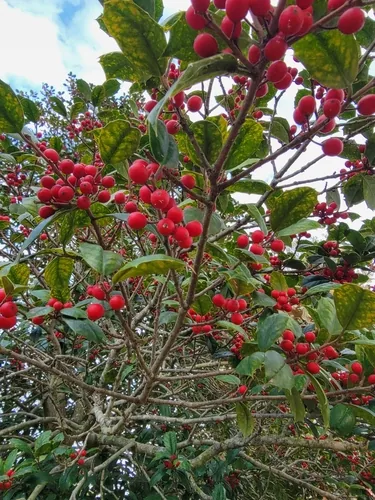
We scored all 1,085 plants against Harney County's own USDA zone 6b and its own 142-day season between hard freezes, using the same matching engine that runs a full parcel report. These cleared both. Sun, soil pH and drainage vary lot by lot — those are the parcel questions below. Each card opens that plant's Oregon profile.
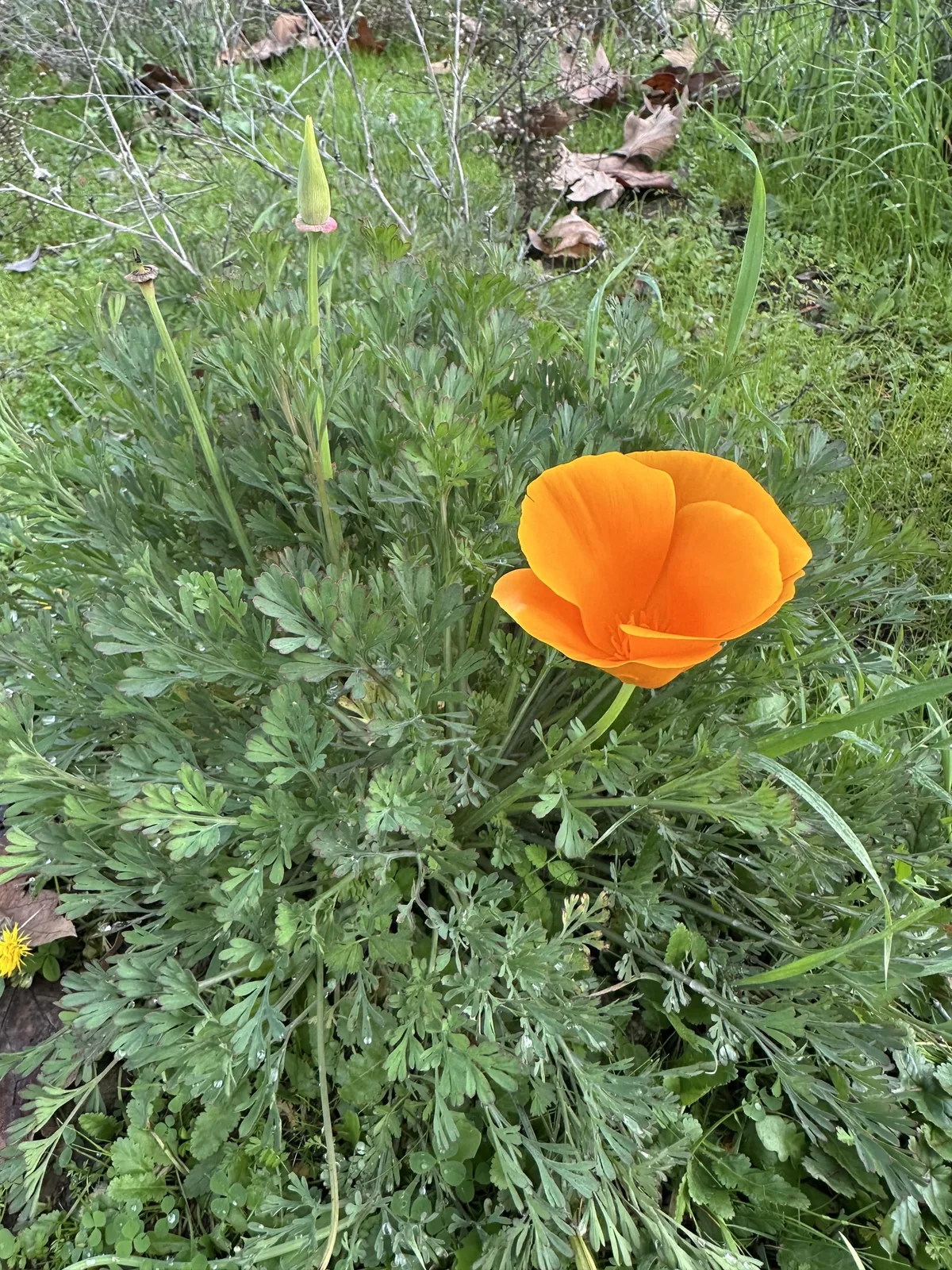
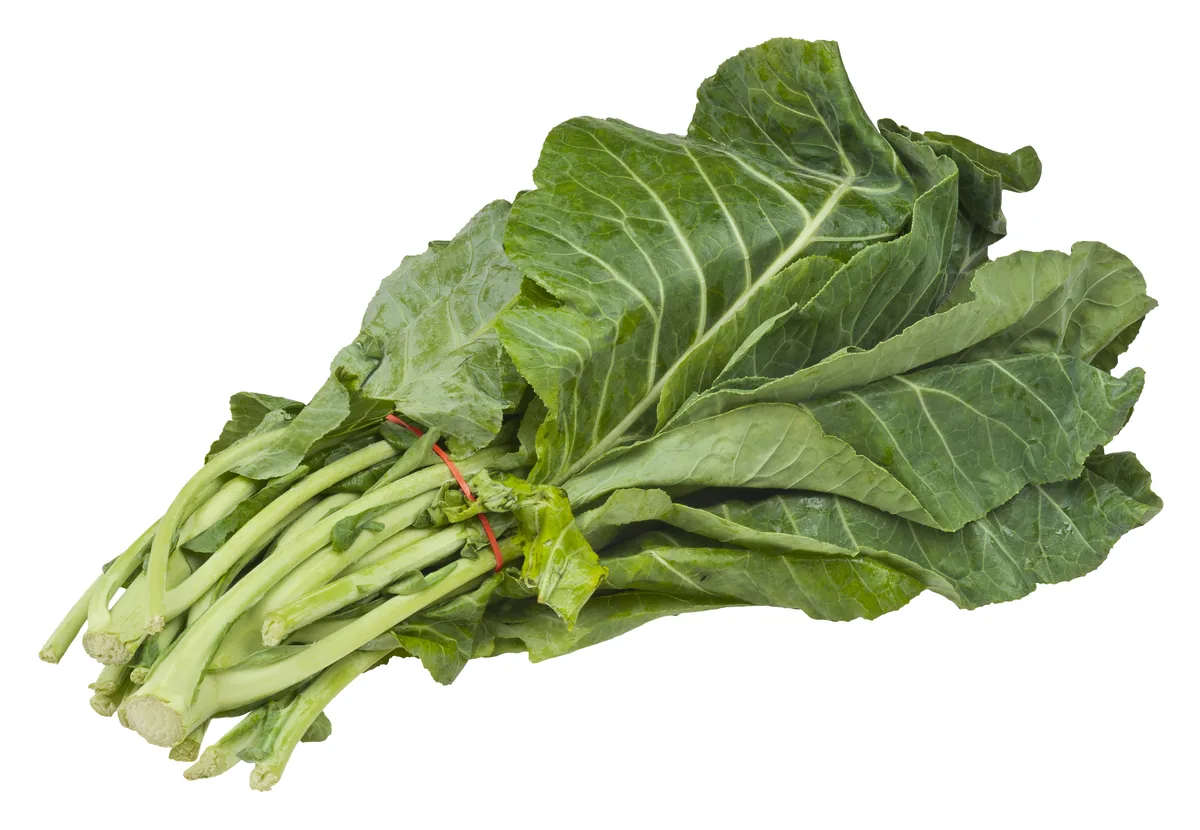
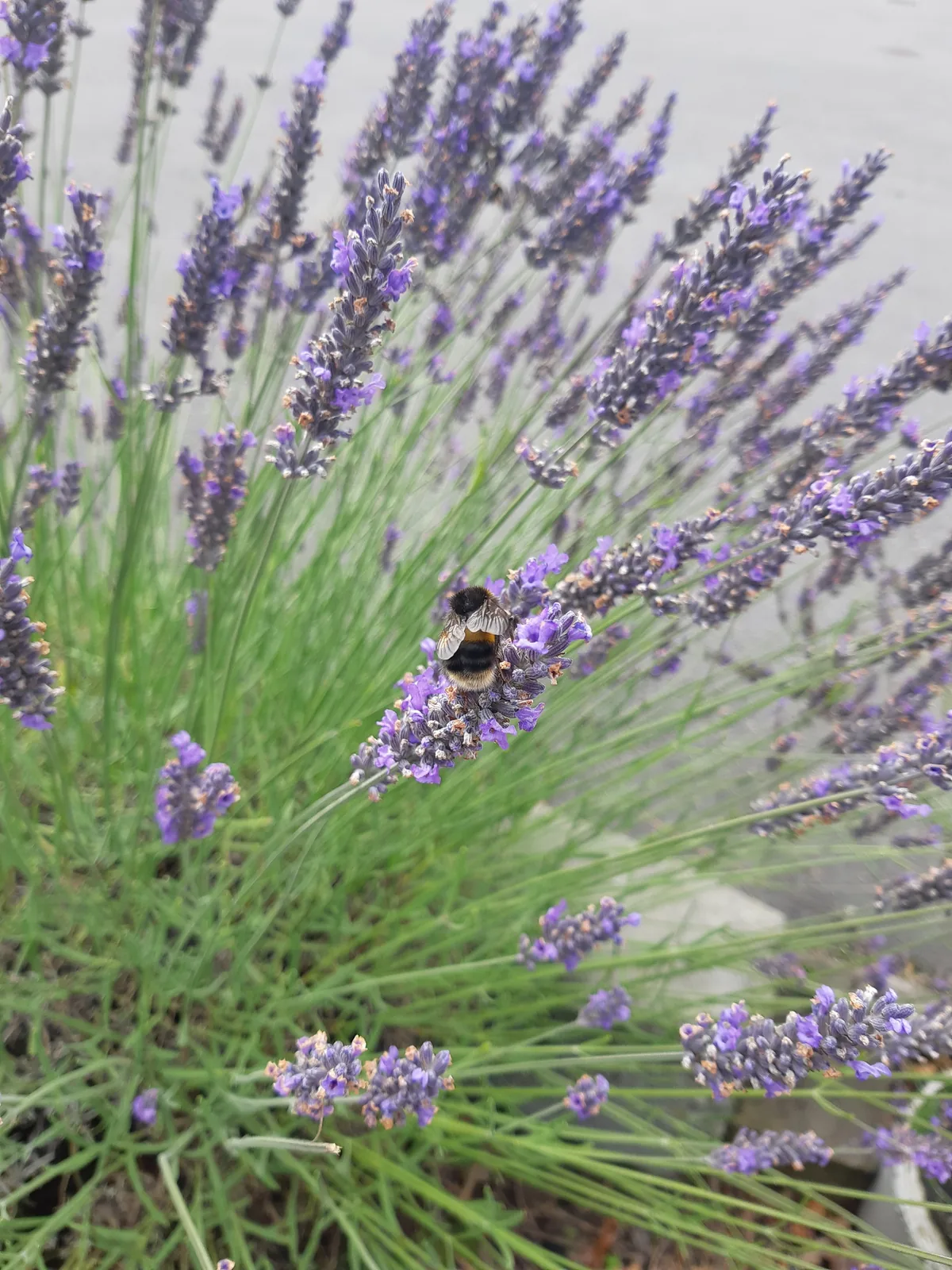
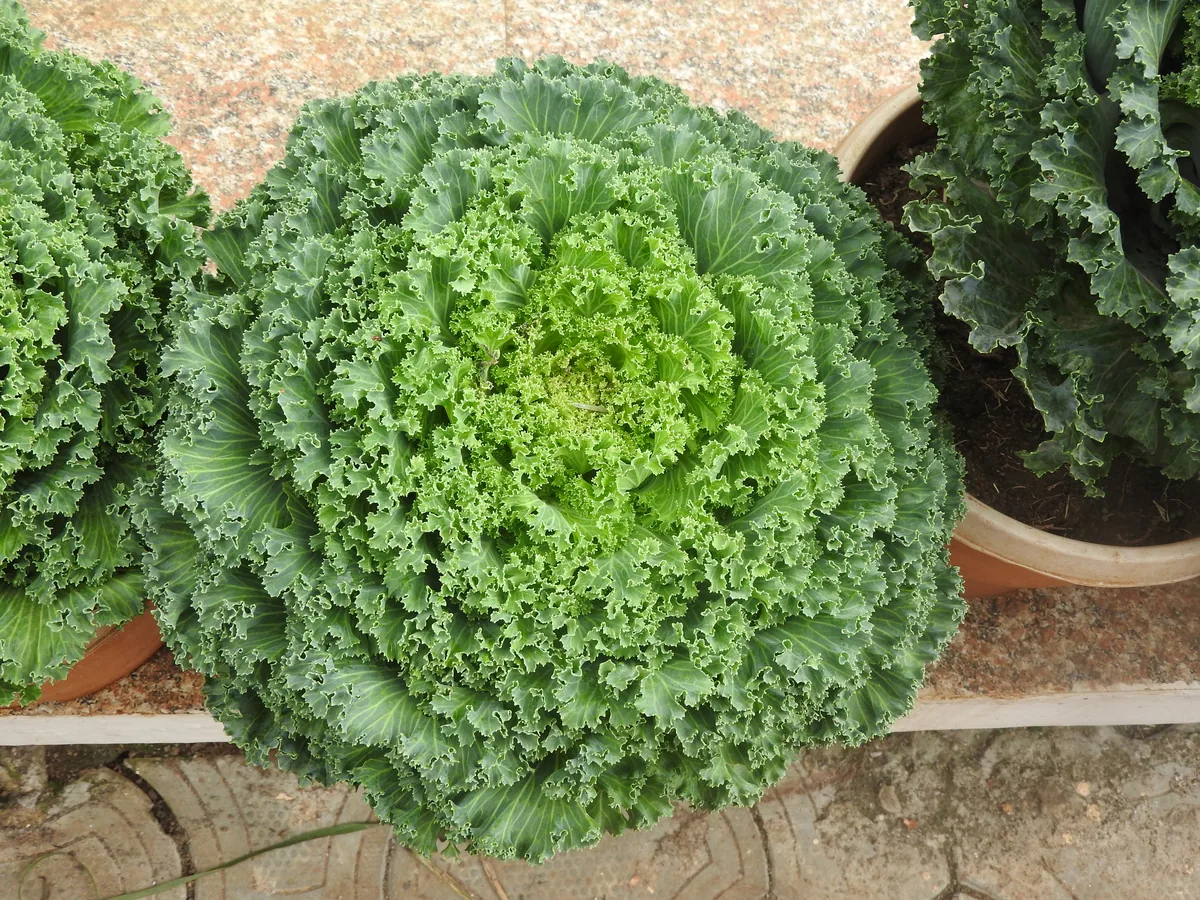
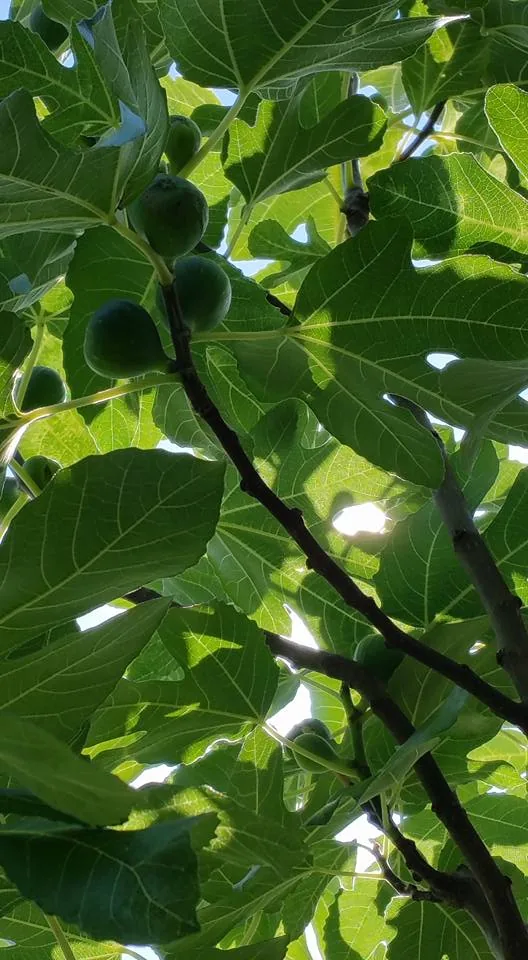
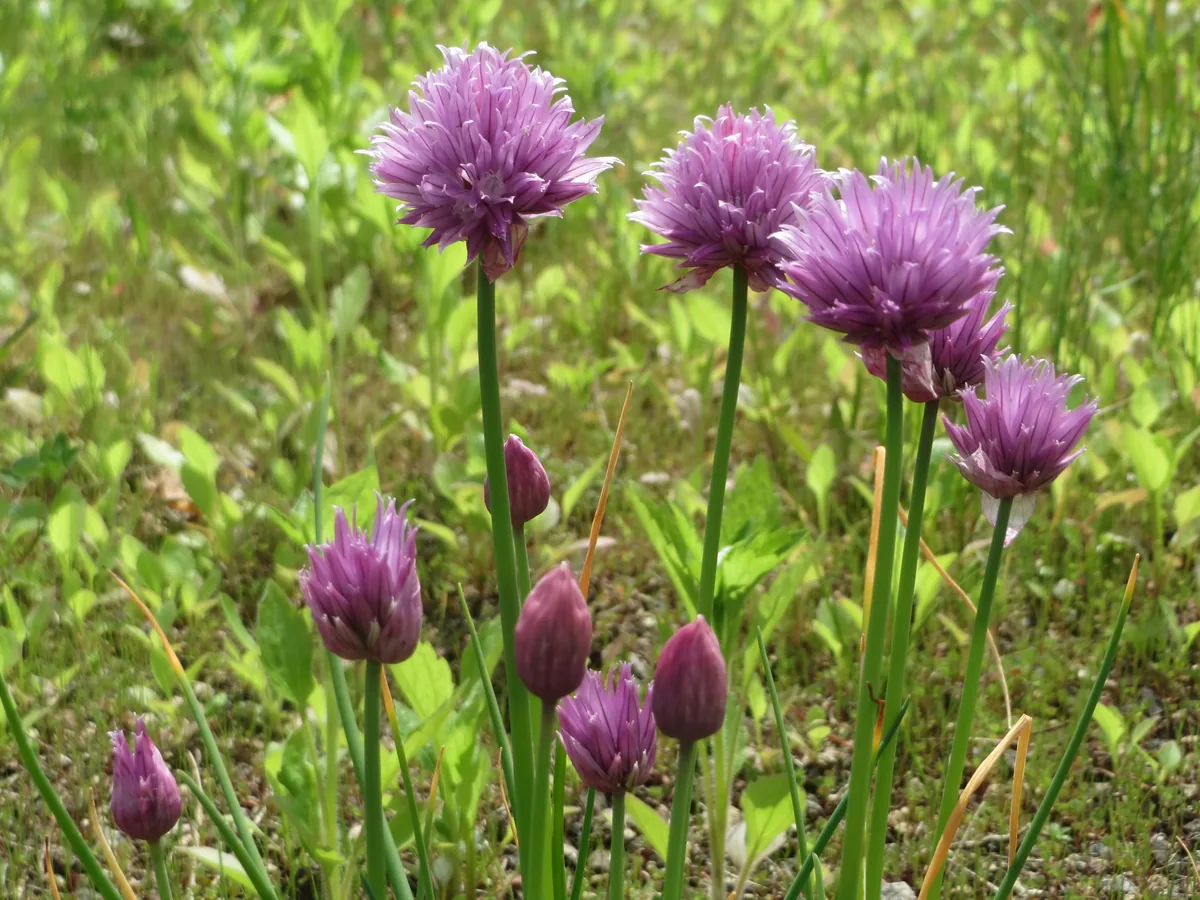
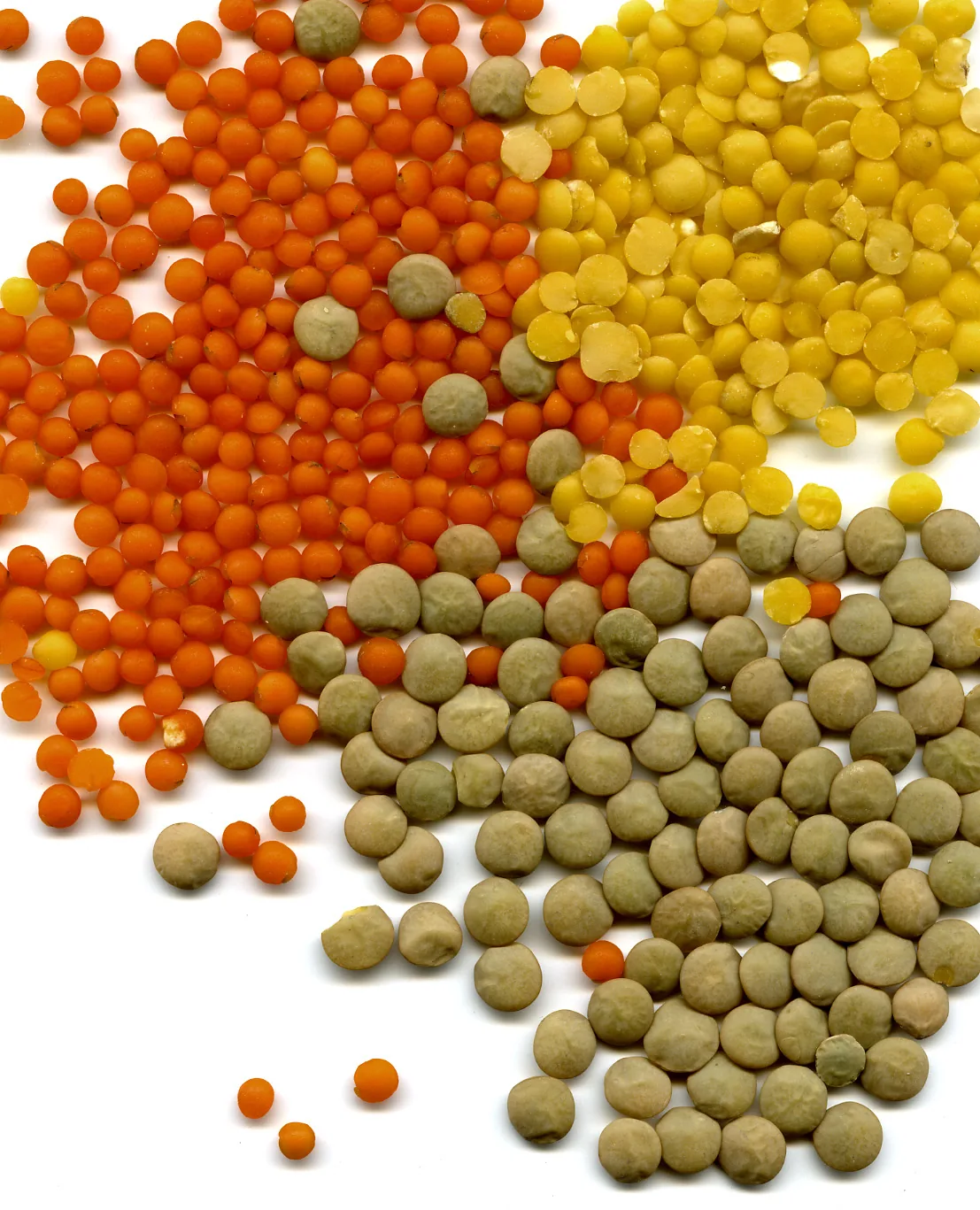
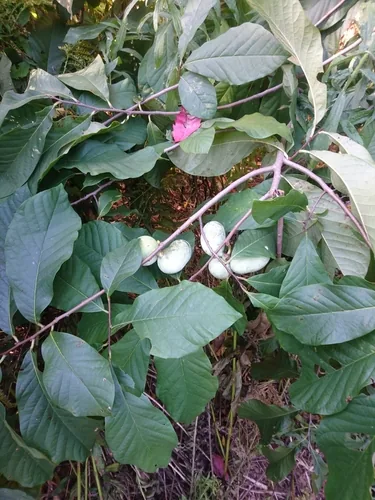
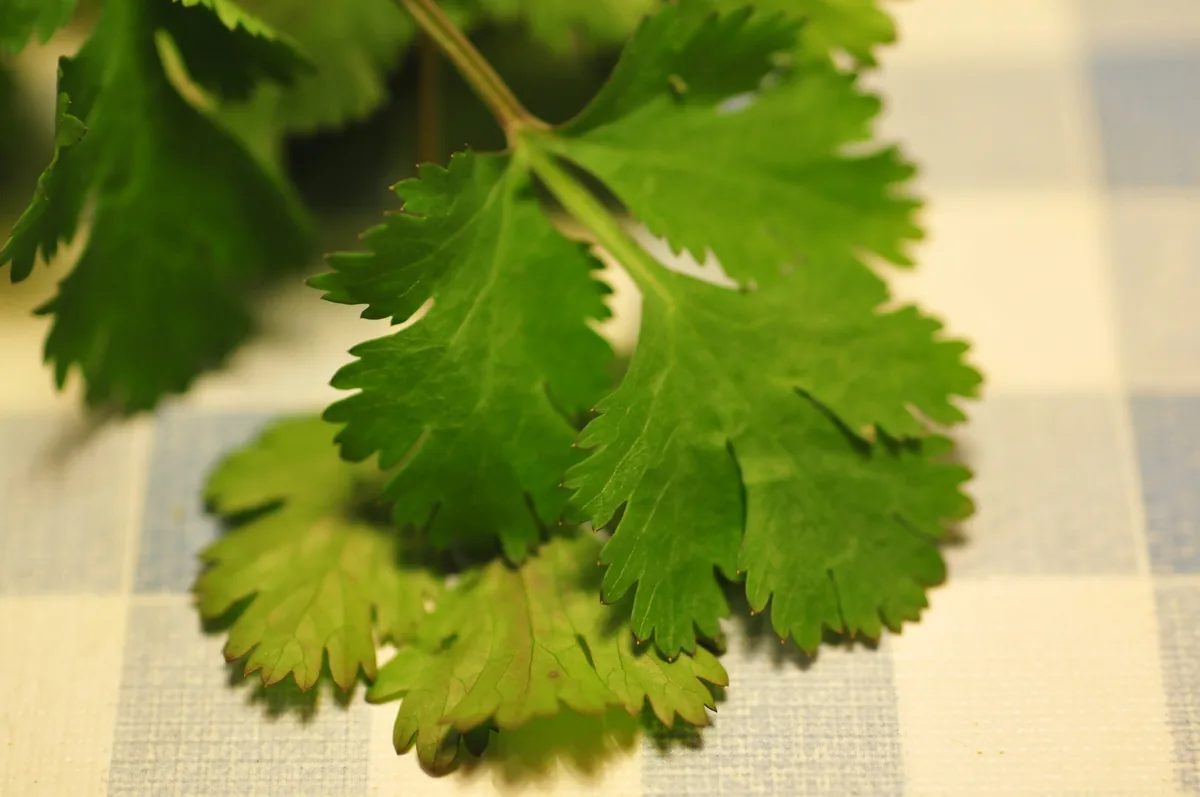
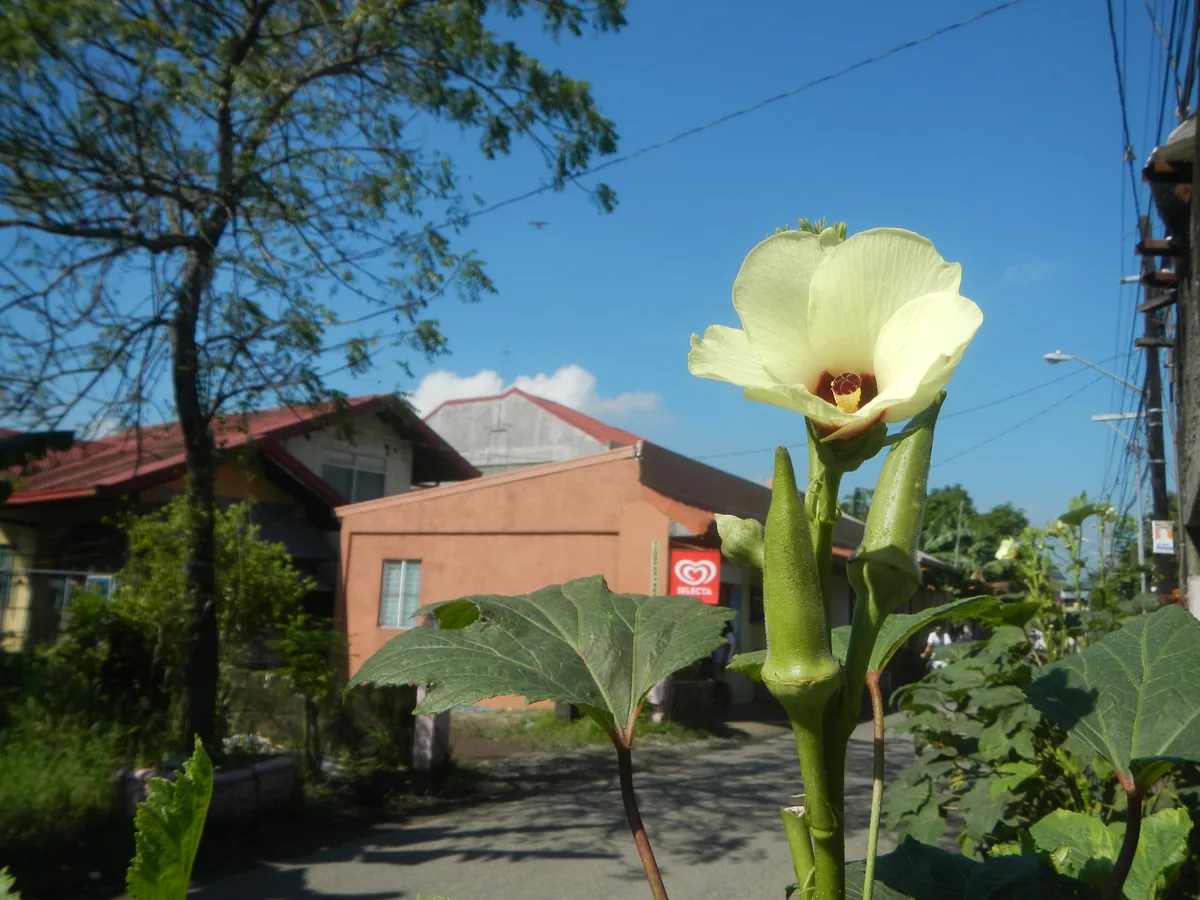
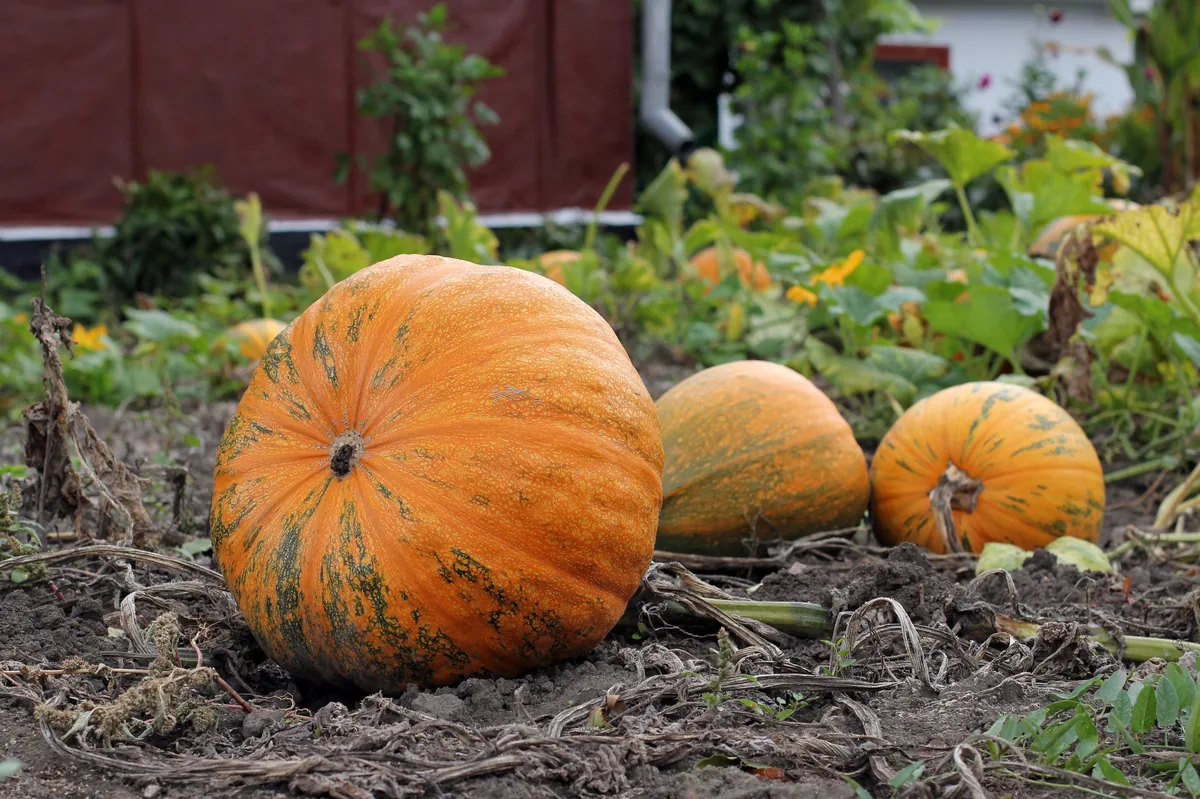
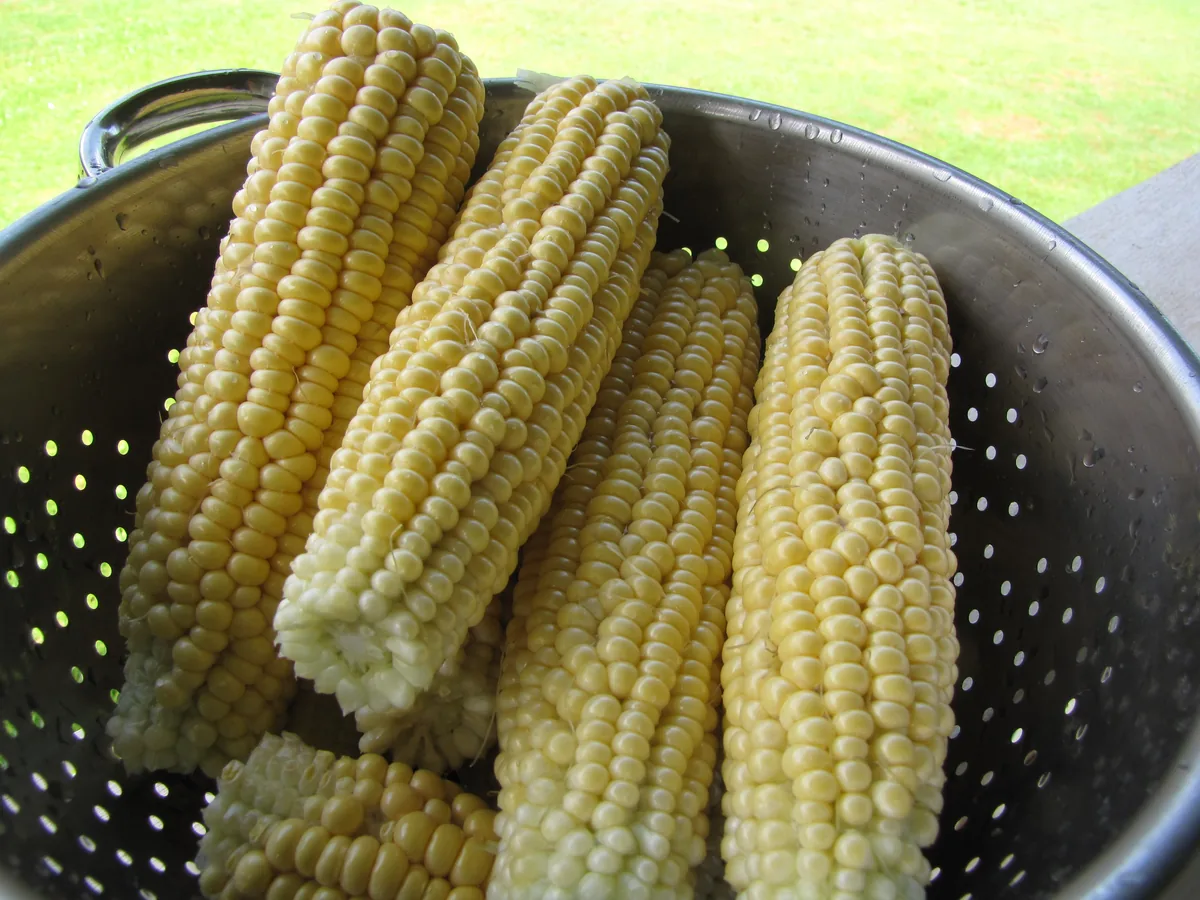
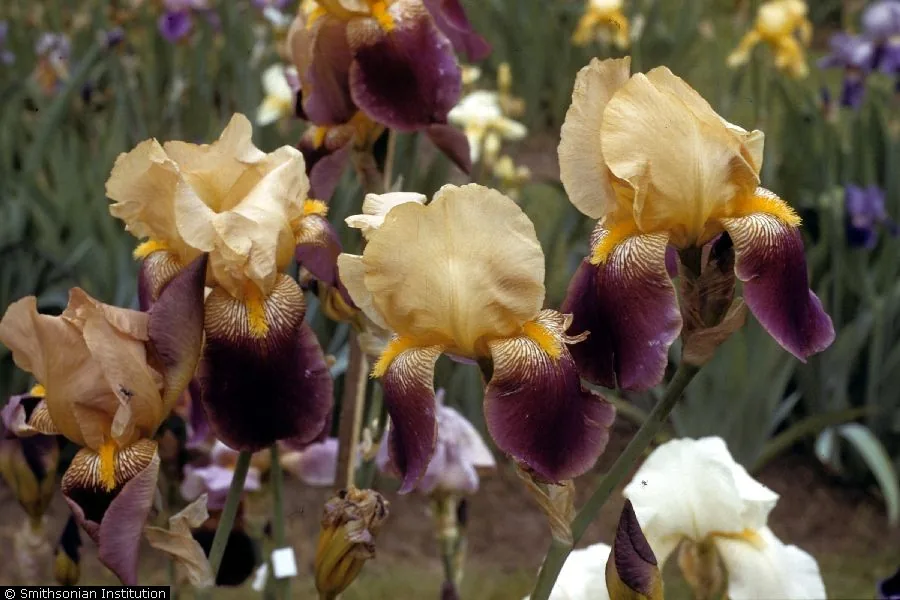
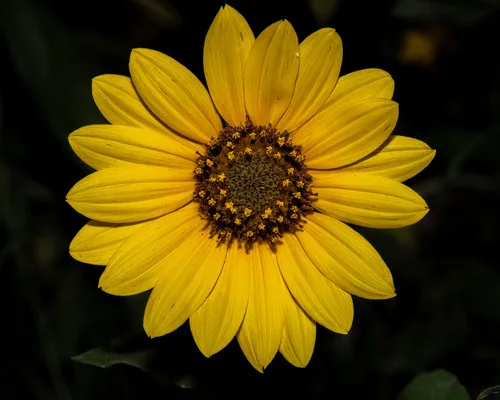
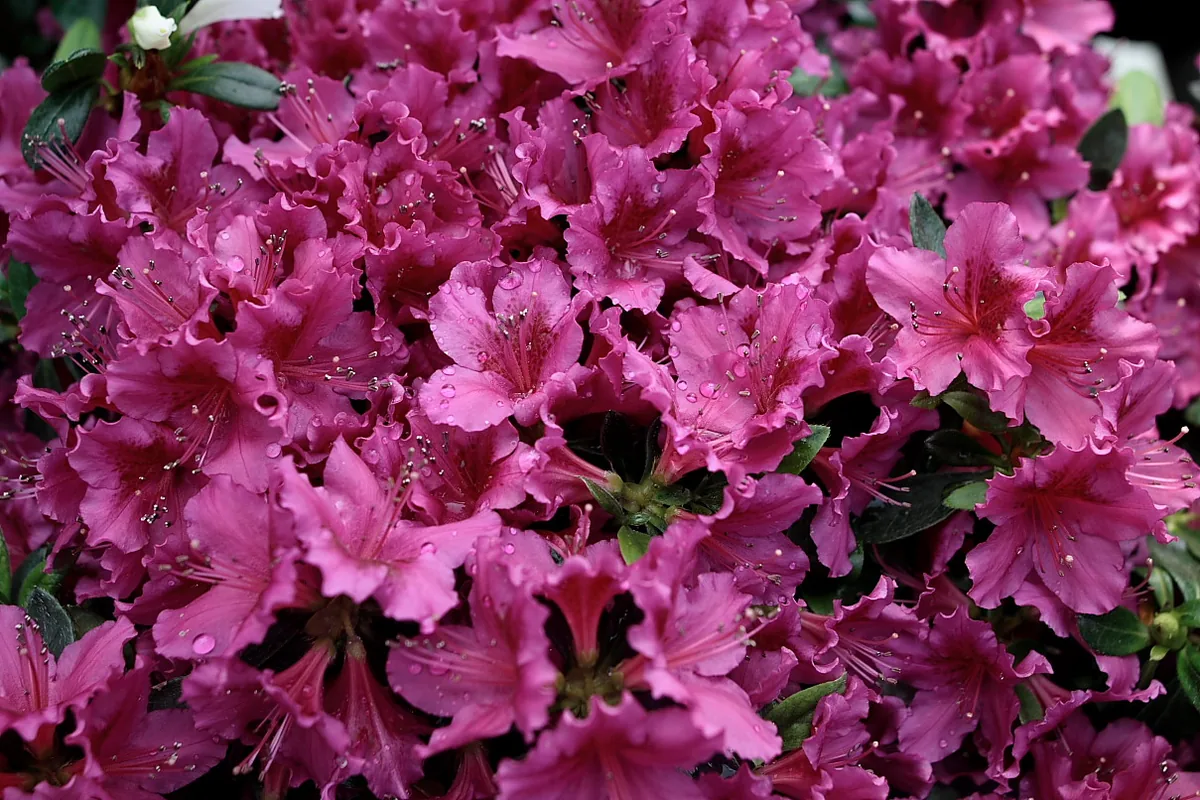
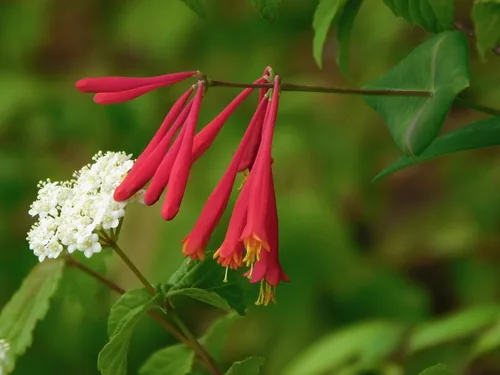
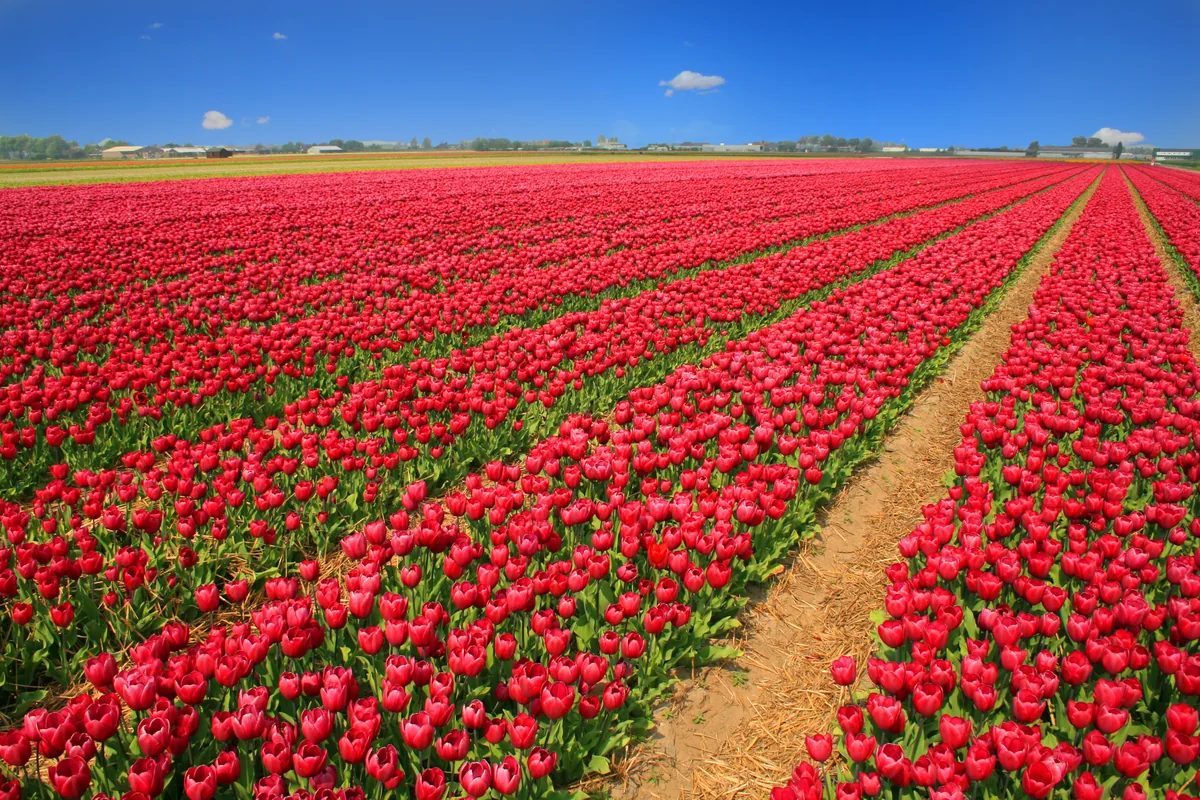
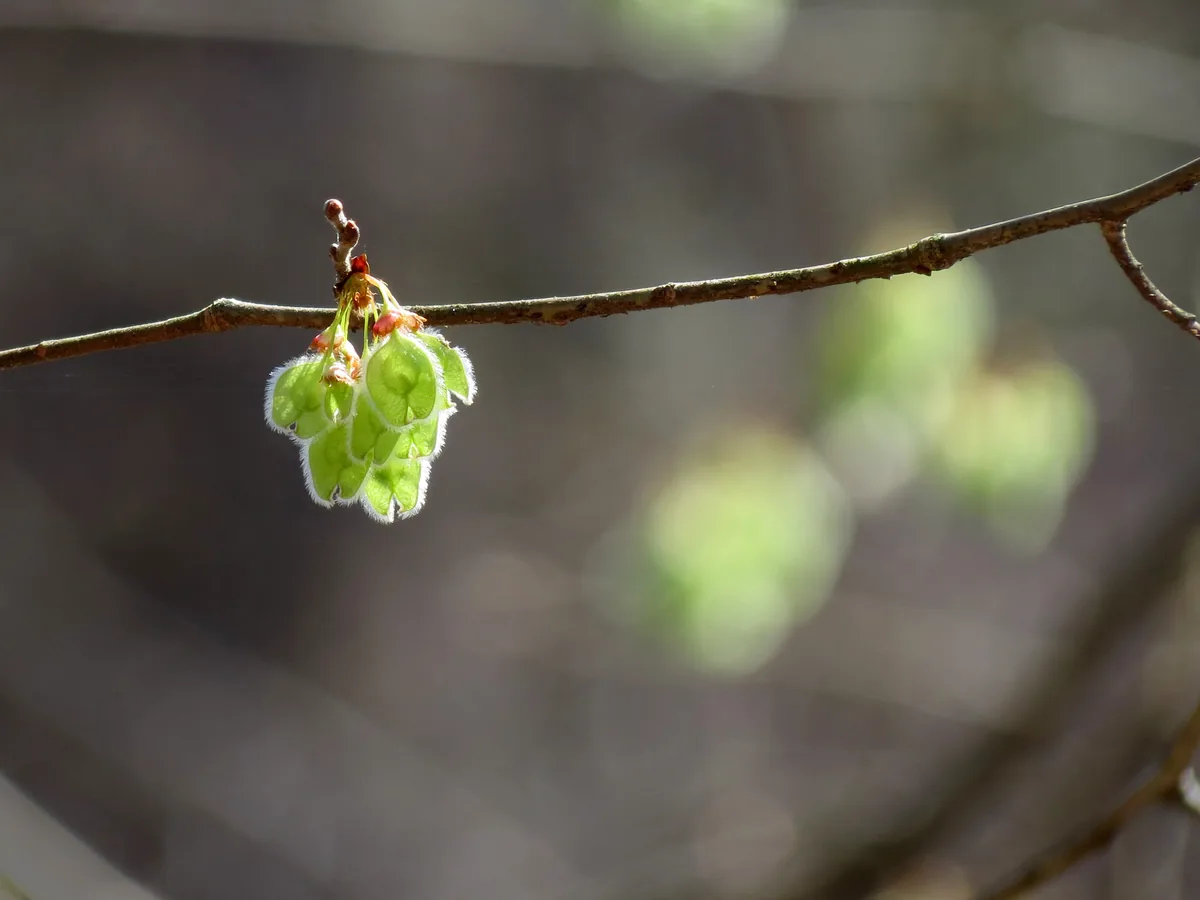
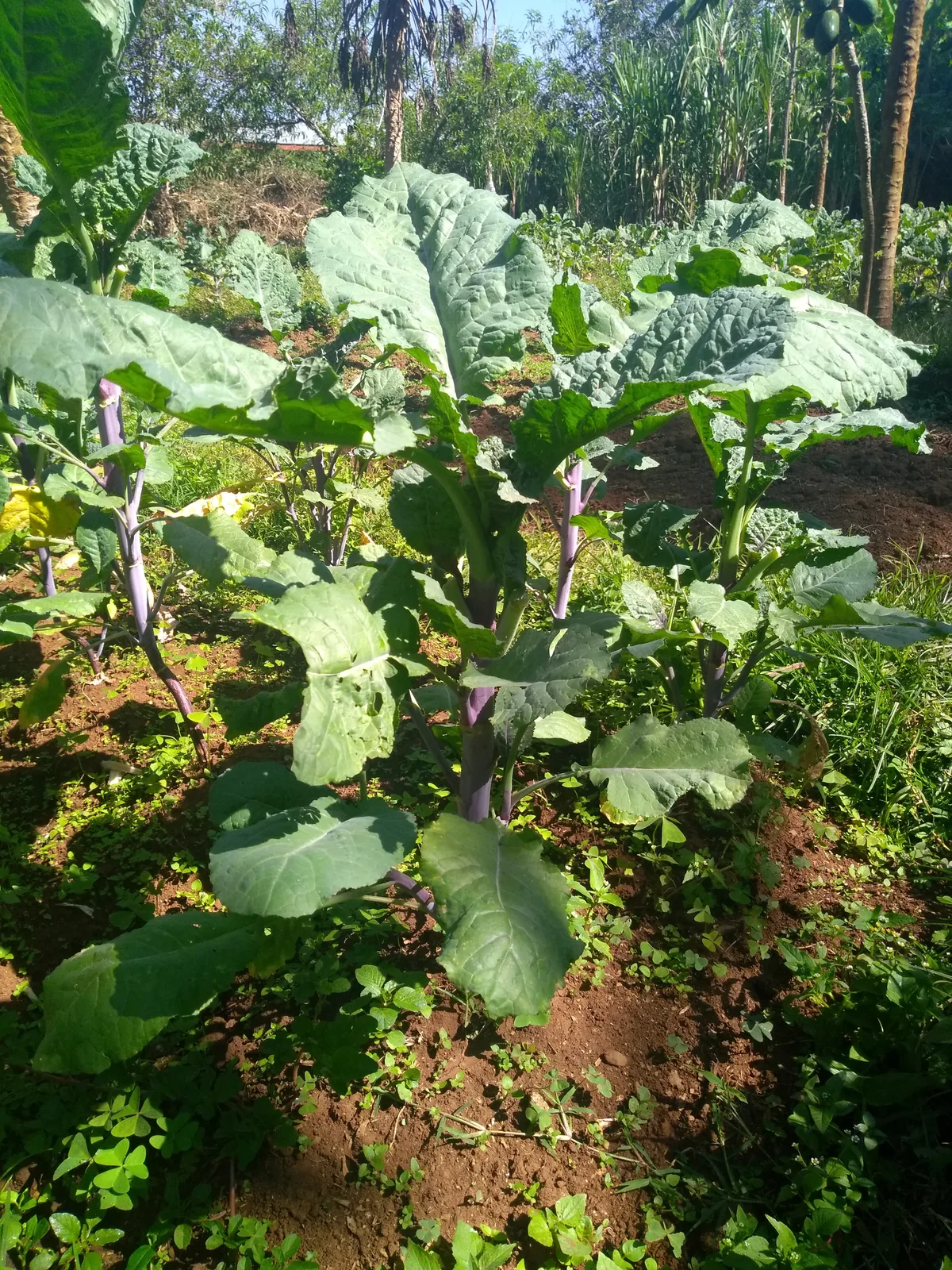
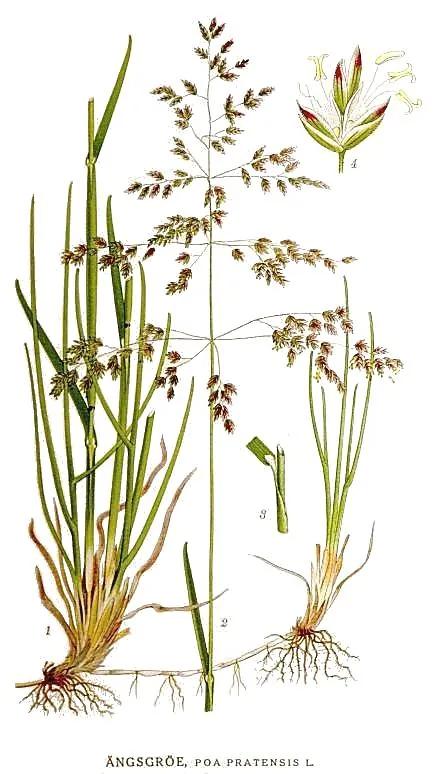
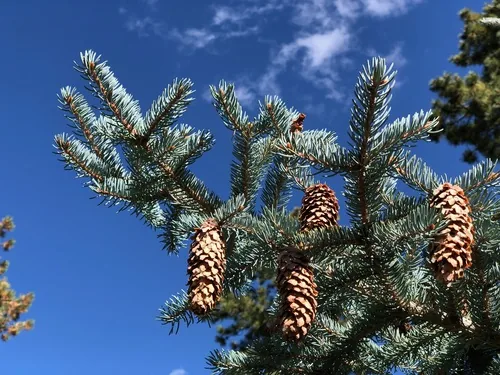
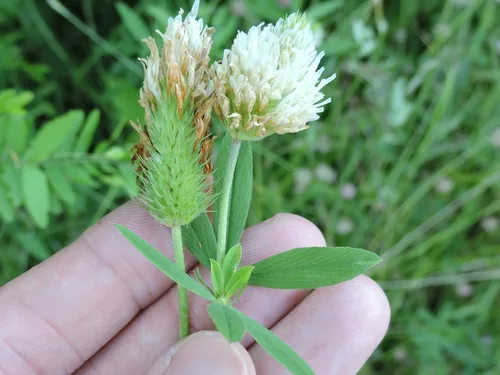
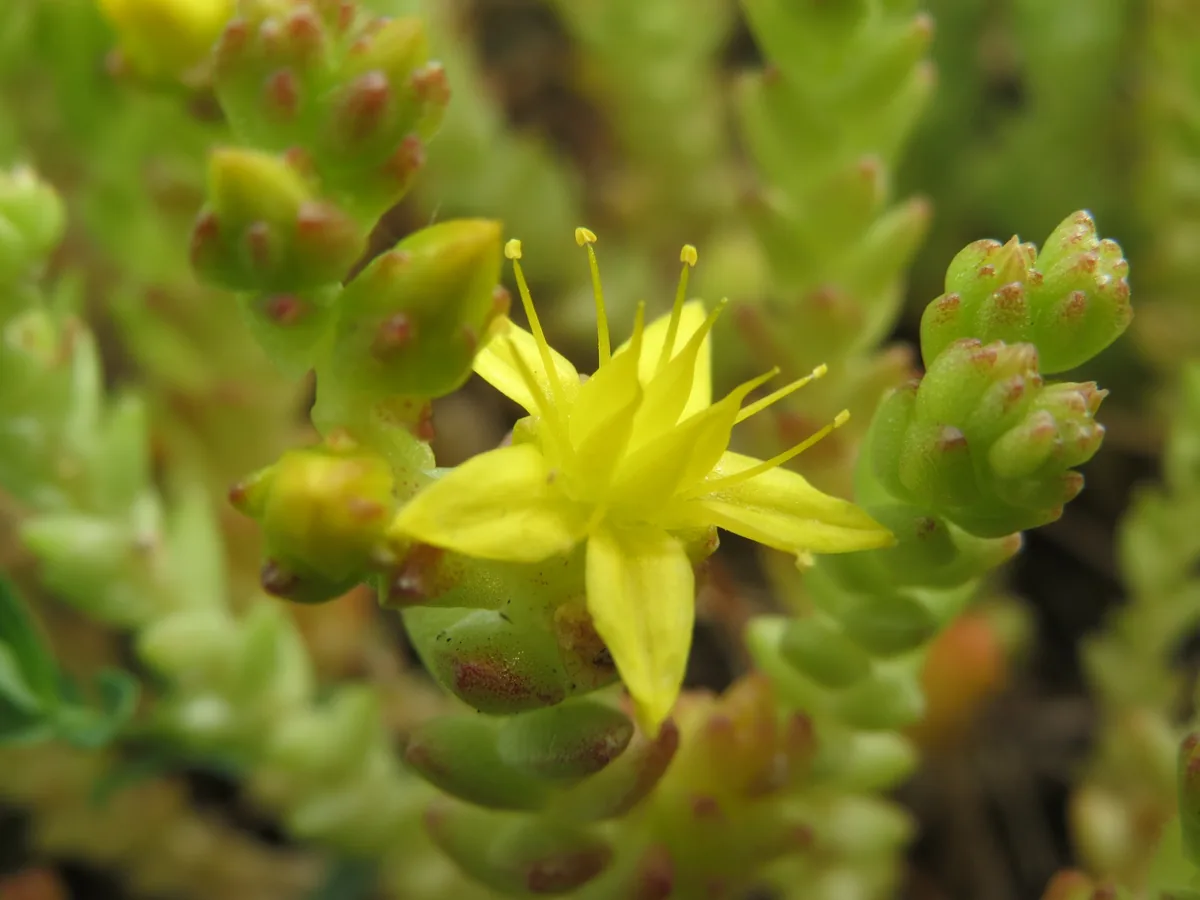
More to grow in Oregon
Oregon has a growing page for many more plants than fit above — a rotating sample of the rest of the shelf.
Is it too late to plant in Harney County?
Usually not — gardeners here simply switch what goes in the ground as the season moves. Cool-season crops can go in from around Apr 13; tender transplants wait until two to three weeks after the last 28°F hard freeze, which lands near May 11 (NOAA 1991–2020 climate normals); and from midsummer, planting counts back from the first fall freeze around Sep 30 — long-season crops need about 90 days of runway, quick greens only 30. Short seasons reward decisiveness — quick-maturing varieties late, hardy greens under cover, and next year’s garlic in the ground before it closes.
Documented around Harney County
- monarch butterfly200 documented records
Sighting records, so they follow observers as much as insects.
What gets applied to farmland in Harney County
USGS estimates 11,345 lb of Glyphosate on Harney County farmland in 2019, its largest by weight, ahead of Chlorpyrifos (7,280 lb) and Malathion (4,689 lb).
Farmland across the whole county, not any one lot. Check your address for the site-by-site record.
 Safe to Grow Here?
What the federal record shows across Harney County — and how to grow with it.
We checked the federal record across Harney County — 283 documented sites across 6 of the 8 source types we track.
The most significant on record: 2 Superfund sites (none NPL-listed). Sites tracked in EPA's Superfund program — from assessment-stage CERCLIS entries to confirmed National Priorities List cleanup sites.
Harney County carries one of the heavier federal records we track — and that's not a verdict on your yard. Proximity to a documented site is information, not a diagnosis: nothing here says any particular parcel is affected. It does earn one concrete step — before food beds go in the ground, a professional soil test tells you exactly what you're working with, and raised beds with clean imported soil grow well almost anywhere in the meantime.
Sources: EPA, USGS — 1.8M documented sites tracked nationwide across 8 federal source types.
What's on the federal record near Harney County
Closest first, across Harney County. Listing isn't leaking, and distance isn't exposure.
- USDOI FWS MALHEUR NWR: BUENA VISTA STNSuperfund · 6.0 mi
- FRENCHGLEN MERCANTILEUnderground Storage Tanks · 14.6 mi
- USDOI FWS MALHEUR NATL WILDLIFE REFUGEBrownfields · 15.5 mi
- ROARING SPRINGS RANCHUnderground Storage Tanks · 16.8 mi
- Bullion Quartz ClaimMining · 20.2 mi
- 25S/32E-35BDBNitrate · 21.5 mi
- PRINCETON SERVICEUnderground Storage Tanks · 21.7 mi
- US FISH & WILDLIFEUnderground Storage Tanks · 21.7 mi
- 25S/32E-24BDBNitrate · 23.7 mi
- 25S/32E-07BABNitrate · 24.8 mi
- 25S/32.5E-25AABNitrate · 25.9 mi
- ANDREWS MAINTENANCE STATIONUnderground Storage Tanks · 28.1 mi
6 more sites are on the record inside the same radius.
Measured from Harney County's center, not your beds. Run your own address for what's upwind of you specifically.
Browse the full contamination data for this area
Environmental Intelligence
The counts behind that headline — every source type on the record near Harney County.
Total Sites
283
across Harney County
Risk Level
High
Highest-severity
2 Superfund sites (none NPL-listed)
Sources Checked
across Harney County
Severity Distribution
across Harney County
Highest-Severity Sites

A note from Gnorman
What an experienced grower watches for around here
In and around Harney County, Mining runs higher than the national average — 161 sites across Harney County. Knowing it is half the work — and it's nothing a thoughtful grower can't plan for.
Mining: Mining sites — both historic and active — can leach heavy metals (arsenic, lead, cadmium, mercury) into soil and water for centuries after operations cease.
Test soil for heavy metals (lead, arsenic, cadmium, mercury) — this is essential near any mining site.
Check your specific parcel in Harney County
Get exact proximity distances to contamination sources for your specific parcel — plus soil, sun, drainage, and 1,085 plant recommendations.
25+ data sources read at your address, not the Harney County average
Your land is one point inside Harney County
Everything above resolves to Harney County as a whole — one PHZM band and one county frost record, read across 6.5M acres. Your parcel is one point inside that footprint. Slope, tree cover, a low spot that pools cold air, and what is in the soil are all resolved at the address, and none of them are visible at county scale. That is the honest boundary of this page, and the reason the next step is a reading of your own ground rather than a better county average.
Your Lot vs the Harney County Average
Harney County Average
- ●USDA Zones 6b, averaged across Harney County
- ●One soil character for all of Harney County
- ●Frost dates read at Harney County's scale: May 11 to Sep 30
YOUR Parcel
- ✓Your exact zone, not Harney County's 6b
- ✓Your SSURGO soil type & pH
- ✓Your sun exposure, cast in 3D
See MY Growing Report
Read your parcel in Harney County
Pull a site-specific report for your exact address in Harney County, Oregon — soil, sun, drainage, frost risk, and scored plant recommendations.
Three things about your lot that Harney County averages can't show:
We read public map data around Harney County — soil, climate, flood, and parcel records. How we handle your address.
25+ data sources read at your address, not the Harney County average
How we know this about Harney County
The datasets: hardiness from the USDA ARS Plant Hardiness Zone Map 2023, read at county grain; hard-freeze dates from NOAA 1991–2020 28°F normals at this county’s own record where one resolves, and the labelled statewide window where none does; soils from the USDA NRCS SSURGO survey, area-weighted across the county’s own map units; boundaries and acreage from US Census TIGER/Line 2025; the contamination and pesticide records from the federal sources named in their beats above. Where Harney County carries no record of its own, the figure is inherited and labelled — the resolution ledger below names each.
Common questions about Harney County
When does frost risk typically end in Harney County?
The last hard freeze (28°F) in Harney County typically lands around May 11, per NOAA 1991–2020 climate normals — earlier than the light-frost dates most charts quote. That marks the hard freeze, not the last light frost — lighter frosts keep biting past it, which is why tender transplants here wait until about Jun 1.
How long is the growing season in Harney County?
Measured between 28°F hard freezes, Harney County sees about 142 frost-free days — roughly May 11 through Sep 30, per NOAA 1991–2020 climate normals. Tender crops work a shorter one: nearer Jun 1 to Sep 16, about 107 days.
Is the soil safe to grow vegetables in Harney County?
The federal record around Harney County runs heavier than most — 283 documented sites, mostly Mining entries (161), the nearest Superfund record about 6.0 miles out — so test the soil before planting food in the ground, and raised beds with clean imported soil grow well in the meantime. Even here, proximity to a documented site is information, not a diagnosis of any one yard; the contamination map shows exactly what's recorded and where.
How do gardeners stretch the season in Harney County?
With about 142 frost-free days between hard freezes, Harney County rewards the classic extension moves: floating row cover buys roughly two to four extra weeks at each shoulder — on this season that is a working window nearer 170 to 198 days — and cold frames or low tunnels buy more. Starting transplants indoors ahead of the May 11 hard-freeze normal stretches the season without touching the calendar.
Everything above is measured at Harney County's scale — its 6b band and its 142-day season. Your yard writes its own version of Harney County's numbers: we read soil, sun, drainage and frost at your exact address. Try it for 14 days — no card required.
Will It Grow Here?
Zone fit is the first question — each answer below reads Oregon's frost window, season length, and soil profile against the plant's real requirements.
What this page reads at Harney County’s own scale
9 of the readings below were taken at Harney County's own scale — its own ~142-day span between 28°F freezes, the 3 most extensive soil series mapped here and 283 documented sites inside its boundary; one is borrowed from a wider read, named and linked below.
Measured here
- Harney County's own USDA hardiness band, zones 6bUSDA PHZM 2023
- Harney County's own 28°F hard-freeze dates and its ~142-day span between themNOAA 1991–2020 Climate Normals
- The soil order, drainage, surface pH, and the 3 most extensive named soil series mapped in Harney CountyUSDA NRCS SSURGO
- 283 documented contamination sites inside the county boundary, distance-sorted from its center — the closest Superfund record about 6.0 miles outFederal environmental registers
- Harney County's boundary and the 6,486,048 acres inside itUS Census TIGER/Line 2025
- Which of 1,085 plants clear zones 6b and a ~142-day seasonGrowable Ground crop-matching engine
- The 2 ecoregions Harney County spans, Northern Basin and Range the largestUS EPA Level III Ecoregions
- Open occurrence records documented in Harney County for a tracked speciesGBIF derived datasets (CC0 / CC BY 4.0)
- Which agricultural compounds go onto Harney County farmland, and roughly how muchUSGS NAWQA EPest county estimates
Inherited from a wider read
- The growing challenges every Oregon grower plans around — written at state scale, so they stay on the state guidefrom Oregon
What this page can’t tell you
- How the season shifts across Harney County — the ~142 days above is one reading at its centre; the 24 towns below each carry their owntowns in this county →
- The soil pH, drainage, sun hours, and frost pockets on any one lot among Harney County's 6,486,048 acreswhy one lot differs from the next →
- Which of those 283 documented sites actually reaches your soil — that needs your address, the wind, and the groundwater directionhow we read the record →
- Where cold air settles, which slopes face the sun, and which way the wind runs on your own ground — none of it survives being averaged over Harney Countyread your own land →