What Grows in Oregon

USDA Zones 4b-9b · 8-90 inches annual rainfall

Oregon spans USDA hardiness zones 4b-9b, with a growing season of about 170 frost-free days — enough room for the full run of cool-season vegetables plus warm-season crops that finish before the first hard frost.

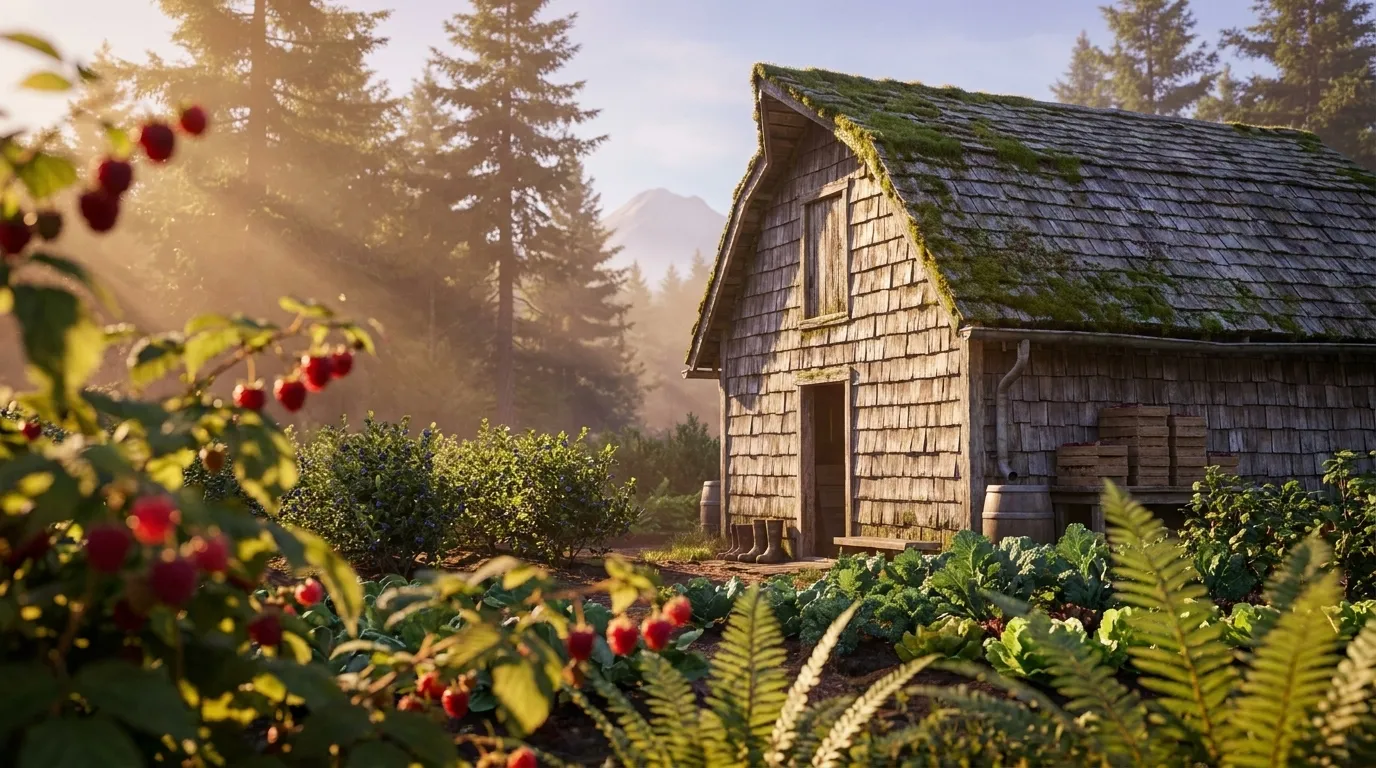
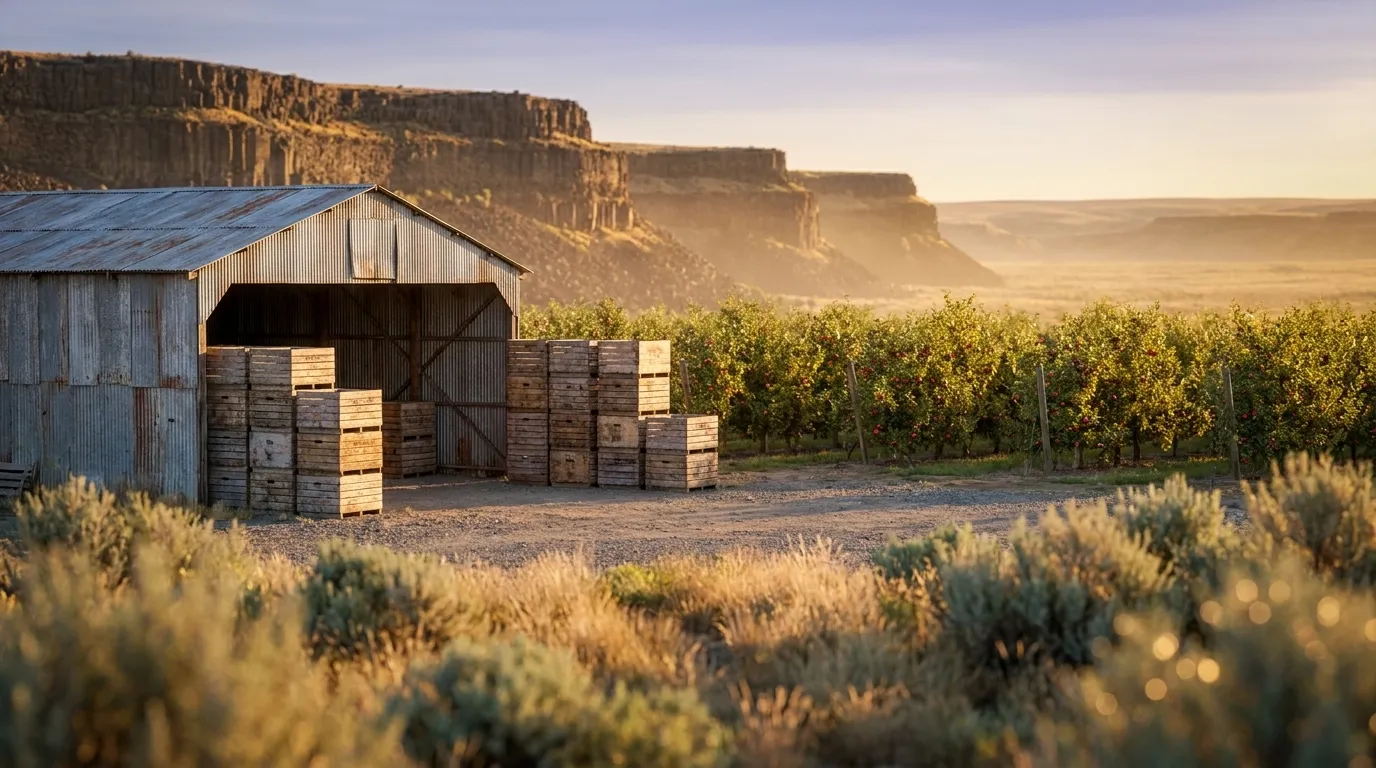
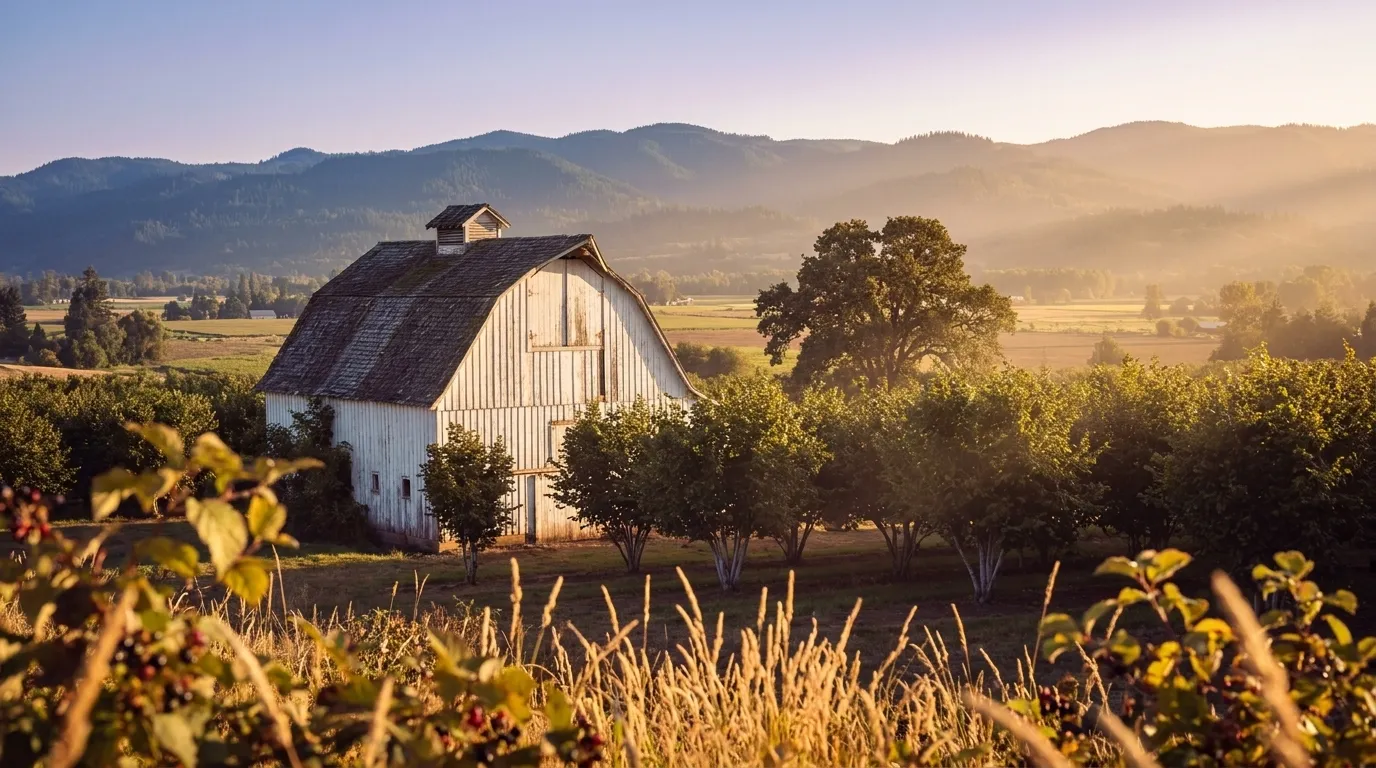
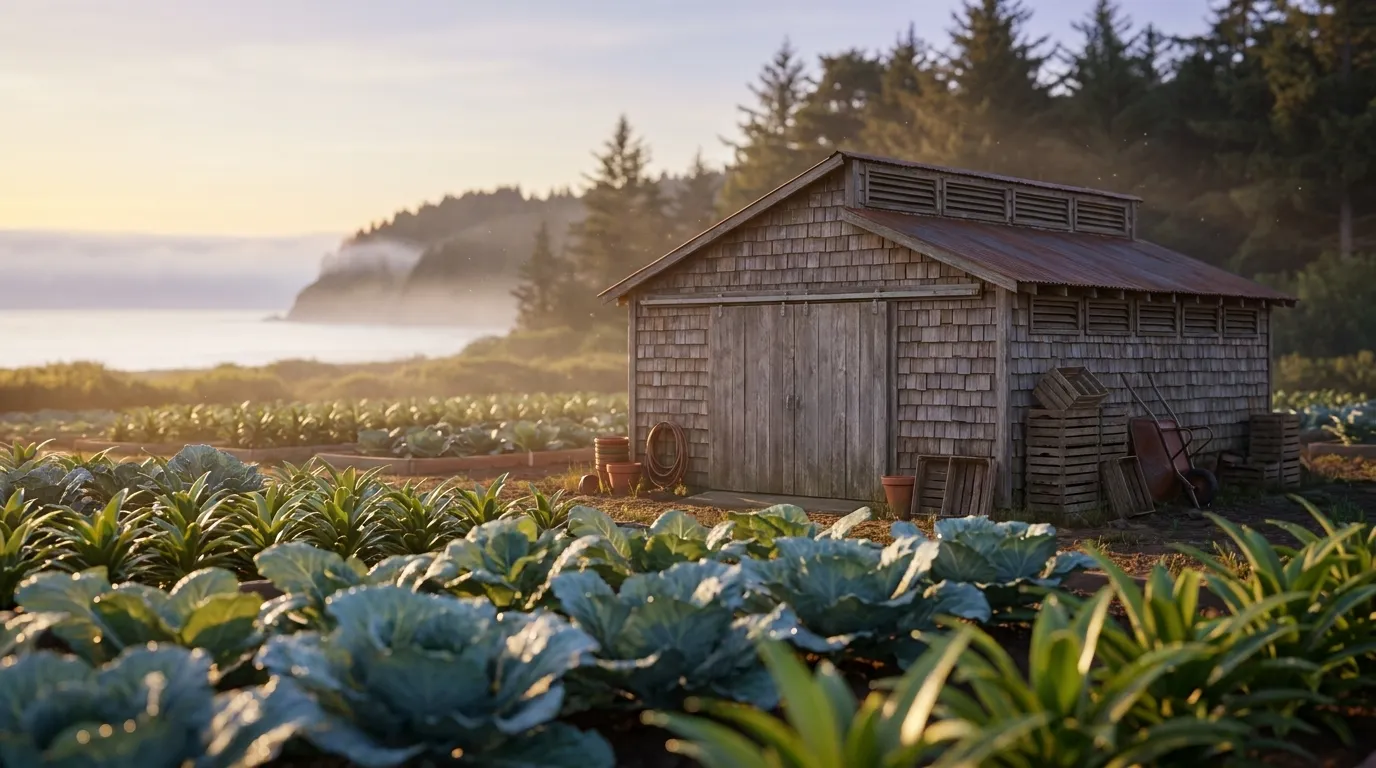
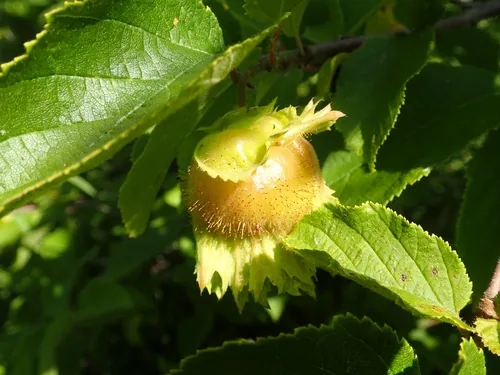
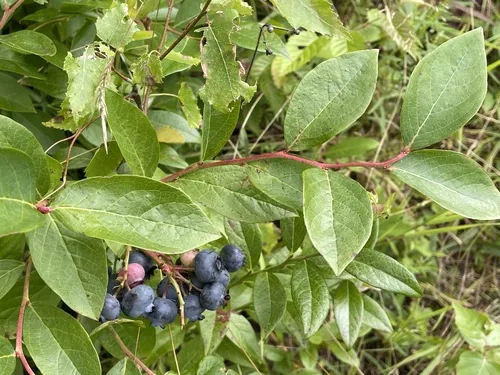
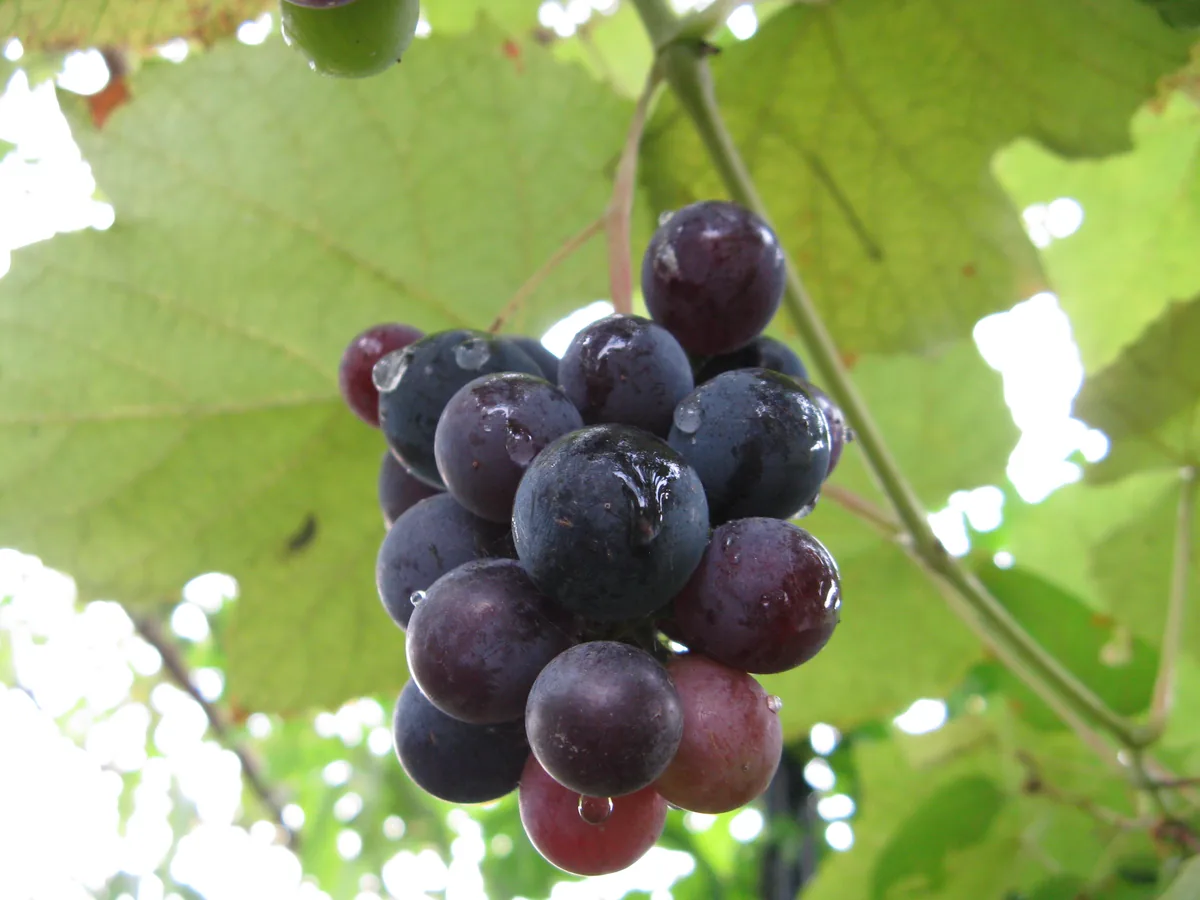
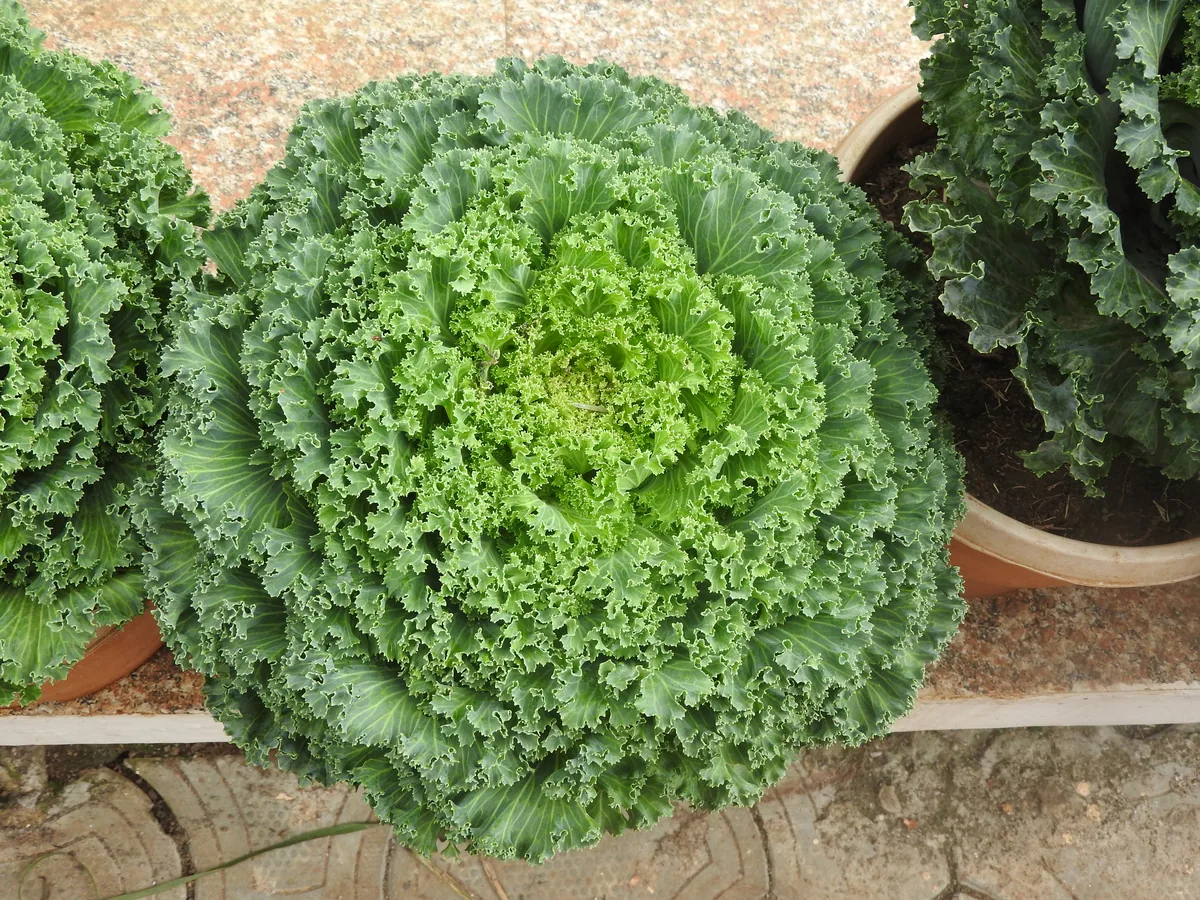
The raw materials of the growing year here: 8-90 inches of annual rainfall, a median of roughly 2,700 growing-degree days (base 50°F), and about 1,650 winter chill hours for tree fruit. Underfoot it's mostly volcanic, silt loam (Willamette), sandy loam, and pumice — and how those drain decides more about crop success than almost anything else. Zoom in and Oregon resolves into Pacific Northwest, Columbia Basin, and Willamette Valley — distinct growing regions with distinct frost calendars. These conditions suit hazelnut, blueberry, grape (pinot noir), and kale — a starting list any specific site will trim or extend with its own soil, sun, and drainage.

Grounded inUSDA PHZM 2023NOAA Climate NormalsUSDA NRCS SSURGOGDD aggregate (Cornell CALS)Chill-hour aggregate (MSU Extension)USDA hardiness sub-region mapEPA FRSUSDA PLANTSGrowable Ground suitability scoring

Score your parcel · free

Your yard isn't the whole state.

Oregon spans zones 4b-9b, but your yard sits in exactly one — and slope, tree cover, and low spots nudge it further. Enter your address and we'll score 1,112 plants against your land's actual soil, sun, and frost.

We read public map data for this spot — soil, climate, flood, and parcel records. How we handle your address.

No card required · your full report in seconds

Quick Facts

USDA Zones

4b-9b

USDA PHZM 2023

Last Frost

Mar 1 - Jun 15

NOAA 30-yr Normals

First Frost

Sep 1 - Nov 15

NOAA 30-yr Normals

Annual Rainfall

8-90 inches

NOAA Climate Normals

Zone maps are averages across Oregon. Your yard's slope, trees, and frost pockets shift what actually grows — see your land's exact reading.

The Ground You’re Working With

The soil types that dominate Oregon — how each drains decides more about crop success than almost anything else. Tap any soil to learn what it is and how to work with it.

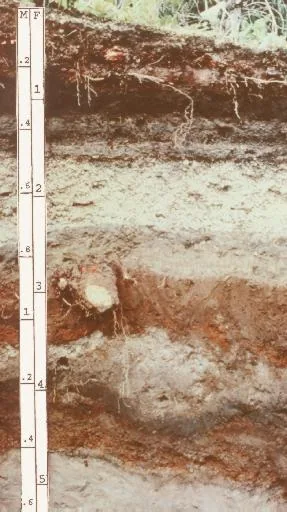
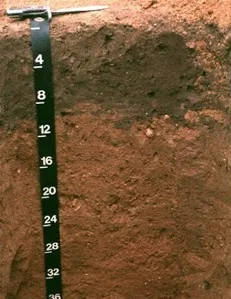
Andisol profile: layered volcanic-ash soil with a depth scale
Soil profile: Andisol (USDA soil order)

Volcanic

  • Drainage

    Excellent and unusual: ash soils drain freely yet hold remarkable amounts of plant-available water in their porous structure — the best of both habits.

  • What thrives

    Volcanic regions grow celebrated crops the world over: orchards, berries, vegetables, coffee, and wine grapes all prosper on ash-derived soils.

How to work with Volcanic
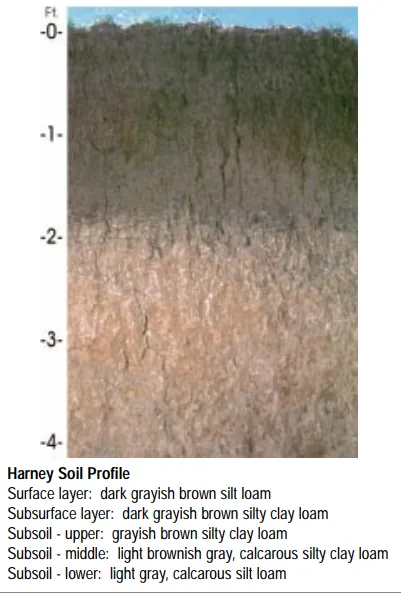
Harney soil profile: deep loessal silt loam with a dark grayish-brown surface
Soil profile: Harney series, Kansas

Silt loam (Willamette)

  • Drainage

    Moderate. Silt holds water well and releases it steadily, though the fine particles can crust after hard rain and compact under traffic.

  • What thrives

    The full vegetable garden does well here, and small grains, corn, and leafy greens are classic silt-loam crops. Its steady moisture suits shallow-rooted plants that dislike drought stress.

How to work with Silt loam (Willamette)
Downer soil profile: reddish sandy loam horizon with a depth scale
Soil profile: Downer series, New Jersey

Sandy loam

  • Drainage

    Fast. The sand fraction opens the soil up, so water moves through the root zone quickly and the surface rarely stays soggy. The trade is that nutrients ride out with the water.

  • What thrives

    Root crops love it — carrots, potatoes, radishes, and onions size up cleanly in ground they can push through. Melons, sweet potatoes, asparagus, and most herbs appreciate the warmth and the drainage.

How to work with Sandy loam
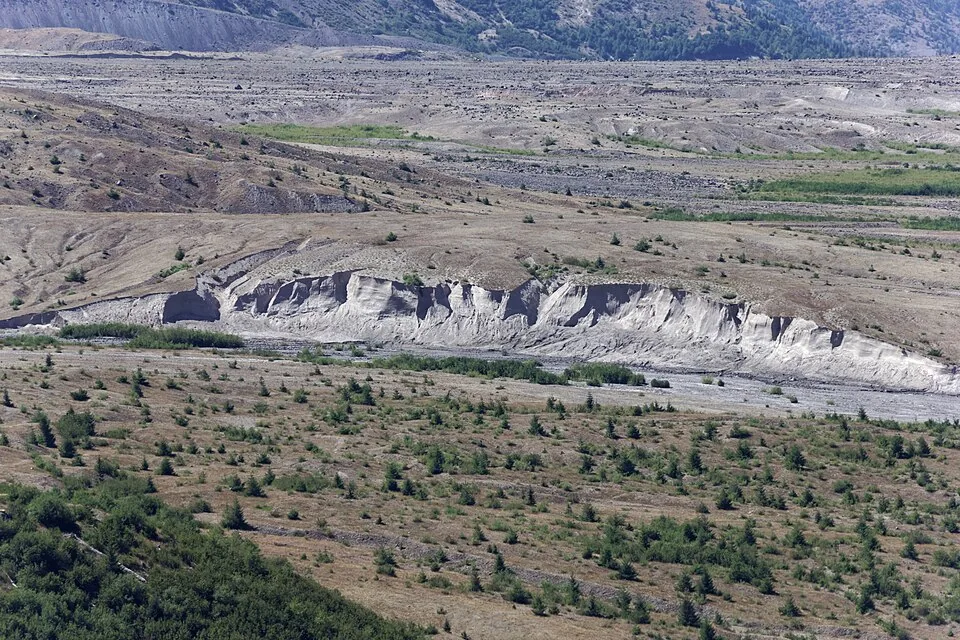
Beds of lightweight pumice gravel on the Mount St. Helens debris plain at Windy Ridge
Pumice plain, Windy Ridge, Mount St. HelensPhoto: Dirtsc, CC BY-SA 4.0

Pumice

  • Drainage

    Very fast between the particles, yet each porous pebble holds water inside itself — the reason pumice is prized as a potting-mix amendment.

  • What thrives

    Conifers and hardy natives colonize pumice plains naturally; in cultivation it suits drought-tolerant perennials, and vegetables succeed in compost-enriched beds.

How to work with Pumice
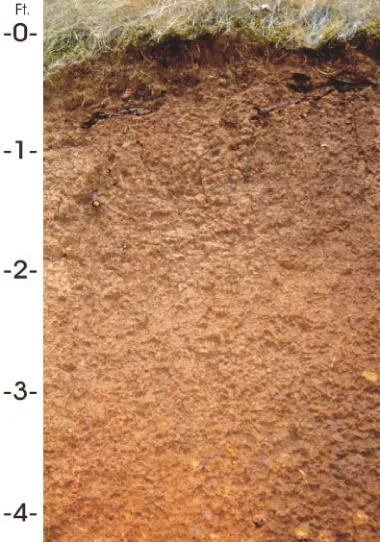
Jory soil profile: deep red-brown iron-rich soil weathered from basalt
Soil profile: Jory series, Oregon

Basalt-derived

  • Drainage

    Generally good; basalt soils range from stony and fast-draining on young flows to deeper clay loams on old ones.

  • What thrives

    Wine grapes, orchard fruit, and vegetables all do famously well on basalt-derived soils — volcanic mineral wealth shows up in the harvest.

How to work with Basalt-derived

Soil data: USDA NRCS SSURGO · Soil types explained

Is it too late to plant in Oregon?

Too late for some crops, right on time for others — a growing season is a sequence, not a deadline. Across Oregon, cool-season planting typically opens about four weeks before the local last hard freeze — county medians put that freeze near Mar 30, with the middle half of counties between Mar 12 and Apr 24 (NOAA 1991–2020 climate normals). Tender transplants wait two to three weeks past it, and fall planting counts back from first freezes mostly between Oct 23 and Nov 17 — long-season crops need about 90 days of runway, quick greens only 30. There is slack in a calendar like this — late plantings, second rounds of favorites, and a fall bench that keeps beds working.

State Symbols of Oregon

The plants Oregon put its name on — cultural emblems, not growing recommendations.

Official state flower

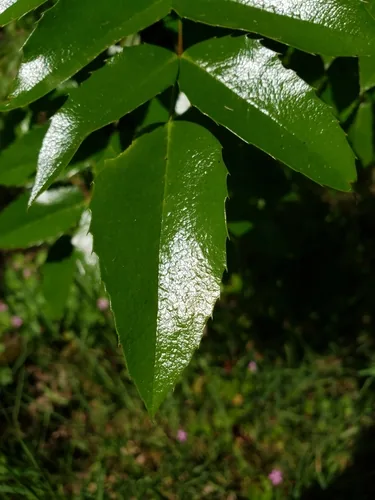
Oregon grape

Berberis aquifolium

Designated 1899.

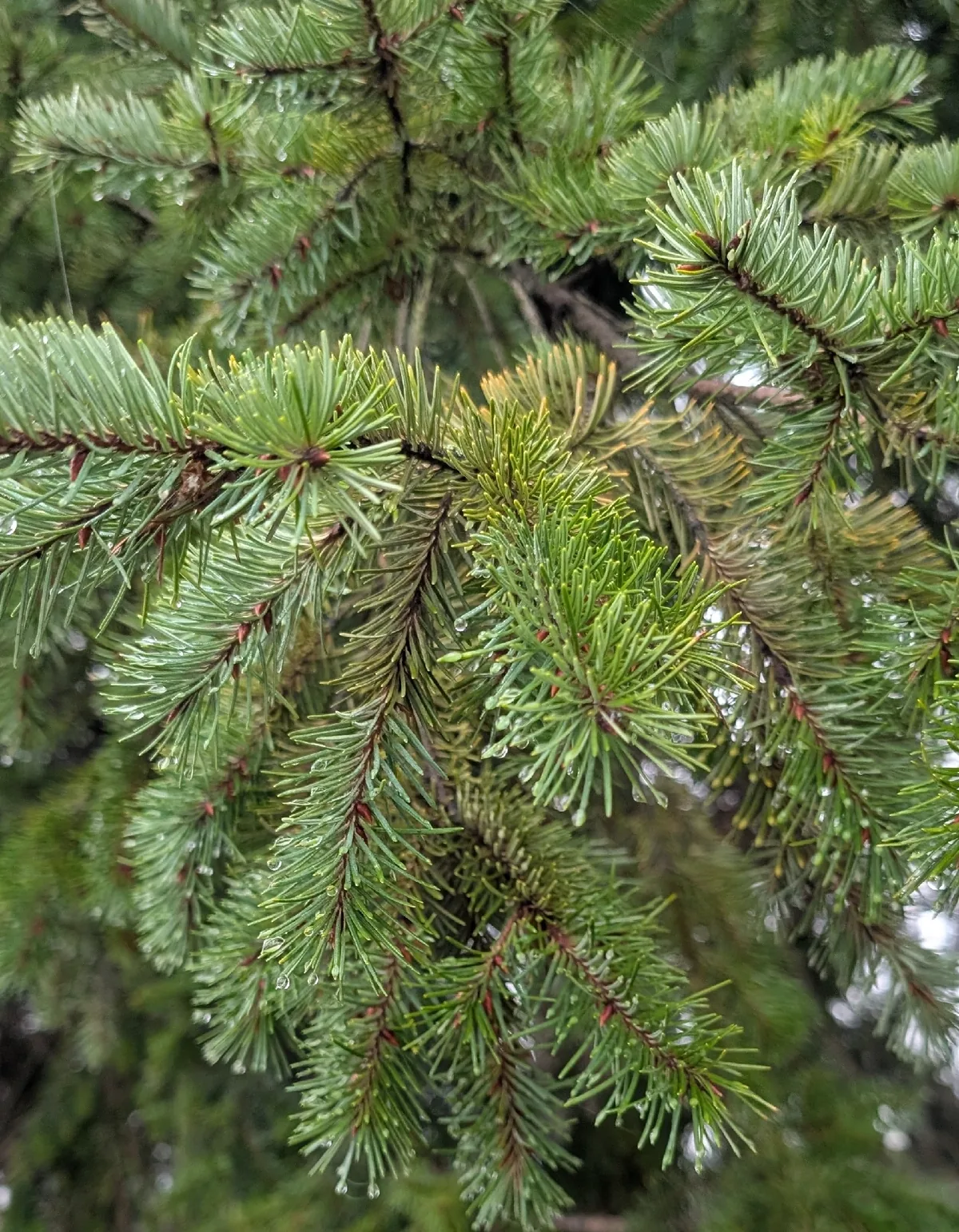
Douglas fir, photograph
Official state tree

Douglas fir

Pseudotsuga menziesii

Designated 1939. In our plant library — see its full growing profile.

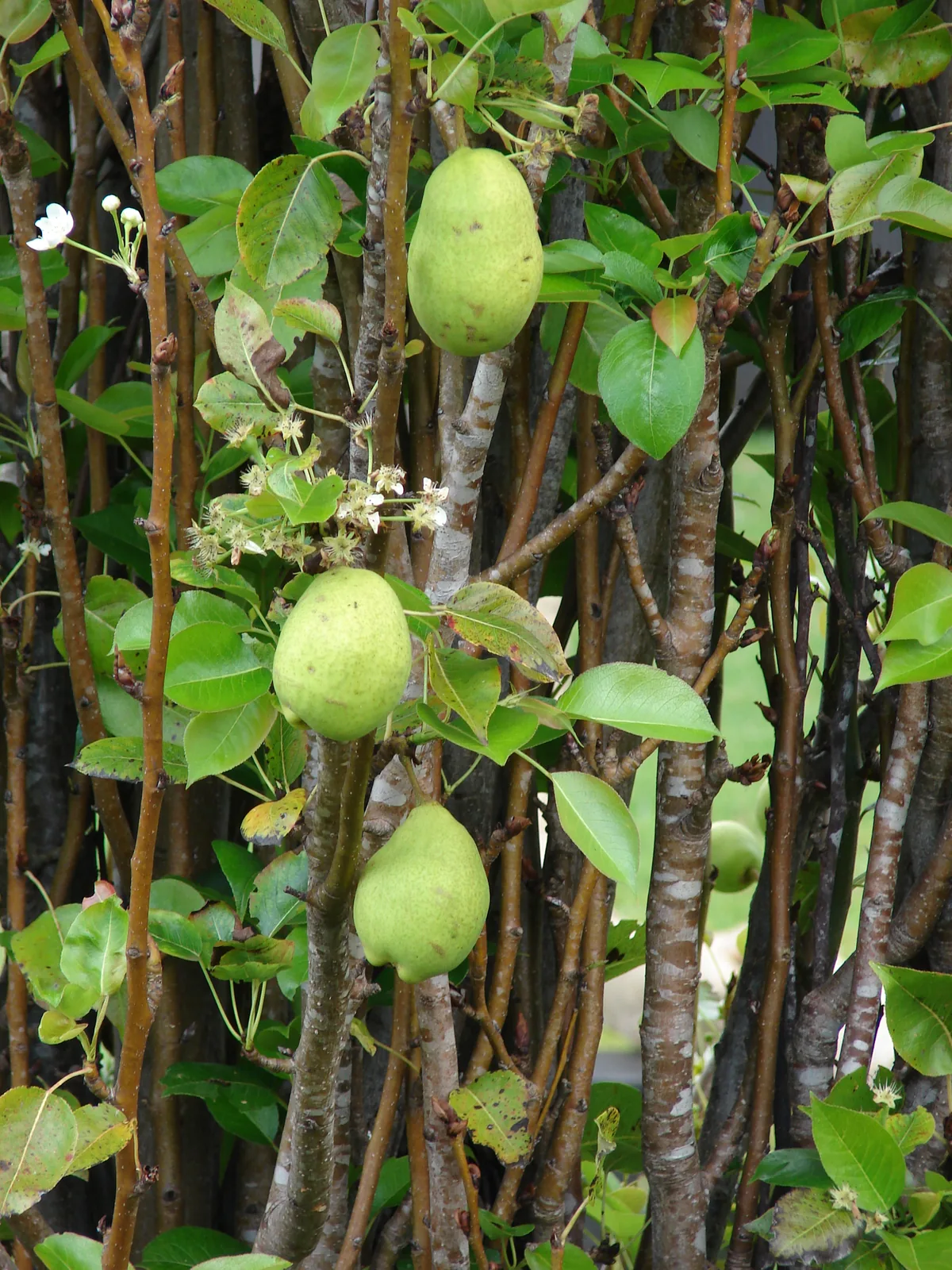
Pear, photograph
Official state fruit

Pear

Designated 2005. In our plant library — see its full growing profile.

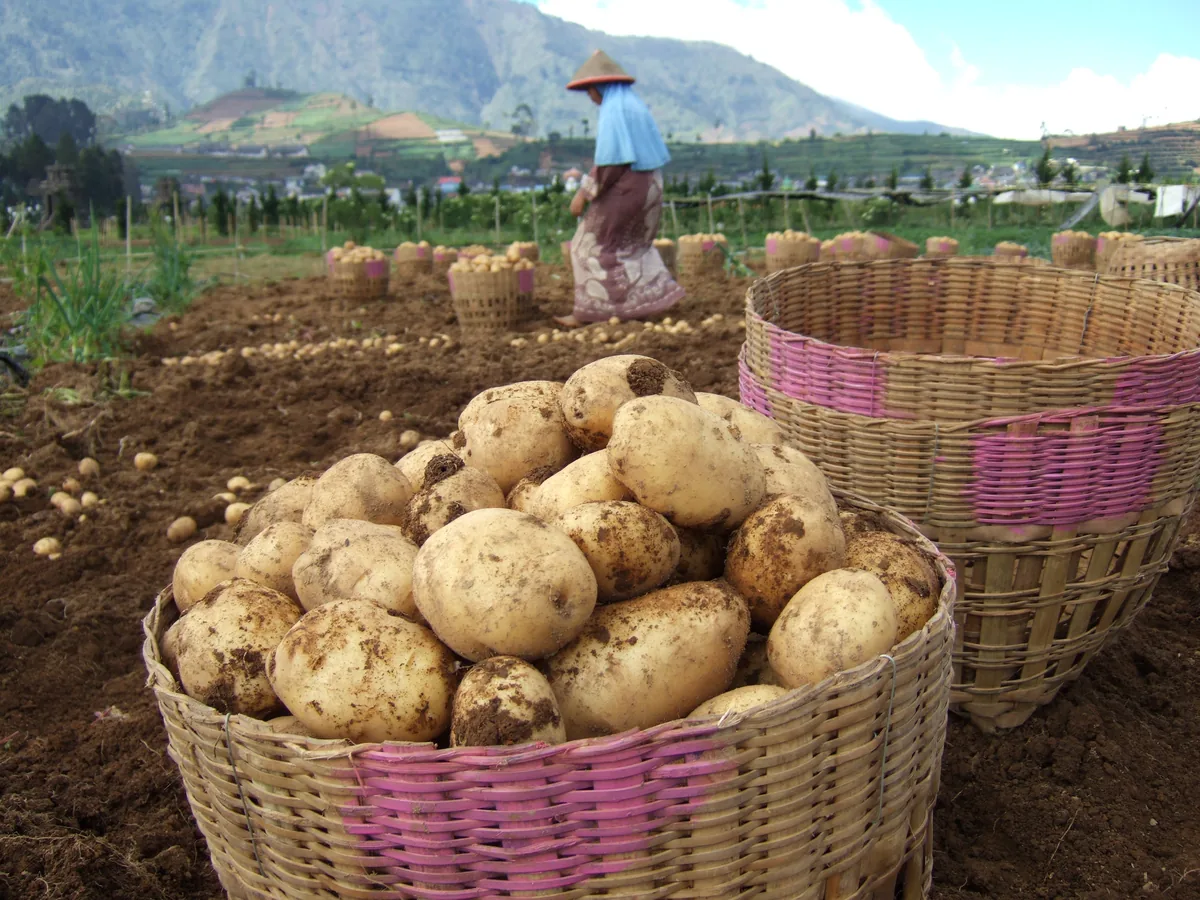
Potato, photograph
Official state vegetable

Potato

Designated 2023. In our plant library — see its full growing profile.

Native Plants of Oregon

Plants the USDA PLANTS Database documents as native and present in Oregon — a real per-state range, not just a zone match. Presence is statewide, so a plant may still be uncommon in your specific county; your state’s Cooperative Extension or a native-plant society is the local authority.

Also zone-compatible

US-native plants whose hardiness range overlaps Oregon’s USDA zones 4b-9b but which USDA PLANTS doesn’t map to a single state range here. Zone overlap is a starting filter, not a range map.

Browse all US-native plants by state & zone →

Growing Challenges in Oregon

What an experienced grower plans around here — each one has a move.

West side: excessive rain and overcast skies reduce sun for warm-season crops

Map your sun honestly — a south-facing bed against a light wall recovers a surprising amount of the light the clouds take.

East side: arid conditions (8-15 inches rainfall) require irrigation

East of the Cascades, drip irrigation is infrastructure, not an accessory — plan it before the first planting.

Slug pressure is extreme in western Oregon

Evening patrols, iron-phosphate baits, and dry mulch edges knock slugs back — your extension guide covers the full toolkit.

Mountain areas have very short seasons (60-90 frost-free days)

At 60-90 frost-free days, season extension is the difference between a garden and a gamble — a high tunnel changes the math.

For cultivar selection, pest pressure, and planting-time guidance specific to Oregon, the OSU Extension Service is the authoritative local source.

Safe to Grow Here?

What the federal record shows across Oregon — and how to grow with it.

Federal record: High

We checked the federal record across Oregon21,752 documented sites across 8 of the 9 source types we track.

The most significant on record: 260 Superfund sites. Sites tracked in EPA's Superfund program — from assessment-stage CERCLIS entries to confirmed National Priorities List cleanup sites.

Oregon carries one of the heavier federal records we track — and that's not a verdict on your yard. Proximity to a documented site is information, not a diagnosis: nothing here says any particular parcel is affected. It does earn one concrete step — before food beds go in the ground, a professional soil test tells you exactly what you're working with, and raised beds with clean imported soil grow well almost anywhere in the meantime.

Severity Distribution

across Oregon

High1,604Moderate6,397Low13,751

Highest-Severity Sites

2812 Se 115TH Avenue Residential Lead Removal
Superfund · Superfund (Non-NPL)
44 Mines
Mining Sites · Producer
44 Mines
Mining Sites · Past Producer
Abeene
Mining Sites · Occurrence
Abeene
Mining Sites · Unknown

A note from Gnorman

What an experienced grower watches for around here

In and around Oregon, Mining runs higher than the national average — 3,562 sites nearby. That's not a problem with your land — it's information about it.

Mining: Mining sites — both historic and active — can leach heavy metals (arsenic, lead, cadmium, mercury) into soil and water for centuries after operations cease.

Test soil for heavy metals (lead, arsenic, cadmium, mercury) — this is essential near any mining site.

Sources: EPA, USGS1.8M documented sites tracked nationwide across 9 federal source types.

See what grows on YOUR specific land

State averages sketch the shape. Your soil, sun exposure, drainage, and microclimate decide what actually takes. Pull a site-specific report for your exact parcel.

Free Report

Read your Oregon parcel

Enter your address. We read your soil, sun, drainage, and frost dates, then score 1,112 plants against the real conditions on your land.

Three things about your exact spot that zone averages miss:

Your soil pHYour frost-free daysYour sun & shade

We read public map data for this spot — soil, climate, flood, and parcel records. How we handle your address.

25+ data sources analyzed in seconds

Frequently Asked Questions

What USDA hardiness zones are in Oregon?

Oregon spans USDA hardiness zones 4b-9b, per the USDA Plant Hardiness Zone Map 2023. Zones reflect average annual extreme minimum temperatures from 1991–2020 weather data.

Is it too late to plant in Oregon?

Too late for some crops, right on time for others — a growing season is a sequence, not a deadline. Across Oregon, cool-season planting typically opens about four weeks before the local last hard freeze — county medians put that freeze near Mar 30, with the middle half of counties between Mar 12 and Apr 24 (NOAA 1991–2020 climate normals). Tender transplants wait two to three weeks past it, and fall planting counts back from first freezes mostly between Oct 23 and Nov 17 — long-season crops need about 90 days of runway, quick greens only 30. There is slack in a calendar like this — late plantings, second rounds of favorites, and a fall bench that keeps beds working.

When does frost risk typically end in Oregon?

Across Oregon, the middle half of counties see their last hard freeze (28°F) between about Mar 12 and Apr 24, with a county median near Mar 30 (NOAA 1991–2020 climate normals). That marks the hard freeze, not the last light frost — light frosts can still bite for a few more weeks, so tender transplants usually wait another 2–3 weeks.

How long is the growing season in Oregon?

Measured between 28°F hard freezes, growing seasons across Oregon's counties mostly run about 182 to 248 days, with a county median near 235 (NOAA 1991–2020 climate normals). Tender crops get a somewhat shorter practical window, since lighter frosts reach a few weeks past the hard-freeze dates on both ends.

What vegetables grow well in Oregon?

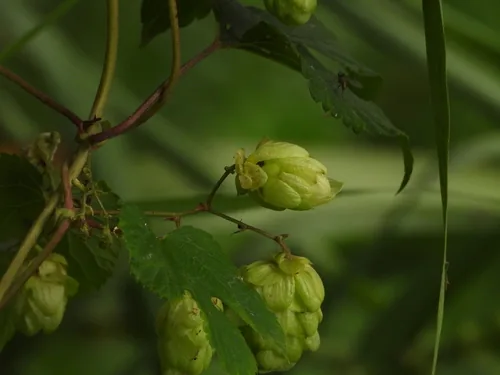
Oregon's zones 4b-9b support a wide range — strong performers include Hazelnut, Blueberry, Grape (Pinot Noir), Kale, and Hop. What actually takes on any one site comes down to its soil, sun, and drainage, and we score each plant against the real conditions at your address.

Which hardiness zone is Oregon, really?

Officially, Oregon spans USDA zones 4b-9b (USDA PHZM 2023) — but a zone is a 30-year average of winter's coldest night across an area, and it can't see any one yard. A south-facing slope, a tree line, or a low frost pocket can shift a single site by half a zone either way, which is why neighboring gardeners often quote different numbers. We read the conditions at your exact address — soil, sun, slope, and frost — and score 1,112 plants against what's actually there.

Is the soil safe to grow vegetables in Oregon?

The federal record across Oregon runs heavier than most — 21,752 documented sites — so test the soil before planting food in the ground, and raised beds with clean imported soil grow well in the meantime. Even here, proximity to a documented site is information, not a diagnosis of any one yard; the contamination map shows exactly what's recorded and where.

Just moved to Oregon — what should I know before planting?

Start with three facts. Oregon spans USDA zones 4b-9b, which sets what survives winter; last hard freezes range from about Mar 12 to Apr 24 across its counties (NOAA 1991–2020 climate normals); and 21,752 documented sites sit on the federal record here, so a soil test before food beds is the smart first step. From there, matching plants to your actual soil and sun is the fun part.


Everything on this page is a Oregon average. Your yard writes its own version — we read soil, sun, drainage, and frost at your exact address. Try it for 14 days — no card required.

Cities & Towns in Oregon

Explore growing conditions by city or town in Oregon.

Adair VillageAdamsAdrianAlbanyAlohaAlpineAlseaAltamontAmityAnnexAntelopeArlingtonAshlandAstoriaAthenaAumsvilleAuroraBaker CityBandonBanksBarnesdaleBarviewBay CityBayshoreBayside GardensBeattyBeaverBeaver MarshBeavercreekBeavertonBellfountainBendBethanyBiggs JunctionBlack Butte RanchBlodgettBlyBoardmanBonanzaBoringBroganBrookingsBrooksBrownsvilleBull MountainBunker HillBurnsButte FallsButtevilleCamp ShermanCanbyCannon BeachCanyon CityCanyonvilleCape MearesCarltonCascade LocksCascadiaCave JunctionCayuseCedar HillsCedar MillCentral PointChemultChenowethCherry GroveCheshireChiloquinClatskanieCloverdaleCoburgColumbia CityCondonCoos BayCoquilleCorneliusCorvallisCottage GroveCoveCrabtreeCraneCrawfordsvilleCrescentCrescent LakeCreswellCrooked River RanchCulverDallasDamascusDays CreekDaytonDayvilleDeer IslandDepoe BayDeschutes River WoodsDetroitDexterDillardDilleyDonaldDrainDufurDundeeDunes CityDunthorpeDurhamEagle CrestEagle PointEchoElginElktonElmiraEnterpriseEstacadaEugeneFair OaksFairviewFairviewFalcon HeightsFalls CityFlorenceFoots CreekForest GroveFort HillFort KlamathFossilFour CornersGarden Home-WhitfordGardinerGaribaldiGastonGatesGearhartGervaisGilchristGladstoneGlasgowGlendaleGlideGold BeachGold HillGopher FlatsGovernment CampGrand RondeGraniteGrants PassGrass ValleyGreenGreen MeadowsGreshamHainesHalfwayHalseyHappy ValleyHarborHarperHarrisburgHayesvilleHeboHeceta BeachHelixHeppnerHermistonHillsboroHinesHolleyHood RiverHubbardHuntingtonIdanhaIdavilleImblerIndependenceIoneIrrigonIsland CityJacksonvilleJasperJeffers GardensJeffersonJennings LodgeJohn DayJordan ValleyJosephJunction CityJuniper CanyonJunturaKeizerKenoKerbyKing CityKings ValleyKirkpatrickKlamath FallsKnappaLa GrandeLa PineLacombLafayetteLake OswegoLakesideLakeviewLangloisLebanonLexingtonLincoln BeachLincoln CityLonerockLong CreekLookingglassLostineLowellLyonsMadrasMalinManzanitaMapletonMarcolaMarionMarlene VillageMaupinMaywood ParkMcKayMcMinnvilleMeachamMedfordMehamaMelroseMerlinMerrillMetoliusMetzgerMill CityMillersburgMilton-FreewaterMilwaukieMissionMitchellMolallaMonmouthMonroeMonumentMoroMosierMount AngelMount HoodMount Hood VillagesMount VernonMulinoMyrtle CreekMyrtle PointNeahkahnieNehalemNeotsuNesika BeachNeskowinNetartsNew HopeNew Pine CreekNewbergNewportNorth BendNorth PlainsNorth PowderNyssaO'BrienOak GroveOak HillsOaklandOakridgeOatfieldOceansideOchoco WestOdellOntarioOregon CityOregon ShoresOrientPacific CityPaisleyParkdalePendletonPeoriaPhilomathPhoenixPilot RockPine GrovePine HollowPistol RiverPleasant ValleyPlushPort OrfordPortlandPowersPrairie CityPrinevillePrineville Lake AcresPronghornProspectRainierRaleigh HillsRedmondRedwoodReedsportRhododendronRichlandRickreallRiddleRiver PointRiver RoadRivergroveRiversideRockaway BeachRockcreekRocky PointRogue RiverRose LodgeRoseburgRoseburg NorthRowenaRuchRufusRunning Y RanchSalemSan MarineSandySanta ClaraSaunders LakeScappooseScioScotts MillsSeasideSelmaSenecaSeventh MountainShady CoveShanikoSheddSheridanSherwoodSiletzSilver LakeSilvertonSistersSodavilleSouth LebanonSportsmans ParkSprague RiverSpraySpringfieldSt. HelensSt. PaulStaffordStanfieldStaytonSublimitySummervilleSummitSumpterSunriverSutherlinSvensenSweet HomeTakilmaTalentTangentTerrebonneTetherowThe DallesThree RiversTigardTillamookToledoTrailTrentTri-CityTroutdaleTualatinTumaloTurnerTutuillaTygh ValleyUkiahUmapineUmatillaUnionUnityValeVenetaVernoniaWaldportWallowaWallowa LakeWamicWarm SpringsWarrenWarrentonWascoWaterlooWedderburnWest Haven-SylvanWest LinnWest ScioWest SlopeWestfirWestonWestportWheelerWhite CityWillaminaWilliamsWilsonvilleWimerWinchester BayWinstonWood VillageWoodburnYachatsYamhillYoncalla

States with a Similar Growing Climate

Oregon shares its dominant growing region with these states — a useful comparison if you're weighing where a crop will behave the same way.