
Growing Guide
What Grows Well in Your Conditions
Sources: Growable Ground Plant Database (sun, soil-texture, drainage, drought, pH tolerances — chiefly FAO ECOCROP, with USDA PLANTS and Extension sources on a minority of rows), USDA NRCS SSURGO
Last updated:
 Growing Conditions
6
Shade, clay, sand, drought, wet, pH
Plants Rated
1,085
Matched by soil, sun & drainage
Data Source
FAO ECOCROP
Largest single contributor of tolerance ratings
The most useful gardening question is not “what is the best plant?” — it is “what suits the conditions I already have?” Shade, heavy clay, sharp sand, a dry summer, a wet corner, an acidic or alkaline pH: each one is an advantage for some plants and a challenge for others. Matching the plant to the ground beats rebuilding the ground.
Each section below answers one condition, then lists real plants documented to grow in it — food crops first. Every list is drawn only from plants that carry an explicit tolerance rating in the USDA PLANTS data; where a rating is blank, we make no claim, and each list says how complete its coverage is. No condition here is a verdict. Every one of them is growing something well for somebody right now.
Which of these conditions is on YOUR land?
Enter your address — we read your soil texture, drainage, and pH from the USDA survey and model your sun, then score 1,085 plants against the real conditions you have.
We read public map data for this spot — soil, climate, flood, and parcel records. How we handle your address.
Plants for shade & part shade
Shade is a growing condition, not a dead zone — plenty of food and flowers do their best work out of hot, direct sun. As a rule, leafy greens and cool-season crops (lettuce, kale, chard, and the whole cabbage family) handle part shade well, because you are harvesting the leaves rather than waiting on a sun-ripened fruit. The plants below are documented to grow in shade or part sun.
Documented for 96% of the library — 300 plants carry an explicit sun requirement.
On your land: a report reads the real sun and shade under your address and scores every one of these plants against it — so you see which genuinely fit your spot, not just the region.
Plants for clay (heavy) soil
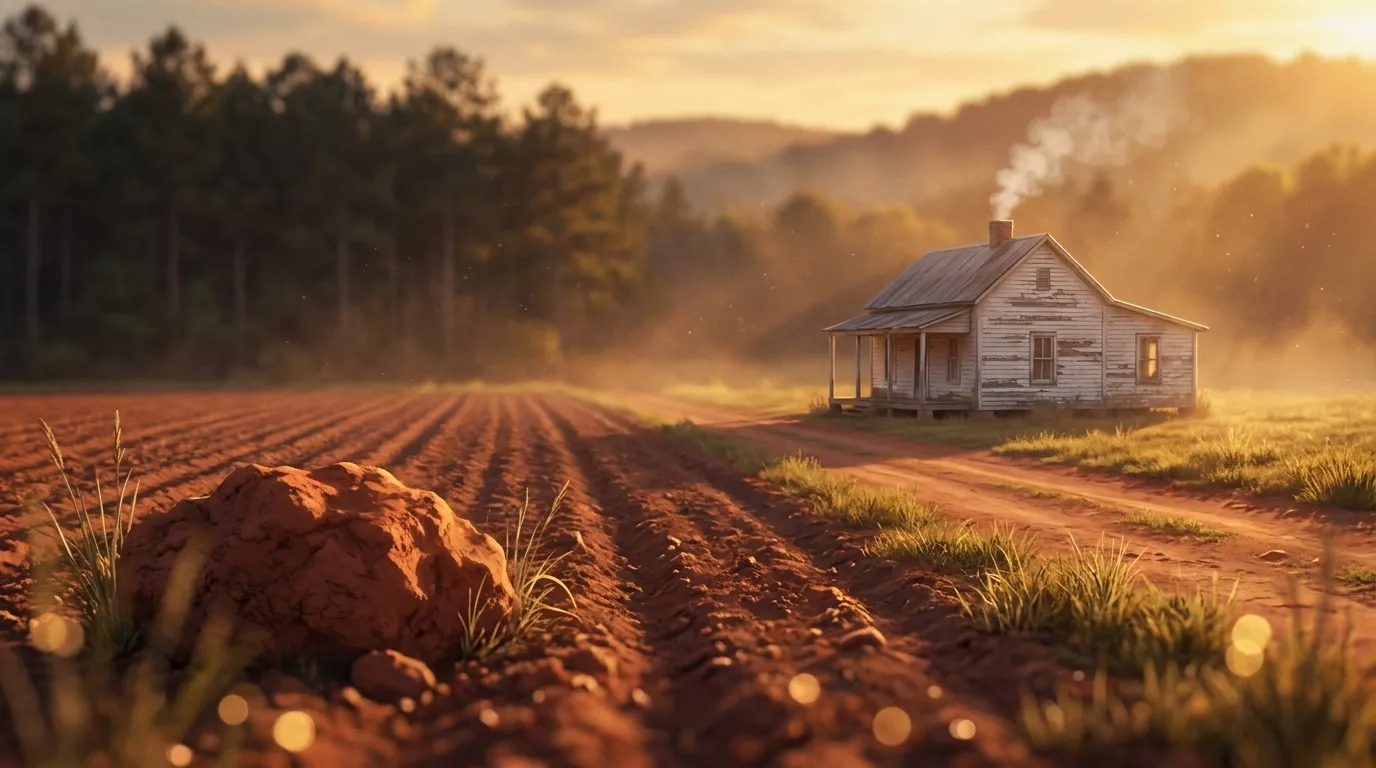
Clay — heavy, fine-textured soil — is slow to drain and slow to warm in spring, but it holds more nutrients and moisture than any other texture, which is a real advantage once you work with it. Heavy feeders and deep-rooted crops tend to do well; the trick is to work the soil only when it crumbles rather than smears, and to build organic matter over time. These plants are documented to grow in fine-textured soil.
A note on coverage: the fine-soil (clay) rating is on file for 631 of 1085 plants (58%). This list shows the 397 that carry it explicitly — where it is blank we make no claim, so treat this as a floor, not the whole story.
On your land: a report reads the real soil texture under your address and scores every one of these plants against it — so you see which genuinely fit your spot, not just the region.
Pro TipPlants for sandy soil
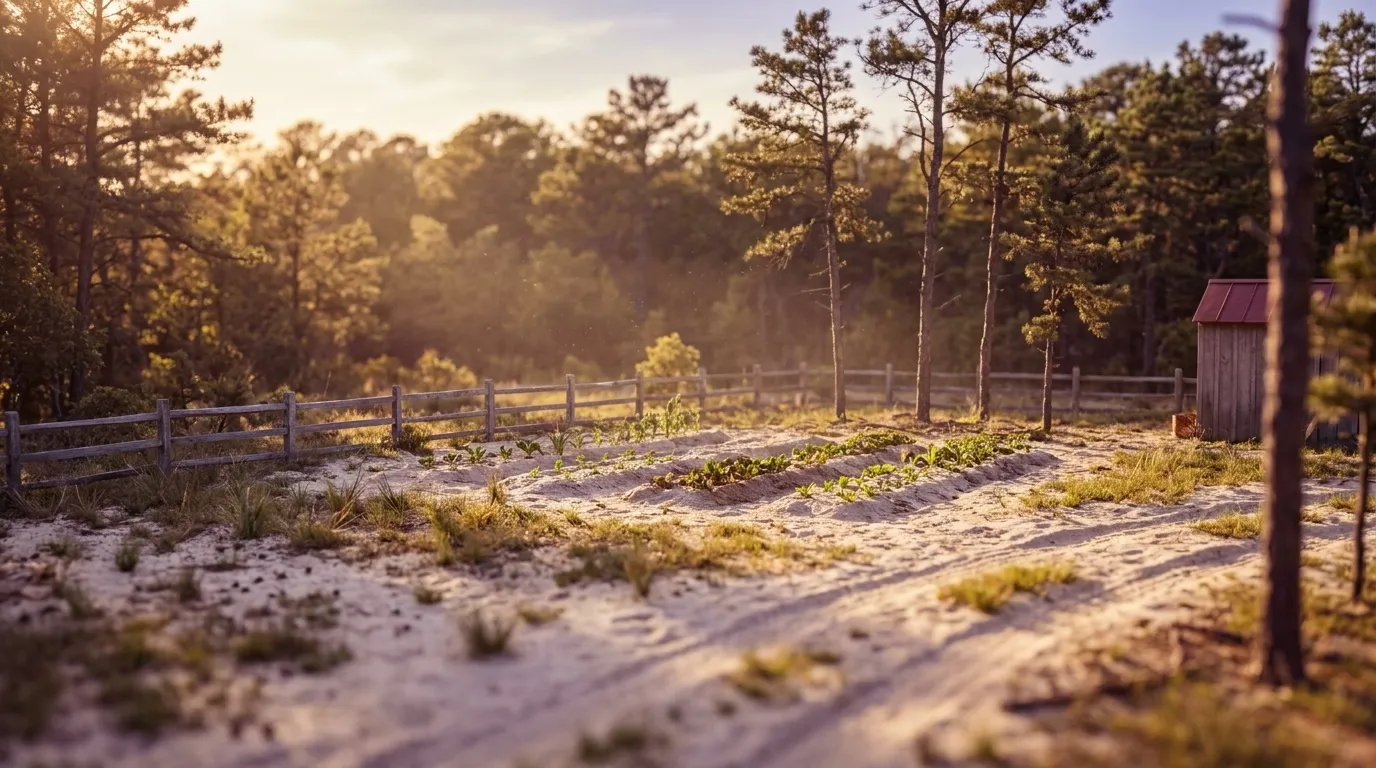
Sandy — coarse, fast-draining soil — warms early and never waterlogs, but water and nutrients run straight through it, so it rewards lighter, more frequent feeding. Crops that like sharp drainage do well here, root crops especially. These plants are documented to grow in coarse-textured soil.
A note on coverage: the coarse-soil (sandy) rating is on file for 732 of 1085 plants (67%). This list shows the 615 that carry it explicitly — where it is blank we make no claim, so treat this as a floor, not the whole story.
On your land: a report reads the real soil texture under your address and scores every one of these plants against it — so you see which genuinely fit your spot, not just the region.
Drought-tolerant plants
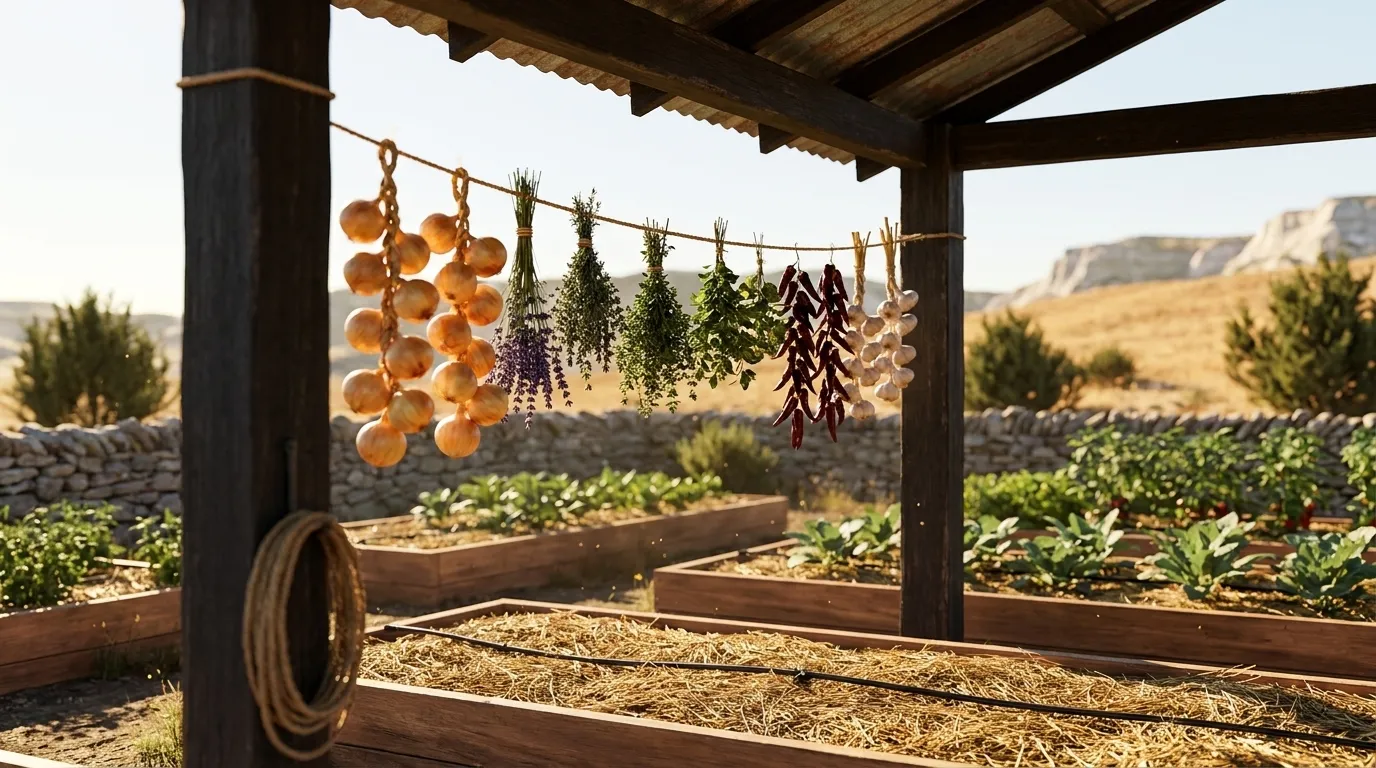
Drought-tolerant plants keep growing through the dry spells that stall thirstier crops — a real help on sandy ground, in unirrigated beds, or anywhere summer water is scarce. The plants below are the ones our library rates as highly drought-tolerant. They still need water to establish; the rating describes how they hold up once their roots are down.
Documented for 90% of the library — 215 plants carry an explicit drought-tolerance rating.
On your land: a report reads the real climate and drainage under your address and scores every one of these plants against it — so you see which genuinely fit your spot, not just the region.
Plants for wet, poorly drained soil
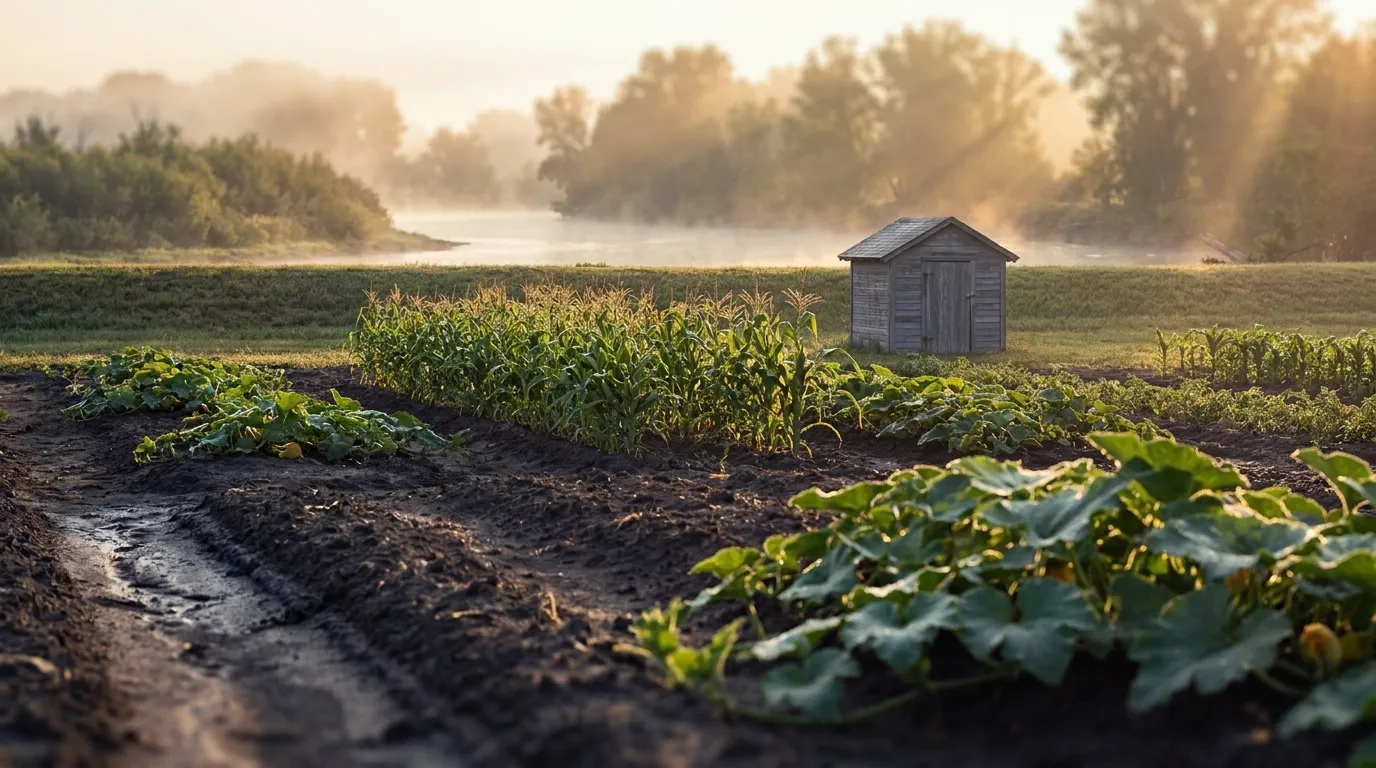
Low spots, heavy clay bottoms, and rain-garden edges drown the roots of most vegetables — but a genuine set of plants prefers exactly those saturated conditions. These are the plants documented to grow in poorly drained soil that stays saturated for much of the year. Where a whole bed stays wet, matching the plant to the water beats fighting the drainage.
Documented for 90% of the library — 80 plants carry an explicit drainage rating.
On your land: a report reads the real drainage under your address and scores every one of these plants against it — so you see which genuinely fit your spot, not just the region.
Plants for acidic & alkaline soil
Soil pH decides which nutrients a plant can actually take up. Most vegetables are easiest in the near-neutral 6.0–7.0 range, but some crops genuinely prefer acidic ground and many others tolerate alkaline soil well. Match the plant to your pH and you spend far less time amending it — so it helps to know your number first (the USDA soil survey has it mapped).
Plants for acidic soil
Documented to prefer an acidic optimum below pH 6.0 — blueberries and their relatives lead here.
Documented for 87% of the library — 101 plants carry an explicit optimal-pH rating.
Plants that tolerate alkaline soil
Documented to tolerate soil up to pH 7.8 or higher.
Documented for 95% of the library — 478 plants carry an explicit pH-range rating.
On your land: a report reads the real pH under your address and scores every one of these plants against it — so you see which genuinely fit your spot, not just the region.
Want the full picture for your site — soil, sun, frost, and climate together? What Can I Grow? and What Will Grow on My Land? walk through how every factor combines.
See what fits the conditions on your land
We read your soil texture, drainage, and pH from the USDA survey, model the sun across your yard, and score 1,085 plants against the real conditions you have.
Three things about your exact spot that zone averages miss:
We read public map data for this spot — soil, climate, flood, and parcel records. How we handle your address.
25+ data sources analyzed in seconds
Frequently Asked Questions
What can I grow in a shady yard?
Plenty — shade is a growing condition, not a dead end. Leafy greens and cool-season crops (lettuce, kale, chard, and the cabbage family) do their best work out of hot direct sun, because you are growing the leaves rather than waiting on fruit. This guide lists the plants documented to grow in shade or part sun, food crops first.
What vegetables grow well in clay soil?
Clay holds more nutrients and moisture than any other soil texture, and heavy feeders and deep-rooted crops do well in it once you work with it. The keys are timing (work it only when it crumbles, never when it smears) and adding organic matter over time. See the clay-soil list below for the plants rated to grow in fine-textured ground.
What plants tolerate wet or poorly drained soil?
Wet ground drowns the roots of most vegetables, but a real set of plants prefers exactly those saturated conditions — think watercress, taro, celery, and elderberry. The wet-soil list below shows the plants documented to grow where the soil stays saturated for much of the year.
How do I know if my soil is acidic or alkaline?
The USDA soil survey (SSURGO) has already mapped soil pH for nearly every field in the country, and a Growable Ground report reads it for your exact land. Once you know your pH, match the plant to it: this guide lists crops that prefer acidic ground (blueberries lead) and crops that tolerate alkaline soil.
What is the difference between full sun, part sun, and shade?
Full sun means six or more hours of direct sun a day, part sun (or part shade) means roughly three to six, and shade means less than three. The catch is that sun maps unevenly across a single yard — a north wall or a mature tree can put one bed in part shade while the next is in full sun. A Growable Ground report models the sun and shade across your parcel so you match plants to where they will actually be.
Related Guides
See what this means where you are
This guide is national — a state's own zones, frost dates and soils change how it plays out. Start with your state's growing hub: