
Before you eat what you grow, it’s worth knowing what’s in the ground it grew in.
The federal contamination record is public but scattered across dozens of agencies and written for regulators. These pages screen it — plus plant-toxicity data — into plain answers about what’s safe to plant, eat, and keep around pets. Treat it as a first filter: where it raises a flag, a soil test is the honest next step, and raised beds or containers keep you growing either way.
Contamination Overview
What the federal contamination record actually means for a backyard garden.
County Rankings
County-by-county contamination risk, synthesized from federal sources.
Garden Pests
Ten playbooks for the pests that do real damage — the one fact that changes what you do, then the move that beats it.
Pet-Toxic Plants
Common garden plants that can hurt dogs and cats — and which parts to actually avoid.
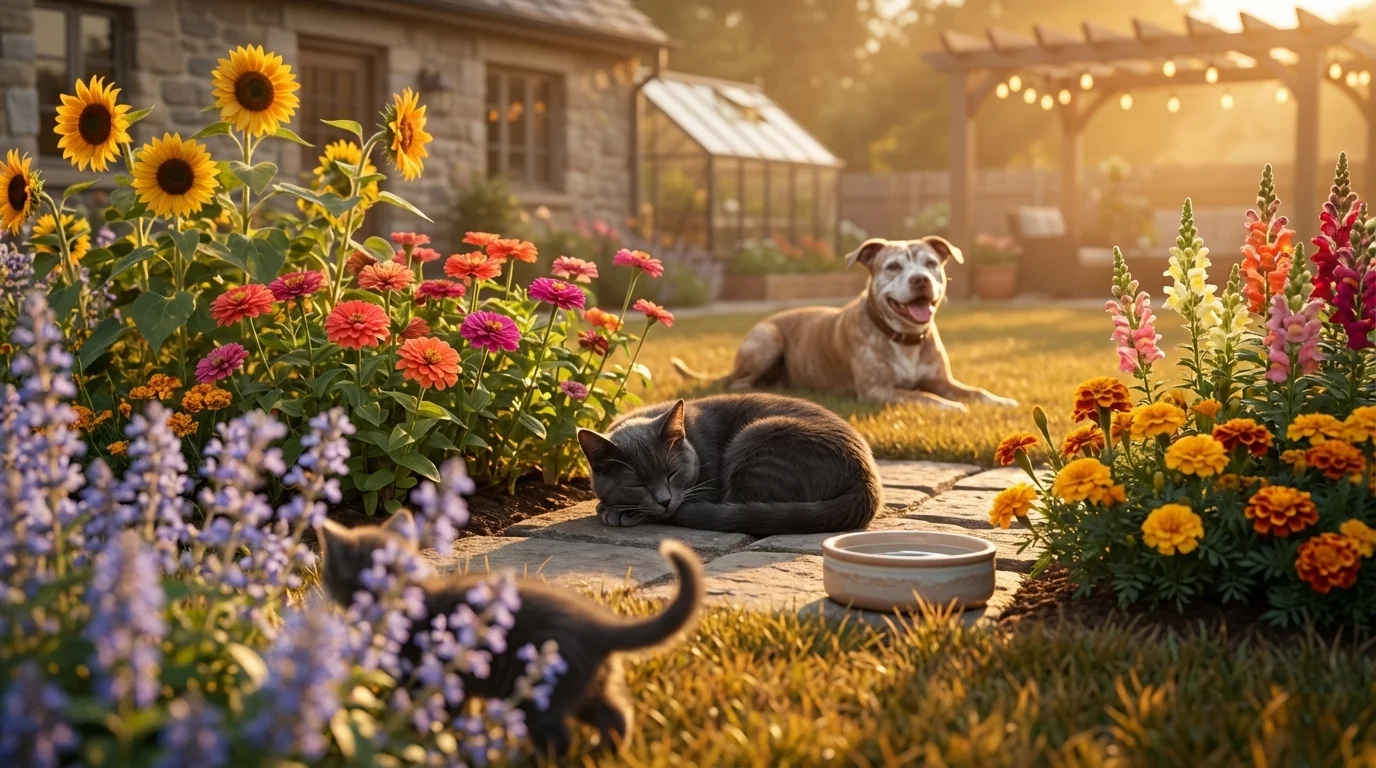
Pet-Safe Plant Guide
Non-toxic plants safe for dogs and cats.
Is My Property Contaminated?
How to read the federal contamination record for your address before you plant food.
Screen your address before you plant food
Enter your address and we check 8 federal contamination sources for documented sites within range — a first-pass screen to tell you whether a soil test should come before the seeds.
Three things about your exact spot that zone averages miss:
We read public map data for this spot — soil, climate, flood, and parcel records. How we handle your address.
25+ data sources analyzed in seconds
Frequently Asked Questions
Is my soil safe to grow food in?
Start by screening the public record, then confirm with a test. We synthesize 8 federal contamination sources to flag documented sites near an address — a strong first filter. It is a screen, not a lab result: where it raises a flag, a soil test is the honest next step before growing food.
How do I test my garden soil for lead?
A university Cooperative Extension or a certified lab runs a soil lead test inexpensively — the reliable answer for your exact beds. Our contamination pages help you decide whether to prioritize it: past industrial use, old housing, and nearby documented sites all raise the odds worth checking.
What if there is contamination near my address?
A nearby record is a reason to test and to adapt, not to give up gardening. Raised beds with clean imported soil, containers, and avoiding root crops in questionable ground are all established ways to keep growing safely — our contamination guide walks through them with the sources cited.
Which garden plants are toxic to dogs and cats?
More common ones than most people expect — and often only certain parts are the hazard. The Pet-Toxic Plants page names them with the risky part called out, and the Pet-Safe Plant guide gives non-toxic alternatives for a yard your animals share.
Last updated: