
Pests
Garden Pests: Playbooks That Beat the Ones That Matter
Sources: University of Minnesota Extension, University of Wisconsin–Madison Extension, Penn State Extension, University of California Cooperative Extension (UC IPM), University of Maryland Extension, NC State Extension
Most garden insects are harmless or on your side. A few do real damage — and for those, knowing the one fact that matters changes what you do. These playbooks cover the pests worth a plan: what is really going on, what it means for your plants, and exactly what an experienced grower does about it — every move sourced to Cooperative Extension IPM.
Win before you plant
For some pests the biggest lever is a decision made before the season — which variety, which crop, what you mulch with, and how clean you left the bed last fall.

Beat the Squash Vine Borer
By the time the vine wilts, the borer is already inside — so the win is prevention, and it starts with which squash you plant.
Read the playbook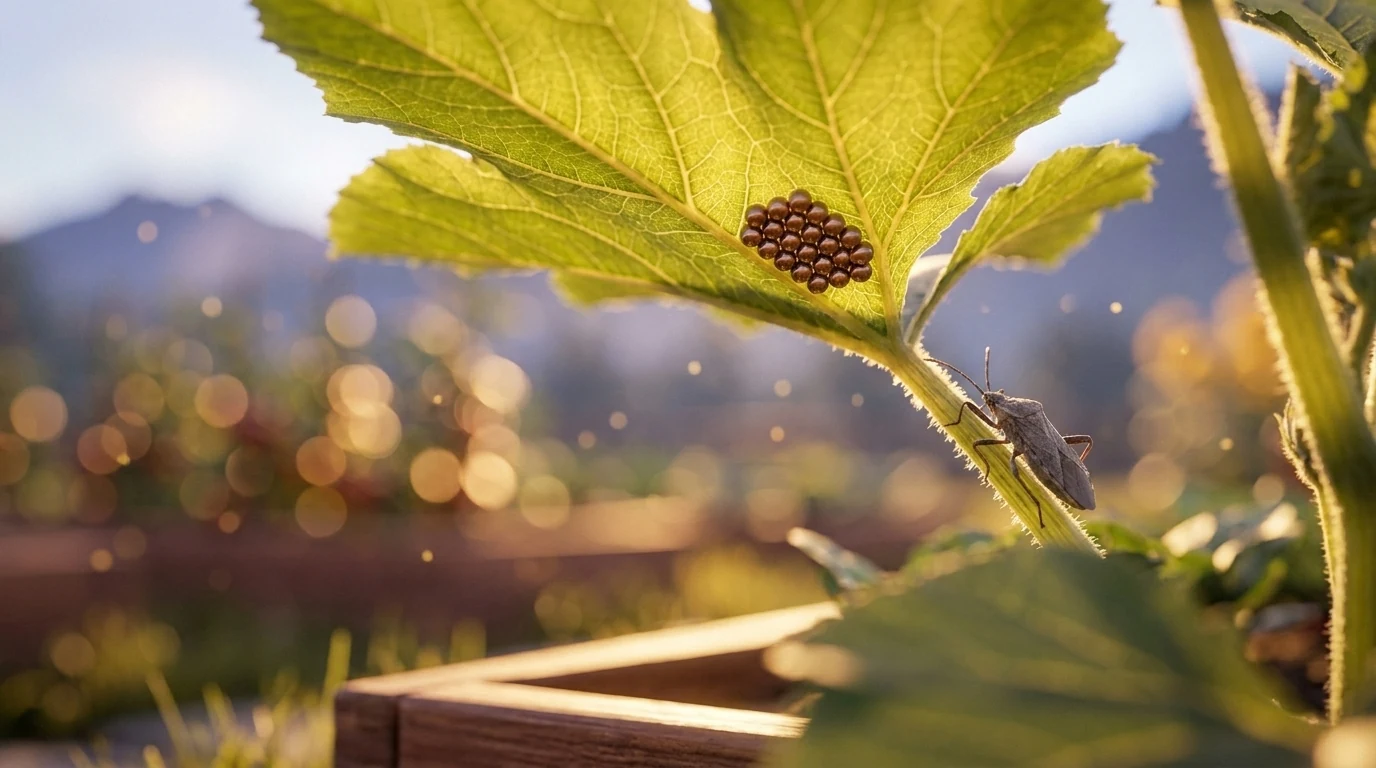
Stop Squash Bugs — Starting With Where They Sleep
The squash bugs that wreck your vines in July slept through the winter in what you left in the bed last October.
Read the playbook
Cucumber Beetles: Which of Your Plants Is Actually at Risk
On pumpkins you can often ignore them by midsummer. On cucumbers and melons the risk never lifts. Same beetle.
Read the playbookManage what’s already on the plant
These arrive every season. The win is knowing which move actually reduces the population — and which of the obvious ones makes it worse.

Stop Japanese Beetles Skeletonizing Your Garden
The pheromone trap draws in more beetles than it catches — so the move is protecting a few high-value plants, not hanging a trap.
Read the playbook
How to Get Rid of Aphids — and What Keeps Bringing Them Back
You cannot out-spray an insect that gives birth to live young without mating. You can stop feeding it and stop protecting it.
Read the playbook
Spider Mites: Why They Exploded After You Sprayed
A mite outbreak is often the bill for something you sprayed last week — for a completely different pest.
Read the playbook
Whiteflies: The Cloud You See Isn’t What’s Hurting the Plant
Chasing the flying cloud is the least productive move available. Turn the leaf over instead — and read the exit holes.
Read the playbookKnow what you’re looking at
Two insects that look nearly alike can call for opposite actions — and the one that was working for you is the easier one to kill by mistake.
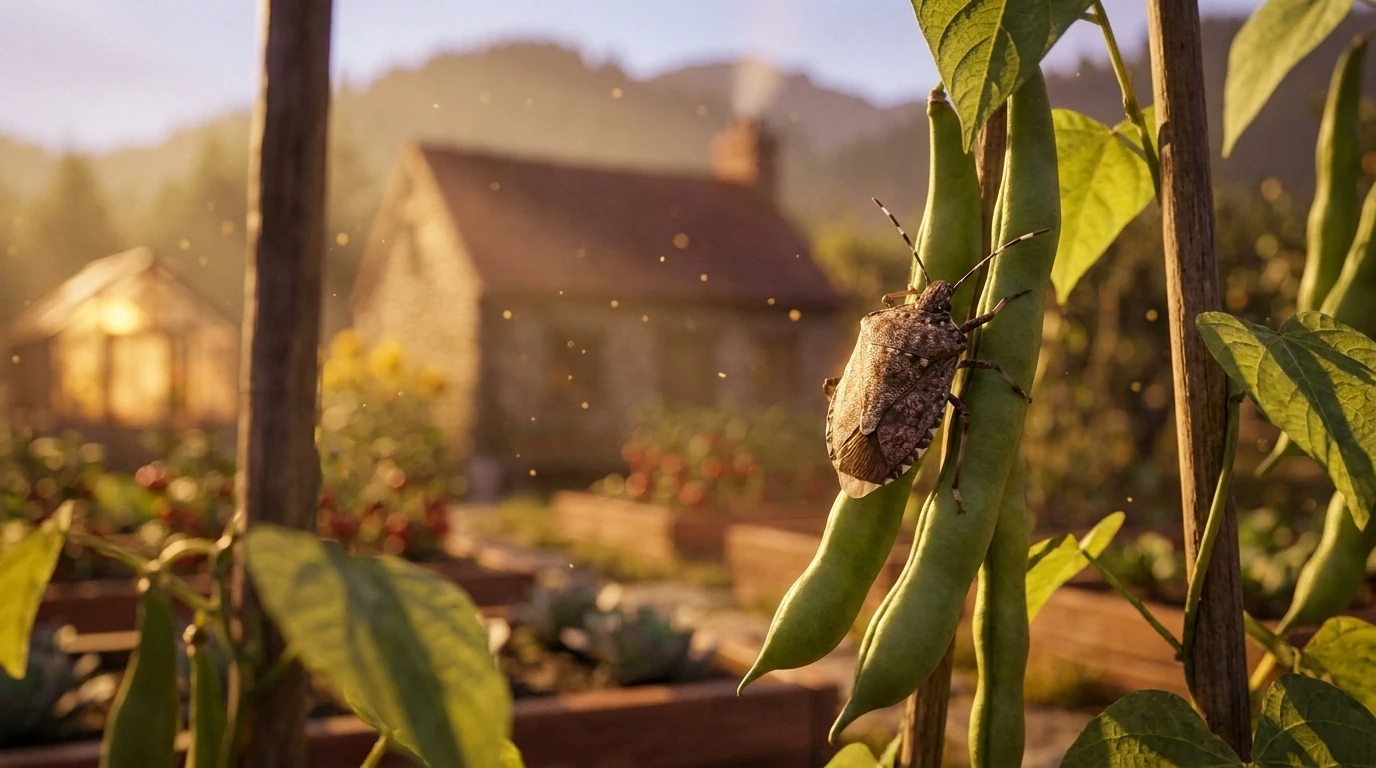
Not Every Stink Bug in Your Garden Is the Invasive One
One of the brown stink bugs on your tomatoes is a predator working for you. The tell is on the antennae.
Read the playbook
Tomato Hornworms — and the One You Should Leave Alone
Two hornworms on the same tomato plant can call for opposite actions — and the difference is visible from a few feet away.
Read the playbookDon’t move it
Some pests travel because people carry them. What a gardener owes here is knowing what it actually harms — and not giving it a ride.

What these ten pests have in common
Writing these playbooks against the Cooperative Extension IPM literature surfaced four patterns that hold across almost all of them. They are worth knowing before you read any single one, and they apply just as well to a pest that has no playbook here yet.
Name it before you treat it
Every playbook here opens on identification, because the most expensive mistake in a garden is not a late spray — it is a confident one aimed at the wrong insect. Most of these ten pests have a close look-alike that calls for a different response, and in more than one case the animal people kill by mistake was the one working for them.
Ask whether it actually matters
Extension guidance is consistently more relaxed than the internet is. Lace-holed leaves on an established shrub, a cloud of whiteflies off a disturbed plant, beetles on a rose in July — on a healthy, mature, well-watered plant these are usually appearance rather than injury. Each playbook says outright how much the plant can absorb, because doing nothing is a legitimate answer and is frequently the correct one.
Timing beats product
Nearly every pest here has a narrow period when it can be reached and a long one when it cannot. A borer can be stopped in the fortnight before it enters a stem and barely touched afterwards; squash bugs yield to treatment as newly hatched nymphs and resist it as adults. That is why every playbook carries the insect’s calendar — for most of these, the schedule is the intervention.
The obvious purchase often backfires
The most commonly bought product for Japanese beetles draws more of them onto your plants than it removes, and broad-spectrum insecticides are a documented cause of spider-mite outbreaks because they kill the predators that had been holding the mites down. Where the popular move makes the problem worse, these pages say so and name what to do instead.
One thing you will not find here is a spray recommendation presented as the answer. Several of the sources behind these pages do list registered active ingredients, and they pair them with label directions, pollinator precautions and timing that a web page cannot responsibly compress. Where a product is genuinely the right call, these playbooks say so and send you to the Extension publication that carries the specifics.
Most pest pressure starts with a mismatched plant
Enter your address and we score 1,086 plants against your soil, sun, and season — a plant suited to your land has the vigor to shrug off what flattens a struggling one.
Three things about your exact spot that zone averages miss:
We read public map data for this spot — soil, climate, flood, and parcel records. How we handle your address.
25+ data sources analyzed in seconds