
Every plant decision starts with the ground it’ll live in — so read the ground first.
These pages translate the federal record for your parcel into plain English: what your soil is made of, how the sun crosses your yard, when your frost falls, which winters your perennials will survive, and how terrain moves cold air and water across a single lot. Know the conditions you actually have, and the plant list — over on What Grows — stops being guesswork.
Soil & Drainage
Read what your soil says about growing potential.
Sun & Shade
How sunlight maps across your parcel and which plants it supports.
Frost & Growing Season
First and last frost for your exact coordinates, from NOAA normals.
Hardiness Zones
How USDA zones translate to what survives winter on your land.
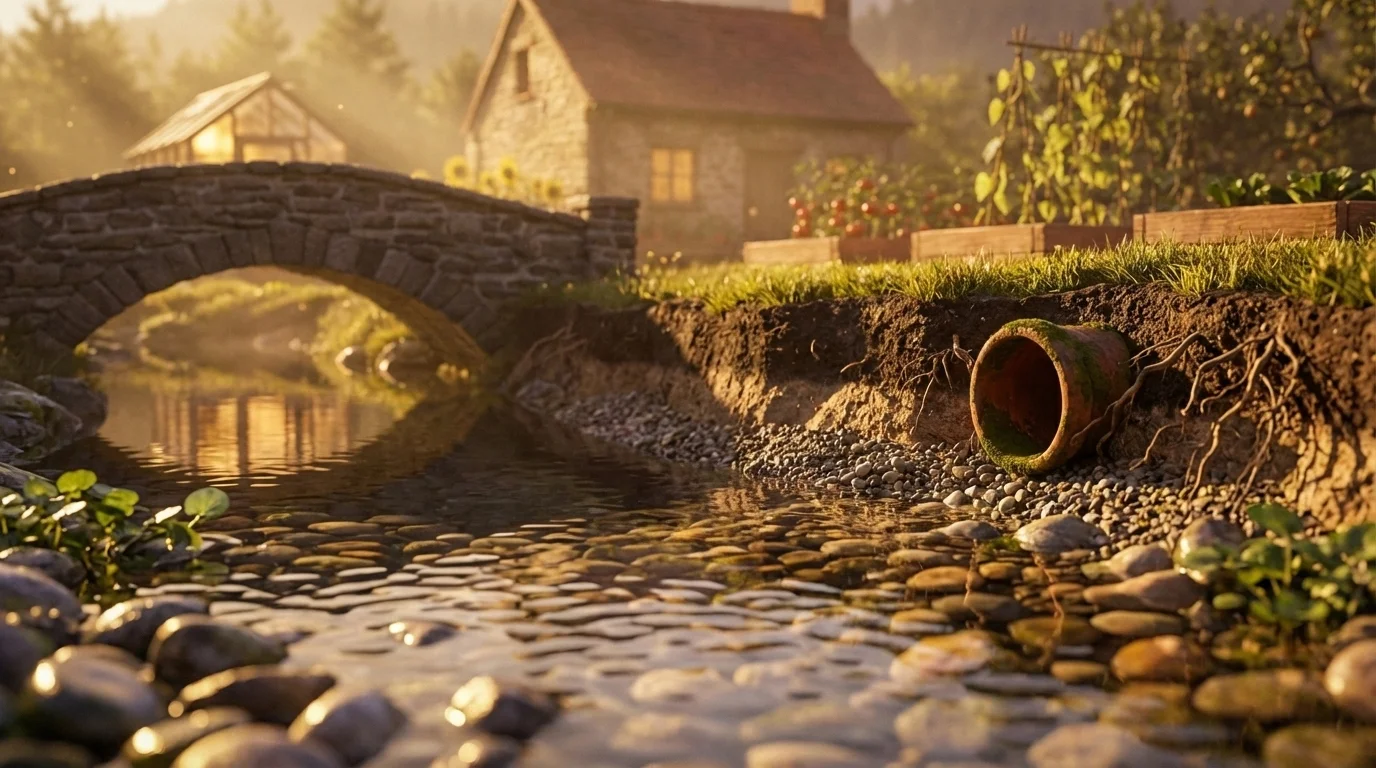
Drainage & Water
How your soil moves water — and what that means for roots.
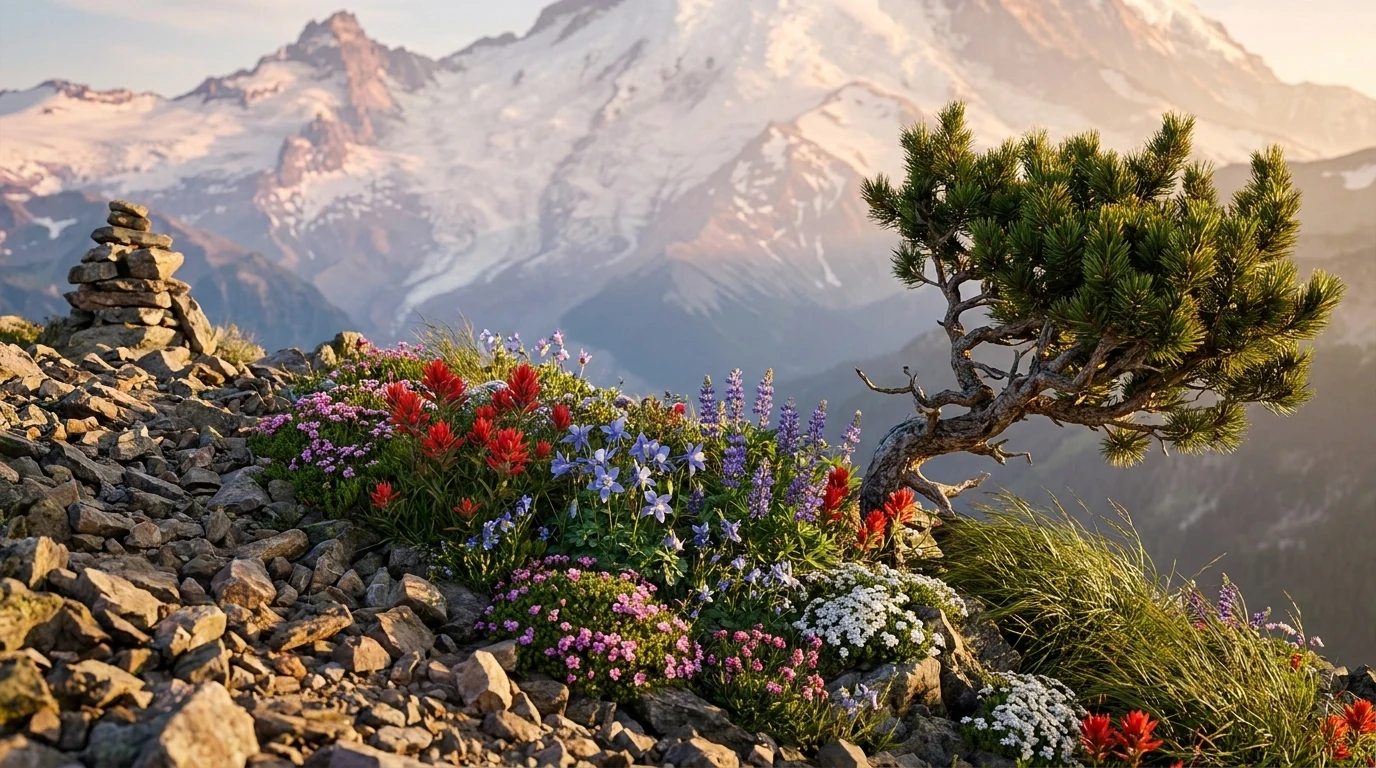
Elevation, Slope & Aspect
USGS 3DEP terrain — why cold air pools in low spots and south-facing slopes warm weeks earlier, across a single parcel.
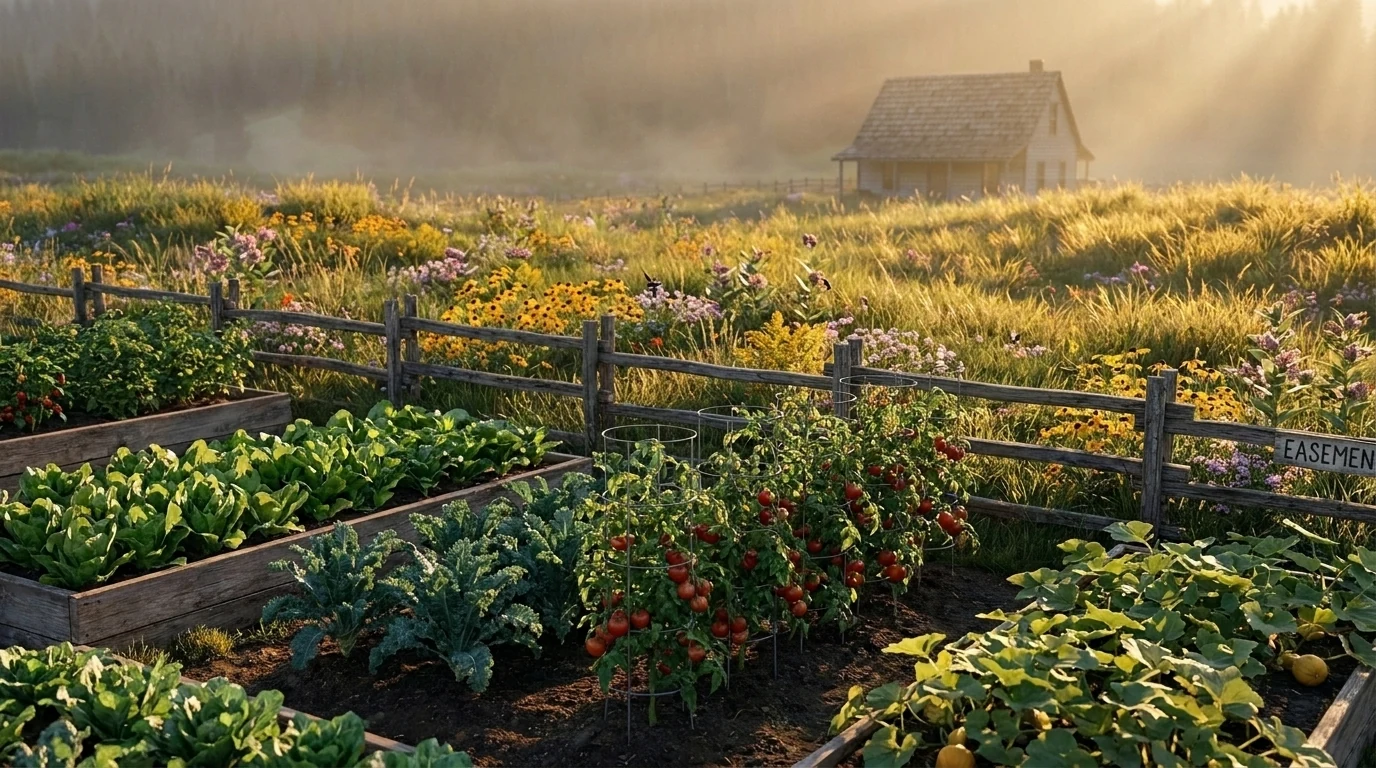
Conservation Land
PAD-US and NRCS easement data — what protected status means for what you can plant.
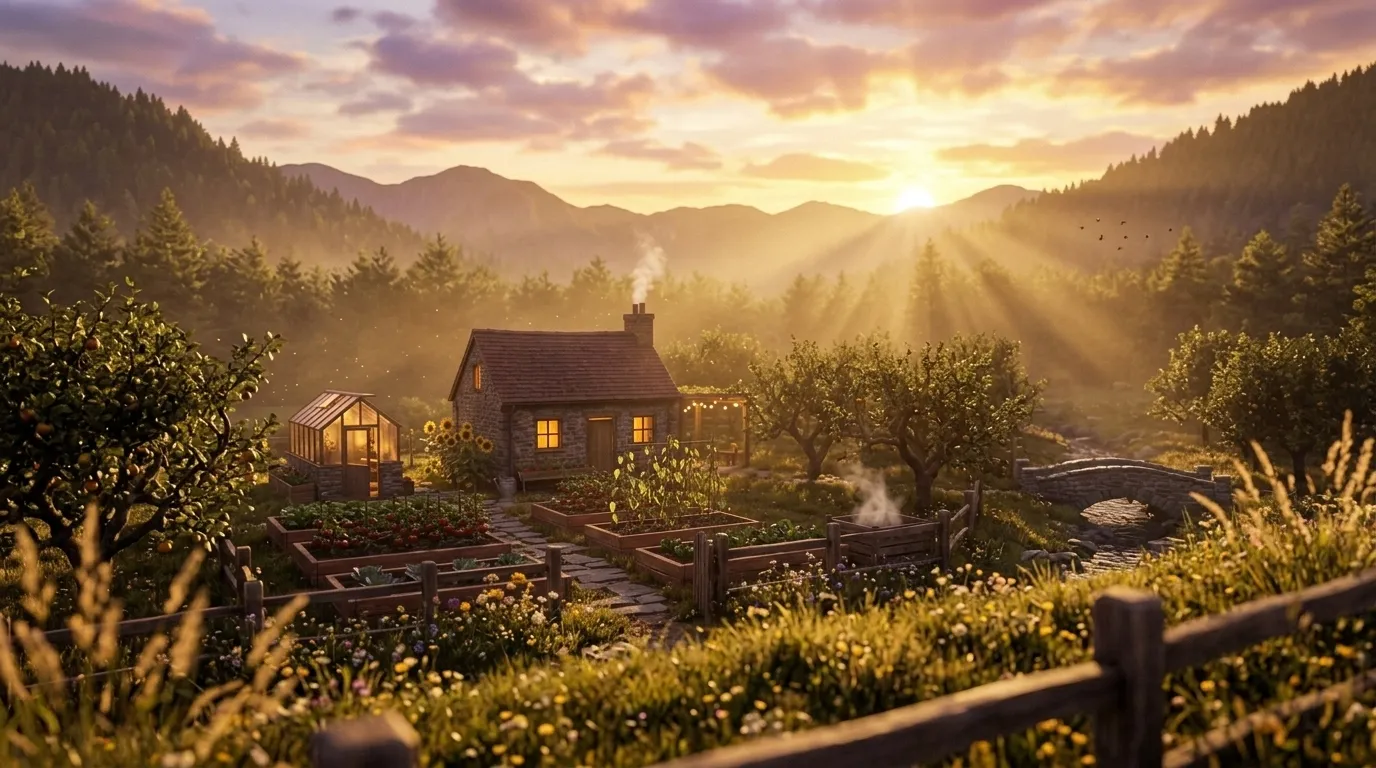
Growing Season
How many frost-free days you actually have — and what fits in them.
Methodology
How we synthesize federal data into a single parcel-level picture.

Read your parcel's conditions in one place
Enter your address and we pull your soil, sun hours, frost dates, hardiness zone, and terrain from the federal record — the full picture for one exact parcel, in seconds.
Three things about your exact spot that zone averages miss:
We read public map data for this spot — soil, climate, flood, and parcel records. How we handle your address.
25+ data sources analyzed in seconds
Frequently Asked Questions
How do I find out what type of soil I have?
The USDA already mapped it. SSURGO, the federal soil survey, records texture, pH, and drainage class for nearly every field in the country — no digging or lab required to start. Our Soil & Drainage guide shows how to read it, and a report pulls the exact map units under your parcel.
How much sun does my yard actually get?
More precisely than a "full sun / part shade" label: sun changes across a single yard as buildings and trees throw shade through the day and season. Our Sun & Shade guide explains how to read it, and a report models the sun hours your specific parcel receives.
What hardiness zone am I in, and what does it decide?
Your USDA zone comes from 30-year average winter lows and tells you what survives the cold — it governs perennials, not how long your summer is. Pair it with your frost dates (a separate reading) to know both what overwinters and what has time to ripen.
Why do my neighbor and I get different results?
Because land varies lot by lot. Soil changes field to field, cold air pools in low spots, and a south-facing slope warms weeks before a north one. That parcel-level variation is exactly what these readings — and a per-address report — are built to catch.
Last updated: