
The best plant for your garden is the one your conditions already favor — then it’s a question of how you grow it.
Once you know what your land is dealt, this is the answer side: a library of 1,085 scored plants, the natives that belong where you are, and the method guides — in-ground, raised bed, container, greenhouse — that turn a good match into a real harvest. Match the plant to the ground, and match the method to the plant.
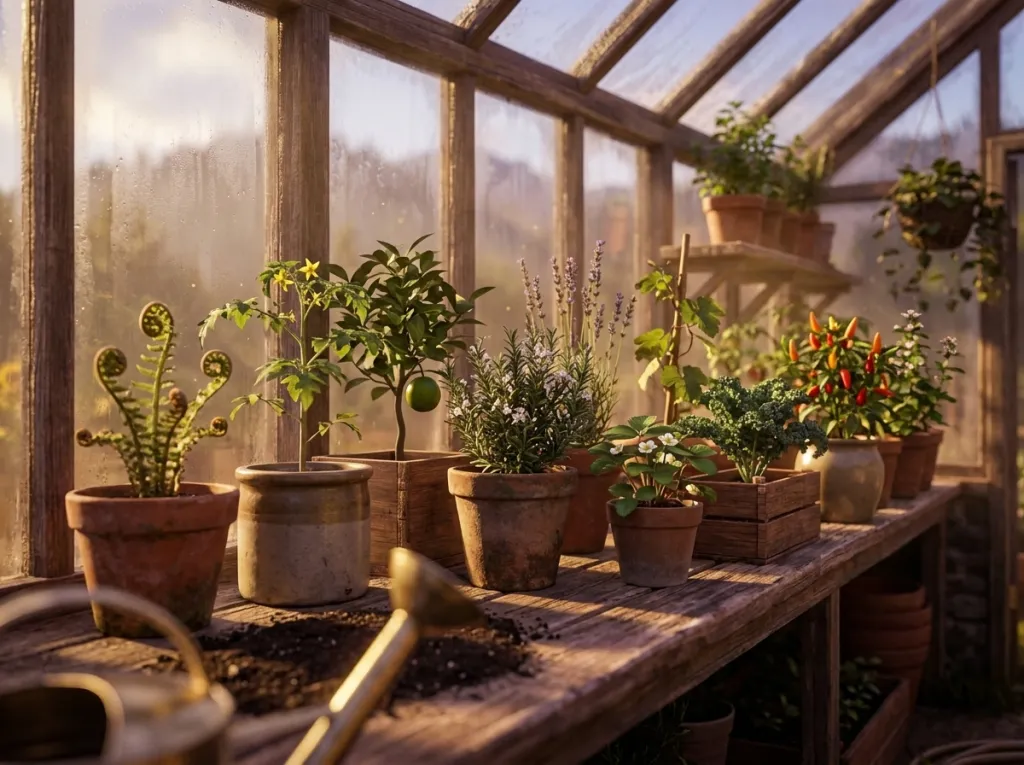
Plant Library
Every plant we score — searchable, filterable, matched to real growing conditions.
Browse by State
Hub pages for every U.S. state — what grows where, and why.
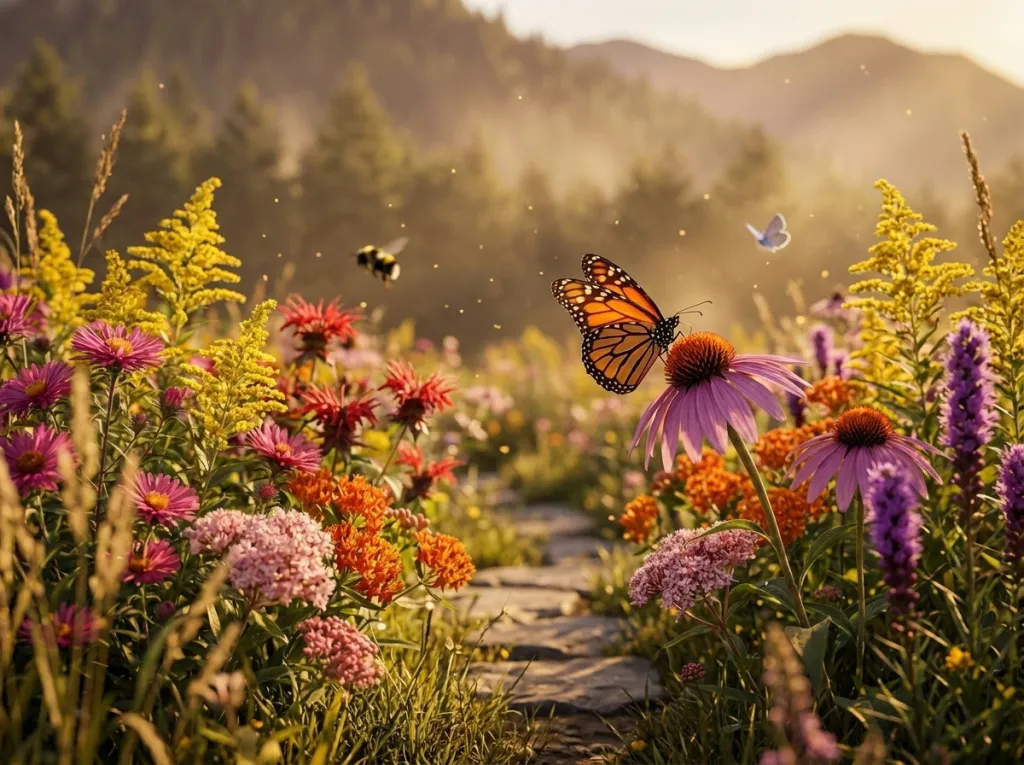
Native Plants by State
Native species by state — and why they shape what truly thrives on your land.
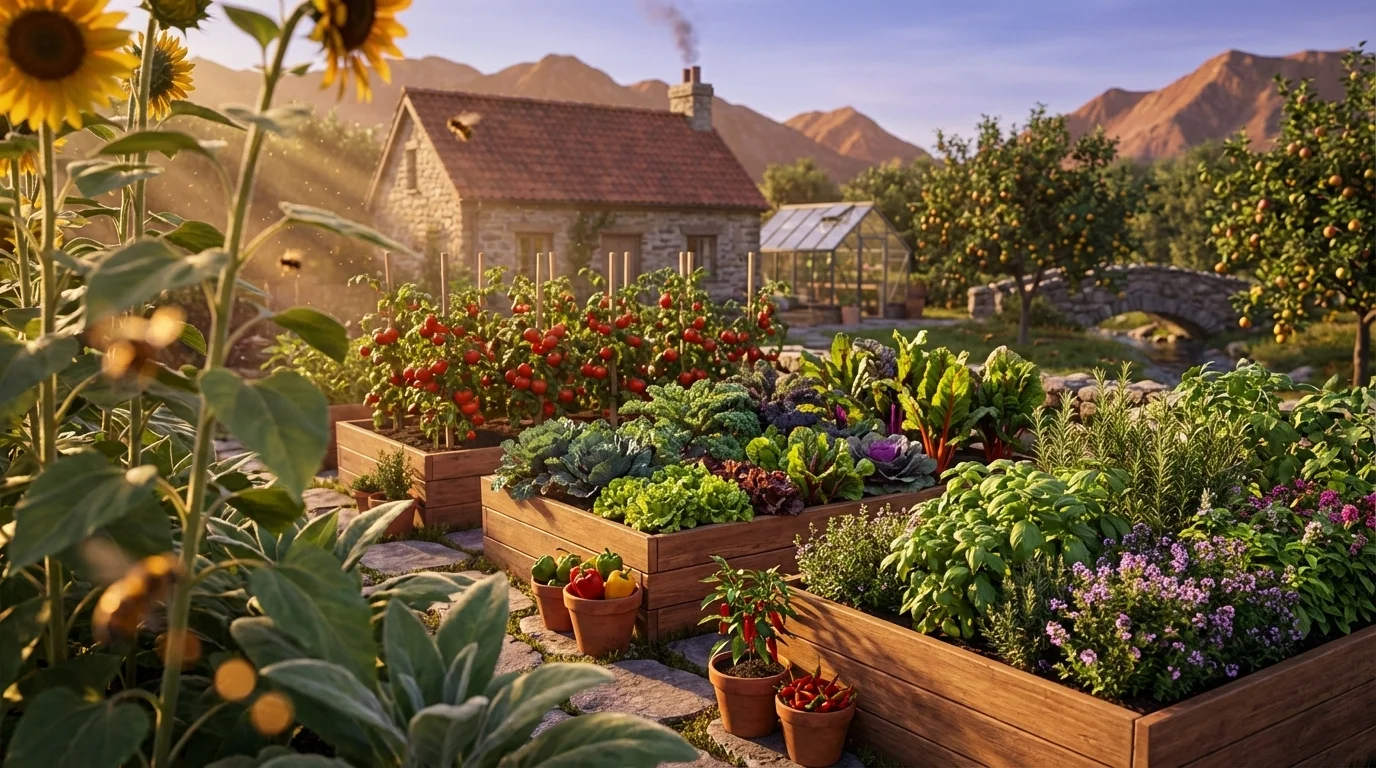
What Can I Grow Here?
How we match every plant to your exact soil, sun, and climate.
Community Gardens
Public growing spaces near you — for renters, urban growers, and anyone without their own land.
Pollinator Garden
Build the bloom calendar that keeps bees and butterflies fed.
Pollinators
The partnerships behind a harvest — which milkweed monarchs need, whether your fig needs a wasp, and the yucca-moth bargain.
Permaculture
Food-forest and perennial systems, matched to your site.
In-Ground Growing
Planting direct in your native soil — when it works, when it doesn't.
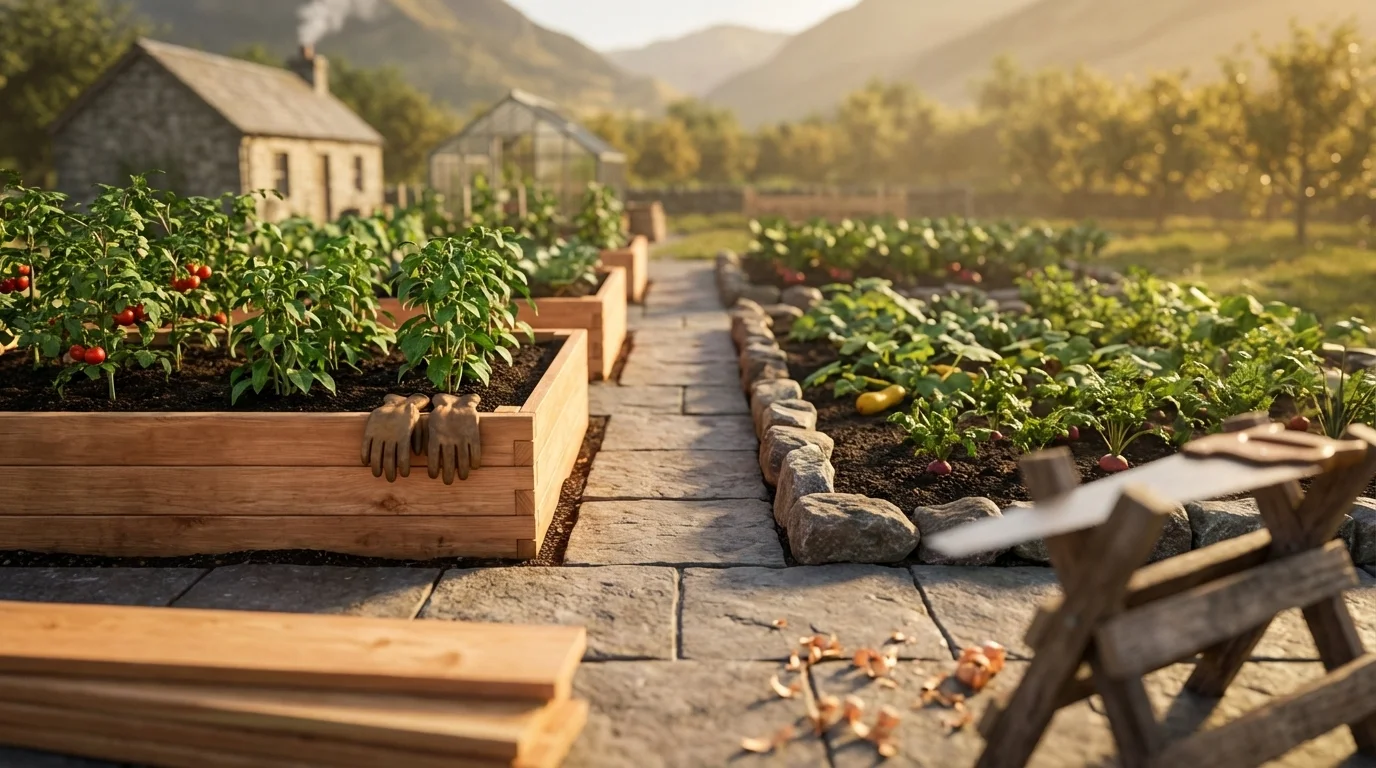
Raised Beds
Build and fill raised beds to bypass soil constraints.
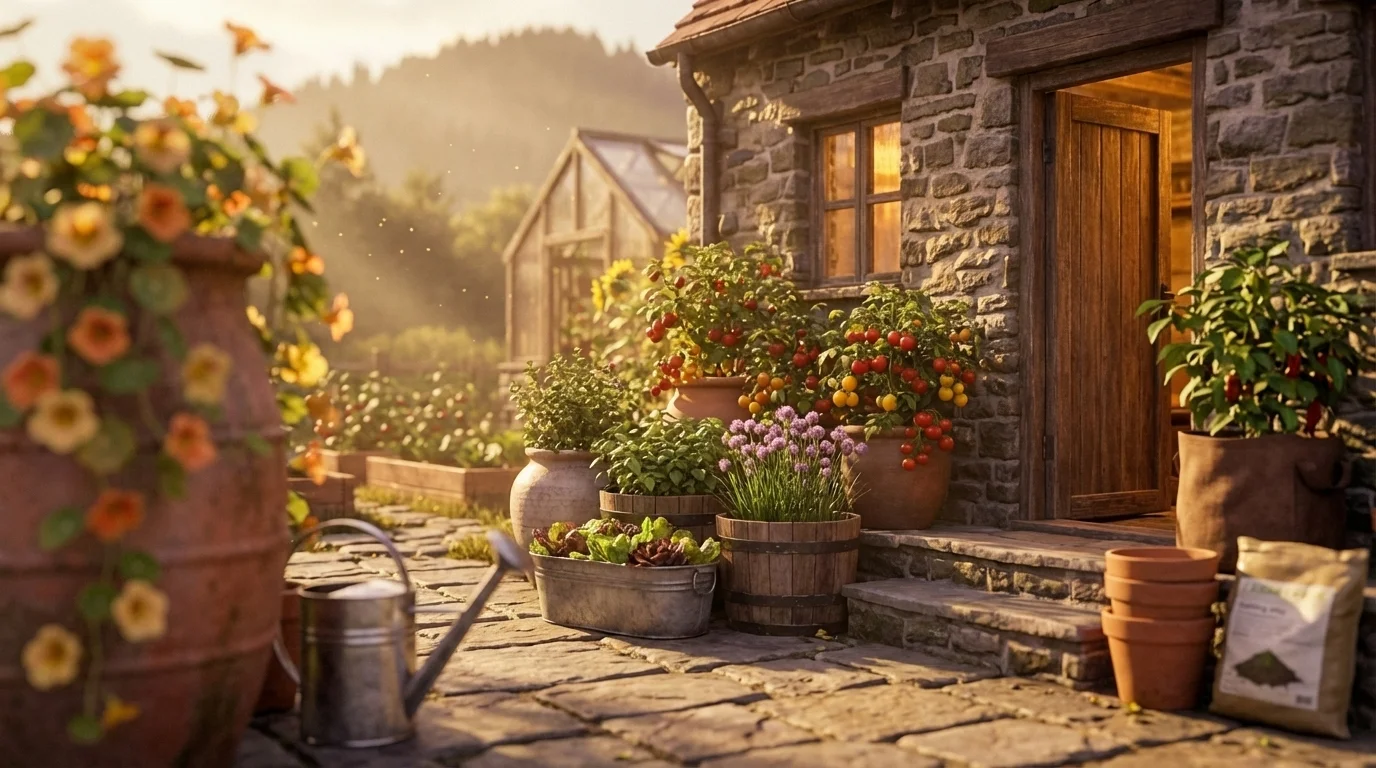
Container Gardening
Grow in pots when your soil or drainage limits you.
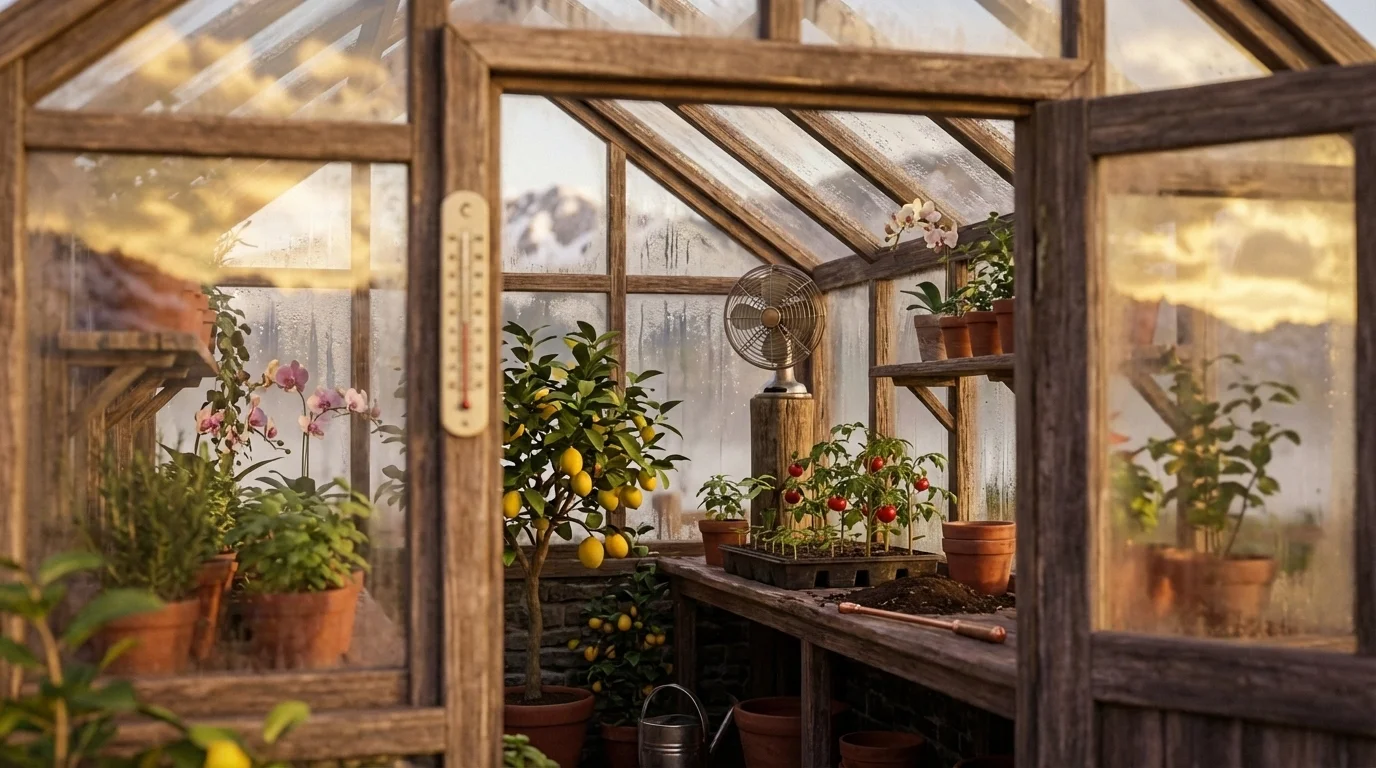
Greenhouse Growing
Extend the season and shift your effective hardiness zone.
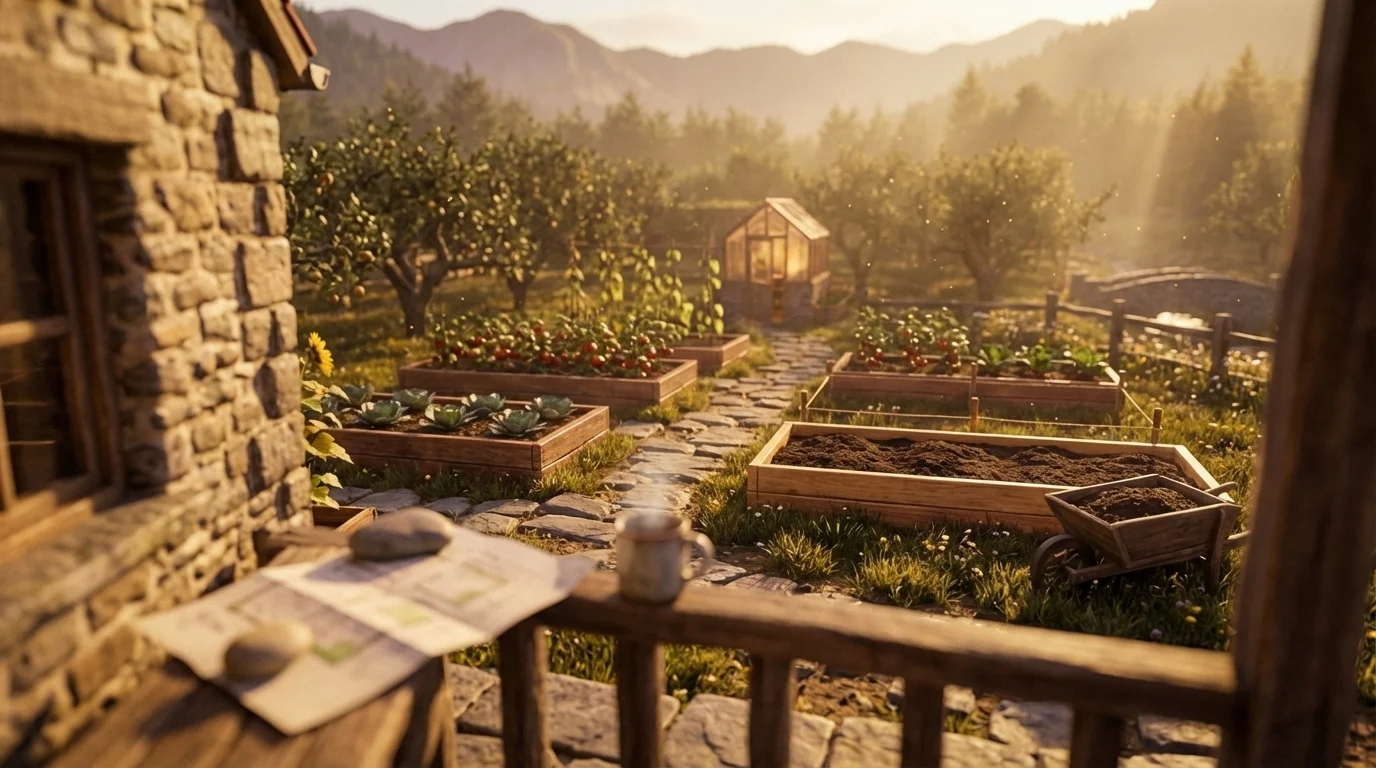
Garden Builder
Place beds on your property and see what scores where.
Best Free Plant Finder
A working tour of the free tools — USDA, Calflora, Cooperative Extensions, and us.

See what scores highest on your land
Enter your address and we score 1,085 plants against your parcel's soil, sun, and season — a ranked list of what genuinely fits, not a generic zone chart.
Three things about your exact spot that zone averages miss:
We read public map data for this spot — soil, climate, flood, and parcel records. How we handle your address.
25+ data sources analyzed in seconds
Frequently Asked Questions
What can I actually grow in my area?
Start with your conditions, not a wish list. We score 1,085 plants against a place's soil, sun, hardiness, and season — browse the plant library or your state page to see what fits, then a parcel report narrows it to your exact address.
What grows in shade — or in clay?
Plenty, once you match the plant to the constraint instead of fighting it. Shade has its own productive palette (leafy greens, many natives, shade perennials), and clay holds nutrients that heavy feeders love. Filter the plant library by your condition, or read the Plants for Your Conditions guide.
Raised beds, containers, or straight in the ground?
It depends on what your soil and drainage are doing. In-ground is cheapest when your native soil cooperates; raised beds buy you control over a compacted or contaminated site; containers move the whole root zone where sun and drainage are better. Each growing-method guide walks the trade-offs.
When is it too late to plant?
That is a season-length question, not a calendar one — it depends on your frost-free days and each crop’s days to maturity. A greenhouse or cold frame can stretch the window and effectively shift your zone; the method guides and a report’s planting calendar tell you what still has time.
Last updated: