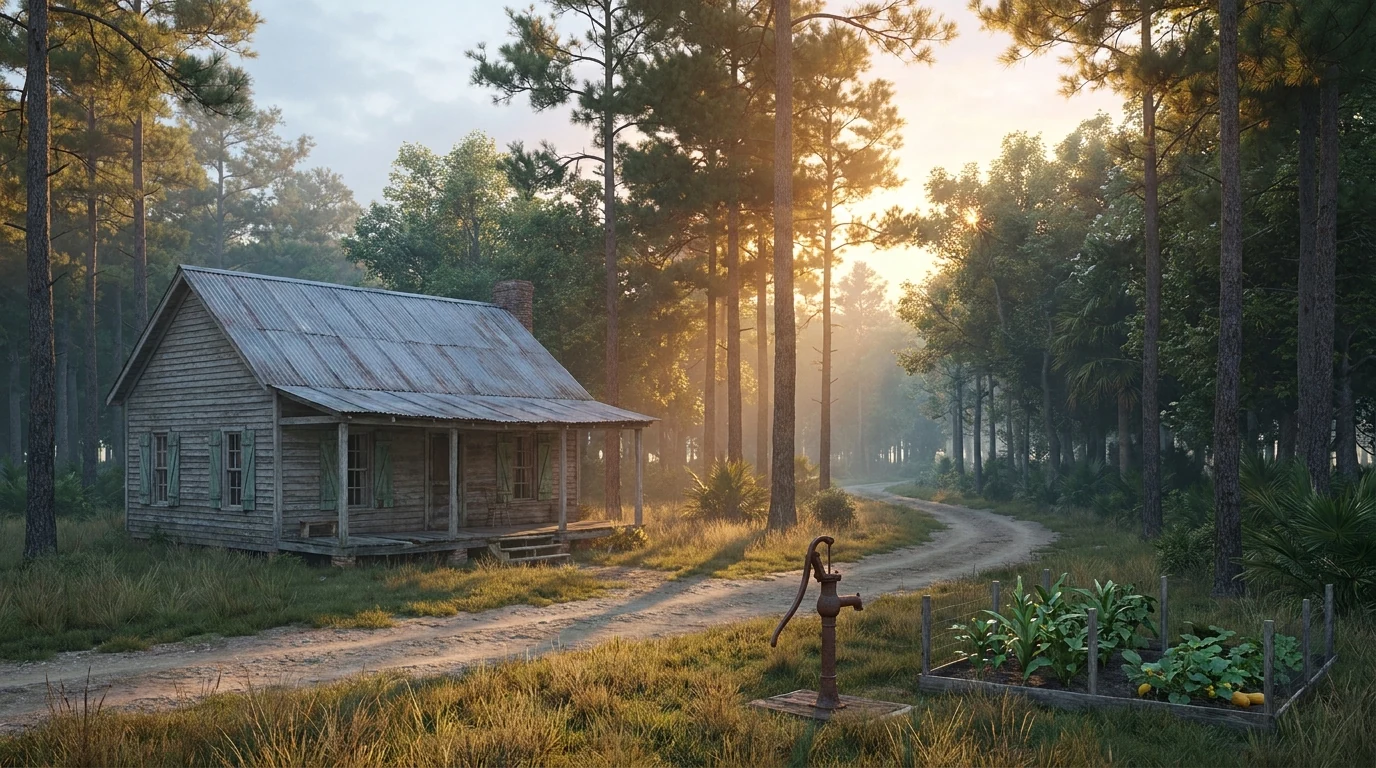
Little City, Oklahoma, sits in USDA hardiness zone 8a — a range where zone-matched perennials and frost-aware annual timing set what succeeds.
Among the crops suited to this profile: cabbage, fig, california poppy, and collard greens. The site-level story — soil, sun, drainage — decides the rest.

Even in Little City, no two yards are alike.
A low spot, a south-facing slope, or a stand of trees moves the frost date and sun across a single Little City lot. Enter your address and we'll score 1,085 plants against your land's actual soil, sun, and frost.
We read public map data around Little City — soil, climate, flood, and parcel records. How we handle your address.
No card required · your parcel report in seconds — read in full free for your first 14 days
Little City — the short answer
Little City, Oklahoma: USDA zone 8a, about 261 days between hard freezes, across 255 acres of town.
- USDA zone
- 8a
- USDA PHZM 2023
- Last hard freeze (28°F)
- Mar 6
- NOAA 1991–2020 Climate Normals, 28°F — this town
- First hard freeze (28°F)
- Nov 22
- NOAA 1991–2020 Climate Normals, 28°F — this town
- Days between freezes
- ~261
- NOAA 1991–2020 Climate Normals, 28°F — this town
- Town area
- 255 acres
- US Census TIGER/Line 2025
Every figure names the dataset it came from. Hard-freeze dates are this town’s own 28°F normals: light frosts run a few weeks past them, and tender transplants usually wait 2–3 weeks after the last hard freeze.
Hardiness Zone Range
Zone 8a is Little City's average, not your lot's — a low corner or a tree line moves it. Against Little City's 261-day season, see what your own ground reads.
Soil varies lot by lot — soil types explained.
What this means for growing in Little City
Each reading below is measured for Little City itself — here is what it means for a garden here, and the move an experienced grower makes about it.
Season length
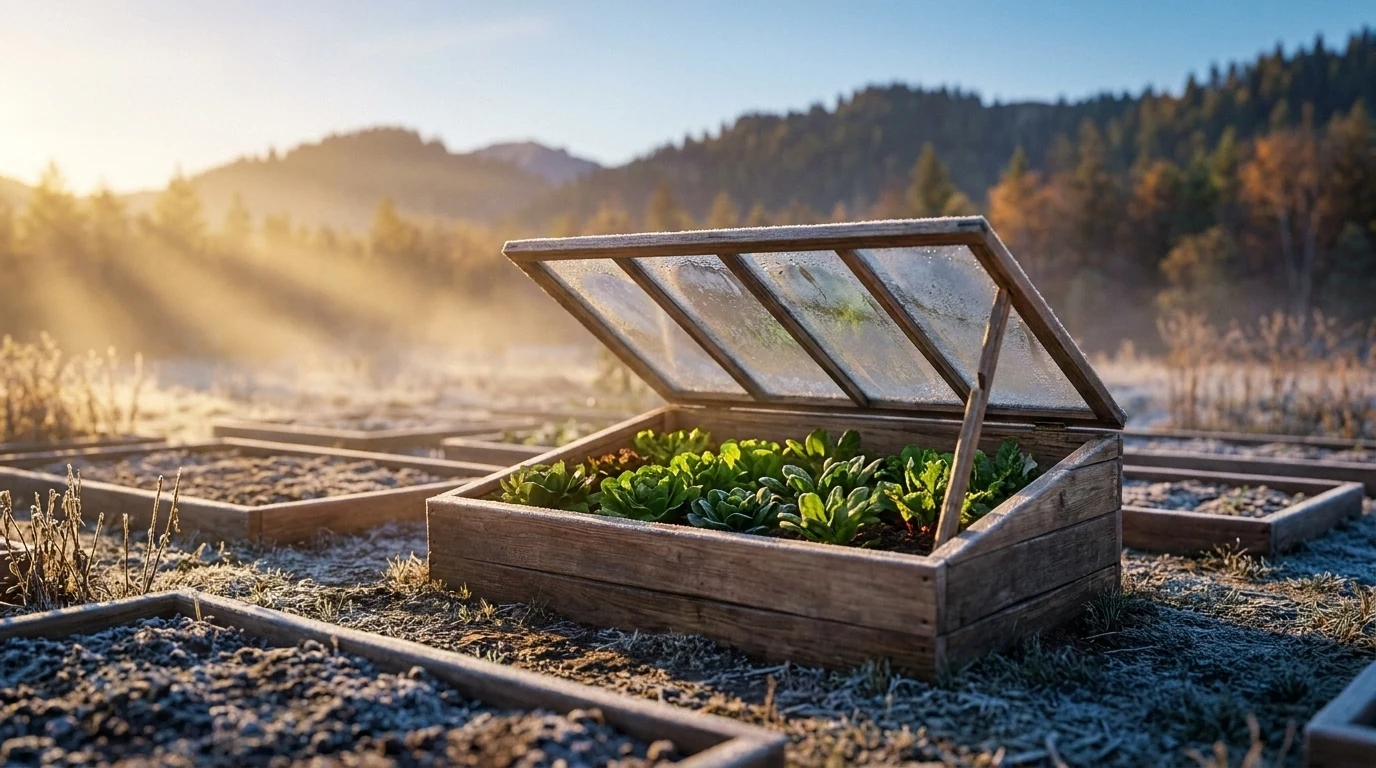
MeasuredLittle City runs about 261 days between hard freezes — close to year-round growing.
Frost is rarely the limit here; winter plantings are as real as summer ones, and the harder question is which crops shrug off the summer heat.
Grow cool-season crops through the mild winter, and choose heat-tolerant varieties for the summer beds.
NOAA 1991–2020 Climate Normals
Winter hardiness
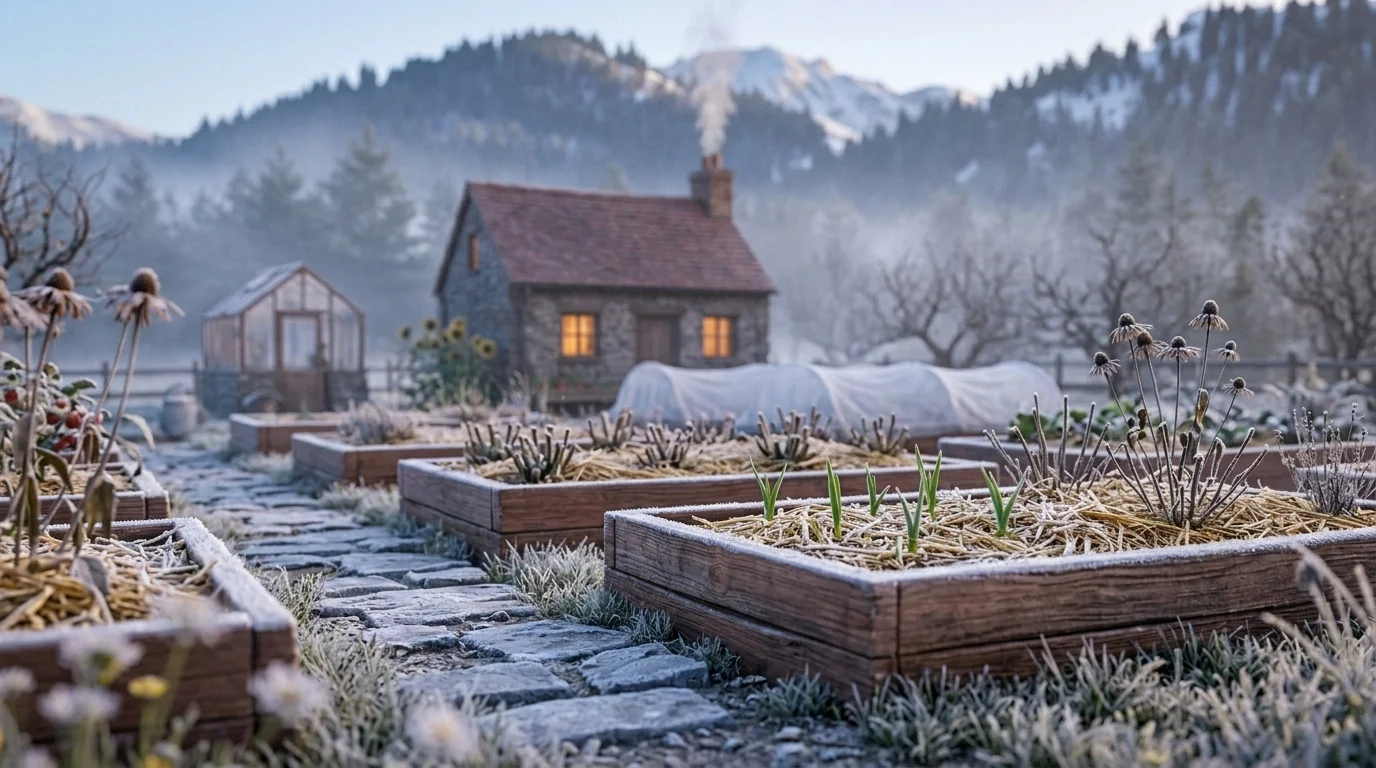
MeasuredLittle City sits in USDA hardiness zone 8a.
The zone sets which perennials, shrubs, and fruit trees live through an average winter here — a plant rated for a colder zone is a safe bet, one rated warmer needs winter protection or gets treated as an annual.
Match perennials and fruit to the zone before you buy, so nothing you plant is a gamble against the cold.
USDA PHZM 2023
The kind of country Little City is in
Little City sits in the Cross Timbers — EPA Level III, inside the wider Great Plains. That is read at Little City's own centroid rather than borrowed from Marshall County.
What Grows in Little City
Every plant below cleared Little City's own zone 8a and its 261-day season. Each card opens that plant's Oklahoma profile. How we score.
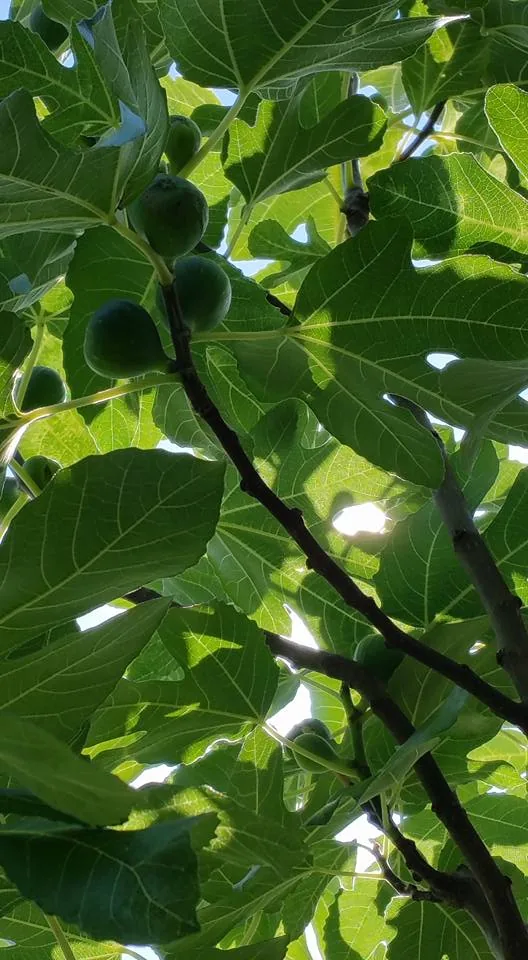
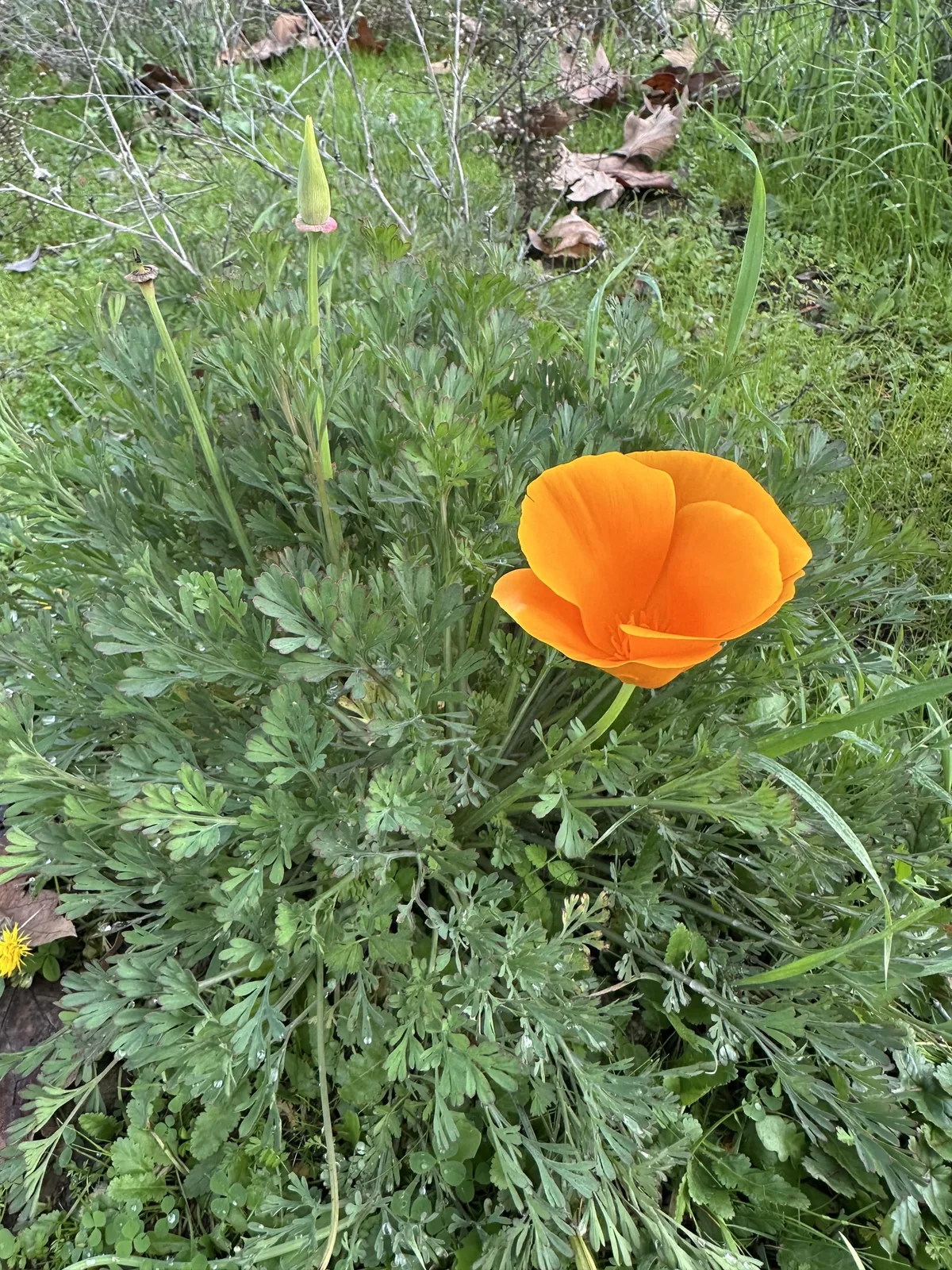
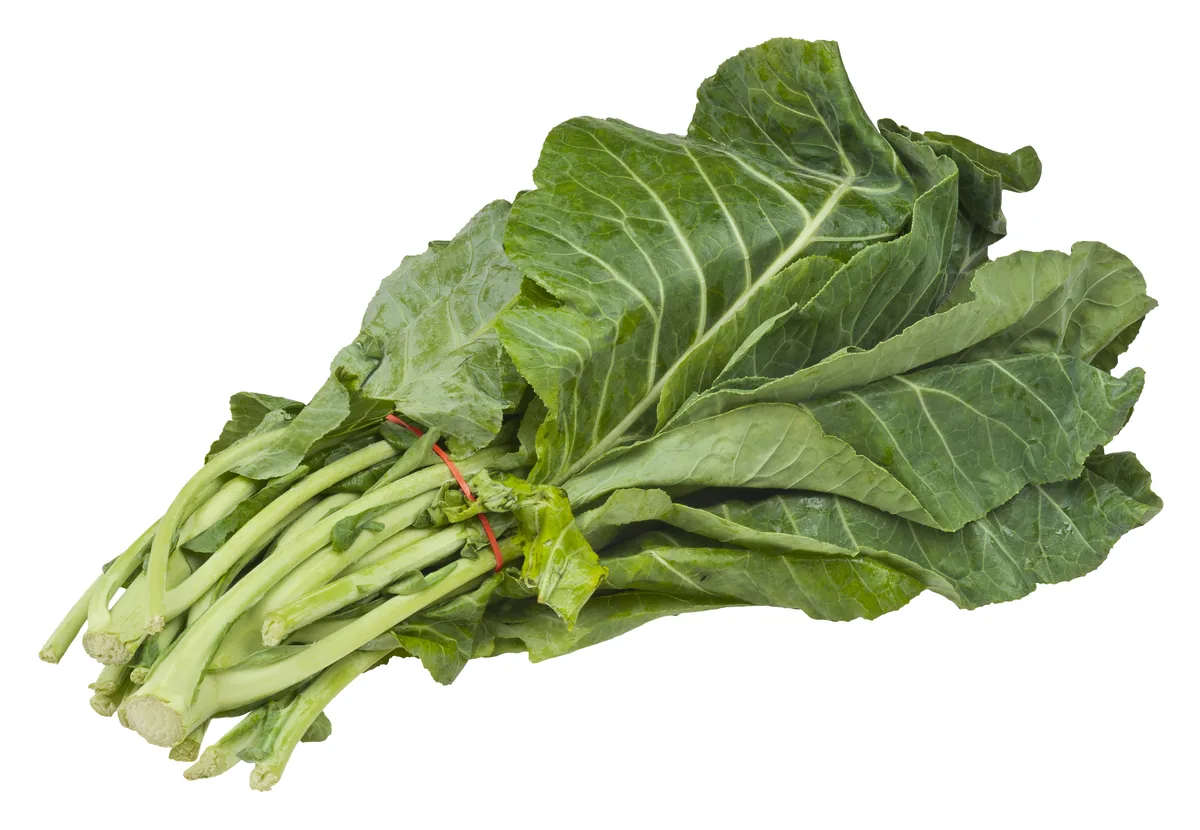
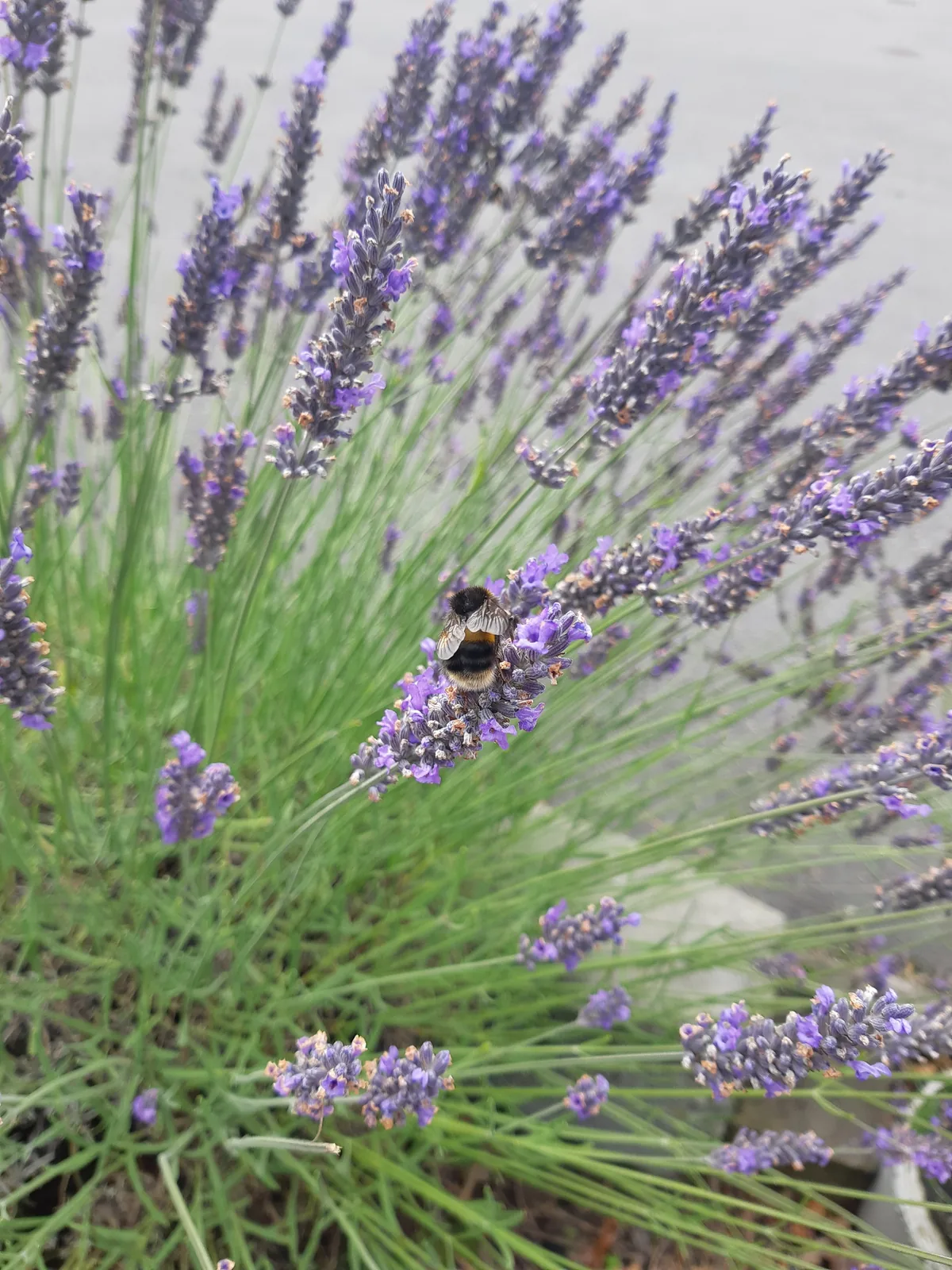
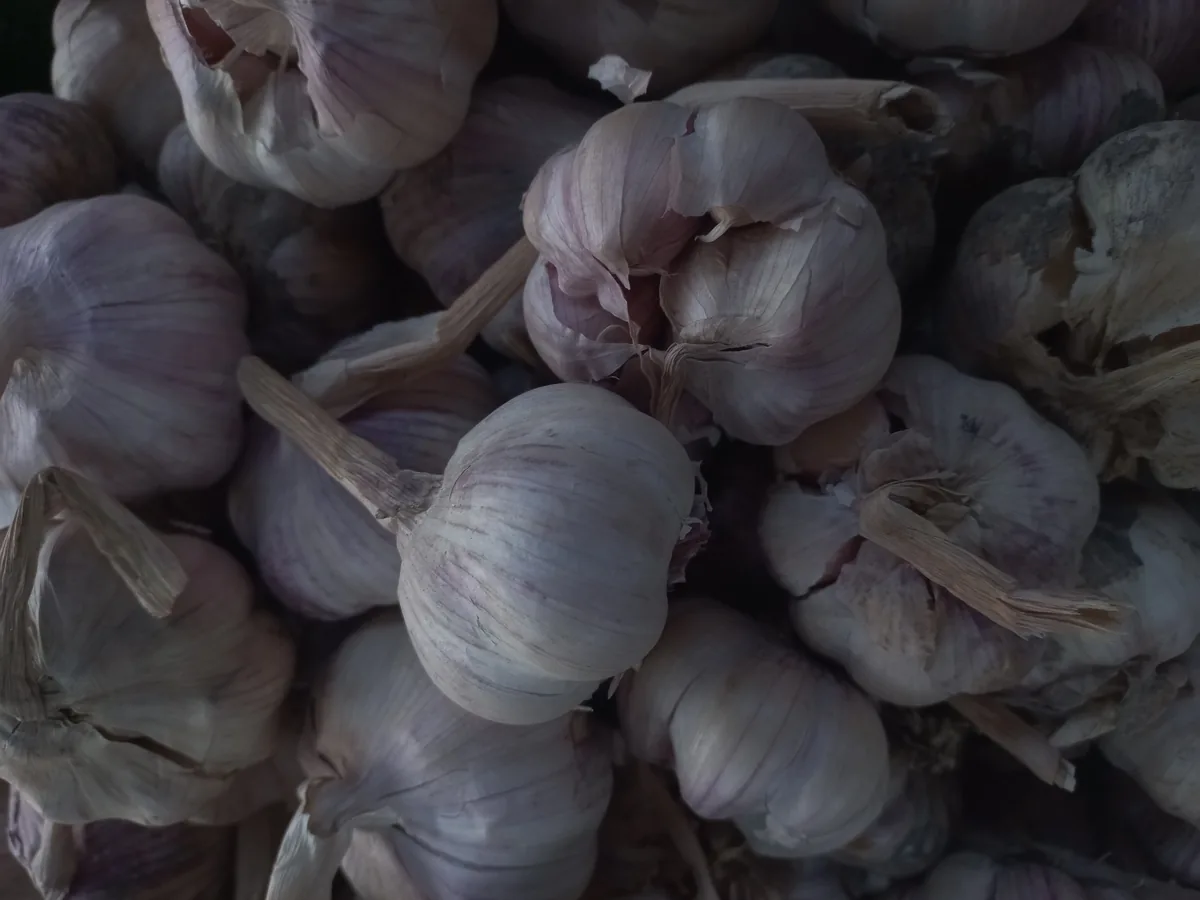
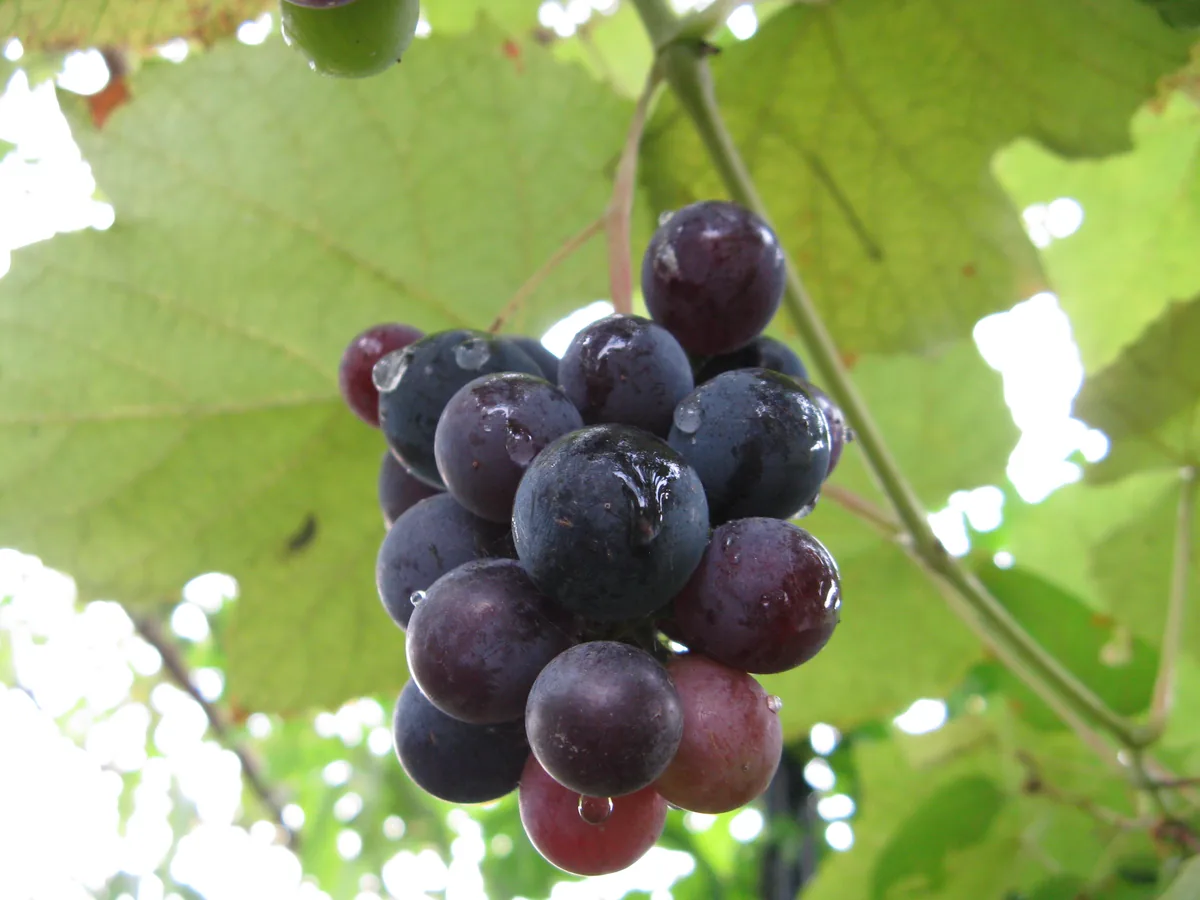
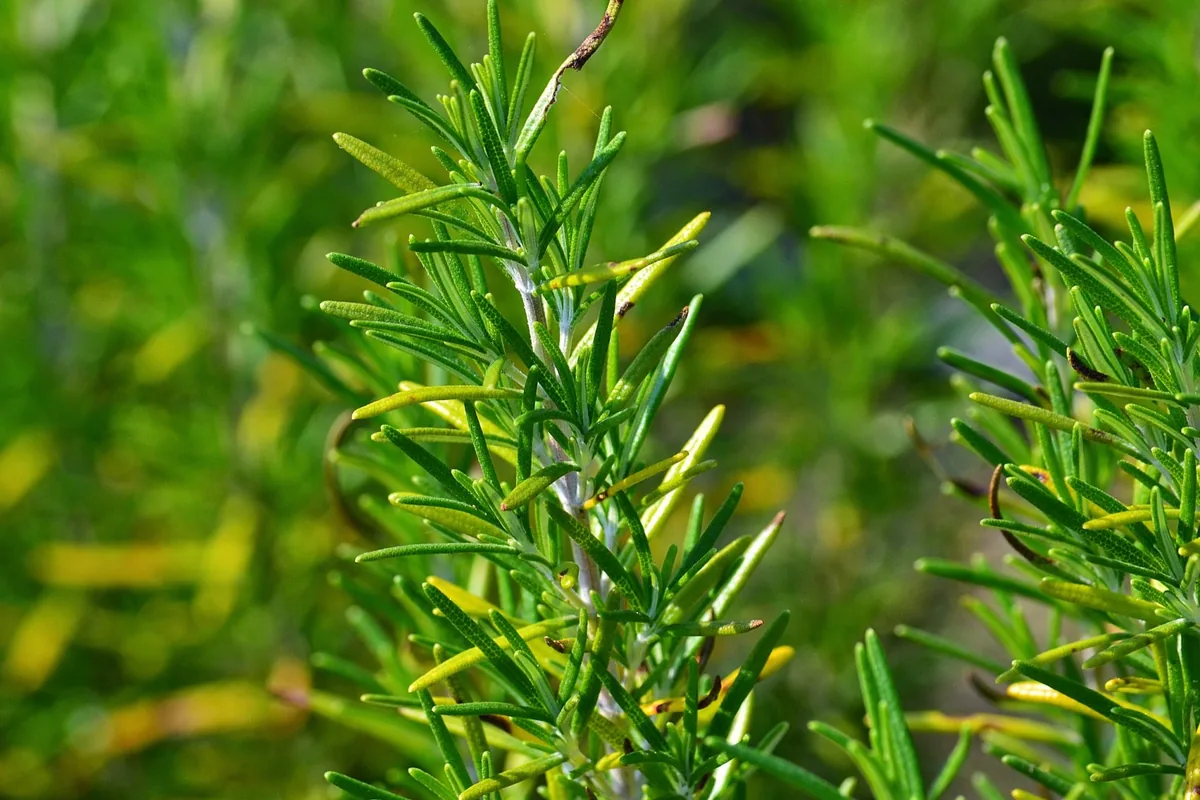
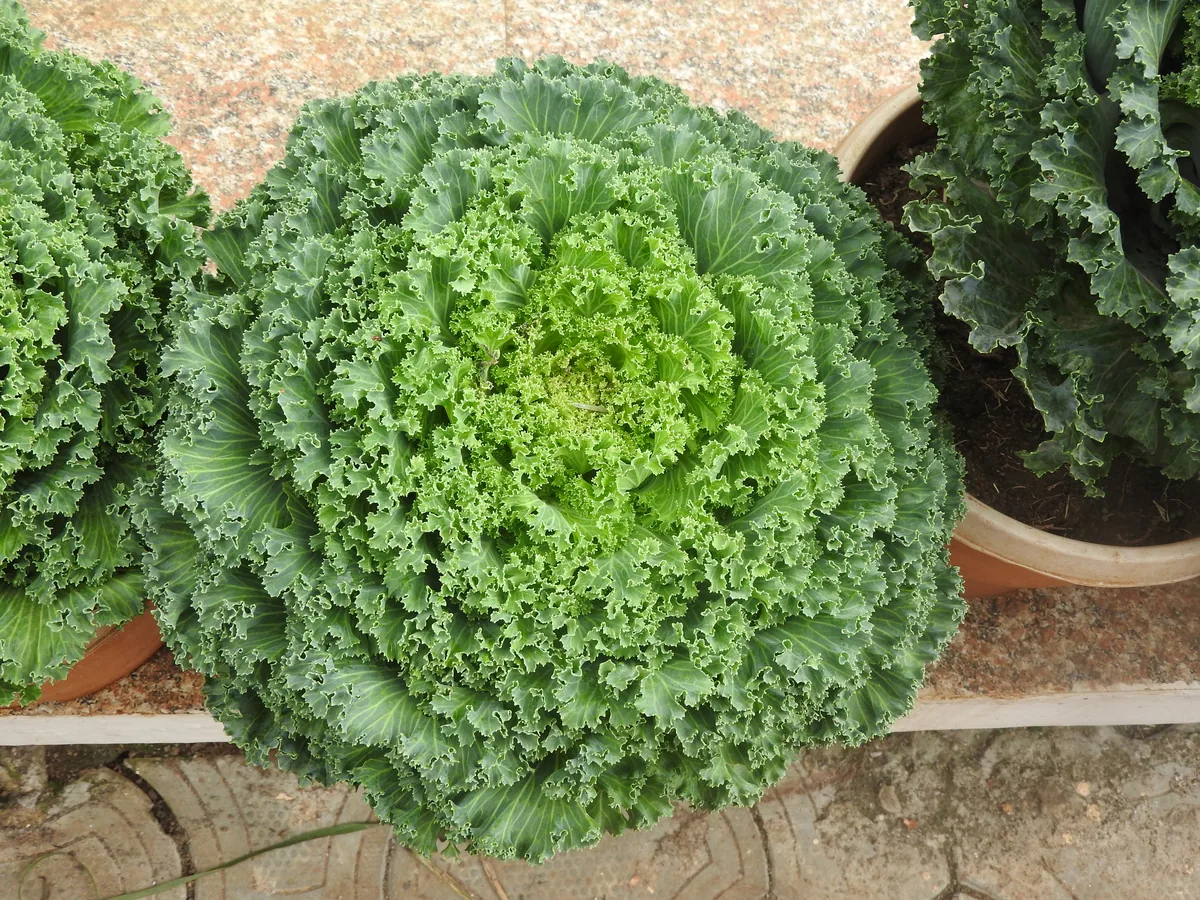
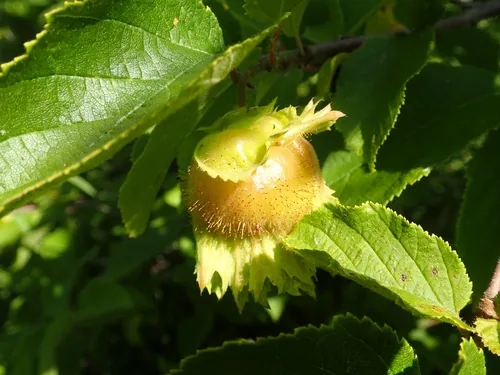
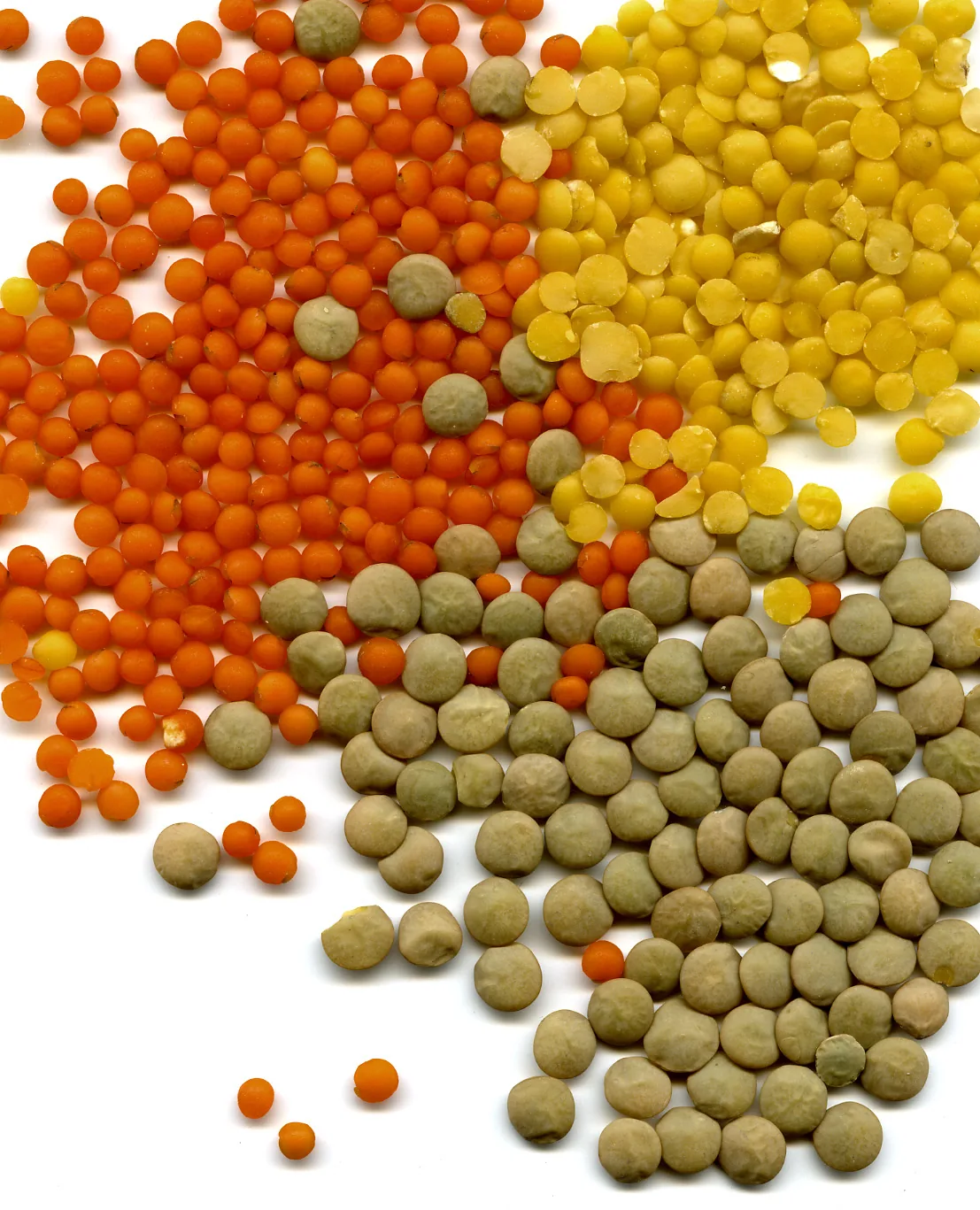
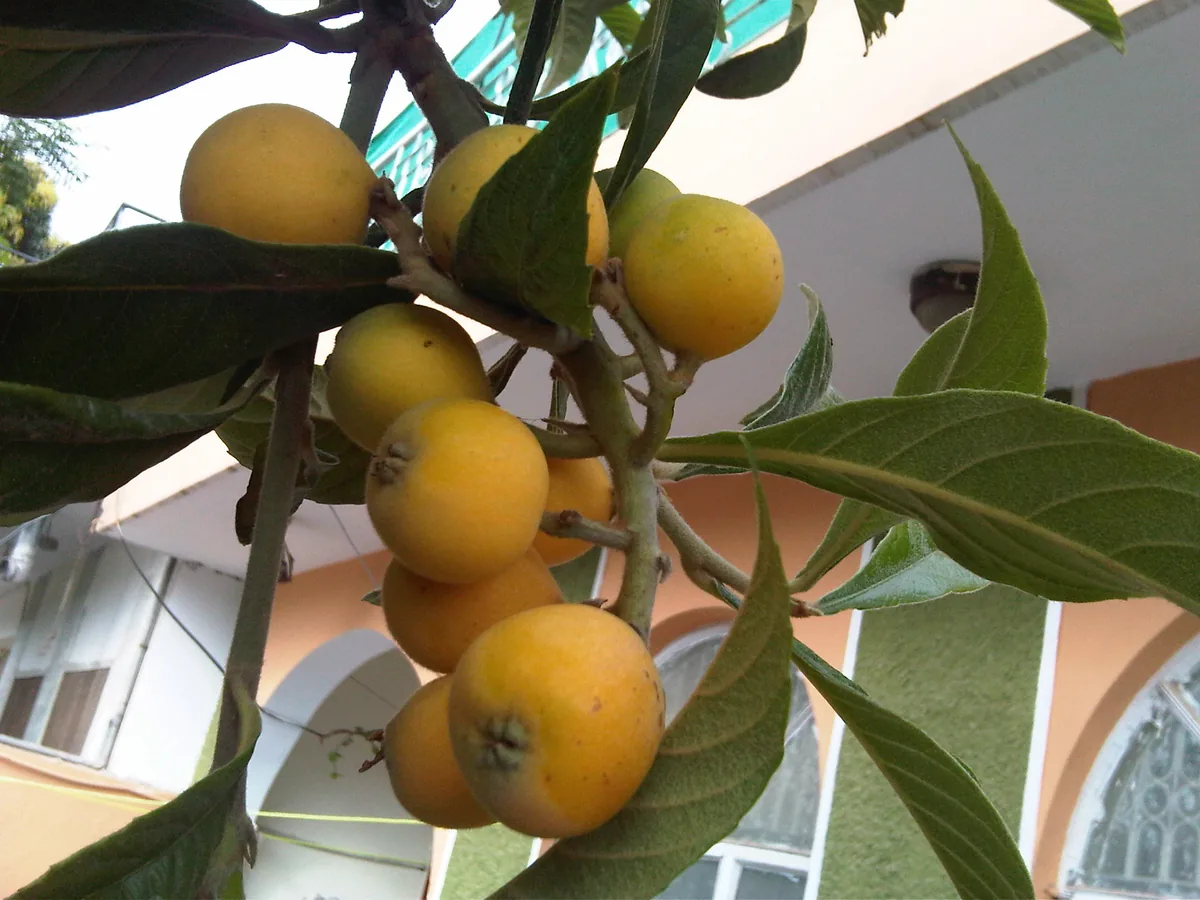
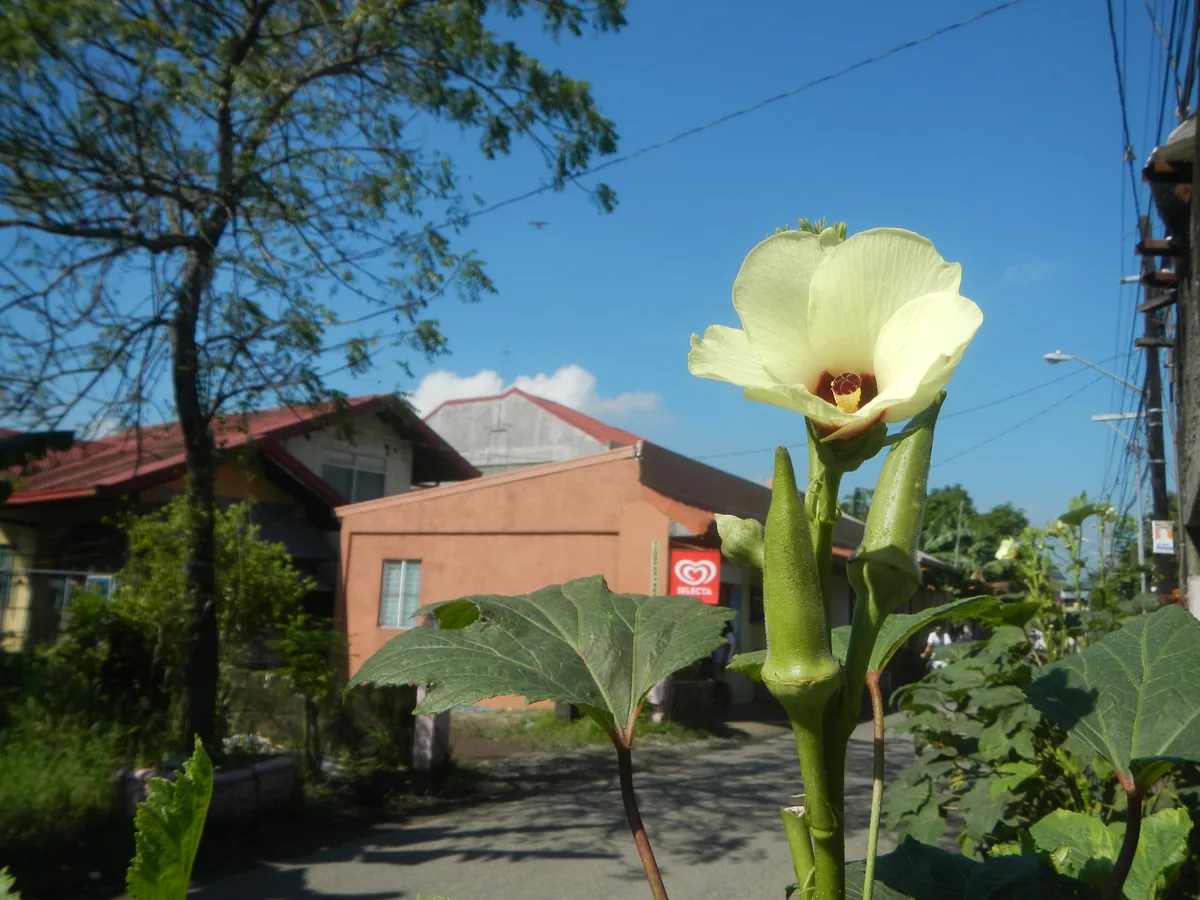
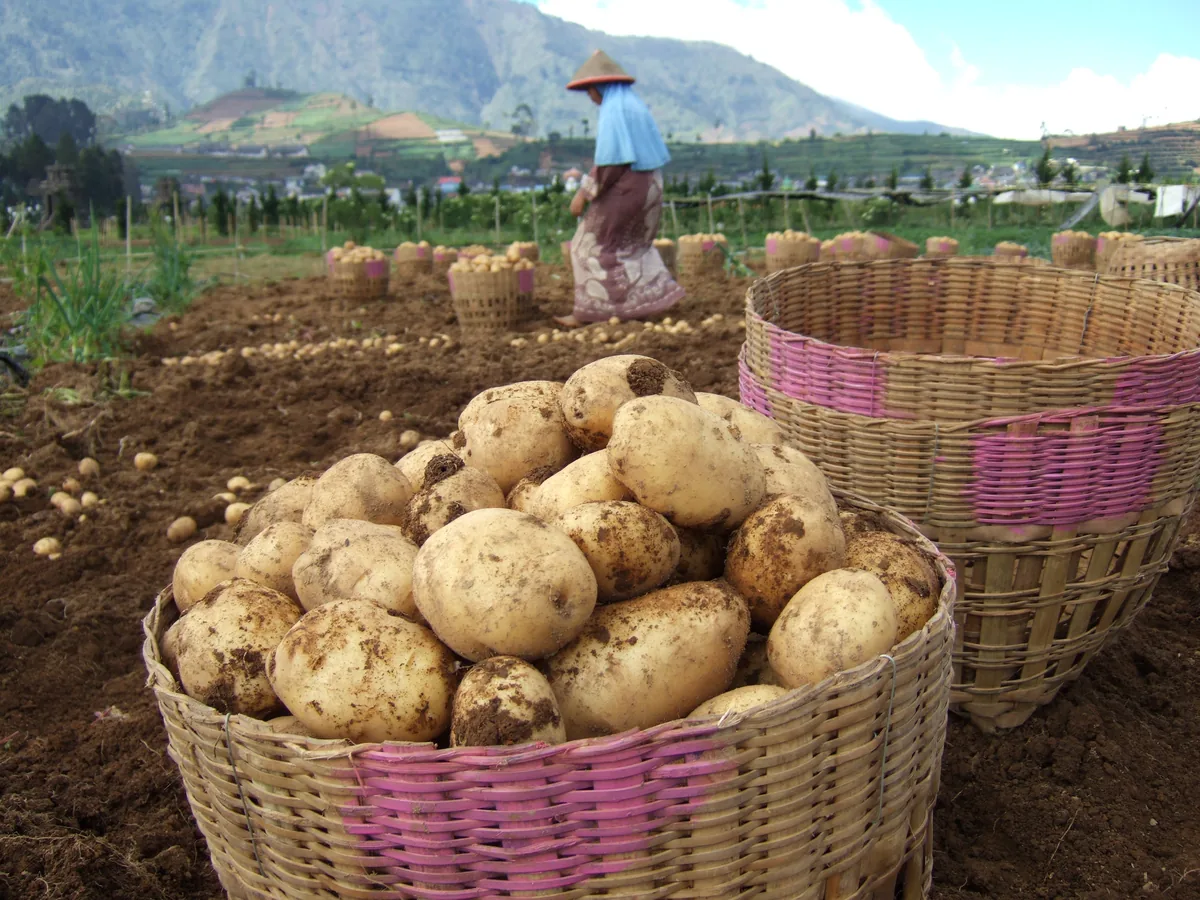
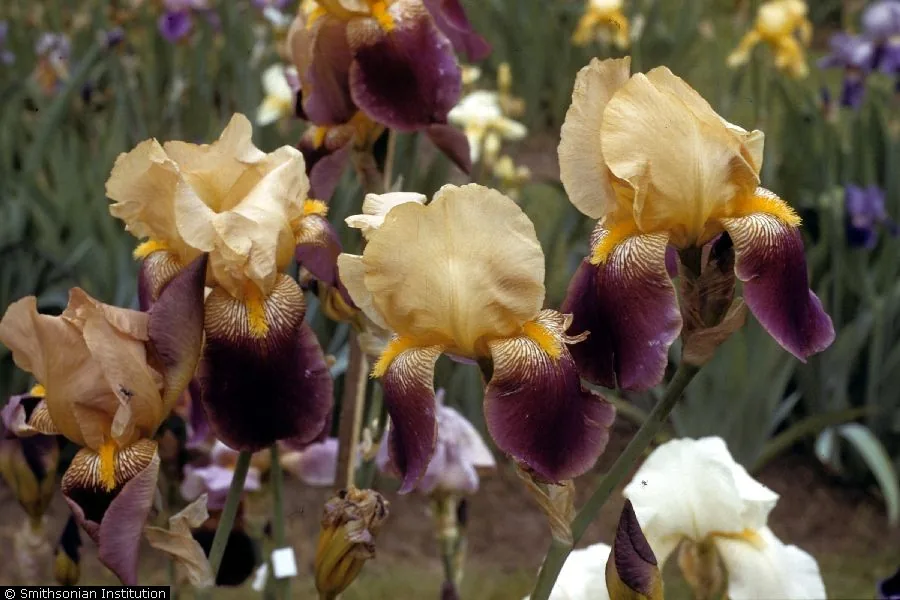
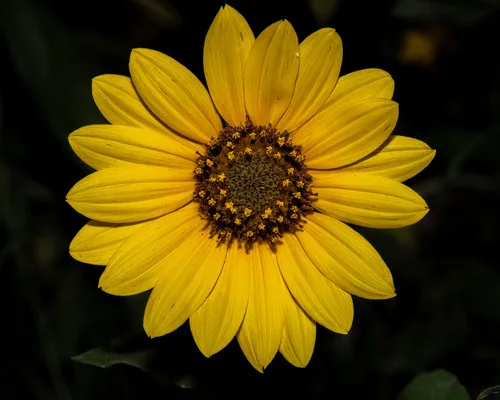
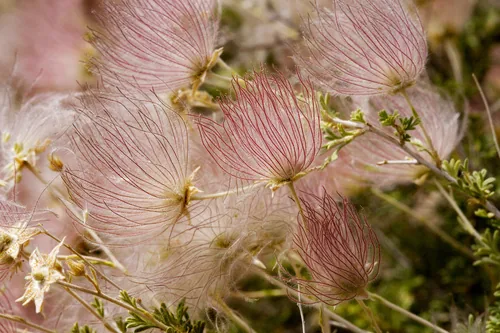
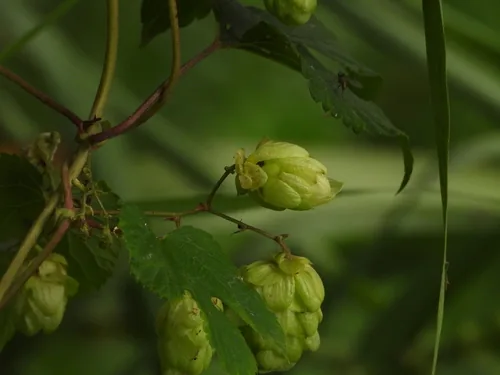
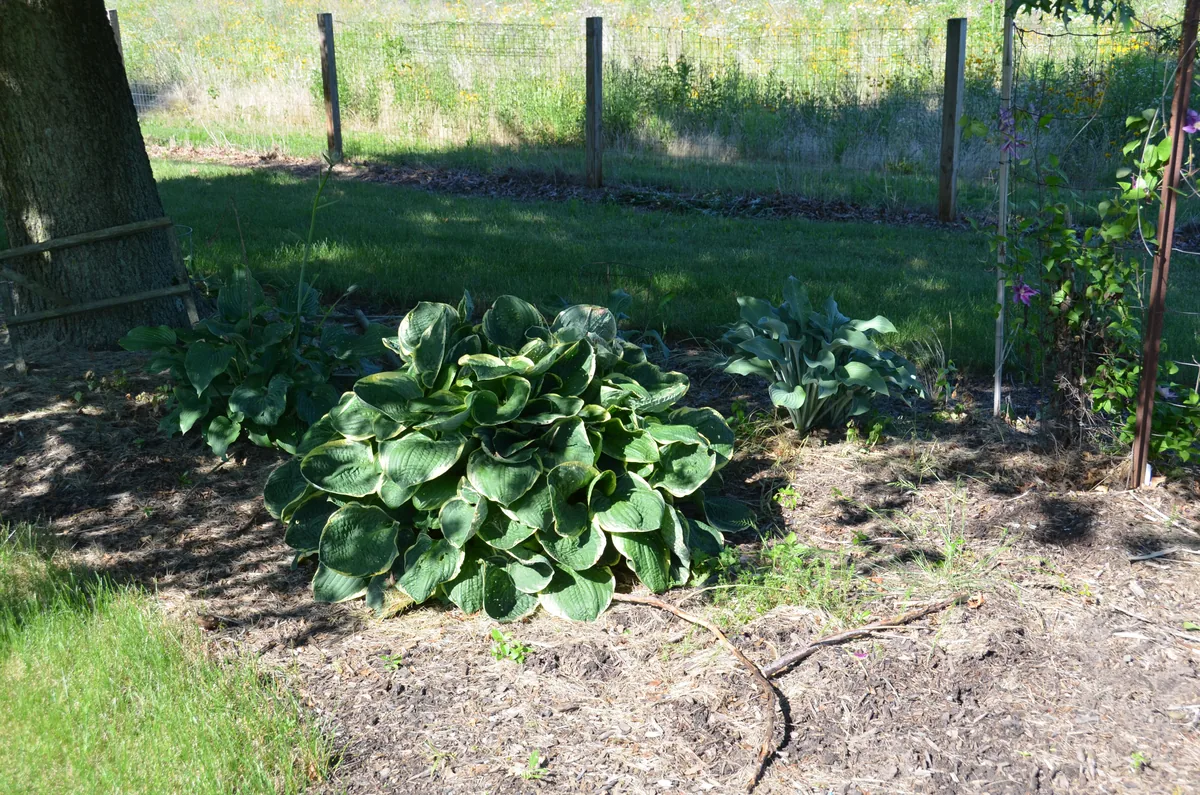
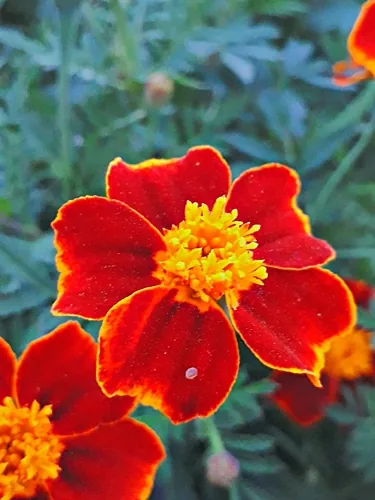
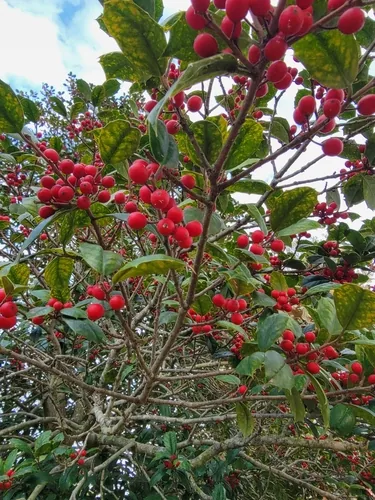
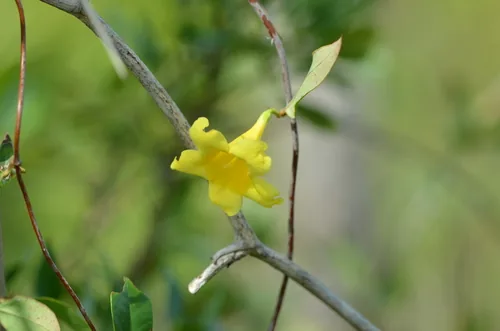
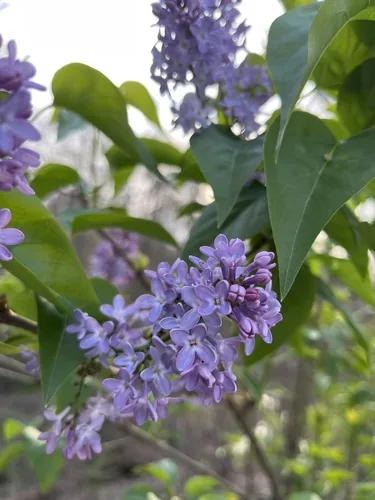
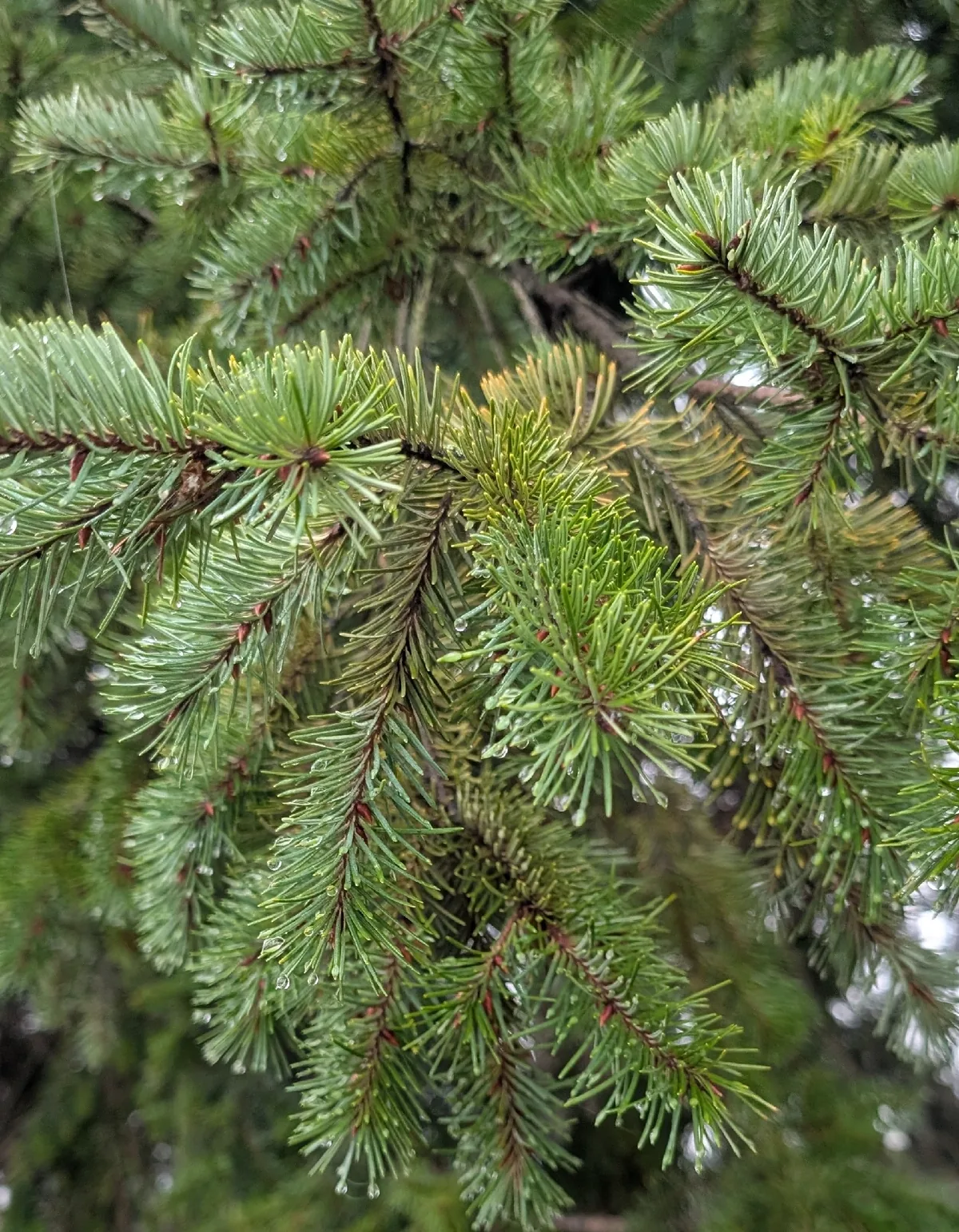
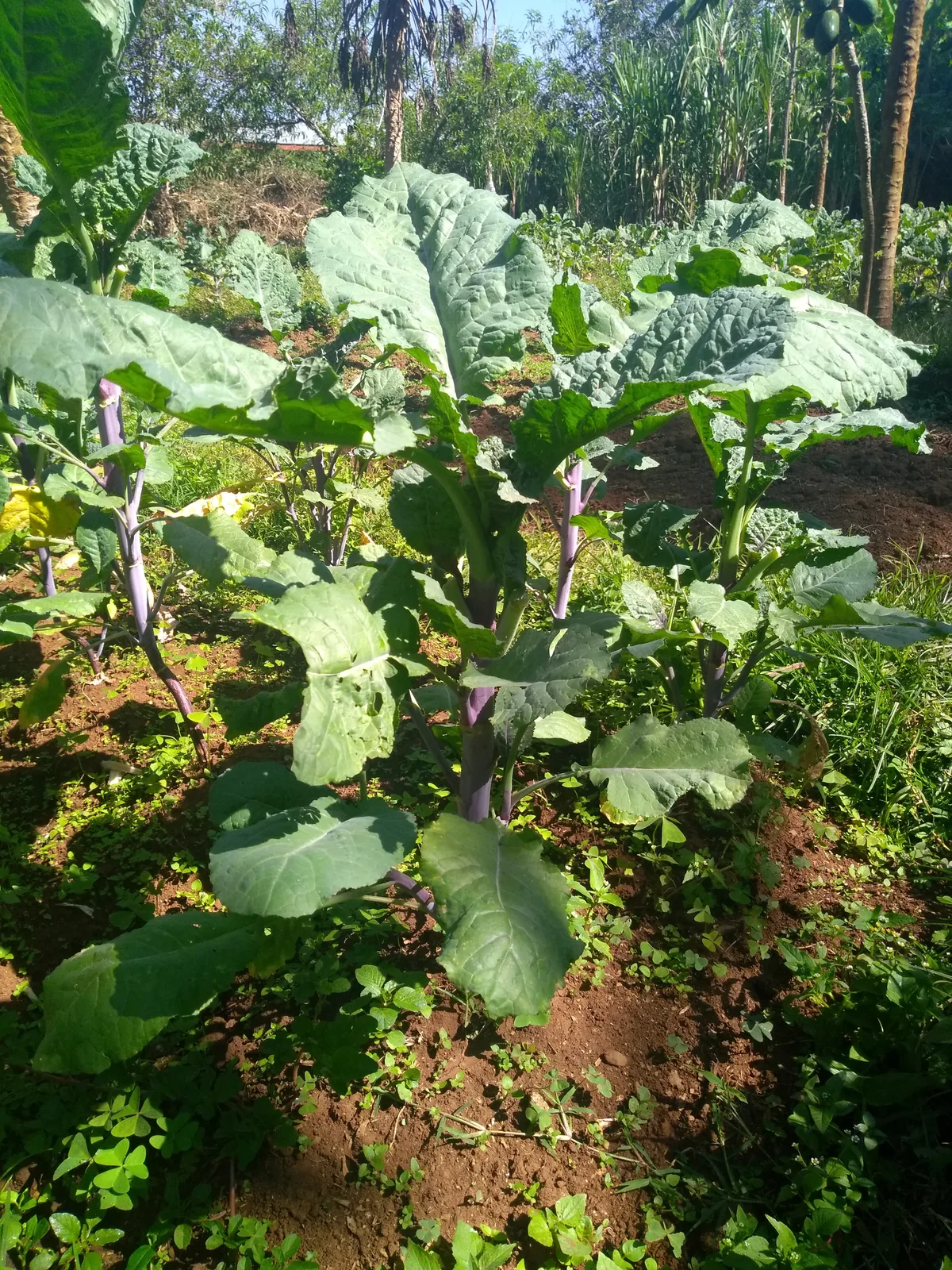
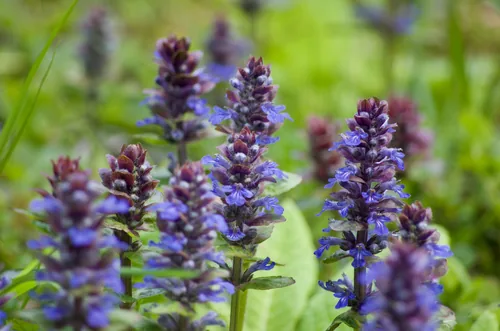
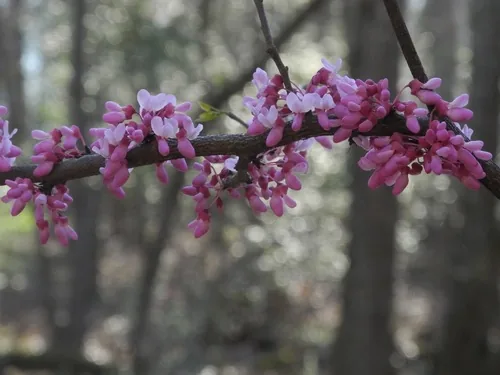
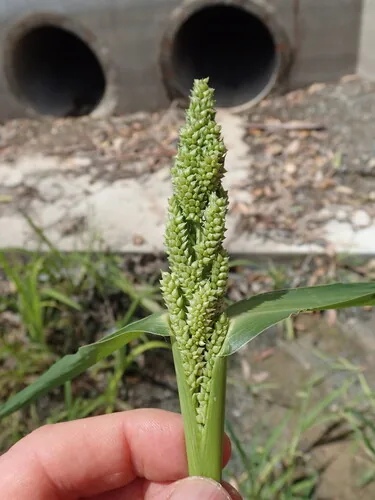
More to grow in Oklahoma
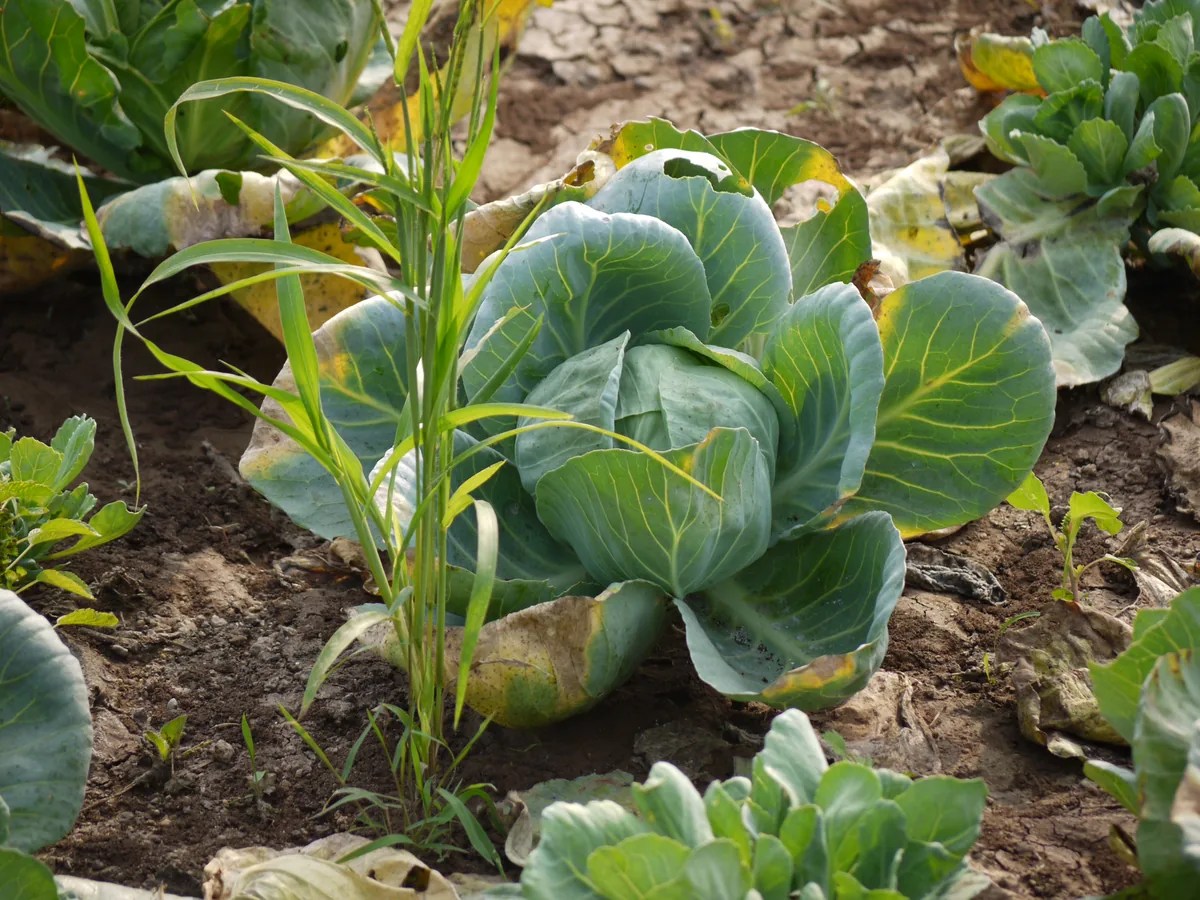
Oklahoma has a growing page for many more plants than fit above — a rotating sample of the rest of the shelf.
Is it too late to plant in Little City?
Almost never — the real question is what to plant next. Cool-season crops can go in from around Feb 6; tender transplants wait until two to three weeks after the last 28°F hard freeze, which lands near Mar 6 (NOAA 1991–2020 climate normals); and from midsummer, planting counts back from the first fall freeze around Nov 22 — long-season crops need about 90 days of runway, quick greens only 30. And with a calendar this mild, the honest answer is that planting barely stops — winter opens seasons colder regions never see.
What's on the federal record near Little City
Closest first, within ~10 miles of Little City. Listing isn't leaking, and distance isn't exposure.
- Tex's CornerUnderground Storage Tanks · 1000 ft
- Robertson County StoreUnderground Storage Tanks · 1200 ft
- Natural Gas Pipeline Co Of AmerUnderground Storage Tanks · 1.4 mi
- MADILL GAS PROCESSING LLC/MADILL PLTBrownfields · 1.5 mi
- Cumberland Cove ResortUnderground Storage Tanks · 2.6 mi
- B & F Grocery & Bait ShopUnderground Storage Tanks · 3.8 mi
- Bridgeview ResortUnderground Storage Tanks · 4.0 mi
- Little Glasses Resort & MarinaUnderground Storage Tanks · 5.1 mi
- Newberry Marina CreekUnderground Storage Tanks · 5.6 mi
- SHERWIN WILLIAMS TEXOMASuperfund · 5.7 mi
- Catfish Bay Marina MartUnderground Storage Tanks · 6.1 mi
- Texoma State ParkUnderground Storage Tanks · 6.1 mi
6 more sites are on the record inside the same radius.
Measured from Little City's center, not your beds. Run your own address for what's upwind of you specifically.
Browse the full contamination data for this area
Environmental Intelligence
The counts behind that headline — every source type on the record near Little City.
Total Sites
108
within ~10 miles of Little City
Risk Level
Elevated
Highest-severity
1 Superfund site (none NPL-listed)
Sources Checked
within ~10 miles of Little City
Severity Distribution
within ~10 miles of Little City
Highest-Severity Sites

A note from Gnorman
What an experienced grower watches for around here
In and around Little City, Underground Storage Tanks runs higher than the national average — 91 sites within ~10 miles of Little City. It's not cause for alarm — it's worth knowing, and there's a sensible way to grow around it.
Underground Storage Tanks: Underground storage tanks are the single most common source of soil contamination near homes and gardens.
Use raised beds with imported soil — this eliminates the primary soil-contact pathway.
Check your specific parcel in Little City
Get exact proximity distances to contamination sources for your specific parcel — plus soil, sun, drainage, and 1,085 plant recommendations.
25+ data sources read at your address, not the Little City average
Your land is one point inside Little City
Everything above resolves to Little City as a whole — one PHZM band and one 28°F frost record, read across 255 acres. Your parcel is one point inside that footprint. Slope, tree cover, a low spot that pools cold air, and what is in the soil are all resolved at the address, and none of them are visible at town scale. That is the honest boundary of this page, and the reason the next step is a reading of your own ground rather than a better local average.
Your Lot vs the Little City Average
Little City Average
- ●USDA Zones 8a, averaged across Little City
- ●One soil character for all of Little City
- ●Frost dates read at Little City's scale: Mar 6 to Nov 22
YOUR Parcel
- ✓Your exact zone, not Little City's 8a
- ✓Your SSURGO soil type & pH
- ✓Your sun exposure, cast in 3D
See MY Growing Report
Read your specific parcel in Little City
Pull a site-specific report for your exact address in Little City, Oklahoma — soil, sun, drainage, frost risk, and scored plant recommendations.
Three things about your lot that Little City averages can't show:
We read public map data around Little City — soil, climate, flood, and parcel records. How we handle your address.
25+ data sources read at your address, not the Little City average
How we know this about Little City
The datasets: hardiness from the USDA ARS Plant Hardiness Zone Map 2023, read at this town’s own centroid; hard-freeze dates from NOAA 1991–2020 28°F normals at Little City’s own record; boundaries and acreage from US Census TIGER/Line 2025; the contamination records from the federal sources named in their beats above. Soil is not read at town grain anywhere on this page — there is no town-resolution survey in our data, which is why you will find no soil grid here rather than a statewide one wearing a local label. The resolution ledger below names every figure this page inherited.
Common questions about Little City
When does frost risk typically end in Little City?
The last hard freeze (28°F) in Little City typically lands around Mar 6, per NOAA 1991–2020 climate normals — earlier than the light-frost dates most charts quote. That marks the hard freeze, not the last light frost — lighter frosts keep biting past it, which is why tender transplants here wait until about Mar 27.
When is the first frost in Little City?
The first hard freeze (28°F) in Little City typically arrives around Nov 22, per NOAA 1991–2020 climate normals — the point tender summer crops finish. Lighter frosts run ahead of it, near Nov 8, so the watching starts about Oct 23 — about 261 days after the spring freeze cleared.
How long is the growing season in Little City?
Measured between 28°F hard freezes, Little City sees about 261 frost-free days — roughly Mar 6 through Nov 22, per NOAA 1991–2020 climate normals. Tender crops work a shorter one: nearer Mar 27 to Nov 8, about 226 days.
Is the soil safe to grow vegetables in Little City?
The federal record around Little City is a meaningful one — 108 documented sites, mostly Underground Storage Tanks entries (91), the nearest Underground Storage Tanks record about 0.2 miles out — so a soil test before new food beds is a sensible precaution here, not a reason to hold back from growing. Remember that proximity to a documented site is information, not a diagnosis of any one yard; the contamination map shows exactly what sits where.
How do I protect my plants from frost in Little City?
From about Oct 23 the job here turns from planting to protecting — the last start even a 30-day crop can finish. As the season closes around the first 28°F hard freeze near Nov 22 (NOAA 1991–2020 climate normals), three moves buy time: row cover or an old sheet over tender plants on still, clear nights; water the soil the afternoon before a freeze, so it holds warmth overnight; and harvest tomatoes, peppers and basil before Nov 22. Hardy greens and roots shrug off light frost and sweeten after it — leave them in.
Everything above is measured at Little City's scale — its 8a band and its 261-day season. Your yard writes its own version of Little City's numbers: we read soil, sun, drainage and frost at your exact address. Try it for 14 days — no card required.
What this page reads at Little City’s own scale
6 of the readings below were taken at Little City's own scale — its own ~261-day season between 28°F freezes, the 255 acres it covers and 108 documented sites around it; 4 are borrowed from a wider read, named and linked below.
Measured here
- Little City's own USDA hardiness band, zones 8aUSDA PHZM 2023
- Little City's own 28°F hard-freeze dates, about Mar 6 and Nov 22 and the ~261-day span between themNOAA 1991–2020 Climate Normals
- 108 documented contamination sites on the federal record near Little City, the closest Underground Storage Tanks record about 0.2 miles out from the town centreFederal environmental registers
- Little City's boundary and the 255 acres inside itUS Census TIGER/Line 2025
- Which of 1,085 plants clear zones 8a and a ~261-day seasonGrowable Ground crop-matching engine
- The ecoregion at Little City's own centroid, the Cross TimbersUS EPA Level III Ecoregions
Inherited from a wider read
- Soil character — no town-scale survey exists, so Little City's 255 acres read through its county's SSURGO summaryfrom Marshall County
- Growing-degree days and winter chill — measured county-wide only, so the county page carries themfrom Marshall County
- The growing challenges every Oklahoma grower plans around — written at state scale, so they stay on the state guidefrom Oklahoma
- Butterfly and beetle records, and the farmland pesticide estimate — all published county-widefrom Marshall County
What this page can’t tell you
- The soil pH, drainage, sun hours, and frost pockets on any one lot among Little City's 255 acreswhy one lot differs from the next →
- Which side of Little City you're on — a low spot frosts first and a south wall warms early, and one normal is being asked to speak for all 255 acresreading your own microclimate →
- How close that record sits to YOUR lot — the closest Underground Storage Tanks record about 0.2 miles out, measured from the town centrehow we read the record →
- Where cold air settles, which slopes face the sun, and which way the wind runs on your own ground — measured at your address, and averaged away by any Little City-wide figureread your own land →
More in Oklahoma
Wider growing context
What grows across OklahomaLittle City sits outside our named growing regions, so Oklahoma as a whole is its closest context here.
Nearby growing guides