What Grows in Oklahoma

USDA Zones 6b-8a · 15-56 inches annual rainfall

Oklahoma spans USDA hardiness zones 6b-8a, with a growing season of about 220 frost-free days — long enough to run two plantings of many vegetables and still ripen the heat-lovers.

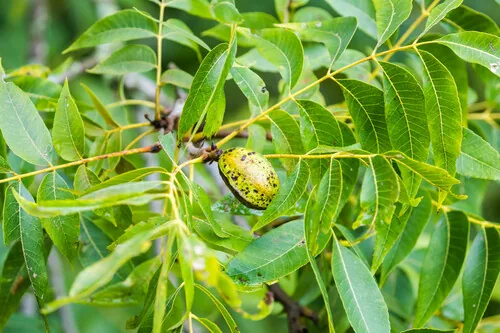
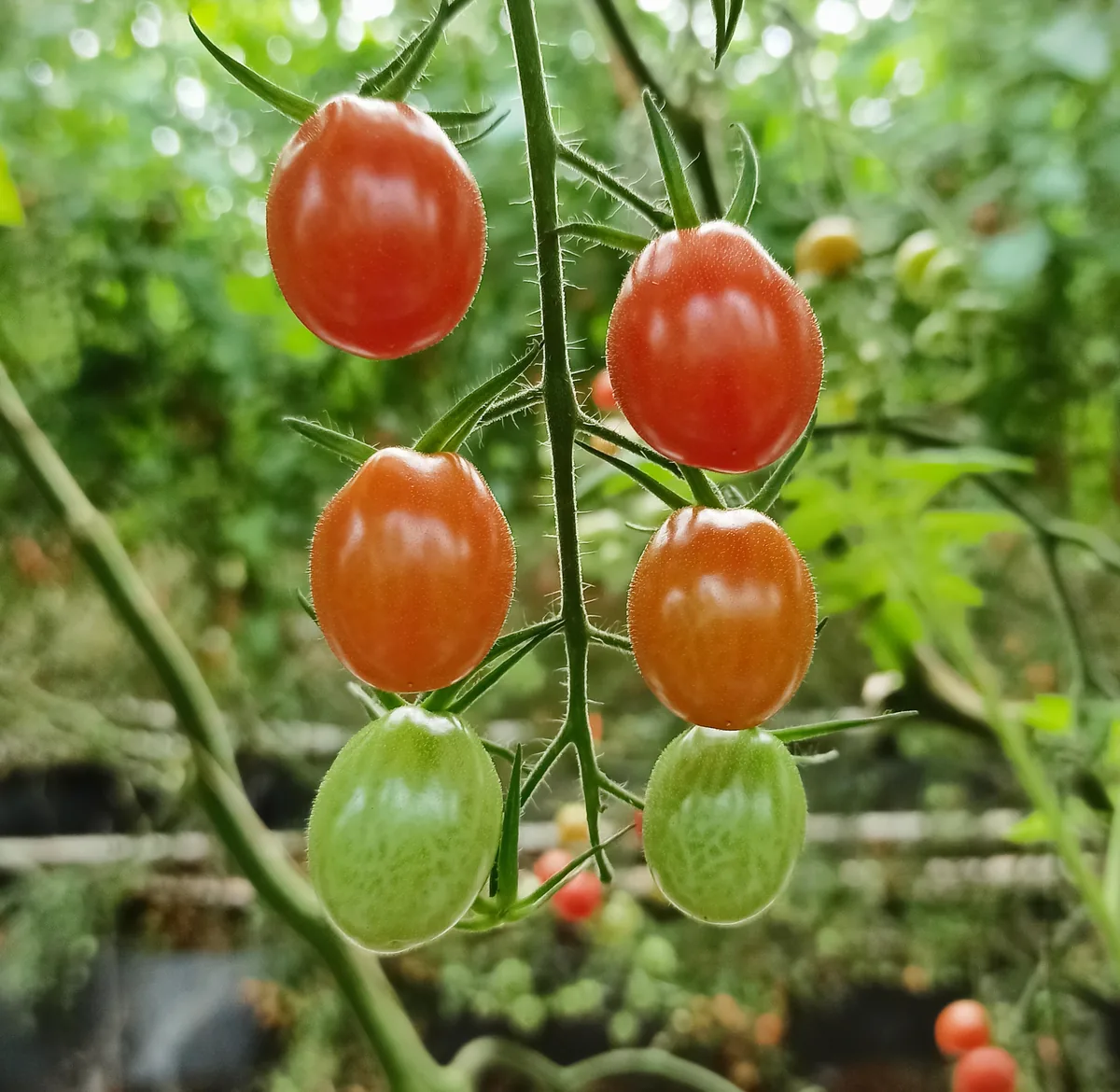
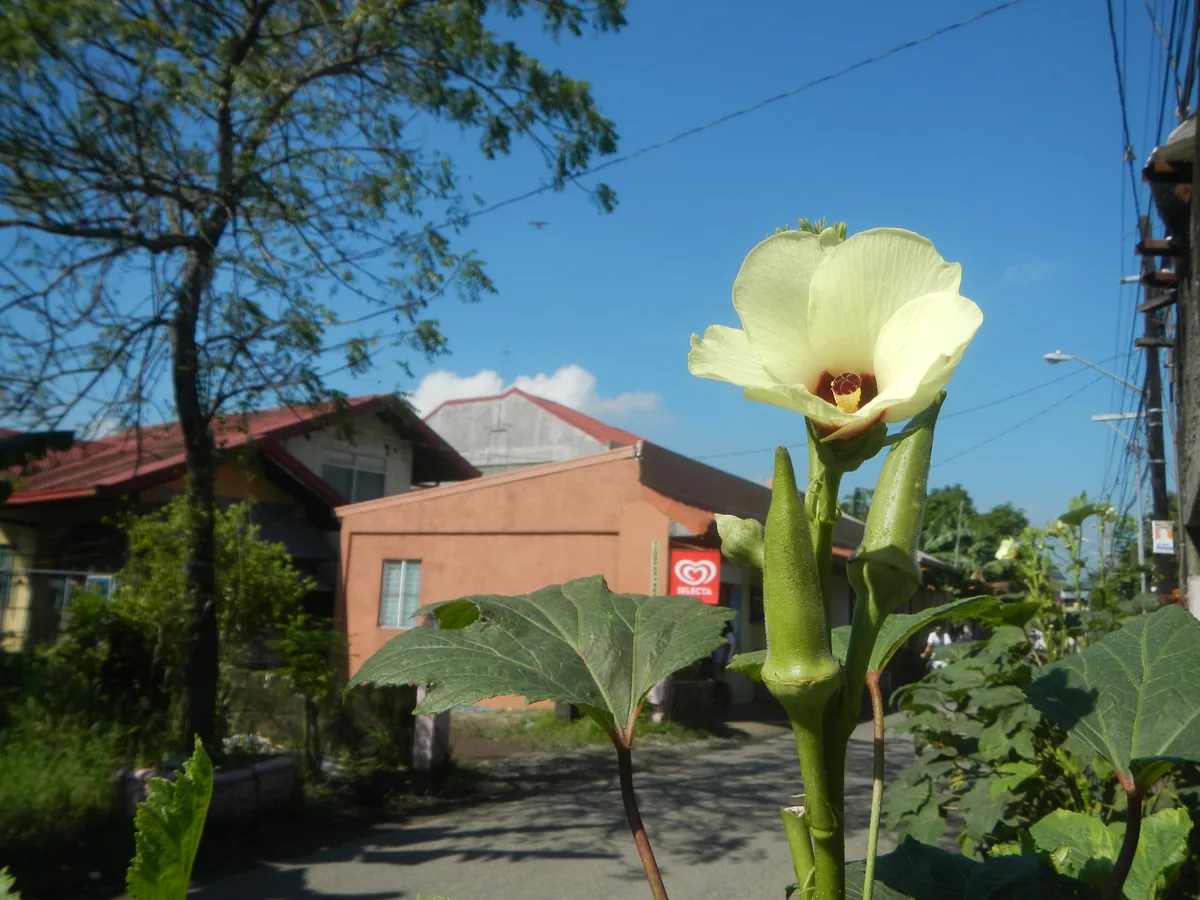
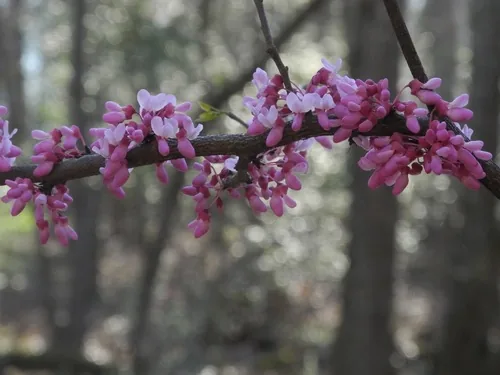
Those zone numbers rest on 15-56 inches of annual rainfall, a median of roughly 4,200 growing-degree days (base 50°F), and about 900 winter chill hours for tree fruit — the measurements that do the deciding. Soils here lean toward red clay, sandy loam, prairie loam, and alluvial, and each drains differently — the single trait that most often decides whether a crop takes hold. Between High Plains and The Ozarks, the growing rules shift enough that zone and frost advice only turns precise once you pick your region. Growers here do well with pecan, tomato, okra, and redbud — with the usual caveat that any single yard's soil, sun, and drainage cast the deciding vote.

Grounded inUSDA PHZM 2023NOAA Climate NormalsUSDA NRCS SSURGOGDD aggregate (Cornell CALS)Chill-hour aggregate (MSU Extension)USDA hardiness sub-region mapEPA FRSUSDA PLANTSGrowable Ground suitability scoring

Score your parcel · free

Your yard isn't the whole state.

Oklahoma spans zones 6b-8a, but your yard sits in exactly one — and slope, tree cover, and low spots nudge it further. Enter your address and we'll score 1,112 plants against your land's actual soil, sun, and frost.

We read public map data for this spot — soil, climate, flood, and parcel records. How we handle your address.

No card required · your full report in seconds

Quick Facts

USDA Zones

6b-8a

USDA PHZM 2023

Last Frost

Mar 20 - Apr 15

NOAA 30-yr Normals

First Frost

Oct 15 - Nov 5

NOAA 30-yr Normals

Annual Rainfall

15-56 inches

NOAA Climate Normals

Zone maps are averages across Oklahoma. Your yard's slope, trees, and frost pockets shift what actually grows — see your land's exact reading.

The Ground You’re Working With

The soil types that dominate Oklahoma — how each drains decides more about crop success than almost anything else. Tap any soil to learn what it is and how to work with it.

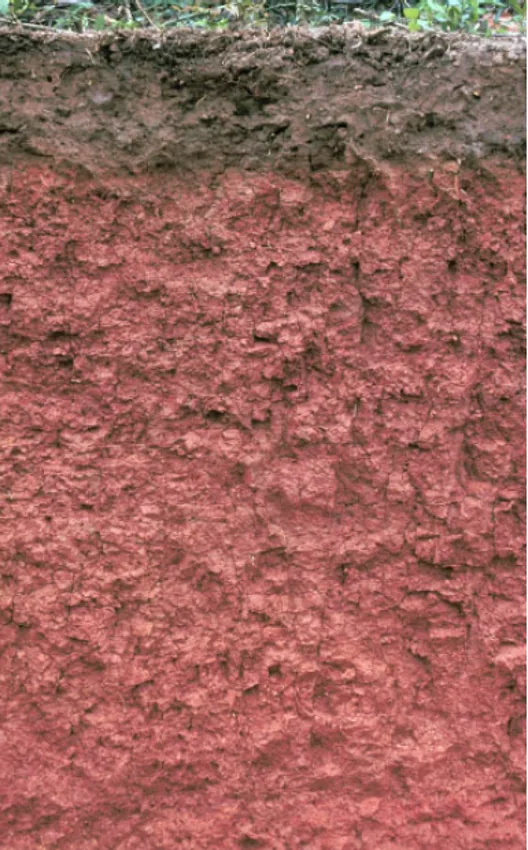
Cecil soil profile: brick-red Piedmont clay subsoil under a thin brown surface layer
Soil profile: Cecil series, North Carolina

Red clay

  • Drainage

    Slow. Red clay seals under pounding rain and sheds water across the surface, then holds tight to what soaks in.

  • What thrives

    Okra, southern peas, sweet potatoes, and muscadines are traditional red-clay performers, and many fruit trees root deep into it once through the first year. Azaleas and blueberries appreciate its typical acidity.

How to work with Red clay
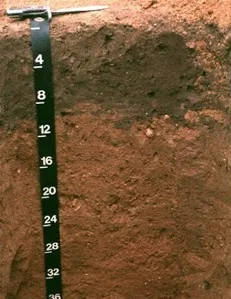
Downer soil profile: reddish sandy loam horizon with a depth scale
Soil profile: Downer series, New Jersey

Sandy loam

  • Drainage

    Fast. The sand fraction opens the soil up, so water moves through the root zone quickly and the surface rarely stays soggy. The trade is that nutrients ride out with the water.

  • What thrives

    Root crops love it — carrots, potatoes, radishes, and onions size up cleanly in ground they can push through. Melons, sweet potatoes, asparagus, and most herbs appreciate the warmth and the drainage.

How to work with Sandy loam
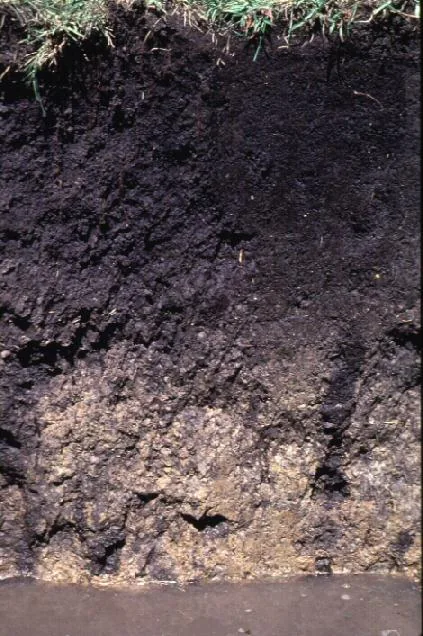
Drummer soil profile: deep black prairie loam over glacial till
Soil profile: Drummer series, Illinois

Prairie loam

  • Drainage

    Good. The crumb structure that prairie roots built lets water in and holds it like a sponge, releasing it steadily through the season.

  • What thrives

    This is some of the most productive crop ground on Earth — corn, beans, squash, brassicas, and nearly any vegetable you plant. Prairie natives like coneflower and big bluestem are, unsurprisingly, right at home.

How to work with Prairie loam
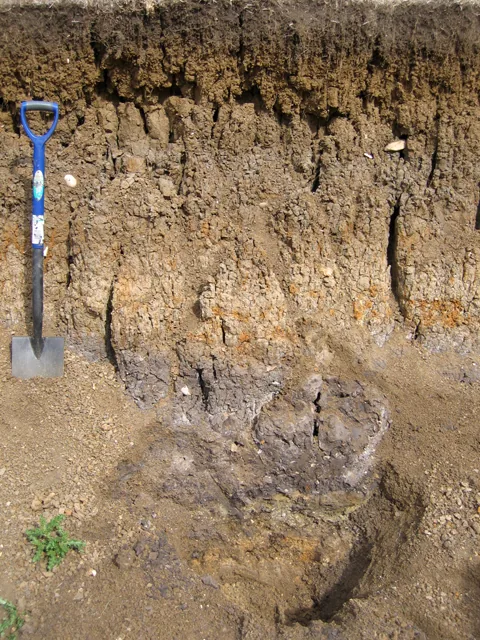
Layered river-laid alluvium in a floodplain soil pit, with a spade for scale
River-alluvium profile (Fladbury series), Great Ouse floodplainPhoto: Rodney Burton, Geograph, CC BY-SA 2.0

Alluvial

  • Drainage

    Usually good: rivers sort their loads, and most alluvial soils have enough sand and silt to move water while holding plenty for roots. Low-lying pockets can run wet.

  • What thrives

    Nearly everything — vegetables, orchards, vines, and berries all prosper on alluvium. Its depth lets roots go as far down as they care to.

How to work with Alluvial

Soil data: USDA NRCS SSURGO · Soil types explained

Is it too late to plant in Oklahoma?

Rarely: the season closes in stages, not all at once, and each stage has its crops. Across Oklahoma, cool-season planting typically opens about four weeks before the local last hard freeze — county medians put that freeze near Feb 18, with the middle half of counties between Feb 11 and Feb 24 (NOAA 1991–2020 climate normals). Tender transplants wait two to three weeks past it, and fall planting counts back from first freezes mostly between Dec 1 and Dec 13 — long-season crops need about 90 days of runway, quick greens only 30. Here the calendar nearly circles: cool-season crops take the winter shift, and the next window is always close.

State Symbols of Oklahoma

The plants Oklahoma put its name on — cultural emblems, not growing recommendations.

Official state flower

Oklahoma rose

Rosa

Designated 2004.

Eastern redbud, photograph
Official state tree

Eastern redbud

Cercis canadensis

Designated 1971. In our plant library — see its full growing profile.

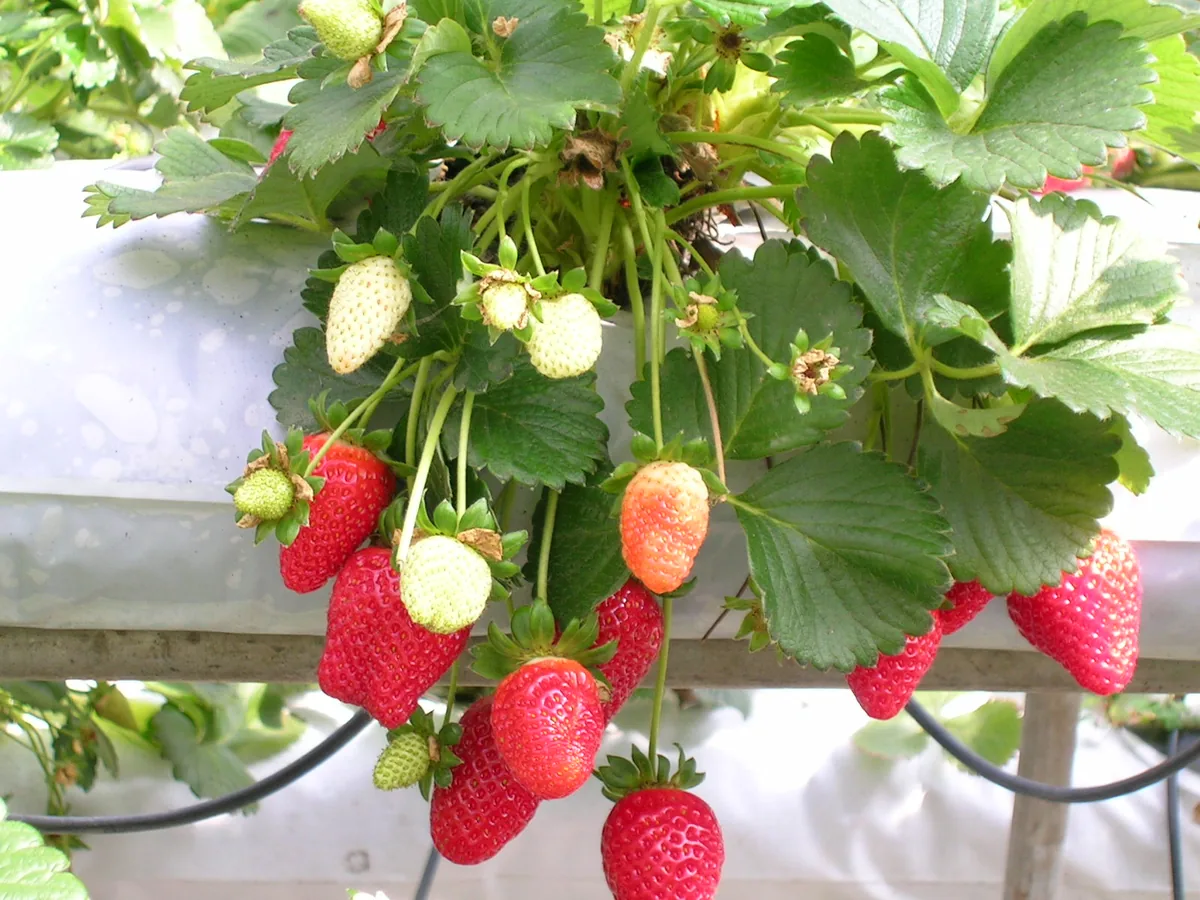
Strawberry, photograph
Official state fruit

Strawberry

Designated 2005. In our plant library — see its full growing profile.

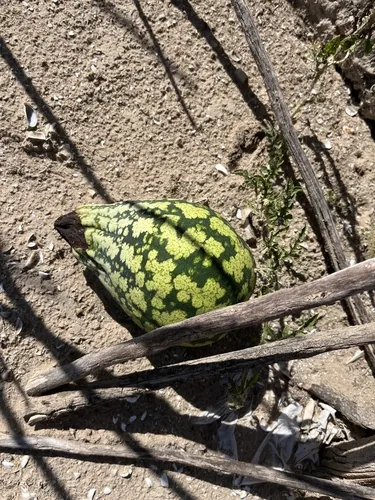
Watermelon, photograph
Official state vegetable

Watermelon

Designated 2007. In our plant library — see its full growing profile.

Native Plants of Oklahoma

Plants the USDA PLANTS Database documents as native and present in Oklahoma — a real per-state range, not just a zone match. Presence is statewide, so a plant may still be uncommon in your specific county; your state’s Cooperative Extension or a native-plant society is the local authority.

Also zone-compatible

US-native plants whose hardiness range overlaps Oklahoma’s USDA zones 6b-8a but which USDA PLANTS doesn’t map to a single state range here. Zone overlap is a starting filter, not a range map.

Browse all US-native plants by state & zone →

Growing Challenges in Oklahoma

What an experienced grower plans around here — each one has a move.

Extreme weather variability (tornadoes, ice storms, drought)

Flexible beats fortified here: row covers staged, storm-tough perennials, and quick-replant annual beds.

Red clay soils drain poorly in central OK

A raised bed ends the standing-water fight in a weekend, and fall compost keeps opening the clay below.

Low western rainfall requires irrigation

Western plots run on drip and mulch — plan the water before the planting and the dry years lose their teeth.

For cultivar selection, pest pressure, and planting-time guidance specific to Oklahoma, the Oklahoma State University Extension is the authoritative local source.

Safe to Grow Here?

What the federal record shows across Oklahoma — and how to grow with it.

Federal record: High

We checked the federal record across Oklahoma24,720 documented sites across 8 of the 9 source types we track.

The most significant on record: 151 Superfund sites. Sites tracked in EPA's Superfund program — from assessment-stage CERCLIS entries to confirmed National Priorities List cleanup sites.

Oklahoma carries one of the heavier federal records we track — and that's not a verdict on your yard. Proximity to a documented site is information, not a diagnosis: nothing here says any particular parcel is affected. It does earn one concrete step — before food beds go in the ground, a professional soil test tells you exactly what you're working with, and raised beds with clean imported soil grow well almost anywhere in the meantime.

Severity Distribution

across Oklahoma

High376Moderate10,604Low13,740

Highest-Severity Sites

20TH Street Salvage Yard
Superfund · Superfund (Non-NPL)
75 Cleaners
Superfund · Superfund (Non-NPL)
Acme Mine
Mining Sites · Past Producer
Adams Mine
Mining Sites · Past Producer
Admirality
Mining Sites · Past Producer

Know Before You Grow

  • Underground tanks can leak petroleum products. Soil testing near former gas stations is recommended.
  • Test well water for nitrates if you rely on a private well. Levels above 10 mg/L require treatment.
  • Raised beds with imported soil can reduce exposure risk near brownfield sites.

Sources: EPA, USGS1.8M documented sites tracked nationwide across 9 federal source types.

See what grows on YOUR specific land

State averages sketch the shape. Your soil, sun exposure, drainage, and microclimate decide what actually takes. Pull a site-specific report for your exact parcel.

Free Report

Read your Oklahoma parcel

Enter your address. We read your soil, sun, drainage, and frost dates, then score 1,112 plants against the real conditions on your land.

Three things about your exact spot that zone averages miss:

Your soil pHYour frost-free daysYour sun & shade

We read public map data for this spot — soil, climate, flood, and parcel records. How we handle your address.

25+ data sources analyzed in seconds

Frequently Asked Questions

What USDA hardiness zones are in Oklahoma?

Oklahoma spans USDA hardiness zones 6b-8a, per the USDA Plant Hardiness Zone Map 2023. Zones reflect average annual extreme minimum temperatures from 1991–2020 weather data.

Is it too late to plant in Oklahoma?

Rarely: the season closes in stages, not all at once, and each stage has its crops. Across Oklahoma, cool-season planting typically opens about four weeks before the local last hard freeze — county medians put that freeze near Feb 18, with the middle half of counties between Feb 11 and Feb 24 (NOAA 1991–2020 climate normals). Tender transplants wait two to three weeks past it, and fall planting counts back from first freezes mostly between Dec 1 and Dec 13 — long-season crops need about 90 days of runway, quick greens only 30. Here the calendar nearly circles: cool-season crops take the winter shift, and the next window is always close.

When does frost risk typically end in Oklahoma?

Across Oklahoma, the middle half of counties see their last hard freeze (28°F) between about Feb 11 and Feb 24, with a county median near Feb 18 (NOAA 1991–2020 climate normals). That marks the hard freeze, not the last light frost — light frosts can still bite for a few more weeks, so tender transplants usually wait another 2–3 weeks.

How long is the growing season in Oklahoma?

Measured between 28°F hard freezes, growing seasons across Oklahoma's counties mostly run about 280 to 304 days, with a county median near 292 (NOAA 1991–2020 climate normals). Tender crops get a somewhat shorter practical window, since lighter frosts reach a few weeks past the hard-freeze dates on both ends.

What vegetables grow well in Oklahoma?

Oklahoma's zones 6b-8a support a wide range — strong performers include Pecan, Tomato, Okra, Redbud, and Blackberry. What actually takes on any one site comes down to its soil, sun, and drainage, and we score each plant against the real conditions at your address.

Which hardiness zone is Oklahoma, really?

Officially, Oklahoma spans USDA zones 6b-8a (USDA PHZM 2023) — but a zone is a 30-year average of winter's coldest night across an area, and it can't see any one yard. A south-facing slope, a tree line, or a low frost pocket can shift a single site by half a zone either way, which is why neighboring gardeners often quote different numbers. We read the conditions at your exact address — soil, sun, slope, and frost — and score 1,112 plants against what's actually there.

Is the soil safe to grow vegetables in Oklahoma?

The federal record across Oklahoma runs heavier than most — 24,720 documented sites — so test the soil before planting food in the ground, and raised beds with clean imported soil grow well in the meantime. Even here, proximity to a documented site is information, not a diagnosis of any one yard; the contamination map shows exactly what's recorded and where.

Just moved to Oklahoma — what should I know before planting?

Start with three facts. Oklahoma spans USDA zones 6b-8a, which sets what survives winter; last hard freezes range from about Feb 11 to Feb 24 across its counties (NOAA 1991–2020 climate normals); and 24,720 documented sites sit on the federal record here, so a soil test before food beds is the smart first step. From there, matching plants to your actual soil and sun is the fun part.

Everything on this page is a Oklahoma average. Your yard writes its own version — we read soil, sun, drainage, and frost at your exact address. Try it for 14 days — no card required.

Cities & Towns in Oklahoma

Explore growing conditions by city or town in Oklahoma.

AchilleAdaAdairAdamsAdamsonAddingtonAftonAgraAkinsAlbanyAlbionAldersonAlexAlineAllenAltusAlvaAmberAmesAmoritaAnadarkoAntlersApacheArapahoArcadiaArdmoreArkomaArnettArpelarAsherAshlandAtokaAtwoodAvantAvardBacheBadger LeeBakerBallouBarberBarnsdallBaronBartlesvilleBeardenBeaverBeeBeggsBelfonteBellBenningtonBentleyBerniceBessieBethanyBethel AcresBig CabinBillingsBingerBisonBixbyBlackburnBlackgumBlackwellBlairBlanchardBlancoBlueBluejacketBoise CityBokchitoBokosheBoleyBoswellBowlegsBowringBoxBoyntonBradleyBraggsBramanBrayBreckenridgeBrentBriartownBridge CreekBridgeportBriggsBristowBroken ArrowBroken BowBromideBrooksvilleBrush CreekBrushyBryantBuffaloBug TussleBull HollowBunchBurbankBurlingtonBurneyvilleBurns FlatBushyheadButlerButlerByarsByngByronCacheCaddoCaleraCalumetCalvinCamargoCameronCanadianCanadian ShoresCaneyCaneyCaney RidgeCantonCanuteCapronCarlisleCarlton LandingCarmenCarnegieCarneyCarrierCarterCartwrightCashionCastleCatoosaCave SpringCayugaCedar CrestCedar LakeCedar ValleyCementCentrahomaCentral HighChanceChandlerChattanoogaChecotahChelseaCherokeeCherry TreeChesterCheweyCheyenneChickashaChoctawChouteauChristieCimarron CityClaremoreClaritaClarksvilleClaytonClearviewCleo SpringsCleoraClevelandClintonCloud CreekCoalgateColbertColcordColeColemanCollinsvilleColonyComancheCommerceConnervilleCooksonCoopertonCopanCopelandCornCornishCottonwoodCouncil HillCovingtonCowetaCowlingtonCoyleCrescentCrescent SpringsCromwellCrowderCumberlandCushingCuster CityCyrilDacomaDaleDavenportDavidsonDavisDeer CreekDeer LickDel CityDelawareDennisDepewDevolDewarDeweyDibbleDicksonDill CityDisneyDixonDodgeDotyvilleDoughertyDouglasDoverDripping SpringsDrowning CreekDrummondDrumrightDry CreekDuchess LandingDuncanDurantDurhamDustinDwight MissionEagle CityEagletownEaklyEarlEarlsboroEast DukeEdgewater ParkEdmondEl RenoEldonEldoradoElginElk CityElm GroveElmerElmore CityElohim CityEmetEmpire CityEnidEnterpriseErickErin SpringsEtowahEttaEufaulaEvening ShadeFair OaksFairfaxFairfieldFairlandFairmontFairviewFallisFanshaweFargoFaxonFayFeltFinleyFittstownFitzhughFletcherFlint CreekFlute SpringsForakerForest ParkForganFort CobbFort CoffeeFort GibsonFort SupplyFort TowsonFossFosterFoxFoyilFrancisFrederickFreedomFriendshipGageGansGarberGarvinGateGearyGene AutryGeronimoGertyGideonGlencoeGlenpoolGoldenGoldsbyGoltryGoodwellGoreGoteboGouldGowenGracemontGrainolaGrand Lake TowneGrandfieldGrandviewGraniteGrantGraysonGreasyGreenfieldGreenvilleGregoryGroveGuthrieGuymonHaileyvilleHallettHammonHannaHansonHardestyHarrahHartshorneHaskellHastingsHaworthHaywoodHeadrickHealdtonHeavenerHelenaHendrixHennepinHennesseyHenryettaHickoryHillsdaleHintonHitchcockHitchitaHobartHochatownHodgenHoffmanHoldenvilleHollisHollisterHomesteadHominyHoney HillHookerHopetonHorntownHoweHoytHugoHulbertHunterHydroIXLIdabelIndiahomaIndianolaIndianolaIngallsInolaIron PostIsabellaJayJeffersonJenksJenningsJetJohnsonJohnson PrairieJonesJusticeKansasKatieKaw CityKeeftonKellyvilleKempKendrickKeneficKentonKenwoodKeotaKetchumKeyesKeysKieferKildareKingfisherKingstonKintaKiowaKnowlesKonawaKrebsKremlinLahomaLake AlumaLake Ellsworth AdditionLakeside VillageLamarLambertLamontLaneLangleyLangstonLattaLaverneLawrence CreekLawtonLawtonka AcresLe FloreLeachLebanonLeedeyLehighLenapahLeonLeonardLequireLexingtonLibertyLibertyLimaLimestoneLindsayLittle CityLittle PonderosaLittle RockLocoLocust GroveLone ChimneyLone GroveLone WolfLongLongdaleLongtownLookebaLost CityLovelandLovellLowreyLucienLutherLyons SwitchMadillMallard BayManchesterMangumManitouMannfordMannsvilleMaramecMarble CityMariettaMariettaMarlandMarlowMarshallMarthaMaudMayMaysvilleMazieMcAlesterMcBrideMcCordMcCurtainMcLoudMeadMedfordMedicine ParkMeekerMehanMenoMeridianMiamiMiddlebergMidwest CityMilburnMilfayMill CreekMillertonMincoMoffettMonroeMoodysMooreMoorelandMorrisMorrisonMoundsMountain ParkMountain ViewMoyersMulberryMuldrowMulhallMurphyMuskogeeMustangMutualNarcissaNardinNashNashobaNelagoneyNescatungaNew AlluweNew CordellNew EuchaNew WoodvilleNewcastleNewkirkNichols HillsNicoma ParkNicutNinnekahNobleNorgeNormanNorth EnidNorth MiamiNorwoodNotchietownNowataOak GroveOak Hill-PineyOakhurstOaklandOaksOakwoodOchelataOiltonOkarcheOkayOkeeneOkemahOklahoma CityOkmulgeeOktahaOld EuchaOld GreenOliveOlusteeOologahOptimaOrlandoOsageOwassoPadenPanamaPanolaPaoliParadise HillPark HillPauls ValleyPawhuskaPawneePeavinePeckhamPeggsPensacolaPeoriaPerkinsPerryPershingPettitPhillipsPickettPiedmontPin Oak AcresPineyPinhook CornerPinkPittsburgPlatterPocassetPocolaPonca CityPond CreekPontotocPorterPorumPoteauPraguePrestonProctorPruePryor CreekPump BackPumpkin HollowPurcellQuapawQuayQuinlanQuintonRalstonRamonaRandlettRatliff CityRattanRaviaReaganRed OakRed RockRedbirdRedbird SmithRemyRentiesvilleReydonRinglingRingwoodRipleyRiver BottomRock IslandRockyRocky FordRocky MountainRocky PointRoffRolandRooseveltRoseRosstonRush SpringsRyanSalinaSallisawSams CornerSand HillSand PointSand SpringsSapulpaSasakwaSavannaSawyerSayreSchulterScipioSeilingSelmanSeminoleSentinelSequoyahSewardShady GroveShady GroveShady PointShamrockSharonShattuckShawneeShidlerShortSiloSimmsSkedeeSkiatookSlaughtervilleSlickSmithvilleSnake CreekSnyderSoperSour JohnSouth CoffeyvilleSparksSparrowhawkSpauldingSpavinawSpencerSperrySpiroSportmans ShoresSpringerSt. LouisSteely HollowSterlingStiglerStillwaterStilwellStonewallStoney PointStrangStratfordStringtownStrong CityStroudStuartSugdenSulphurSummitSumnerSunraySweetwaterSwinkSycamoreTaftTagg FlatsTahlequahTalalaTalihinaTalogaTamahaTatumsTaylor FerryTecumsehTempleTenkillerTeresitaTerltonTerralTexannaTexhomaTexolaThackervilleThe VillageThomasTiawahTiptonTishomingoTitanicTonkawaTonkawa Tribal HousingToppersTribbeyTryonTullahasseeTulsaTupeloTurleyTurpinTushkaTuskahomaTuttleTwin LakesTwin OaksTyroneUnion CityUticaValley BrookValley ParkValliantVanossVelmaVeraVerdenVerdigrisVernonVianViciVinitaWagonerWainwrightWakitaWaltersWanetteWannWapanuckaWardvilleWarnerWarr AcresWarwickWashingtonWashitaWatongaWatovaWattsWauhillauWaukomisWaurikaWayneWaynokaWeatherfordWebb CityWebbers FallsWelchWeleetkaWellingWellstonWeltyWest PeavineWest Siloam SpringsWestportWestvilleWetumkaWewokaWhippoorwillWhite EagleWhite OakWhite WaterWhitefieldWhitehorn CoveWhitesboroWickliffeWilburtonWillowWilsonWinchesterWisterWoodallWoodlawn ParkWoodwardWright CityWyandotteWynnewoodWynonaYaleYeagerYukonZebZenaZion

States with a Similar Growing Climate

Oklahoma shares its dominant growing region with these states — a useful comparison if you're weighing where a crop will behave the same way.