
Napa Valley spans USDA hardiness zone 9b — room for a real mix of vegetables, fruit, and perennials matched to the local frost calendar.
California's flagship wine valley, where a Mediterranean climate and volcanic and alluvial soils suit wine grapes, olives, and orchard fruit. The conditions favor tomato, artichoke, fig, and california poppy, among others — though every individual site edits that list with its own soil, sun, and drainage.
Napa Valley spans California.
Your yard isn't all of Napa Valley.
Napa Valley spans USDA zones 9b, but your parcel sits in exactly one — and slope, tree cover, and low spots nudge it further. Enter your address and we'll score 1,085 plants against your land's actual soil, sun, and frost.
We read public map data around Napa Valley — soil, climate, flood, and parcel records. How we handle your address.
No card required · your parcel report in seconds — read in full free for your first 14 days
Napa Valley — the short answer
Napa Valley: USDA zones 9b, 327 frost-free days, in California.
- USDA zones
- 9b
- USDA PHZM 2023, aggregated over the footprint
- Frost-free season
- 327 days
- NOAA Regional Climate Centers ACIS, 1991–2020
- Counties
- 1
- US Census TIGER/Line 2025
- Region type
- County cluster
- Growable Ground growing-region registry
Region boundary: Growable Ground growing-region registry — curated county clusters, EPA Level III ecoregions, and town clusters drawn finer than any county. Where a region publishes no measured season, no season figure is shown.
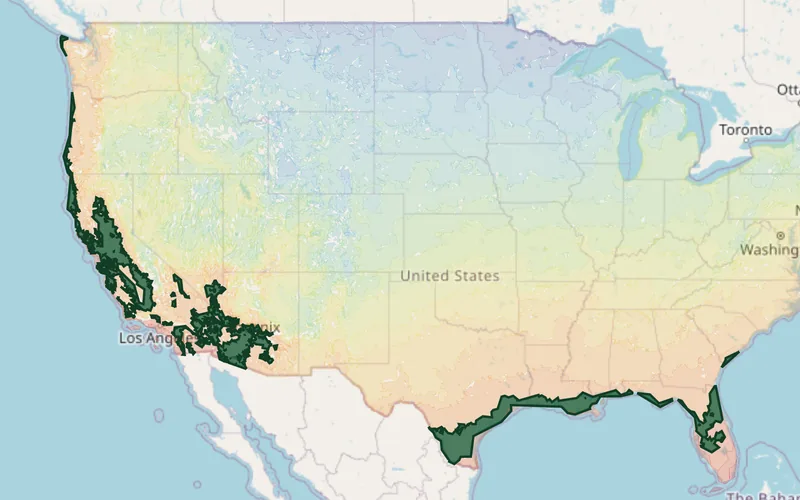
What Grows in Napa Valley
Plants matched to Napa Valley's USDA zones 9b, ordered by how much hardiness margin each has across the region — the ones with room to spare at both ends of this band lead. Each links to its full growing profile.
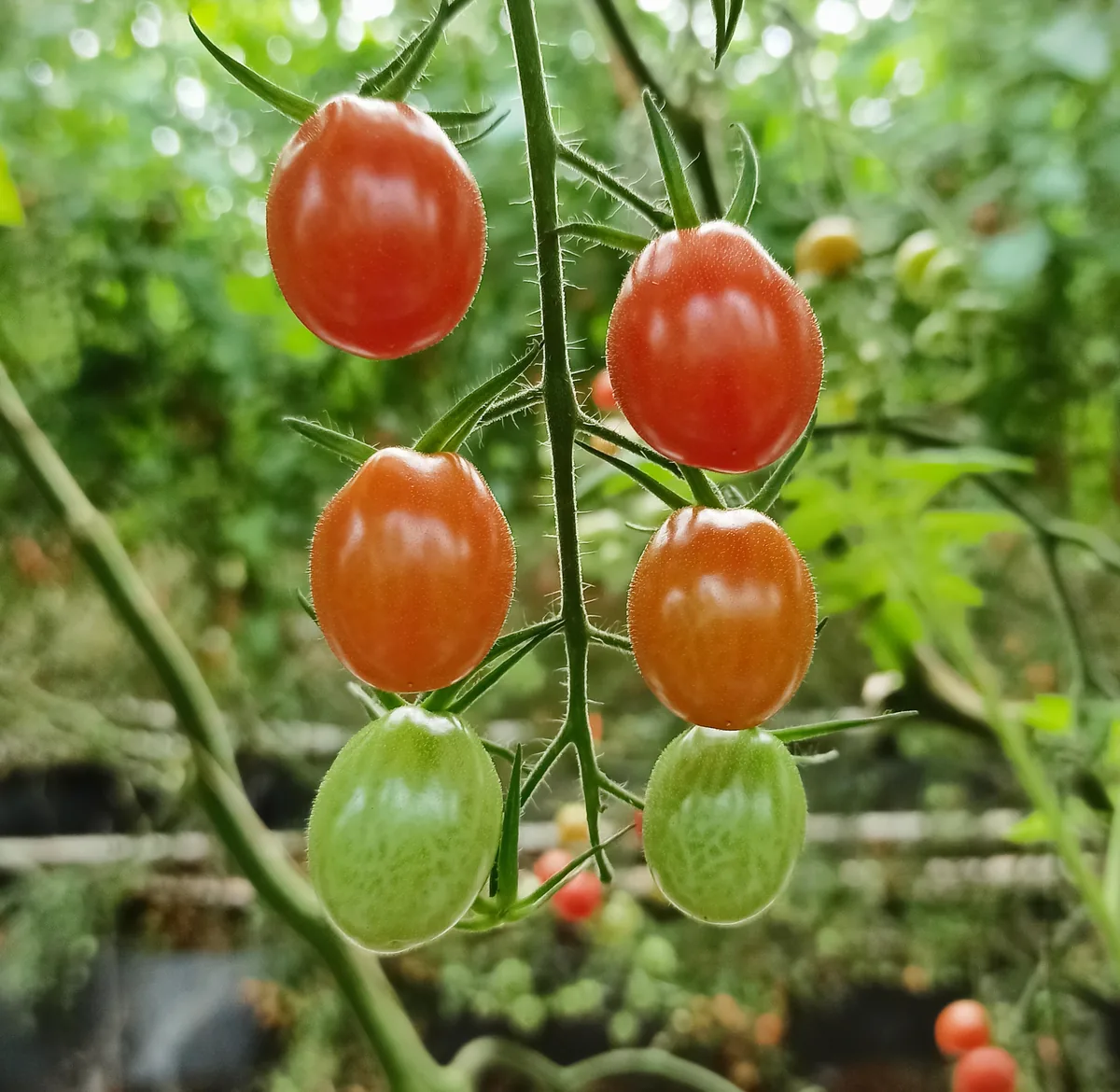
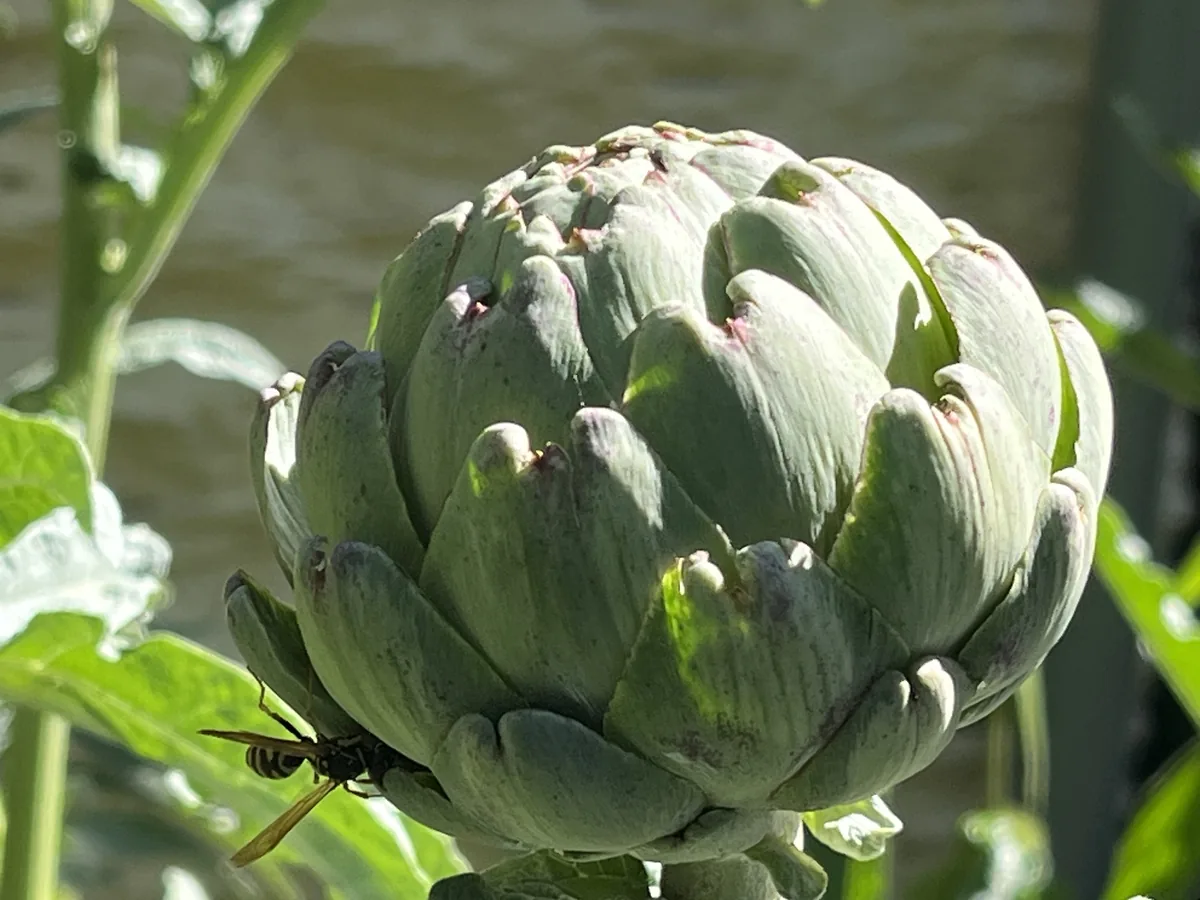
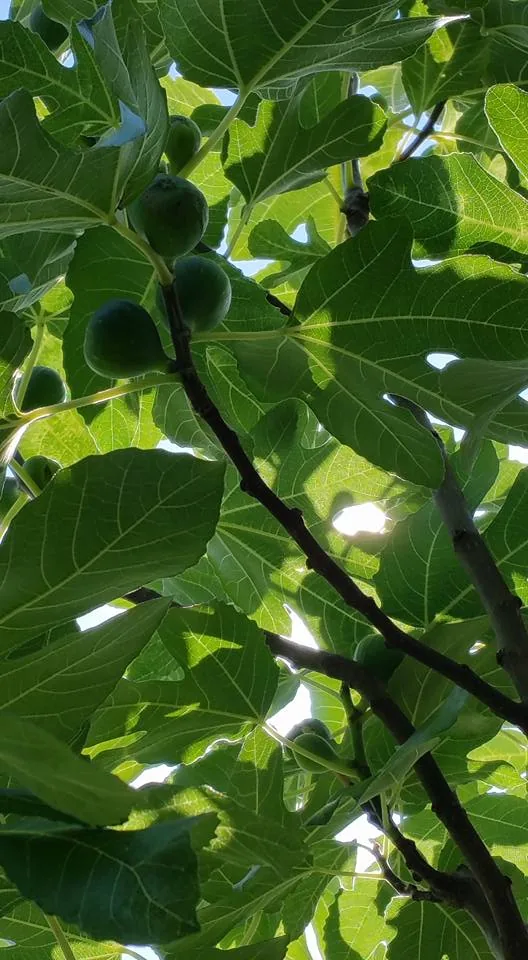
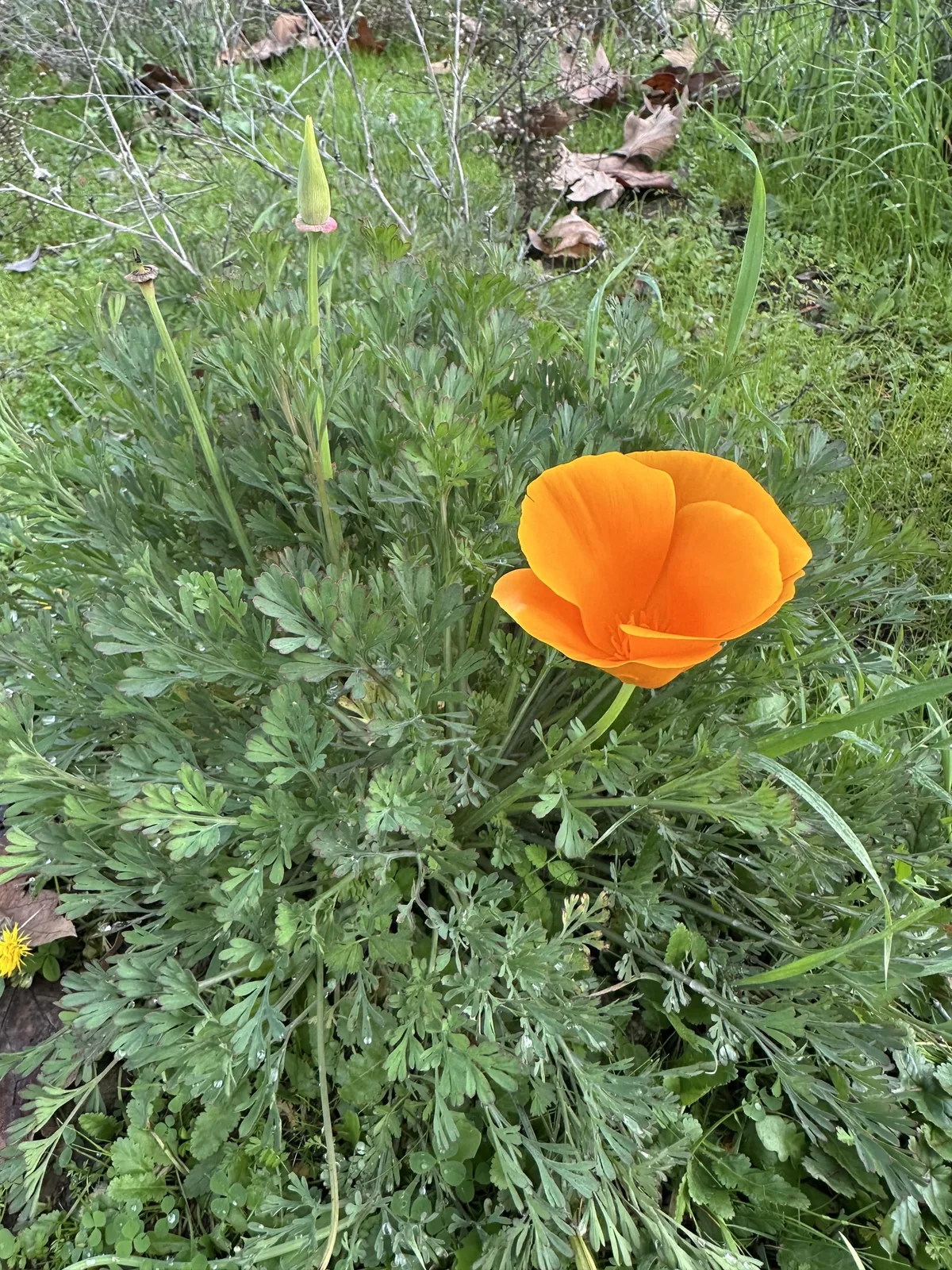
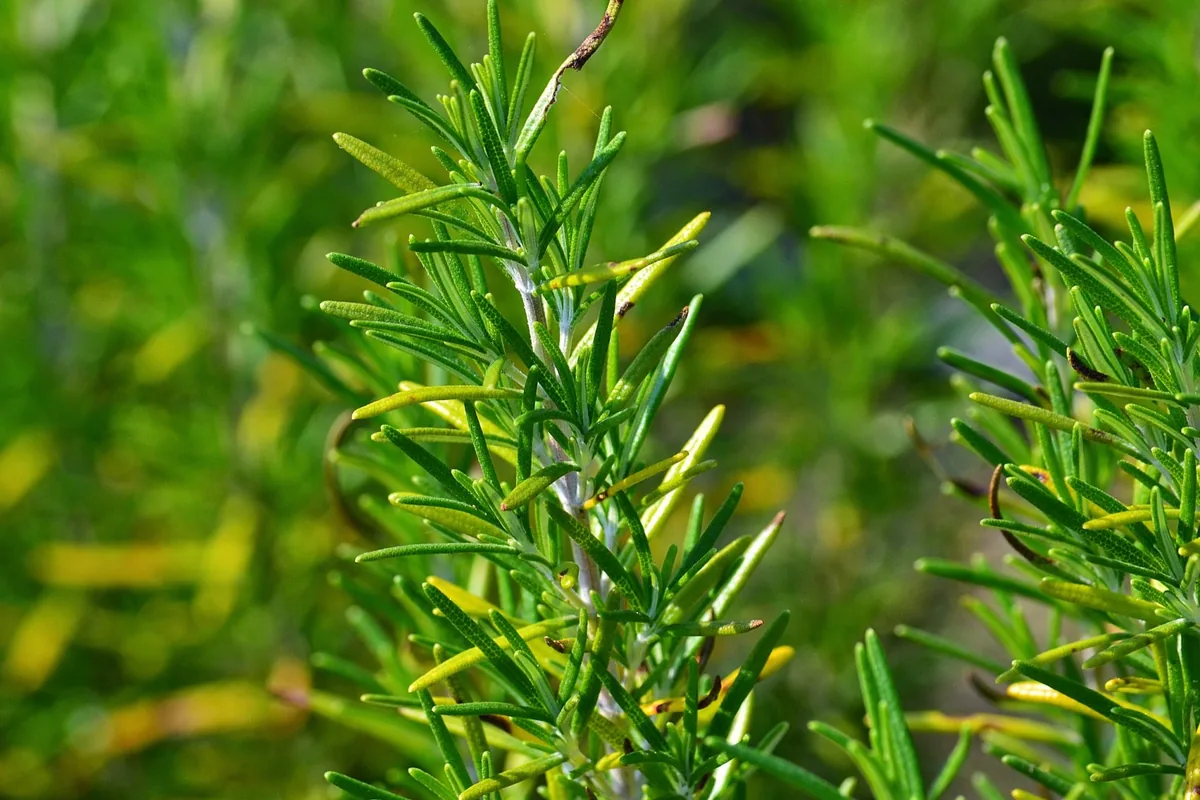
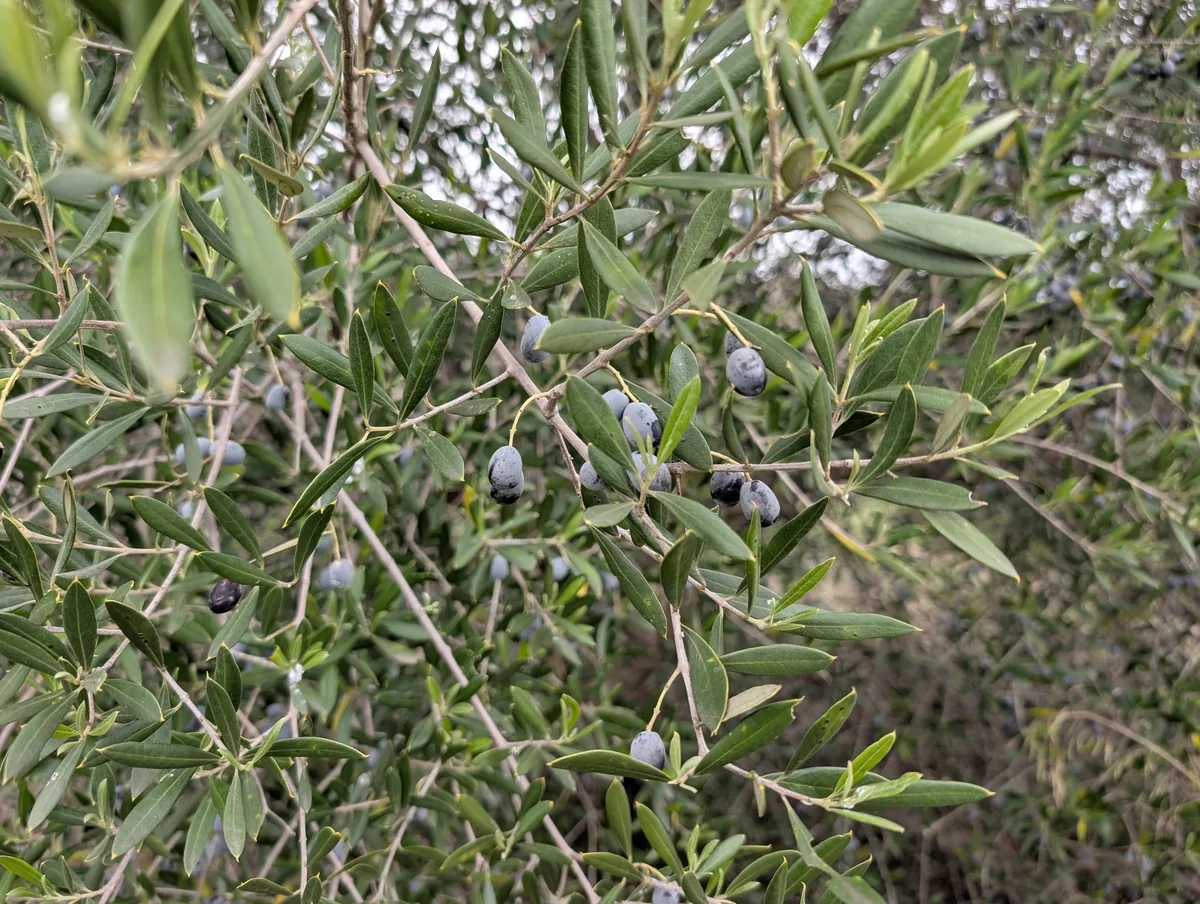
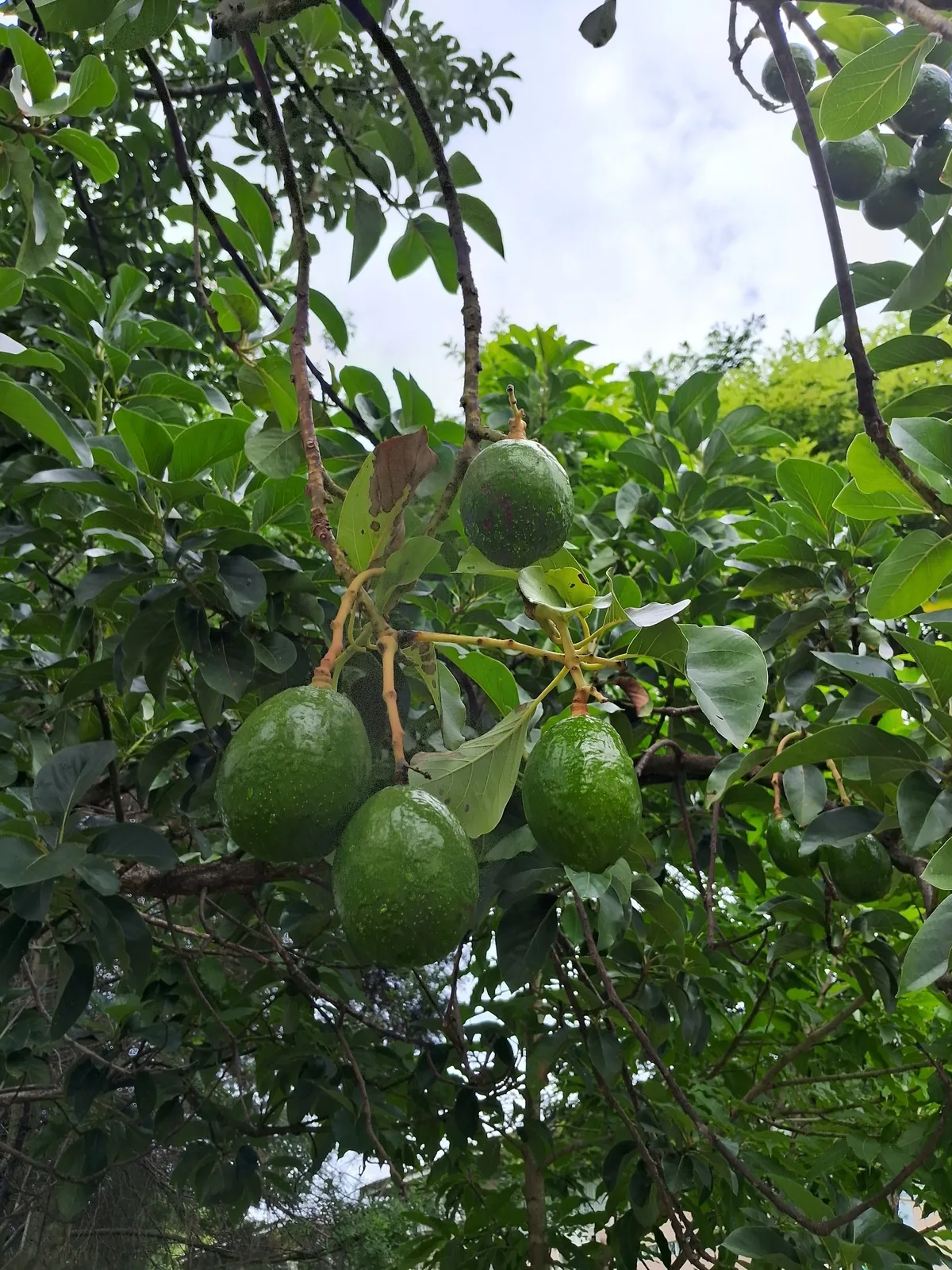
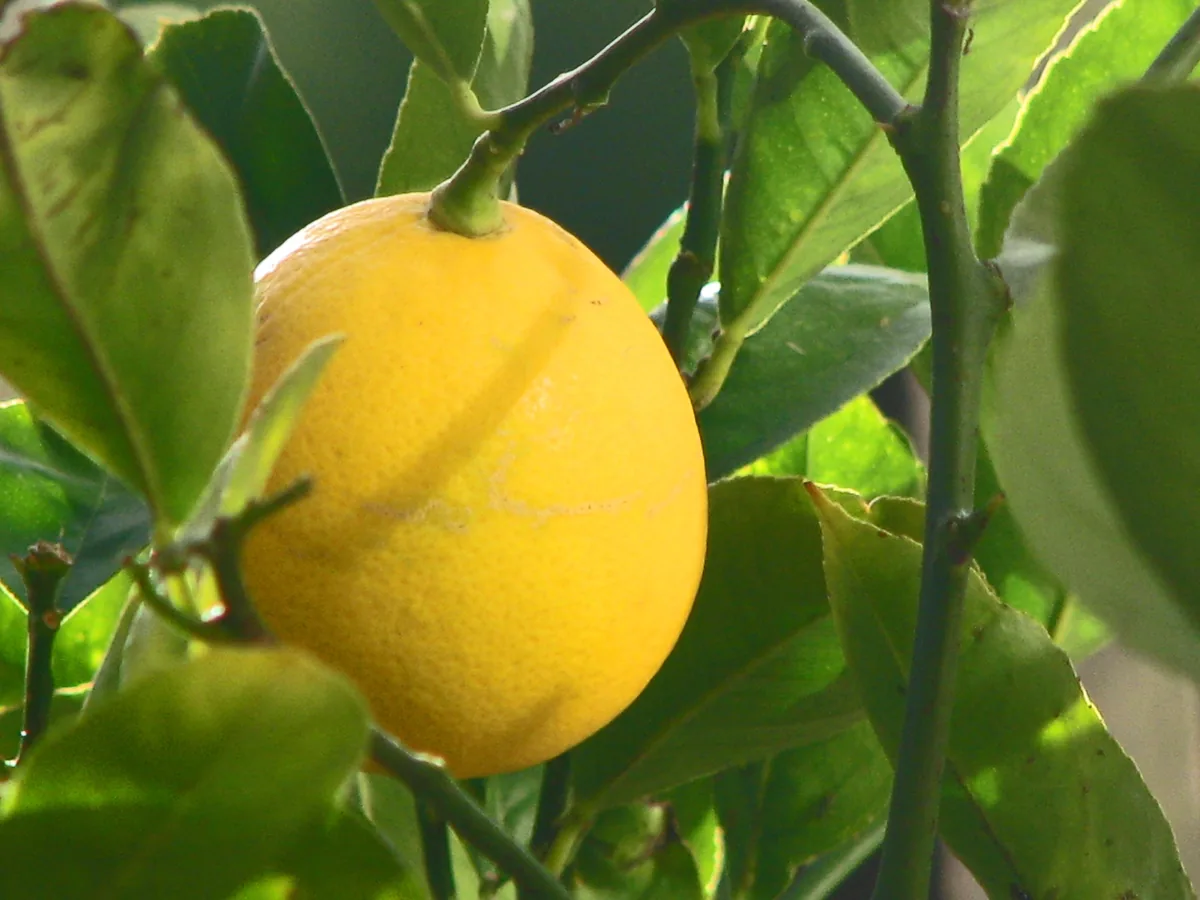
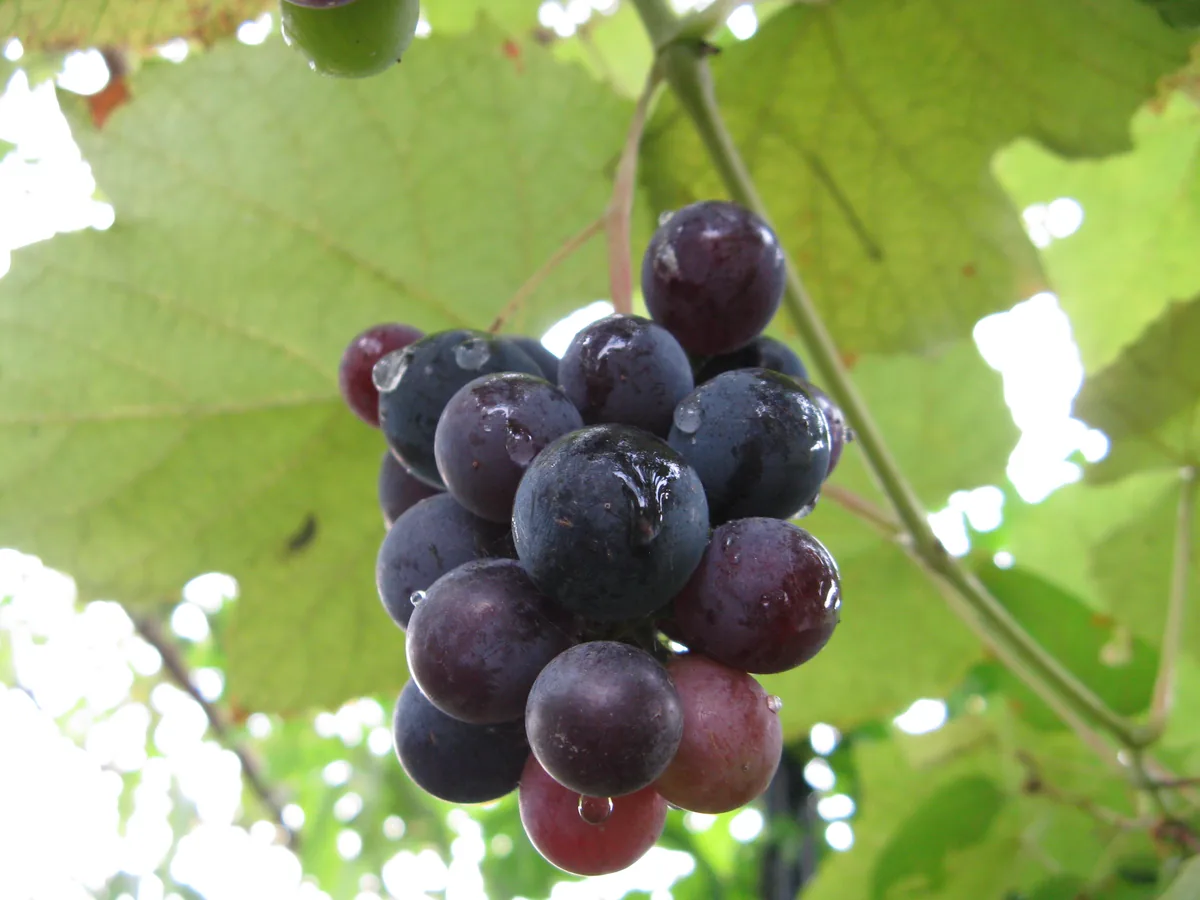
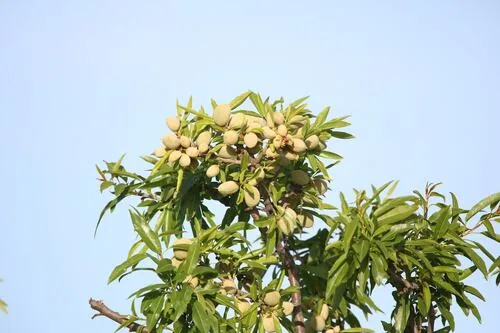
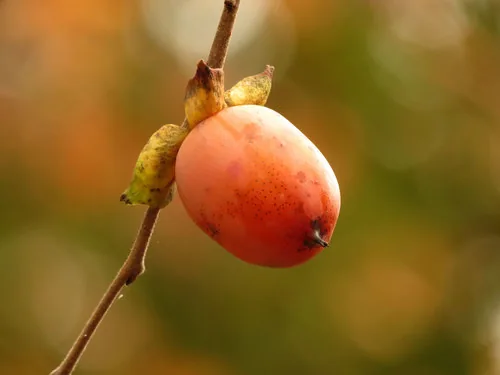
Native Plants of Napa Valley
Plants the USDA PLANTS Database documents as native and present in this region’s state, kept only where the published hardiness range meets Napa Valley’s USDA zones 9b — closest range match first. Presence is recorded by state, so a plant can be documented across the state and still be scarce in your corner of the region.
The ground across Napa Valley
The USDA soil survey maps this ground county by county. These are those records weighted by land area across one member county — this region’s own profile, not a state figure.
The ground is predominantly Alfisols, at 36% of mapped acres, followed by Mollisols (33%), Inceptisols (19%) and Ultisols (5%). Six soil orders appear somewhere inside the footprint, which is the honest reason a regional soil answer only goes so far. The most extensive named soils are Bressa, Henneke, and Maymen.
57% of those acres are well drained, and another 12% excessively drained, 9% somewhat excessively drained. Topsoil pH runs 6.1–6.7 in that county’s own record.
Soil order
Alfisols
Drainage
Well drained
Topsoil pH
6.1–6.7
Hydric soils
5%
Soil changes across a driveway, so which of these your own ground sits on is a parcel question rather than a regional one. soil types explained.
USDA NRCS SSURGO via Soil Data Access

What this means for growing in Napa Valley
The soil survey reads this ground county by county, and the readings above are those records summed across Napa Valley. Here is what they mean for a garden here — and the move an experienced grower makes about each one.
Drainage
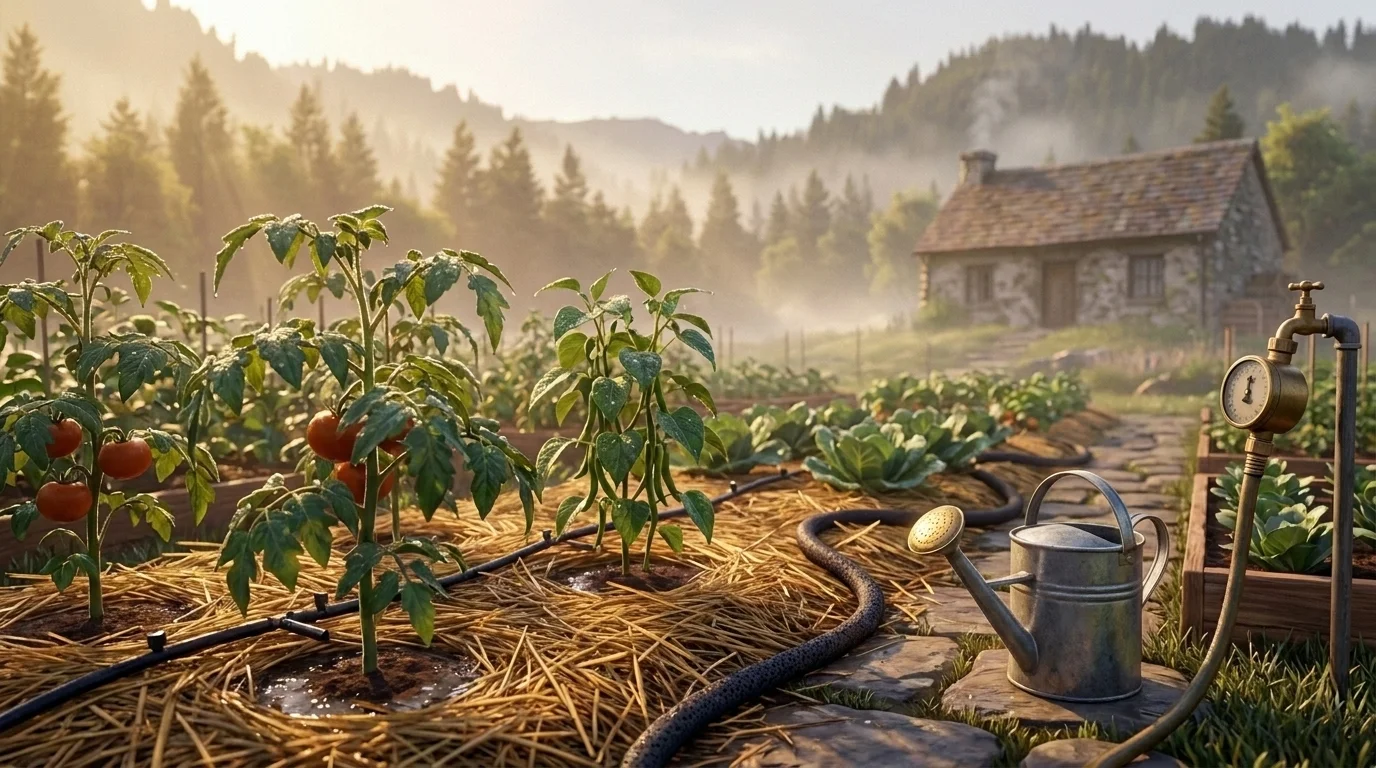
From county records57% of the mapped acres across Napa Valley are well drained — ground that drains quickly. That is area-weighted across its one mapped county.
The upside is soil you can work early in spring and roots that never drown; the cost is that fast-draining ground dries out fast and leaches nutrients away before plants can use them.
Work in compost and mulch to hold moisture and feed, and water more often in short doses than deep and rarely.
USDA NRCS SSURGO
Surface pH
From county recordsTopsoil across Napa Valley runs pH 6.1–6.7 — near neutral in the one record covering it.
This is the range most vegetables prefer — one correction you probably do not have to make, which is genuinely good news for a new bed.
Keep it there with compost rather than lime or sulfur, and only amend if your own soil test says otherwise.
USDA NRCS SSURGO
 Safe to Grow Here?
What the federal record shows across Napa Valley — and how to grow with it.
Across Napa Valley's 1 county the federal record holds 1,096 documented sites, mostly Brownfields (741), Mining (179) and Nitrate (106). The heaviest single county is Napa County, with 1,096.
That is a regional count, not a reading of any one lot — proximity to a documented site is information, not a diagnosis. Open the map outlined to Napa Valley to see which records sit where you actually grow.
Sources Checked
Summed across the county in Napa Valley

A note from Gnorman
What an experienced grower watches for around here
In and around Napa Valley, two things run higher than the national average across the county in Napa Valley — Mining (179 sites) and Brownfields (741 sites). That's not a problem with your land — it's information about it.
Mining: Mining sites — both historic and active — can leach heavy metals (arsenic, lead, cadmium, mercury) into soil and water for centuries after operations cease.
Brownfields: Brownfield sites are former commercial or industrial properties that EPA’s Brownfields program (ACRES) has assessed or funded cleanup on.
Test soil for heavy metals (lead, arsenic, cadmium, mercury) — this is essential near any mining site.
Contact the EPA Brownfields program or the state cleanup agency for this site’s actual assessment/remediation status — ACRES itself does not publish one we can read per site.
Sources: EPA, USGS — 1.8M documented sites tracked nationwide across 8 federal source types.
Your land is one point inside Napa Valley
Everything above resolves to Napa Valley as a whole — a footprint spanning USDA zones 9b. Your parcel sits in exactly one of them. Slope, tree cover, a low spot that pools cold air, and what is in the soil are all resolved at the address, and none of them are visible at region scale. That is the honest boundary of this page, and the reason the next step is a reading of your own ground rather than a better regional average.
Your Lot vs Napa Valley Average
Napa Valley Average
- ●USDA Zones 9b, averaged across Napa Valley
- ●One soil character for all of Napa Valley
- ●State-average frost dates
YOUR Parcel
- ✓Your exact zone, not Napa Valley's 9b
- ✓Your SSURGO soil type & pH
- ✓Your sun exposure, cast in 3D
See MY Growing Report
Read your parcel in Napa Valley
Pull a site-specific report for your exact address in Napa Valley — soil, sun, drainage, frost risk, contamination, and scored plant recommendations.
Three things about your lot that Napa Valley averages can't show:
We read public map data around Napa Valley — soil, climate, flood, and parcel records. How we handle your address.
25+ data sources read at your address, not Napa Valley average
How we know this about Napa Valley
The boundary: a cluster of neighboring counties. Growing regions have no official boundary, so this footprint is our published one, and every figure on this page was measured over the counties inside it rather than borrowed from the state around it.
The datasets: hardiness from the USDA ARS Plant Hardiness Zone Map 2023, aggregated across the footprint; the growing season from NOAA Regional Climate Centers ACIS 1991–2020 28°F normals, read at each member’s own record; boundaries from US Census TIGER/Line 2025; the contamination record from the federal sources named in that beat above; the soil from the USDA NRCS SSURGO survey, read at each member county’s own record and weighted to this footprint by land area. Where a member carries no record of its own, it is absent from the figure rather than filled in.
Common questions about Napa Valley
What hardiness zone is Napa Valley?
Napa Valley spans USDA hardiness zones 9b, aggregated from the USDA Agricultural Research Service Plant Hardiness Zone Map 2023 across the region's counties. Zones reflect average annual extreme minimum temperatures from 1991–2020 data.
What grows well in Napa Valley?
Napa Valley's conditions suit plants such as Tomato, Artichoke, Fig, California Poppy, Rosemary, Olive. What actually thrives on any one site still turns on its specific soil, sun, and drainage — we score each plant against the real conditions at your address.
How is Napa Valley defined?
Napa Valley is defined here as a curated cluster of 1 neighboring counties that share a growing character. Growing regions have no official boundary, so this footprint is our published one — every county in it is named on this page.
Which states does Napa Valley cover?
Napa Valley spans California. Each state's full growing guide is linked on this page.
What other growing regions cover the same states?
Pacific Northwest, California Central Valley, Sacramento Valley, San Joaquin Valley, Sierra Nevada Foothills, and Sonoran Desert share at least one state with Napa Valley. Growing regions overlap and interlock — a single address can sit inside more than one, which is why the precise read is always the parcel, not the region.
What this page reads at Napa Valley’s own scale
5 of the readings below were taken at Napa Valley's own scale — the zone 9b band across its footprint and 1,096 documented federal contamination records across its one county, 1,096 of them in Napa County alone; one is borrowed from a wider read, named and linked below.
Measured here
- The USDA hardiness band 9b aggregated across the footprint's one countyUSDA PHZM 2023
- The boundary itself — the 1 county this region is curated fromGrowable Ground subregion registry
- The growing character that makes this region distinct from the states it crossesGrowable Ground subregion registry
- The federal contamination record over the whole footprint — 1,096 documented federal contamination records across its one county, 1,096 of them in Napa County aloneEPA, USGS and USDA federal site records
- The soil order mix across the footprint — 36% Alfisols, topsoil pH 6.1–6.7, area-weighted across its one mapped countyUSDA NRCS SSURGO
Inherited from a wider read
- The candidate plant list — its state's curated sets, merged and filtered to zones 9bfrom California
What this page can’t tell you
- Frost dates — they swing too far across a footprint this size to quote as one regional numberfrost dates explained →
- Which of those soils your own ground sits on — the survey maps them county-wide, and they change across a drivewaysoil types explained →
- The soil pH, drainage, sun hours, and frost pockets on one specific lotwhy one lot differs from the next →
Explore Napa Valley
State growing guides
Counties in this region
Other growing regions across California
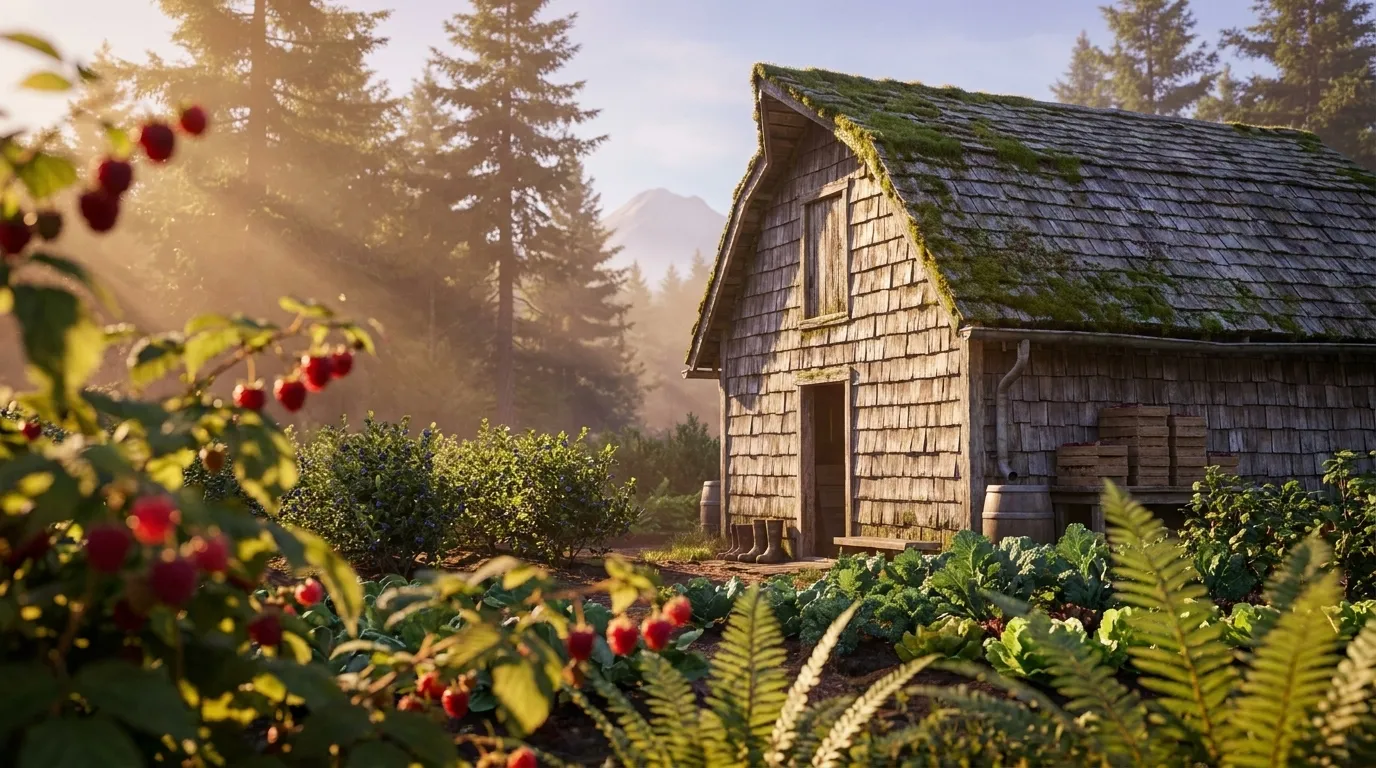
The maritime Northwest west of the Cascade crest — mild, wet winters and dry summers behind berries, tree fruit, and lush cool-season gardens. (Union of the west-side ecoregions.)
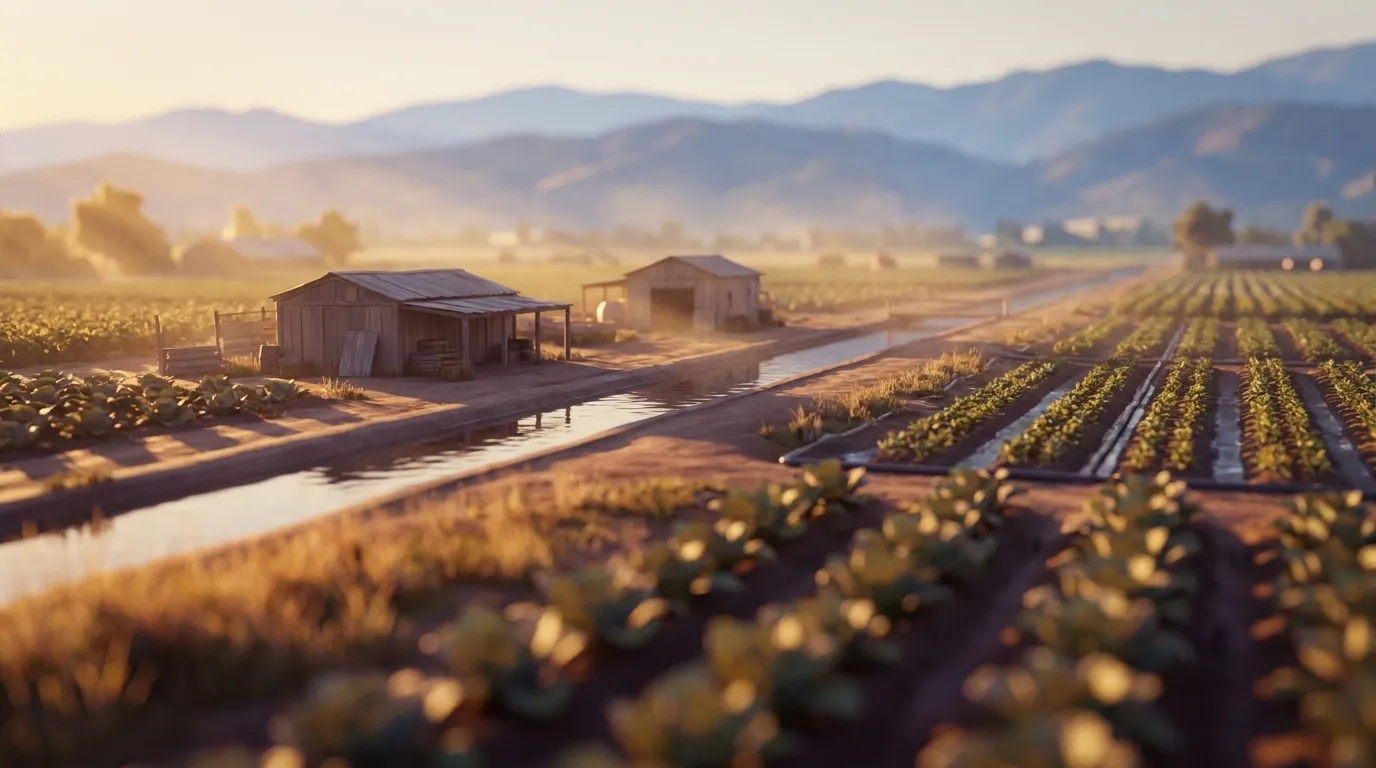
A vast flat alluvial trough with hot dry summers and rich soils — one of the most productive agricultural regions on earth, from almonds and stone fruit to row crops.
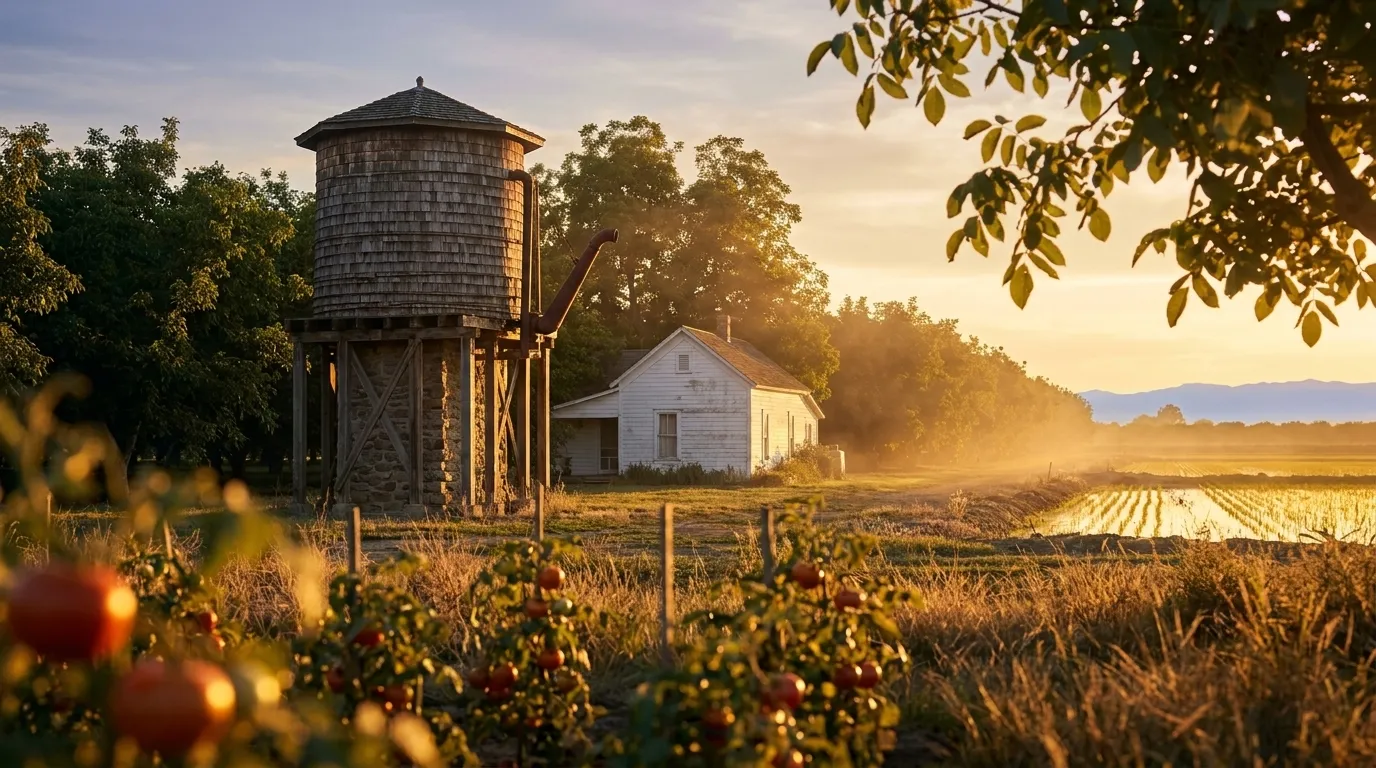
The cooler, wetter northern half of the Central Valley — rice, walnuts, tomatoes, and orchard fruit on rich alluvial bottomland.
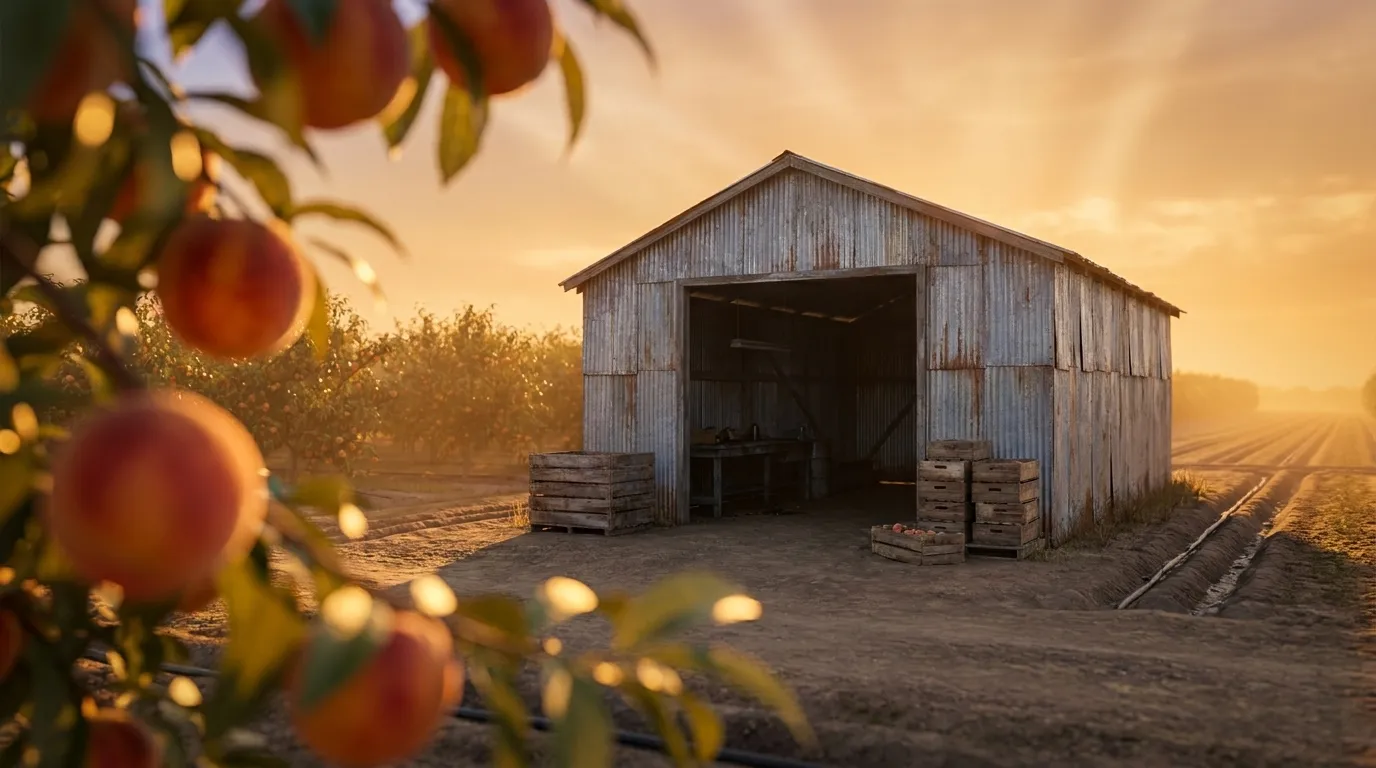
The hot southern half of California's Central Valley — deep soils and intense sun behind almonds, stone fruit, grapes, and row crops at vast scale.
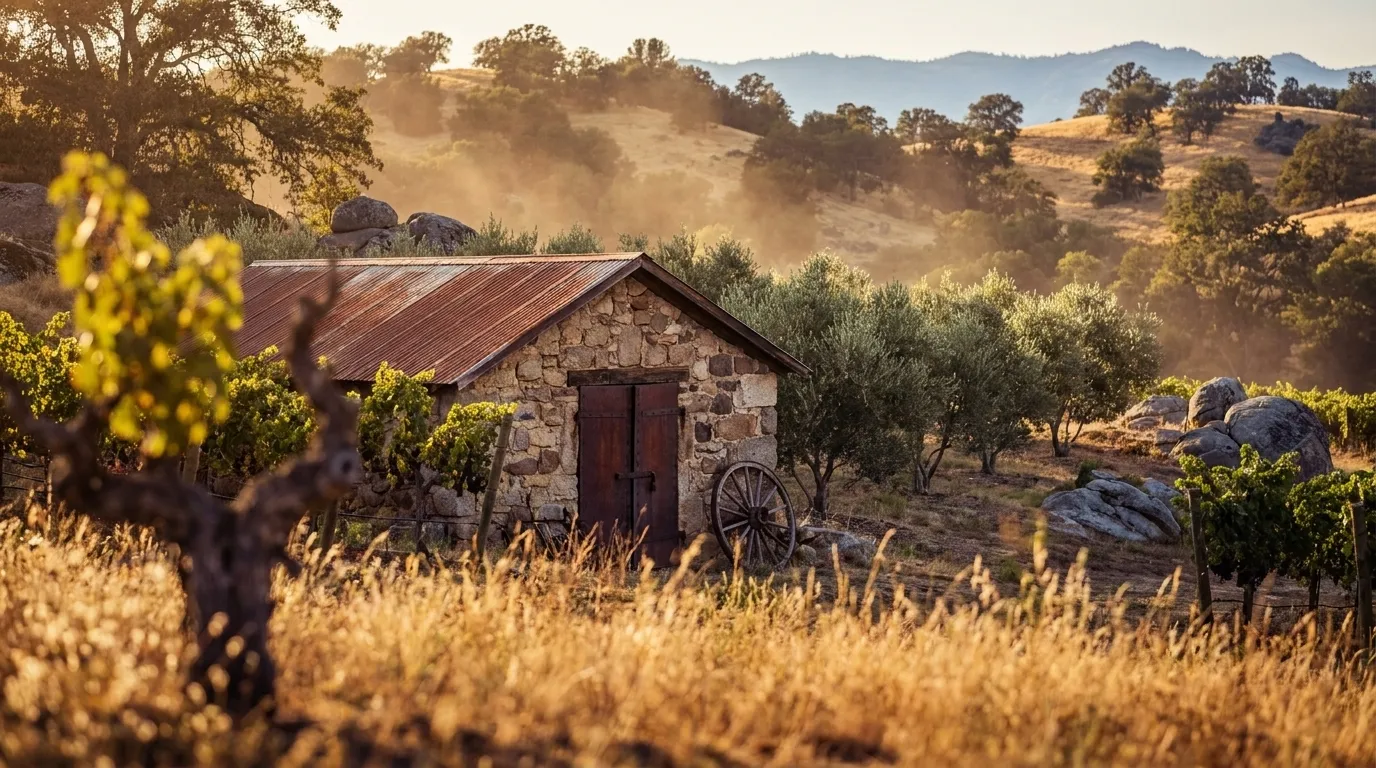
California's Gold Country foothills — rocky, well-drained slopes and warm days that suit wine grapes, olives, and Mediterranean orchard crops.
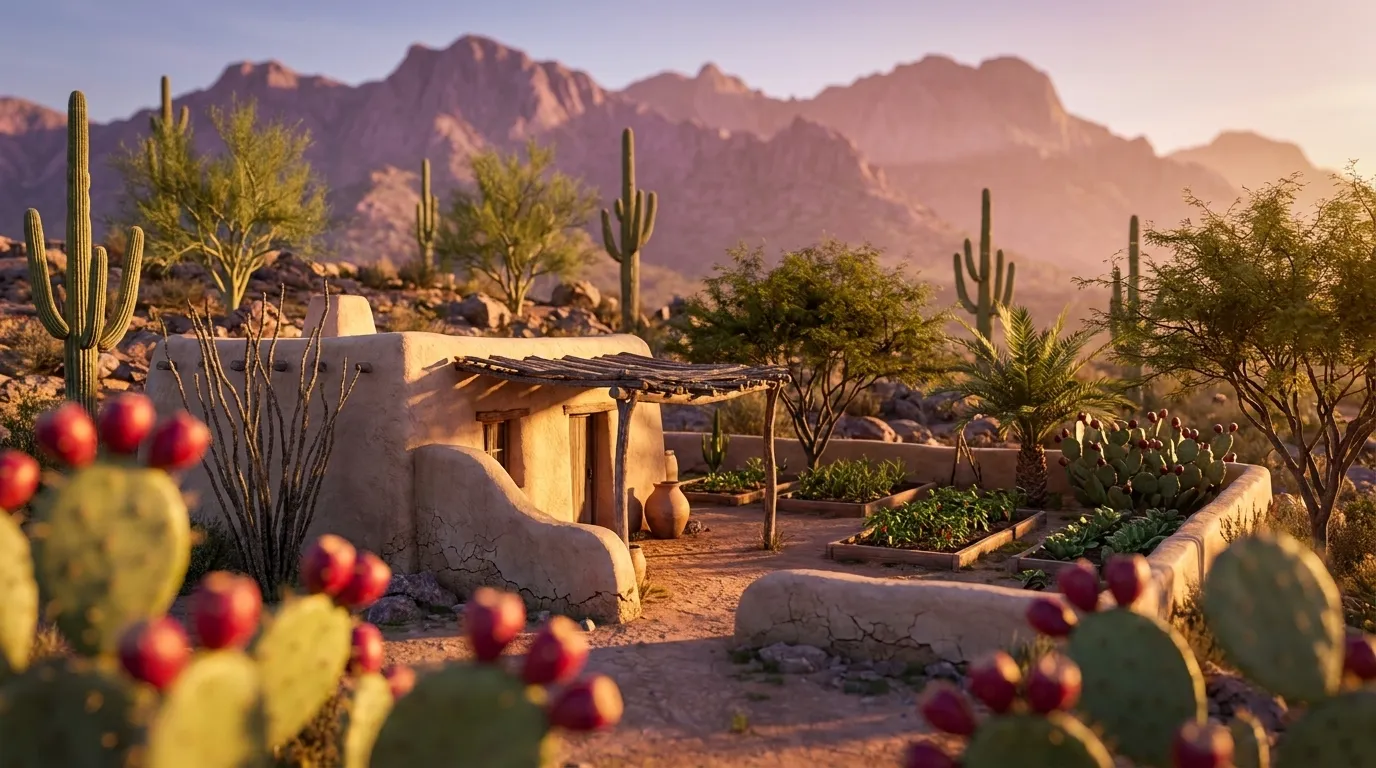
A warm desert of saguaro and palo verde with mild winters that allow desert citrus, dates, and prickly pear alongside intensive irrigated gardening.