
The Yuma / Lower Colorado Winter-Vegetable Desert spans USDA hardiness zones 9b-10a — enough range to grow cool-season vegetables, hardy fruit, and warm-season crops that mature before the first hard frost.
America's winter-vegetable capital — frost-free 9b-10a river bottomland along the lower Colorado and Gila where the growing calendar inverts: lettuce, brassicas, and greens all winter, with high summer the season to sit out. Well-matched crops include palo verde, jalapeno, date palm, and citrus, and the gap between "grows in the area" and "grows in your yard" is closed by soil, sun, and drainage.
The Yuma / Lower Colorado Winter-Vegetable Desert spans Arizona.
Your yard isn't all of the Yuma / Lower Colorado Winter-Vegetable Desert.
The Yuma / Lower Colorado Winter-Vegetable Desert spans USDA zones 9b-10a, but your parcel sits in exactly one — and slope, tree cover, and low spots nudge it further. Enter your address and we'll score 1,085 plants against your land's actual soil, sun, and frost.
We read public map data around Yuma / Lower Colorado Winter-Vegetable Desert — soil, climate, flood, and parcel records. How we handle your address.
No card required · your parcel report in seconds — read in full free for your first 14 days
The Yuma / Lower Colorado Winter-Vegetable Desert — the short answer
The Yuma / Lower Colorado Winter-Vegetable Desert: USDA zones 9b-10a, in Arizona.
- USDA zones
- 9b-10a
- USDA PHZM 2023, aggregated over the footprint
- Towns
- 6
- US Census TIGER/Line 2025
- Region type
- Town cluster
- Growable Ground growing-region registry
Region boundary: Growable Ground growing-region registry — curated county clusters, EPA Level III ecoregions, and town clusters drawn finer than any county. Where a region publishes no measured season, no season figure is shown.
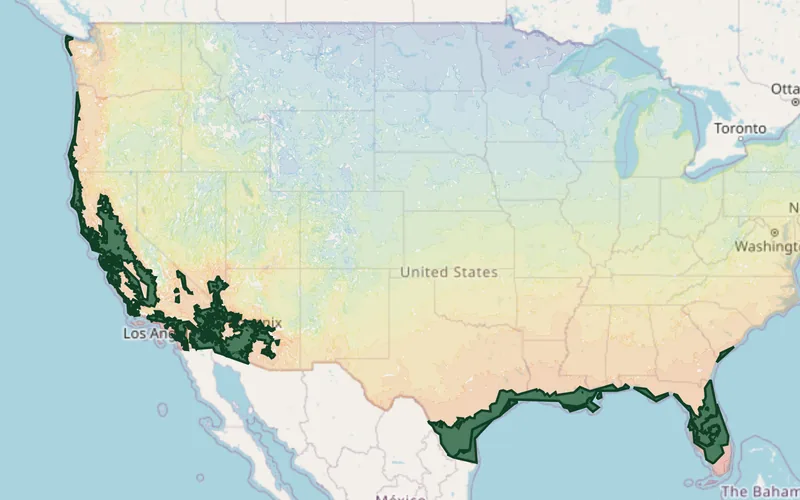
What Grows in the Yuma / Lower Colorado Winter-Vegetable Desert
Plants matched to the Yuma / Lower Colorado Winter-Vegetable Desert's USDA zones 9b-10a, ordered by how much hardiness margin each has across the region — the ones with room to spare at both ends of this band lead. Each links to its full growing profile.
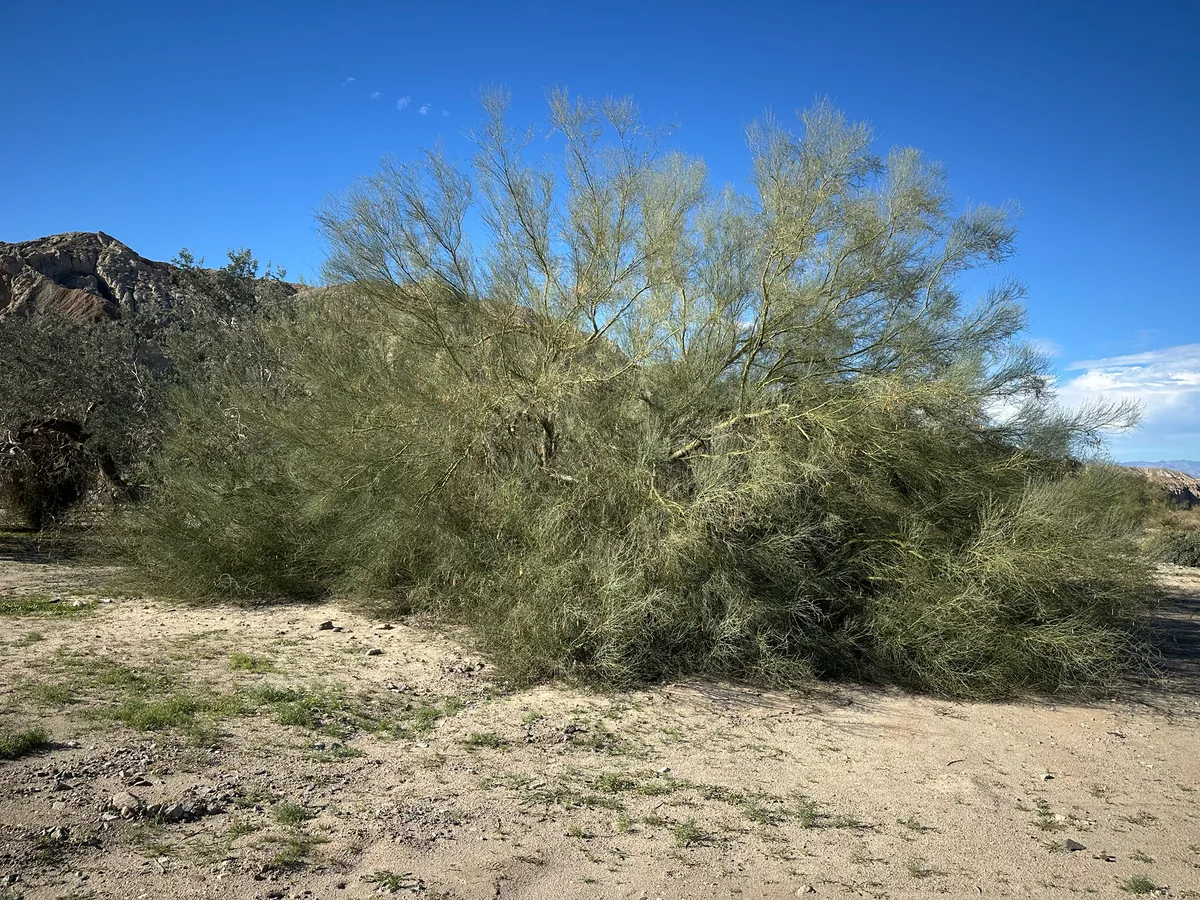
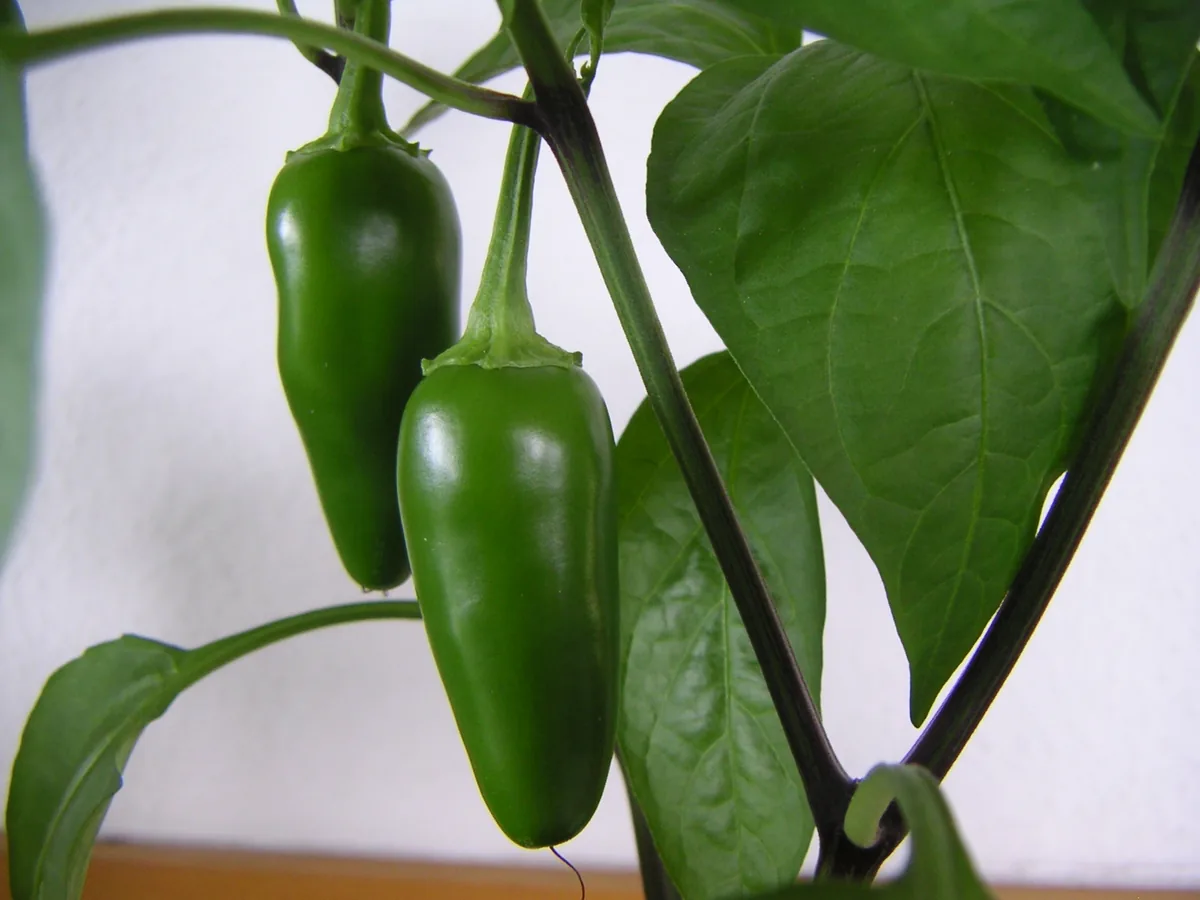
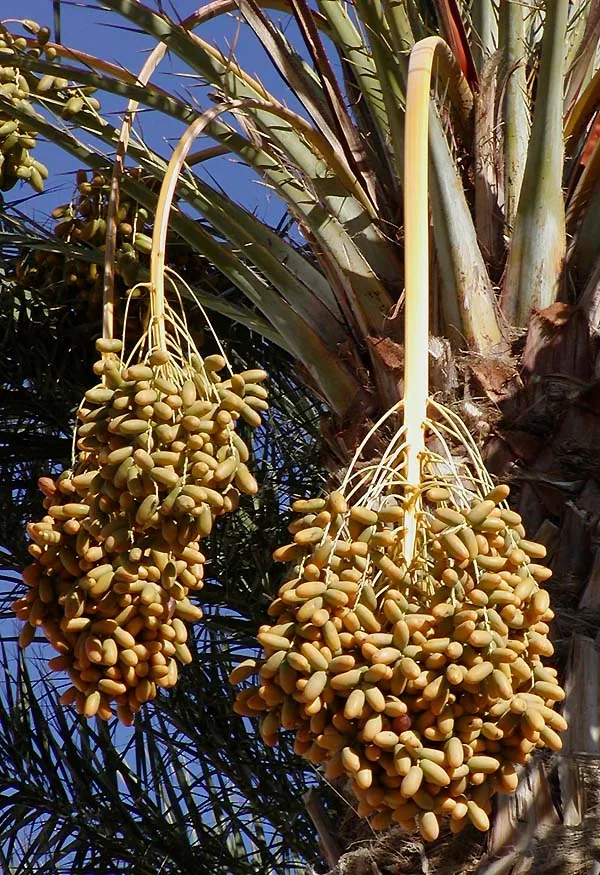
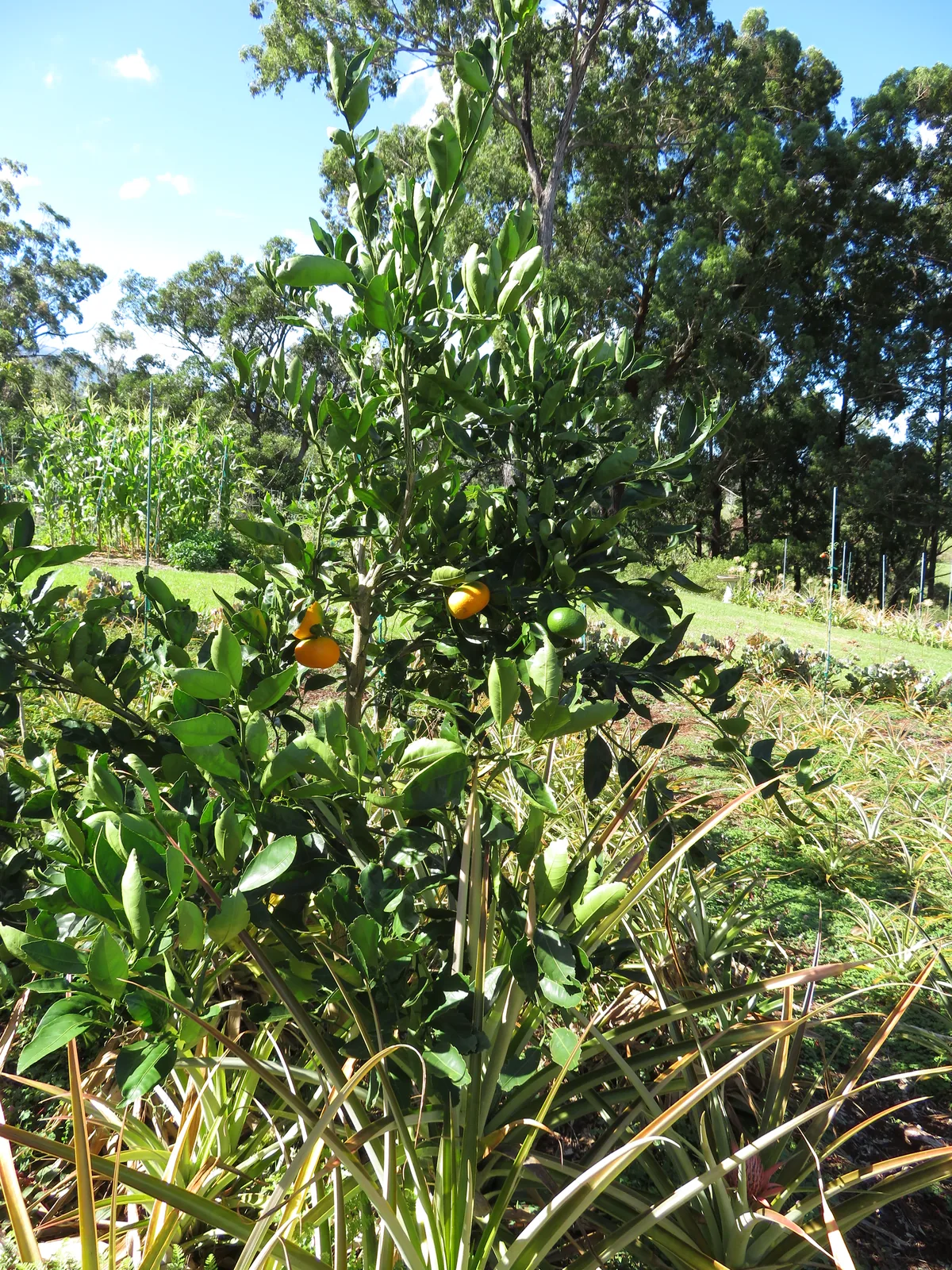
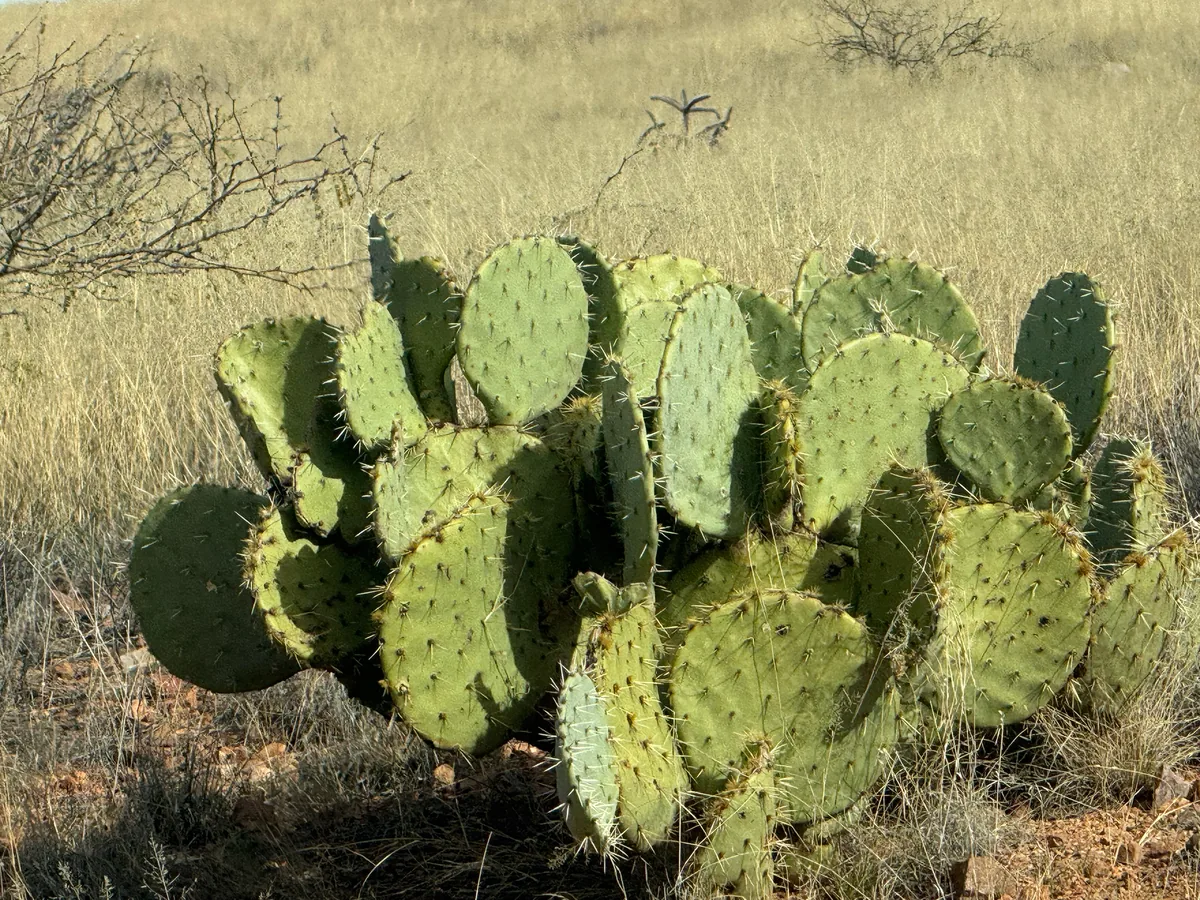
Native Plants of the Yuma / Lower Colorado Winter-Vegetable Desert
Plants the USDA PLANTS Database documents as native and present in this region’s state, kept only where the published hardiness range meets the Yuma / Lower Colorado Winter-Vegetable Desert’s USDA zones 9b-10a — closest range match first. Presence is recorded by state, so a plant can be documented across the state and still be scarce in your corner of the region.
The ground around the Yuma / Lower Colorado Winter-Vegetable Desert
The USDA soil survey maps this ground county by county. These are those records weighted by land area across the county containing the Yuma / Lower Colorado Winter-Vegetable Desert — the ground the Yuma / Lower Colorado Winter-Vegetable Desert sits in, read at the only grain the survey publishes.
In the county containing the Yuma / Lower Colorado Winter-Vegetable Desert, the ground is predominantly Aridisols, at 67% of mapped acres, followed by Entisols (33%). The most extensive named soils are Gunsight, Ligurta, and Hyder.
49% of those acres are well drained, and another 41% somewhat excessively drained, 9% excessively drained. Topsoil pH runs 8.0–8.2 in that county’s own record.
Soil order
Aridisols
Drainage
Well drained
Topsoil pH
8.0–8.2
Hydric soils
0%
Soil changes across a driveway, so which of these your own ground sits on is a parcel question rather than a regional one. soil types explained.
USDA NRCS SSURGO via Soil Data Access

What this means for growing in the Yuma / Lower Colorado Winter-Vegetable Desert
The soil survey reads this ground county by county, and the readings above are the record for the county containing the Yuma / Lower Colorado Winter-Vegetable Desert. Here is what they mean for a garden here — and the move an experienced grower makes about each one.
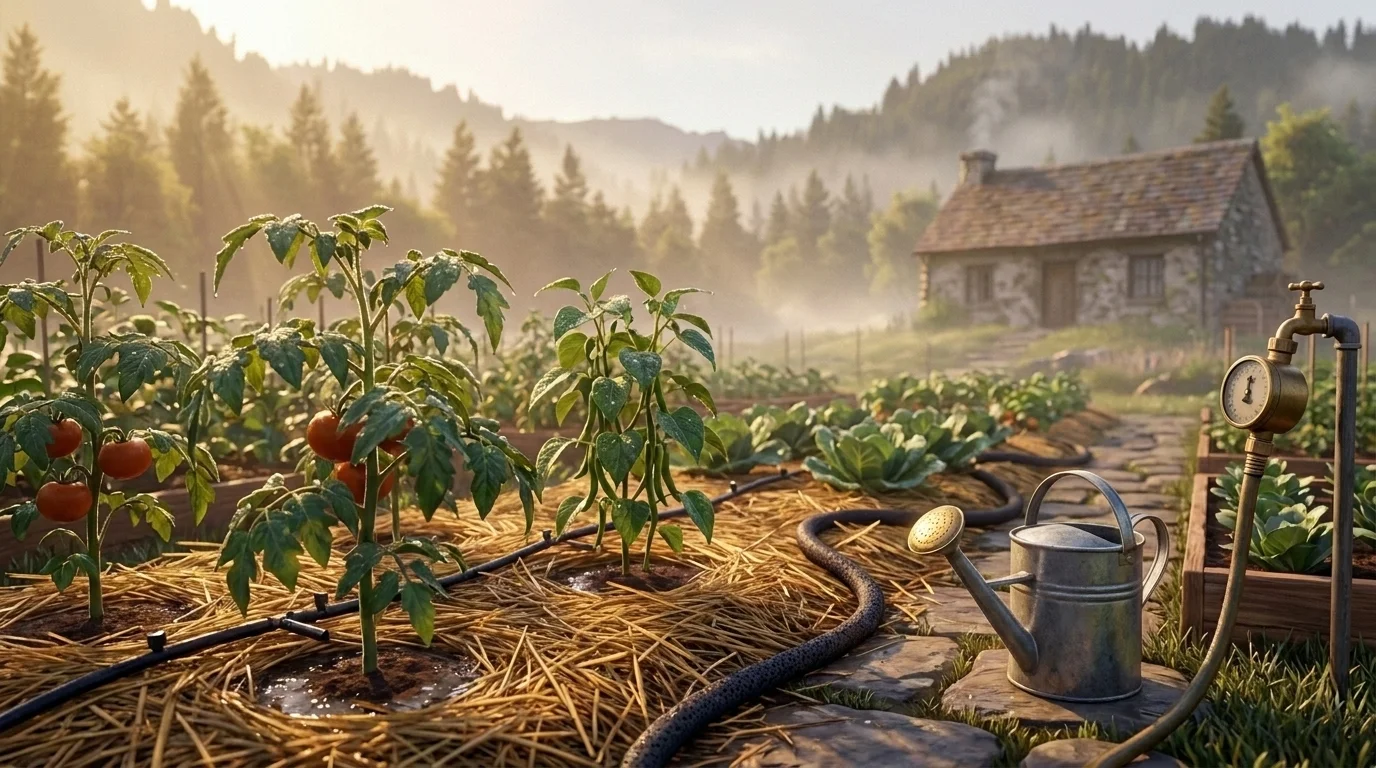
Drainage
From county records49% of the mapped acres across the county containing the Yuma / Lower Colorado Winter-Vegetable Desert are well drained — ground that drains quickly. The survey maps this ground county-wide, so it describes the setting the Yuma / Lower Colorado Winter-Vegetable Desert sits in rather than the valley floor alone.
The upside is soil you can work early in spring and roots that never drown; the cost is that fast-draining ground dries out fast and leaches nutrients away before plants can use them.
Work in compost and mulch to hold moisture and feed, and water more often in short doses than deep and rarely.
USDA NRCS SSURGO
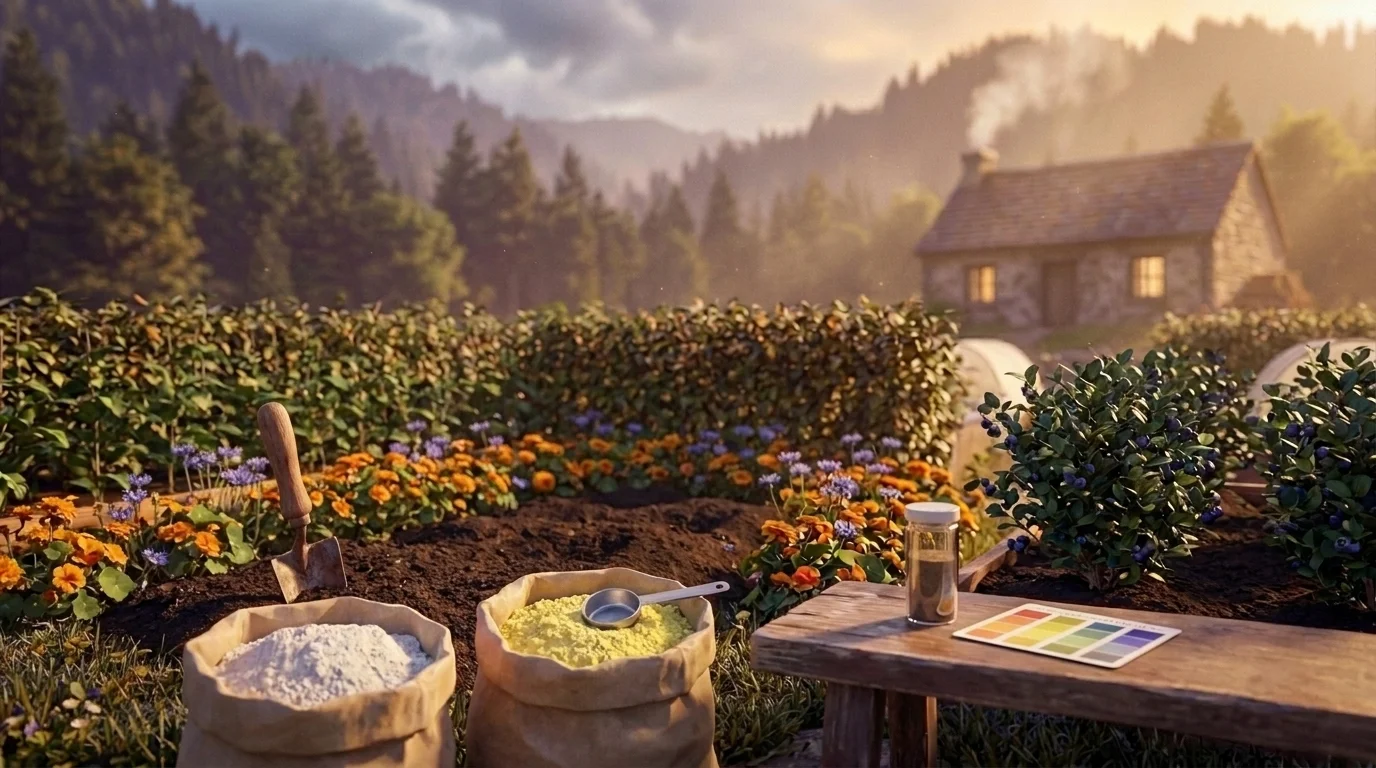
Surface pH
From county recordsTopsoil across the county containing the Yuma / Lower Colorado Winter-Vegetable Desert runs pH 8.0–8.2 — alkaline in the one record covering it.
Many vegetables cope, but acid-lovers like blueberries struggle, and iron and manganese lock up above about pH 7.5 — leaves yellow between the veins even in rich soil.
Elemental sulfur and generous organic matter lower pH slowly for the beds that need it; test first so you add only what the soil actually calls for.
USDA NRCS SSURGO
 Safe to Grow Here?
What the federal record shows across the Yuma / Lower Colorado Winter-Vegetable Desert — and how to grow with it.
Across Yuma County, which contains the Yuma / Lower Colorado Winter-Vegetable Desert, the federal record holds 1,047 documented sites, mostly Nitrate (400), Underground Storage Tanks (332) and Mining (162).
That is the containing county's count — this region is a smaller piece of that ground, so it is context, not a reading of any one lot. Open the map outlined to the Yuma / Lower Colorado Winter-Vegetable Desert to see which records sit where you actually grow.
Sources Checked
Summed across the county containing the Yuma / Lower Colorado Winter-Vegetable Desert

A note from Gnorman
What an experienced grower watches for around here
In and around the Yuma / Lower Colorado Winter-Vegetable Desert, two things run higher than the national average across the county containing the Yuma / Lower Colorado Winter-Vegetable Desert — Mining (162 sites) and Nitrate (400 sites). Knowing it is half the work — and it's nothing a thoughtful grower can't plan for.
Mining: Mining sites — both historic and active — can leach heavy metals (arsenic, lead, cadmium, mercury) into soil and water for centuries after operations cease.
Nitrate: Nitrate contamination primarily comes from agricultural fertilizer runoff and failing septic systems.
Test soil for heavy metals (lead, arsenic, cadmium, mercury) — this is essential near any mining site.
Test well water for nitrate if you rely on a private well for irrigation (EPA standard: 10 mg/L).
Sources: EPA, USGS — 1.8M documented sites tracked nationwide across 8 federal source types.
Your land is one point inside the Yuma / Lower Colorado Winter-Vegetable Desert
Everything above resolves to the Yuma / Lower Colorado Winter-Vegetable Desert as a whole — a footprint spanning USDA zones 9b-10a. Your parcel sits in exactly one of them. Slope, tree cover, a low spot that pools cold air, and what is in the soil are all resolved at the address, and none of them are visible at region scale. That is the honest boundary of this page, and the reason the next step is a reading of your own ground rather than a better regional average.
Your Lot vs the Yuma / Lower Colorado Winter-Vegetable Desert Average
Yuma / Lower Colorado Winter-Vegetable Desert Average
- ●USDA Zones 9b-10a, averaged across Yuma / Lower Colorado Winter-Vegetable Desert
- ●One soil character for all of Yuma / Lower Colorado Winter-Vegetable Desert
- ●State-average frost dates
YOUR Parcel
- ✓Your exact zone, not Yuma / Lower Colorado Winter-Vegetable Desert's 9b-10a
- ✓Your SSURGO soil type & pH
- ✓Your sun exposure, cast in 3D
See MY Growing Report
Read your parcel in the Yuma / Lower Colorado Winter-Vegetable Desert
Pull a site-specific report for your exact address in the Yuma / Lower Colorado Winter-Vegetable Desert — soil, sun, drainage, frost risk, contamination, and scored plant recommendations.
Three things about your lot that Yuma / Lower Colorado Winter-Vegetable Desert averages can't show:
We read public map data around The Yuma / Lower Colorado Winter-Vegetable Desert — soil, climate, flood, and parcel records. How we handle your address.
25+ data sources read at your address, not the Yuma / Lower Colorado Winter-Vegetable Desert average
How we know this about the Yuma / Lower Colorado Winter-Vegetable Desert
The boundary: the region's own towns — a footprint finer than any county, because the county average would misread this microclimate. Growing regions have no official boundary, so this footprint is our published one, and every figure on this page was measured over the towns inside it rather than borrowed from the state around it.
The datasets: hardiness from the USDA ARS Plant Hardiness Zone Map 2023, aggregated across the footprint; the growing season from NOAA Regional Climate Centers ACIS 1991–2020 28°F normals, read at each member’s own record; boundaries from US Census TIGER/Line 2025; the contamination record from the federal sources named in that beat above; the soil from the USDA NRCS SSURGO survey, read at each member county’s own record and weighted to this footprint by land area. Where a member carries no record of its own, it is absent from the figure rather than filled in.
Common questions about the Yuma / Lower Colorado Winter-Vegetable Desert
What hardiness zone is the Yuma / Lower Colorado Winter-Vegetable Desert?
The Yuma / Lower Colorado Winter-Vegetable Desert spans USDA hardiness zones 9b-10a, aggregated from the USDA Agricultural Research Service Plant Hardiness Zone Map 2023 across the region's own towns. Zones reflect average annual extreme minimum temperatures from 1991–2020 data.
What grows well in the Yuma / Lower Colorado Winter-Vegetable Desert?
The Yuma / Lower Colorado Winter-Vegetable Desert's conditions suit plants such as Palo Verde, Jalapeno, Date Palm, Citrus, Prickly Pear. What actually thrives on any one site still turns on its specific soil, sun, and drainage — we score each plant against the real conditions at your address.
How is the Yuma / Lower Colorado Winter-Vegetable Desert defined?
The Yuma / Lower Colorado Winter-Vegetable Desert is a true microclimate — smaller than the county that contains it, with a growing reality of its own. So this page is built from the region's own 6 towns, each carrying its own hardiness zone and frost record, rather than from a county average measured somewhere else.
Which states does the Yuma / Lower Colorado Winter-Vegetable Desert cover?
The Yuma / Lower Colorado Winter-Vegetable Desert spans Arizona. Each state's full growing guide is linked on this page.
What other growing regions cover the same states?
Sonoran Desert, Sonoita / Elgin, Lower Colorado River Corridor, White Mountains (Eastern Arizona), Willcox AVA, and Flagstaff & San Francisco Peaks High Country share at least one state with the Yuma / Lower Colorado Winter-Vegetable Desert. Growing regions overlap and interlock — a single address can sit inside more than one, which is why the precise read is always the parcel, not the region.
What this page reads at the Yuma / Lower Colorado Winter-Vegetable Desert’s own scale
5 of the readings below were taken at the Yuma / Lower Colorado Winter-Vegetable Desert's own scale — the zone 9b-10a band across its footprint and 1,047 documented federal contamination records across its one county, 1,047 of them in Yuma County alone; one is borrowed from a wider read, named and linked below.
Measured here
- The USDA hardiness band 9b-10a aggregated across all 6 towns in the footprintUSDA PHZM 2023
- The boundary itself — the 6 towns this region is curated fromGrowable Ground subregion registry
- The growing character that makes this region distinct from the states it crossesGrowable Ground subregion registry
- The federal contamination record over the whole footprint — 1,047 documented federal contamination records across its one county, 1,047 of them in Yuma County aloneEPA, USGS and USDA federal site records
- The soil order mix across the footprint — 67% Aridisols, topsoil pH 8.0–8.2, area-weighted across its one mapped countyUSDA NRCS SSURGO
Inherited from a wider read
- The candidate plant list — its state's curated sets, merged and filtered to zones 9b-10afrom Arizona
What this page can’t tell you
- Frost dates — they swing too far across a footprint this size to quote as one regional numberfrost dates explained →
- Which of those soils your own ground sits on — the survey maps them county-wide, and they change across a drivewaysoil types explained →
- The soil pH, drainage, sun hours, and frost pockets on one specific lotwhy one lot differs from the next →
Explore the Yuma / Lower Colorado Winter-Vegetable Desert
State growing guides
Towns in this region
The county containing this region
Other growing regions across Arizona
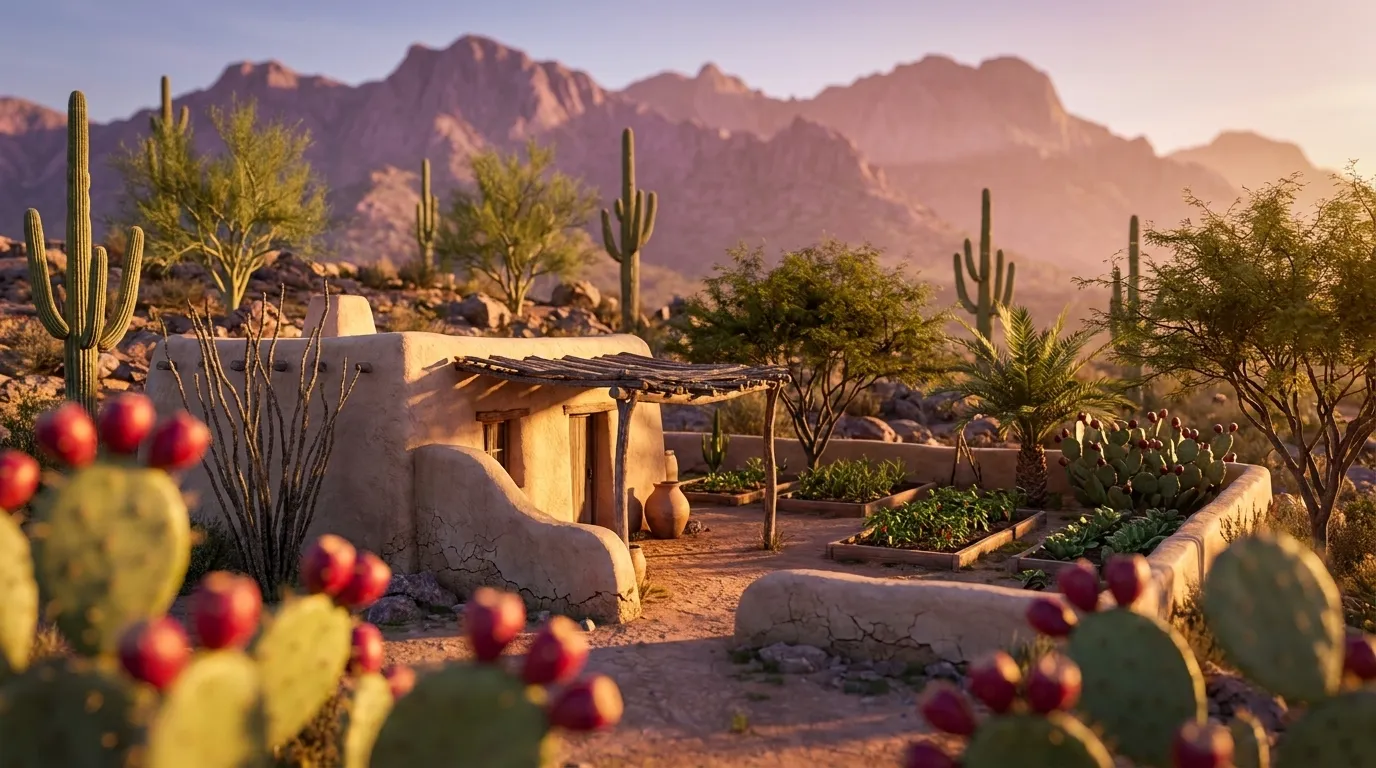
A warm desert of saguaro and palo verde with mild winters that allow desert citrus, dates, and prickly pear alongside intensive irrigated gardening.
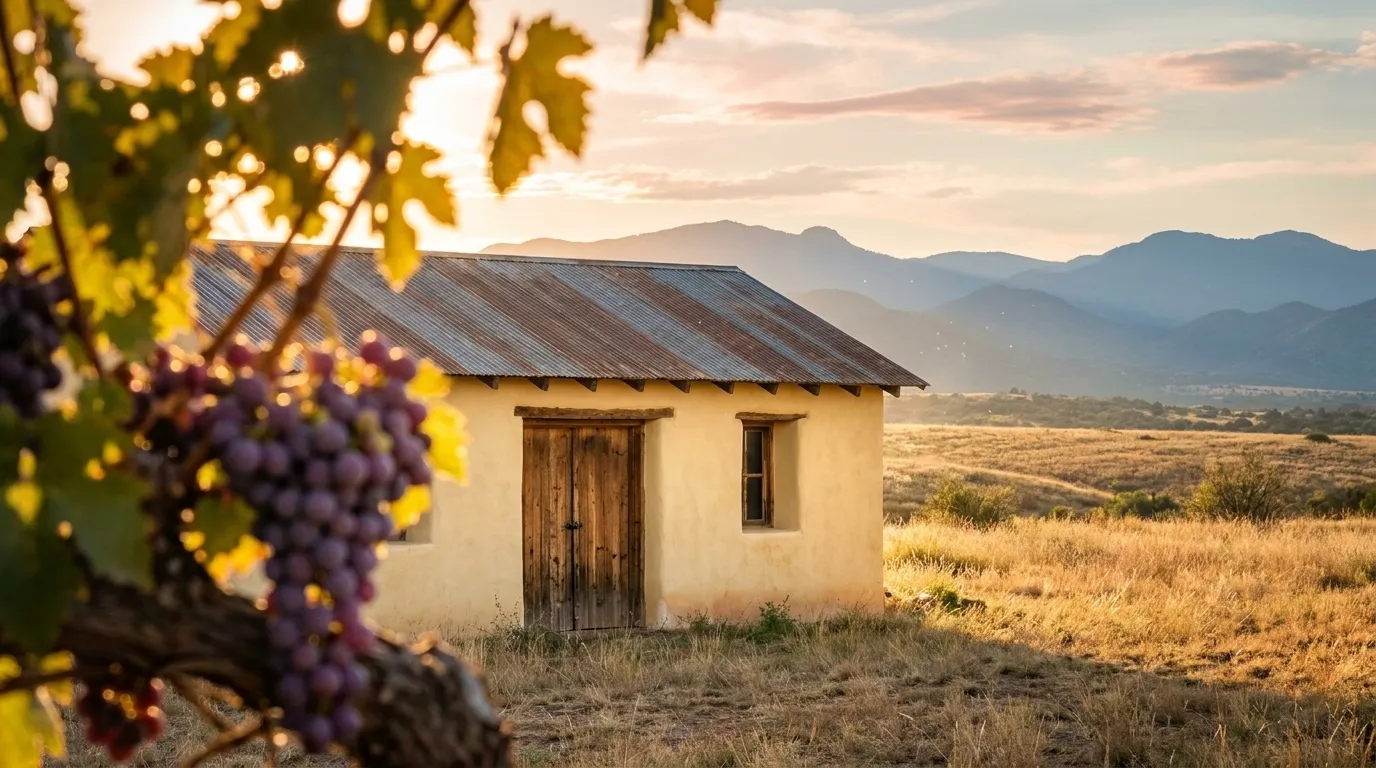
Defined by the TTB's Sonoita American Viticultural Area (27 CFR § 9.97) — Arizona's first AVA, established in 1984 — this high-desert grassland spans Cochise, Pima, and Santa Cruz counties across USDA zones 8a to 9a, where the frost-free season runs roughly 264 to 313 days.
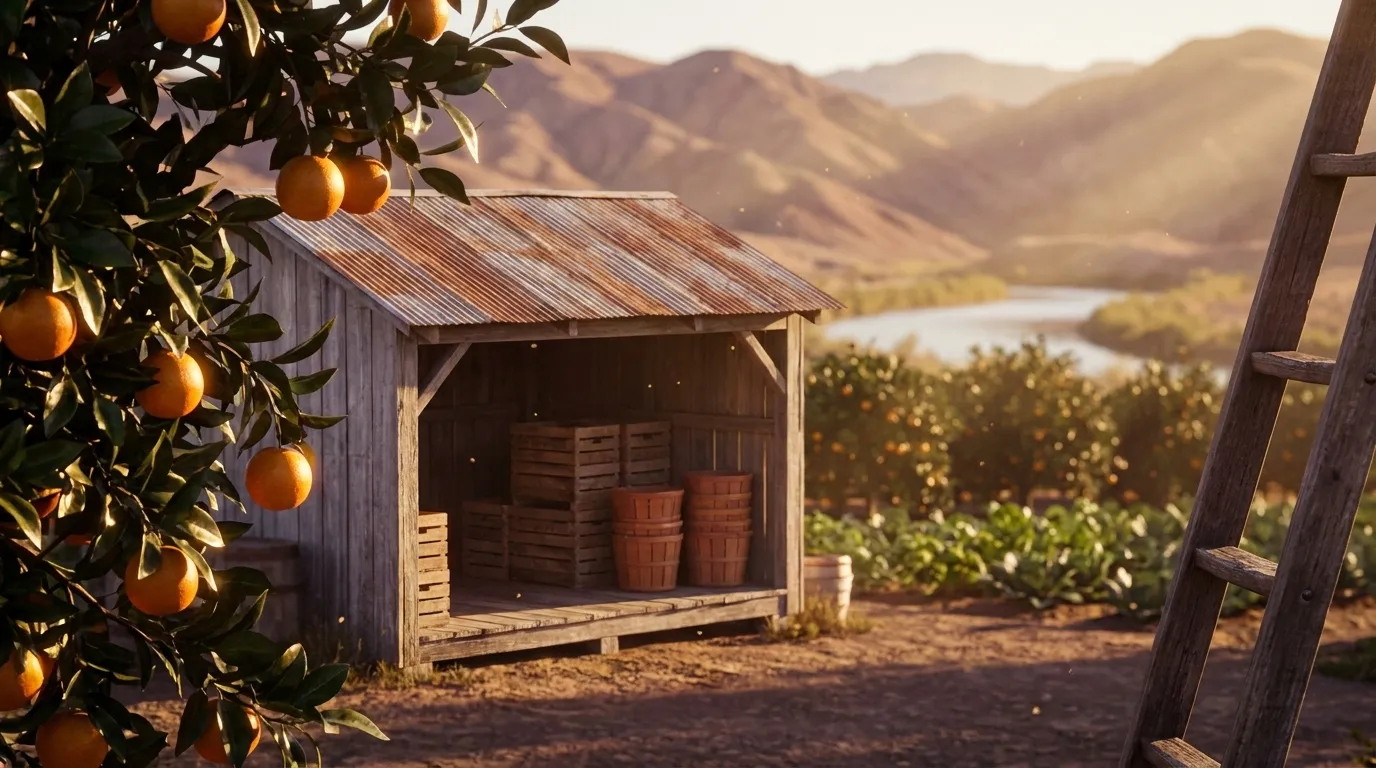
The river towns from Bullhead City to Parker — essentially frost-free 9a-10a bottomland where citrus and winter gardens run while the Mohave high desert a half-hour up the grade freezes.
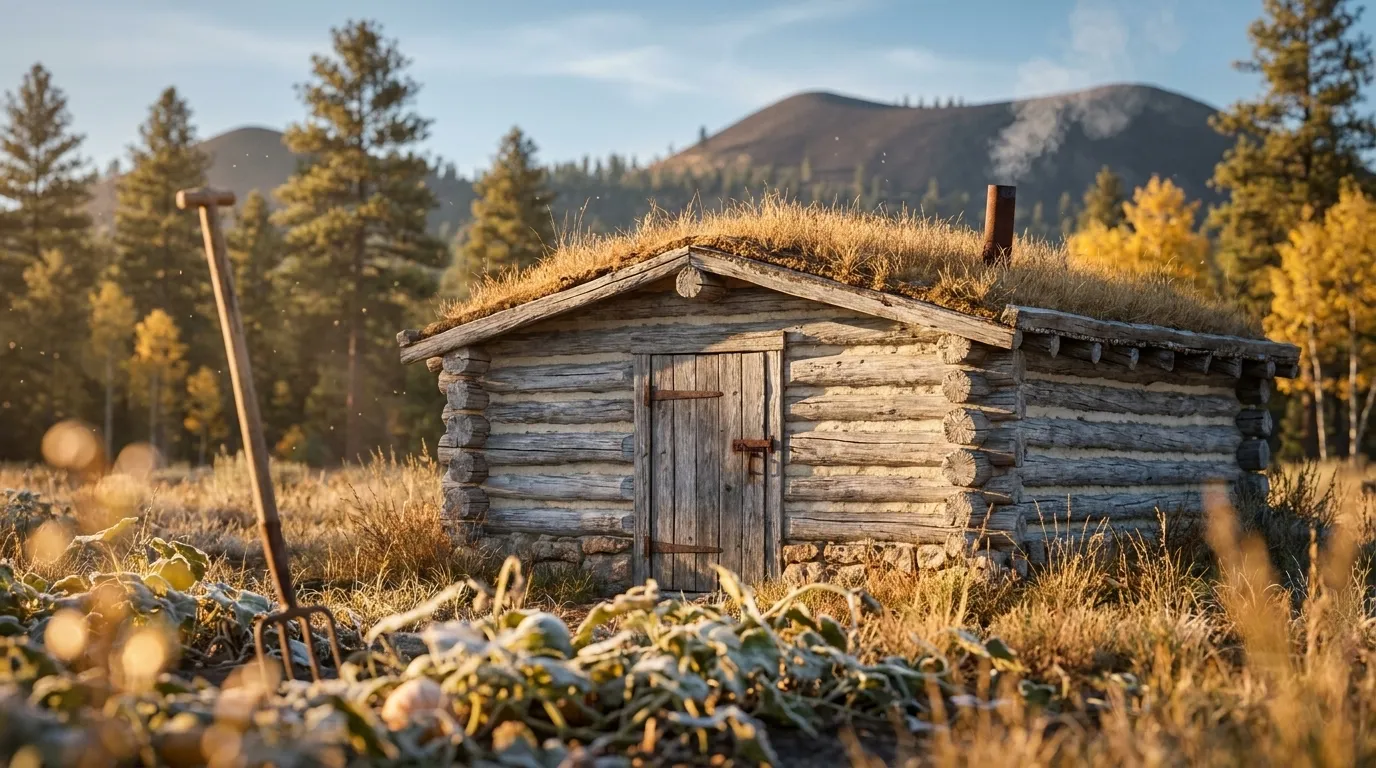
Arizona's high green country — at the White Mountain towns the committed record reads 6a-7a with a 145-176-day season, mountain gardening closer to Colorado than to the desert two hours down the hill.
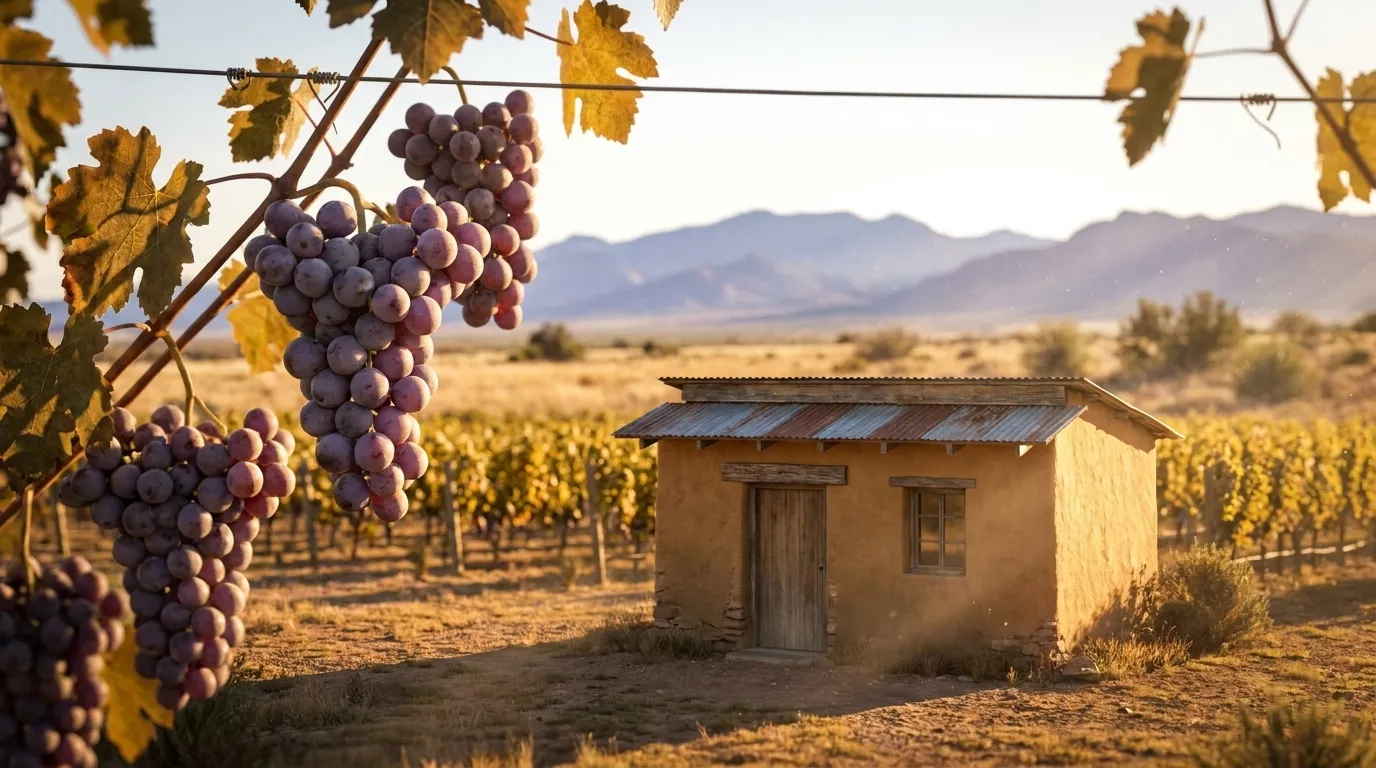
Established by the TTB in 2016 across parts of Cochise and Graham Counties in southeastern Arizona, the Willcox AVA spans USDA hardiness zones 8a to 8b with a roughly 264-to-266-day frost-free season.
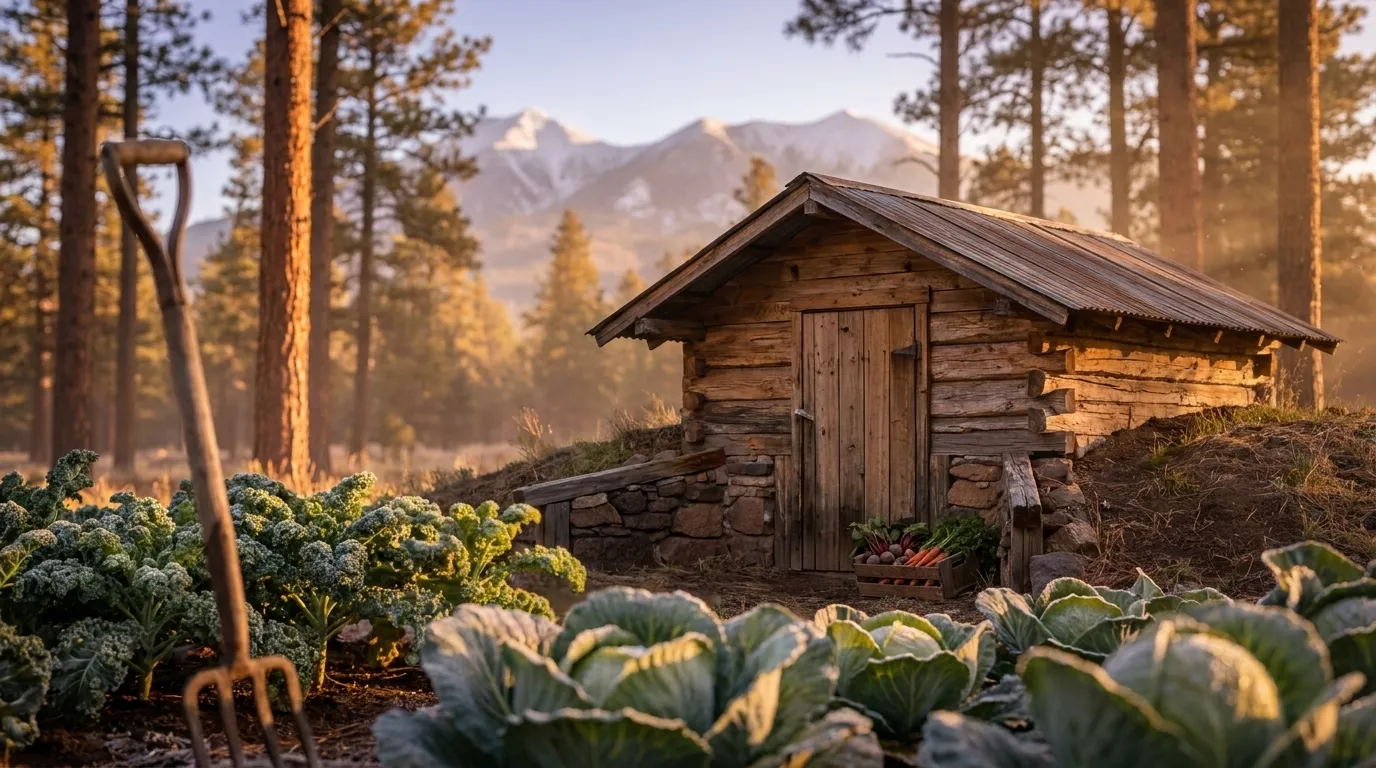
The cold antithesis of desert Arizona: a ponderosa-pine plateau near 7,000 ft where Flagstaff sits in USDA zone 6a and Bellemont drops to 5b, with only about 150 frost-free days — roughly mid-May last frost to mid-October first frost (Coconino County, api/data/county_data.json). The statewide "zone 9b, near-frost-free" framing is actively wrong here; growers plan around snow, a short cool-season window, and hard frost dates instead of citrus and dates.