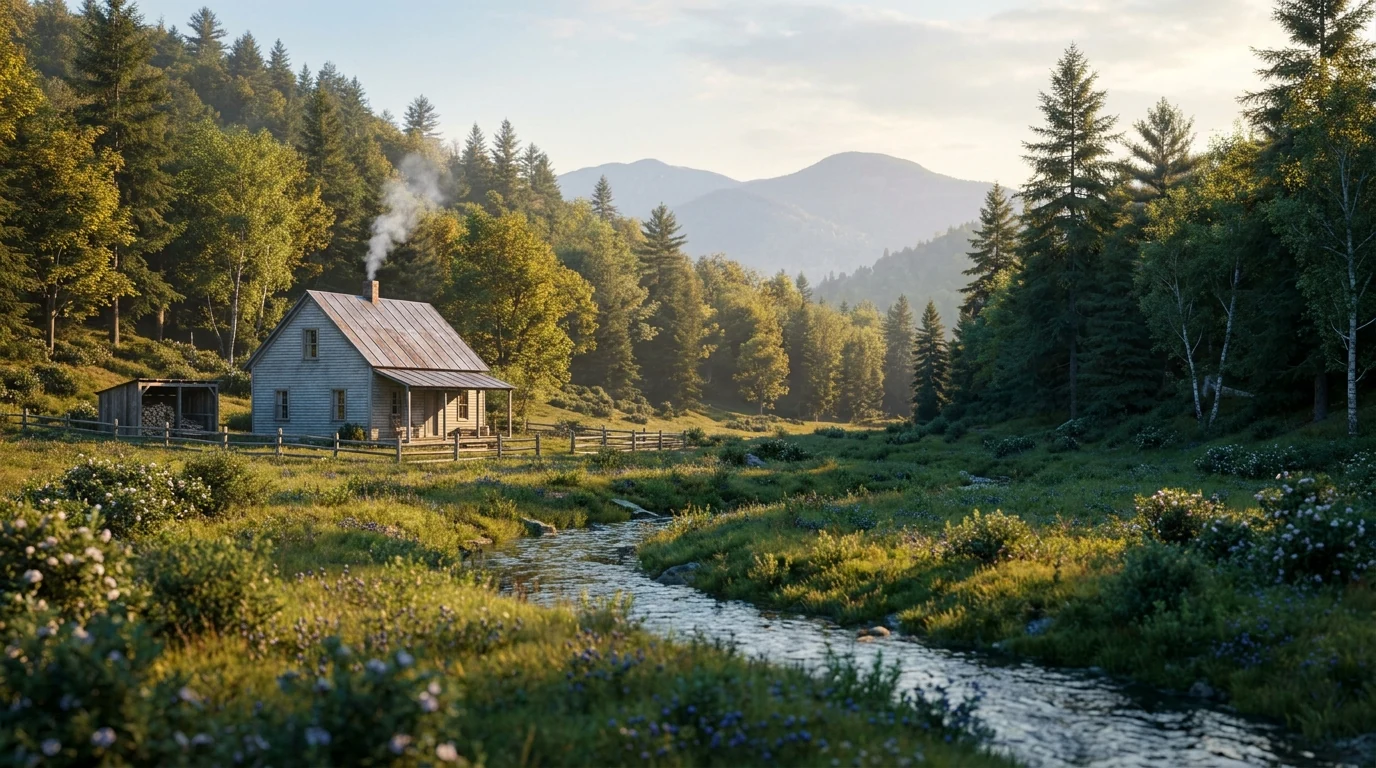
Jefferson County, in New York, sits in USDA hardiness zone 5a — enough range to grow cool-season vegetables, hardy fruit, and warm-season crops that mature before the first hard frost.
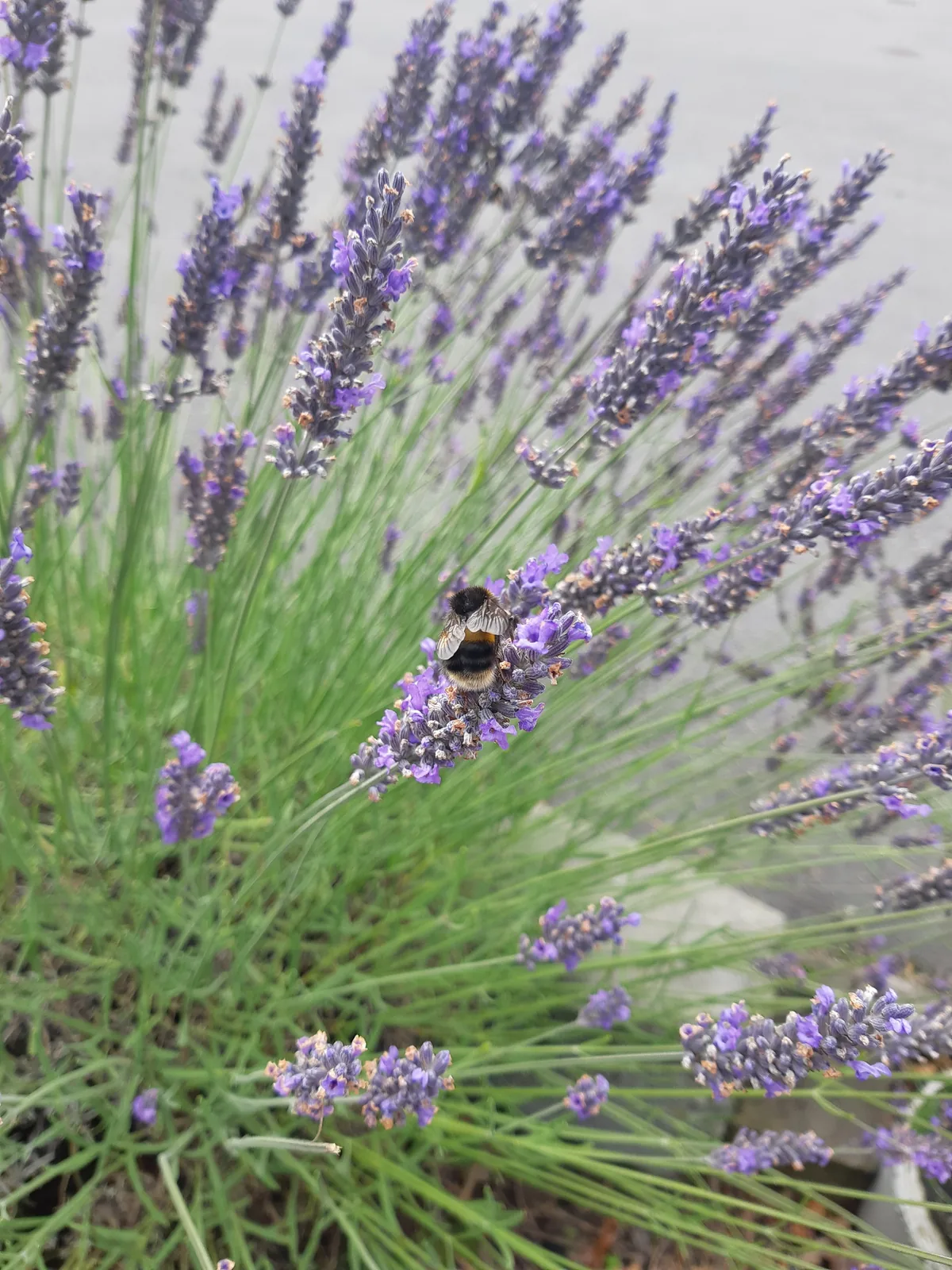
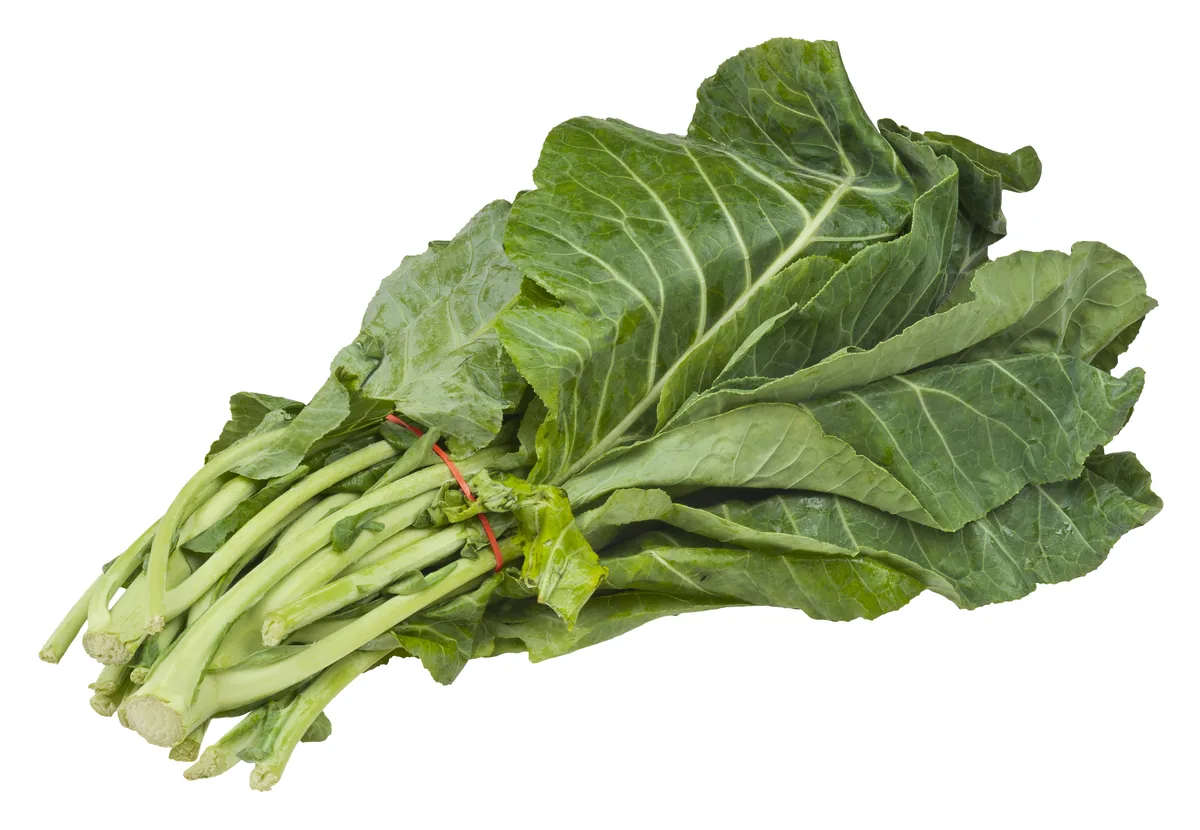
Reliable performers under these conditions include cabbage, cranberry, lavender, and collard greens; what your own ground favors still comes down to its soil, sun, and drainage.
Jefferson County lies within the North Country / St. Lawrence Valley — a regional growing area with its own character.
Grounded in USDA PHZM 2023 · Growable Ground suitability scoring · NOAA 1991–2020 Climate Normals
Jefferson County holds more than one microclimate.
Soils and elevations shift across Jefferson County, so your frost dates and drainage aren't the county average. Enter your address and we'll score 1,085 plants against your land's actual soil, sun, and frost.
We read public map data around Jefferson County — soil, climate, flood, and parcel records. How we handle your address.
No card required · your parcel report in seconds — read in full free for your first 14 days
Jefferson County — the short answer
Jefferson County, New York: USDA zone 5a, about 183 days between hard freezes, across 811K acres.
- USDA zone
- 5a
- USDA PHZM 2023
- Last hard freeze (28°F)
- Apr 23
- NOAA RCC-ACIS 1991–2020 daily record, 28°F
- First hard freeze (28°F)
- Oct 23
- NOAA RCC-ACIS 1991–2020 daily record, 28°F
- Days between freezes
- ~183
- NOAA RCC-ACIS 1991–2020 daily record, 28°F
- County area
- 811K acres
- US Census TIGER/Line 2025
Every figure names the dataset it came from. Hard-freeze dates are county 28°F normals: light frosts run a few weeks past them, and tender transplants usually wait 2–3 weeks after the last hard freeze.
Hardiness Zone Range
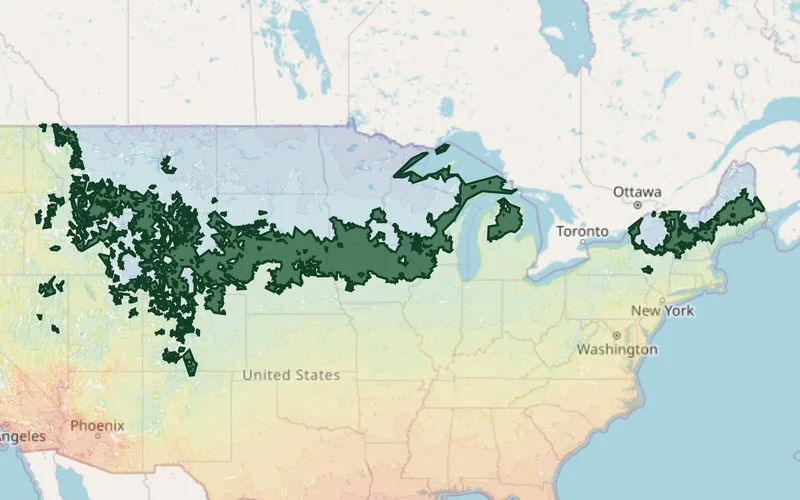
Zone 5a is Jefferson County's average, not your lot's — a low corner or a tree line moves it. Against Jefferson County's 183-day season, see what your own ground reads.
Heat in Jefferson County
Across a year, Jefferson County accumulates about 2,214 growing degree days above 50°F, about 22 fewer than the middle New York county — ahead of 28 of New York’s 62 counties. Degree days are the heat a crop actually gets to work with — more of them is more room to ripen a long-season crop before the freeze closes the window.
Grounded in PRISM Climate Group, Oregon State University — 1991–2020 monthly normals
Soil in Jefferson County
Across Jefferson County, the ground is predominantly Inceptisols, where Rhinebeck, Galway, and Galoo are the most extensive named soil series. The soil is generally well drained with a silt loam surface. Topsoil pH runs about 5.9–6.5, slightly acidic. Rainfall drains through hydrologic group D soils.
Soil order
Inceptisols
Drainage
Well drained
Prime farmland
16%
Hydric soils
18%
Soil still varies lot by lot — soil types explained.
How the ground varies across Jefferson County
The USDA soil survey maps 23% of Jefferson County as well drained — but another 69% drains differently: 19% somewhat poorly drained, 17% moderately well drained.
Rhinebeck is the most extensive named soil at 5% of mapped acres, then Galway (5%) and Galoo (5%).
Which of them your own lot sits on is a parcel question, not a county one. Check your address for the survey at your boundary.
What this means for growing in Jefferson County
Each reading below is measured for Jefferson County itself — here is what it means for a garden here, and the move an experienced grower makes about it.
Drainage
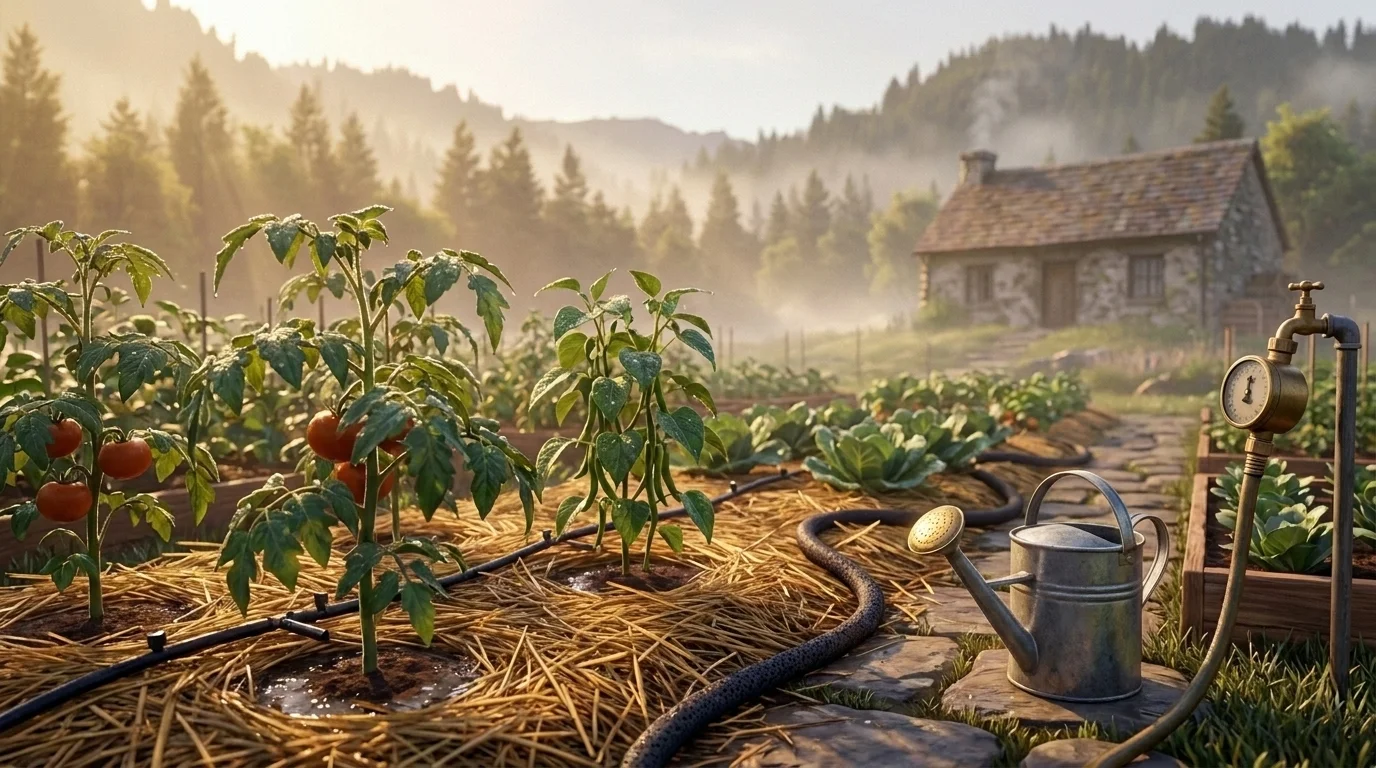
MeasuredThe dominant soils across Jefferson County are well drained, in hydrologic group D — ground that drains quickly.
The upside is soil you can work early in spring and roots that never drown; the cost is that fast-draining ground dries out fast and leaches nutrients away before plants can use them.
Work in compost and mulch to hold moisture and feed, and water more often in short doses than deep and rarely.
USDA NRCS SSURGO
Surface pH
MeasuredTopsoil across Jefferson County runs about pH 5.9–6.5, close to neutral.
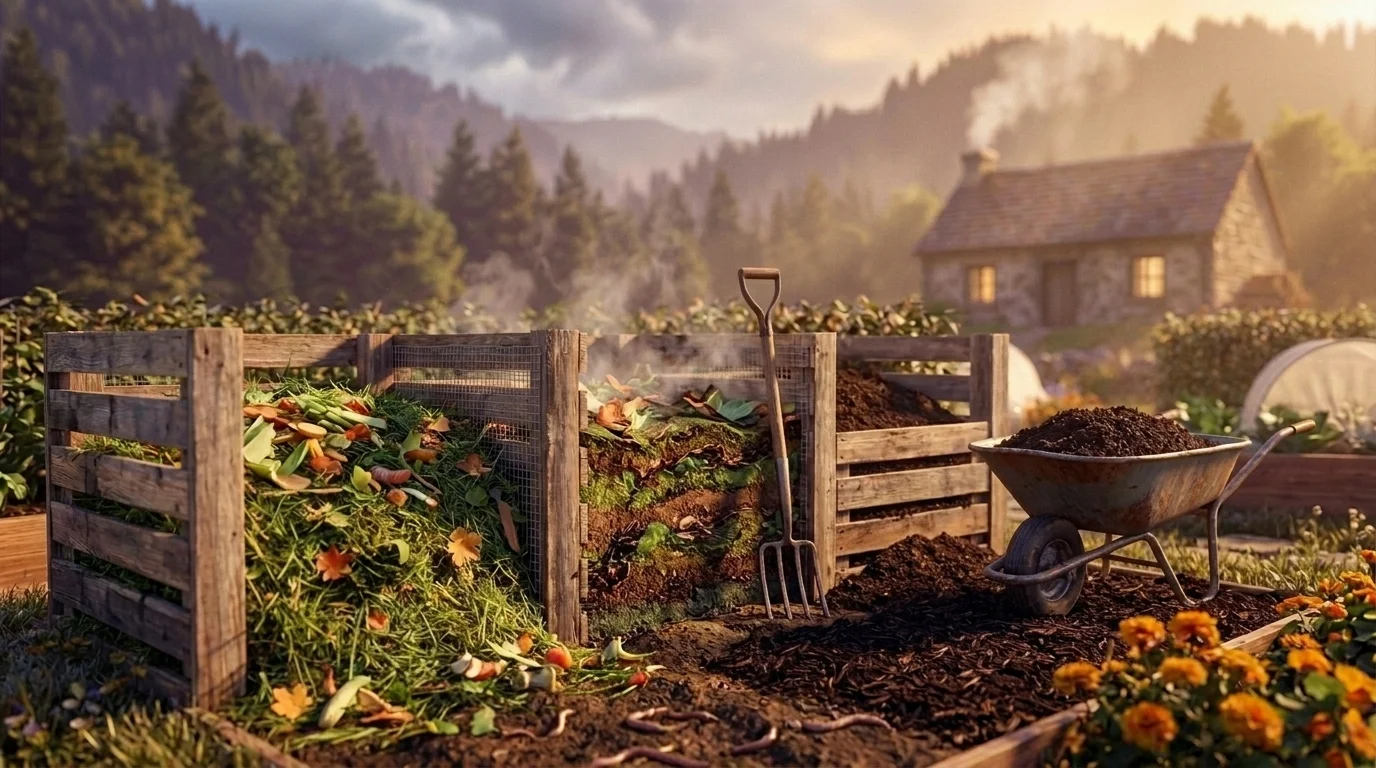
This is the range most vegetables prefer — one correction you probably do not have to make, which is genuinely good news for a new bed.
Keep it there with compost rather than lime or sulfur, and only amend if your own soil test says otherwise.
USDA NRCS SSURGO
Wet ground
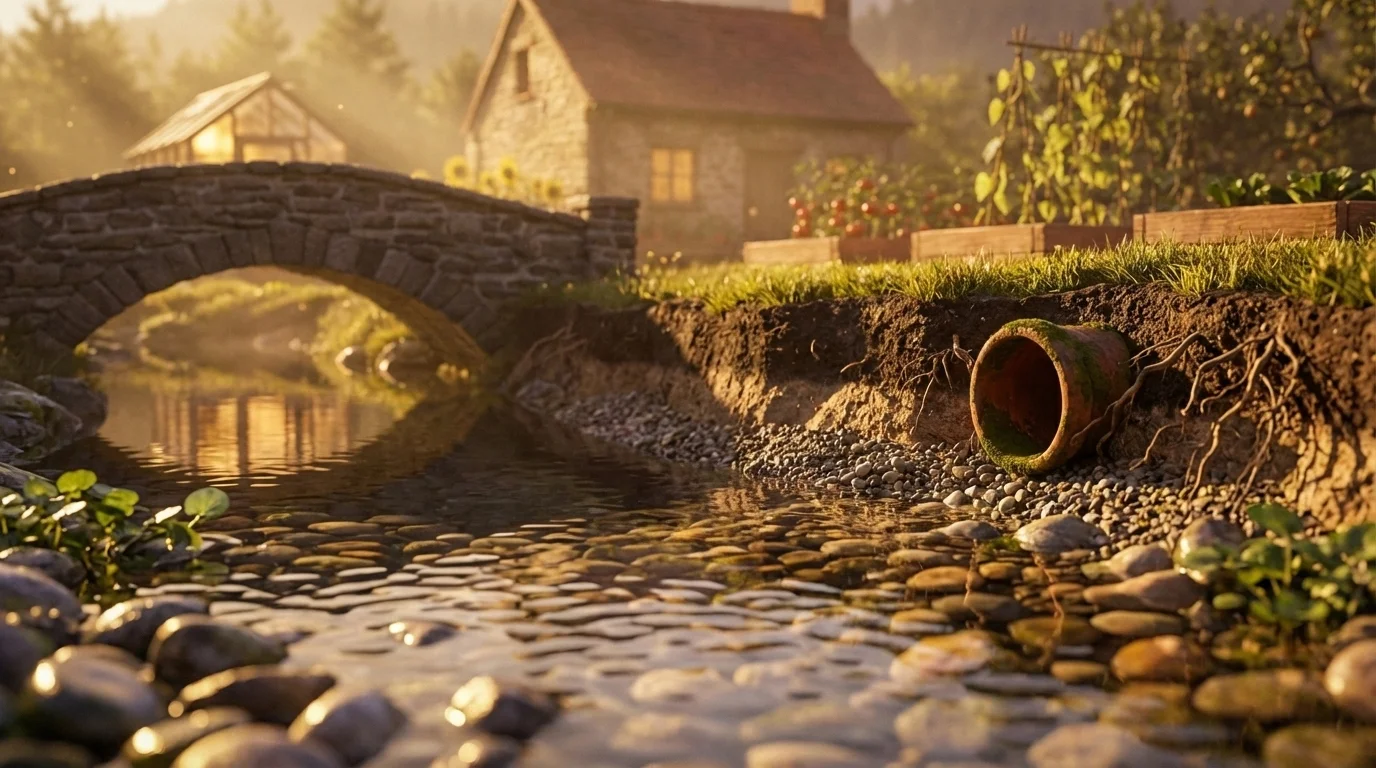
MeasuredAbout 18% of Jefferson County is mapped as hydric — wetland — soil.
If your lot falls in one of those pockets, a standard in-ground bed will fight waterlogging all season, and roots that need air will struggle.
Check how your own ground drains before you dig; raised beds or moisture-loving plantings turn a wet corner from a problem into a niche.
USDA NRCS SSURGO
Season length
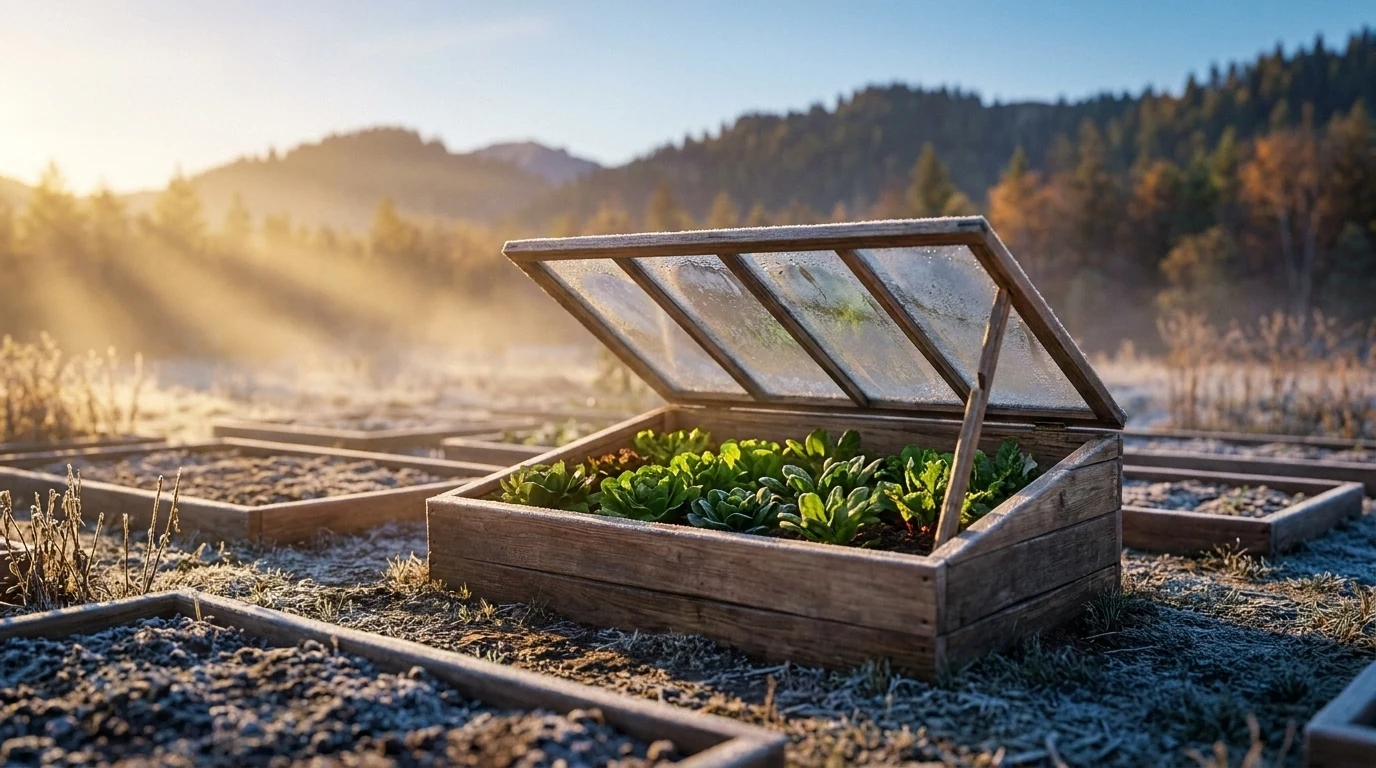
MeasuredJefferson County runs about 183 days between hard freezes — a moderate growing season.
There is room for the full run of cool-season crops plus a warm-season main crop, but the calendar is tight enough that a late spring or early fall frost still decides how much finishes.
Time warm-season transplants to your last hard freeze, and a few weeks of season extension turns a near-miss harvest into a sure one.
NOAA 1991–2020 Climate Normals
The kind of country Jefferson County is in
Jefferson County spans 2 EPA Level III ecoregions — Eastern Great Lakes Lowlands (86%) and Northeastern Highlands (14%). Which one your land falls in changes what grows wild there and how the ground behaves, and a county-wide answer cannot tell you which.
What Grows in Jefferson County
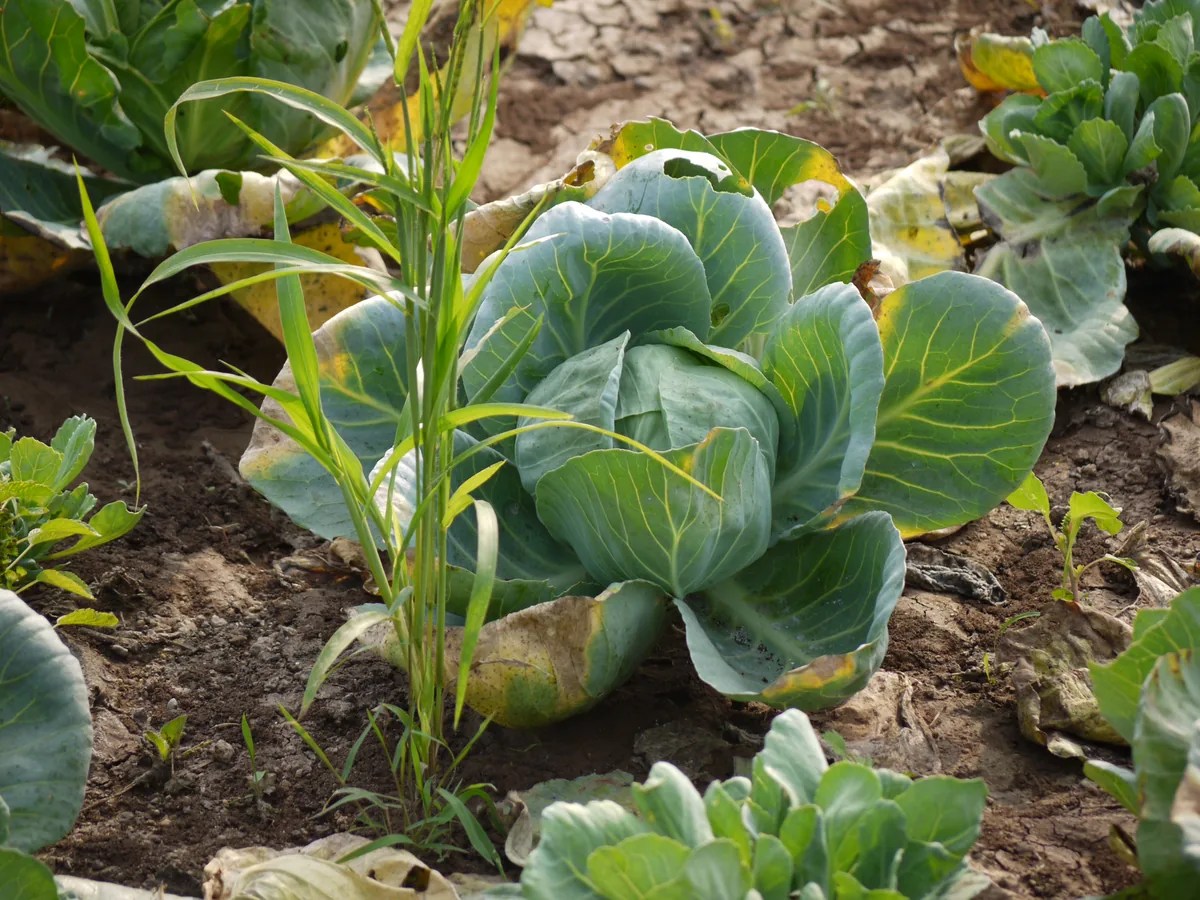
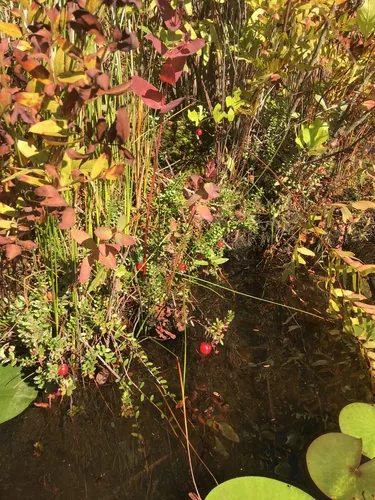
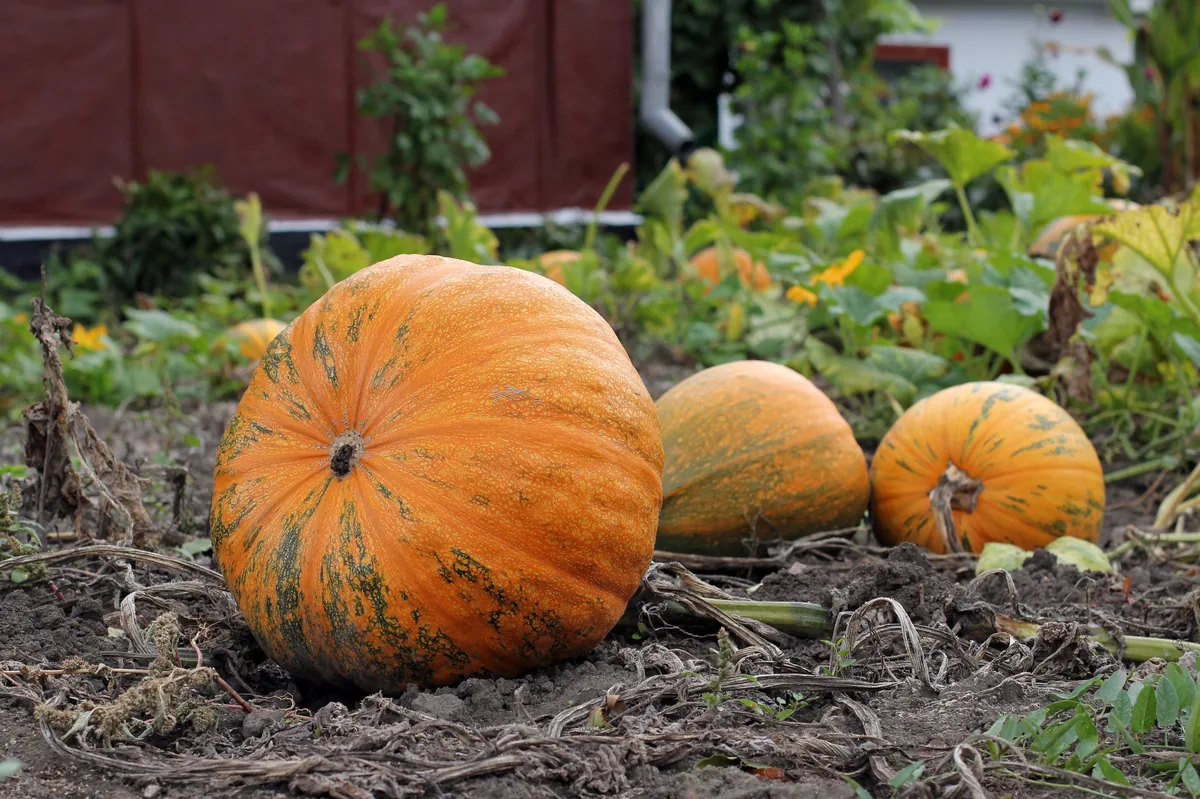
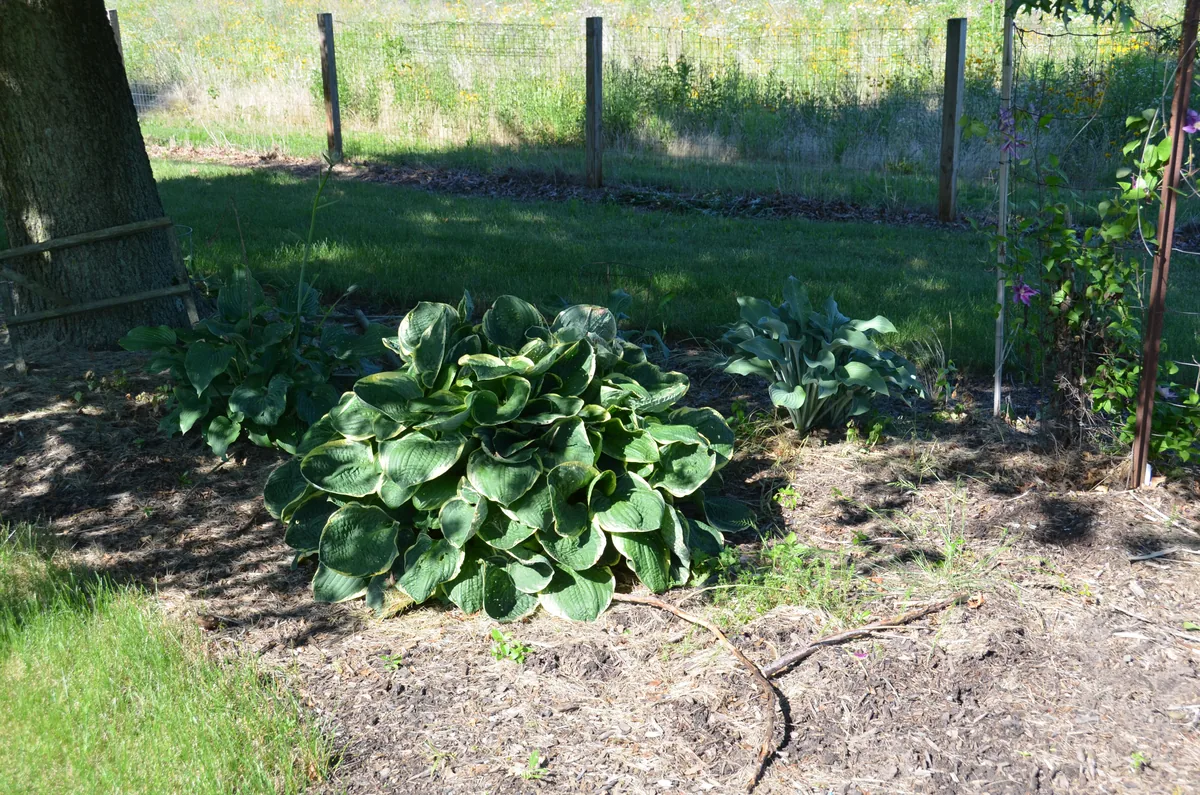
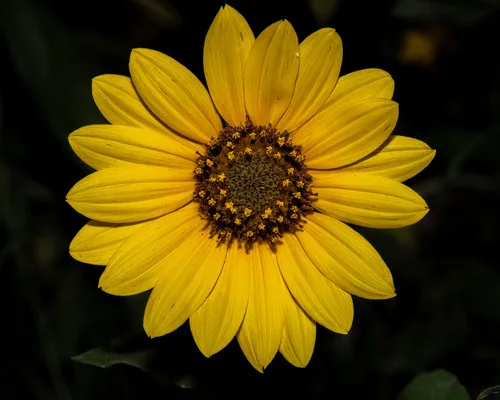
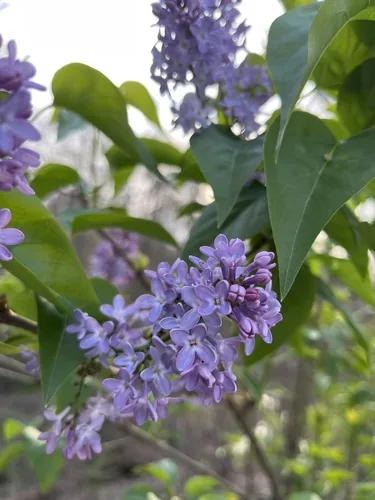
We scored all 1,085 plants against Jefferson County's own USDA zone 5a and its own 183-day season between hard freezes, using the same matching engine that runs a full parcel report. These cleared both. Sun, soil pH and drainage vary lot by lot — those are the parcel questions below. Each card opens that plant's New York profile.
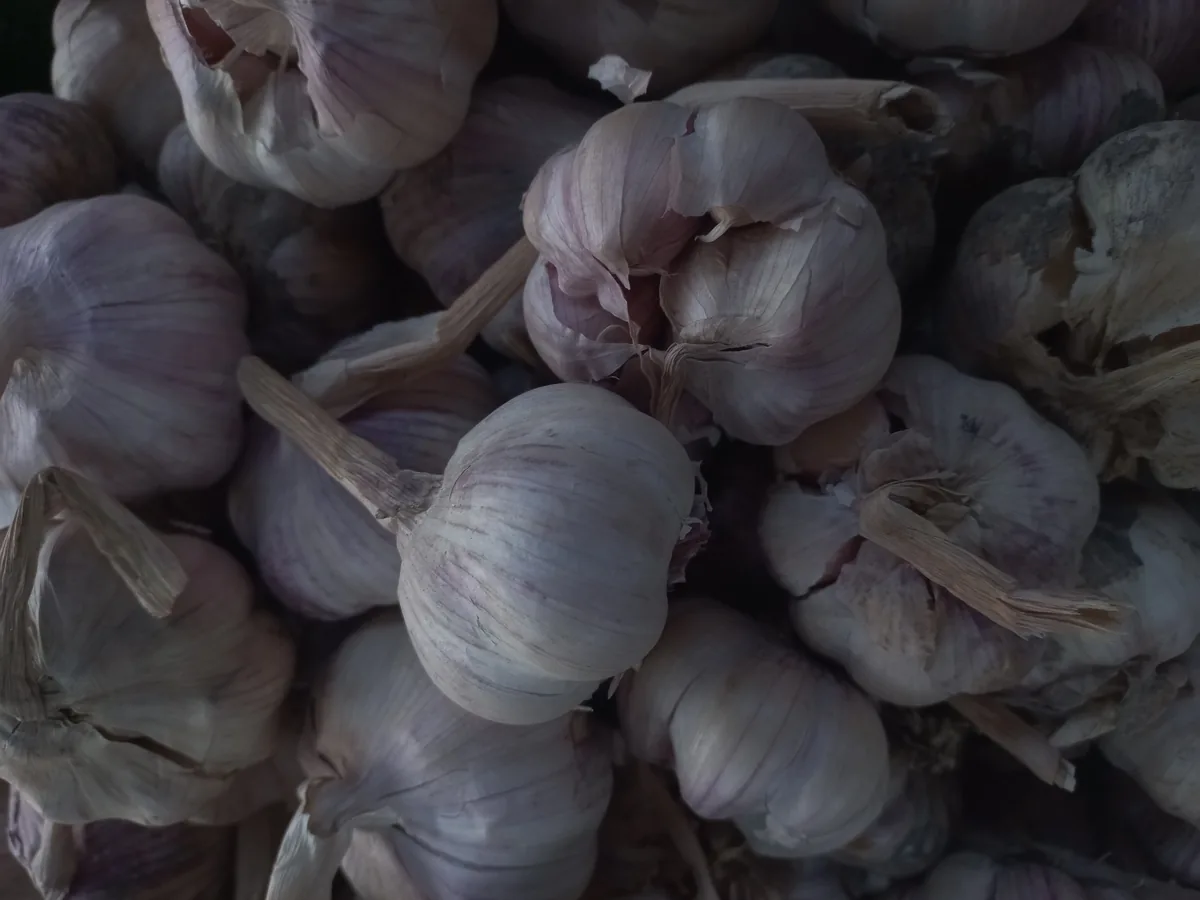
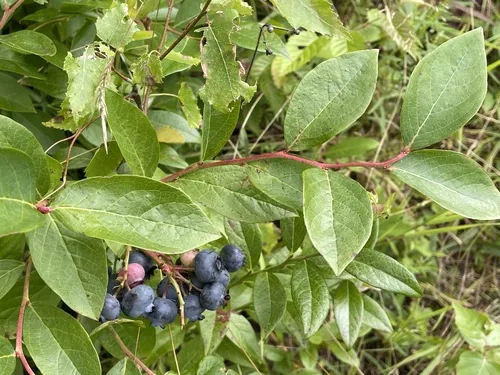
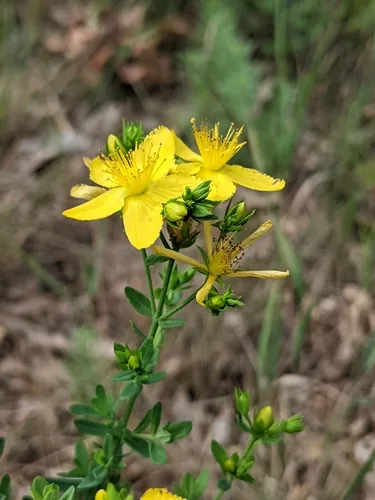
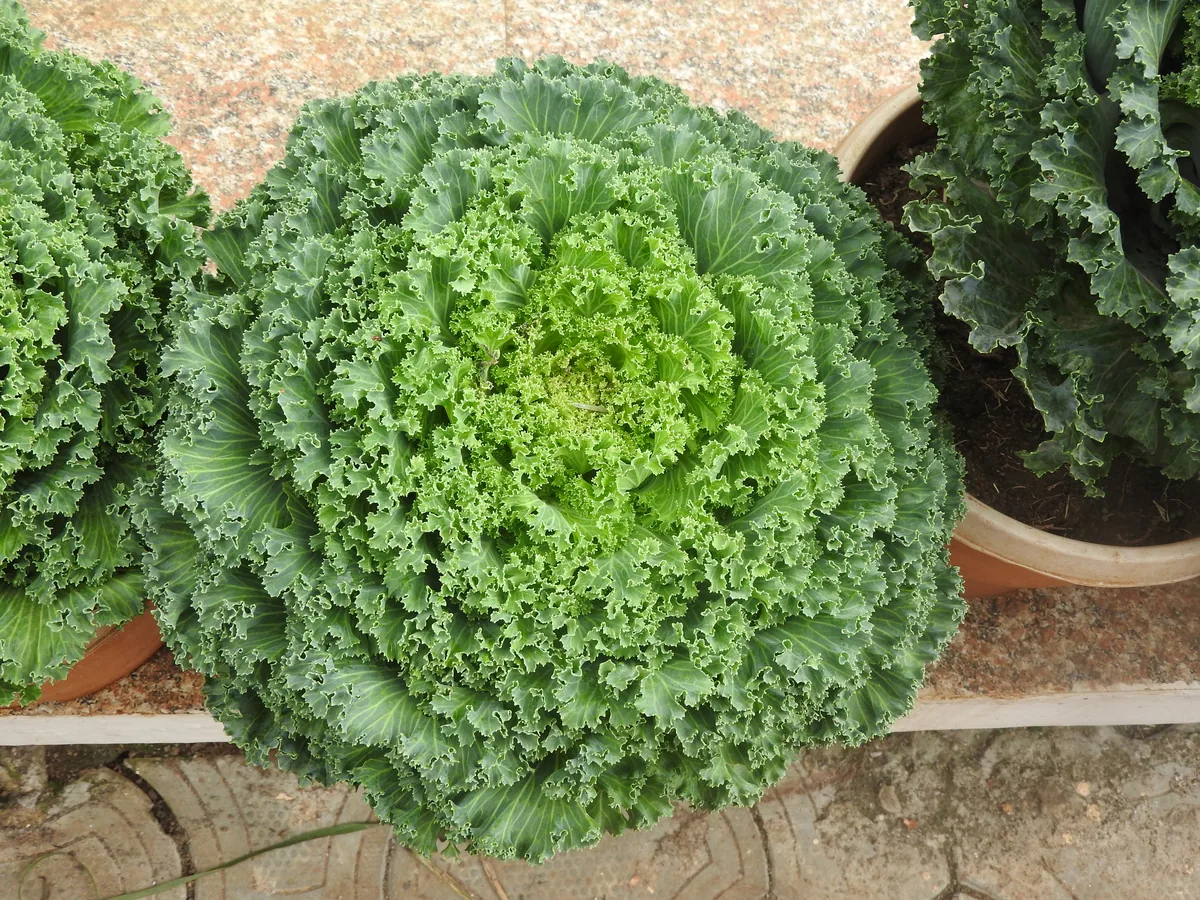
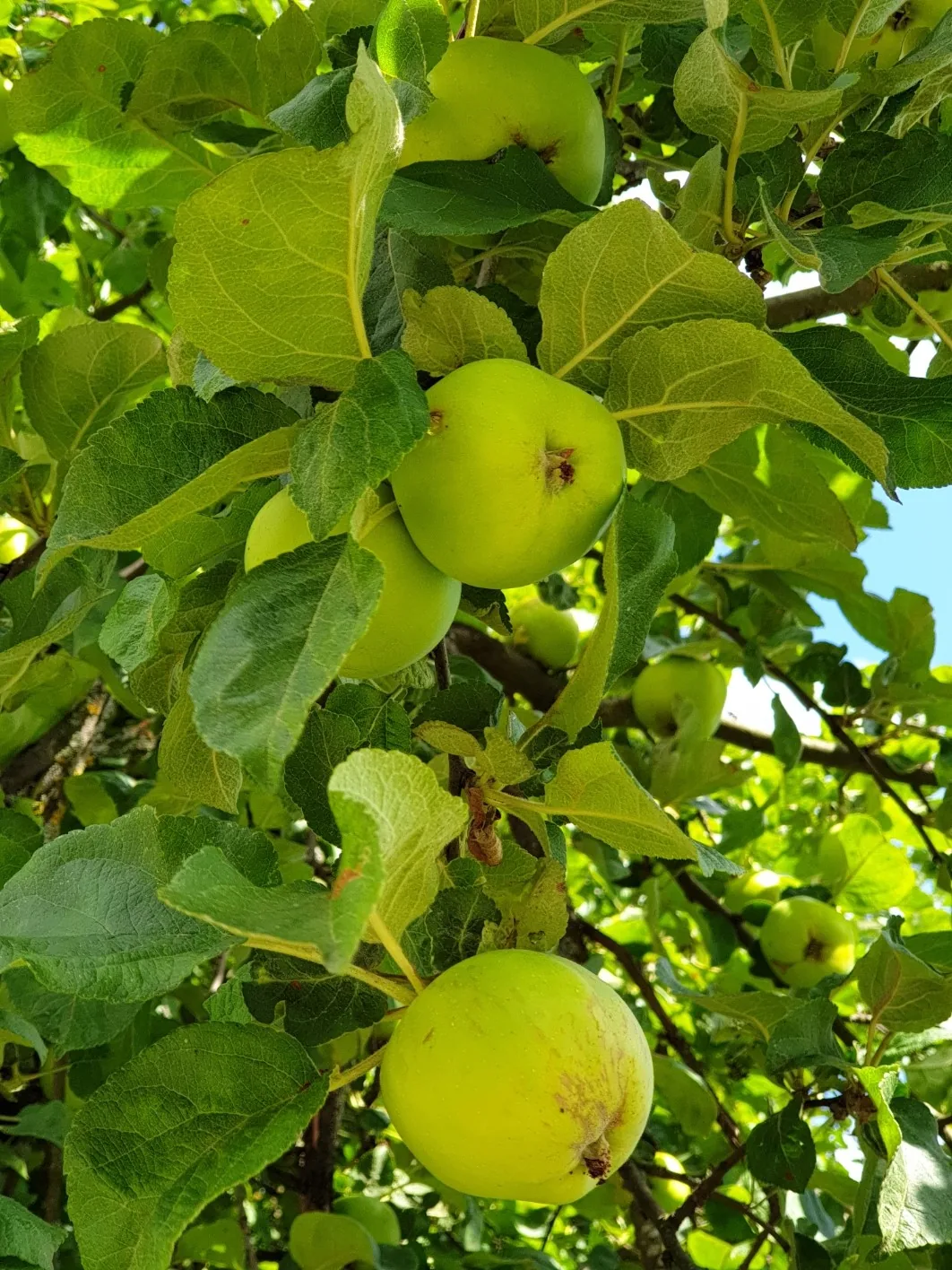
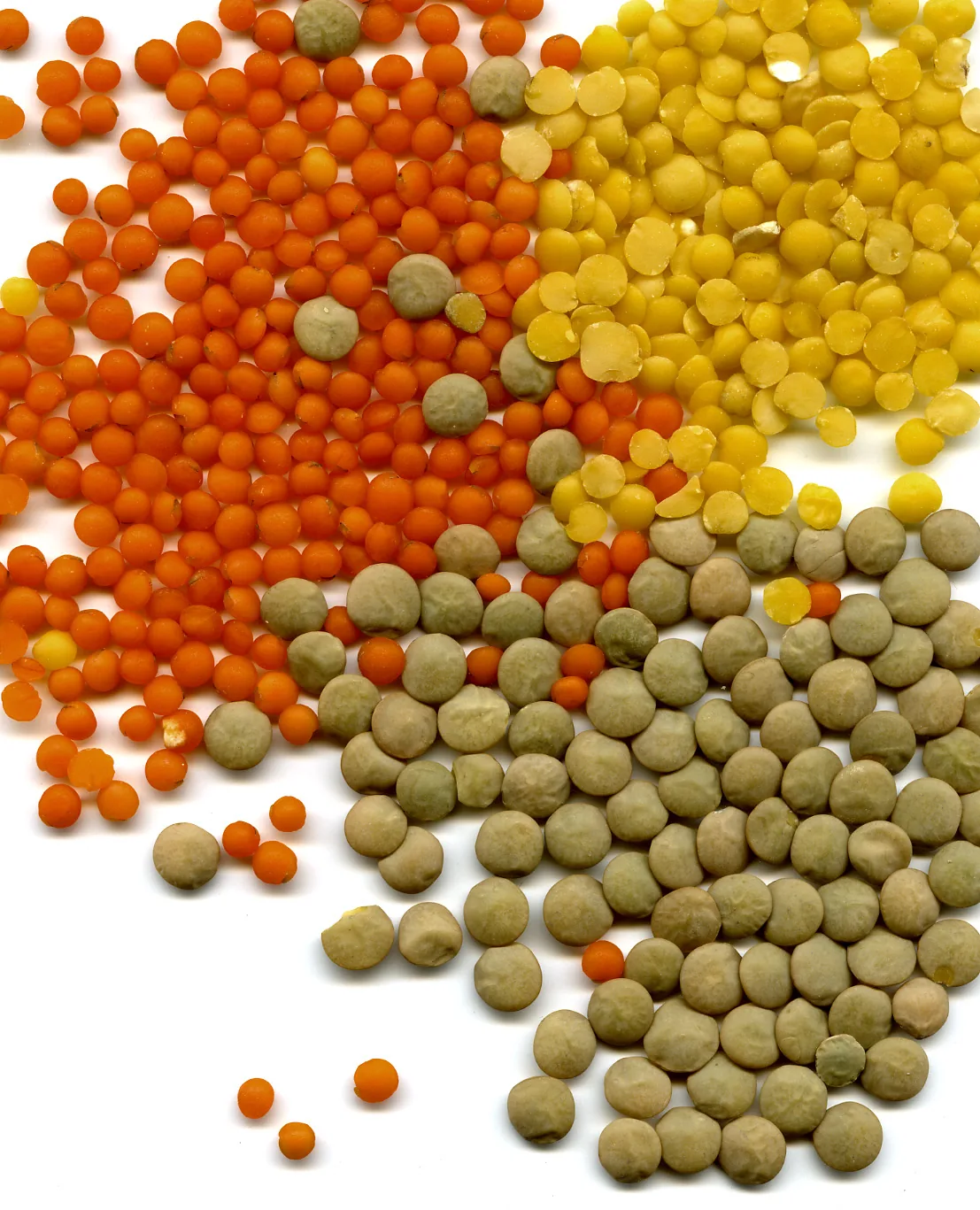
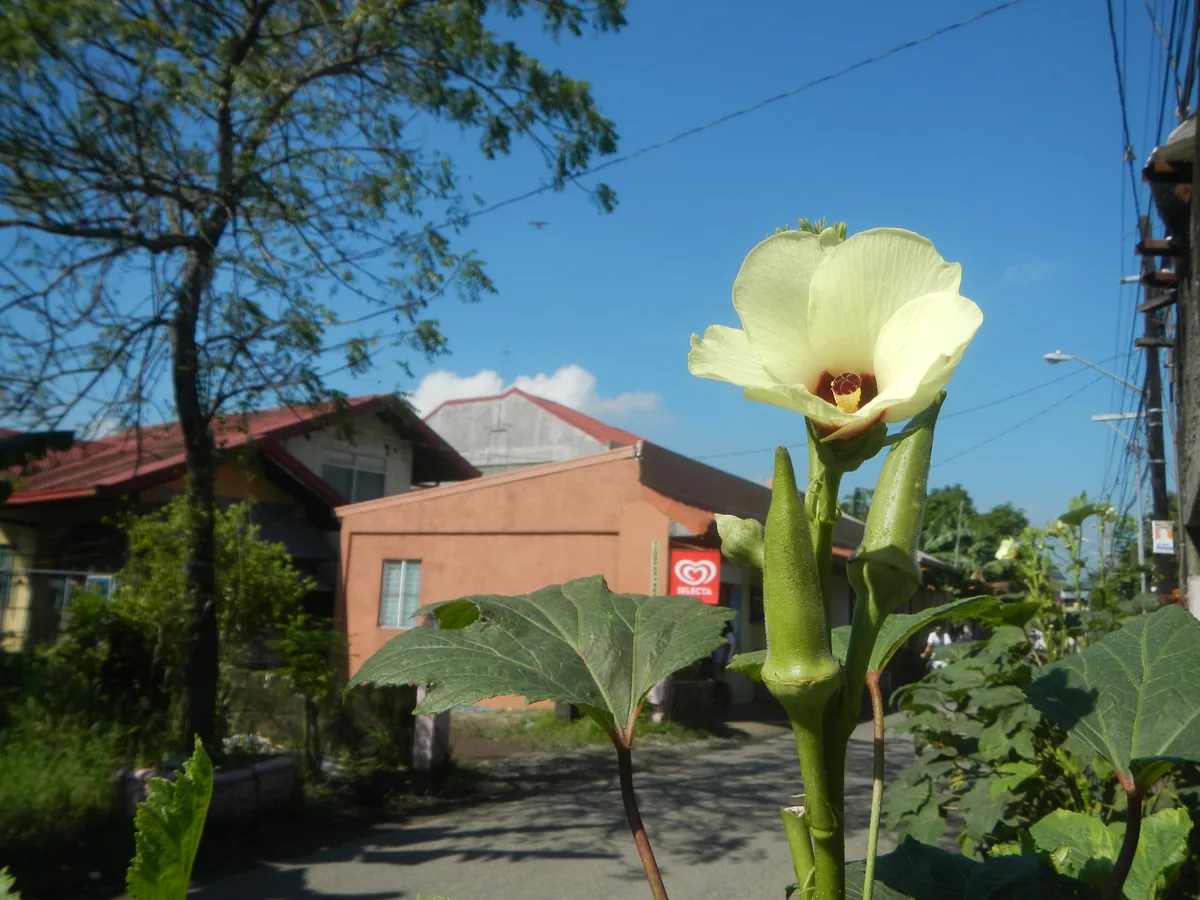
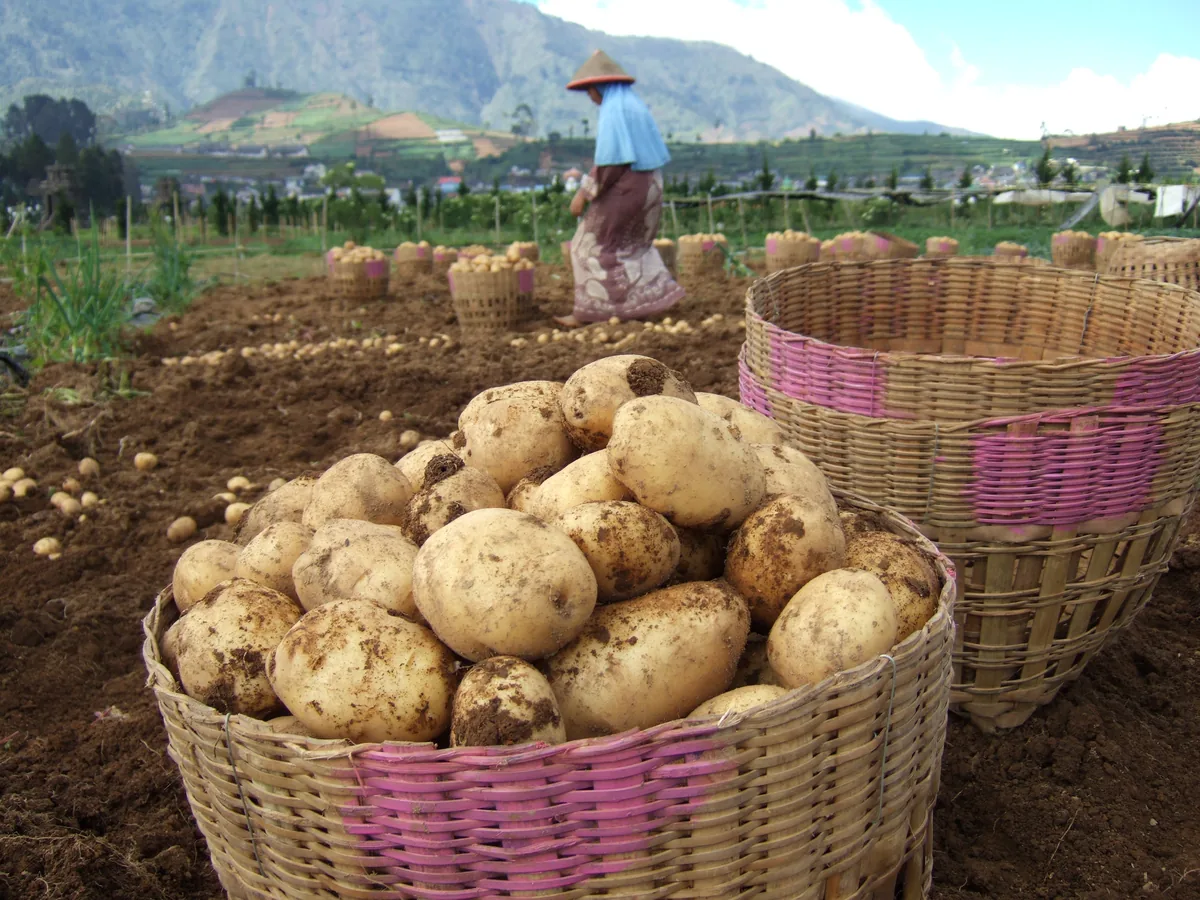
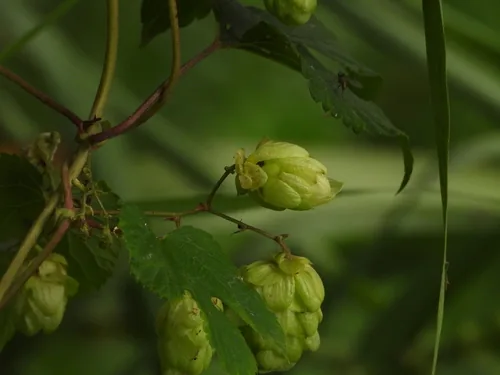
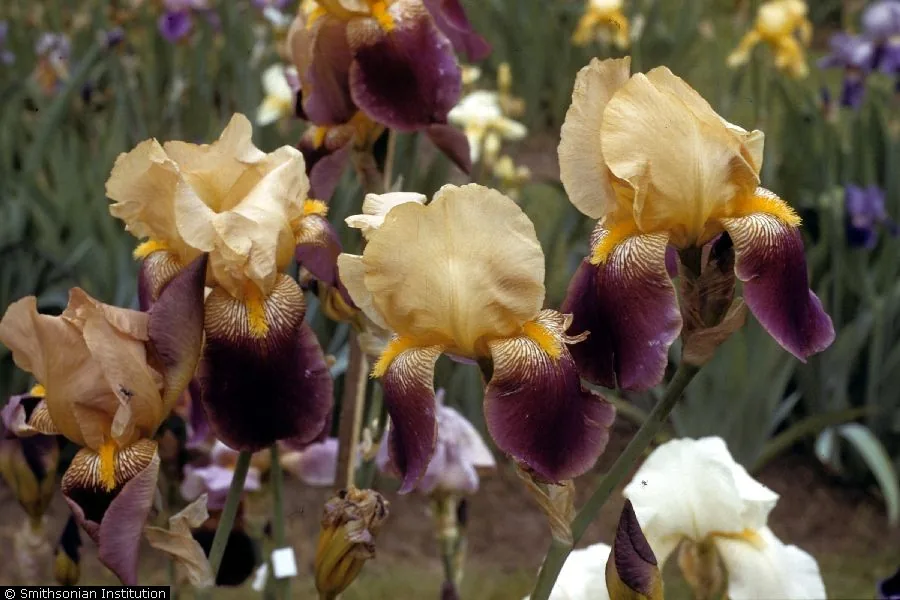
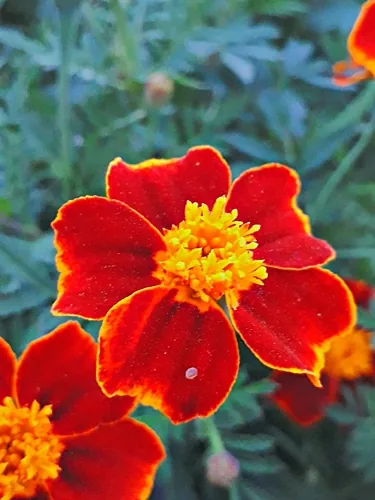
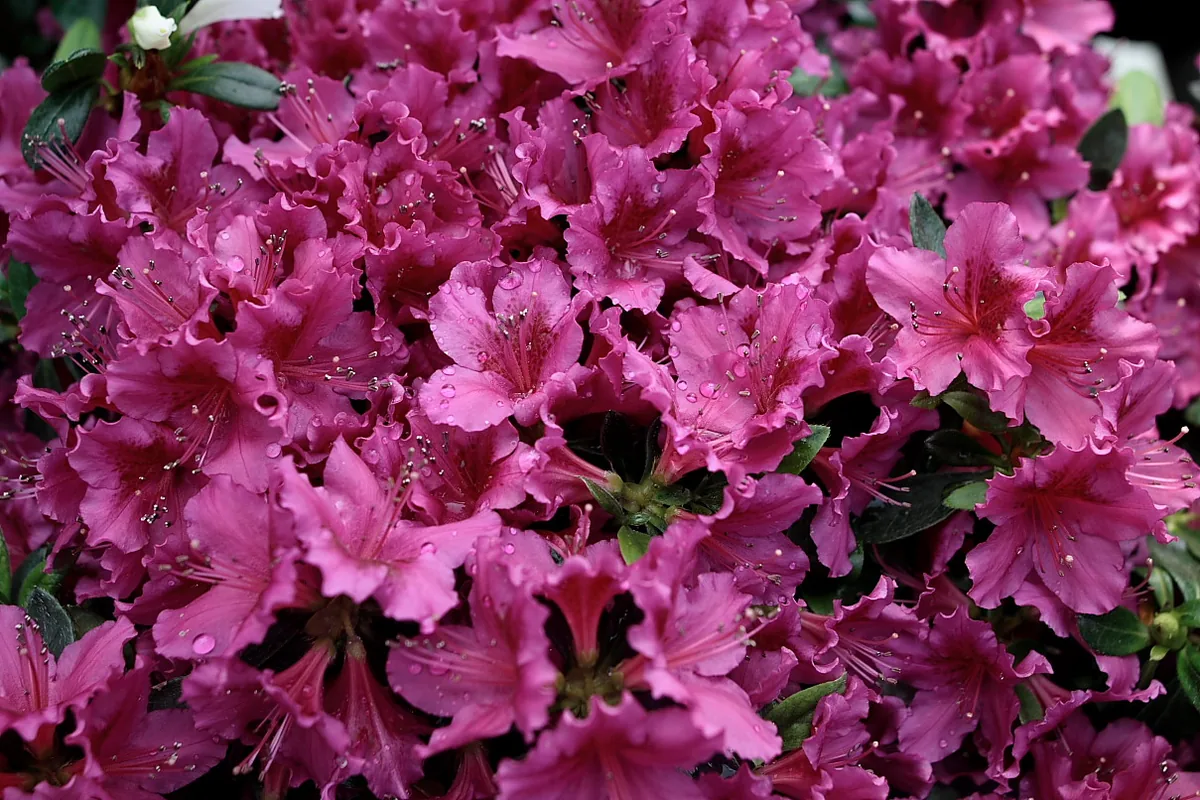
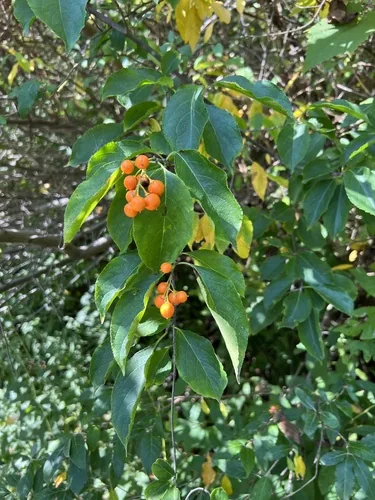
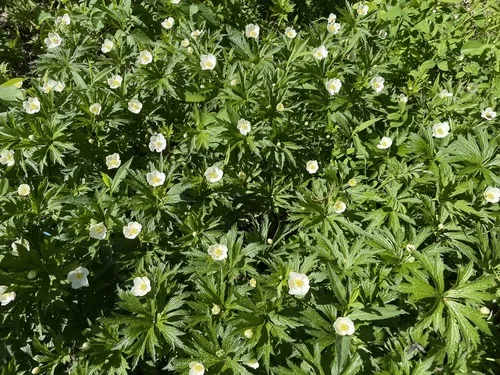
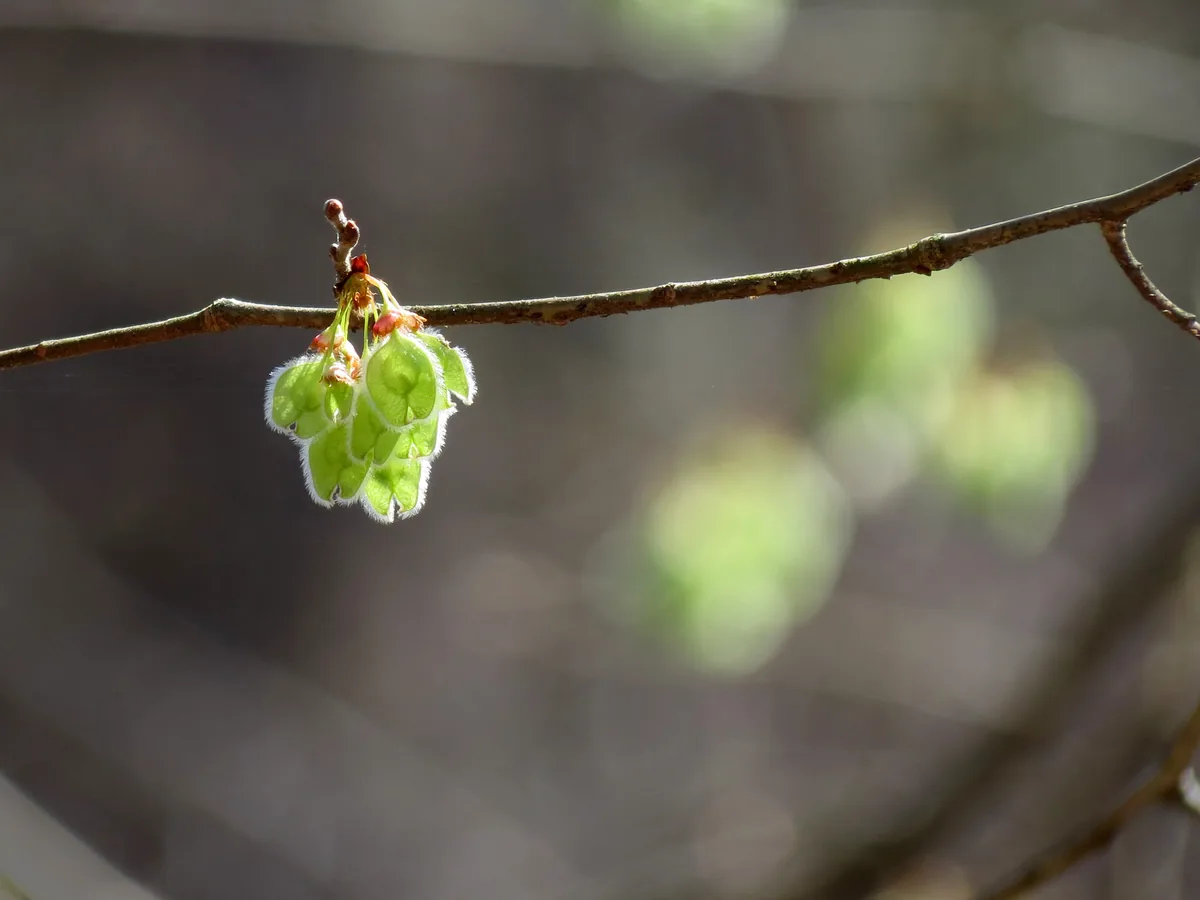
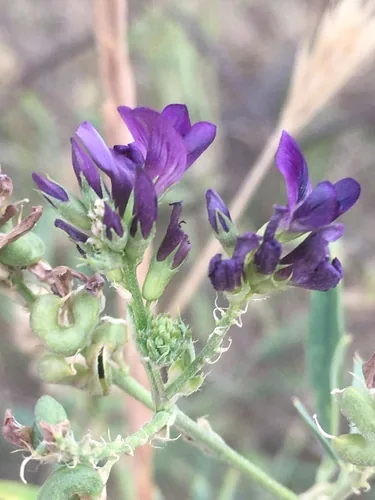
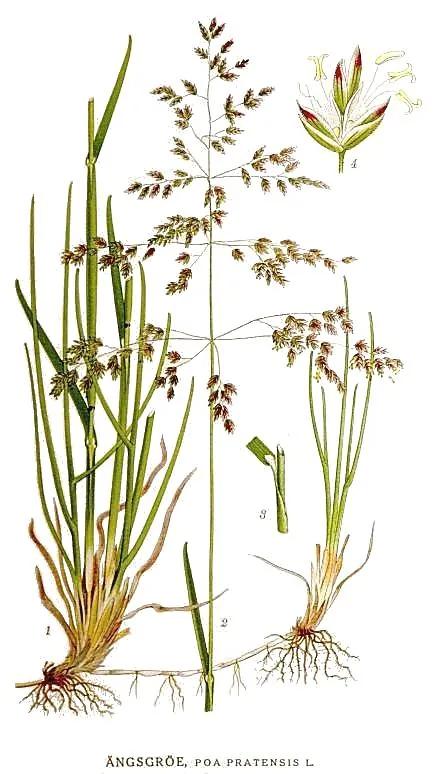
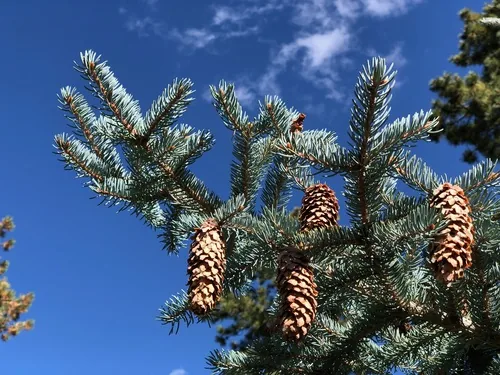
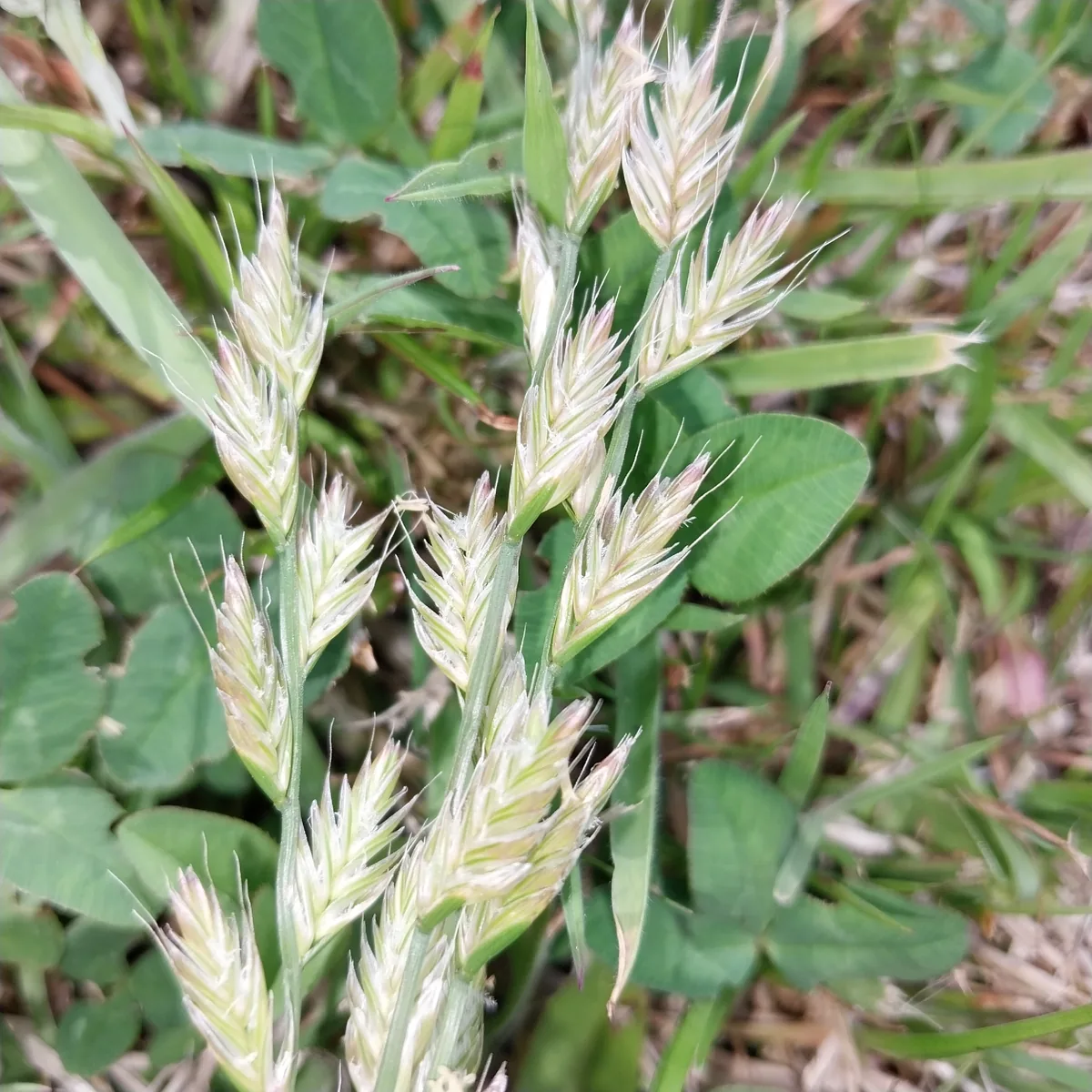
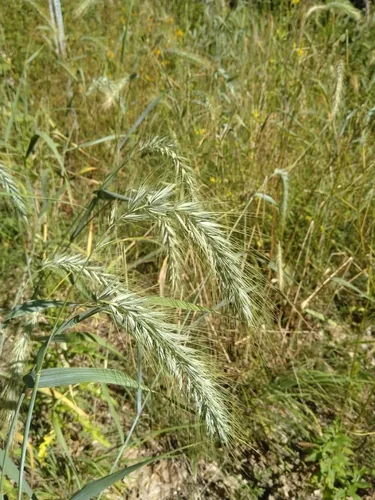
More to grow in New York
New York has a growing page for many more plants than fit above — a rotating sample of the rest of the shelf.
Is it too late to plant in Jefferson County?
Rarely: the season closes in stages, not all at once, and each stage has its crops. Cool-season crops can go in from around Mar 26; tender transplants wait until two to three weeks after the last 28°F hard freeze, which lands near Apr 23 (NOAA 1991–2020 climate normals); and from midsummer, planting counts back from the first fall freeze around Oct 23 — long-season crops need about 90 days of runway, quick greens only 30. Even past midsummer there is room for a true fall garden here, and garlic planted near the close carries the momentum into next year.
Documented around Jefferson County
Survey cells within 31 miles of Jefferson County checked for spotted lanternfly, none carrying a detection — a surveyed negative, not an absence of looking. Nearest documented record 65 miles off. What to watch for.
- Japanese beetle2 documented records
- monarch butterfly130 documented records
Sighting records, so they follow observers as much as insects.
What gets applied to farmland in Jefferson County
USGS estimates 25,402 lb of Metolachlor & Metolachlor-s on Jefferson County farmland in 2019, its largest by weight, ahead of Atrazine (20,596 lb) and Metolachlor-s (19,976 lb).
Farmland across the whole county, not any one lot. Check your address for the site-by-site record.
 Safe to Grow Here?
What the federal record shows across Jefferson County — and how to grow with it.
We checked the federal record across Jefferson County — 854 documented sites across 8 of the 8 source types we track.
The most significant on record: 5 Superfund sites. Sites tracked in EPA's Superfund program — from assessment-stage CERCLIS entries to confirmed National Priorities List cleanup sites.
There's a meaningful federal record across Jefferson County — worth a look before you plant food, not a reason to hold back from growing. Proximity to a documented site is information, not a diagnosis of any one yard. A soil test before new food beds is the sensible precaution here, and the map shows exactly which sites sit where, so you can see what's actually near you.
Sources: EPA, USGS — 1.8M documented sites tracked nationwide across 8 federal source types.
What's on the federal record near Jefferson County
Closest first, across Jefferson County. Listing isn't leaking, and distance isn't exposure.
- GEN. BROWN DEXTER ELEM BLDGUnderground Storage Tanks · 0.7 mi
- DEXTER NEIGHBORHOOD MARKETUnderground Storage Tanks · 0.8 mi
- TONY'S SERVICE CENTERUnderground Storage Tanks · 1.0 mi
- J 49Nitrate · 1.3 mi
- GENERAL BROWN ELEM. SCHOOLUnderground Storage Tanks · 1.3 mi
- J 48Nitrate · 1.4 mi
- TSA@WATERTOWN INTERNATIONAL AIRPORTBrownfields · 1.5 mi
- J 35Nitrate · 1.5 mi
- HYDRO DEVELOPMENT GROUP-DEXTER PLANTBrownfields · 1.5 mi
- STOCKHAUSER'S GARAGE, INC.Underground Storage Tanks · 2.0 mi
- GENERAL BROWN JR-SR HIGH SCHOOLBrownfields · 2.1 mi
- GENERAL BROWN BUS GARAGEUnderground Storage Tanks · 2.1 mi
6 more sites are on the record inside the same radius.
Measured from Jefferson County's center, not your beds. Run your own address for what's upwind of you specifically.
Browse the full contamination data for this area
Environmental Intelligence
The counts behind that headline — every source type on the record near Jefferson County.
Total Sites
854
across Jefferson County
Risk Level
Elevated
Highest-severity
5 Superfund sites
Sources Checked
across Jefferson County
Severity Distribution
across Jefferson County
Highest-Severity Sites

A note from Gnorman
What an experienced grower watches for around here
In and around Jefferson County, CAFO runs higher than the national average — 40 sites across Jefferson County. Knowing it is half the work — and it's nothing a thoughtful grower can't plan for.
CAFO: CAFOs pose a different contamination profile than chemical sources.
Wash all produce consumed raw thoroughly, especially leafy greens grown near CAFOs.
Check your specific parcel in Jefferson County
Get exact proximity distances to contamination sources for your specific parcel — plus soil, sun, drainage, and 1,085 plant recommendations.
25+ data sources read at your address, not the Jefferson County average
Your land is one point inside Jefferson County
Everything above resolves to Jefferson County as a whole — one PHZM band and one county frost record, read across 811K acres. Your parcel is one point inside that footprint. Slope, tree cover, a low spot that pools cold air, and what is in the soil are all resolved at the address, and none of them are visible at county scale. That is the honest boundary of this page, and the reason the next step is a reading of your own ground rather than a better county average.
Your Lot vs the Jefferson County Average
Jefferson County Average
- ●USDA Zones 5a, averaged across Jefferson County
- ●One soil character for all of Jefferson County
- ●Frost dates read at Jefferson County's scale: Apr 23 to Oct 23
YOUR Parcel
- ✓Your exact zone, not Jefferson County's 5a
- ✓Your SSURGO soil type & pH
- ✓Your sun exposure, cast in 3D
See MY Growing Report
Read your parcel in Jefferson County
Pull a site-specific report for your exact address in Jefferson County, New York — soil, sun, drainage, frost risk, and scored plant recommendations.
Three things about your lot that Jefferson County averages can't show:
We read public map data around Jefferson County — soil, climate, flood, and parcel records. How we handle your address.
25+ data sources read at your address, not the Jefferson County average
How we know this about Jefferson County
The datasets: hardiness from the USDA ARS Plant Hardiness Zone Map 2023, read at county grain; hard-freeze dates from NOAA 1991–2020 28°F normals at this county’s own record where one resolves, and the labelled statewide window where none does; soils from the USDA NRCS SSURGO survey, area-weighted across the county’s own map units; boundaries and acreage from US Census TIGER/Line 2025; the contamination and pesticide records from the federal sources named in their beats above. Where Jefferson County carries no record of its own, the figure is inherited and labelled — the resolution ledger below names each.
Common questions about Jefferson County
When does frost risk typically end in Jefferson County?
The last hard freeze (28°F) in Jefferson County typically lands around Apr 23, per NOAA 1991–2020 climate normals — earlier than the light-frost dates most charts quote. That marks the hard freeze, not the last light frost — lighter frosts keep biting past it, which is why tender transplants here wait until about May 14.
How long is the growing season in Jefferson County?
Measured between 28°F hard freezes, Jefferson County sees about 183 frost-free days — roughly Apr 23 through Oct 23, per NOAA 1991–2020 climate normals. Tender crops work a shorter one: nearer May 14 to Oct 9, about 148 days.
Is the soil safe to grow vegetables in Jefferson County?
The federal record around Jefferson County is a meaningful one — 854 documented sites, mostly Underground Storage Tanks entries (458), the nearest Underground Storage Tanks record about 0.7 miles out — so a soil test before new food beds is a sensible precaution here, not a reason to hold back from growing. Remember that proximity to a documented site is information, not a diagnosis of any one yard; the contamination map shows exactly what sits where.
Everything above is measured at Jefferson County's scale — its 5a band and its 183-day season. Your yard writes its own version of Jefferson County's numbers: we read soil, sun, drainage and frost at your exact address. Try it for 14 days — no card required.
Will It Grow Here?
Zone fit is the first question — each answer below reads New York's frost window, season length, and soil profile against the plant's real requirements.
What this page reads at Jefferson County’s own scale
9 of the readings below were taken at Jefferson County's own scale — its own ~183-day span between 28°F freezes, the 3 most extensive soil series mapped here and 854 documented sites inside its boundary; one is borrowed from a wider read, named and linked below.
Measured here
- Jefferson County's own USDA hardiness band, zones 5aUSDA PHZM 2023
- Jefferson County's own 28°F hard-freeze dates and its ~183-day span between themNOAA 1991–2020 Climate Normals
- The soil order, drainage, surface pH, and the 3 most extensive named soil series mapped in Jefferson CountyUSDA NRCS SSURGO
- 854 documented contamination sites inside the county boundary, distance-sorted from its center — the closest Underground Storage Tanks record about 0.7 miles outFederal environmental registers
- Jefferson County's boundary and the 811,476 acres inside itUS Census TIGER/Line 2025
- Which of 1,085 plants clear zones 5a and a ~183-day seasonGrowable Ground crop-matching engine
- The 2 ecoregions Jefferson County spans, Eastern Great Lakes Lowlands the largestUS EPA Level III Ecoregions
- Open occurrence records documented in Jefferson County for 2 tracked speciesGBIF derived datasets (CC0 / CC BY 4.0)
- Which agricultural compounds go onto Jefferson County farmland, and roughly how muchUSGS NAWQA EPest county estimates
Inherited from a wider read
- The growing challenges every New York grower plans around — written at state scale, so they stay on the state guidefrom New York
What this page can’t tell you
- How the season shifts across Jefferson County — the ~183 days above is one reading at its centre; the 24 towns below each carry their owntowns in this county →
- The soil pH, drainage, sun hours, and frost pockets on any one lot among Jefferson County's 811,476 acreswhy one lot differs from the next →
- Which of those 854 documented sites actually reaches your soil — that needs your address, the wind, and the groundwater directionhow we read the record →
- Where cold air settles, which slopes face the sun, and which way the wind runs on your own ground — none of it survives being averaged over Jefferson Countyread your own land →