
Annual Scabiosa reaches harvest about 85 days after sowing. It's hardy across USDA zones 4 through 11. Its flowers are a real draw for honeybees, native bees, and butterflies, even though the harvest is the prize.
Zones
4-11
pH Range
---
Sun
Full Sun
Days to Maturity
85
Score Annual Scabiosa on your exact land.
Zone averages can't see the slope, soil, frost, and sun that decide whether annual scabiosa actually takes — and those shift from one yard to the next. Enter your address and we'll score annual scabiosa against your land's real conditions.
We read public map data for this spot — soil, climate, flood, and parcel records. How we handle your address.
No card required · your full report in seconds
See Annual Scabiosa
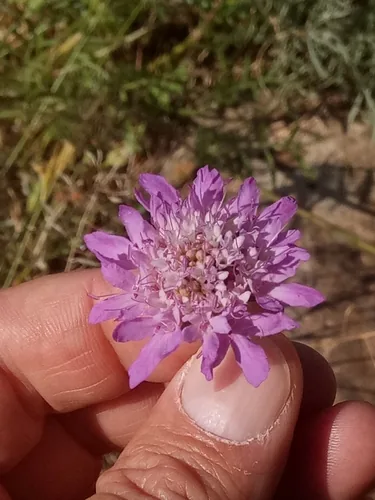
What Annual Scabiosa is
Annual Scabiosa reaches around 2.5 feet at maturity.
How to grow Annual Scabiosa
Annual Scabiosa grows in USDA zones 4 through 11 and is ready to harvest about 85 days after planting. Annual Scabiosa does best in full sun. It needs around 1,200 growing degree days to mature, which is why climate matters as much as soil.
 USDA Zones
4-11
USDA PHZM 2023
Soil pH
Data pending
USDA PLANTS Database
Sun
Full Sun
Growable Ground plant catalog
Drainage
Data pending
Growable Ground plant catalog
Days to Maturity
85 days
Growable Ground plant catalog
GDD Required
1200+
Growing degree-days of accumulated warmth it needs to mature — humid summers reach this faster than cool coastal ones.
Growable Ground plant catalog
Mature Height
2.5 ft
Growable Ground plant catalog
Start the season right
Plant annual scabiosa in full sun.
Match the soil
Pull a soil test from your local Extension lab to confirm pH and drainage match annual scabiosa's needs before planting.
Water steadily
Keep the root zone evenly moist through establishment. Match watering to the plant's drainage preference and your local rainfall.
Harvest at maturity
Annual Scabiosa is ready about 85 days after sowing (University Extension production guides). Watch for cultivar-specific ripeness cues and pick at peak.
Good to know
Good news for pet owners — annual scabiosa isn't known to be toxic to dogs or cats. (Source: ASPCA.)
Annual Scabiosa is a standout pollinator plant — high value to bees and other pollinators. (Source: Pollinator Partnership.)
Where Annual Scabiosa thrives
On hardiness alone, annual scabiosa grows across most of the country — its range (USDA zones 4 through 11) is unusually wide. Zone is only the starting point, though: the soil pH, drainage, and frost dates on your specific land decide how well it actually does.
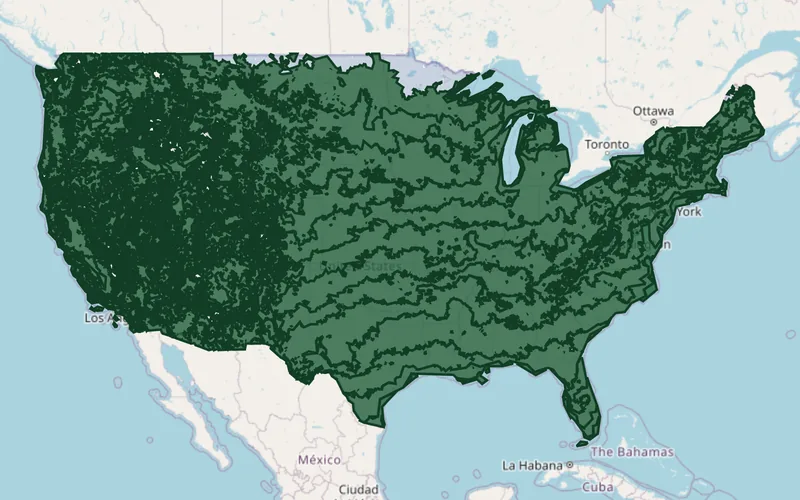
Zones 4–11·Where Annual Scabiosa growsOpen map →
On USDA hardiness-zone overlap, Annual Scabiosa can grow in these states:
See if Annual Scabiosa will thrive on your land
Zone averages are a start. Your exact soil pH, drainage, sun exposure, and frost dates shape whether annual scabiosa actually takes — we score it against the real conditions at your address.
Three things about your exact spot that zone averages miss:
We read public map data for this spot — soil, climate, flood, and parcel records. How we handle your address.
25+ data sources analyzed in seconds
Frequently Asked Questions
Can I grow Annual Scabiosa in my zone?
Annual Scabiosa grows in USDA hardiness zones 4 through 11 (USDA PHZM 2023). Zone is one factor — soil pH, drainage, and frost dates on your specific parcel also shape whether it takes.
How long does Annual Scabiosa take to grow?
Annual Scabiosa is ready to harvest about 85 days after planting (University Extension production guides). Your local frost dates and soil temperature move that window earlier or later.
When should you plant Annual Scabiosa?
Time annual scabiosa to your own season rather than the calendar. Your local frost dates set the exact window — a Growable Ground report reads them for your address.
How much sun does Annual Scabiosa need?
Annual Scabiosa needs full sun — a spot that catches six or more hours of direct summer sun a day. In more shade it still grows, but usually gives a smaller, later crop. The catch is that a yard rarely gets even light everywhere — a fence, the house, or one tall tree can quietly take those hours. A Growable Ground report reads the real sun-hours across your land, canopy and buildings included, so you can pick the brightest bed before you plant.
What soil does Annual Scabiosa need?
Specific pH data for annual scabiosa is pending. A soil test from your local Extension lab confirms what your site needs.
Does Annual Scabiosa attract pollinators?
Yes — annual scabiosa's flowers are a strong nectar and pollen source for honeybees, native bees, and butterflies. (Source: Pollinator Partnership.)
Is Annual Scabiosa safe for pets?
Annual Scabiosa is not known to be toxic to dogs or cats based on available data. Always supervise pets around new plantings. (Source: ASPCA.)