What Grows in Louisiana

USDA Zones 8a-9b · 50-65 inches annual rainfall

Louisiana spans USDA hardiness zones 8a-9b, with a growing season of about 320 frost-free days — growing weather most of the year, with mild winters opening seasons colder regions never see.

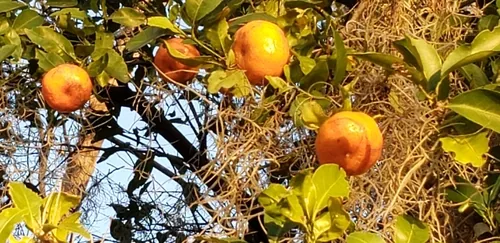
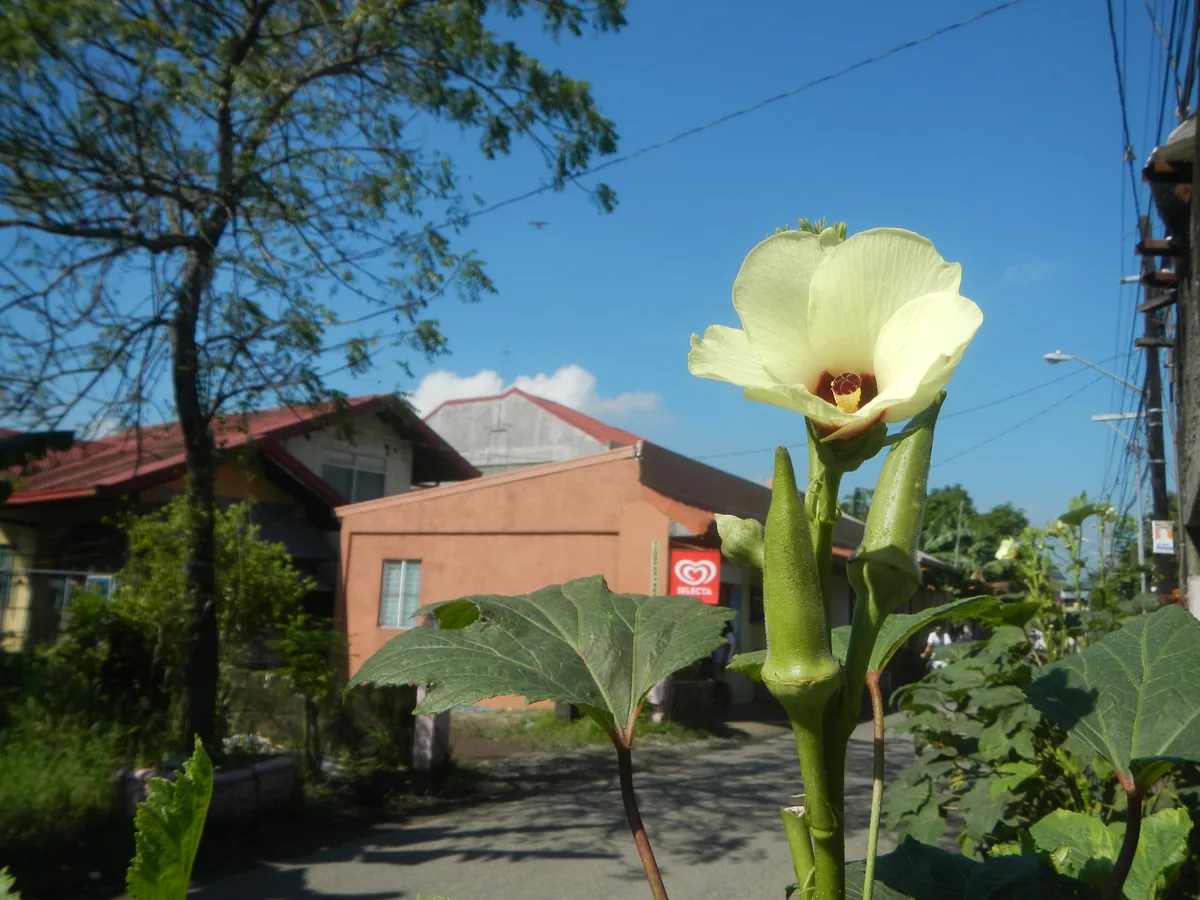
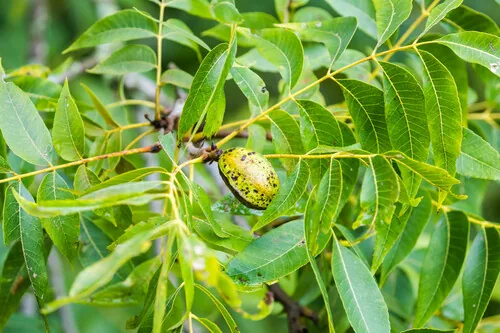
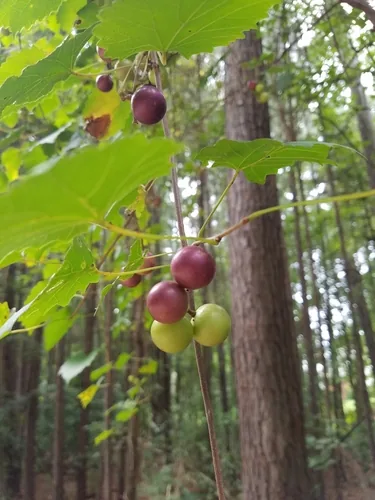
The growing year is built on 50-65 inches of annual rainfall, a median of roughly 5,000 growing-degree days (base 50°F), and about 600 winter chill hours for tree fruit, and every crop choice answers to them. Most ground here falls among alluvial clay, muck, sandy loam, and loess, whose drainage habits quietly decide which beds flourish. The state line hides real variety: Mississippi Delta and Gulf Coast each keep their own zone band and frost dates. Reliable performers under these conditions include satsuma orange, okra, pecan, and muscadine grape; what your own ground favors still comes down to its soil, sun, and drainage.

Grounded inUSDA PHZM 2023NOAA Climate NormalsUSDA NRCS SSURGOGDD aggregate (Cornell CALS)Chill-hour aggregate (MSU Extension)USDA hardiness sub-region mapEPA FRSUSDA PLANTSGrowable Ground suitability scoring

Score your parcel · free

Your yard isn't the whole state.

Louisiana spans zones 8a-9b, but your yard sits in exactly one — and slope, tree cover, and low spots nudge it further. Enter your address and we'll score 1,112 plants against your land's actual soil, sun, and frost.

We read public map data for this spot — soil, climate, flood, and parcel records. How we handle your address.

No card required · your full report in seconds

Quick Facts

USDA Zones

8a-9b

USDA PHZM 2023

Last Frost

Feb 15 - Mar 15

NOAA 30-yr Normals

First Frost

Nov 10 - Dec 10

NOAA 30-yr Normals

Annual Rainfall

50-65 inches

NOAA Climate Normals

Zone maps are averages across Louisiana. Your yard's slope, trees, and frost pockets shift what actually grows — see your land's exact reading.

The Ground You’re Working With

The soil types that dominate Louisiana — how each drains decides more about crop success than almost anything else. Tap any soil to learn what it is and how to work with it.

See the alluvial river-profile — alluvial clay is its finest, slowest-draining fraction.

Alluvial clay

  • Drainage

    Slow, and often sitting over a shallow water table in low-lying valley positions — the flip side of all that fertility.

  • What thrives

    Vigorous, moisture-loving crops: corn, squash, brassicas, celery, and cane fruit all pull hard from alluvial clay. Willows and many natives thrive where it stays damp.

How to work with Alluvial clay
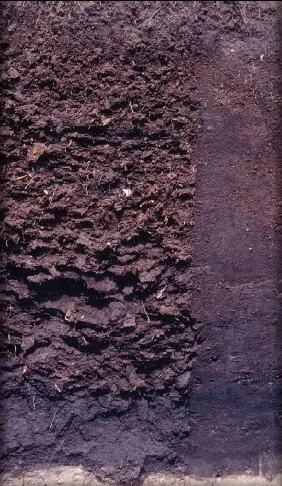
Histosol profile: black, crumbly organic muck
Soil profile: Histosol (USDA soil order)

Muck

  • Drainage

    It holds water like a sponge by nature; farmed muck is managed with ditches and water control, and it can dry, shrink, and even blow when left bare.

  • What thrives

    Muck is celebrated vegetable ground — onions, celery, carrots, lettuce, and greens grow to prize quality in it. Its loose, black tilth is what root and leaf crops dream of.

How to work with Muck
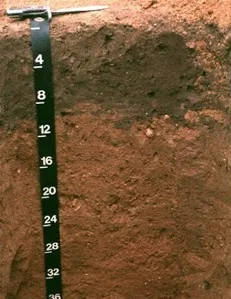
Downer soil profile: reddish sandy loam horizon with a depth scale
Soil profile: Downer series, New Jersey

Sandy loam

  • Drainage

    Fast. The sand fraction opens the soil up, so water moves through the root zone quickly and the surface rarely stays soggy. The trade is that nutrients ride out with the water.

  • What thrives

    Root crops love it — carrots, potatoes, radishes, and onions size up cleanly in ground they can push through. Melons, sweet potatoes, asparagus, and most herbs appreciate the warmth and the drainage.

How to work with Sandy loam
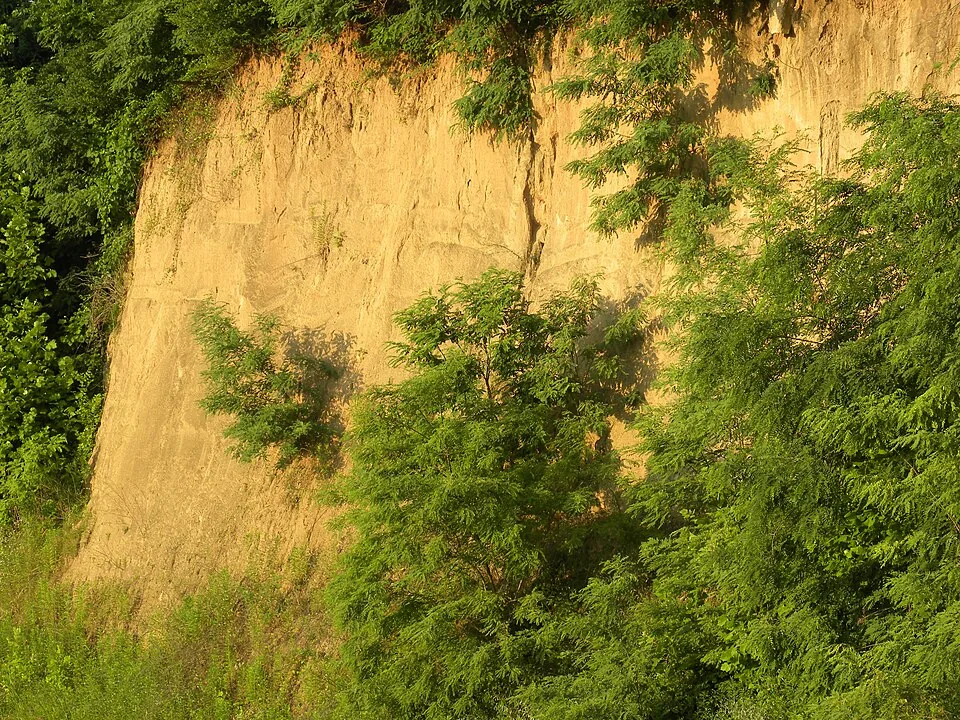
Deep wind-laid loess standing in a vertical bluff face near Vicksburg, Mississippi
Loess bluff exposure, Vicksburg, Mississippi

Loess

  • Drainage

    Good — it absorbs rain readily and holds it in reach of roots — but it erodes faster than any other soil when left bare on a slope.

  • What thrives

    Nearly everything: corn, small grains, and the full vegetable garden thrive in loess country, which is exactly why so much of it is farmed.

How to work with Loess

Soil data: USDA NRCS SSURGO · Soil types explained

State Symbols of Louisiana

The plants Louisiana put its name on — cultural emblems, not growing recommendations.

Official state flower

Magnolia

Magnolia

Designated 1900.

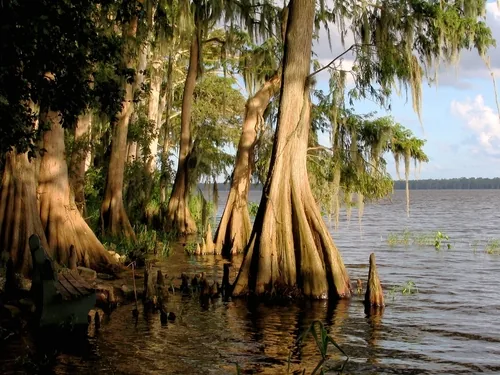
Bald cypress, photograph
Official state tree

Bald cypress

Taxodium distichum

Designated 1963. In our plant library — see its full growing profile.

Official state fruit

Louisiana strawberry

Designated 1980.

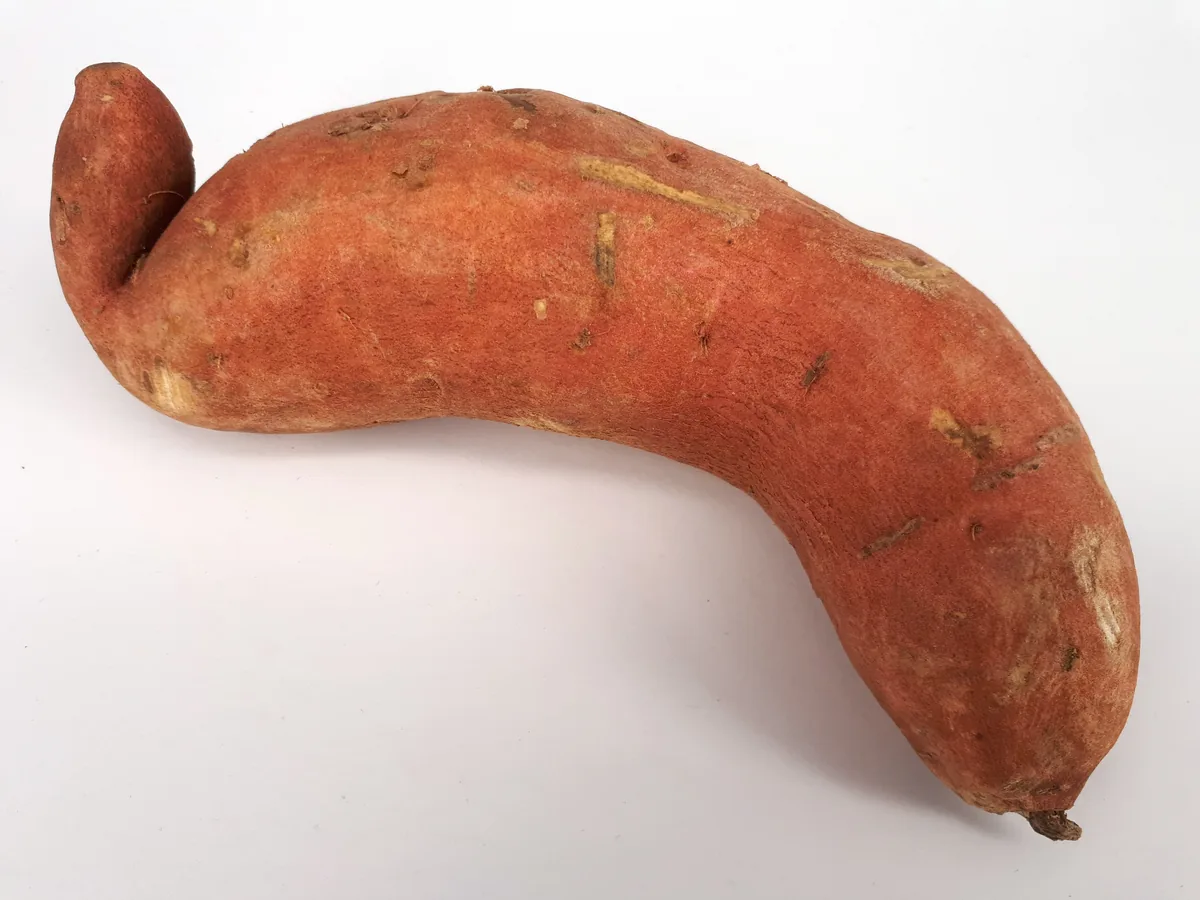
Sweet potato, photograph
Official state vegetable

Sweet potato

Designated 2003. In our plant library — see its full growing profile.

Native Plants of Louisiana

Plants the USDA PLANTS Database documents as native and present in Louisiana — a real per-state range, not just a zone match. Presence is statewide, so a plant may still be uncommon in your specific county; your state’s Cooperative Extension or a native-plant society is the local authority.

Also zone-compatible

US-native plants whose hardiness range overlaps Louisiana’s USDA zones 8a-9b but which USDA PLANTS doesn’t map to a single state range here. Zone overlap is a starting filter, not a range map.

Browse all US-native plants by state & zone →

Growing Challenges in Louisiana

What an experienced grower plans around here — each one has a move.

Extreme humidity and rainfall promote rot and fungal diseases

Raised rows, morning base-watering, and generous spacing keep the wet at bay — extension's resistant-variety lists do the rest.

Poor drainage in delta and coastal areas

Where ground stays wet, grow up — mounded rows and raised beds keep roots breathing through the wettest months.

Hurricane damage risk from June through November

Wind-tough perennials, proper staking, and fall crops in movable containers take the sting out of storm season.

For cultivar selection, pest pressure, and planting-time guidance specific to Louisiana, the LSU AgCenter is the authoritative local source.

Safe to Grow Here?

What the federal record shows across Louisiana — and how to grow with it.

Federal record: High

We checked the federal record across Louisiana47,113 documented sites across 7 of the 9 source types we track.

The most significant on record: 168 Superfund sites. Sites tracked in EPA's Superfund program — from assessment-stage CERCLIS entries to confirmed National Priorities List cleanup sites.

Louisiana carries one of the heavier federal records we track — and that's not a verdict on your yard. Proximity to a documented site is information, not a diagnosis: nothing here says any particular parcel is affected. It does earn one concrete step — before food beds go in the ground, a professional soil test tells you exactly what you're working with, and raised beds with clean imported soil grow well almost anywhere in the meantime.

Severity Distribution

across Louisiana

High359Moderate15,979Low30,775

Highest-Severity Sites

9TH Street Mercury
Superfund · Superfund (Non-NPL)
Abita Springs Water System
PFAS Sampling · PFAS Detected
Adventist Academy Mercury Spill
Superfund · Superfund (Non-NPL)
Aep Fortson Transformer
Superfund · Superfund (Non-NPL)
Aex Arsr
Superfund · Superfund (Non-NPL)

Know Before You Grow

  • Raised beds with imported soil can reduce exposure risk near brownfield sites.
  • Underground tanks can leak petroleum products. Soil testing near former gas stations is recommended.
  • Test well water for nitrates if you rely on a private well. Levels above 10 mg/L require treatment.

Sources: EPA, USGS1.8M documented sites tracked nationwide across 9 federal source types.

See what grows on YOUR specific land

State averages sketch the shape. Your soil, sun exposure, drainage, and microclimate decide what actually takes. Pull a site-specific report for your exact parcel.

Free Report

Read your Louisiana parcel

Enter your address. We read your soil, sun, drainage, and frost dates, then score 1,112 plants against the real conditions on your land.

Three things about your exact spot that zone averages miss:

Your soil pHYour frost-free daysYour sun & shade

We read public map data for this spot — soil, climate, flood, and parcel records. How we handle your address.

25+ data sources analyzed in seconds

Frequently Asked Questions

What USDA hardiness zones are in Louisiana?

Louisiana spans USDA hardiness zones 8a-9b, per the USDA Plant Hardiness Zone Map 2023. Zones reflect average annual extreme minimum temperatures from 1991–2020 weather data.

When does frost risk typically end in Louisiana?

The last spring frost in Louisiana is typically around Feb 15 - Mar 15, and the first fall frost around Nov 10 - Dec 10, per NOAA 30-year climate normals (1991–2020). Your specific site may differ — frost dates vary by elevation, proximity to water, and local microclimate.

What vegetables grow well in Louisiana?

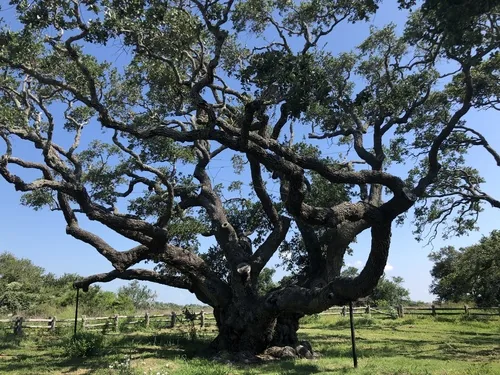
Louisiana's zones 8a-9b support a wide range — strong performers include Satsuma Orange, Okra, Pecan, Muscadine Grape, and Live Oak. What actually takes on any one site comes down to its soil, sun, and drainage, and we score each plant against the real conditions at your address.

Which hardiness zone is Louisiana, really?

Officially, Louisiana spans USDA zones 8a-9b (USDA PHZM 2023) — but a zone is a 30-year average of winter's coldest night across an area, and it can't see any one yard. A south-facing slope, a tree line, or a low frost pocket can shift a single site by half a zone either way, which is why neighboring gardeners often quote different numbers. We read the conditions at your exact address — soil, sun, slope, and frost — and score 1,112 plants against what's actually there.

Is the soil safe to grow vegetables in Louisiana?

The federal record across Louisiana runs heavier than most — 47,113 documented sites — so test the soil before planting food in the ground, and raised beds with clean imported soil grow well in the meantime. Even here, proximity to a documented site is information, not a diagnosis of any one yard; the contamination map shows exactly what's recorded and where.

Just moved to Louisiana — what should I know before planting?

Start with three facts. Louisiana spans USDA zones 8a-9b, which sets what survives winter; the statewide frost window runs about Feb 15 - Mar 15 to Nov 10 - Dec 10 (NOAA 30-year climate normals); and 47,113 documented sites sit on the federal record here, so a soil test before food beds is the smart first step. From there, matching plants to your actual soil and sun is the fun part.

Everything on this page is a Louisiana average. Your yard writes its own version — we read soil, sun, drainage, and frost at your exact address. Try it for 14 days — no card required.

Cities & Towns in Louisiana

Explore growing conditions by city or town in Louisiana.

AbbevilleAbita SpringsAddisAlbanyAlexandriaAmaAmeliaAmite CityAnacocoAngieArabiArcadiaArnaudvilleAshlandAthensAtlantaAvondaleBakerBaldwinBallBanks SpringsBaratariaBasileBaskinBastropBaton RougeBawcomvilleBayou BlueBayou CaneBayou CorneBayou Country ClubBayou GaucheBayou GoulaBayou L'OurseBayou VistaBelcherBelle ChasseBelle RoseBelmontBentonBerniceBerwickBienvilleBlanchardBogalusaBonitaBoothvilleBordelonvilleBossier CityBourgBoutteBoyceBranchBreaux BridgeBridge CityBroussardBrownfieldsBrownsvilleBruslyBrycelandBunkieBurasCadeCalhounCalvinCameronCamptiCanktonCarencroCarlyssCastorCatahoulaCeciliaCenter PointCentervilleCentralChackbayChalmetteCharentonChataignierChathamChauvinCheneyvilleChoctawChoudrantChurch PointClaiborneClarenceClarksClaytonClintonColfaxCollinstonColumbiaConventConverseCotton ValleyCottonportCoushattaCovingtonCreolaCrescentCrowleyCullenCut OffDarrowDeQuincyDeRidderDelacroixDelcambreDelhiDeltaDenham SpringsDes AllemandsDestrehanDevilleDixie InnDodsonDonaldsonvilleDorseyvilleDownsvilleDoylineDry ProngDubachDubberlyDulacDusonEast HodgeEastwoodEchoEden IsleEdgardEdgefieldEganElizabethElmwoodEltonEmpireEppsErathErosErwinvilleEstelleEstherwoodEuniceEvergreenFarmervilleFentonFerridayFifth WardFisherFlorienFolsomFordocheForestForest HillFort JesupFort Polk NorthFort Polk SouthFranklinFranklintonFrench SettlementFriersonGallianoGardereGaryvilleGeorgetownGibslandGilbertGilliamGillisGlencoeGlenmoraGlosterGolden MeadowGoldonnaGonzalesGood PineGramblingGramercyGrand CaneGrand CoteauGrand IsleGrand PointGrayGraysonGreensburgGreenwoodGretnaGrosse TeteGueydanHackberryHahnvilleHall SummitHammondHarahanHarrisonburgHarveyHaughtonHayesHaynesvilleHeflinHendersonHessmerHesterHodgeHomerHornbeckHosstonHoumaIdaIndependenceInniswoldIotaIowaJacksonJamestownJean LafitteJeaneretteJeffersonJenaJenningsJonesboroJonesvilleJordan HillJoyceJunction CityKaplanKeachiKennerKentwoodKilbourneKillianKillonaKinderKraemerKrotz SpringsLabadievilleLacassineLacombeLafayetteLafitteLafourche CrossingLake ArthurLake CharlesLake ProvidenceLakeshoreLakeviewLaplaceLaroseLawtellLebeauLecompteLeesvilleLemannvilleLeonvilleLewisburgLillieLisbonLivingstonLivoniaLockportLockport HeightsLogansportLongstreetLongvilleLoreauvilleLuckyLulingLutcherLydiaMadisonvilleMamouMandevilleManghamMansfieldMansuraManyMaringouinMarionMarksvilleMarreroMarthavilleMartinMathewsMauriceMcNaryMelvilleMer RougeMerauxMermentauMerrydaleMerryvilleMetairieMidlandMidwayMiltonMindenMinorcaMonroeMontegutMontereyMontgomeryMonticelloMontpelierMontzMoonshineMooringsportMoreauvilleMorgan CityMorganzaMorrowMorseMoss BluffMoundMount LebanonNapoleonvilleNatalbanyNatchezNatchitochesNew IberiaNew LlanoNew OrleansNew Orleans StationNew RoadsNew SarpyNewelltonNobleNorcoNorth HodgeNorth VacherieNorwoodOak GroveOak Hills PlaceOak RidgeOakdaleOberlinOil CityOld JeffersonOllaOpelousasOrettaOssunPaincourtvillePalmettoParadisParksPattersonPaulinaPearl RiverPerryPierre PartPine PrairiePinevillePioneerPitkinPlain DealingPlaqueminePlauchevillePleasant HillPleasure BendPoint PlacePointe a la HachePollockPonchatoulaPort AllenPort BarrePort SulphurPort VincentPowhatanPoydrasPrairievillePresquillePrienProspectProvencalQuitmanRacelandRayneRayvilleRed ChuteReddellReevesReserveRichmondRichwoodRidgecrestRinggoldRioRiver RidgeRoanokeRobelineRock HillRodessaRomevilleRosedaleRoselandRosepineRustonSalineSareptaSchrieverScottShenandoahShongalooShreveportSibleySicily IslandSikesSimmesportSimpsonSimsboroSingerSiracusavilleSlaughterSlidellSorrelSorrentoSouth MansfieldSouth VacherieSpearsvilleSpokaneSpringfieldSpringhillSt. FrancisvilleSt. GabrielSt. JamesSt. JosephSt. MartinvilleSt. MauriceSt. RoseStanleyStarksStartSterlingtonStonewallSugartownSulphurSunSunsetSupremeSwartzTaftTallulahTangipahoaTerrytownThibodauxTickfawTimberlaneTriumphTullosTurkey CreekUnionUraniaVarnadoVeniceVentressVidaliaViennaVienna BendVillage St. GeorgeVille PlatteVintonVioletVivianWaggamanWalkerWallaceWallace RidgeWashingtonWaterproofWatsonWelcomeWelshWest MonroeWestlakeWestminsterWestwegoWhite CastleWilsonWinnfieldWinnsboroWisnerWoodmereWoodworthYoungsvilleZacharyZwolle

States with a Similar Growing Climate

Louisiana shares its dominant growing region with these states — a useful comparison if you're weighing where a crop will behave the same way.