What Grows in Kansas

USDA Zones 5b-7a · 16-42 inches annual rainfall

Kansas spans USDA hardiness zones 5b-7a, with a growing season of about 190 frost-free days — enough room for the full run of cool-season vegetables plus warm-season crops that finish before the first hard frost.

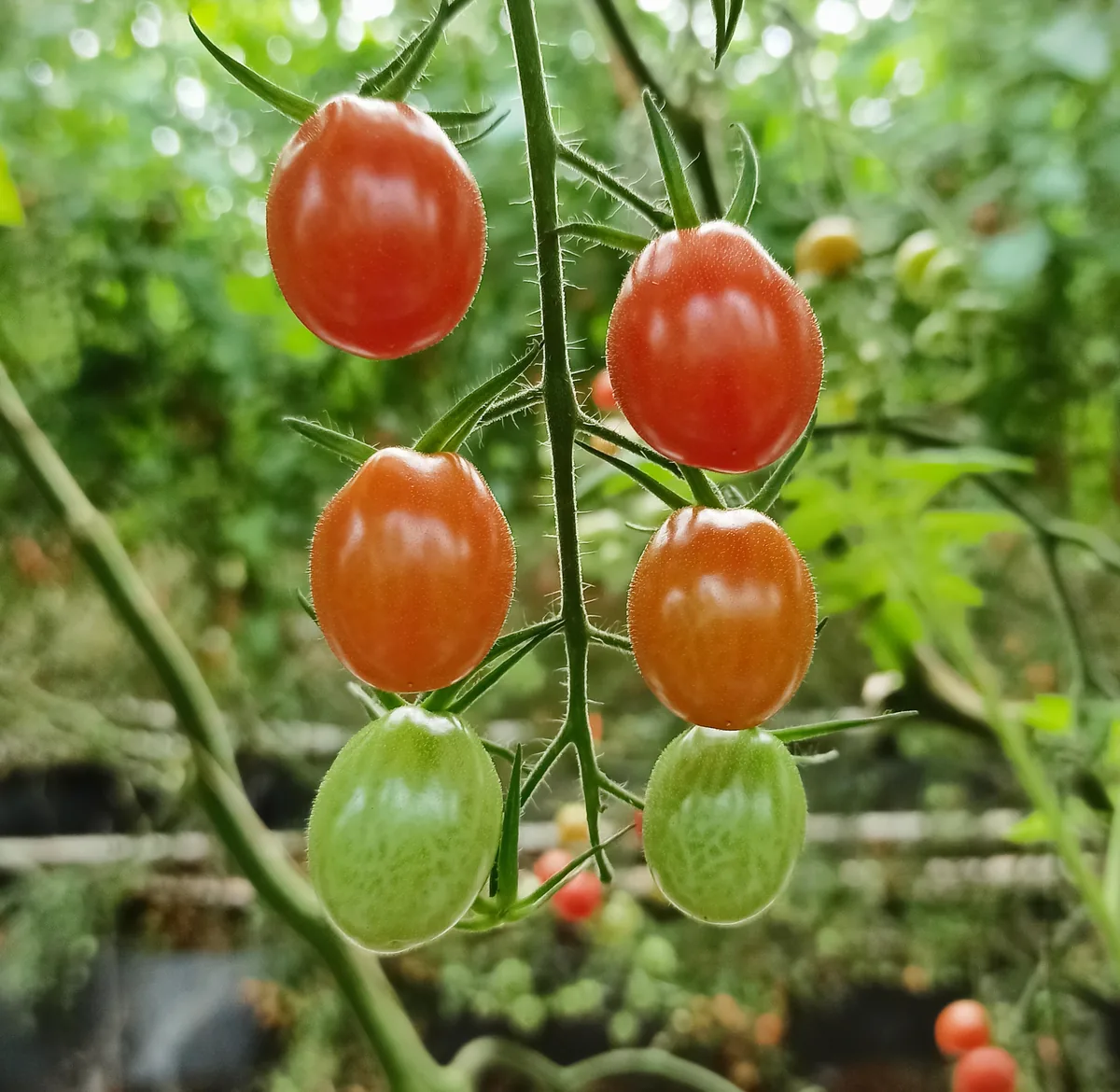
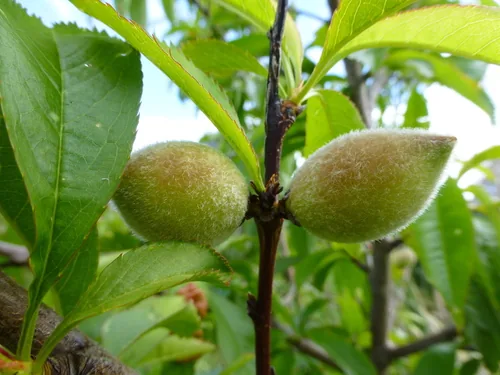
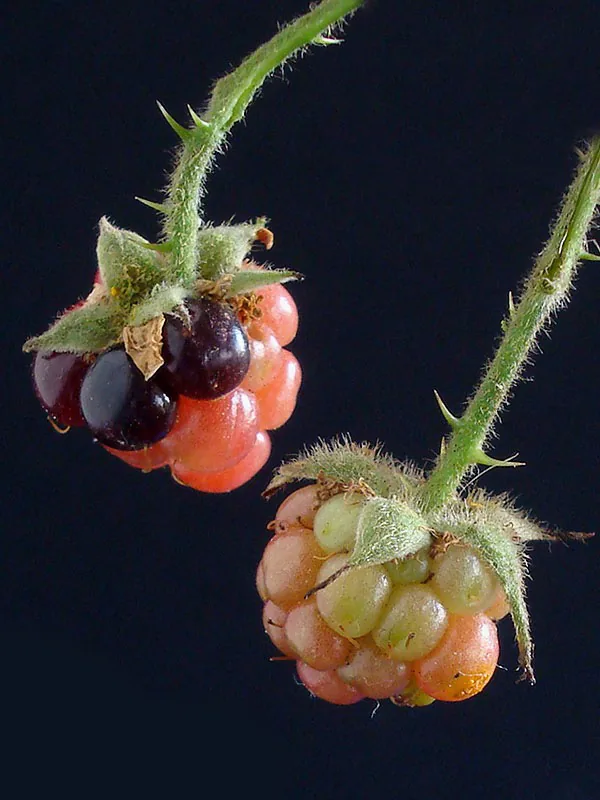
Taken together, 16-42 inches of annual rainfall, a median of roughly 3,850 growing-degree days (base 50°F), and about 1,050 winter chill hours for tree fruit draw the line between what thrives here and what merely survives. The dominant soils run to prairie loam, silt loam, clay, and loess, and their drainage is one of the strongest predictors of which crops take hold and which falter. Reliable performers under these conditions include tomato, sunflower, peach, and blackberry; what your own ground favors still comes down to its soil, sun, and drainage.

Grounded inUSDA PHZM 2023NOAA Climate NormalsUSDA NRCS SSURGOGDD aggregate (Cornell CALS)Chill-hour aggregate (MSU Extension)EPA FRSUSDA PLANTSGrowable Ground suitability scoring

Score your parcel · free

Your yard isn't the whole state.

Kansas spans zones 5b-7a, but your yard sits in exactly one — and slope, tree cover, and low spots nudge it further. Enter your address and we'll score 1,112 plants against your land's actual soil, sun, and frost.

We read public map data for this spot — soil, climate, flood, and parcel records. How we handle your address.

No card required · your full report in seconds

Quick Facts

USDA Zones

5b-7a

USDA PHZM 2023

Last Frost

Apr 5 - May 1

NOAA 30-yr Normals

First Frost

Oct 5 - Oct 30

NOAA 30-yr Normals

Annual Rainfall

16-42 inches

NOAA Climate Normals

Zone maps are averages across Kansas. Your yard's slope, trees, and frost pockets shift what actually grows — see your land's exact reading.

The Ground You’re Working With

The soil types that dominate Kansas — how each drains decides more about crop success than almost anything else. Tap any soil to learn what it is and how to work with it.

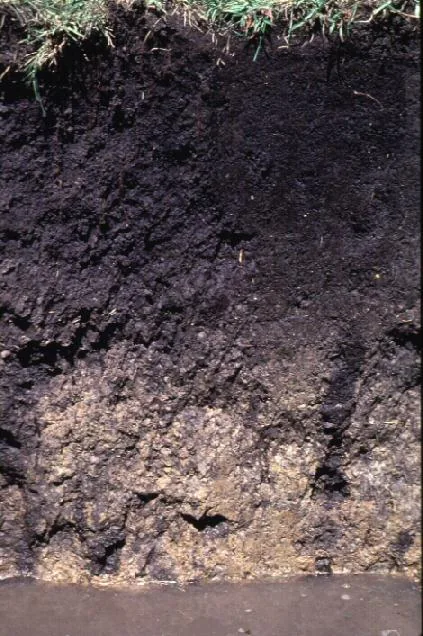
Drummer soil profile: deep black prairie loam over glacial till
Soil profile: Drummer series, Illinois

Prairie loam

  • Drainage

    Good. The crumb structure that prairie roots built lets water in and holds it like a sponge, releasing it steadily through the season.

  • What thrives

    This is some of the most productive crop ground on Earth — corn, beans, squash, brassicas, and nearly any vegetable you plant. Prairie natives like coneflower and big bluestem are, unsurprisingly, right at home.

How to work with Prairie loam
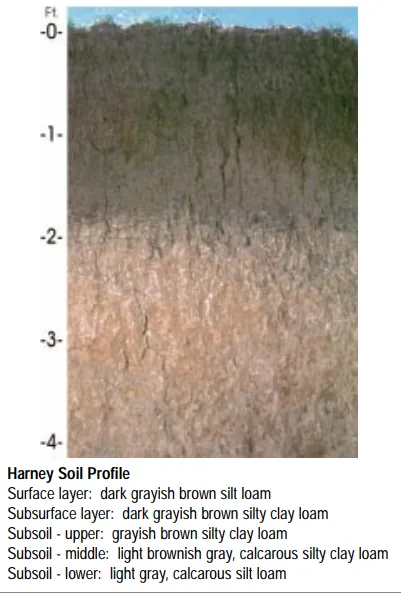
Harney soil profile: deep loessal silt loam with a dark grayish-brown surface
Soil profile: Harney series, Kansas

Silt loam

  • Drainage

    Moderate. Silt holds water well and releases it steadily, though the fine particles can crust after hard rain and compact under traffic.

  • What thrives

    The full vegetable garden does well here, and small grains, corn, and leafy greens are classic silt-loam crops. Its steady moisture suits shallow-rooted plants that dislike drought stress.

How to work with Silt loam
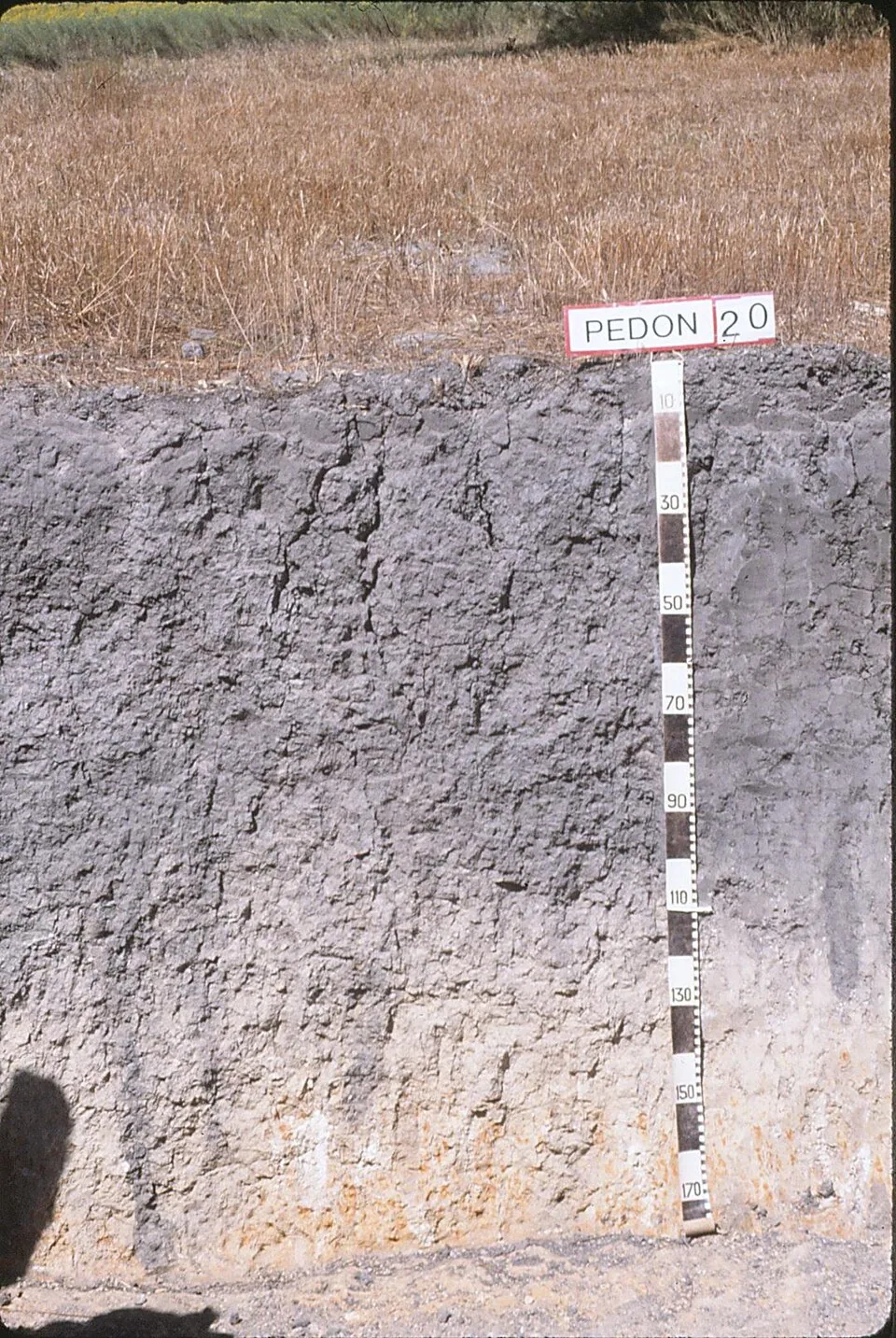
Vertic Argiustoll pedon: dense gray vertic clay profile with a depth scale, Victoria County, Texas
Soil profile: Vertic Argiustoll, Victoria County, TexasPhoto: Soil Science (soilscience.info, NC State), CC BY 2.0

Clay

  • Drainage

    Slow. Water enters clay reluctantly and leaves it the same way, so wet springs keep it cold and unworkable longer than lighter soils.

  • What thrives

    Once established, heavy feeders prosper — brassicas, beans, corn, and many fruit trees ride clay’s nutrient supply and summer moisture reserve. Daylilies, roses, and prairie perennials handle it without complaint.

How to work with Clay
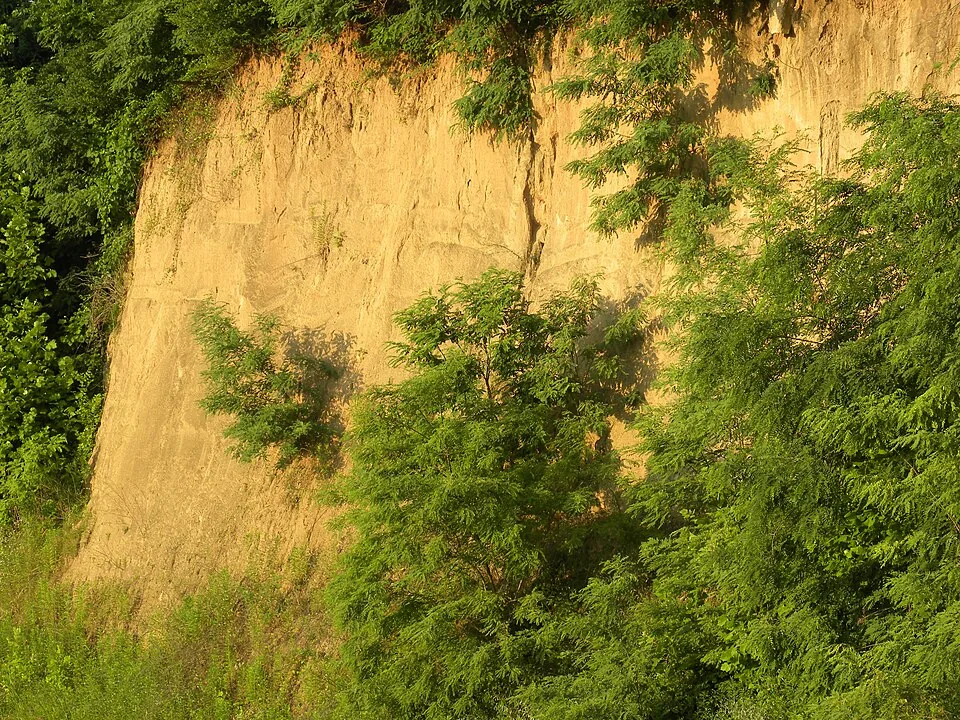
Deep wind-laid loess standing in a vertical bluff face near Vicksburg, Mississippi
Loess bluff exposure, Vicksburg, Mississippi

Loess

  • Drainage

    Good — it absorbs rain readily and holds it in reach of roots — but it erodes faster than any other soil when left bare on a slope.

  • What thrives

    Nearly everything: corn, small grains, and the full vegetable garden thrive in loess country, which is exactly why so much of it is farmed.

How to work with Loess

Soil data: USDA NRCS SSURGO · Soil types explained

Is it too late to plant in Kansas?

Almost never — the real question is what to plant next. Across Kansas, cool-season planting typically opens about four weeks before the local last hard freeze — county medians put that freeze near Mar 16, with the middle half of counties between Mar 9 and Mar 21 (NOAA 1991–2020 climate normals). Tender transplants wait two to three weeks past it, and fall planting counts back from first freezes mostly between Nov 9 and Nov 21 — long-season crops need about 90 days of runway, quick greens only 30. Here the season winds down slowly: late sowings, a real autumn harvest, and garlic in the ground before the first hard freeze.

State Symbols of Kansas

The plants Kansas put its name on — cultural emblems, not growing recommendations.

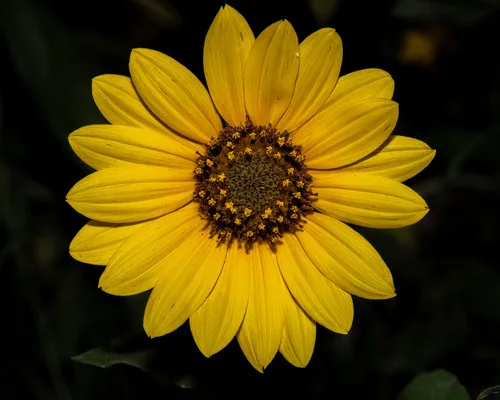
Sunflower, photograph
Official state flower

Sunflower

Helianthus annuus

Designated 1903. In our plant library — see its full growing profile.

Official state tree

Eastern cottonwood

Populus deltoides

Designated 1937.

Official state fruit

Sandhill plum

Designated 2022.

Native Plants of Kansas

Plants the USDA PLANTS Database documents as native and present in Kansas — a real per-state range, not just a zone match. Presence is statewide, so a plant may still be uncommon in your specific county; your state’s Cooperative Extension or a native-plant society is the local authority.

Also zone-compatible

US-native plants whose hardiness range overlaps Kansas’s USDA zones 5b-7a but which USDA PLANTS doesn’t map to a single state range here. Zone overlap is a starting filter, not a range map.

Browse all US-native plants by state & zone →

Growing Challenges in Kansas

What an experienced grower plans around here — each one has a move.

Low rainfall in western KS requires irrigation

Out west, drip lines and heavy mulch are the growing season — design the water before the beds.

Extreme wind and hail during severe storm season

Stage row cover for hail season and give young plants a windbreak — quick shelter saves seasons.

Hot dry summers with 100F+ days

Lean on the spring and fall windows, shade the summer survivors, and water deep and early in the day.

For cultivar selection, pest pressure, and planting-time guidance specific to Kansas, the K-State Research and Extension is the authoritative local source.

Safe to Grow Here?

What the federal record shows across Kansas — and how to grow with it.

Federal record: High

We checked the federal record across Kansas33,298 documented sites across 8 of the 9 source types we track.

The most significant on record: 146 Superfund sites. Sites tracked in EPA's Superfund program — from assessment-stage CERCLIS entries to confirmed National Priorities List cleanup sites.

Kansas carries one of the heavier federal records we track — and that's not a verdict on your yard. Proximity to a documented site is information, not a diagnosis: nothing here says any particular parcel is affected. It does earn one concrete step — before food beds go in the ground, a professional soil test tells you exactly what you're working with, and raised beds with clean imported soil grow well almost anywhere in the meantime.

Severity Distribution

across Kansas

High283Moderate19,355Low13,660

Highest-Severity Sites

1202 North State Smelter Complaint
Superfund · Superfund (Non-NPL)
1,2 Dca -West 2ND Street
Superfund · Superfund (Non-NPL)
13TH & Washington
Superfund · Superfund (Non-NPL)
29TH & Mead Ground Water Contamination
Superfund · Superfund NPL
2ND and Smelter
Superfund · Superfund (Non-NPL)

A note from Gnorman

What an experienced grower watches for around here

In and around Kansas, two things run higher than the national average — Nitrate (15,878 sites) and CAFO (485 sites). That's not a problem with your land — it's information about it.

Nitrate: Nitrate contamination primarily comes from agricultural fertilizer runoff and failing septic systems.

CAFO: CAFOs pose a different contamination profile than chemical sources.

Test well water for nitrate if you rely on a private well for irrigation (EPA standard: 10 mg/L).

Wash all produce consumed raw thoroughly, especially leafy greens grown near CAFOs.

Sources: EPA, USGS1.8M documented sites tracked nationwide across 9 federal source types.

See what grows on YOUR specific land

State averages sketch the shape. Your soil, sun exposure, drainage, and microclimate decide what actually takes. Pull a site-specific report for your exact parcel.

Free Report

Read your Kansas parcel

Enter your address. We read your soil, sun, drainage, and frost dates, then score 1,112 plants against the real conditions on your land.

Three things about your exact spot that zone averages miss:

Your soil pHYour frost-free daysYour sun & shade

We read public map data for this spot — soil, climate, flood, and parcel records. How we handle your address.

25+ data sources analyzed in seconds

Frequently Asked Questions

What USDA hardiness zones are in Kansas?

Kansas spans USDA hardiness zones 5b-7a, per the USDA Plant Hardiness Zone Map 2023. Zones reflect average annual extreme minimum temperatures from 1991–2020 weather data.

Is it too late to plant in Kansas?

Almost never — the real question is what to plant next. Across Kansas, cool-season planting typically opens about four weeks before the local last hard freeze — county medians put that freeze near Mar 16, with the middle half of counties between Mar 9 and Mar 21 (NOAA 1991–2020 climate normals). Tender transplants wait two to three weeks past it, and fall planting counts back from first freezes mostly between Nov 9 and Nov 21 — long-season crops need about 90 days of runway, quick greens only 30. Here the season winds down slowly: late sowings, a real autumn harvest, and garlic in the ground before the first hard freeze.

When does frost risk typically end in Kansas?

Across Kansas, the middle half of counties see their last hard freeze (28°F) between about Mar 9 and Mar 21, with a county median near Mar 16 (NOAA 1991–2020 climate normals). That marks the hard freeze, not the last light frost — light frosts can still bite for a few more weeks, so tender transplants usually wait another 2–3 weeks.

How long is the growing season in Kansas?

Measured between 28°F hard freezes, growing seasons across Kansas's counties mostly run about 232 to 256 days, with a county median near 244 (NOAA 1991–2020 climate normals). Tender crops get a somewhat shorter practical window, since lighter frosts reach a few weeks past the hard-freeze dates on both ends.

What vegetables grow well in Kansas?

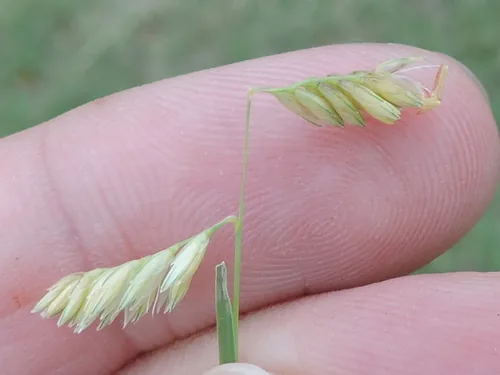
Kansas's zones 5b-7a support a wide range — strong performers include Tomato, Sunflower, Peach, Blackberry, and Buffalo Grass. What actually takes on any one site comes down to its soil, sun, and drainage, and we score each plant against the real conditions at your address.

Which hardiness zone is Kansas, really?

Officially, Kansas spans USDA zones 5b-7a (USDA PHZM 2023) — but a zone is a 30-year average of winter's coldest night across an area, and it can't see any one yard. A south-facing slope, a tree line, or a low frost pocket can shift a single site by half a zone either way, which is why neighboring gardeners often quote different numbers. We read the conditions at your exact address — soil, sun, slope, and frost — and score 1,112 plants against what's actually there.

Is the soil safe to grow vegetables in Kansas?

The federal record across Kansas runs heavier than most — 33,298 documented sites — so test the soil before planting food in the ground, and raised beds with clean imported soil grow well in the meantime. Even here, proximity to a documented site is information, not a diagnosis of any one yard; the contamination map shows exactly what's recorded and where.

Just moved to Kansas — what should I know before planting?

Start with three facts. Kansas spans USDA zones 5b-7a, which sets what survives winter; last hard freezes range from about Mar 9 to Mar 21 across its counties (NOAA 1991–2020 climate normals); and 33,298 documented sites sit on the federal record here, so a soil test before food beds is the smart first step. From there, matching plants to your actual soil and sun is the fun part.


Everything on this page is a Kansas average. Your yard writes its own version — we read soil, sun, drainage, and frost at your exact address. Try it for 14 days — no card required.

Cities & Towns in Kansas

Explore growing conditions by city or town in Kansas.

AbbyvilleAbileneAdaAdmireAgendaAgraAlbertAldenAlexanderAllenAlmaAlmenaAlta VistaAltamontAltonAltoonaAmericusAmesAndaleAndoverAnthonyArcadiaArgoniaArkansas CityArlingtonArmaAshervilleAshlandAssariaAtchisonAtholAtlantaAtticaAtwoodAuburnAugustaAuroraAxtellBaileyvilleBalaBaldwin CityBarnardBarnesBartlettBasehorBavariaBaxter SpringsBazineBeattieBeaumontBeaverBel AireBelle PlaineBellevilleBeloitBelpreBelvueBendenaBenedictBenningtonBentleyBentonBernBeverlyBig BowBird CityBisonBlue MoundBlue RapidsBluff CityBogueBonner SpringsBremenBrewsterBridgeportBronsonBrookvilleBrownellBucklinBucyrusBuffaloBuhlerBunker HillBurdenBurdettBurdickBurlingameBurlingtonBurnsBurr OakBurrtonBushongBushtonByersCaldwellCambridgeCaneyCantonCarbondaleCarltonCassodayCatharineCawker CityCedarCedar ValeCentervilleCentraliaCentropolisChanuteChapmanChaseChautauquaCheneyCherokeeCherryvaleChetopaChicopeeCimarronCirclevilleClaflinClay CenterClaytonClearwaterCliftonClimaxClydeCoatsCodellCoffeyvilleColbyColdwaterCollyerColonyColumbusColwichConcordiaConway SpringsCoolidgeCopelandCorningCottonwood FallsCouncil GroveCourtlandCoyvilleCrestlineCroweburgCubaCullisonCulverCunninghamDamarDe SotoDearingDeerfieldDeliaDelphosDenisonDennisDentonDerbyDetroitDevonDexterDightonDodge CityDorranceDouglassDownsDresdenDunlapDurhamDwightEarltonEastboroughEastonEastshoreEdgertonEdmondEdnaEdsonEdwardsvilleEffinghamEl DoradoElbingElginElk CityElk FallsElkhartEllinwoodEllisEllsworthElmdaleElsmoreElwoodElyriaEmmettEmporiaEnglewoodEnsignEnterpriseErieEsbonEskridgeEudoraEurekaEverestFairviewFairwayFall RiverFalunFarlingtonFlorenceFontanaFordFormosoFort DodgeFort RileyFort ScottFowlerFrankfortFranklinFrederickFredoniaFrontenacFultonFurleyGalatiaGalenaGalesburgGalvaGarden CityGarden PlainGardnerGarfieldGarlandGarnettGasGaylordGemGeneseoGeuda SpringsGirardGladeGlascoGlen ElderGoddardGoesselGoffGoodlandGorhamGove CityGrainfieldGrandview PlazaGrantvilleGreat BendGreeleyGreeley County unified governmentGreenGreenleafGreensburgGreenwichGrenolaGridleyGrinnellGypsumHaddamHallowellHalsteadHamiltonHanoverHanstonHardtnerHarperHarrisHartfordHarveyvilleHavanaHavenHavensvilleHavilandHaysHaysvilleHazeltonHealyHeplerHeringtonHerkimerHerndonHesstonHiawathaHighlandHill CityHillsboroHillsdaleHoisingtonHolcombHoltonHolyroodHomeHopeHoraceHortonHowardHoxieHoytHudsonHugotonHumboldtHunnewellHunterHutchinsonIdanaIndependenceIngallsInmanIolaIoniaIsabelIukaJamestownJenningsJetmoreJewellJohnson CityJunction CityKanopolisKanoradoKansas CityKeatsKechiKellyKensingtonKickapoo Site 1Kickapoo Site 2Kickapoo Site 5Kickapoo Site 6Kickapoo Site 7Kickapoo Tribal CenterKincaidKingmanKinsleyKiowaKippKirwinKismetLa CrosseLa CygneLa HarpeLabetteLafontaineLake CityLake QuiviraLakinLancasterLaneLansingLarnedLathamLawrenceLeRoyLeavenworthLeawoodLebanonLeboLecomptonLehighLenexaLenoraLeonLeonardvilleLeotiLevantLewisLiberalLibertyLiebenthalLincoln CenterLincolnvilleLindsborgLinnLinn ValleyLinwoodLittle RiverLoganLong IslandLongfordLongtonLorraineLost SpringsLouisburgLouisvilleLowellLucasLudellLurayLyndonLyonsMacksvilleMadisonMahaskaMaizeManchesterManhattanMankatoManterMaple HillMapletonMarienthalMarionMarquetteMarysvilleMatfield GreenMayettaMayfieldMcConnell AFBMcCrackenMcCuneMcDonaldMcFarlandMcLouthMcPhersonMeadeMedicine LodgeMelvernMenloMentorMeridenMerriamMilanMildredMilfordMiltonMiltonvaleMinneapolisMinneolaMissionMission HillsMolineMont IdaMontezumaMonumentMoranMorganvilleMorlandMorrillMorrowvilleMoscowMound CityMound ValleyMoundridgeMount HopeMulberryMullinvilleMulvaneMundenMunjorMurdockMuscotahNarkaNashvilleNatomaNavarreNealNeodeshaNeosho FallsNeosho RapidsNess CityNetawakaNew AlbanyNew CambriaNew SalemNew StrawnNewburyNewtonNickersonNicodemusNilesNiotazeNorcaturNorth NewtonNortonNortonvilleNorwayNorwichOaklawn-SunviewOakleyOberlinOdinOfferleOgallahOgdenOketoOlatheOlivetOlmitzOlpeOlsburgOnagaOneidaOpolisOsage CityOsawatomieOsborneOskaloosaOswegoOtisOttawaOverbrookOverland ParkOxfordOzawkiePalcoPalmerPaolaParadiseParkPark CityParkerParkerfieldParkervilleParsonsPartridgePawnee RockPaxicoPeabodyPeckPenalosaPerryPeruPhillipsburgPiedmontPiercevillePilsenPiquaPittsburgPlainsPlainvillePleasantonPlevnaPomonaPortisPotwinPowhattanPrairie ViewPrairie VillagePrattPrescottPrestonPretty PrairiePrincetonProtectionQuenemoQuinterRadleyRamonaRandallRandolphRansomRantoulRaymondReadingRedfieldRepublicReserveRexfordRichfieldRichmondRileyRingoRivertonRobinsonRockRoeland ParkRollaRosaliaRose HillRoselandRossvilleRoxburyRozelRush CenterRussellRussell SpringsSabethaSalinaSatantaSavonburgSawyerScammonScandiaSchoenchenScott CityScottsvilleScrantonSedanSedgwickSeldenSenecaSeveranceSeverySewardShallow WaterSharonSharon SpringsShawneeSilver LakeSilverdaleSimpsonSmith CenterSmolanSoldierSolomonSomersetSouth HavenSouth HutchinsonSouth MoundSpearvilleSpeedSpiveySpring HillSt. BenedictSt. FrancisSt. GeorgeSt. JohnSt. MarksSt. MarysSt. PaulStaffordStarkSterlingStocktonStrong CityStuttgartSubletteSummerfieldSun CitySycamoreSylvan GroveSylviaSyracuseTampaTecumsehTescottThayerThe HighlandsTimkenTiptonTonganoxieTopekaTorontoTowandaTribuneTroyTuronTyroUdallUlyssesUniontownUrbanaUticaValley CenterValley FallsVassarVermillionVictoriaViningViolaVirgilWaKeeneyWabaunseeWakarusaWakefieldWaldoWaldronWallaceWalnutWaltonWamegoWashingtonWatervilleWathenaWaverlyWaysideWebberWeirWeldaWellingtonWellsWellsvilleWeskanWest MineralWestmorelandWestphaliaWestwoodWetmoreWheatonWhite CityWhite CloudWhitewaterWhitingWichitaWillardWilliamsburgWilliamstownWillisWillowbrookWilmoreWilroads GardensWilseyWilsonWinchesterWindomWinfieldWinonaWoodbineWoodruffWoodstonWrightYaleYates CenterYoderZeandaleZendaZurich

States with a Similar Growing Climate

Kansas shares its dominant growing region with these states — a useful comparison if you're weighing where a crop will behave the same way.