What Grows in Minnesota

USDA Zones 3a-4b · 19-34 inches annual rainfall

Minnesota spans USDA hardiness zones 3a-4b, with a growing season of about 150 frost-free days — a season that fits spring and fall plantings of cool-weather crops around a solid warm-season core.

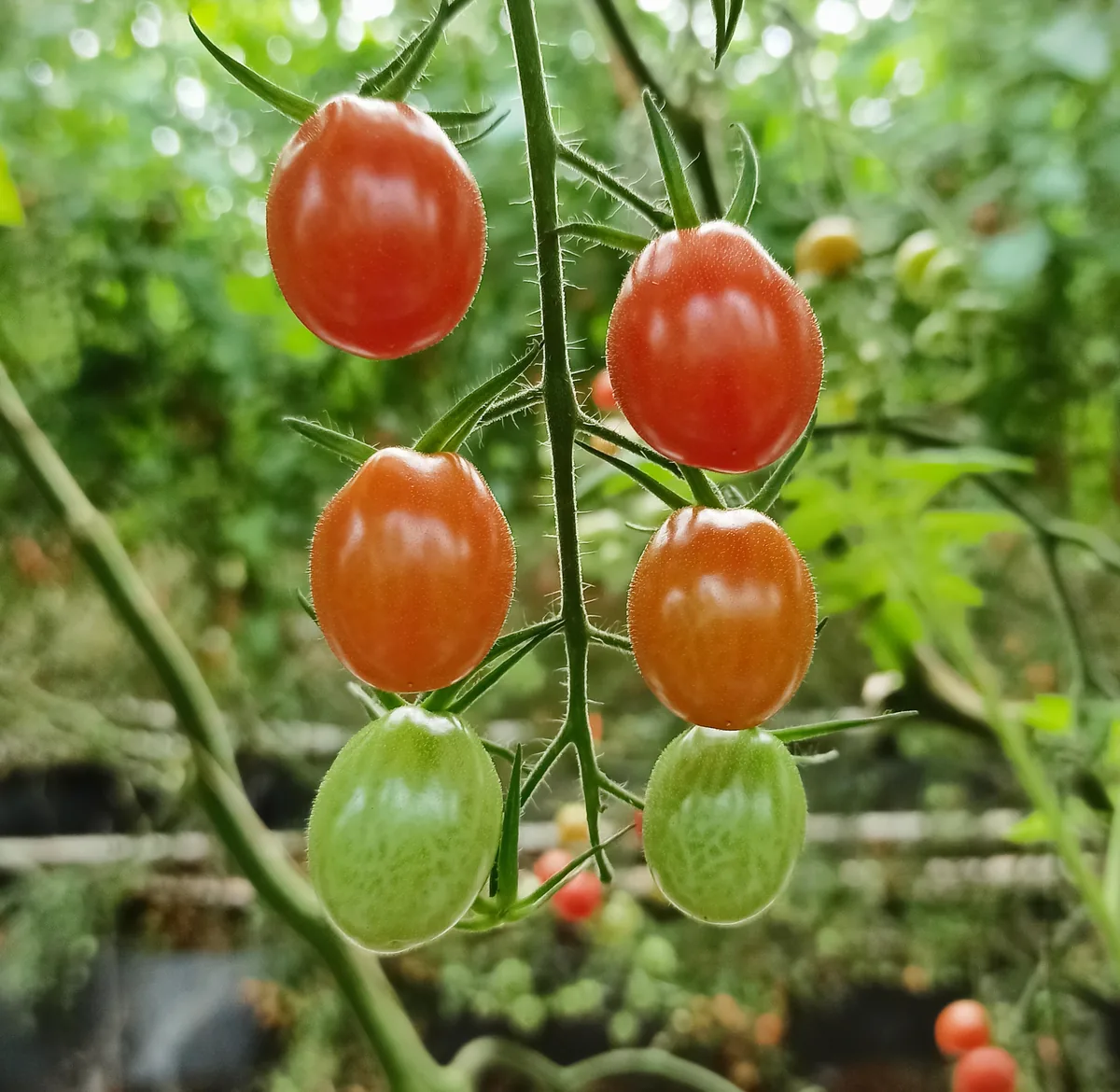
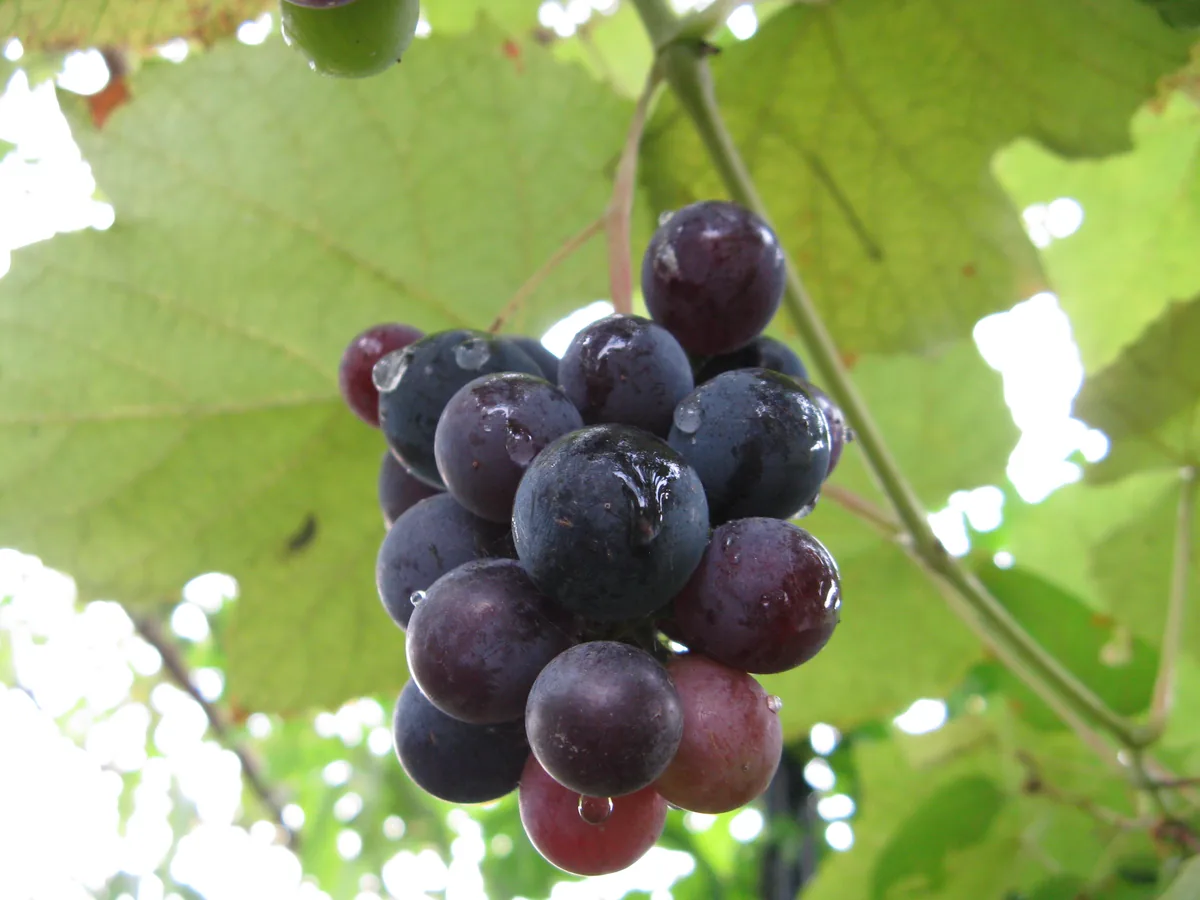
The climate hand here is 19-34 inches of annual rainfall, a median of roughly 2,250 growing-degree days (base 50°F), and about 1,950 winter chill hours for tree fruit — the numbers that decide what ripens comfortably and what runs out of runway. Underfoot it's mostly prairie loam, clay, sandy outwash, and peat — and how those drain decides more about crop success than almost anything else. Growers here do well with honeycrisp apple, wild rice, tomato, and grape (marquette) — with the usual caveat that any single yard's soil, sun, and drainage cast the deciding vote.

Grounded inUSDA PHZM 2023NOAA Climate NormalsUSDA NRCS SSURGOGDD aggregate (Cornell CALS)Chill-hour aggregate (MSU Extension)EPA FRSUSDA PLANTSGrowable Ground suitability scoring

Score your parcel · free

Your yard isn't the whole state.

Minnesota spans zones 3a-4b, but your yard sits in exactly one — and slope, tree cover, and low spots nudge it further. Enter your address and we'll score 1,112 plants against your land's actual soil, sun, and frost.

We read public map data for this spot — soil, climate, flood, and parcel records. How we handle your address.

No card required · your full report in seconds

Quick Facts

USDA Zones

3a-4b

USDA PHZM 2023

Last Frost

Apr 25 - May 30

NOAA 30-yr Normals

First Frost

Sep 10 - Oct 10

NOAA 30-yr Normals

Annual Rainfall

19-34 inches

NOAA Climate Normals

Zone maps are averages across Minnesota. Your yard's slope, trees, and frost pockets shift what actually grows — see your land's exact reading.

The Ground You’re Working With

The soil types that dominate Minnesota — how each drains decides more about crop success than almost anything else. Tap any soil to learn what it is and how to work with it.

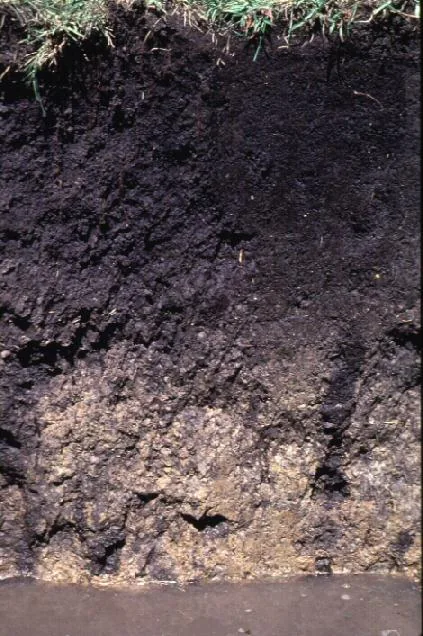
Drummer soil profile: deep black prairie loam over glacial till
Soil profile: Drummer series, Illinois

Prairie loam

  • Drainage

    Good. The crumb structure that prairie roots built lets water in and holds it like a sponge, releasing it steadily through the season.

  • What thrives

    This is some of the most productive crop ground on Earth — corn, beans, squash, brassicas, and nearly any vegetable you plant. Prairie natives like coneflower and big bluestem are, unsurprisingly, right at home.

How to work with Prairie loam
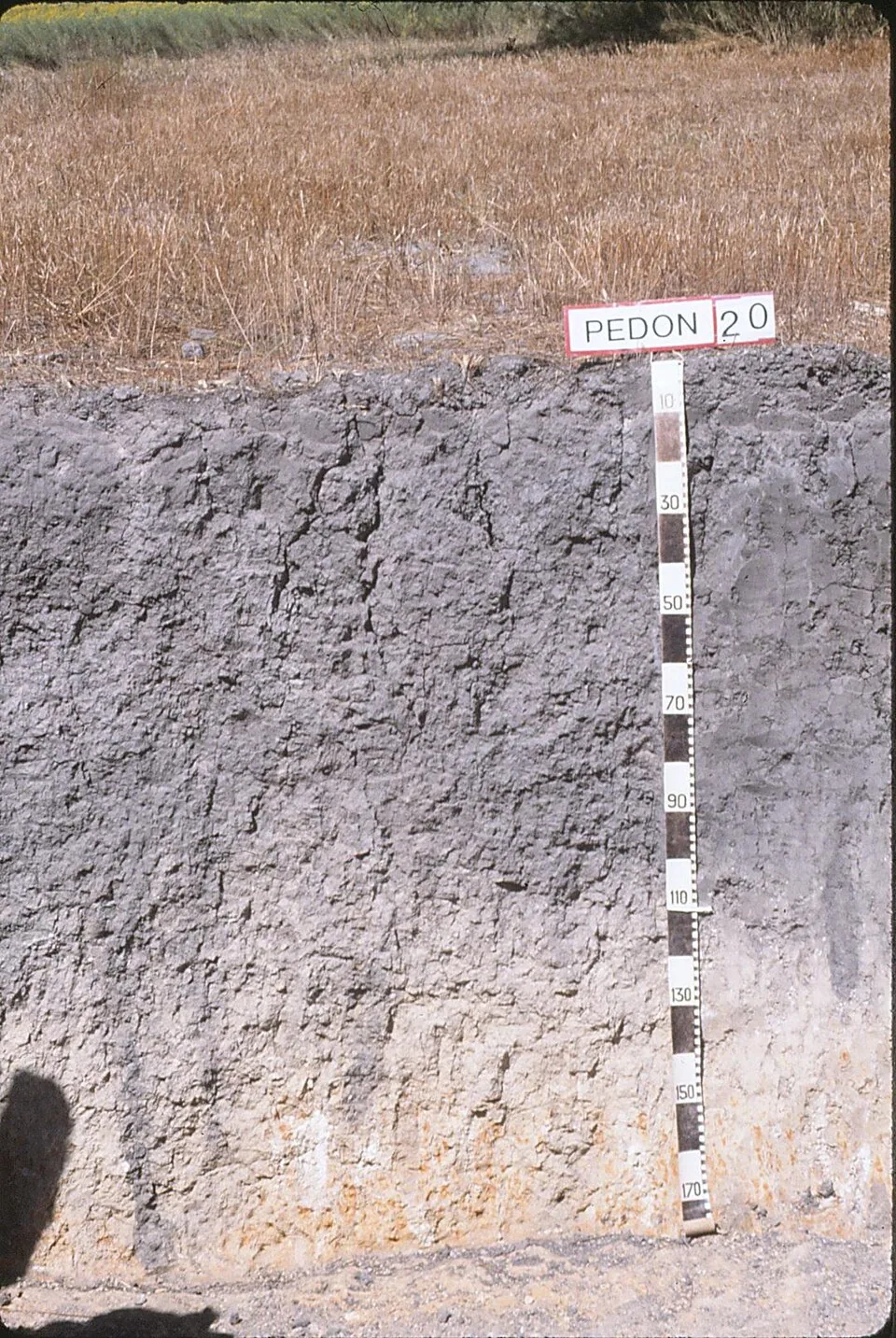
Vertic Argiustoll pedon: dense gray vertic clay profile with a depth scale, Victoria County, Texas
Soil profile: Vertic Argiustoll, Victoria County, TexasPhoto: Soil Science (soilscience.info, NC State), CC BY 2.0

Clay

  • Drainage

    Slow. Water enters clay reluctantly and leaves it the same way, so wet springs keep it cold and unworkable longer than lighter soils.

  • What thrives

    Once established, heavy feeders prosper — brassicas, beans, corn, and many fruit trees ride clay’s nutrient supply and summer moisture reserve. Daylilies, roses, and prairie perennials handle it without complaint.

How to work with Clay

See the glacial-outwash profile — sandy outwash is the same meltwater-sorted sand and gravel.

Sandy outwash

  • Drainage

    Very fast, often to considerable depth — outwash rarely holds a puddle.

  • What thrives

    Potatoes are the classic outwash crop, along with carrots, asparagus, and bush fruits. Pines and oaks dominate the native cover for the same reason: they handle the droughtiness.

How to work with Sandy outwash
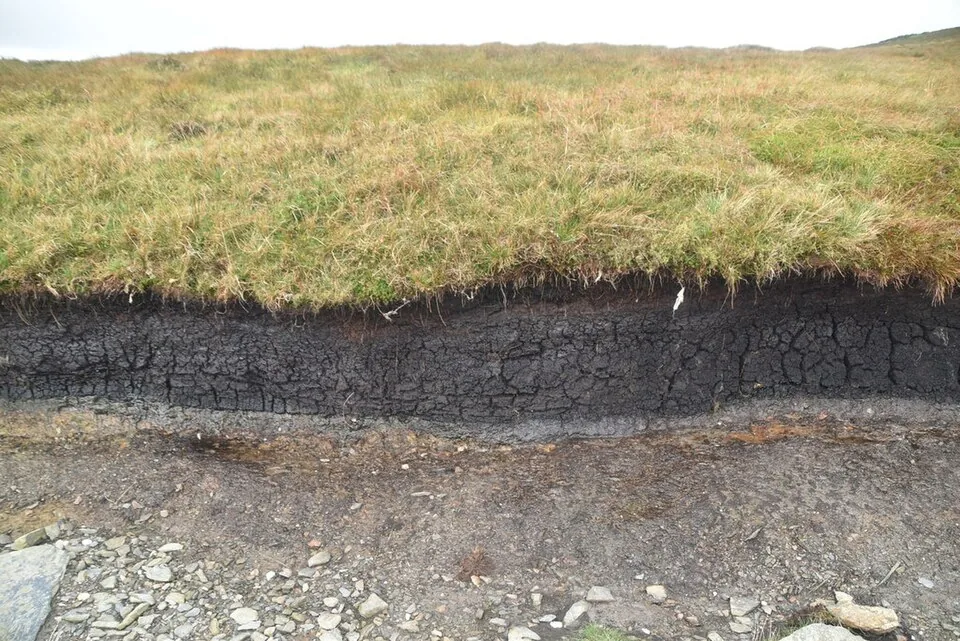
Black peat bank exposed beneath living moor grass
Peat bank under moor grassPhoto: N Chadwick, Geograph, CC BY-SA 2.0

Peat

  • Drainage

    Saturated by default — peat forms precisely because water excludes the oxygen decomposition needs. Drained peat holds moisture beautifully but can stay cold late into spring.

  • What thrives

    Acid-lovers are at home: blueberries and cranberries are the classic peatland crops, with rhododendrons, azaleas, and bog natives alongside.

How to work with Peat

Soil data: USDA NRCS SSURGO · Soil types explained

Top 5 Plants for Minnesota

Plants well-suited to Minnesota's climate, soils, and growing season — each links to its full growing profile.

Is it too late to plant in Minnesota?

For most of the year, no — what changes is which crops still fit the days remaining. Across Minnesota, cool-season planting typically opens about four weeks before the local last hard freeze — county medians put that freeze near Apr 14, with the middle half of counties between Apr 10 and Apr 20 (NOAA 1991–2020 climate normals). Tender transplants wait two to three weeks past it, and fall planting counts back from first freezes mostly between Oct 25 and Oct 31 — long-season crops need about 90 days of runway, quick greens only 30. Late in the year the fall bench takes over — quick greens, radishes, and garlic that repays you next summer.

State Symbols of Minnesota

The plants Minnesota put its name on — cultural emblems, not growing recommendations.

Official state flower

Pink and white lady's slipper

Cypripedium reginae

Designated 1902.

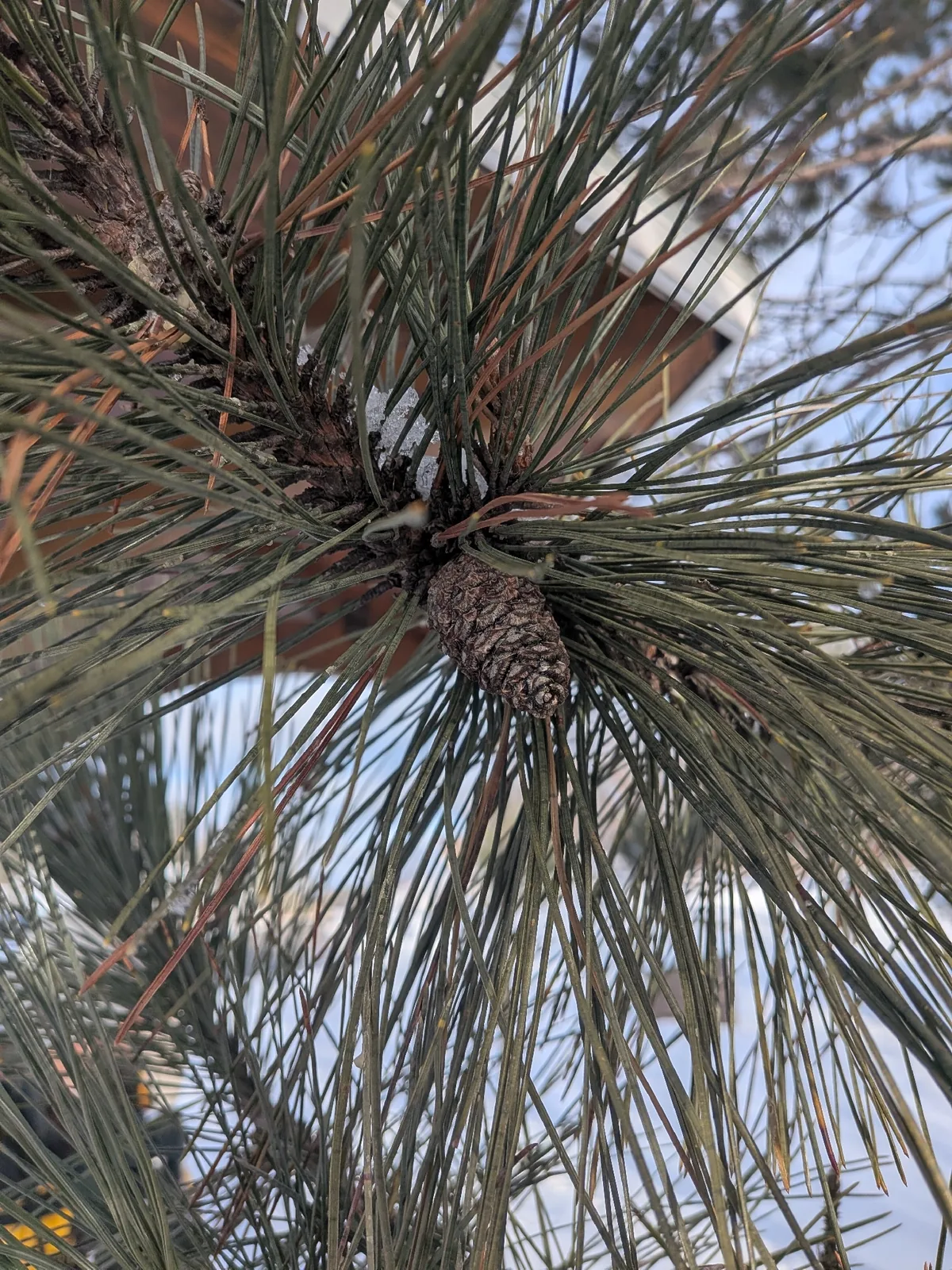
Red pine, photograph
Official state tree

Red pine

Pinus resinosa

Designated 1953. In our plant library — see its full growing profile.

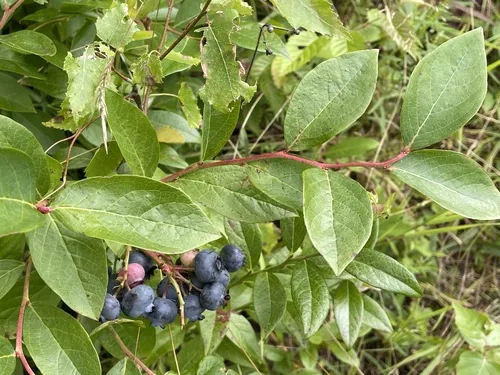
Blueberry, photograph
Official state berry

Blueberry

In our plant library — see its full growing profile.

Official state fruit

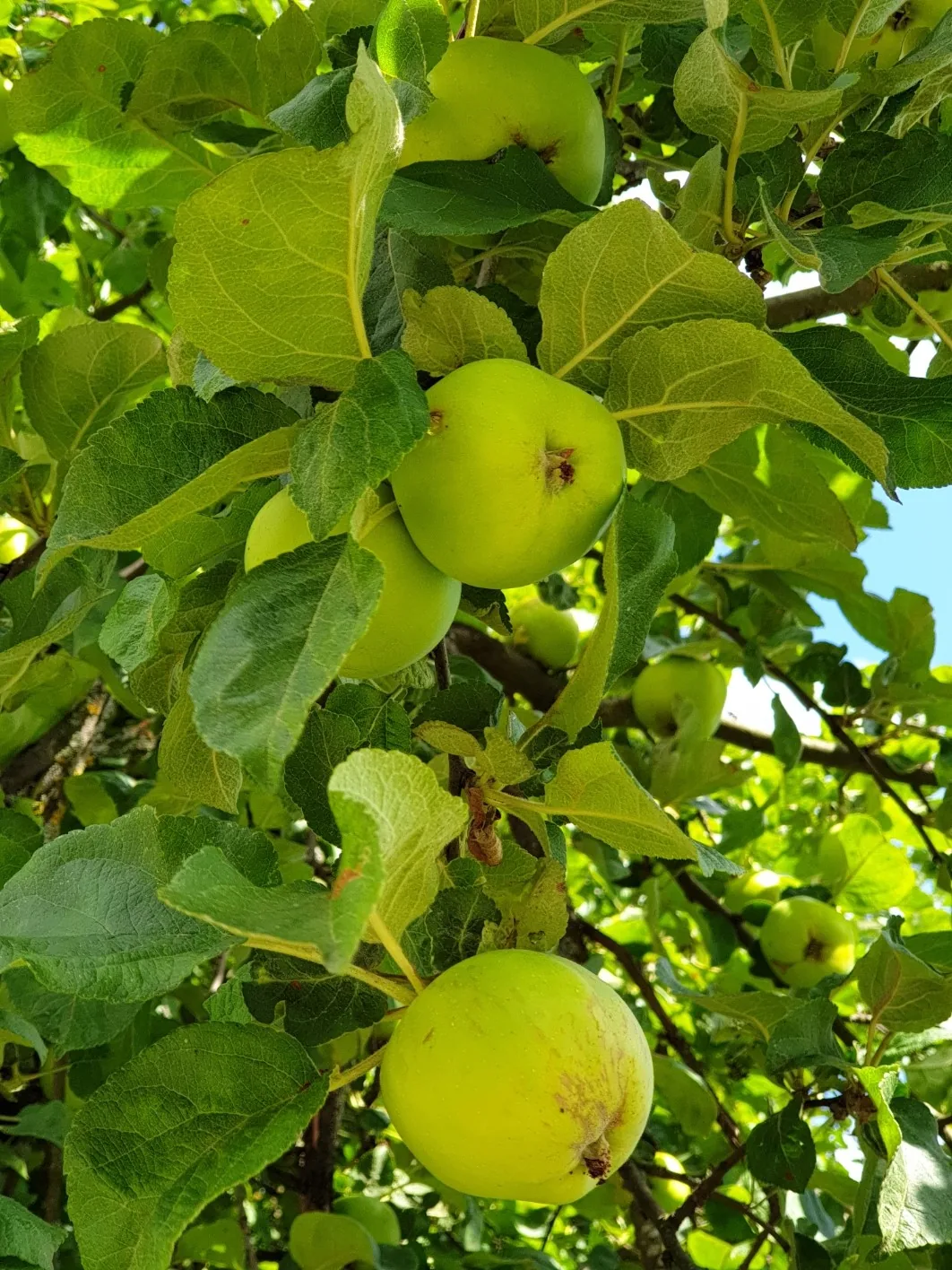
Honeycrisp apple

Designated 2006.

Native Plants of Minnesota

Plants the USDA PLANTS Database documents as native and present in Minnesota — a real per-state range, not just a zone match. Presence is statewide, so a plant may still be uncommon in your specific county; your state’s Cooperative Extension or a native-plant society is the local authority.

Also zone-compatible

US-native plants whose hardiness range overlaps Minnesota’s USDA zones 3a-4b but which USDA PLANTS doesn’t map to a single state range here. Zone overlap is a starting filter, not a range map.

Browse all US-native plants by state & zone →

Growing Challenges in Minnesota

What an experienced grower plans around here — each one has a move.

Extreme cold (zone 3a: -40F) limits many species

Plant to zone 3 realities and the garden thrives — the hardy-plant palette here is deeper than most catalogs suggest.

Short growing season (100-140 frost-free days)

Start transplants indoors and add a cold frame — the standard Minnesota moves that stretch a short season into a full one.

Heavy clay soils in the Red River Valley

Valley clay grows world-class crops once drainage is handled — raised beds do it instantly, compost does it permanently.

For cultivar selection, pest pressure, and planting-time guidance specific to Minnesota, the University of Minnesota Extension is the authoritative local source.

Safe to Grow Here?

What the federal record shows across Minnesota — and how to grow with it.

Federal record: High

We checked the federal record across Minnesota59,092 documented sites across 8 of the 9 source types we track.

The most significant on record: 172 Superfund sites. Sites tracked in EPA's Superfund program — from assessment-stage CERCLIS entries to confirmed National Priorities List cleanup sites.

Minnesota carries one of the heavier federal records we track — and that's not a verdict on your yard. Proximity to a documented site is information, not a diagnosis: nothing here says any particular parcel is affected. It does earn one concrete step — before food beds go in the ground, a professional soil test tells you exactly what you're working with, and raised beds with clean imported soil grow well almost anywhere in the meantime.

Severity Distribution

across Minnesota

High324Moderate17,847Low40,921

Highest-Severity Sites

1201 South Broadway
Superfund · Superfund (Non-NPL)
2808 40TH Avenue South House
Superfund · Superfund (Non-NPL)
2ND Ave E and Lewis St S
Superfund · Superfund (Non-NPL)
4320 East Lake Street
Superfund · Superfund (Non-NPL)
55TH & Lyndale Site
Superfund · Superfund (Non-NPL)

A note from Gnorman

What an experienced grower watches for around here

In and around Minnesota, two things run higher than the national average — CAFO (1,010 sites) and Brownfields (29,697 sites). It's not cause for alarm — it's worth knowing, and there's a sensible way to grow around it.

CAFO: CAFOs pose a different contamination profile than chemical sources.

Brownfields: Brownfield sites are former commercial or industrial properties where legacy soil contamination (heavy metals, PAHs, petroleum compounds) may persist.

Wash all produce consumed raw thoroughly, especially leafy greens grown near CAFOs.

Check EPA brownfield remediation status — many sites have completed cleanup with institutional controls.

Sources: EPA, USGS1.8M documented sites tracked nationwide across 9 federal source types.

See what grows on YOUR specific land

State averages sketch the shape. Your soil, sun exposure, drainage, and microclimate decide what actually takes. Pull a site-specific report for your exact parcel.

Free Report

Read your Minnesota parcel

Enter your address. We read your soil, sun, drainage, and frost dates, then score 1,112 plants against the real conditions on your land.

Three things about your exact spot that zone averages miss:

Your soil pHYour frost-free daysYour sun & shade

We read public map data for this spot — soil, climate, flood, and parcel records. How we handle your address.

25+ data sources analyzed in seconds

Frequently Asked Questions

What USDA hardiness zones are in Minnesota?

Minnesota spans USDA hardiness zones 3a-4b, per the USDA Plant Hardiness Zone Map 2023. Zones reflect average annual extreme minimum temperatures from 1991–2020 weather data.

Is it too late to plant in Minnesota?

For most of the year, no — what changes is which crops still fit the days remaining. Across Minnesota, cool-season planting typically opens about four weeks before the local last hard freeze — county medians put that freeze near Apr 14, with the middle half of counties between Apr 10 and Apr 20 (NOAA 1991–2020 climate normals). Tender transplants wait two to three weeks past it, and fall planting counts back from first freezes mostly between Oct 25 and Oct 31 — long-season crops need about 90 days of runway, quick greens only 30. Late in the year the fall bench takes over — quick greens, radishes, and garlic that repays you next summer.

When does frost risk typically end in Minnesota?

Across Minnesota, the middle half of counties see their last hard freeze (28°F) between about Apr 10 and Apr 20, with a county median near Apr 14 (NOAA 1991–2020 climate normals). That marks the hard freeze, not the last light frost — light frosts can still bite for a few more weeks, so tender transplants usually wait another 2–3 weeks.

How long is the growing season in Minnesota?

Measured between 28°F hard freezes, growing seasons across Minnesota's counties mostly run about 188 to 203 days, with a county median near 197 (NOAA 1991–2020 climate normals). Tender crops get a somewhat shorter practical window, since lighter frosts reach a few weeks past the hard-freeze dates on both ends.

What vegetables grow well in Minnesota?

Minnesota's zones 3a-4b support a wide range — strong performers include Honeycrisp Apple, Wild Rice, Tomato, Grape (Marquette), and Red Pine. What actually takes on any one site comes down to its soil, sun, and drainage, and we score each plant against the real conditions at your address.

Which hardiness zone is Minnesota, really?

Officially, Minnesota spans USDA zones 3a-4b (USDA PHZM 2023) — but a zone is a 30-year average of winter's coldest night across an area, and it can't see any one yard. A south-facing slope, a tree line, or a low frost pocket can shift a single site by half a zone either way, which is why neighboring gardeners often quote different numbers. We read the conditions at your exact address — soil, sun, slope, and frost — and score 1,112 plants against what's actually there.

Is the soil safe to grow vegetables in Minnesota?

The federal record across Minnesota runs heavier than most — 59,092 documented sites — so test the soil before planting food in the ground, and raised beds with clean imported soil grow well in the meantime. Even here, proximity to a documented site is information, not a diagnosis of any one yard; the contamination map shows exactly what's recorded and where.

Just moved to Minnesota — what should I know before planting?

Start with three facts. Minnesota spans USDA zones 3a-4b, which sets what survives winter; last hard freezes range from about Apr 10 to Apr 20 across its counties (NOAA 1991–2020 climate normals); and 59,092 documented sites sit on the federal record here, so a soil test before food beds is the smart first step. From there, matching plants to your actual soil and sun is the fun part.

Everything on this page is a Minnesota average. Your yard writes its own version — we read soil, sun, drainage, and frost at your exact address. Try it for 14 days — no card required.

Cities & Towns in Minnesota

Explore growing conditions by city or town in Minnesota.

AdaAdamsAdrianAftonAitkinAkeleyAlbanyAlbert LeaAlbertaAlbertvilleAldenAldrichAlexandriaAlphaAlturaAlvaradoAmboyAndoverAngle InletAnnandaleAnokaApple ValleyAppletonArcoArden HillsArgyleArlingtonAshbyAskovAtwaterAudubonAuroraAustinAvocaAvonBabbittBackusBadgerBagleyBakerBalatonBall ClubBarnesvilleBarnumBarrettBarryBattle LakeBaudetteBaxterBayportBeardsleyBeaulieuBeaver BayBeaver CreekBeckerBejouBelgradeBelle PlaineBellechesterBellinghamBeltramiBelviewBemidjiBenaBensonBerthaBethelBig FallsBig LakeBig LakeBigelowBigforkBingham LakeBirchwood VillageBird IslandBiwabikBlackduckBlaineBlomkestBlooming PrairieBloomingtonBlue EarthBlufftonBockBorupBoveyBowlusBoy RiverBoydBrahamBrainerdBrandonBreckenridgeBreezy PointBrewsterBricelynBrook ParkBrooklyn CenterBrooklyn ParkBrooksBrookstonBrootenBrowervilleBrowns ValleyBrownsdaleBrownsvilleBrowntonBrunoBuckmanBuffaloBuffalo LakeBuhlBurnsvilleBurtrumButterfieldByronCaledoniaCallawayCalumetCambridgeCampbellCanbyCannon FallsCantonCarlosCarltonCarverCass LakeCedar MillsCenter CityCentervilleCeylonChamplinChandlerChanhassenChaskaChatfieldChickamaw BeachChisago CityChisholmChokioCircle PinesClara CityClaremontClarissaClarkfieldClarks GroveClear LakeClearbrookClearwaterClementsClevelandClimaxClintonClitherallClontarfCloquetCoatesCobdenCohassetCokatoCold SpringColeraineCologneColumbia HeightsColumbusComfreyComstockCongerCookCoon RapidsCorcoranCorrellCosmosCottage GroveCottonwoodCourtlandCredit RiverCromwellCrookstonCrosbyCrosslakeCrown CollegeCrystalCurrieCuyunaCyrusDakotaDaltonDanubeDanversDarfurDarwinDasselDawsonDaytonDe GraffDeephavenDeer CreekDeer RiverDeerwoodDelanoDelavanDelhiDellwoodDenhamDennisonDentDetroit LakesDexterDilworthDodge CenterDonaldsonDonnellyDoranDoverDovrayDresbachDuluthDumontDundasDundeeDunnellEaganEagle BendEagle LakeEast BethelEast Grand ForksEast Gull LakeEastonEbroEchoEden PrairieEden ValleyEdgertonEdinaEffieEitzenElbaElbow LakeElbow LakeElginElizabethElk RiverElko New MarketElktonEllendaleEllsworthElmdaleElmoreElrosaElyElysianEmilyEmmonsEmpireErhardErskineEskoEssigEvanEvansvilleEvelethExcelsiorEyotaFairfaxFairhavenFairmontFalcon HeightsFaribaultFarmingtonFarwellFederal DamFeltonFergus FallsFertileFifty LakesFinlandFinlaysonFish LakeFisherFlensburgFloodwoodFlorenceFoleyForadaForest LakeForestonFort RipleyFosstonFountainFoxhomeFranklinFrazeeFreebornFreeportFridleyFrontenacFrostFuldaFunkleyGarden CityGarfieldGarrisonGarvinGaryGaylordGem LakeGenevaGenolaGeorgetownGhentGibbonGilbertGilmanGlencoeGlenvilleGlenwoodGlyndonGolden ValleyGonvickGood ThunderGoodhueGoodlandGoodridgeGoodviewGracevilleGranadaGrand MaraisGrand MeadowGrand RapidsGranite FallsGrantGrasstonGreen IsleGreenbushGreenfieldGreenwaldGreenwoodGrey EagleGrove CityGryglaGullyHackensackHadleyHallockHalmaHalstadHam LakeHamburgHammondHamptonHancockHanley FallsHanoverHanskaHardingHardwickHarmonyHarrisHartlandHastingsHatfieldHawleyHayfieldHaywardHazel RunHectorHeidelbergHendersonHendricksHendrumHenningHenrietteHermanHermantownHeron LakeHewittHibbingHigh ForestHill CityHillmanHillsHilltopHinckleyHitterdalHoffmanHokahHoldingfordHollandHollandaleHollowayHoltHomerHopkinsHoustonHoward LakeHoyt LakesHugoHumboldtHutchinsonIhlenIndependenceIngerInternational FallsInver Grove HeightsIonaIron JunctionIrontonIsantiIsleIvanhoeJacksonJanesvilleJasperJeffersJenkinsJohnsonJordanKandiyohiKarlstadKasotaKassonKeewatinKelliherKelloggKennedyKennethKensingtonKentKenyonKerkhovenKerrickKettle RiverKiesterKilkennyKimballKinbraeKingstonKinneyKnife RiverLa CrescentLa PrairieLafayetteLake BentonLake BronsonLake CityLake CrystalLake ElmoLake GeorgeLake HenryLake LillianLake ParkLake ShoreLake St. Croix BeachLake WilsonLakefieldLakelandLakeland ShoresLakevilleLambertonLancasterLanesboroLansingLaporteLastrupLauderdaleLe CenterLe RoyLe SueurLengbyLeonardLeonidasLeotaLester PrairieLewistonLewisvilleLexingtonLilydaleLindstromLino LakesLismoreLitchfieldLittle CanadaLittle FallsLittle RockLittleforkLong BeachLong LakeLong PrairieLongvilleLonsdaleLorettoLouisburgLowryLucanLutsenLuverneLyleLyndMabelMadeliaMadisonMadison LakeMagnoliaMahnomenMahnomenMahtomediMahtowaManhattan BeachMankatoMantorvilleMaple GroveMaple LakeMaple PlainMapletonMapleviewMaplewoodMarbleMariettaMarine on St. CroixMarionMarshallMartin LakeMayerMaynardMazeppaMcGrathMcGregorMcIntoshMcKinleyMeadowlandsMedfordMedicine LakeMedinaMeire GroveMelroseMenahgaMendotaMendota HeightsMentorMerrifieldMiddle RiverMidwayMiesvilleMilacaMilanMillervilleMillvilleMilroyMiltonaMinneapolisMinneiskaMinneotaMinnesota CityMinnesota LakeMinnetonkaMinnetristaMizpahMontevideoMontgomeryMonticelloMontroseMoorheadMoose LakeMoraMorganMorrisMorristownMortonMotleyMoundMounds ViewMountain IronMountain LakeMurdockNashuaNashwaukNassauNaytahwaushNelsonNerstrandNett LakeNevisNew AuburnNew BrightonNew GermanyNew HopeNew LondonNew MunichNew PragueNew RichlandNew TrierNew UlmNew York MillsNewfoldenNewportNicolletNielsvilleNimrodNisswaNorcrossNorth BranchNorth MankatoNorth OaksNorth St. PaulNorthfieldNorthomeNorthropNorwood Young AmericaNowthenOak GroveOak Park HeightsOakdaleOdessaOdinOgemaOgilvieOkabenaOkleeOliviaOnamiaOrmsbyOronoOronocoOrrOrtonvilleOsageOsakisOsloOsseoOstranderOtsegoOttertailOwatonnaPalisadePark RapidsParkers PrairiePaynesvillePeasePelican RapidsPembertonPennockPequot LakesPerhamPerleyPetersonPickwickPierzPillagerPine BendPine CityPine IslandPine PointPine RiverPine SpringsPipestonePlainviewPlatoPlummerPlymouthPonemahPorterPrestonPrincetonPrinsburgPrior LakeProctorQuambaRacineRamseyRandallRandolphRanierRaymondRed LakeRed Lake FallsRed WingRedbyRedwood FallsRegalRemerRenvilleRevereRiceRice LakeRice LakeRichfieldRichmondRichvilleRiverlandRivertonRobbinsdaleRochesterRock CreekRockfordRockvilleRogersRollingstoneRonnebyRooseveltRoscoeRose CreekRoseauRosemountRosevilleRothsayRound LakeRoy LakeRoyaltonRush CityRushfordRushford VillageRushmoreRussellRuthtonRutledgeSabinSacred HeartSanbornSandstoneSargeantSartellSauk CentreSauk RapidsSavageScandiaScanlonSeaforthSearlesSebekaSedanShaferShakopeeShellySherburnShevlinShoreviewShorewoodSilver BaySilver CreekSilver LakeSkylineSlaytonSleepy EyeSobieskiSolwaySoudanSouth EndSouth HavenSouth St. PaulSpicerSpring GroveSpring HillSpring Lake ParkSpring ParkSpring ValleySpringfieldSquaw LakeSt. AnthonySt. AnthonySt. AugustaSt. BonifaciusSt. CharlesSt. ClairSt. CloudSt. FrancisSt. HilaireSt. JamesSt. John's UniversitySt. JosephSt. LeoSt. Louis ParkSt. MartinSt. Marys PointSt. MichaelSt. PaulSt. Paul ParkSt. PeterSt. RosaSt. StephenSt. VincentStacyStanchfieldStaplesStarbuckSteenStephenStewartStewartvilleStillwaterStocktonStordenStrandquistStrathconaSturgeon LakeSunburgSunfish LakeSwanvilleTaconiteTamarackTaopiTauntonTaylors FallsTenstrikeThe LakesThe RanchThief River FallsTintahTonka BayTowerTracyTrailTrimontTrommaldTroskyTrumanTurtle RiverTwin LakesTwin LakesTwin ValleyTwo HarborsTylerUlenUnderwoodUpsalaUrbankUticaVadnais HeightsVergasVermillionVerndaleVernon CenterVestaVictoriaVikingVillage of Minnetonka BeachVillardVinelandViningVirginiaWabashaWabassoWaconiaWadenaWahkonWaite ParkWaldorfWalkerWalnut GroveWaltersWalthamWanamingoWandaWarbaWarrenWarroadWarsawWasecaWatertownWatervilleWatkinsWatsonWaubunWaverlyWayzataWelcomeWellsWendellWest ConcordWest Roy LakeWest St. PaulWest UnionWestbrookWestportWhalanWheatonWhipholtWhite Bear LakeWhite EarthWilderWillernieWilliamsWillmarWillow RiverWilmontWiltonWindomWingerWinnebagoWinonaWinstedWinthropWintonWolf LakeWolvertonWood LakeWoodburyWoodlandWoodstockWorthingtonWrenshallWrightWykoffWyomingZempleZimmermanZumbro FallsZumbrota

States with a Similar Growing Climate

Minnesota shares its dominant growing region with these states — a useful comparison if you're weighing where a crop will behave the same way.