What Grows in Alaska

USDA Zones 1a-7b · 10-160 inches annual rainfall

Alaska spans USDA hardiness zones 1a-7b, with a growing season of about 130 frost-free days — a compact season where quick-maturing crops, hardy perennials, and a well-timed fall planting do the heavy lifting.

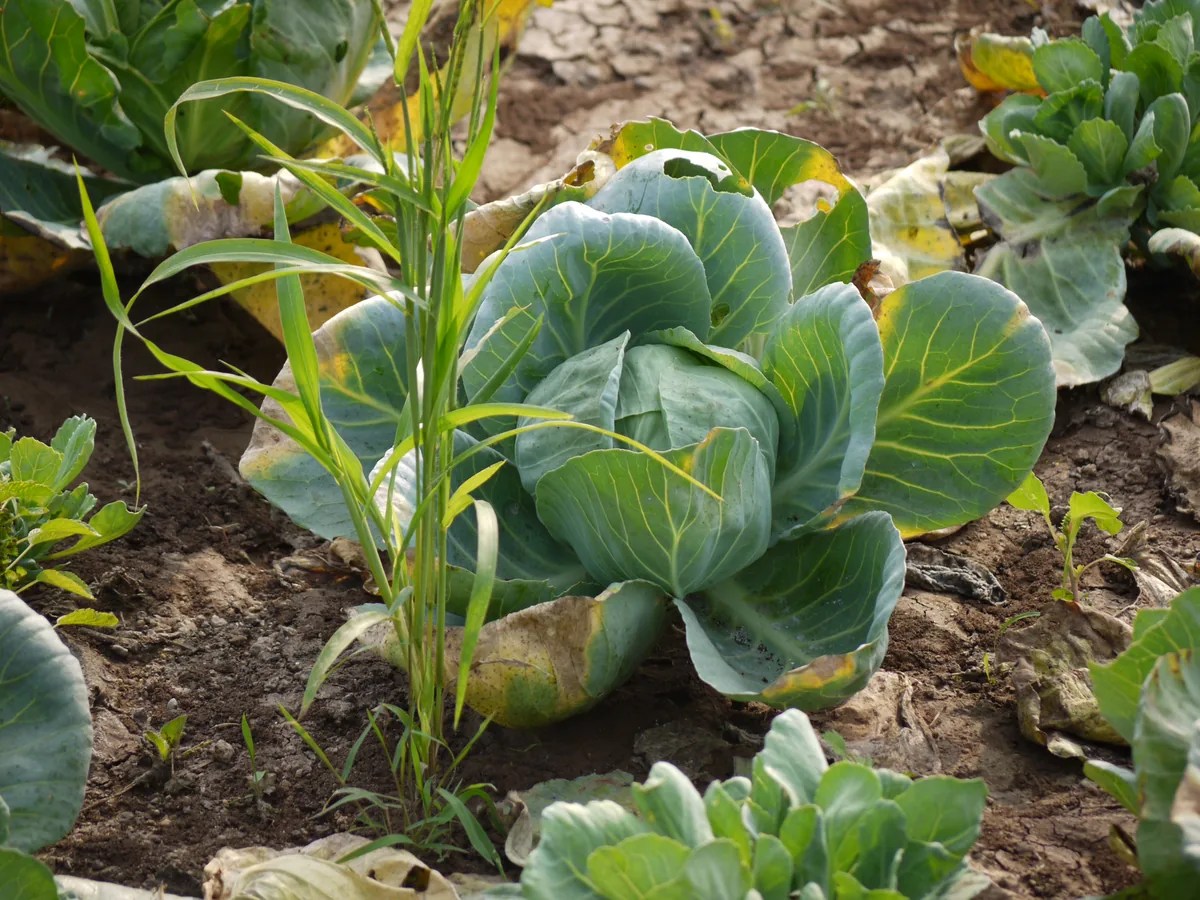
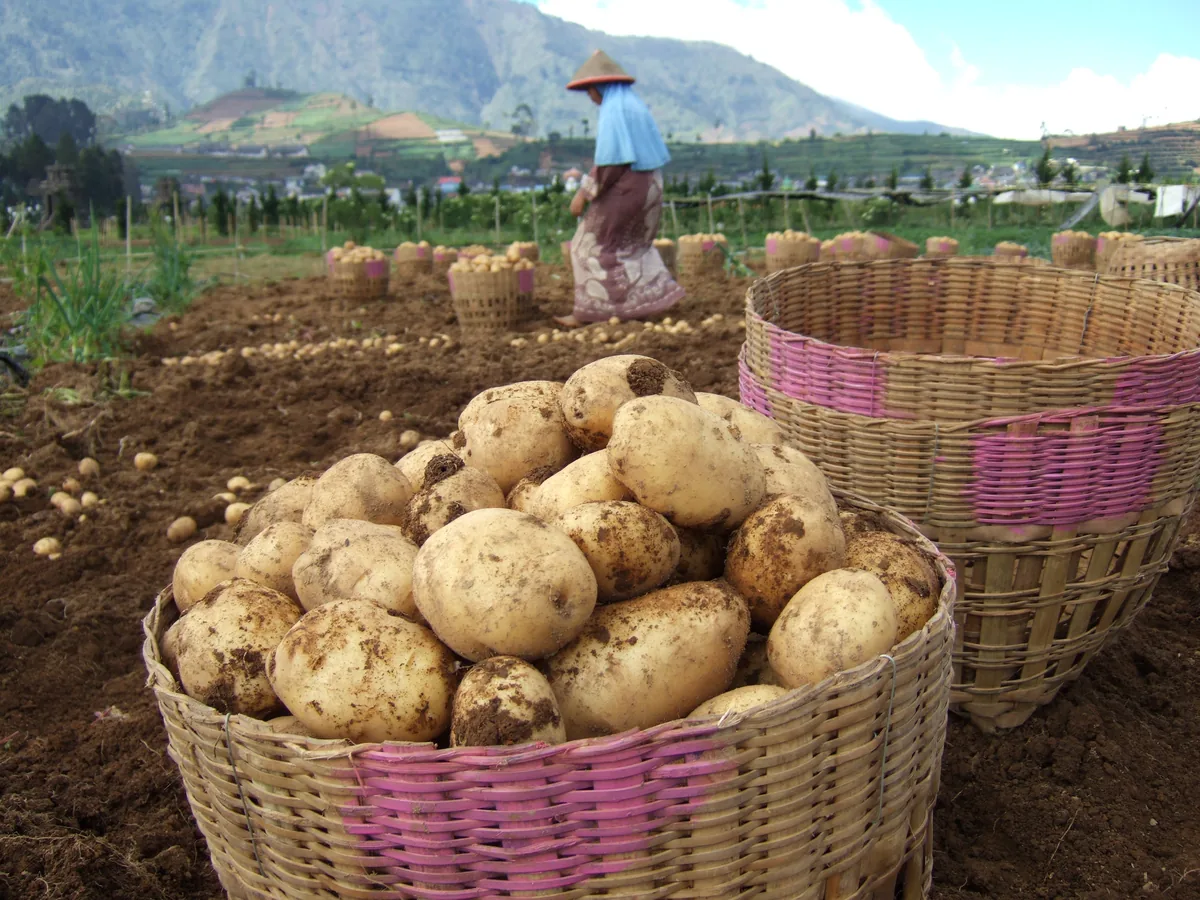
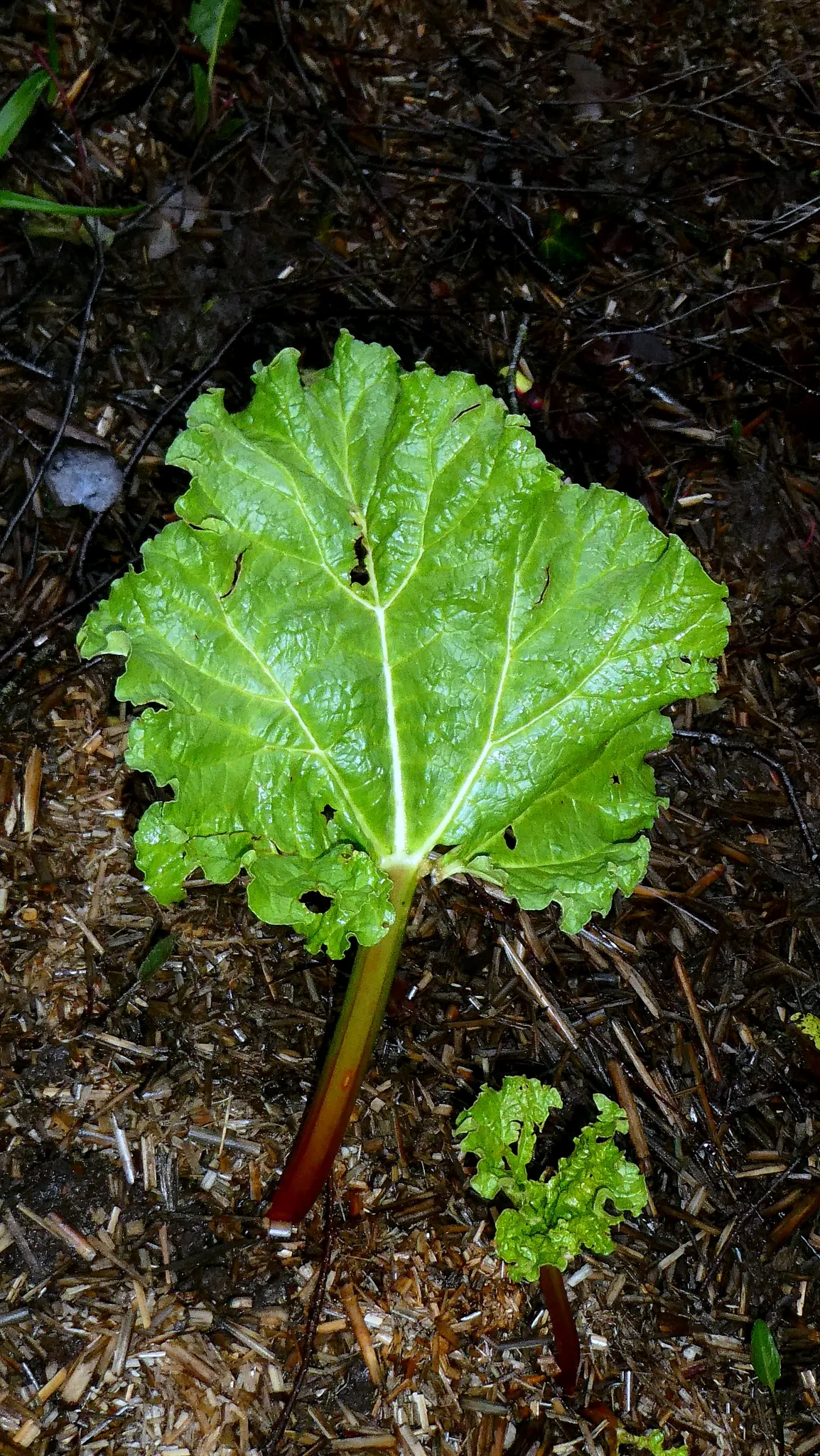
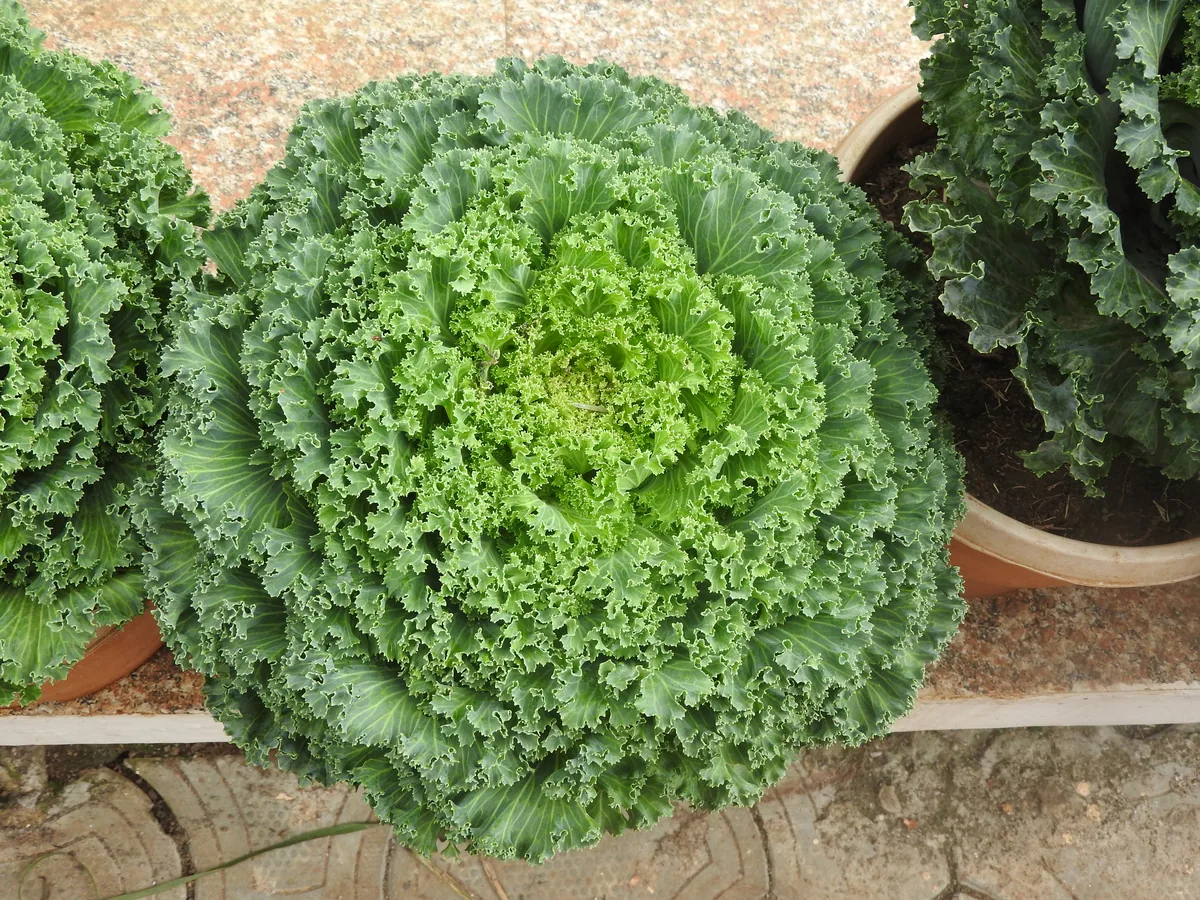
Taken together, 10-160 inches of annual rainfall, a median of roughly 2,000 growing-degree days (base 50°F), and about 2,100 winter chill hours for tree fruit draw the line between what thrives here and what merely survives. The dominant soils run to permafrost, glacial silt, volcanic ash, and peat, and their drainage is one of the strongest predictors of which crops take hold and which falter. A short list that earns its place here — cabbage, potato, rhubarb, and sitka spruce — with any one site's soil, sun, and drainage making the final cut.

Grounded inUSDA PHZM 2023NOAA Climate NormalsUSDA NRCS SSURGOGDD aggregate (Cornell CALS)Chill-hour aggregate (MSU Extension)EPA FRSUSDA PLANTSGrowable Ground suitability scoring

Score your parcel · free

Your yard isn't the whole state.

Alaska spans zones 1a-7b, but your yard sits in exactly one — and slope, tree cover, and low spots nudge it further. Enter your address and we'll score 1,112 plants against your land's actual soil, sun, and frost.

We read public map data for this spot — soil, climate, flood, and parcel records. How we handle your address.

No card required · your full report in seconds

Quick Facts

USDA Zones

1a-7b

USDA PHZM 2023

Last Frost

May 1 - Jun 15

NOAA 30-yr Normals

First Frost

Aug 15 - Oct 1

NOAA 30-yr Normals

Annual Rainfall

10-160 inches

NOAA Climate Normals

Zone maps are averages across Alaska. Your yard's slope, trees, and frost pockets shift what actually grows — see your land's exact reading.

The Ground You’re Working With

The soil types that dominate Alaska — how each drains decides more about crop success than almost anything else. Tap any soil to learn what it is and how to work with it.

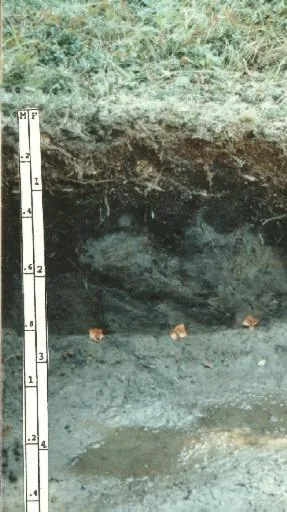
Gelisol profile: dark active layer over frozen, gleyed substrate with a depth scale
Soil profile: Gelisol (USDA soil order)

Permafrost

  • Drainage

    Slow in summer, because meltwater cannot percolate through the frozen floor beneath — the active layer stays cool and often waterlogged.

  • What thrives

    Cold-adapted, fast-maturing crops under the long subarctic daylight: potatoes, cabbage, kale, broccoli, and hardy greens famously reach remarkable size in the land of the midnight sun.

How to work with Permafrost

No verified open-license photo yet — it behaves like the silt-loam profile above.

Glacial silt

  • Drainage

    Moderate to slow. The fine particles hold water well but can compact and crust, and they erode easily when left bare.

  • What thrives

    Vegetables and small fruits do well on its steady moisture; greens, brassicas, and root crops appreciate the fine, stone-free tilth.

How to work with Glacial silt
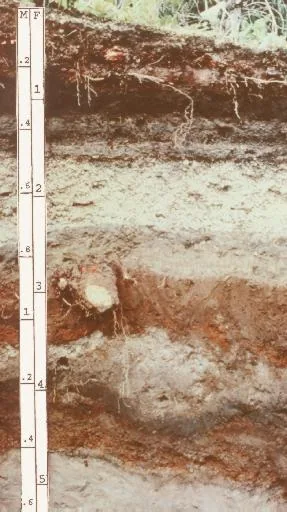
Andisol profile: layered volcanic-ash soil with a depth scale
Soil profile: Andisol (USDA soil order)

Volcanic ash

  • Drainage

    Excellent and unusual: ash soils drain freely yet hold remarkable amounts of plant-available water in their porous structure — the best of both habits.

  • What thrives

    Volcanic regions grow celebrated crops the world over: orchards, berries, vegetables, coffee, and wine grapes all prosper on ash-derived soils.

How to work with Volcanic ash
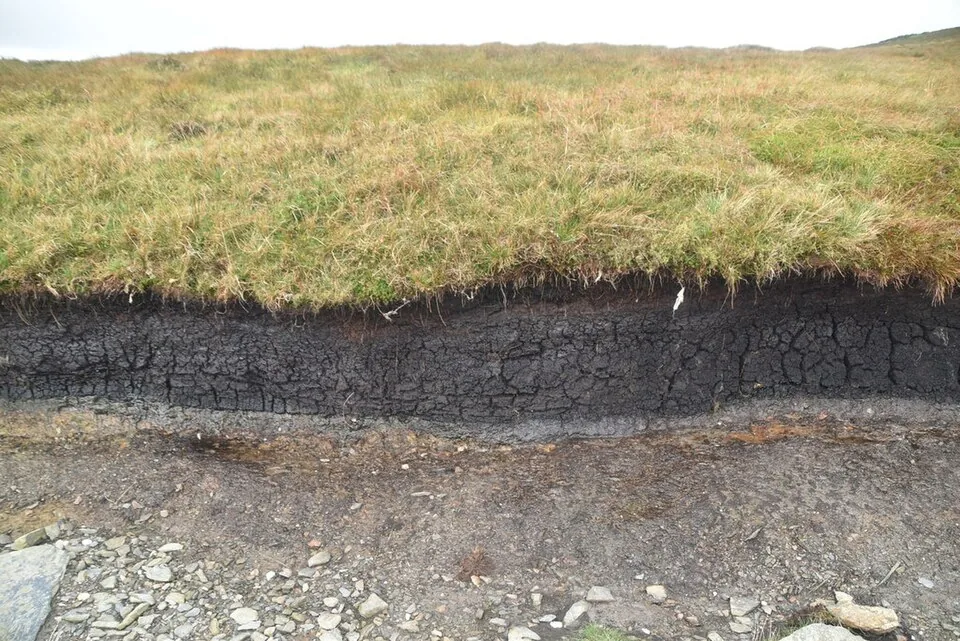
Black peat bank exposed beneath living moor grass
Peat bank under moor grassPhoto: N Chadwick, Geograph, CC BY-SA 2.0

Peat

  • Drainage

    Saturated by default — peat forms precisely because water excludes the oxygen decomposition needs. Drained peat holds moisture beautifully but can stay cold late into spring.

  • What thrives

    Acid-lovers are at home: blueberries and cranberries are the classic peatland crops, with rhododendrons, azaleas, and bog natives alongside.

How to work with Peat

Soil data: USDA NRCS SSURGO · Soil types explained

State Symbols of Alaska

The plants Alaska put its name on — cultural emblems, not growing recommendations.

Official state flower

Forget-me-not

Myosotis alpestris

Designated 1917.

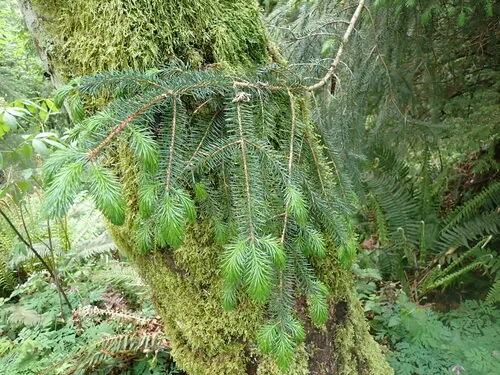
Sitka spruce, photograph
Official state tree

Sitka spruce

Picea sitchensis

Designated 1962. In our plant library — see its full growing profile.

Native Plants of Alaska

Plants the USDA PLANTS Database documents as native and present in Alaska — a real per-state range, not just a zone match. Presence is statewide, so a plant may still be uncommon in your specific county; your state’s Cooperative Extension or a native-plant society is the local authority.

Also zone-compatible

US-native plants whose hardiness range overlaps Alaska’s USDA zones 1a-7b but which USDA PLANTS doesn’t map to a single state range here. Zone overlap is a starting filter, not a range map.

Browse all US-native plants by state & zone →

Growing Challenges in Alaska

What an experienced grower plans around here — each one has a move.

Extremely short growing season (70-110 frost-free days)

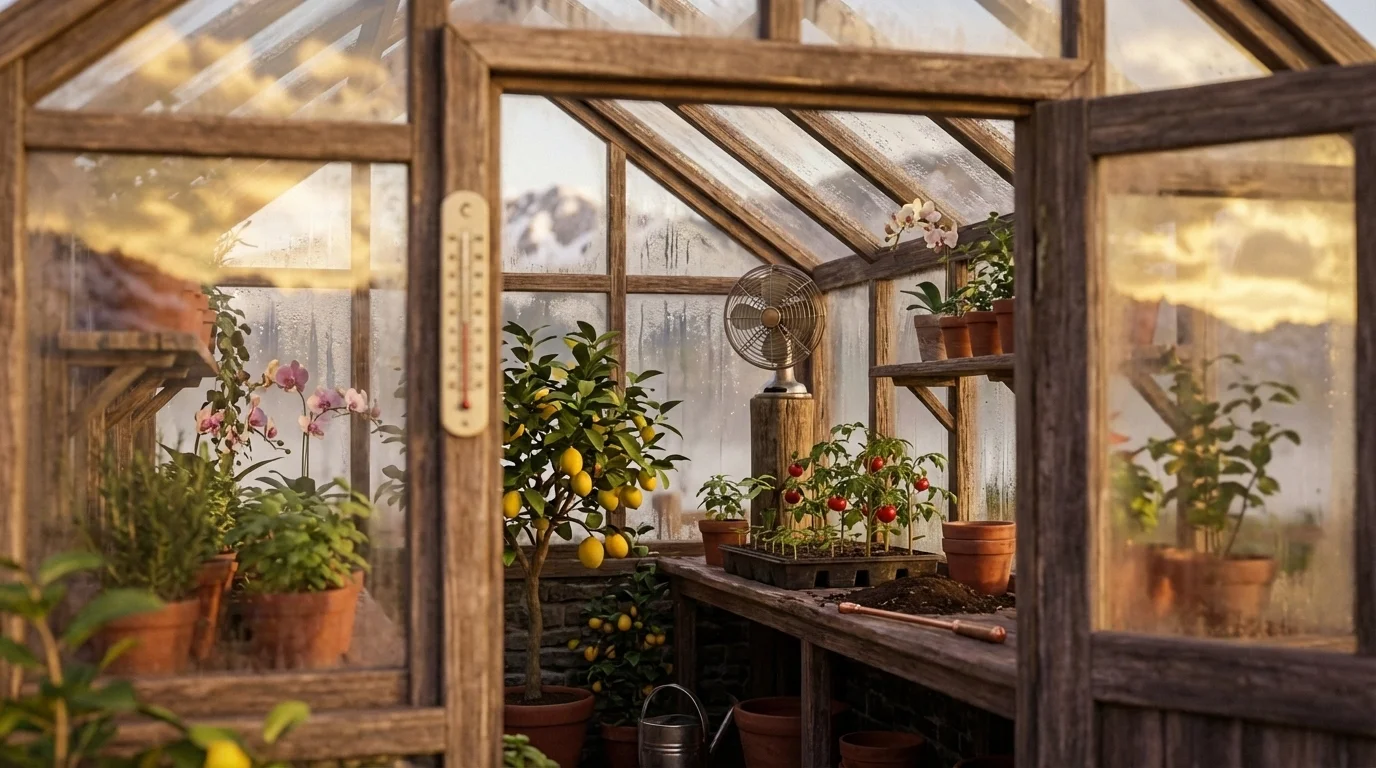
A high tunnel or greenhouse is standard Alaska practice — it turns 90 outdoor days into a real growing season.

Permafrost prevents deep root growth in many areas

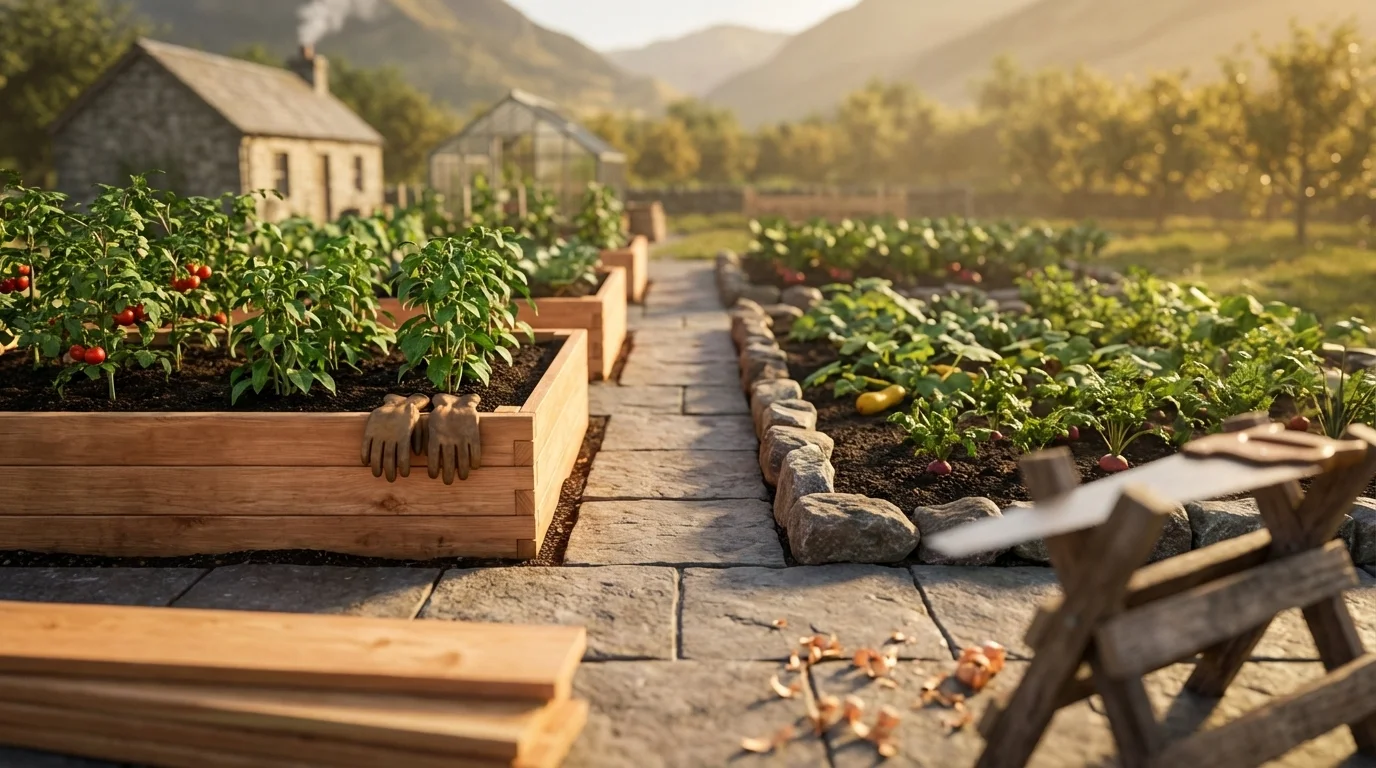
Raised beds lift roots above the cold and warm weeks earlier in spring — the proven northern workaround.

Limited soil development in glacial terrain

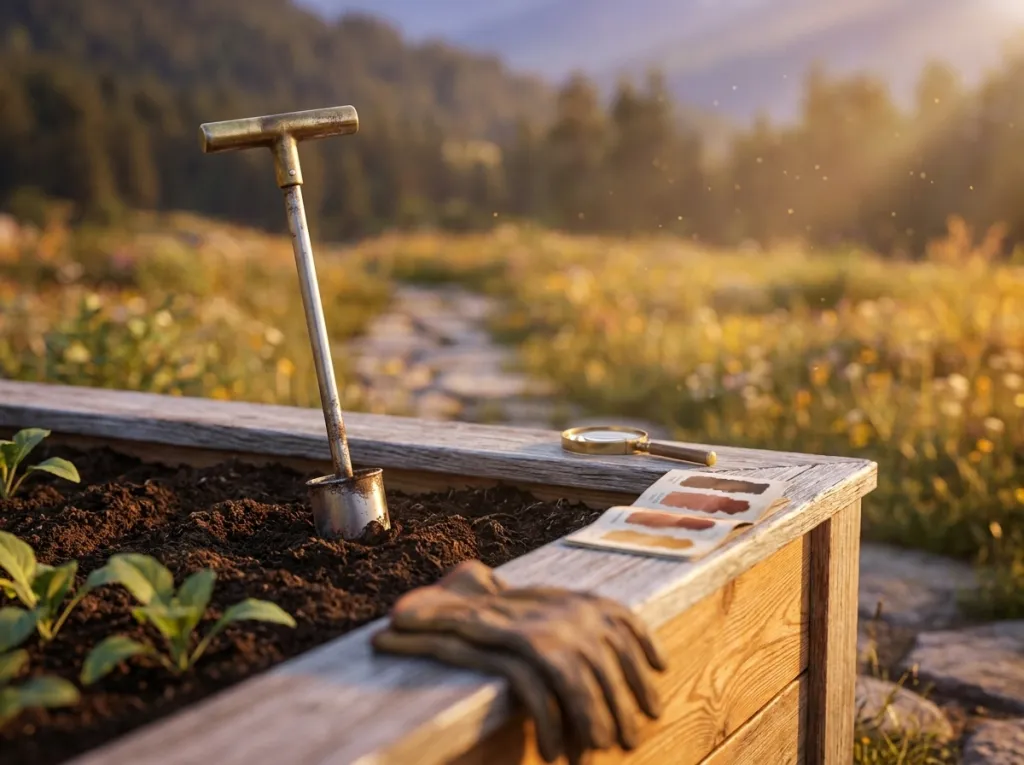
Start with a soil test to see what glacial ground actually has, then build up with imported topsoil and steady compost.

For cultivar selection, pest pressure, and planting-time guidance specific to Alaska, the UAF Cooperative Extension Service is the authoritative local source.

Safe to Grow Here?

What the federal record shows across Alaska — and how to grow with it.

Federal record: High

We checked the federal record across Alaska15,895 documented sites across 7 of the 9 source types we track.

The most significant on record: 281 Superfund sites. Sites tracked in EPA's Superfund program — from assessment-stage CERCLIS entries to confirmed National Priorities List cleanup sites.

Alaska carries one of the heavier federal records we track — and that's not a verdict on your yard. Proximity to a documented site is information, not a diagnosis: nothing here says any particular parcel is affected. It does earn one concrete step — before food beds go in the ground, a professional soil test tells you exactly what you're working with, and raised beds with clean imported soil grow well almost anywhere in the meantime.

Severity Distribution

across Alaska

High3,017Moderate9,195Low3,683

Highest-Severity Sites

1:30
Mining Sites · Prospect
45
Mining Sites · Prospect
45 Prospect
Mining Sites · Occurrence
700 Foot
Mining Sites · Past Producer
700 Foot Mine
Mining Sites · Producer

A note from Gnorman

What an experienced grower watches for around here

In and around Alaska, two things run higher than the national average — Mining (5,812 sites) and Superfund (281 sites). It's not cause for alarm — it's worth knowing, and there's a sensible way to grow around it.

Mining: Mining sites — both historic and active — can leach heavy metals (arsenic, lead, cadmium, mercury) into soil and water for centuries after operations cease.

Superfund: Superfund sites represent the most severe contamination in the federal system.

Test soil for heavy metals (lead, arsenic, cadmium, mercury) — this is essential near any mining site.

Commission professional soil testing before any food production (test for heavy metals, VOCs, and SVOCs).

Sources: EPA, USGS1.8M documented sites tracked nationwide across 9 federal source types.

See what grows on YOUR specific land

State averages sketch the shape. Your soil, sun exposure, drainage, and microclimate decide what actually takes. Pull a site-specific report for your exact parcel.

Free Report

Read your Alaska parcel

Enter your address. We read your soil, sun, drainage, and frost dates, then score 1,112 plants against the real conditions on your land.

Three things about your exact spot that zone averages miss:

Your soil pHYour frost-free daysYour sun & shade

We read public map data for this spot — soil, climate, flood, and parcel records. How we handle your address.

25+ data sources analyzed in seconds

Frequently Asked Questions

What USDA hardiness zones are in Alaska?

Alaska spans USDA hardiness zones 1a-7b, per the USDA Plant Hardiness Zone Map 2023. Zones reflect average annual extreme minimum temperatures from 1991–2020 weather data.

When does frost risk typically end in Alaska?

The last spring frost in Alaska is typically around May 1 - Jun 15, and the first fall frost around Aug 15 - Oct 1, per NOAA 30-year climate normals (1991–2020). Your specific site may differ — frost dates vary by elevation, proximity to water, and local microclimate.

What vegetables grow well in Alaska?

Alaska's zones 1a-7b support a wide range — strong performers include Cabbage, Potato, Rhubarb, Sitka Spruce, and Kale. What actually takes on any one site comes down to its soil, sun, and drainage, and we score each plant against the real conditions at your address.

Which hardiness zone is Alaska, really?

Officially, Alaska spans USDA zones 1a-7b (USDA PHZM 2023) — but a zone is a 30-year average of winter's coldest night across an area, and it can't see any one yard. A south-facing slope, a tree line, or a low frost pocket can shift a single site by half a zone either way, which is why neighboring gardeners often quote different numbers. We read the conditions at your exact address — soil, sun, slope, and frost — and score 1,112 plants against what's actually there.

Is the soil safe to grow vegetables in Alaska?

The federal record across Alaska runs heavier than most — 15,895 documented sites — so test the soil before planting food in the ground, and raised beds with clean imported soil grow well in the meantime. Even here, proximity to a documented site is information, not a diagnosis of any one yard; the contamination map shows exactly what's recorded and where.

Just moved to Alaska — what should I know before planting?

Start with three facts. Alaska spans USDA zones 1a-7b, which sets what survives winter; the statewide frost window runs about May 1 - Jun 15 to Aug 15 - Oct 1 (NOAA 30-year climate normals); and 15,895 documented sites sit on the federal record here, so a soil test before food beds is the smart first step. From there, matching plants to your actual soil and sun is the fun part.


Everything on this page is a Alaska average. Your yard writes its own version — we read soil, sun, drainage, and frost at your exact address. Try it for 14 days — no card required.

Cities & Towns in Alaska

Explore growing conditions by city or town in Alaska.

AdakAkhiokAkiachakAkiakAkutanAlakanukAlatnaAlcan BorderAleknagikAlenevaAllakaketAmblerAnaktuvuk PassAnchor PointAnchorage municipalityAndersonAngoonAniakAnvikArctic VillageAtkaAtmautluakAtqasukAttu StationBadgerBear CreekBeaverBelugaBethelBettlesBig DeltaBig LakeBirch CreekBrevig MissionBucklandBuffalo SoapstoneButteCantwellCentralChalkyitsikChaseChefornakChena RidgeChenegaChevakChickaloonChickenChignikChignik LagoonChignik LakeChiniakChisanaChistochinaChitinaChuathbalukCircleClam GulchClark's PointCoffman CoveCohoeCold BayColdfootCollegeCooper LandingCopper CenterCordovaCovenant LifeCraigCrooked CreekCrown PointDeeringDelta JunctionDeltanaDenali ParkDiamond RidgeDillinghamDiomedeDot LakeDot Lake VillageDry CreekEagleEagle VillageEareckson StationEdna BayEekEgegikEielson AFBEkwokElfin CoveElimEmmonakEsterEureka RoadhouseEvansvilleExcursion InletFairbanksFalse PassFarm LoopFarmers LoopFerryFishhookFlatFort GreelyFort YukonFour Mile RoadFoxFox RiverFritz CreekFunny RiverGakonaGalenaGambellGame CreekGatewayGlacier ViewGlennallenGoldstreamGolovinGoodnews BayGraylingGulkanaGustavusHainesHalibut CoveHappy ValleyHarding-Birch LakesHealyHealy LakeHobart BayHollisHoly CrossHomerHoonahHooper BayHopeHoustonHughesHusliaHydaburgHyderIgiugigIliamnaIvanof BayJuneau city andKachemakKakeKaktovikKalifornskyKaltagKarlukKasaanKasiglukKasilofKenaiKenny LakeKetchikanKianaKing CoveKing SalmonKipnukKivalinaKlawockKlukwanKnik RiverKnik-FairviewKobukKodiakKodiak StationKokhanokKoliganekKongiganakKotlikKotzebueKoyukKoyukukKupreanofKwethlukKwigillingokLake LouiseLake MinchuminaLarsen BayLazy MountainLevelockLime VillageLivengoodLoringLowell PointLower KalskagLutakManley Hot SpringsManokotakMarshallMcCarthyMcGrathMeadow LakesMekoryukMendeltnaMentasta LakeMertarvikMetlakatlaMill BayMintoMoose CreekMoose PassMosquito LakeMountain VillageMud BayNabesnaNaknekNanwalekNapakiakNapaskiakNaukati BayNelchinaNelson LagoonNenanaNew StuyahokNewhalenNewtokNightmuteNikiskiNikolaevskNikolaiNikolskiNinilchikNoatakNomeNondaltonNoorvikNorth LakesNorth PoleNorthwayNuiqsutNulatoNunam IquaNunapitchukOld HarborOscarvilleOuzinkiePalmerPaxsonPedro BayPelicanPerryvillePetersburgPetersvillePilot PointPilot StationPitkas PointPlatinumPleasant ValleyPoint BakerPoint HopePoint LayPoint MacKenziePoint PossessionPope-Vannoy LandingPort AlexanderPort AlsworthPort ClarencePort GrahamPort HeidenPort LionsPort ProtectionPortage CreekPrimrosePrudhoe BayQuinhagakRampartRed DevilRed Dog MineRidgewayRubyRussian MissionSalamatofSalchaSand PointSavoongaSaxmanScammon BaySelawikSeldoviaSeldovia VillageSewardShagelukShaktoolikShishmarefShungnakSilver SpringsSitka city andSkagwaySkwentnaSlanaSleetmuteSoldotnaSouth LakesSouth NaknekSouth Van HornSt. GeorgeSt. Mary'sSt. MichaelSt. PaulStebbinsSteele CreekSterlingStevens VillageStony RiverSunriseSusitnaSusitna NorthSutton-AlpineTakotnaTalkeetnaTanacrossTanainaTananaTatitlekTazlinaTellerTenakee SpringsTetlinThorne BayTogiakTokToksook BayTolsonaTonsinaTrapper CreekTuluksakTuntutuliakTununakTwin HillsTwo RiversTyonekUgashikUnalakleetUnalaskaUpper KalskagUtqiaġvikValdezVenetieWainwrightWalesWasillaWhale PassWhite MountainWhitestoneWhitestone Logging CampWhittierWillowWillow CreekWisemanWomens BayWrangell city andYakutat