What USDA hardiness zones are in Iowa?
Iowa spans USDA hardiness zones 4b-6a — which is to say winter's coldest night runs from about −25°F to −5°F depending where in Iowa you are, averaged over 1991–2020 (USDA PHZM 2023).
Is it too late to plant in Iowa?
Rarely: the season closes in stages, not all at once, and each stage has its crops. Across Iowa, cool-season planting typically opens about four weeks before the local last hard freeze — county medians put that freeze near Apr 14, with the middle half of counties between Apr 10 and Apr 17 (NOAA 1991–2020 climate normals). Tender transplants wait two to three weeks past it, and fall planting counts back from first freezes mostly between Oct 18 and Oct 23 — long-season crops need about 90 days of runway, quick greens only 30. Late in the year the fall bench takes over — quick greens, radishes, and garlic that repays you next summer.
When does frost risk typically end in Iowa?
Across Iowa, the middle half of counties see their last hard freeze (28°F) between about Apr 10 and Apr 17, with a county median near Apr 14 (NOAA 1991–2020 climate normals). That marks the hard freeze, not the last light frost — lighter frosts keep biting past it, which is why tender transplants here wait until about May 5.
How long is the growing season in Iowa?
Measured between 28°F hard freezes, growing seasons across Iowa's counties mostly run about 184 to 197 days, with a county median near 189 (NOAA 1991–2020 climate normals). Tender crops get a somewhat shorter practical window, since lighter frosts reach a few weeks past the hard-freeze dates on both ends.
What vegetables grow well in Iowa?
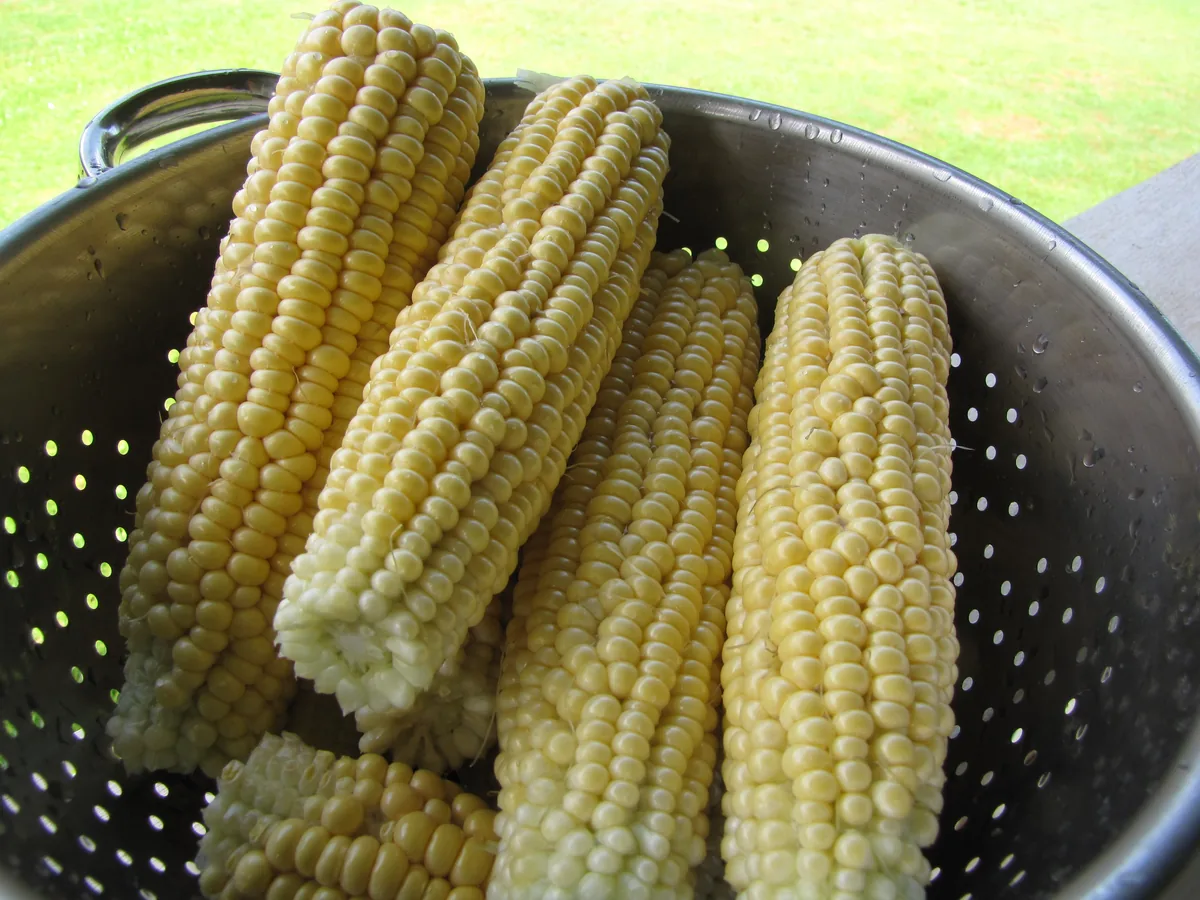
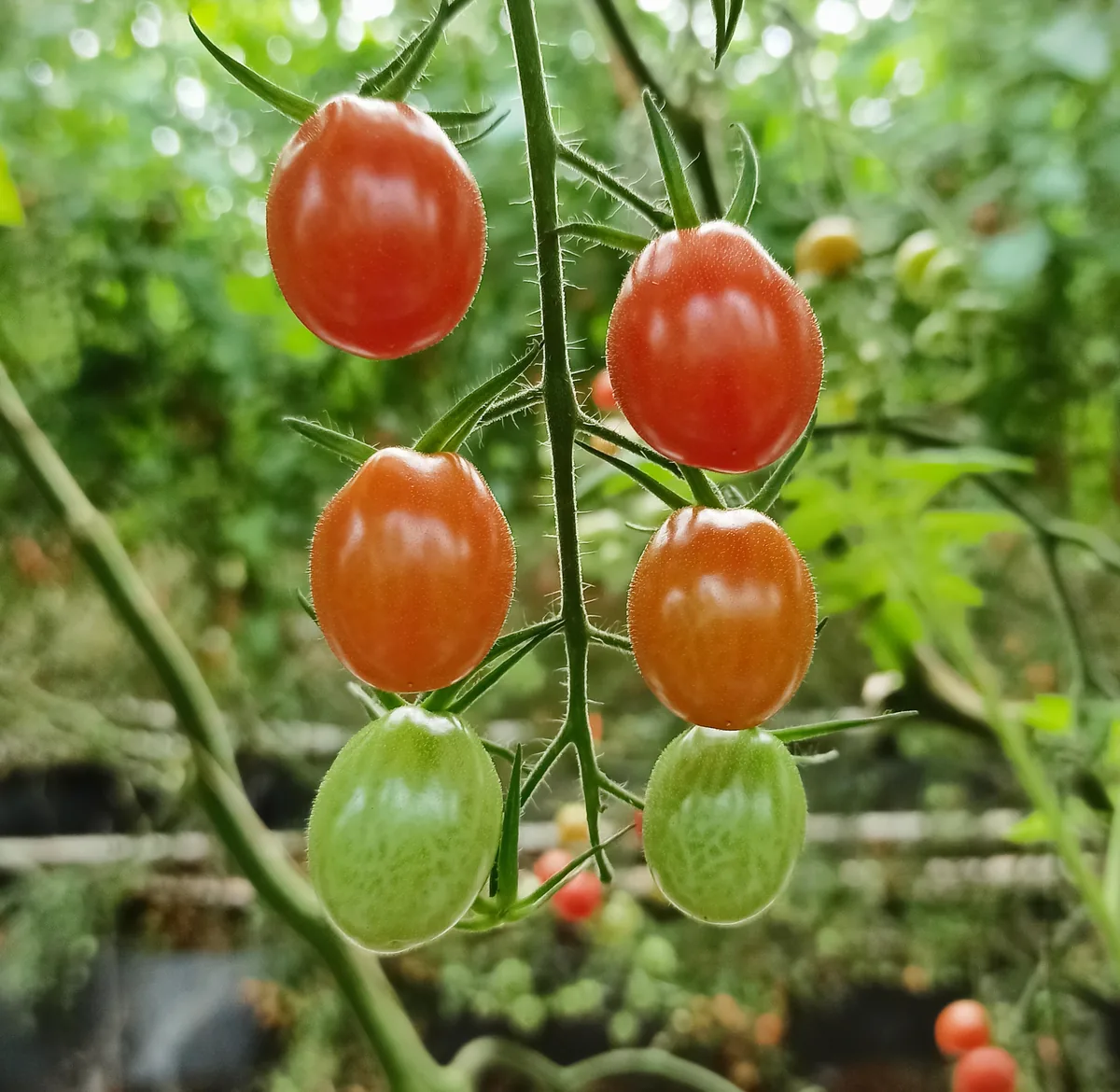
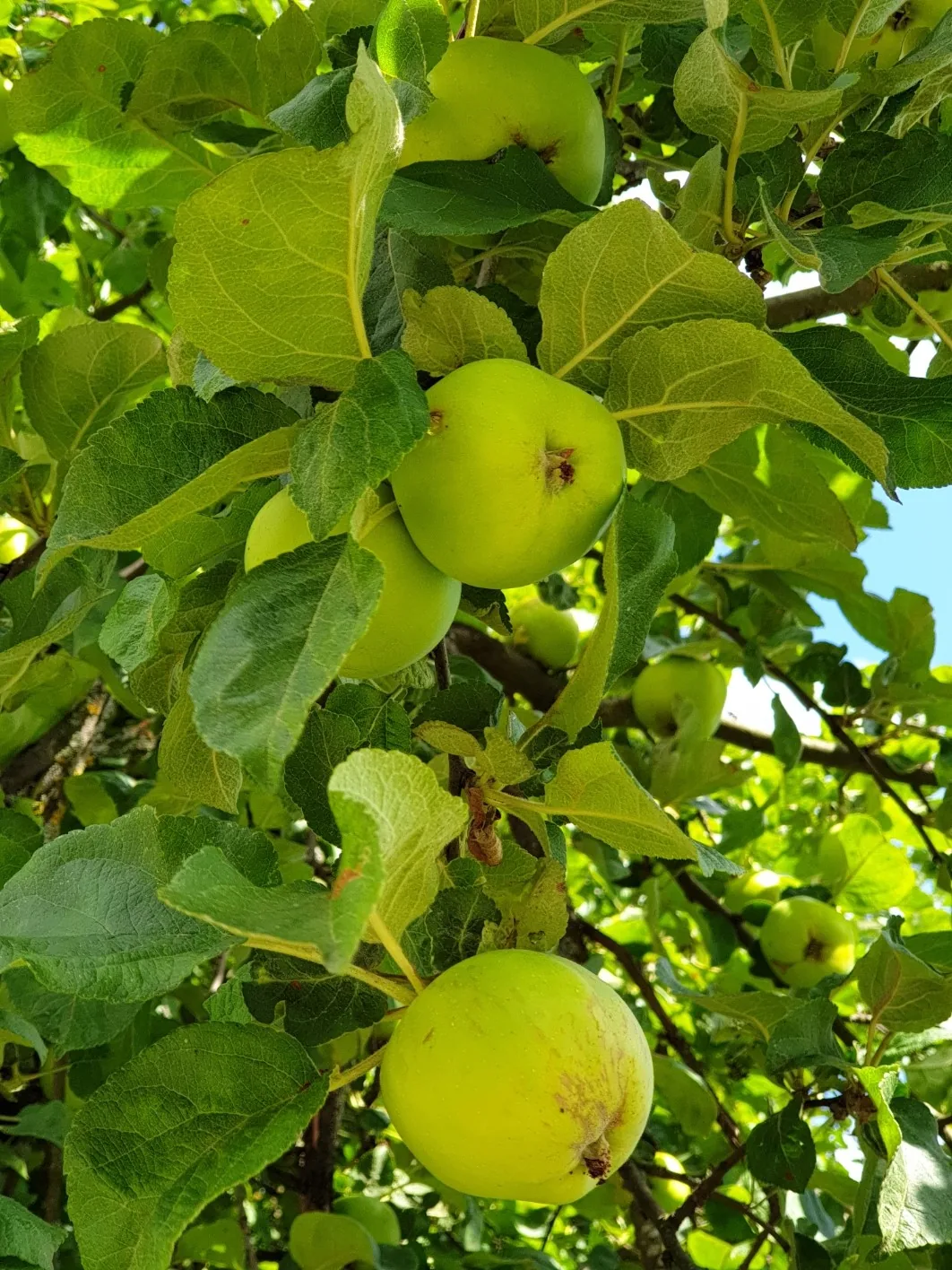
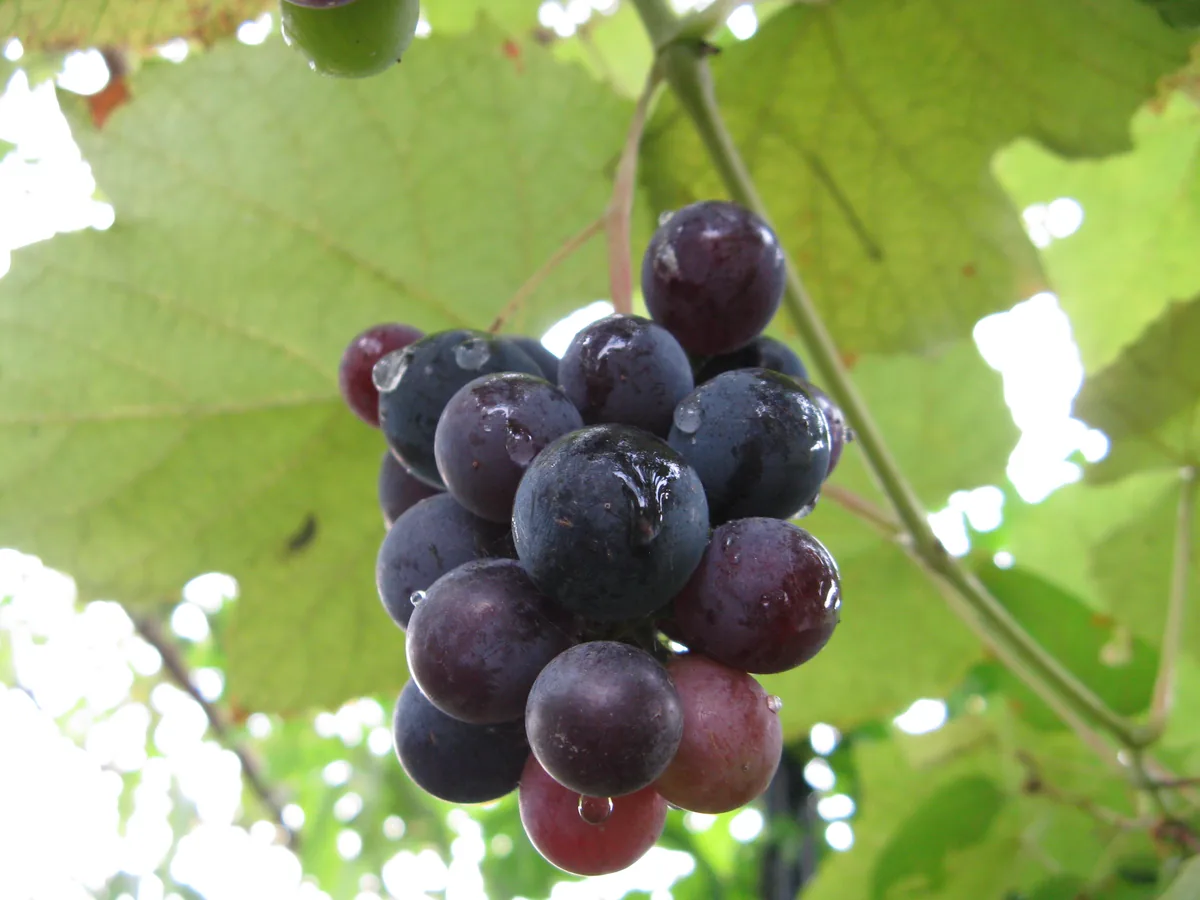
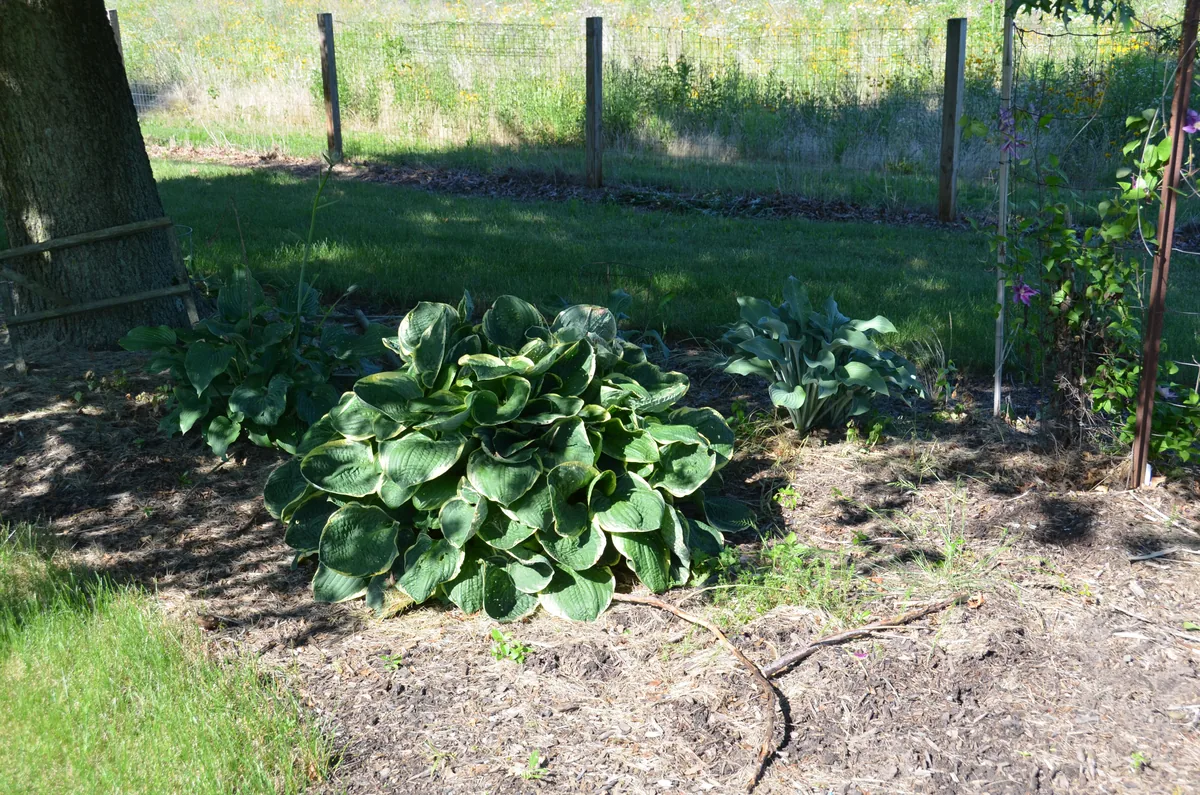
Iowa's zones 4b-6a support a wide range — strong performers include Sweet Corn, Tomato, Apple, Grape, and Hosta. What actually takes on any one site comes down to its soil, sun, and drainage, and we score each plant against the real conditions at your address.
Which hardiness zone is Iowa, really?
Officially, Iowa spans USDA zones 4b-6a (USDA PHZM 2023) — but a zone is a 30-year average of winter's coldest night across an area, and it can't see any one yard. A south-facing slope, a tree line, or a low frost pocket can shift a single site by half a zone either way, which is why neighboring gardeners often quote different numbers. We read the conditions at your exact address — soil, sun, slope, and frost — and score 1,085 plants against what's actually there.
Is the soil safe to grow vegetables in Iowa?
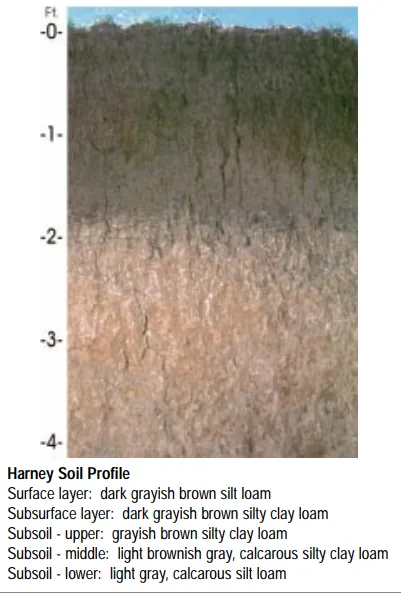
The federal record across Iowa runs heavier than most — 28,062 documented sites, mostly Underground Storage Tanks entries (13,220) — so test the soil before planting food in the ground, and raised beds with clean imported soil grow well in the meantime. Even here, proximity to a documented site is information, not a diagnosis of any one yard; the contamination map shows exactly what's recorded and where.
Just moved to Iowa — what should I know before planting?
Start with three facts. Iowa spans USDA zones 4b-6a, which sets what survives winter; last hard freezes range from about Apr 10 to Apr 17 across its counties (NOAA 1991–2020 climate normals); and 28,062 documented sites sit on the federal record here, so a soil test before food beds is the smart first step. From there, matching plants to your actual soil and sun is the fun part.