What Grows in Colorado

USDA Zones 3a-7a · 7-20 inches annual rainfall

Colorado spans USDA hardiness zones 3a-7a, with a growing season of about 190 frost-free days — room for most garden staples, with a calendar tight enough that frost dates still call the shots.

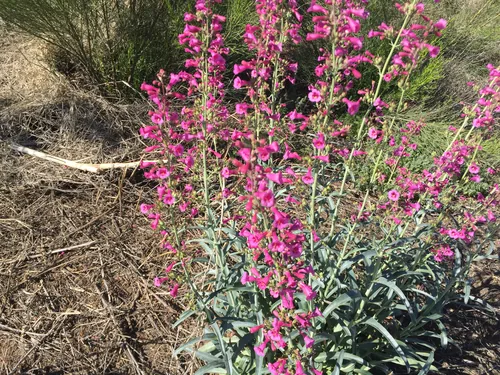
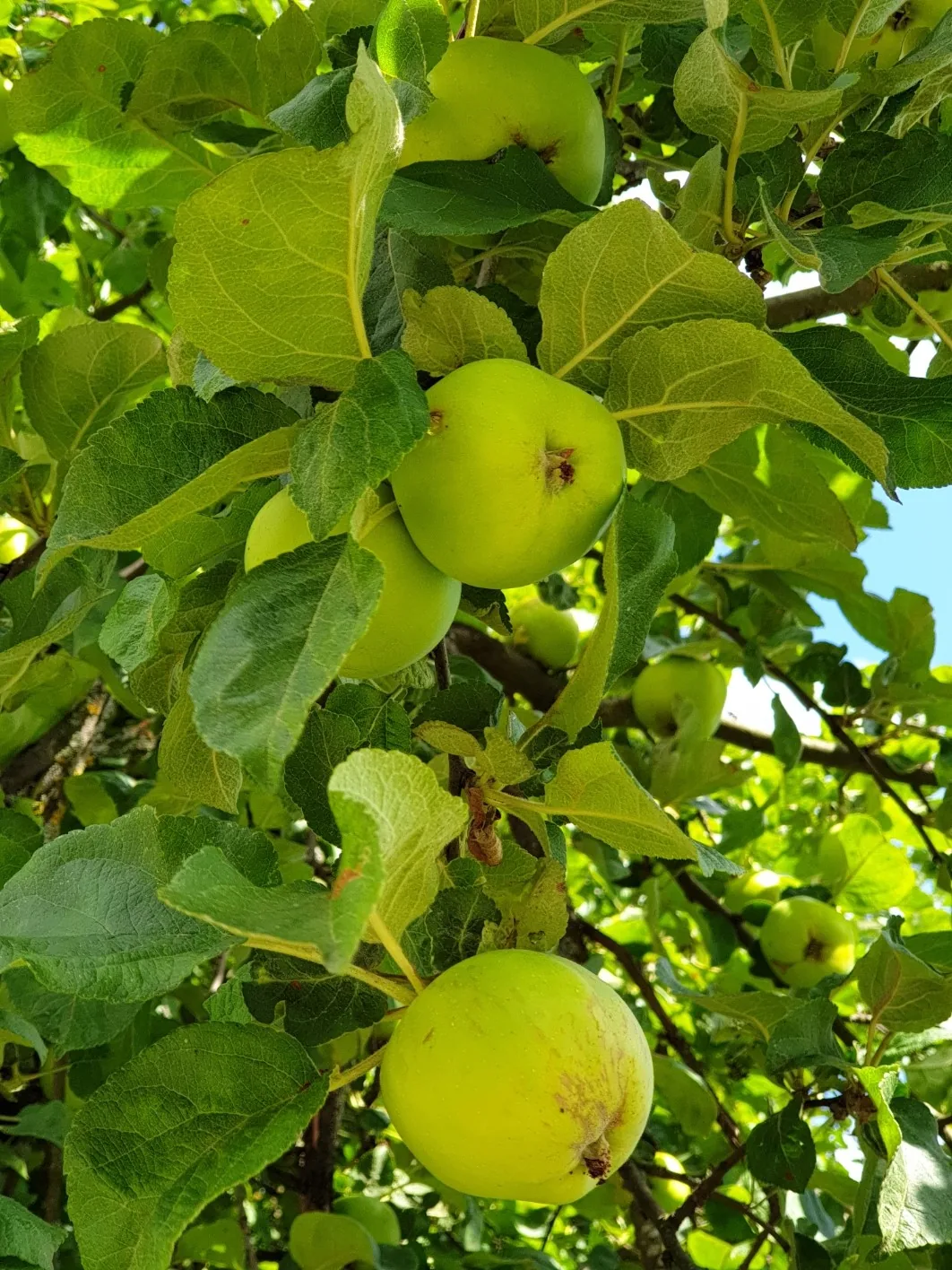
Its growing climate is shaped by 7-20 inches of annual rainfall, a median of roughly 3,500 growing-degree days (base 50°F), and about 1,200 winter chill hours for tree fruit, which together set what ripens and what struggles. The dominant soils run to sandy loam, clay loam, alkaline caliche, and decomposed granite, and their drainage is one of the strongest predictors of which crops take hold and which falter. Colorado is not one growing region but several — from High Plains and Front Range — each with its own zone band and frost timing. Crops well matched to these conditions include colorado blue spruce, tomato, penstemon, and apple — though what thrives on any one site still turns on its specific soil, sun, and drainage.

Grounded inUSDA PHZM 2023NOAA Climate NormalsUSDA NRCS SSURGOGDD aggregate (Cornell CALS)Chill-hour aggregate (MSU Extension)USDA hardiness sub-region mapEPA FRSUSDA PLANTSGrowable Ground suitability scoring

Score your parcel · free

Your yard isn't the whole state.

Colorado spans zones 3a-7a, but your yard sits in exactly one — and slope, tree cover, and low spots nudge it further. Enter your address and we'll score 1,112 plants against your land's actual soil, sun, and frost.

We read public map data for this spot — soil, climate, flood, and parcel records. How we handle your address.

No card required · your full report in seconds

Quick Facts

USDA Zones

3a-7a

USDA PHZM 2023

Last Frost

Apr 15 - Jun 15

NOAA 30-yr Normals

First Frost

Aug 25 - Oct 15

NOAA 30-yr Normals

Annual Rainfall

7-20 inches

NOAA Climate Normals

Zone maps are averages across Colorado. Your yard's slope, trees, and frost pockets shift what actually grows — see your land's exact reading.

The Ground You’re Working With

The soil types that dominate Colorado — how each drains decides more about crop success than almost anything else. Tap any soil to learn what it is and how to work with it.

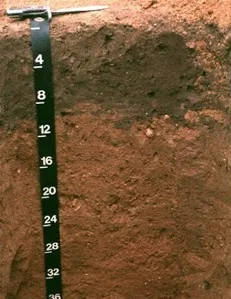
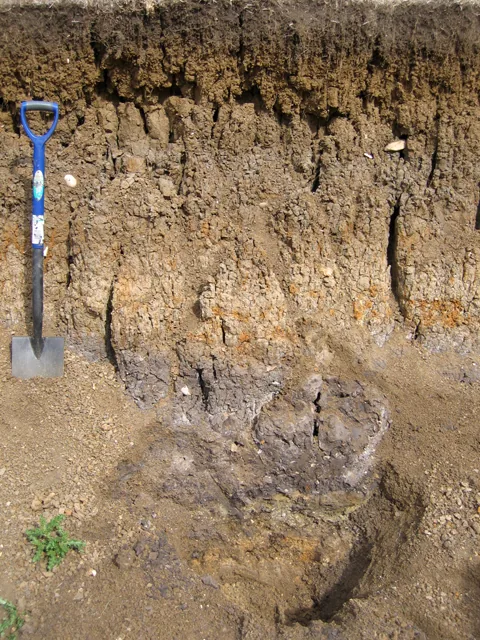
Downer soil profile: reddish sandy loam horizon with a depth scale
Soil profile: Downer series, New Jersey

Sandy loam

  • Drainage

    Fast. The sand fraction opens the soil up, so water moves through the root zone quickly and the surface rarely stays soggy. The trade is that nutrients ride out with the water.

  • What thrives

    Root crops love it — carrots, potatoes, radishes, and onions size up cleanly in ground they can push through. Melons, sweet potatoes, asparagus, and most herbs appreciate the warmth and the drainage.

How to work with Sandy loam

No verified open-license photo yet — this loam is close kin to the loam and silt-loam profiles above.

Clay loam

  • Drainage

    Slow to moderate. Water lingers in the root zone longer than in loam, which is a gift in dry summers and a challenge in wet springs.

  • What thrives

    Heavy feeders that appreciate steady moisture — brassicas, corn, beans, and many fruit trees. Perennials with strong root systems establish well once they are through the first season.

How to work with Clay loam
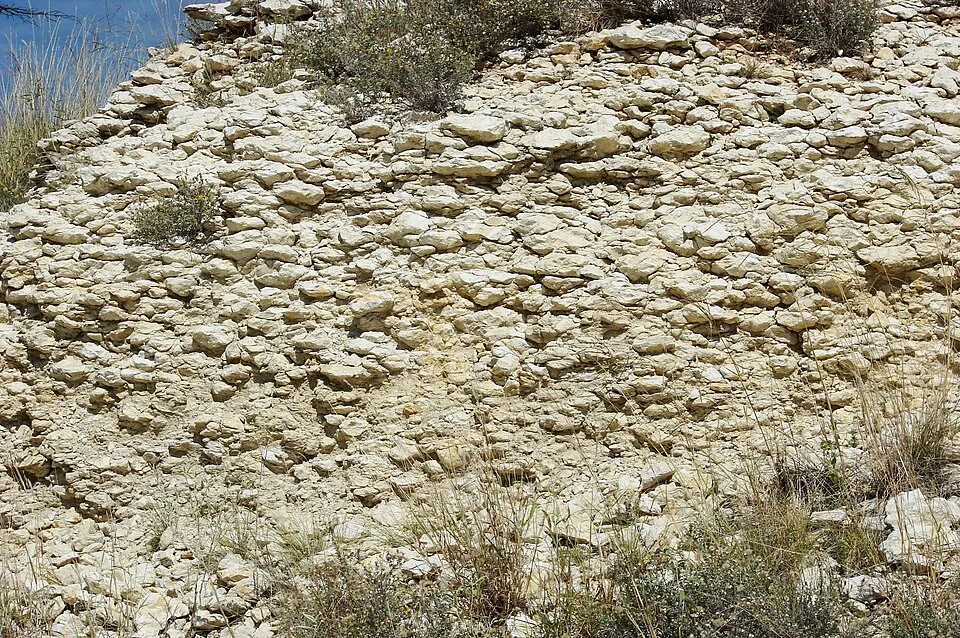
Hardened white caliche layer exposed in central Texas
Caliche exposure, central TexasPhoto: Loadmaster (David R. Tribble), CC BY-SA 3.0

Alkaline caliche

  • Drainage

    The layer itself is nearly waterproof: water perches on top of it, and roots stop where it starts unless it is broken.

  • What thrives

    Desert natives handle caliche country naturally — mesquite, desert willow, agave, and wildflowers. Vegetables and fruit trees succeed where planting holes punch through the layer or beds rise above it.

How to work with Alkaline caliche
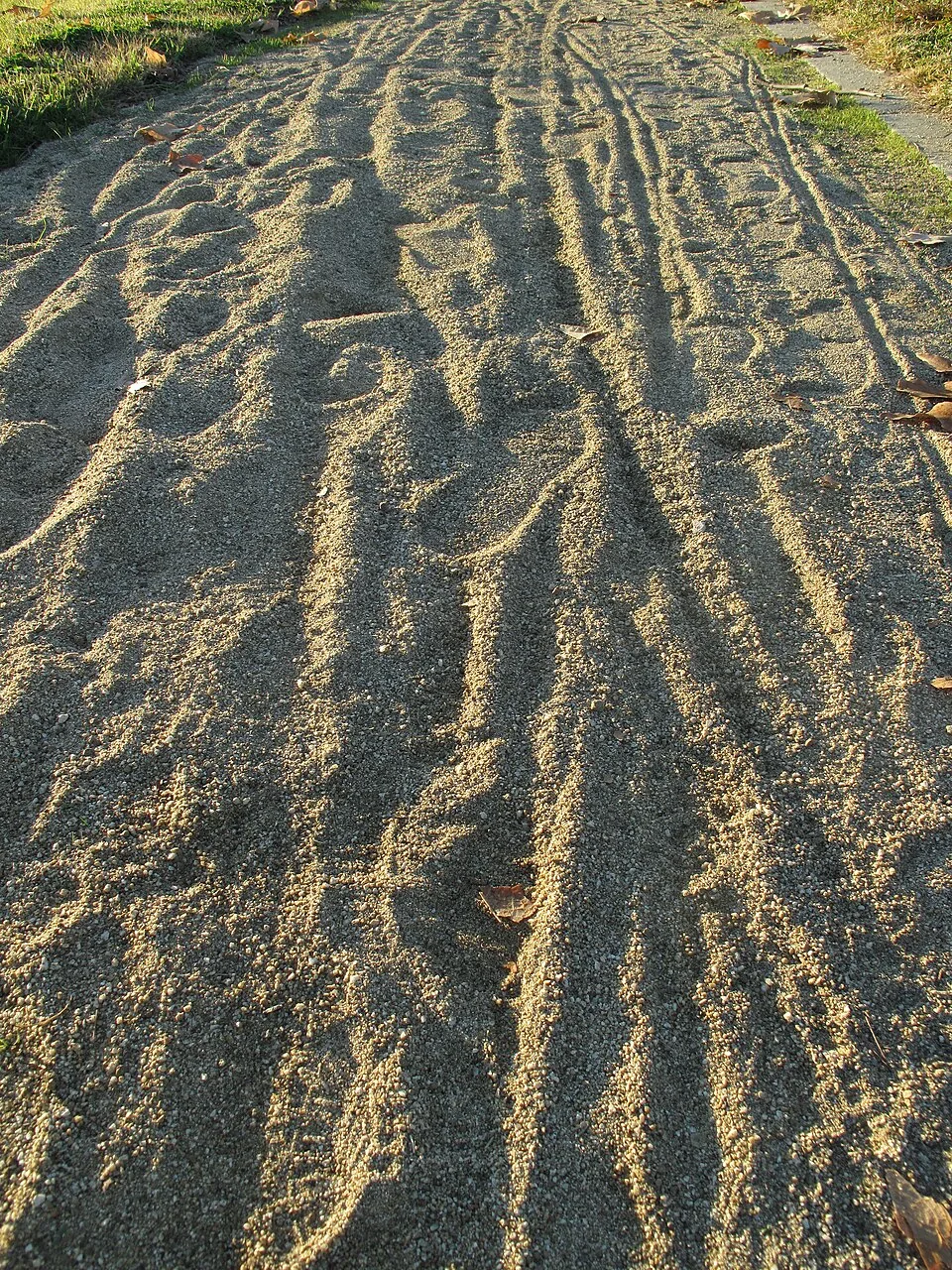
Coarse, gritty decomposed granite crumbs, up close
Decomposed granite, up closePhoto: Downtowngal, CC0 (public-domain dedication)

Decomposed granite

  • Drainage

    Very fast. Water moves through the gritty matrix almost immediately, and nutrients follow.

  • What thrives

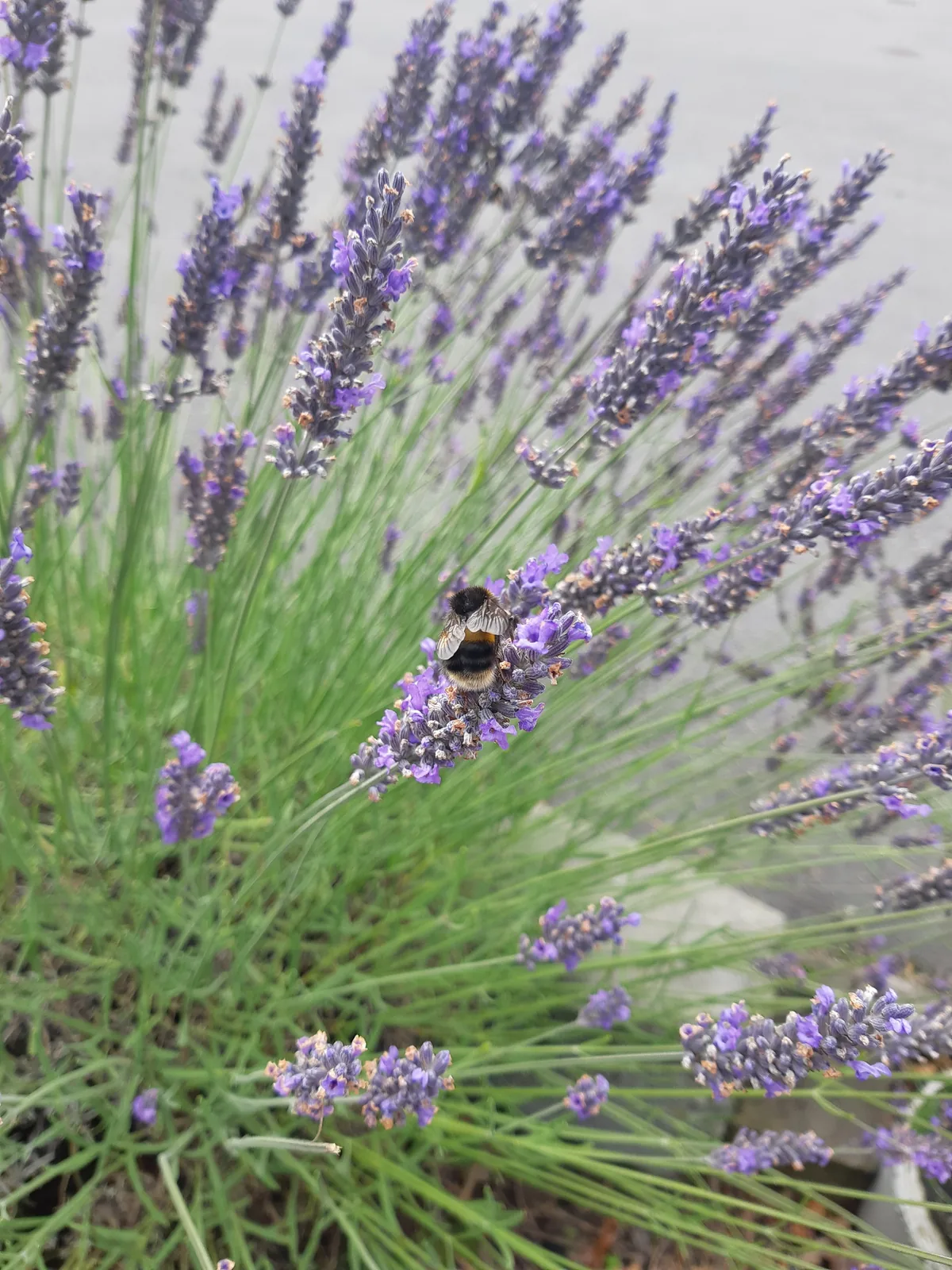
    Plants that demand sharp drainage love it: lavender, rosemary, salvias, California natives, succulents, and wine grapes on hillside sites.

How to work with Decomposed granite
Layered river-laid alluvium in a floodplain soil pit, with a spade for scale
River-alluvium profile (Fladbury series), Great Ouse floodplainPhoto: Rodney Burton, Geograph, CC BY-SA 2.0

Alluvial

  • Drainage

    Usually good: rivers sort their loads, and most alluvial soils have enough sand and silt to move water while holding plenty for roots. Low-lying pockets can run wet.

  • What thrives

    Nearly everything — vegetables, orchards, vines, and berries all prosper on alluvium. Its depth lets roots go as far down as they care to.

How to work with Alluvial

Soil data: USDA NRCS SSURGO · Soil types explained

Is it too late to plant in Colorado?

For most of the year, no — what changes is which crops still fit the days remaining. Across Colorado, cool-season planting typically opens about four weeks before the local last hard freeze — county medians put that freeze near Apr 24, with the middle half of counties between Apr 10 and May 7 (NOAA 1991–2020 climate normals). Tender transplants wait two to three weeks past it, and fall planting counts back from first freezes mostly between Oct 8 and Oct 26 — long-season crops need about 90 days of runway, quick greens only 30. Even past midsummer there is room for a true fall garden here, and garlic planted near the close carries the momentum into next year.

State Symbols of Colorado

The plants Colorado put its name on — cultural emblems, not growing recommendations.

Official state flower

Colorado blue columbine

Aquilegia coerulea

Designated 1899.

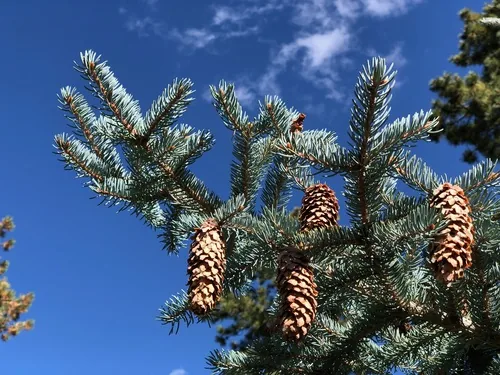
Colorado blue spruce, photograph
Official state tree

Colorado blue spruce

Picea pungens

Designated 1939. In our plant library — see its full growing profile.

Native Plants of Colorado

Plants the USDA PLANTS Database documents as native and present in Colorado — a real per-state range, not just a zone match. Presence is statewide, so a plant may still be uncommon in your specific county; your state’s Cooperative Extension or a native-plant society is the local authority.

Also zone-compatible

US-native plants whose hardiness range overlaps Colorado’s USDA zones 3a-7a but which USDA PLANTS doesn’t map to a single state range here. Zone overlap is a starting filter, not a range map.

Browse all US-native plants by state & zone →

Growing Challenges in Colorado

What an experienced grower plans around here — each one has a move.

Low annual rainfall (7-20 inches) means irrigation is essential nearly everywhere

Build the irrigation first — drip plus mulch makes a high-desert garden run on remarkably little water.

High altitude UV and temperature swings stress plants

Harden transplants gradually, shade-cloth their first high-sun week, and keep row covers handy for cold nights.

Very short growing season at elevation (60-90 frost-free days above 8,000 ft)

Above 8,000 feet, count your real frost-free days and choose varieties bred to finish inside them.

Alkaline soils (pH 7.5-8.5) limit acid-loving plants without amendment

A soil test tells you your actual pH — grow acid-lovers in containers of amended mix while the native ground grows everything else.

For cultivar selection, pest pressure, and planting-time guidance specific to Colorado, the Colorado State University Extension is the authoritative local source.

Safe to Grow Here?

What the federal record shows across Colorado — and how to grow with it.

Federal record: High

We checked the federal record across Colorado29,759 documented sites across 8 of the 9 source types we track.

The most significant on record: 281 Superfund sites. Sites tracked in EPA's Superfund program — from assessment-stage CERCLIS entries to confirmed National Priorities List cleanup sites.

Colorado carries one of the heavier federal records we track — and that's not a verdict on your yard. Proximity to a documented site is information, not a diagnosis: nothing here says any particular parcel is affected. It does earn one concrete step — before food beds go in the ground, a professional soil test tells you exactly what you're working with, and raised beds with clean imported soil grow well almost anywhere in the meantime.

Severity Distribution

across Colorado

High4,349Moderate10,625Low14,785

Highest-Severity Sites

2077 Firework
Superfund · Superfund (Non-NPL)
7d Tunnel
Mining Sites · Occurrence
Abc Roofing Company
Superfund · Superfund (Non-NPL)
A. B. G. Mine
Mining Sites · Past Producer
Aburdix
Mining Sites · Occurrence

A note from Gnorman

What an experienced grower watches for around here

In and around Colorado, Mining runs higher than the national average — 5,049 sites nearby. It's not cause for alarm — it's worth knowing, and there's a sensible way to grow around it.

Mining: Mining sites — both historic and active — can leach heavy metals (arsenic, lead, cadmium, mercury) into soil and water for centuries after operations cease.

Test soil for heavy metals (lead, arsenic, cadmium, mercury) — this is essential near any mining site.

Sources: EPA, USGS1.8M documented sites tracked nationwide across 9 federal source types.

See what grows on YOUR specific land

State averages sketch the shape. Your soil, sun exposure, drainage, and microclimate decide what actually takes. Pull a site-specific report for your exact parcel.

Free Report

Read your Colorado parcel

Enter your address. We read your soil, sun, drainage, and frost dates, then score 1,112 plants against the real conditions on your land.

Three things about your exact spot that zone averages miss:

Your soil pHYour frost-free daysYour sun & shade

We read public map data for this spot — soil, climate, flood, and parcel records. How we handle your address.

25+ data sources analyzed in seconds

Frequently Asked Questions

What USDA hardiness zones are in Colorado?

Colorado spans USDA hardiness zones 3a-7a, per the USDA Plant Hardiness Zone Map 2023. Zones reflect average annual extreme minimum temperatures from 1991–2020 weather data.

Is it too late to plant in Colorado?

For most of the year, no — what changes is which crops still fit the days remaining. Across Colorado, cool-season planting typically opens about four weeks before the local last hard freeze — county medians put that freeze near Apr 24, with the middle half of counties between Apr 10 and May 7 (NOAA 1991–2020 climate normals). Tender transplants wait two to three weeks past it, and fall planting counts back from first freezes mostly between Oct 8 and Oct 26 — long-season crops need about 90 days of runway, quick greens only 30. Even past midsummer there is room for a true fall garden here, and garlic planted near the close carries the momentum into next year.

When does frost risk typically end in Colorado?

Across Colorado, the middle half of counties see their last hard freeze (28°F) between about Apr 10 and May 7, with a county median near Apr 24 (NOAA 1991–2020 climate normals). That marks the hard freeze, not the last light frost — light frosts can still bite for a few more weeks, so tender transplants usually wait another 2–3 weeks.

How long is the growing season in Colorado?

Measured between 28°F hard freezes, growing seasons across Colorado's counties mostly run about 154 to 200 days, with a county median near 180 (NOAA 1991–2020 climate normals). Tender crops get a somewhat shorter practical window, since lighter frosts reach a few weeks past the hard-freeze dates on both ends.

What vegetables grow well in Colorado?

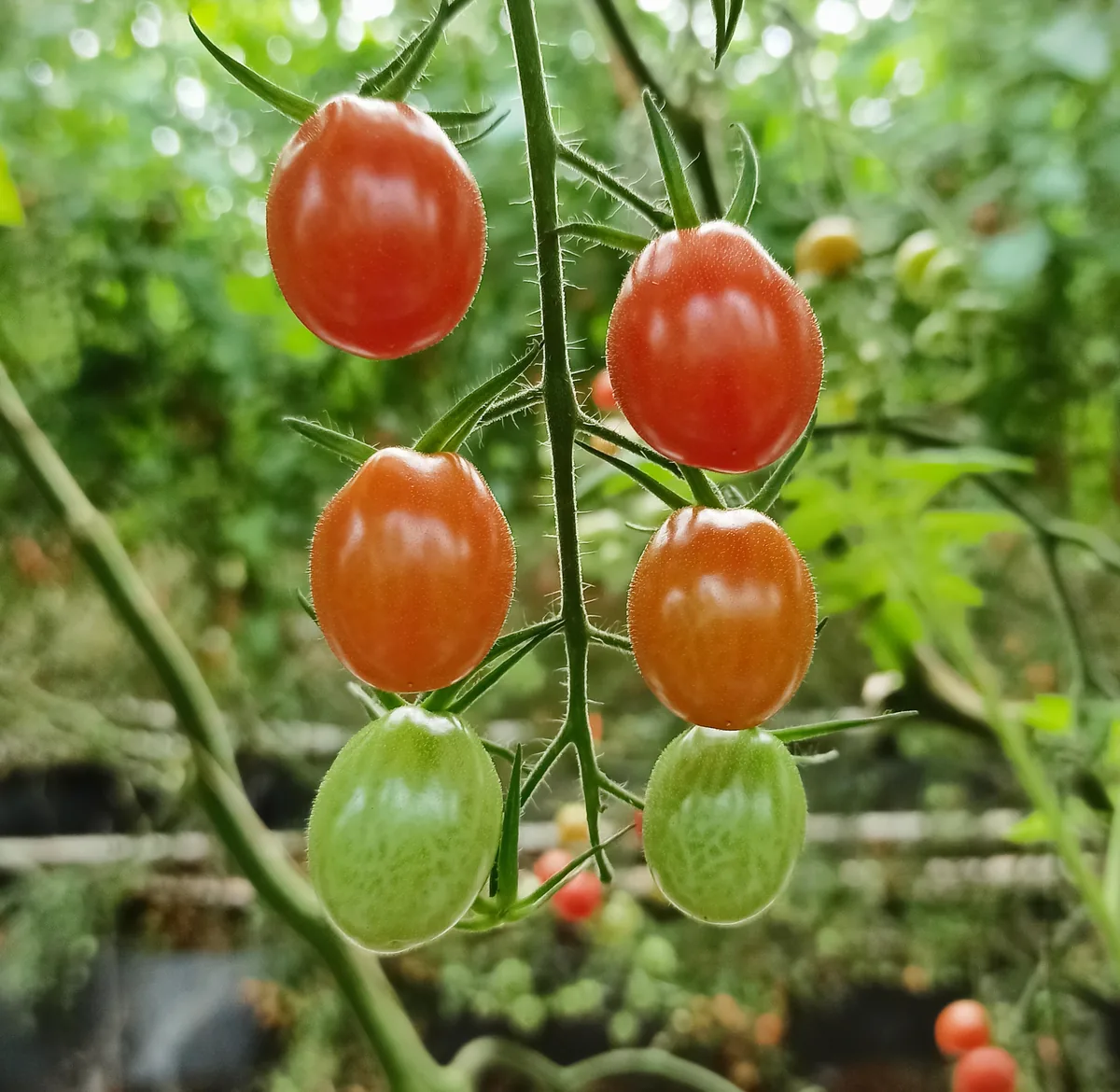
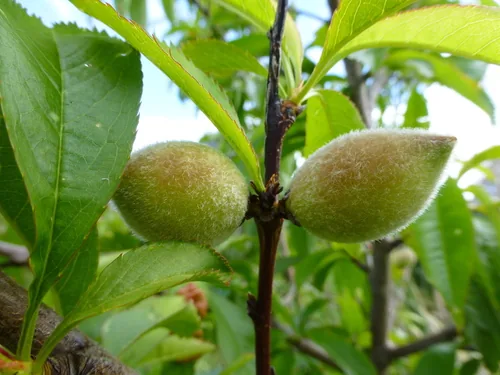
Colorado's zones 3a-7a support a wide range — strong performers include Colorado Blue Spruce, Tomato, Penstemon, Apple, and Peach. What actually takes on any one site comes down to its soil, sun, and drainage, and we score each plant against the real conditions at your address.

Which hardiness zone is Colorado, really?

Officially, Colorado spans USDA zones 3a-7a (USDA PHZM 2023) — but a zone is a 30-year average of winter's coldest night across an area, and it can't see any one yard. A south-facing slope, a tree line, or a low frost pocket can shift a single site by half a zone either way, which is why neighboring gardeners often quote different numbers. We read the conditions at your exact address — soil, sun, slope, and frost — and score 1,112 plants against what's actually there.

Is the soil safe to grow vegetables in Colorado?

The federal record across Colorado runs heavier than most — 29,759 documented sites — so test the soil before planting food in the ground, and raised beds with clean imported soil grow well in the meantime. Even here, proximity to a documented site is information, not a diagnosis of any one yard; the contamination map shows exactly what's recorded and where.

Just moved to Colorado — what should I know before planting?

Start with three facts. Colorado spans USDA zones 3a-7a, which sets what survives winter; last hard freezes range from about Apr 10 to May 7 across its counties (NOAA 1991–2020 climate normals); and 29,759 documented sites sit on the federal record here, so a soil test before food beds is the smart first step. From there, matching plants to your actual soil and sun is the fun part.


Everything on this page is a Colorado average. Your yard writes its own version — we read soil, sun, drainage, and frost at your exact address. Try it for 14 days — no card required.

Cities & Towns in Colorado

Explore growing conditions by city or town in Colorado.

Acres GreenAetna EstatesAguilarAir Force AcademyAkronAlamosaAlamosa EastAllensparkAlmaAlpineAltonaAmherstAntonitoApplewoodArapahoeArbolesAristocrat RanchettesArribaArvadaAspenAspen ParkAtwoodAultAuroraAvonAvondaleBark RanchBasaltBattlement MesaBayfieldBennettBerkleyBerthoudBethuneBeulah ValleyBlack ForestBlack HawkBlancaBlendeBlue RiverBlue ValleyBonanzaBonanza Mountain EstatesBooneBoulderBow MarBrandonBransonBreckenridgeBrick CenterBriggsdaleBrightonBrook ForestBrooksideBroomfieldBrushBuena VistaBurlingtonByersCalhanCampoCapulinCarbonateCarbondaleCascade-Chipita ParkCastle PinesCastle Pines VillageCastle RockCathedralCatherineCattle CreekCañon CityCedaredgeCentennialCenterCentralChacraCherawCherry CreekCherry Hills VillageCheyenne WellsCimarron HillsCity of CreedeCliftonCoal CreekCoal CreekCoaldaleCokedaleCollbranColorado CityColorado SpringsColumbineColumbine ValleyComanche CreekCommerce CityConejosCopeCopper MountainCortezCotopaxiCraigCrawfordCrested ButteCrestoneCripple CreekCrismanCrookCrowleyDaconoDakota RidgeDe BequeDeer TrailDel NorteDeltaDenverDerbyDillonDinosaurDivideDoloresDotseroDove CreekDove ValleyDownieville-Lawson-DumontDurangoEadsEagleEatonEcho HillsEckleyEdgewaterEdwardsEl JebelEl MoroElbertEldoraEldorado SpringsElizabethEllicottEmpireEnglewoodErieEstes ParkEvansEvergreenFairmountFairplayFederal HeightsFirestoneFlaglerFlemingFlorenceFlorissantFloyd HillFort CarsonFort CollinsFort GarlandFort LuptonFort MorganFountainFour Square MileFowlerFoxfieldFranktownFraserFrederickFriscoFruitaFruitvaleFulfordGarden CityGardnerGarfieldGeneseeGenoaGeorgetownGerrardGilcrestGlendaleGlendaleGleneagleGlenwood SpringsGold HillGoldenGoldfieldGranadaGranbyGrand JunctionGrand LakeGrand View EstatesGreeleyGreen Mountain FallsGreenwood VillageGroverGuffeyGunbarrelGunnisonGypsumHartmanHartselHastyHaswellHaxtunHaydenHeeneyHidden LakeHighlands RanchHillroseHoehneHollyHolly HillsHolyokeHooperHot Sulphur SpringsHotchkissHowardHudsonHugoIdaho SpringsIdledaleIgnacioIliffIndian HillsInvernessJackson LakeJamestownJansenJoesJohnson VillageJohnstownJulesburgKeenesburgKen CarylKerseyKeystoneKimKiowaKirkKit CarsonKittredgeKremmlingLa JaraLa JuntaLa Junta GardensLa SalleLa VetaLafayetteLairdLake CityLakesideLakewoodLamarLaporteLarkspurLas AnimasLazearLazy AcresLeadvilleLeadville NorthLewisLeynerLimonLincoln ParkLittletonLochbuieLog Lane VillageLoghill VillageLomaLone TreeLongmontLouisvilleLouviersLovelandLynnLyonsManassaMancosManitou SpringsManzanolaMarbleMarvelMathesonMaybellMaysvilleMcClaveMcCoyMeadMeekerMeridianMeridian VillageMerinoMidlandMillikenMinturnMoffatMonte VistaMontroseMonumentMorgan HeightsMorrisonMount Crested ButteMountain MeadowsMountain VillageMulfordNathropNaturitaNederlandNew CastleNiwotNo NameNorrieNorth La JuntaNorth WashingtonNorthglennNorwoodNuclaNunnOak CreekOlatheOlney SpringsOphirOrchardOrchard CityOrchard MesaOrdwayOtisOurayOvidPadroniPagosa SpringsPalisadePalmer LakePaoliPaoniaParachuteParagon EstatesPark CenterParkerParshallPeetzPenrosePeoriaPerry ParkPeytonPhippsburgPiedraPiercePine Brook HillPine ValleyPitkinPlacervillePlattevillePoncha SpringsPonderosa ParkPortlandPritchettPuebloPueblo WestRamahRangelyRaymer (New Raymer)Red CliffRed Feather LakesRedlandsRedstoneRedvaleRicoRidgwayRifleRock Creek ParkRockvaleRocky FordRollinsvilleRomeoRoxborough ParkSaddle RidgeSaguacheSalidaSalt CreekSan AcacioSan LuisSanfordSecurity-WidefieldSedaliaSedgwickSegundoSeibertSeven HillsSeveranceShaw HeightsSheridanSheridan LakeSherrelwoodSierra RidgeSiltSilver CliffSilver PlumeSilverthorneSilvertonSimlaSmeltertownSnowmass VillageSnyderSomersetSouth ForkSouthern UteSpringfieldSt. Ann HighlandsSt. Mary'sSteamboat SpringsStepping StoneSterlingSterling RanchStonegateStonewall GapStrasburgStratmoorStrattonSugar CitySugarloafSunshineSuperiorSwinkTabernashTall TimberTellurideThe PineryThorntonTimnathTodd CreekTowaocTrail SideTrinidadTwin LakesTwin LakesTwo ButtesUpper Bear CreekUpper Witter GulchVailValdezValmontVernonVictorVilasVinelandVonaWaldenWalsenburgWalshWardWatkinsWelbyWeldonaWellingtonWest Pleasant ViewWestcliffeWestcreekWestminsterWestonWheat RidgeWigginsWileyWilliamsburgWindsorWinter ParkWolcottWoodland ParkWoodmoorWoody CreekWrayYampaYuma

States with a Similar Growing Climate

Colorado shares its dominant growing region with these states — a useful comparison if you're weighing where a crop will behave the same way.