What Grows in Mississippi

USDA Zones 7b-9a · 50-65 inches annual rainfall

Mississippi spans USDA hardiness zones 7b-9a, with a growing season of about 220 frost-free days — a season with slack in it: successions, late sowings, and long-maturing crops all fit.

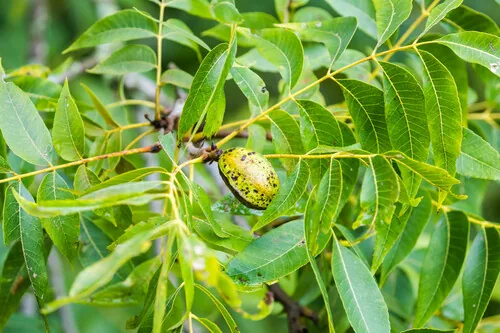
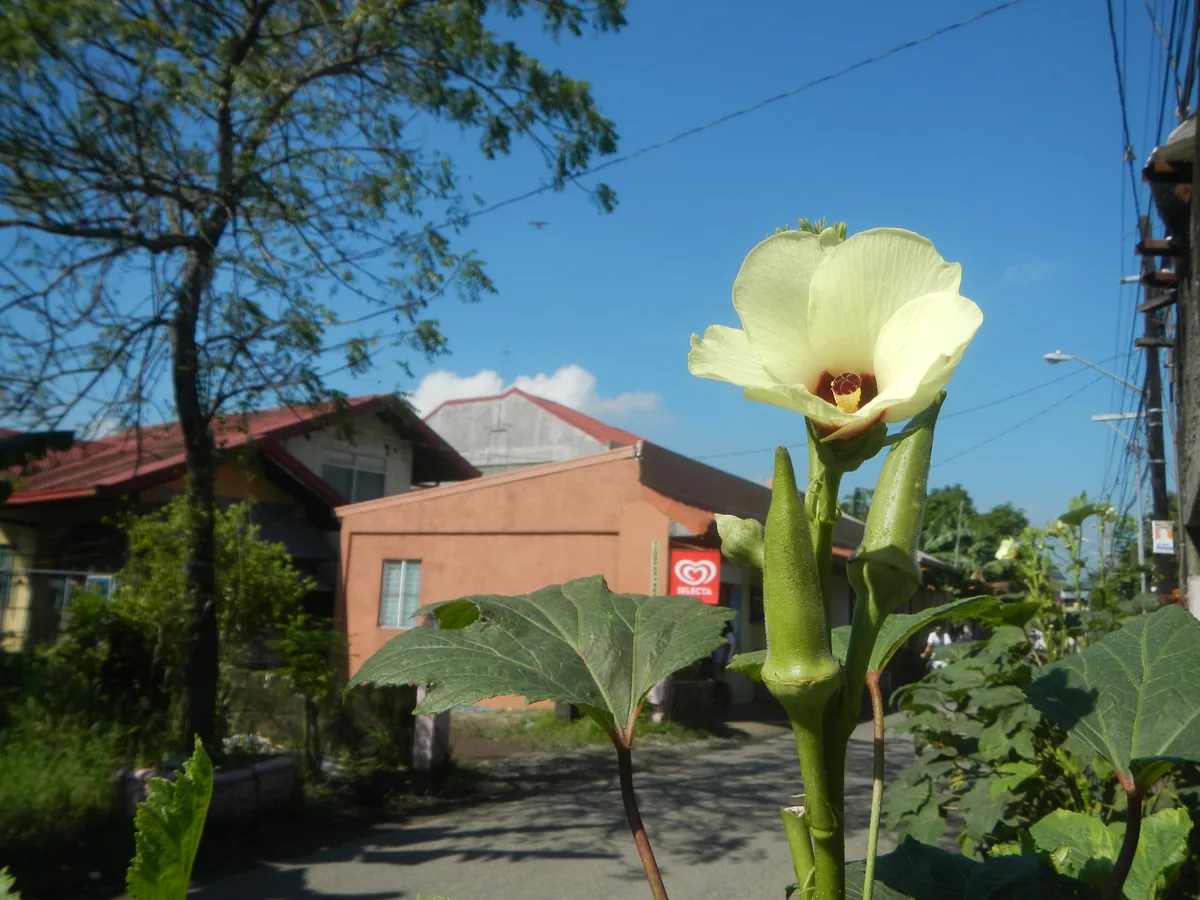
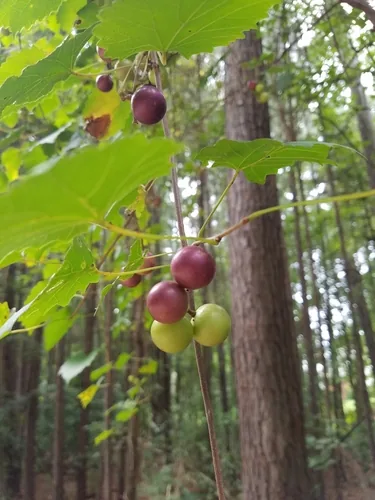
Behind the zone label sits the real climate engine: 50-65 inches of annual rainfall, a median of roughly 5,000 growing-degree days (base 50°F), and about 600 winter chill hours for tree fruit. Expect loess, alluvial clay, sandy loam, and muck underfoot; what unites them is that their drainage, good or poor, sets the ceiling on most crops. Mississippi splits into distinct growing country: Mississippi Delta and Gulf Coast, each keeping its own frost calendar. Well-matched crops include pecan, okra, muscadine grape, and magnolia, and the gap between "grows in the area" and "grows in your yard" is closed by soil, sun, and drainage.

Grounded inUSDA PHZM 2023NOAA Climate NormalsUSDA NRCS SSURGOGDD aggregate (Cornell CALS)Chill-hour aggregate (MSU Extension)USDA hardiness sub-region mapEPA FRSUSDA PLANTSGrowable Ground suitability scoring

Score your parcel · free

Your yard isn't the whole state.

Mississippi spans zones 7b-9a, but your yard sits in exactly one — and slope, tree cover, and low spots nudge it further. Enter your address and we'll score 1,112 plants against your land's actual soil, sun, and frost.

We read public map data for this spot — soil, climate, flood, and parcel records. How we handle your address.

No card required · your full report in seconds

Quick Facts

USDA Zones

7b-9a

USDA PHZM 2023

Last Frost

Feb 28 - Mar 30

NOAA 30-yr Normals

First Frost

Oct 25 - Nov 20

NOAA 30-yr Normals

Annual Rainfall

50-65 inches

NOAA Climate Normals

Zone maps are averages across Mississippi. Your yard's slope, trees, and frost pockets shift what actually grows — see your land's exact reading.

The Ground You’re Working With

The soil types that dominate Mississippi — how each drains decides more about crop success than almost anything else. Tap any soil to learn what it is and how to work with it.

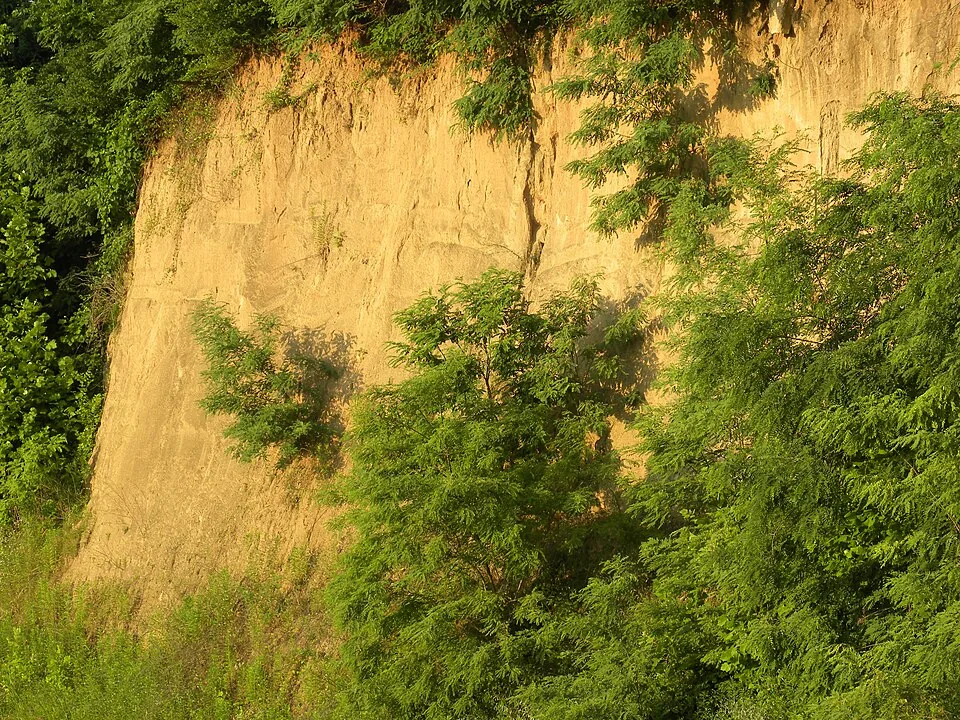
Deep wind-laid loess standing in a vertical bluff face near Vicksburg, Mississippi
Loess bluff exposure, Vicksburg, Mississippi

Loess

  • Drainage

    Good — it absorbs rain readily and holds it in reach of roots — but it erodes faster than any other soil when left bare on a slope.

  • What thrives

    Nearly everything: corn, small grains, and the full vegetable garden thrive in loess country, which is exactly why so much of it is farmed.

How to work with Loess

See the alluvial river-profile — alluvial clay is its finest, slowest-draining fraction.

Alluvial clay

  • Drainage

    Slow, and often sitting over a shallow water table in low-lying valley positions — the flip side of all that fertility.

  • What thrives

    Vigorous, moisture-loving crops: corn, squash, brassicas, celery, and cane fruit all pull hard from alluvial clay. Willows and many natives thrive where it stays damp.

How to work with Alluvial clay
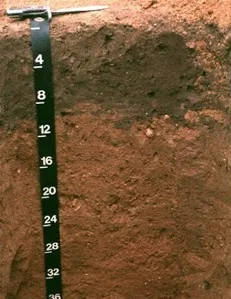
Downer soil profile: reddish sandy loam horizon with a depth scale
Soil profile: Downer series, New Jersey

Sandy loam

  • Drainage

    Fast. The sand fraction opens the soil up, so water moves through the root zone quickly and the surface rarely stays soggy. The trade is that nutrients ride out with the water.

  • What thrives

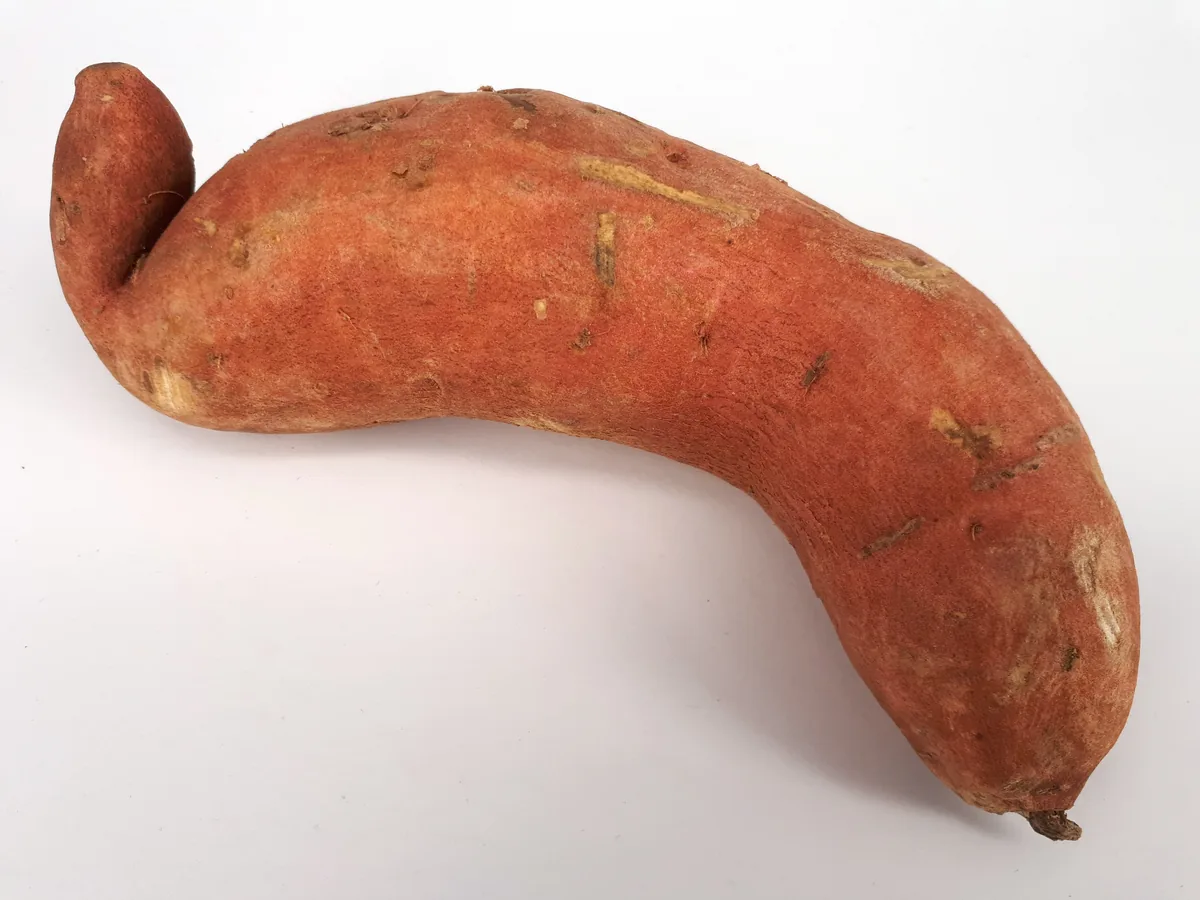
    Root crops love it — carrots, potatoes, radishes, and onions size up cleanly in ground they can push through. Melons, sweet potatoes, asparagus, and most herbs appreciate the warmth and the drainage.

How to work with Sandy loam
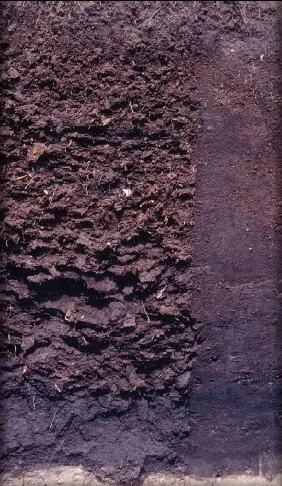
Histosol profile: black, crumbly organic muck
Soil profile: Histosol (USDA soil order)

Muck

  • Drainage

    It holds water like a sponge by nature; farmed muck is managed with ditches and water control, and it can dry, shrink, and even blow when left bare.

  • What thrives

    Muck is celebrated vegetable ground — onions, celery, carrots, lettuce, and greens grow to prize quality in it. Its loose, black tilth is what root and leaf crops dream of.

How to work with Muck

Soil data: USDA NRCS SSURGO · Soil types explained

State Symbols of Mississippi

The plants Mississippi put its name on — cultural emblems, not growing recommendations.

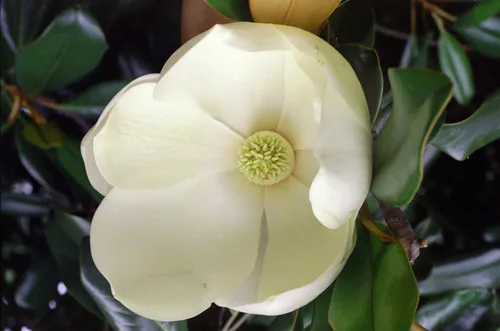
Official state flower

Magnolia

Magnolia

Designated 1900.

Southern magnolia, photograph
Official state tree

Southern magnolia

Magnolia grandiflora

Designated 1952. In our plant library — see its full growing profile.

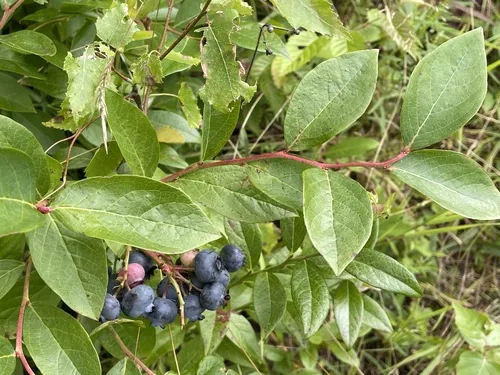
Blueberry, photograph
Official state fruit

Blueberry

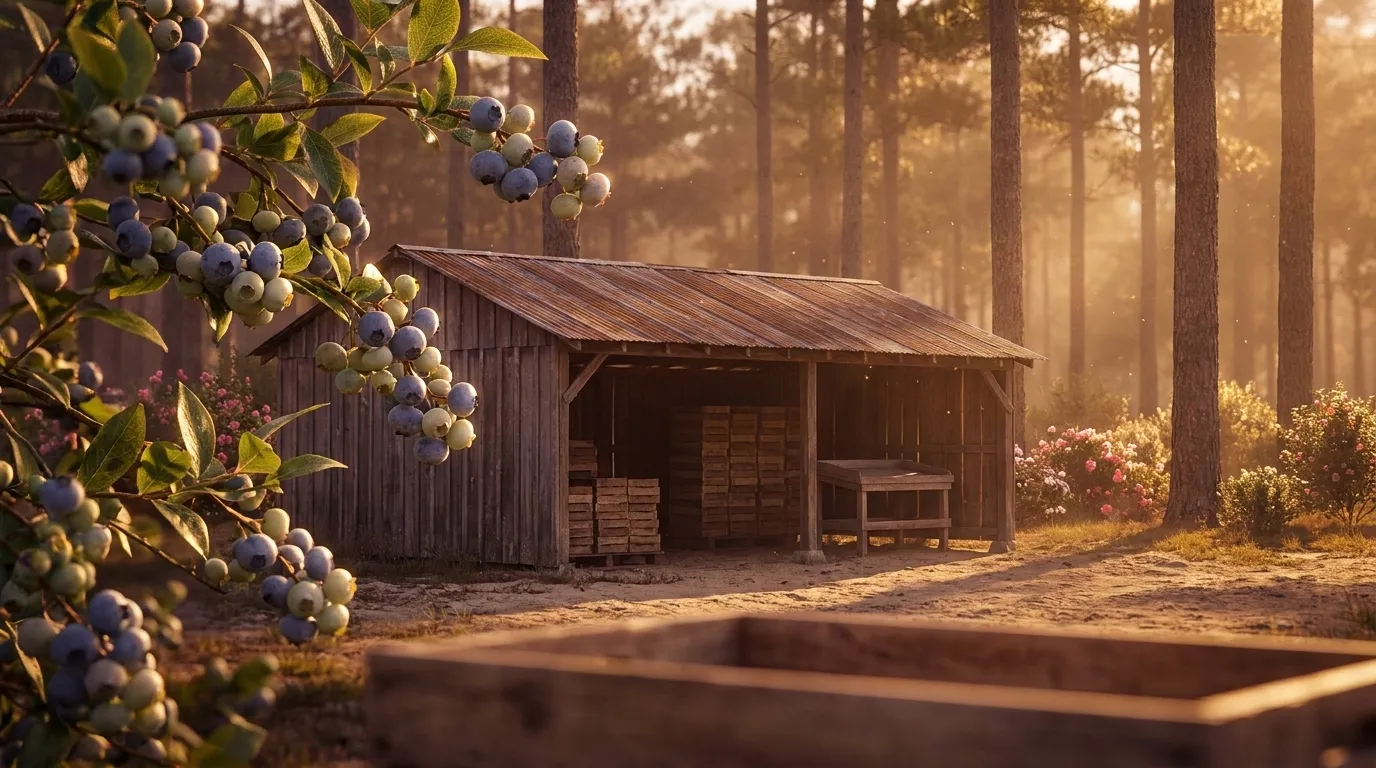
Designated 2023. In our plant library — see its full growing profile.

Native Plants of Mississippi

Plants the USDA PLANTS Database documents as native and present in Mississippi — a real per-state range, not just a zone match. Presence is statewide, so a plant may still be uncommon in your specific county; your state’s Cooperative Extension or a native-plant society is the local authority.

Also zone-compatible

US-native plants whose hardiness range overlaps Mississippi’s USDA zones 7b-9a but which USDA PLANTS doesn’t map to a single state range here. Zone overlap is a starting filter, not a range map.

Browse all US-native plants by state & zone →

Growing Challenges in Mississippi

What an experienced grower plans around here — each one has a move.

Extreme summer heat and humidity

Run the garden on the generous spring and fall windows — and let summer belong to okra, peas, and sweet potatoes.

Heavy alluvial clay in the Delta region

Delta clay is rich but slow to drain — raised rows get roots above the wet while keeping that fertility in reach.

Frequent severe storms and flooding

Site beds on the high ground, mound the rows, and keep water moving — drainage planning is storm insurance.

For cultivar selection, pest pressure, and planting-time guidance specific to Mississippi, the Mississippi State University Extension Service is the authoritative local source.

Safe to Grow Here?

What the federal record shows across Mississippi — and how to grow with it.

Federal record: High

We checked the federal record across Mississippi20,263 documented sites across 8 of the 9 source types we track.

The most significant on record: 118 Superfund sites. Sites tracked in EPA's Superfund program — from assessment-stage CERCLIS entries to confirmed National Priorities List cleanup sites.

Mississippi carries one of the heavier federal records we track — and that's not a verdict on your yard. Proximity to a documented site is information, not a diagnosis: nothing here says any particular parcel is affected. It does earn one concrete step — before food beds go in the ground, a professional soil test tells you exactly what you're working with, and raised beds with clean imported soil grow well almost anywhere in the meantime.

Severity Distribution

across Mississippi

High260Moderate8,262Low11,741

Highest-Severity Sites

Adams CO W/a #2-South
PFAS Sampling · PFAS Detected
Alcorn W/a #1-Indian Springs
PFAS Sampling · PFAS Detected
Algoma Water Association
PFAS Sampling · PFAS Detected
Allied Electroplating
Superfund · Superfund (Non-NPL)
American Bosch Electrical Products
Superfund · Superfund (Non-NPL)

A note from Gnorman

What an experienced grower watches for around here

In and around Mississippi, PFAS runs higher than the national average — 211 sites nearby. Knowing it is half the work — and it's nothing a thoughtful grower can't plan for.

PFAS: PFAS (per- and polyfluoroalkyl substances) are called "forever chemicals" because they do not biodegrade.

Test irrigation water source — this is the primary pathway for PFAS to reach garden crops.

Sources: EPA, USGS1.8M documented sites tracked nationwide across 9 federal source types.

See what grows on YOUR specific land

State averages sketch the shape. Your soil, sun exposure, drainage, and microclimate decide what actually takes. Pull a site-specific report for your exact parcel.

Free Report

Read your Mississippi parcel

Enter your address. We read your soil, sun, drainage, and frost dates, then score 1,112 plants against the real conditions on your land.

Three things about your exact spot that zone averages miss:

Your soil pHYour frost-free daysYour sun & shade

We read public map data for this spot — soil, climate, flood, and parcel records. How we handle your address.

25+ data sources analyzed in seconds

Frequently Asked Questions

What USDA hardiness zones are in Mississippi?

Mississippi spans USDA hardiness zones 7b-9a, per the USDA Plant Hardiness Zone Map 2023. Zones reflect average annual extreme minimum temperatures from 1991–2020 weather data.

When does frost risk typically end in Mississippi?

The last spring frost in Mississippi is typically around Feb 28 - Mar 30, and the first fall frost around Oct 25 - Nov 20, per NOAA 30-year climate normals (1991–2020). Your specific site may differ — frost dates vary by elevation, proximity to water, and local microclimate.

What vegetables grow well in Mississippi?

Mississippi's zones 7b-9a support a wide range — strong performers include Pecan, Okra, Muscadine Grape, Magnolia, and Sweet Potato. What actually takes on any one site comes down to its soil, sun, and drainage, and we score each plant against the real conditions at your address.

Which hardiness zone is Mississippi, really?

Officially, Mississippi spans USDA zones 7b-9a (USDA PHZM 2023) — but a zone is a 30-year average of winter's coldest night across an area, and it can't see any one yard. A south-facing slope, a tree line, or a low frost pocket can shift a single site by half a zone either way, which is why neighboring gardeners often quote different numbers. We read the conditions at your exact address — soil, sun, slope, and frost — and score 1,112 plants against what's actually there.

Is the soil safe to grow vegetables in Mississippi?

The federal record across Mississippi runs heavier than most — 20,263 documented sites — so test the soil before planting food in the ground, and raised beds with clean imported soil grow well in the meantime. Even here, proximity to a documented site is information, not a diagnosis of any one yard; the contamination map shows exactly what's recorded and where.

Just moved to Mississippi — what should I know before planting?

Start with three facts. Mississippi spans USDA zones 7b-9a, which sets what survives winter; the statewide frost window runs about Feb 28 - Mar 30 to Oct 25 - Nov 20 (NOAA 30-year climate normals); and 20,263 documented sites sit on the federal record here, so a soil test before food beds is the smart first step. From there, matching plants to your actual soil and sun is the fun part.


Everything on this page is a Mississippi average. Your yard writes its own version — we read soil, sun, drainage, and frost at your exact address. Try it for 14 days — no card required.

Cities & Towns in Mississippi

Explore growing conditions by city or town in Mississippi.

AbbevilleAberdeenAckermanAgricolaAlcorn State UniversityAlgomaAlligatorAmoryAnguillaArcolaArkabutlaArnold LineArtesiaAshlandAustinBaldwynBassfieldBatesvilleBaxtervilleBay SpringsBay St. LouisBeaumontBeauregardBeechwoodBelmontBelzoniBenndaleBenoitBentonBentoniaBethlehemBeulahBig CreekBig PointBiggersvilleBiloxiBlue MountainBlue SpringsBoboBogue ChittoBogue ChittoBolivarBoltonBondBoonevilleBovinaBoyleBrandonBraxtonBridgetownBrookhavenBrooksvilleBruceBuckatunnaBudeBurnsvilleByhaliaByramCaledoniaCalhoun CityCantonCarrolltonCarthageCaryCentrevilleChalybeateCharlestonChunkyClaraClarksdaleClearyClevelandClintonCloverdaleCoahomaCoffeevilleColdwaterCollinsCollinsvilleColumbiaColumbusColumbus AFBComoConehattaCorinthCourtlandCrawfordCrenshawCrosbyCrowderCrugerCrystal SpringsD'IbervilleD'LoDarlingDe KalbDe SotoDeLisleDecaturDelta CityDennisDermaDiamondheadDoddsvilleDrewDublinDuck HillDumasDuncanDundeeDurantEagle BendEastabuchieEcruEdenEdwardsElizabethElliottEllisvilleEnterpriseEscatawpaEthelEudoraEuporaFalconFalknerFarmingtonFarrellFayetteFernwoodFloraFlorenceFlowoodForestFoxworthFrench CampFriars PointFultonGattmanGautierGeorgetownGlenGlen AllanGlendaleGlendoraGlosterGluckstadtGoldenGoodmanGraceGreenvilleGreenwoodGrenadaGulf HillsGulf Park EstatesGulfportGunnisonGuntownHamiltonHarpervilleHatleyHattiesburgHazlehurstHeidelbergHelenaHenderson PointHermanvilleHernandoHickoryHickory FlatHide-A-Way LakeHillsboroHolcombHollandaleHolly SpringsHorn LakeHoustonHurleyIndependenceIndianolaInvernessIsolaItta BenaIukaJacintoJacksonJonestownJumpertownKearney ParkKilmichaelKilnKirkvilleKokomoKosciuskoKossuthLakeLakeviewLamarLambertLatimerLauderdaleLaurelLeafLeakesvilleLearnedLelandLenaLexingtonLibertyLong BeachLongviewLouinLouiseLouisvilleLucedaleLulaLumbertonLymanLynchburgLyonMabenMaconMadisonMageeMagnoliaMantachieManteeMariettaMarionMarksMathistonMayersvilleMcCombMcCoolMcLainMeadvilleMendenhallMeridianMeridian StationMerigoldMetcalfeMississippi StateMississippi Valley State UniversityMizeMonticelloMontroseMoorevilleMoorheadMorgan CityMorgantownMortonMoselleMoss PointMound BayouMount OliveMount PleasantMyrtleNatchezNellieburgNettletonNew AlbanyNew AugustaNew HamiltonNew HebronNew HopeNew HoulkaNew SiteNewtonNicholsonNitta YumaNorth CarrolltonNorth TunicaNoxapaterOak GroveOaklandOcean SpringsOkolonaOlive BranchOsykaOvettOxfordPacePachutaPadenPanther BurnParisPascagoulaPass ChristianPattisonPearlPearl RiverPearlingtonPelahatchiePetalPhebaPhiladelphiaPicayunePickensPittsboroPlantersvillePolkvillePontotocPopePoplarvillePort GibsonPortervillePotts CampPrentissPuckettPurvisQuitmanRaleighRandolphRawls SpringsRaymondRed BanksRedwaterRedwoodRena LaraRenovaRichlandRichtonRidgelandRienziRipleyRobinhoodRolling ForkRosedaleRoxieRulevilleRunnelstownSallisSaltilloSandersvilleSardisSatartiaSaucierSchlaterScoobaScottSebastopolSeminarySenatobiaShannonSharonShawShelbyShermanShubutaShuqualakSidonSilver CitySilver CreekSkeneSlate SpringsSledgeSmithvilleSnow Lake ShoresSosoSouthavenSt. MartinStanding PineStarkvilleState LineStewartStonevilleStonewallStrayhornSturgisSummitSumnerSumrallSunflowerSylvarenaTaylorTaylorsvilleTchulaTerryThaxtonTillatobaTishomingoToccopolaToomsubaTremontTuckerTulaTunicaTunica ResortsTupeloTutwilerTylertownUnionUniversityUticaVaidenValley ParkVan VleetVancleaveVardamanVeronaVicksburgVictoriaWadeWallsWalnutWalnut GroveWalthallWater ValleyWaterfordWavelandWaynesboroWebbWeirWessonWestWest HattiesburgWest PointWheelerWhite OakWigginsWinonaWinstonvilleWintervilleWoodlandWoodvilleYazoo City

States with a Similar Growing Climate

Mississippi shares its dominant growing region with these states — a useful comparison if you're weighing where a crop will behave the same way.