What Grows in Wisconsin

USDA Zones 3b-5b · 28-34 inches annual rainfall

Wisconsin spans USDA hardiness zones 3b-5b, with a growing season of about 150 frost-free days — a true four-season rhythm: spring greens, a full summer main crop, and a fall window that rewards planning.

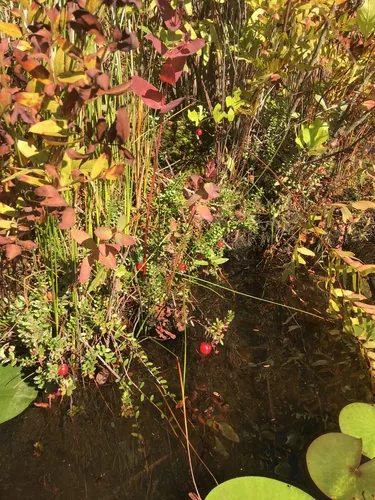
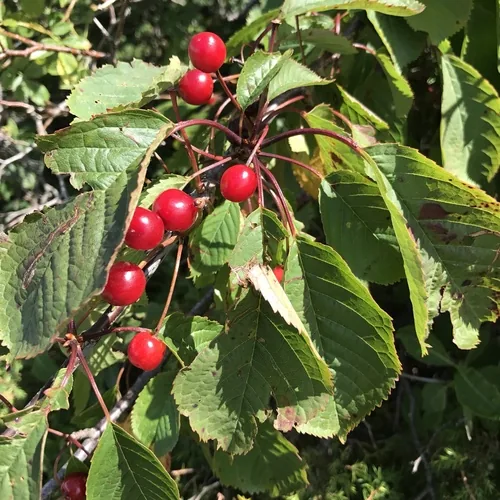
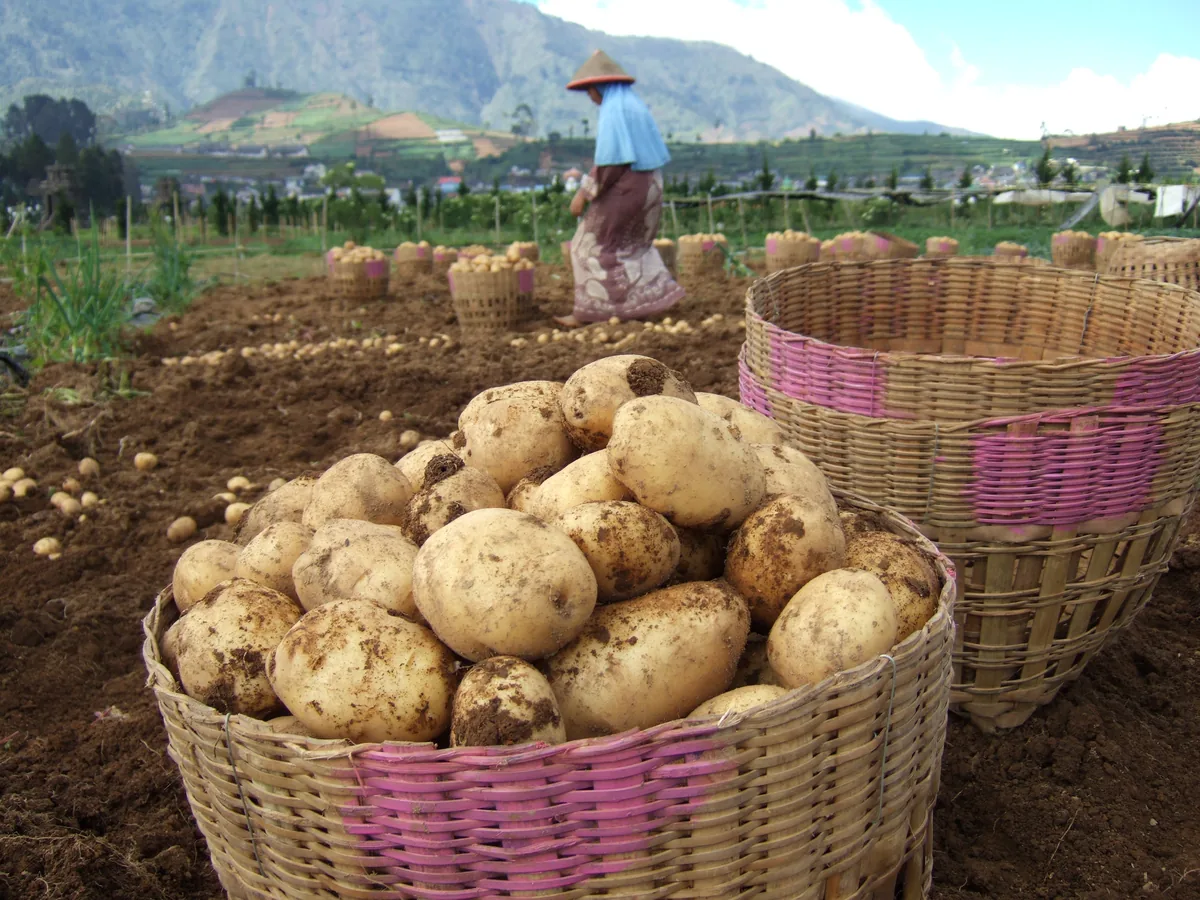
The growing year is built on 28-34 inches of annual rainfall, a median of roughly 2,700 growing-degree days (base 50°F), and about 1,650 winter chill hours for tree fruit, and every crop choice answers to them. The ground itself runs to silt loam, clay loam, sandy outwash, and muck; drainage character, more than fertility, is usually what sorts the thrivers from the strugglers. Well-matched crops include cranberry, cherry, potato, and ginseng, and the gap between "grows in the area" and "grows in your yard" is closed by soil, sun, and drainage.

Grounded inUSDA PHZM 2023NOAA Climate NormalsUSDA NRCS SSURGOGDD aggregate (Cornell CALS)Chill-hour aggregate (MSU Extension)EPA FRSUSDA PLANTSGrowable Ground suitability scoring

Score your parcel · free

Your yard isn't the whole state.

Wisconsin spans zones 3b-5b, but your yard sits in exactly one — and slope, tree cover, and low spots nudge it further. Enter your address and we'll score 1,112 plants against your land's actual soil, sun, and frost.

We read public map data for this spot — soil, climate, flood, and parcel records. How we handle your address.

No card required · your full report in seconds

Quick Facts

USDA Zones

3b-5b

USDA PHZM 2023

Last Frost

Apr 25 - May 25

NOAA 30-yr Normals

First Frost

Sep 15 - Oct 15

NOAA 30-yr Normals

Annual Rainfall

28-34 inches

NOAA Climate Normals

Zone maps are averages across Wisconsin. Your yard's slope, trees, and frost pockets shift what actually grows — see your land's exact reading.

The Ground You’re Working With

The soil types that dominate Wisconsin — how each drains decides more about crop success than almost anything else. Tap any soil to learn what it is and how to work with it.

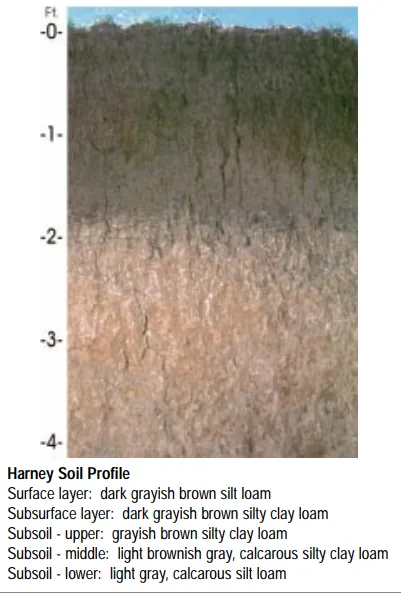
Harney soil profile: deep loessal silt loam with a dark grayish-brown surface
Soil profile: Harney series, Kansas

Silt loam

  • Drainage

    Moderate. Silt holds water well and releases it steadily, though the fine particles can crust after hard rain and compact under traffic.

  • What thrives

    The full vegetable garden does well here, and small grains, corn, and leafy greens are classic silt-loam crops. Its steady moisture suits shallow-rooted plants that dislike drought stress.

How to work with Silt loam

No verified open-license photo yet — this loam is close kin to the loam and silt-loam profiles above.

Clay loam

  • Drainage

    Slow to moderate. Water lingers in the root zone longer than in loam, which is a gift in dry summers and a challenge in wet springs.

  • What thrives

    Heavy feeders that appreciate steady moisture — brassicas, corn, beans, and many fruit trees. Perennials with strong root systems establish well once they are through the first season.

How to work with Clay loam

See the glacial-outwash profile — sandy outwash is the same meltwater-sorted sand and gravel.

Sandy outwash

  • Drainage

    Very fast, often to considerable depth — outwash rarely holds a puddle.

  • What thrives

    Potatoes are the classic outwash crop, along with carrots, asparagus, and bush fruits. Pines and oaks dominate the native cover for the same reason: they handle the droughtiness.

How to work with Sandy outwash
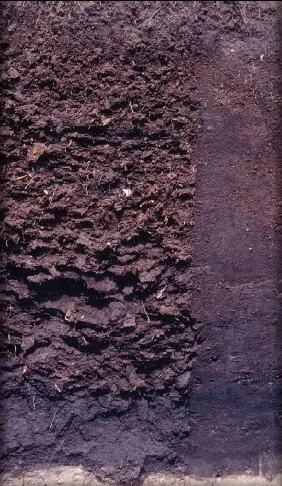
Histosol profile: black, crumbly organic muck
Soil profile: Histosol (USDA soil order)

Muck

  • Drainage

    It holds water like a sponge by nature; farmed muck is managed with ditches and water control, and it can dry, shrink, and even blow when left bare.

  • What thrives

    Muck is celebrated vegetable ground — onions, celery, carrots, lettuce, and greens grow to prize quality in it. Its loose, black tilth is what root and leaf crops dream of.

How to work with Muck

Soil data: USDA NRCS SSURGO · Soil types explained

Top 5 Plants for Wisconsin

Plants well-suited to Wisconsin's climate, soils, and growing season — each links to its full growing profile.

Is it too late to plant in Wisconsin?

Too late for some crops, right on time for others — a growing season is a sequence, not a deadline. Across Wisconsin, cool-season planting typically opens about four weeks before the local last hard freeze — county medians put that freeze near Apr 13, with the middle half of counties between Apr 10 and Apr 19 (NOAA 1991–2020 climate normals). Tender transplants wait two to three weeks past it, and fall planting counts back from first freezes mostly between Oct 28 and Nov 6 — long-season crops need about 90 days of runway, quick greens only 30. Here the season winds down slowly: late sowings, a real autumn harvest, and garlic in the ground before the first hard freeze.

State Symbols of Wisconsin

The plants Wisconsin put its name on — cultural emblems, not growing recommendations.

Official state flower

Wood violet

Viola sororia

Designated 1949.

Sugar maple, photograph
Official state tree

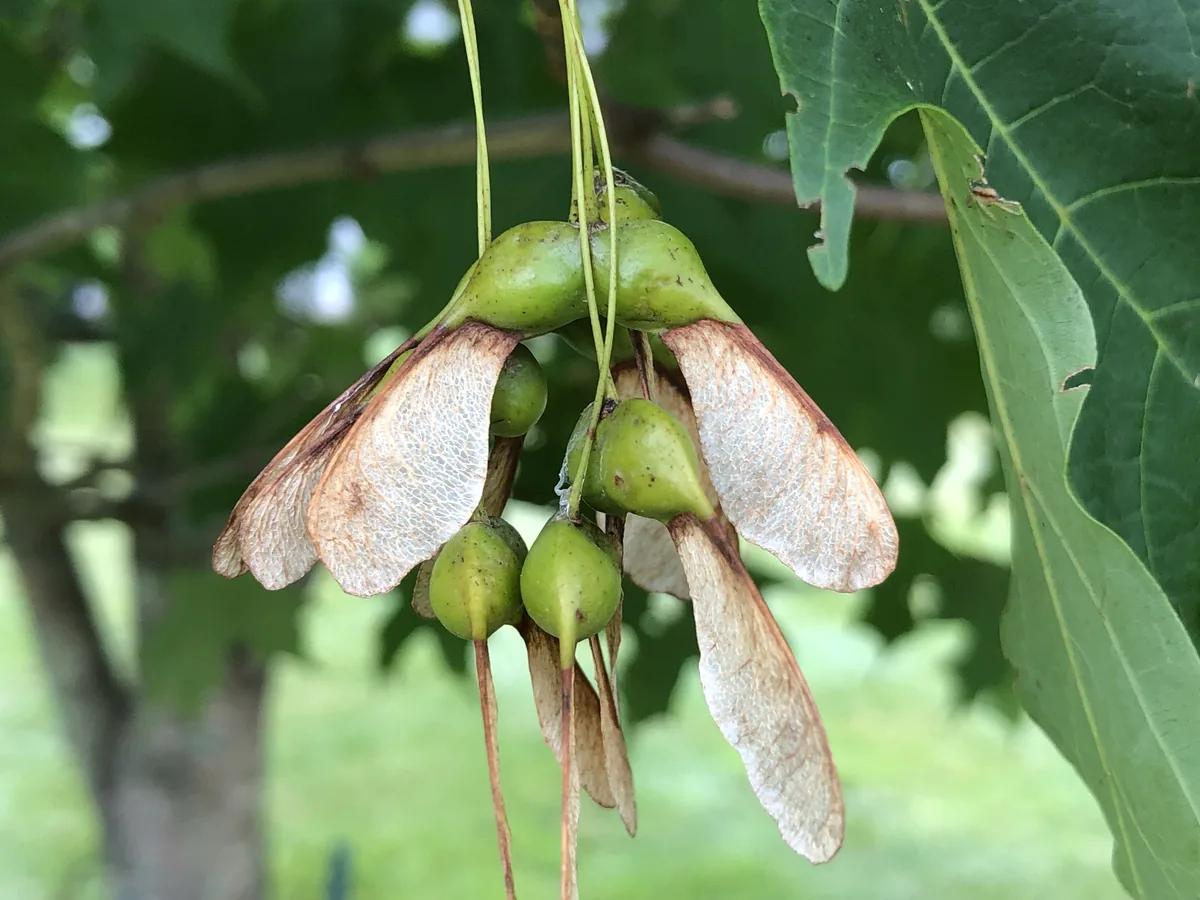
Sugar maple

Acer saccharum

Designated 1949. In our plant library — see its full growing profile.

Cranberry, photograph
Official state fruit

Cranberry

Designated 2003. In our plant library — see its full growing profile.

Native Plants of Wisconsin

Plants the USDA PLANTS Database documents as native and present in Wisconsin — a real per-state range, not just a zone match. Presence is statewide, so a plant may still be uncommon in your specific county; your state’s Cooperative Extension or a native-plant society is the local authority.

Also zone-compatible

US-native plants whose hardiness range overlaps Wisconsin’s USDA zones 3b-5b but which USDA PLANTS doesn’t map to a single state range here. Zone overlap is a starting filter, not a range map.

Browse all US-native plants by state & zone →

Growing Challenges in Wisconsin

What an experienced grower plans around here — each one has a move.

Cold winters (-30F in northern WI)

Plant perennials rated for the cold you actually get — northern Wisconsin rewards zone honesty with decades of returns.

Short growing season (110-140 frost-free days)

Indoor starts plus a cold frame stretch the season on both ends — standard practice from Madison to Superior.

Sandy central soils drain too quickly

The Central Sands fix is organic matter — compost and cover crops, every year, until the ground holds its own water.

For cultivar selection, pest pressure, and planting-time guidance specific to Wisconsin, the UW–Madison Division of Extension is the authoritative local source.

Safe to Grow Here?

What the federal record shows across Wisconsin — and how to grow with it.

Federal record: High

We checked the federal record across Wisconsin57,912 documented sites across 8 of the 9 source types we track.

The most significant on record: 314 Superfund sites. Sites tracked in EPA's Superfund program — from assessment-stage CERCLIS entries to confirmed National Priorities List cleanup sites.

Wisconsin carries one of the heavier federal records we track — and that's not a verdict on your yard. Proximity to a documented site is information, not a diagnosis: nothing here says any particular parcel is affected. It does earn one concrete step — before food beds go in the ground, a professional soil test tells you exactly what you're working with, and raised beds with clean imported soil grow well almost anywhere in the meantime.

Severity Distribution

across Wisconsin

High1,200Moderate13,412Low43,300

Highest-Severity Sites

1902 E. Johnson Street
Superfund · Superfund (Non-NPL)
4s and B Mine
Mining Sites · Unknown
501 South Park Street
Superfund · Superfund (Non-NPL)
5750 W. Fond Du Lac
Superfund · Superfund (Non-NPL)
7132 West Bradley Road
Superfund · Superfund (Non-NPL)

Know Before You Grow

  • Underground tanks can leak petroleum products. Soil testing near former gas stations is recommended.
  • Raised beds with imported soil can reduce exposure risk near brownfield sites.
  • Test well water for nitrates if you rely on a private well. Levels above 10 mg/L require treatment.

Sources: EPA, USGS1.8M documented sites tracked nationwide across 9 federal source types.

See what grows on YOUR specific land

State averages sketch the shape. Your soil, sun exposure, drainage, and microclimate decide what actually takes. Pull a site-specific report for your exact parcel.

Free Report

Read your Wisconsin parcel

Enter your address. We read your soil, sun, drainage, and frost dates, then score 1,112 plants against the real conditions on your land.

Three things about your exact spot that zone averages miss:

Your soil pHYour frost-free daysYour sun & shade

We read public map data for this spot — soil, climate, flood, and parcel records. How we handle your address.

25+ data sources analyzed in seconds

Frequently Asked Questions

What USDA hardiness zones are in Wisconsin?

Wisconsin spans USDA hardiness zones 3b-5b, per the USDA Plant Hardiness Zone Map 2023. Zones reflect average annual extreme minimum temperatures from 1991–2020 weather data.

Is it too late to plant in Wisconsin?

Too late for some crops, right on time for others — a growing season is a sequence, not a deadline. Across Wisconsin, cool-season planting typically opens about four weeks before the local last hard freeze — county medians put that freeze near Apr 13, with the middle half of counties between Apr 10 and Apr 19 (NOAA 1991–2020 climate normals). Tender transplants wait two to three weeks past it, and fall planting counts back from first freezes mostly between Oct 28 and Nov 6 — long-season crops need about 90 days of runway, quick greens only 30. Here the season winds down slowly: late sowings, a real autumn harvest, and garlic in the ground before the first hard freeze.

When does frost risk typically end in Wisconsin?

Across Wisconsin, the middle half of counties see their last hard freeze (28°F) between about Apr 10 and Apr 19, with a county median near Apr 13 (NOAA 1991–2020 climate normals). That marks the hard freeze, not the last light frost — light frosts can still bite for a few more weeks, so tender transplants usually wait another 2–3 weeks.

How long is the growing season in Wisconsin?

Measured between 28°F hard freezes, growing seasons across Wisconsin's counties mostly run about 191 to 210 days, with a county median near 203 (NOAA 1991–2020 climate normals). Tender crops get a somewhat shorter practical window, since lighter frosts reach a few weeks past the hard-freeze dates on both ends.

What vegetables grow well in Wisconsin?

Wisconsin's zones 3b-5b support a wide range — strong performers include Cranberry, Cherry, Potato, Ginseng, and Sugar Maple. What actually takes on any one site comes down to its soil, sun, and drainage, and we score each plant against the real conditions at your address.

Which hardiness zone is Wisconsin, really?

Officially, Wisconsin spans USDA zones 3b-5b (USDA PHZM 2023) — but a zone is a 30-year average of winter's coldest night across an area, and it can't see any one yard. A south-facing slope, a tree line, or a low frost pocket can shift a single site by half a zone either way, which is why neighboring gardeners often quote different numbers. We read the conditions at your exact address — soil, sun, slope, and frost — and score 1,112 plants against what's actually there.

Is the soil safe to grow vegetables in Wisconsin?

The federal record across Wisconsin runs heavier than most — 57,912 documented sites — so test the soil before planting food in the ground, and raised beds with clean imported soil grow well in the meantime. Even here, proximity to a documented site is information, not a diagnosis of any one yard; the contamination map shows exactly what's recorded and where.

Just moved to Wisconsin — what should I know before planting?

Start with three facts. Wisconsin spans USDA zones 3b-5b, which sets what survives winter; last hard freezes range from about Apr 10 to Apr 19 across its counties (NOAA 1991–2020 climate normals); and 57,912 documented sites sit on the federal record here, so a soil test before food beds is the smart first step. From there, matching plants to your actual soil and sun is the fun part.


Everything on this page is a Wisconsin average. Your yard writes its own version — we read soil, sun, drainage, and frost at your exact address. Try it for 14 days — no card required.

Cities & Towns in Wisconsin

Explore growing conditions by city or town in Wisconsin.

AbbotsfordAbramsAdamsAdellAlbanyAlgomaAllens GroveAllentonAllouezAlmaAlma CenterAlmenaAlmondAltoAltoonaAmbergAmeryAmherstAmherst JunctionAngelicaAniwaAntigoAppletonArcadiaArenaArgonneArgyleArkansawArkdaleArlingtonArpinAshippunAshlandAshwaubenonAthensAuburndaleAugustaAvocaBabcockBagleyBaileys HarborBaldwinBalsam LakeBancroftBangorBarabooBarneveldBarronBarronettBataviaBay CityBayfieldBayfrontBaysideBear CreekBeaver DamBelgiumBell CenterBellevilleBellevueBelmontBeloitBentonBerlinBig BendBig FallsBirch HillBirchwoodBirnamwoodBironBlack CreekBlack EarthBlack River FallsBlairBlanchardvilleBloomerBloomfieldBloomingtonBlue MoundsBlue RiverBluffviewBoazBohners LakeBonduelBoscobelBoulder JunctionBowlerBoycevilleBoydBrandonBrice PrairieBriggsvilleBrillionBristolBrodheadBrookfieldBrooklynBrothertownBrown DeerBrowns LakeBrownsvilleBrowntownBruceBruleBuffalo CityBurlingtonBurnettButlerButte des MortsButternutCableCadottCaledoniaCambriaCambridgeCameronCamp DouglasCampbellsportCarolineCascadeCascoCashtonCassvilleCataractCatawbaCazenoviaCecilCedar GroveCedarburgCeex HaciCenturiaChain O' LakesChaseburgChelseaChenequaChetekChief LakeChiliChiltonChippewa FallsClam LakeClarks MillsClaytonClear LakeClevelandClintonClintonvilleClymanCobbCochraneColbyColemanColfaxCollinsColomaColumbusCombined LocksComoConrathCoon ValleyCornellCornucopiaCottage GroveCouderayCrandonCrivitzCross PlainsCuba CityCudahyCumberlandCurtissDaleDallasDaltonDanburyDaneDarienDarlingtonDe PereDe SotoDeForestDeer ParkDeerfieldDekorraDelafieldDelavanDelavan LakeDellwoodDenmarkDiamond BluffDiapervilleDickeyvilleDodgeDodgevilleDorchesterDousmanDowningDownsvilleDoylestownDresserDrummondDunbarDurandDyckesvilleEagleEagle LakeEagle RiverEast TroyEastmanEastonEau ClaireEdenEdgarEdgertonEdmundEgg HarborElandElchoElderonElevaElk MoundElkhart LakeElkhornEllison BayEllsworthElm GroveElmwoodElmwood ParkElroyEmbarrassEmeraldEndeavorEphraimEttrickEurekaEvansvilleExelandFairchildFairwaterFall CreekFall RiverFennimoreFenwoodFerryvilleFitchburgFlorenceFond du LacFontana-on-Geneva LakeFootvilleForest JunctionForestvilleFort AtkinsonFountain CityFox CrossingFox LakeFox PointFrancis CreekFranklinFranks FieldFredericFredoniaFremontFrench IslandFriendshipFrieslandFultonGalesvilleGays MillsGenoaGenoa CityGermantownGibbsvilleGillettGilmanGilmantonGlen FloraGlen HavenGlenbeulahGlendaleGlenwood CityGliddenGoodmanGordonGothamGraftonGrand MarshGrand ViewGrantonGrantsburgGratiotGreen BayGreen LakeGreen ValleyGreenbushGreendaleGreenfieldGreenleafGreenvilleGreenwoodGreshamHager CityHales CornersHammondHancockHanoverHarrisonHarrisvilleHartfordHartlandHatfieldHatleyHaugenHawkinsHaywardHazel GreenHebronHelenvilleHerbsterHewittHighlandHilbertHillsboroHinghamHixtonHobartHolcombeHollandaleHolmenHoriconHortonvilleHoultonHowardHowards GroveHudsonHumbirdHurleyHustisfordHustlerIndependenceIngramIolaIron BeltIron RidgeIron RiverIrontonIxoniaJacksonJanesvilleJeffersonJim FallsJohnson CreekJolmavilleJudaJump RiverJunction CityJuneauKaukaunaKekoskeeKellnersvilleKendallKennanKenoshaKeshenaKewaskumKewauneeKielKielerKimberlyKingKingstonKnappKnowltonKohlerKrakowKronenwetterLa CrosseLa FargeLa ValleLac La BelleLac du FlambeauLadysmithLake ArrowheadLake CamelotLake DeltonLake GenevaLake HallieLake IvanhoeLake KoshkonongLake LorraineLake MillsLake NebagamonLake RipleyLake SherwoodLake TomahawkLake WazeechaLake WisconsinLake WissotaLakewoodLancasterLannonLaonaLauderdale LakesLebanonLegend LakeLenaLeopolisLewisLily LakeLime RidgeLindenLisbonLittle ChuteLittle Round LakeLittle SturgeonLivingstonLodiLoganvilleLohrvilleLomiraLone RockLong LakeLowellLoyalLublinLuckLuxemburgLyndon StationLynxvilleLyonsMadisonMaiden RockMaineManawaManitowocMaple BluffMarathon CityMarengoMaribelMarinetteMarionMarkesanMarquetteMarshallMarshfieldMasonMattoonMaustonMayvilleMazomanieMcFarlandMedfordMellenMelroseMelvinaMenashaMenomonee FallsMenomonieMequonMercerMerrillMerrillanMerrimacMertonMiddle VillageMiddletonMilladoreMillstonMilltownMiltonMilwaukeeMindoroMineral PointMinocquaMinongMishicotMissionMole LakeMondoviMononaMonroeMontelloMontfortMonticelloMontrealMosineeMount CalvaryMount HopeMount HorebMount PleasantMount SterlingMountainMukwonagoMuscodaMuskegoNashotahNavarinoNecedahNeenahNeillsvilleNekoosaNelsonNelsonvilleNeopitNeoshoNeshkoroNew AuburnNew BerlinNew GlarusNew HolsteinNew LisbonNew LondonNew MunsterNew OdanahNew PostNew RichmondNewaldNewburgNiagaraNicholsNorth BayNorth Fond du LacNorth FreedomNorth HudsonNorth LakeNorth PrairieNorthportNorwalkOak CreekOakdaleOakfieldOconomowocOconomowoc LakeOcontoOconto FallsOdanahOgdensburgOgemaOkauchee LakeOliverOmroOnalaskaOntarioOostburgOregonOrfordvilleOsceolaOshkoshOsseoOwenOxfordPaac CiinakPackwaukeePaddock LakePalmyraPardeevillePark FallsPark RidgePatch GrovePellaPembinePencePepinPeshtigoPewaukeePewaukeePhillipsPigeon FallsPine RiverPittsvillePlainPlainfieldPlattevillePleasant PrairiePloverPlum CityPlymouthPoloniaPoplarPort EdwardsPort WashingtonPort WingPortagePost LakePotosiPotterPotter LakePoundPowers LakePoy SippiPoynettePrairie FarmPrairie du ChienPrairie du SacPrenticePrescottPrincetonPulaskiPulciferRacineRadissonRandolphRandom LakeRaymondReadstownRedgraniteReedsburgReedsvilleReesevilleReserveReweyRhinelanderRib LakeRib MountainRice LakeRichfieldRichland CenterRidgelandRidgewayRioRiponRiver FallsRiver HillsRobertsRochesterRock FallsRock SpringsRockdaleRocklandRomeRosendaleRosholtRothschildRubiconRudolphSalem LakesSand PillowSandy HookSauk CitySaukvilleSaxonSaynerScandinaviaSchofieldSenecaSextonvilleSeymourSeymourSharonShawanoSheboyganSheboygan FallsSheldonShell LakeSherwoodShioctonShopiereShorewoodShorewood HillsShullsburgSirenSister BaySlingerSobieskiSoldiers GroveSolon SpringsSomersSomersetSouth MilwaukeeSouth WayneSpartaSpencerSpoonerSpring GreenSpring ValleySpringbrookSpringfieldSt. CloudSt. Croix FallsSt. FrancisSt. JosephSt. NazianzSt. PeterStanleyStar PrairieStetsonvilleSteubenStevens PointStockbridgeStockholmStoddardStone LakeStoughtonStratfordStrumSturgeon BaySturtevantSuamicoSullivanSummitSummit LakeSun PrairieSuperiorSuperiorSuringSussexTainter LakeTaycheedahTaylorTennysonTheresaThiensvilleThorntonThorpThree LakesTichiganTigertonTilledaTomahTomahawkTonyTownsendTregoTrempealeauTunnel CityTurtle LakeTurtle LakeTustinTwin LakesTwo RiversUnion CenterUnion GroveUnityValdersVan DyneVernonVeronaVesperViolaViroquaWabenoWaldoWalesWalworthWarrensWashburnWaterfordWaterlooWatertownWaubekaWaukauWaukeshaWaukeshaWaumandeeWaunakeeWaupacaWaupunWausauWausaukeeWautomaWauwatosaWauzekaWebsterWest AllisWest BarabooWest BendWest MilwaukeeWest SalemWestboroWestbyWestfieldWestonWeyauwegaWeyerhaeuserWheelerWhite LakeWhitefish BayWhitehallWhitelawWhitewaterWhitingWhittleseyWild RoseWilliams BayWilsonWiltonWinchesterWind LakeWind PointWindsorWinneconneWinterWiotaWisconsin DellsWisconsin RapidsWitheeWittenbergWonewocWoodfordWoodmanWoodruffWoodvilleWrightstownWyevilleWyocenaYorkvilleYubaZoar

States with a Similar Growing Climate

Wisconsin shares its dominant growing region with these states — a useful comparison if you're weighing where a crop will behave the same way.