What Grows in Maryland

USDA Zones 5b-8a · 36-48 inches annual rainfall

Maryland spans USDA hardiness zones 5b-8a, with a growing season of about 190 frost-free days — a true four-season rhythm: spring greens, a full summer main crop, and a fall window that rewards planning.

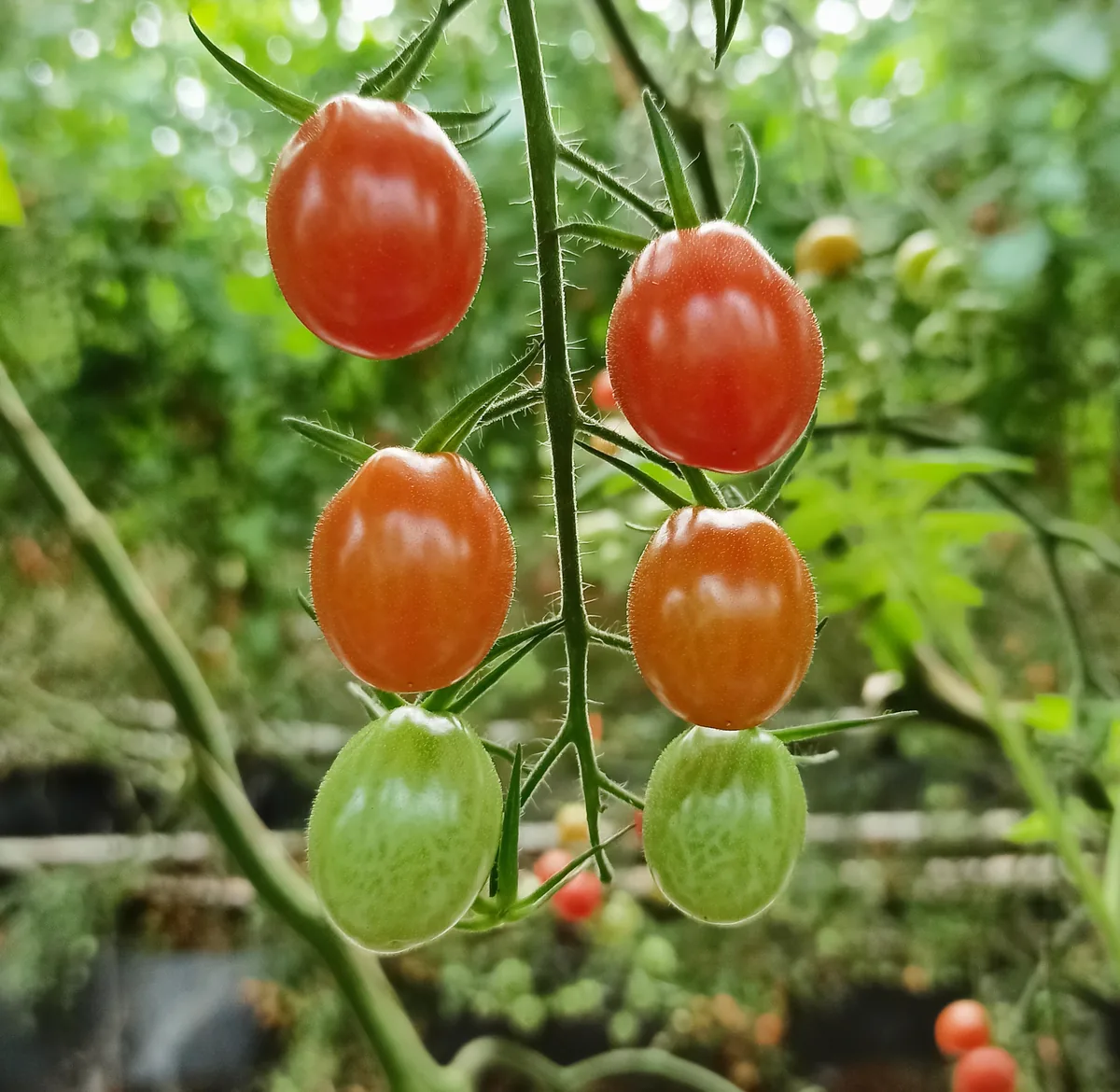
Those zone numbers rest on 36-48 inches of annual rainfall, a median of roughly 3,500 growing-degree days (base 50°F), and about 1,200 winter chill hours for tree fruit — the measurements that do the deciding. Soils here lean toward silt loam, clay, sandy loam (Eastern Shore), and Piedmont clay, and each drains differently — the single trait that most often decides whether a crop takes hold. Zoom in and Maryland resolves into Appalachia, Tidewater & Chesapeake, and Delmarva Peninsula — distinct growing regions with distinct frost calendars. On paper, tomato, black-eyed susan, peach, and sweet corn all suit these conditions — on the ground, soil, sun, and drainage make the final call.

Grounded inUSDA PHZM 2023NOAA Climate NormalsUSDA NRCS SSURGOGDD aggregate (Cornell CALS)Chill-hour aggregate (MSU Extension)USDA hardiness sub-region mapEPA FRSUSDA PLANTSGrowable Ground suitability scoring

Score your parcel · free

Your yard isn't the whole state.

Maryland spans zones 5b-8a, but your yard sits in exactly one — and slope, tree cover, and low spots nudge it further. Enter your address and we'll score 1,112 plants against your land's actual soil, sun, and frost.

We read public map data for this spot — soil, climate, flood, and parcel records. How we handle your address.

No card required · your full report in seconds

Quick Facts

USDA Zones

5b-8a

USDA PHZM 2023

Last Frost

Mar 25 - May 5

NOAA 30-yr Normals

First Frost

Oct 5 - Nov 5

NOAA 30-yr Normals

Annual Rainfall

36-48 inches

NOAA Climate Normals

Zone maps are averages across Maryland. Your yard's slope, trees, and frost pockets shift what actually grows — see your land's exact reading.

The Ground You’re Working With

The soil types that dominate Maryland — how each drains decides more about crop success than almost anything else. Tap any soil to learn what it is and how to work with it.

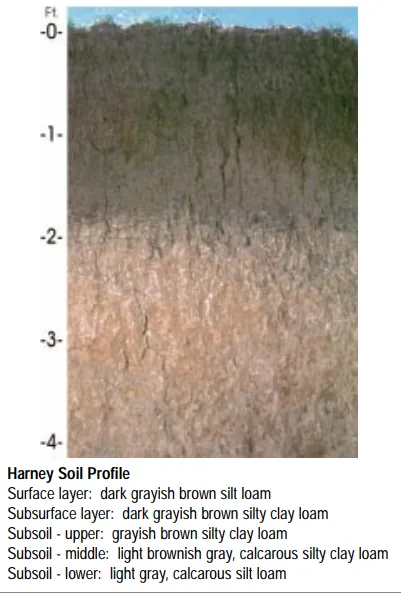
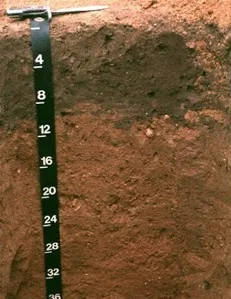
Harney soil profile: deep loessal silt loam with a dark grayish-brown surface
Soil profile: Harney series, Kansas

Silt loam

  • Drainage

    Moderate. Silt holds water well and releases it steadily, though the fine particles can crust after hard rain and compact under traffic.

  • What thrives

    The full vegetable garden does well here, and small grains, corn, and leafy greens are classic silt-loam crops. Its steady moisture suits shallow-rooted plants that dislike drought stress.

How to work with Silt loam
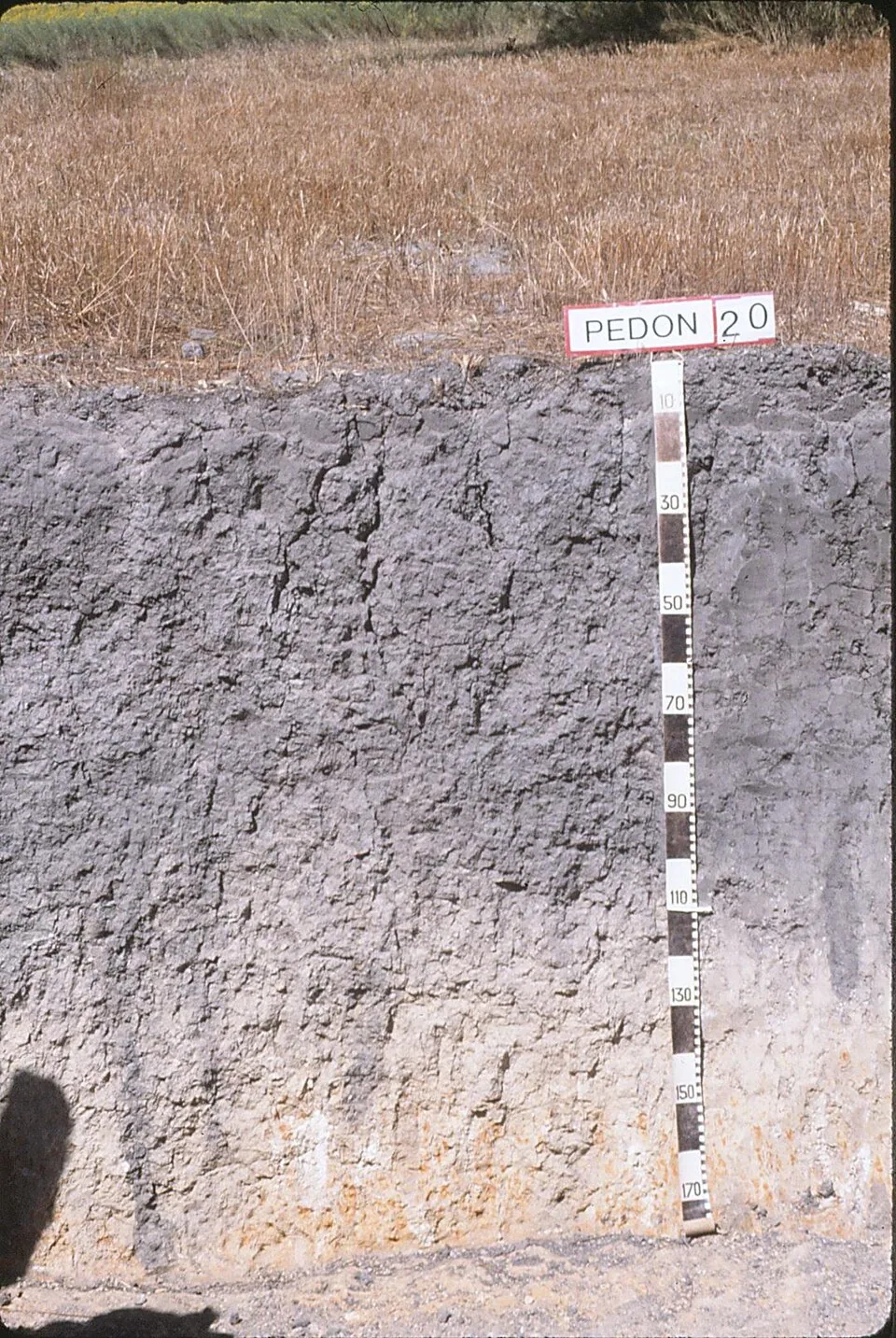
Vertic Argiustoll pedon: dense gray vertic clay profile with a depth scale, Victoria County, Texas
Soil profile: Vertic Argiustoll, Victoria County, TexasPhoto: Soil Science (soilscience.info, NC State), CC BY 2.0

Clay

  • Drainage

    Slow. Water enters clay reluctantly and leaves it the same way, so wet springs keep it cold and unworkable longer than lighter soils.

  • What thrives

    Once established, heavy feeders prosper — brassicas, beans, corn, and many fruit trees ride clay’s nutrient supply and summer moisture reserve. Daylilies, roses, and prairie perennials handle it without complaint.

How to work with Clay
Downer soil profile: reddish sandy loam horizon with a depth scale
Soil profile: Downer series, New Jersey

Sandy loam (Eastern Shore)

  • Drainage

    Fast. The sand fraction opens the soil up, so water moves through the root zone quickly and the surface rarely stays soggy. The trade is that nutrients ride out with the water.

  • What thrives

    Root crops love it — carrots, potatoes, radishes, and onions size up cleanly in ground they can push through. Melons, sweet potatoes, asparagus, and most herbs appreciate the warmth and the drainage.

How to work with Sandy loam (Eastern Shore)
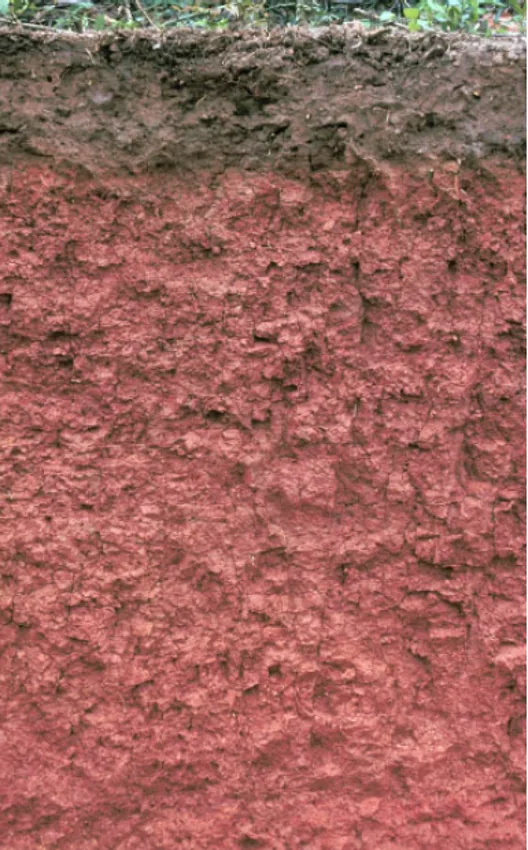
Cecil soil profile: brick-red Piedmont clay subsoil under a thin brown surface layer
Soil profile: Cecil series, North Carolina

Piedmont clay

  • Drainage

    Slow. Red clay seals under pounding rain and sheds water across the surface, then holds tight to what soaks in.

  • What thrives

    Okra, southern peas, sweet potatoes, and muscadines are traditional red-clay performers, and many fruit trees root deep into it once through the first year. Azaleas and blueberries appreciate its typical acidity.

How to work with Piedmont clay

Soil data: USDA NRCS SSURGO · Soil types explained

Is it too late to plant in Maryland?

Usually not — gardeners here simply switch what goes in the ground as the season moves. Across Maryland, cool-season planting typically opens about four weeks before the local last hard freeze — county medians put that freeze near Mar 9, with the middle half of counties between Mar 3 and Mar 15 (NOAA 1991–2020 climate normals). Tender transplants wait two to three weeks past it, and fall planting counts back from first freezes mostly between Dec 1 and Dec 16 — long-season crops need about 90 days of runway, quick greens only 30. Here the calendar nearly circles: cool-season crops take the winter shift, and the next window is always close.

State Symbols of Maryland

The plants Maryland put its name on — cultural emblems, not growing recommendations.

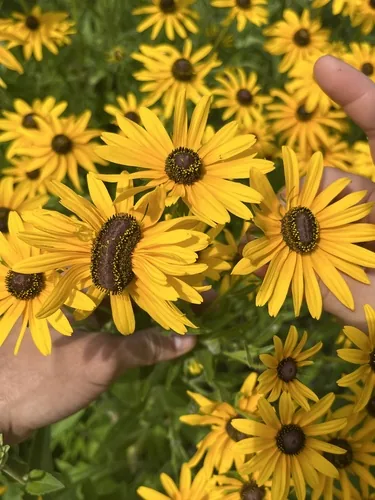
Black-eyed Susan, photograph
Official state flower

Black-eyed Susan

Rudbeckia hirta

Designated 1918. In our plant library — see its full growing profile.

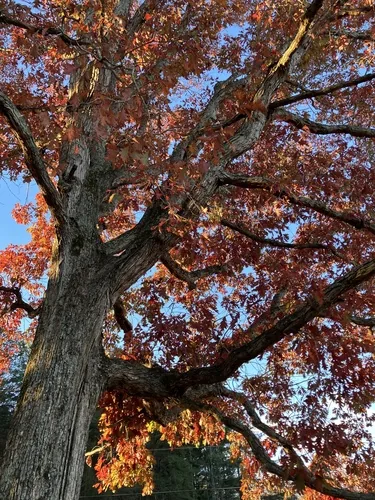
White oak, photograph
Official state tree

White oak

Quercus alba

Designated 1941. In our plant library — see its full growing profile.

Native Plants of Maryland

Plants the USDA PLANTS Database documents as native and present in Maryland — a real per-state range, not just a zone match. Presence is statewide, so a plant may still be uncommon in your specific county; your state’s Cooperative Extension or a native-plant society is the local authority.

Also zone-compatible

US-native plants whose hardiness range overlaps Maryland’s USDA zones 5b-8a but which USDA PLANTS doesn’t map to a single state range here. Zone overlap is a starting filter, not a range map.

Browse all US-native plants by state & zone →

Growing Challenges in Maryland

What an experienced grower plans around here — each one has a move.

Heavy Piedmont clay drains poorly

A raised bed today, compost every fall — Piedmont clay becomes an asset once the drainage is yours.

Humidity and heat in summer promote disease

Morning watering at the base, room to breathe between plants, resistant varieties — the humid-summer basics, per your extension.

Deer pressure in suburban areas is extreme

A tall fence is the answer that holds; for everything outside it, lean toward the plants deer reliably skip.

For cultivar selection, pest pressure, and planting-time guidance specific to Maryland, the University of Maryland Extension is the authoritative local source.

Safe to Grow Here?

What the federal record shows across Maryland — and how to grow with it.

Federal record: High

We checked the federal record across Maryland28,014 documented sites across 8 of the 9 source types we track.

The most significant on record: 167 Superfund sites. Sites tracked in EPA's Superfund program — from assessment-stage CERCLIS entries to confirmed National Priorities List cleanup sites.

Maryland carries one of the heavier federal records we track — and that's not a verdict on your yard. Proximity to a documented site is information, not a diagnosis: nothing here says any particular parcel is affected. It does earn one concrete step — before food beds go in the ground, a professional soil test tells you exactly what you're working with, and raised beds with clean imported soil grow well almost anywhere in the meantime.

Severity Distribution

across Maryland

High219Moderate9,009Low18,786

Highest-Severity Sites

2021 Inaugural Nsse Event
Superfund · Superfund (Non-NPL)
2025 Presidential Inauguration
Superfund · Superfund (Non-NPL)
68TH Street Dump/Industrial Enterprises
Superfund · Superfund NPL

A note from Gnorman

What an experienced grower watches for around here

In and around Maryland, CAFO runs higher than the national average — 623 sites nearby. It's not cause for alarm — it's worth knowing, and there's a sensible way to grow around it.

CAFO: CAFOs pose a different contamination profile than chemical sources.

Wash all produce consumed raw thoroughly, especially leafy greens grown near CAFOs.

Sources: EPA, USGS1.8M documented sites tracked nationwide across 9 federal source types.

See what grows on YOUR specific land

State averages sketch the shape. Your soil, sun exposure, drainage, and microclimate decide what actually takes. Pull a site-specific report for your exact parcel.

Free Report

Read your Maryland parcel

Enter your address. We read your soil, sun, drainage, and frost dates, then score 1,112 plants against the real conditions on your land.

Three things about your exact spot that zone averages miss:

Your soil pHYour frost-free daysYour sun & shade

We read public map data for this spot — soil, climate, flood, and parcel records. How we handle your address.

25+ data sources analyzed in seconds

Frequently Asked Questions

What USDA hardiness zones are in Maryland?

Maryland spans USDA hardiness zones 5b-8a, per the USDA Plant Hardiness Zone Map 2023. Zones reflect average annual extreme minimum temperatures from 1991–2020 weather data.

Is it too late to plant in Maryland?

Usually not — gardeners here simply switch what goes in the ground as the season moves. Across Maryland, cool-season planting typically opens about four weeks before the local last hard freeze — county medians put that freeze near Mar 9, with the middle half of counties between Mar 3 and Mar 15 (NOAA 1991–2020 climate normals). Tender transplants wait two to three weeks past it, and fall planting counts back from first freezes mostly between Dec 1 and Dec 16 — long-season crops need about 90 days of runway, quick greens only 30. Here the calendar nearly circles: cool-season crops take the winter shift, and the next window is always close.

When does frost risk typically end in Maryland?

Across Maryland, the middle half of counties see their last hard freeze (28°F) between about Mar 3 and Mar 15, with a county median near Mar 9 (NOAA 1991–2020 climate normals). That marks the hard freeze, not the last light frost — light frosts can still bite for a few more weeks, so tender transplants usually wait another 2–3 weeks.

How long is the growing season in Maryland?

Measured between 28°F hard freezes, growing seasons across Maryland's counties mostly run about 261 to 289 days, with a county median near 275 (NOAA 1991–2020 climate normals). Tender crops get a somewhat shorter practical window, since lighter frosts reach a few weeks past the hard-freeze dates on both ends.

What vegetables grow well in Maryland?

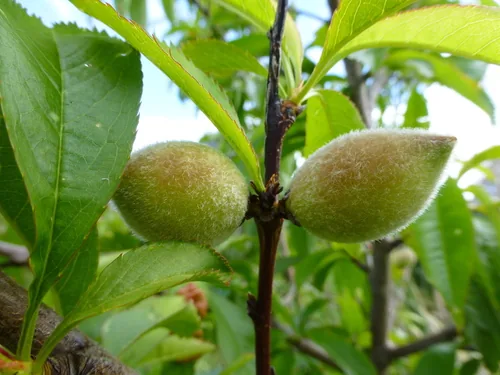
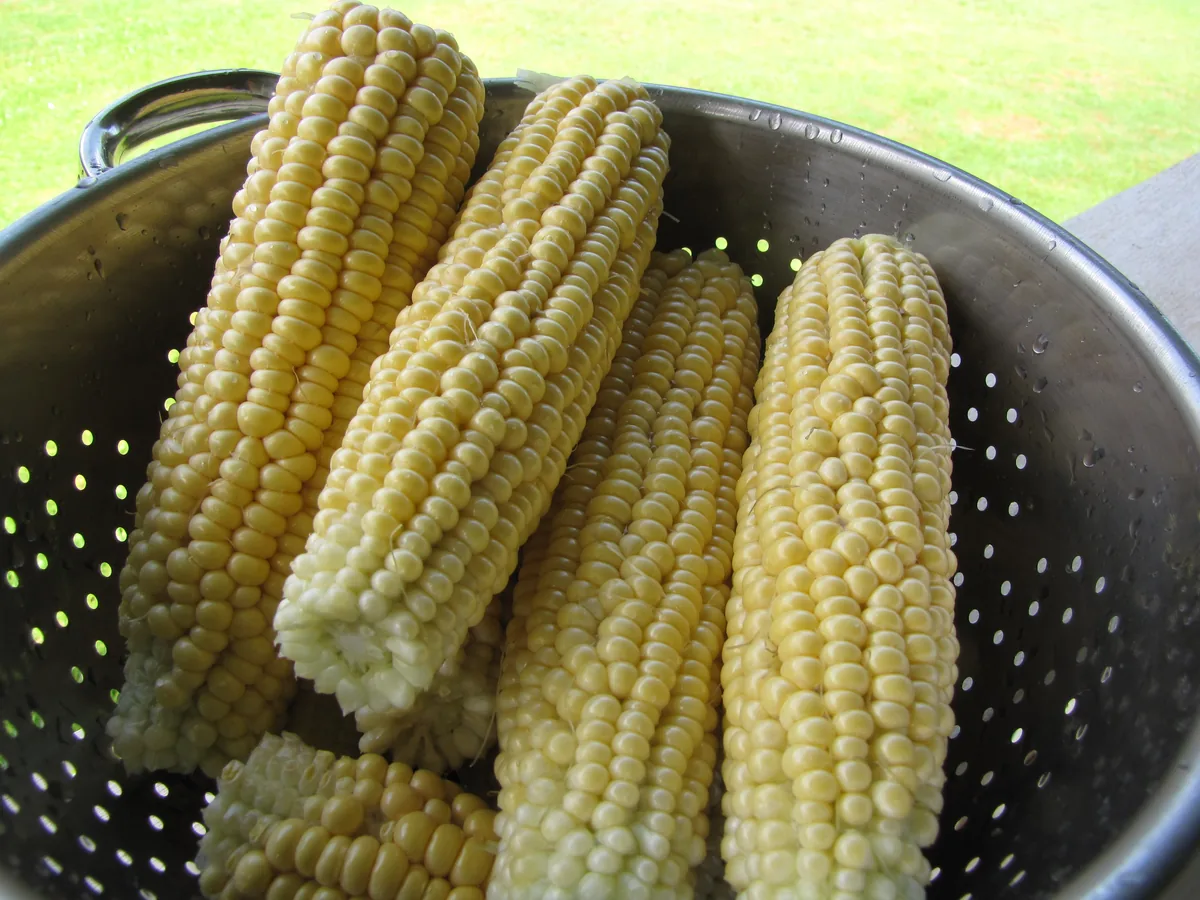
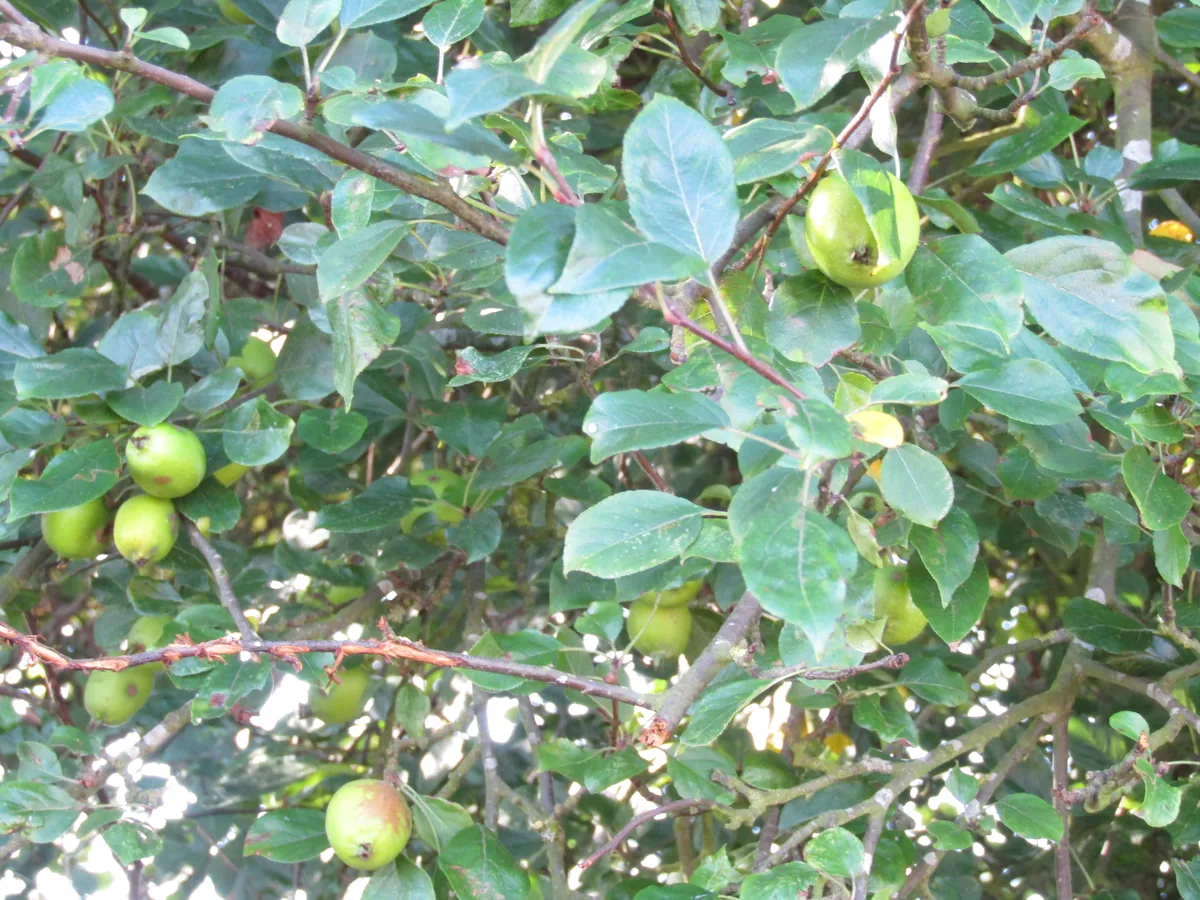
Maryland's zones 5b-8a support a wide range — strong performers include Tomato, Black-eyed Susan, Peach, Sweet Corn, and Crab Apple. What actually takes on any one site comes down to its soil, sun, and drainage, and we score each plant against the real conditions at your address.

Which hardiness zone is Maryland, really?

Officially, Maryland spans USDA zones 5b-8a (USDA PHZM 2023) — but a zone is a 30-year average of winter's coldest night across an area, and it can't see any one yard. A south-facing slope, a tree line, or a low frost pocket can shift a single site by half a zone either way, which is why neighboring gardeners often quote different numbers. We read the conditions at your exact address — soil, sun, slope, and frost — and score 1,112 plants against what's actually there.

Is the soil safe to grow vegetables in Maryland?

The federal record across Maryland runs heavier than most — 28,014 documented sites — so test the soil before planting food in the ground, and raised beds with clean imported soil grow well in the meantime. Even here, proximity to a documented site is information, not a diagnosis of any one yard; the contamination map shows exactly what's recorded and where.

Just moved to Maryland — what should I know before planting?

Start with three facts. Maryland spans USDA zones 5b-8a, which sets what survives winter; last hard freezes range from about Mar 3 to Mar 15 across its counties (NOAA 1991–2020 climate normals); and 28,014 documented sites sit on the federal record here, so a soil test before food beds is the smart first step. From there, matching plants to your actual soil and sun is the fun part.

Everything on this page is a Maryland average. Your yard writes its own version — we read soil, sun, drainage, and frost at your exact address. Try it for 14 days — no card required.

Cities & Towns in Maryland

Explore growing conditions by city or town in Maryland.

AberdeenAberdeen Proving GroundAbingdonAccidentAccokeekAdamstownAdelphiAlgonquinAllenAndrews AFBAnnapolisAnnapolis NeckAntietamAquascoArbutusArden on the SevernArnoldAshton-Sandy SpringAspen HillBadenBagtownBallenger CreekBaltimoreBaltimore HighlandsBarclayBarnesvilleBartonBartonsvilleBeaver CreekBel AirBel AirBel Air NorthBel Air SouthBeltsvilleBenedictBensvilleBerlinBerwyn HeightsBethesdaBettertonBierBig PoolBig SpringBishopvilleBivalveBladensburgBloomingtonBoonsboroBowieBowleys QuartersBowling GreenBowmans AdditionBraddock HeightsBrandywineBreathedsvilleBrentwoodBrock HallBrookevilleBrooklyn ParkBrookmontBroomes IslandBrown StationBrownsvilleBrunswickBryans RoadBryantownBuckeystownBurkittsvilleBurnt MillsBurtonsvilleButlertownCabin JohnCaliforniaCallawayCalvert BeachCalvertonCambridgeCamp SpringsCape St. ClaireCapitol HeightsCarlosCarneyCatonsvilleCavetownCearfossCeciltonCedar HeightsCedarvilleCentrevilleChanceCharlestownCharlotte HallCharltonChesapeake BeachChesapeake CityChesapeake LandingChesapeake Ranch EstatesChesterChestertownCheverlyChevy ChaseChevy ChaseChevy Chase Section FiveChevy Chase Section ThreeChevy Chase ViewChevy Chase VillageChewsvilleChillumChoptankChurch CreekChurch HillClarksburgClarysvilleClear SpringClintonCloverlyCobb IslandCockeysvilleColesvilleCollege ParkColmar ManorColumbiaCoral HillsCordovaCorriganvilleCottage CityCrellinCresaptownCrisfieldCroftonCroomCrownsvilleCrumptonCumberlandDamascusDames QuarterDanvilleDarganDarlingtonDarnestownDawsonDeal IslandDealeDeer ParkDelmarDentonDerwoodDetmoldDistrict HeightsDownsvilleDrum PointDundalkDunkirkEagle HarborEast New MarketEast RiverdaleEastonEckhart MinesEdenEdesvilleEdgemereEdgemontEdgewaterEdgewoodEdmonstonEldersburgElkridgeElktonEllerslieEllicott CityElliottEmmitsburgErnstvilleEssexFairlandFairleeFairmountFairmount HeightsFairplayFairviewFairwoodFallstonFederalsburgFerndaleFinzelFishing CreekFlintstoneFlower HillForest GlenForest HeightsForestvilleFort MeadeFort RitchieFort WashingtonFountainhead-Orchard HillsFour CornersFranklinFrederickFrenchtown-RumblyFriendlyFriendshipFriendsvilleFrostburgFruitlandFultonFunkstownGaithersburgGalenaGalestownGalesvilleGambrillsGaplandGarrett ParkGarretts MillGarrisonGeorgetownGermantownGilmoreGirdletreeGlassmanorGlen BurnieGlen EchoGlenardenGlenmontGlenn DaleGolden BeachGoldsboroGormanGracehamGrahamtownGrantsvilleGrasonvilleGreen ValleyGreenbeltGreensboroGreensburgHagerstownHalfwayHampsteadHamptonHancockHavre de GraceHebronHendersonHerald HarborHighfield-CascadeHighlandHillandaleHillcrest HeightsHillsboroHoneygoHughesvilleHuntingtownHurlockHuttonHyattsvilleIlchesterIndian HeadIndian SpringsJarrettsvilleJeffersonJenningsJessupJestervilleJoppatowneJugtownKeedysvilleKemp MillKemps MillKennedyvilleKensingtonKent NarrowsKetteringKingstownKingsvilleKitzmillerKlondikeKonterraLa PlataLa ValeLake ArborLake ShoreLandoverLandover HillsLangley ParkLanhamLansdowneLargoLaurelLayhillLaytonsvilleLeisure WorldLeitersburgLeonardtownLewistownLexington ParkLibertytownLinganoreLinthicumLisbonLittle OrleansLoch Lynn HeightsLochearnLonaconingLong BeachLukeLusbyLuthervilleMadisonManchesterMaplevilleMardela SpringsMarlboro MeadowsMarlboro VillageMarlow HeightsMarltonMartin's AdditionsMarydelMaryland CityMaryland ParkMaugansvilleMayoMays ChapelMcCooleMechanicsvilleMelwoodMercersvilleMiddle RiverMiddletownMidlandMidlothianMilford MillMillingtonMitchellvilleMonroviaMontgomery VillageMorningsideMoscowMount AetnaMount AiryMount BriarMount LenaMount RainierMount SavageMount VernonMountain Lake ParkMyersvilleNanticokeNanticoke AcresNationalNational HarborNaval AcademyNew CarrolltonNew MarketNew WindsorNewarkNikepNorth BeachNorth BethesdaNorth BrentwoodNorth Chevy ChaseNorth EastNorth KensingtonNorth LaurelNorth PotomacOaklandOcean CityOcean PinesOdentonOldtownOlneyOverleaOwingsOwings MillsOxfordOxon HillParamount-Long MeadowParkvilleParoleParsonsburgPasadenaPecktonvillePeppermill VillagePerry HallPerrymanPerryvillePikesvillePinesburgPiney PointPittsvillePleasant GrovePleasant HillsPocomoke CityPoint of RocksPomfretPondsvillePoolesvillePort DepositPort Tobacco VillagePotomacPotomac HeightsPotomac ParkPowellvillePrestonPrince FrederickPrincess AnnePylesvilleQuanticoQueen AnneQueen AnneQueenslandQueenstownRandallstownRawlingsRedlandReidReisterstownRidgelyRinggoldRising SunRivaRiverdale ParkRiversideRiviera BeachRobinwoodRock HallRock PointRockvilleRohrersvilleRomancokeRosaryvilleRosedaleRosemontRossvilleSabillasvilleSalisburySan MarSandy HookSavageScaggsvilleSeabrookSeat PleasantSecretarySevernSeverna ParkShady SideShaftSharpsburgSharptownSilver HillSilver SpringSmith IslandSmithsburgSnow HillSolomonsSomersetSouth KensingtonSouth LaurelSpencervilleSpring GapSpring RidgeSpringdaleSt. George IslandSt. JamesSt. LeonardSt. MichaelsStevensvilleStill PondStocktonSudlersvilleSuitlandSummerfieldSwantonSykesvilleTakoma ParkTall TimbersTaneytownTaylors IslandTemple HillsTen Mile CreekThurmontTilghman IslandTilghmantonTimoniumTolchesterTowsonTrappeTravilahTrego-Rohrersville StationTyaskinUnion BridgeUniversity ParkUpper MarlboroUrbanaVale SummitViennaWaldorfWalker MillWalkersvilleWashington GroveWaterviewWest DentonWest LaurelWest Ocean CityWest PocomokeWesternportWestminsterWestphaliaWhaleyvilleWheatonWhite MarshWhite OakWhitehavenWildewoodWillardsWilliamsportWillistonWilson-ConococheagueWoodlandWoodlawnWoodlawnWoodmoreWoodsboroWortonYarrowsburgZihlman

States with a Similar Growing Climate

Maryland shares its dominant growing region with these states — a useful comparison if you're weighing where a crop will behave the same way.