What Grows in Florida

USDA Zones 8b-12a · 50-65 inches annual rainfall

Florida spans USDA hardiness zones 8b-12a, with a growing season of about 320 frost-free days — a calendar that barely closes, trading frost worries for heat management and near-continuous harvests.

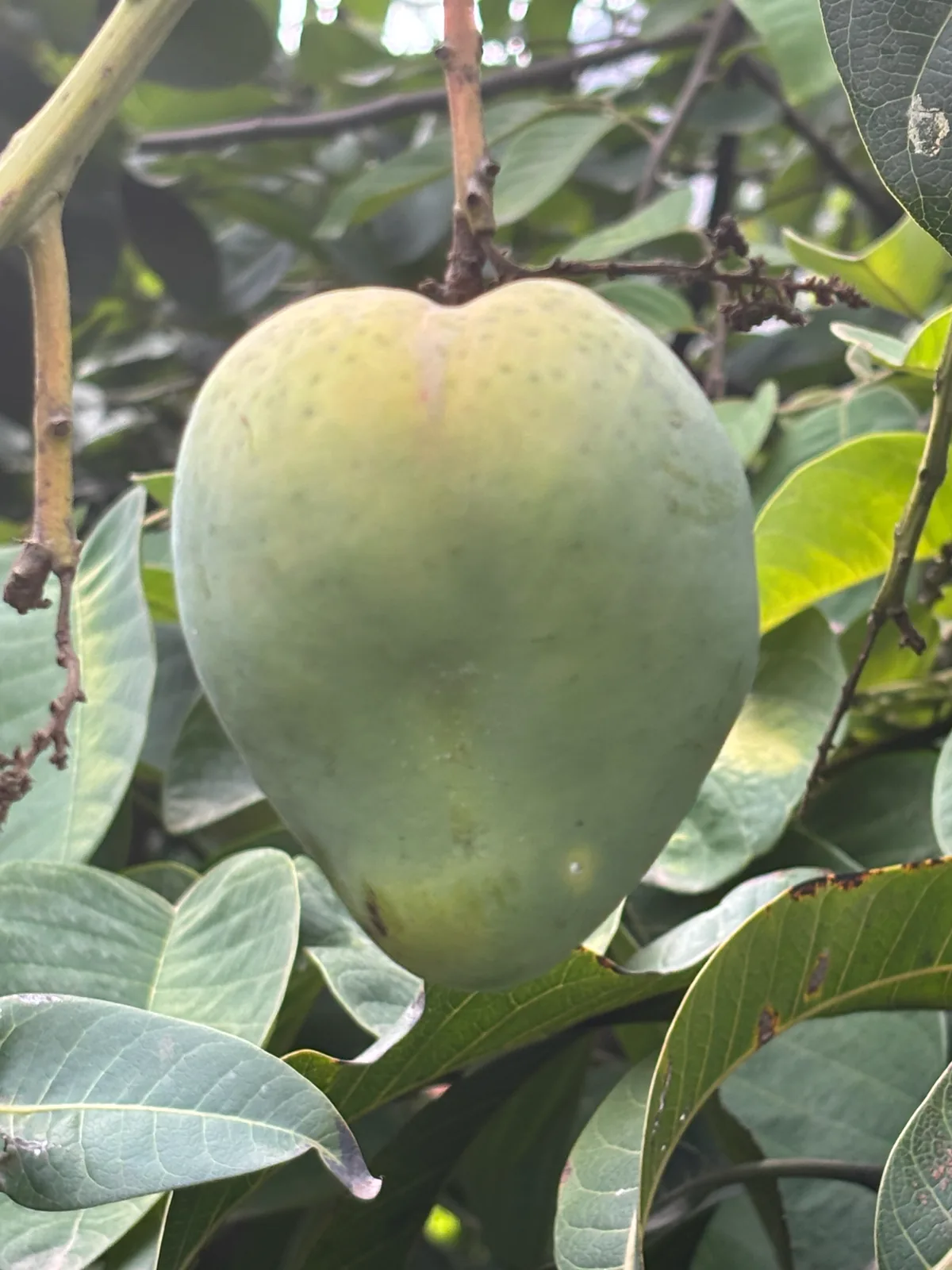
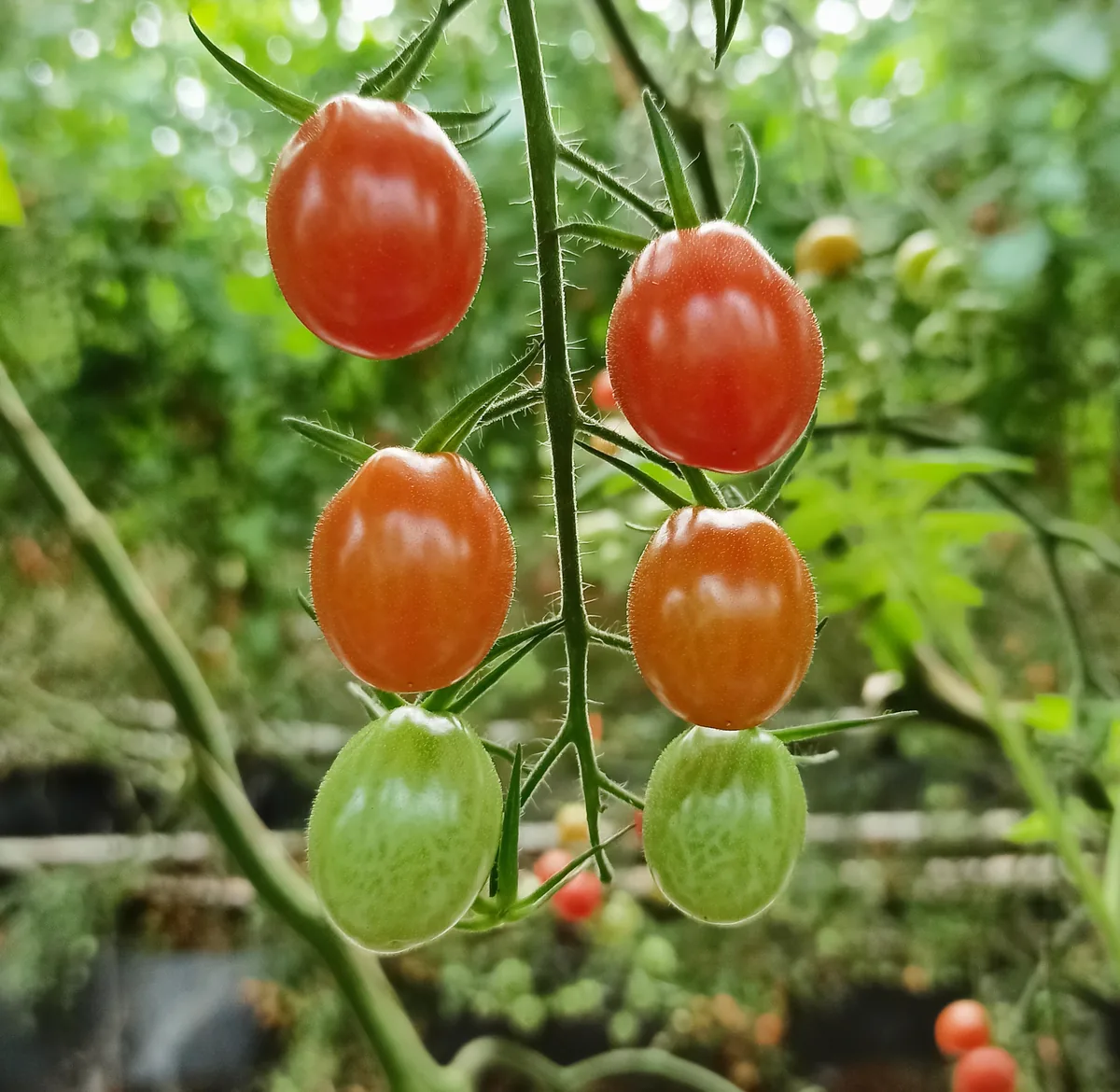
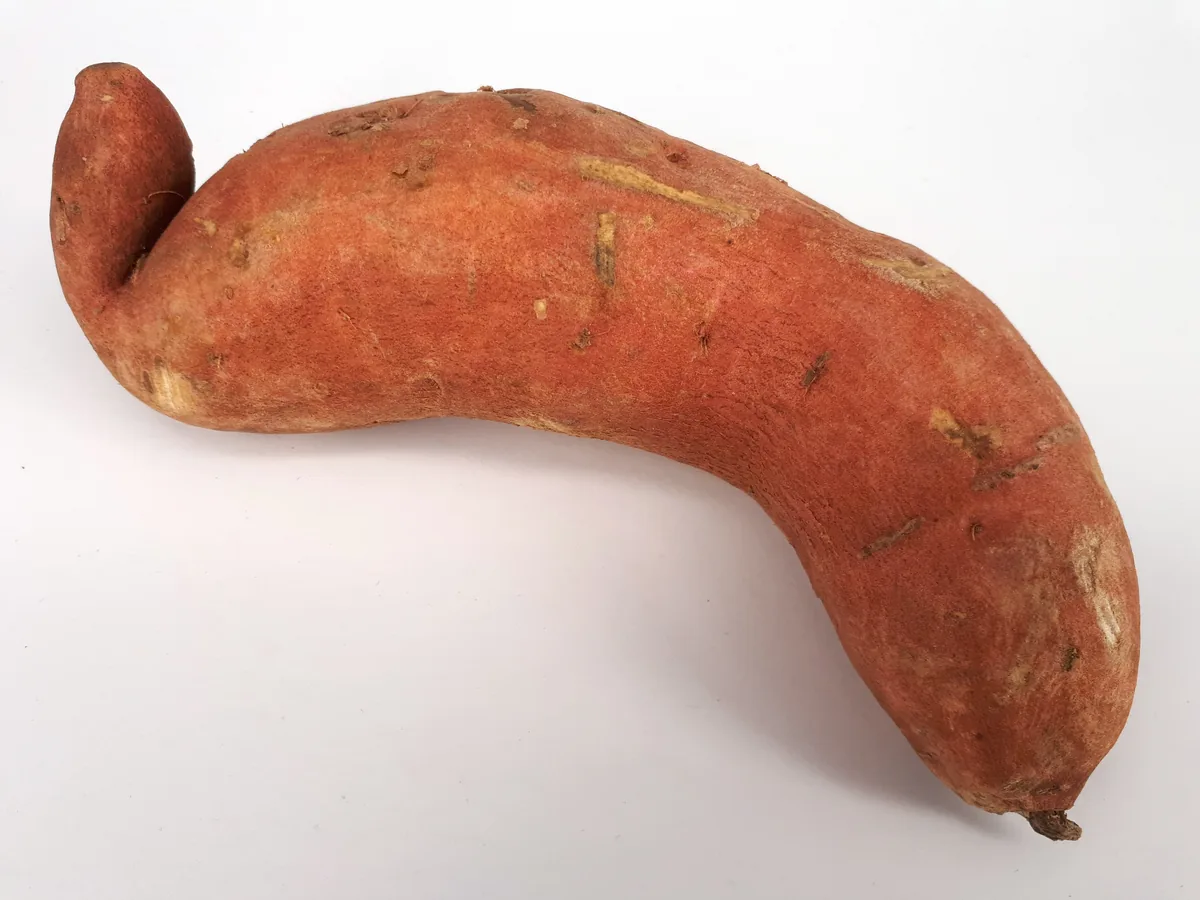
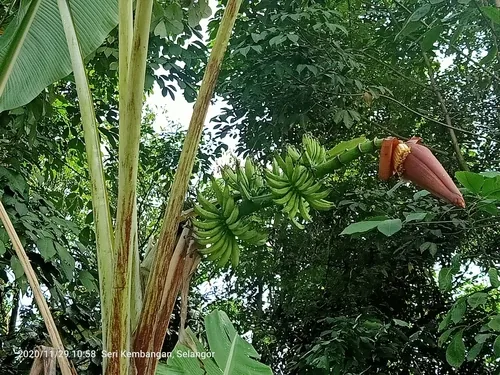
Behind the zone label sits the real climate engine: 50-65 inches of annual rainfall and a median of roughly 7,743 growing-degree days (base 50°F). Most ground here falls among sandy, muck (Everglades), shell-rock (Keys), and marl, whose drainage habits quietly decide which beds flourish. No single calendar covers Florida: Gulf Coast, Florida Panhandle, and Northeast Florida each open and close their seasons on their own schedule. Expect mango, tomato, orange, and sweet potato to be strong candidates here; the deciding factors on any one parcel stay local — soil, sun, and drainage.

Grounded inUSDA PHZMNOAA Climate NormalsUSDA NRCS SSURGOGDD (PRISM 1991-2020 normals)USDA hardiness sub-region mapEPA FRSUSDA PLANTSGrowable Ground suitability scoring

Score your parcel · free

Your yard isn't the whole state.

Florida spans zones 8b-12a, but your yard sits in exactly one — and slope, tree cover, and low spots nudge it further. Enter your address and we'll score 1,086 plants against your land's actual soil, sun, and frost.

We read public map data around Florida — soil, climate, flood, and parcel records. How we handle your address.

No card required · your full report in seconds

Notable Growing Regions in Florida

Distinct growing regions within Florida — each has its own zones, soils, and signature crops.

Illustrated landscape of Gulf Coast
Gulf Coastalso spans Alabama, Louisiana & 2 moreThe humid, near-frost-free coastal rim of the Gulf of Mexico — long seasons, sandy and alluvial soils, heat, and hurricanes shaping what thrives. (Representative coastal counties, not exhaustive.)
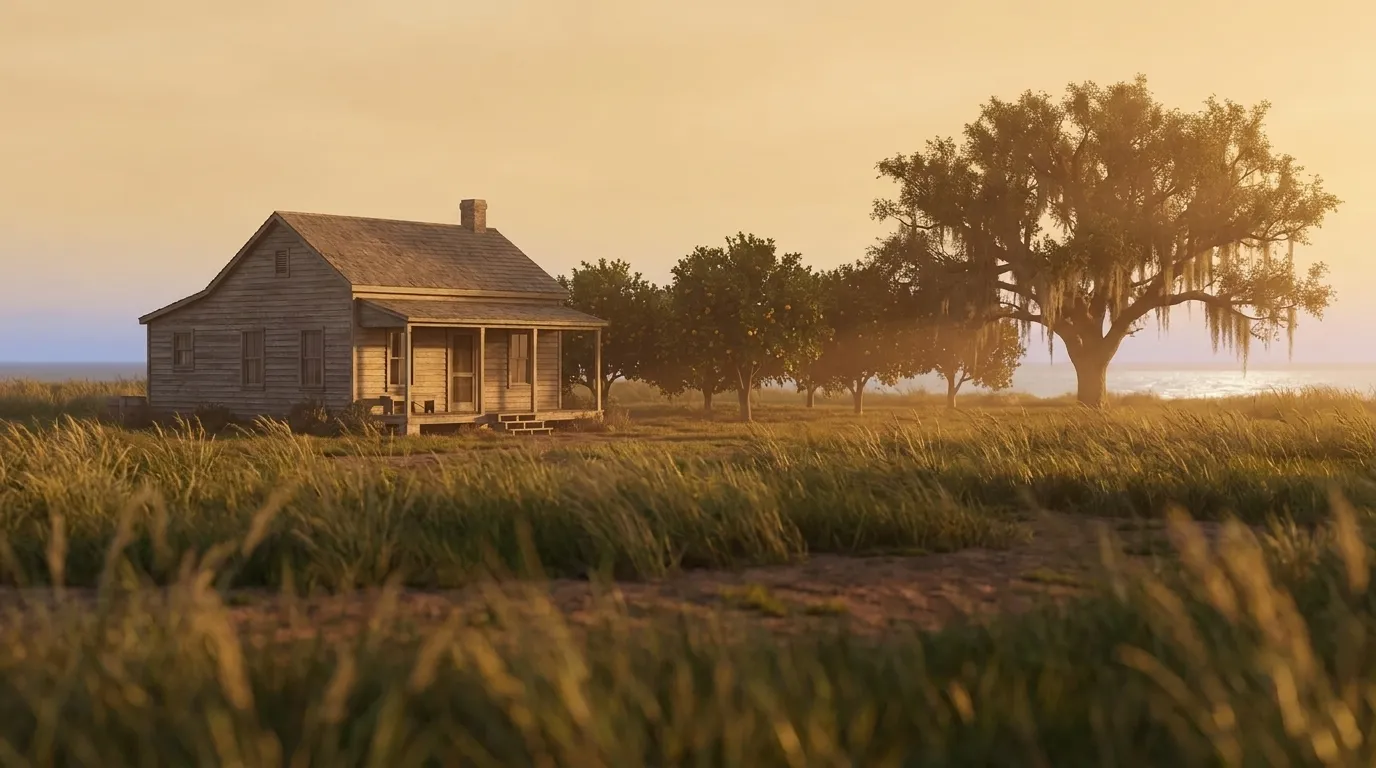
Illustrated landscape of Florida Panhandle
Florida PanhandleNorth Florida's mild-winter coastal plain of sandy and clay soils — a transition zone growing both Southern staples and subtropical fruit.
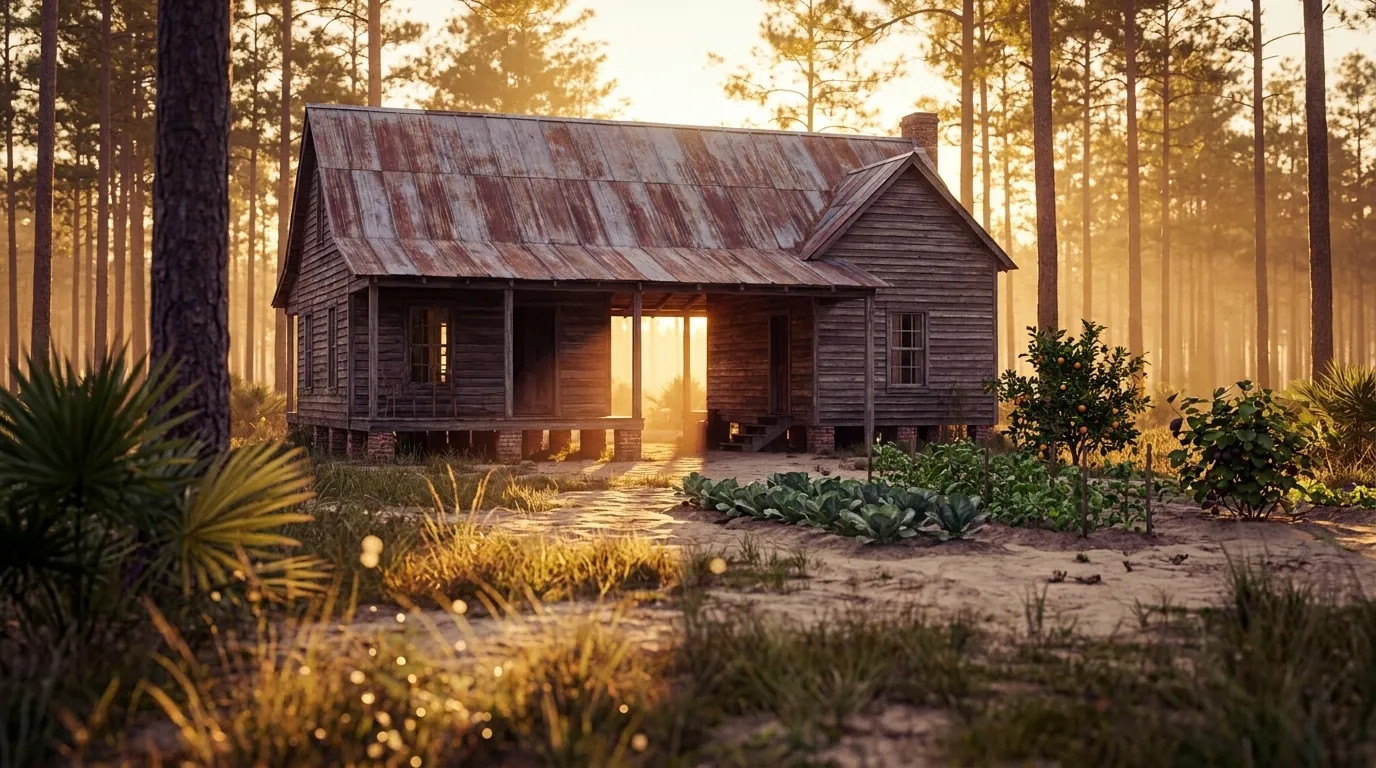
Illustrated landscape of Northeast Florida
Northeast FloridaThe Atlantic-facing northeast peninsula — Jacksonville, Gainesville, and St. Augustine along the St. Johns River — where ocean-moderated Zone 9a–9b winters and deep sandy coastal-plain flatwoods set a warmer floor and a tighter, earlier frost window than the Gulf-side Panhandle to the west (no genuine 8b interior here; last frost lands ~late January to mid-February).
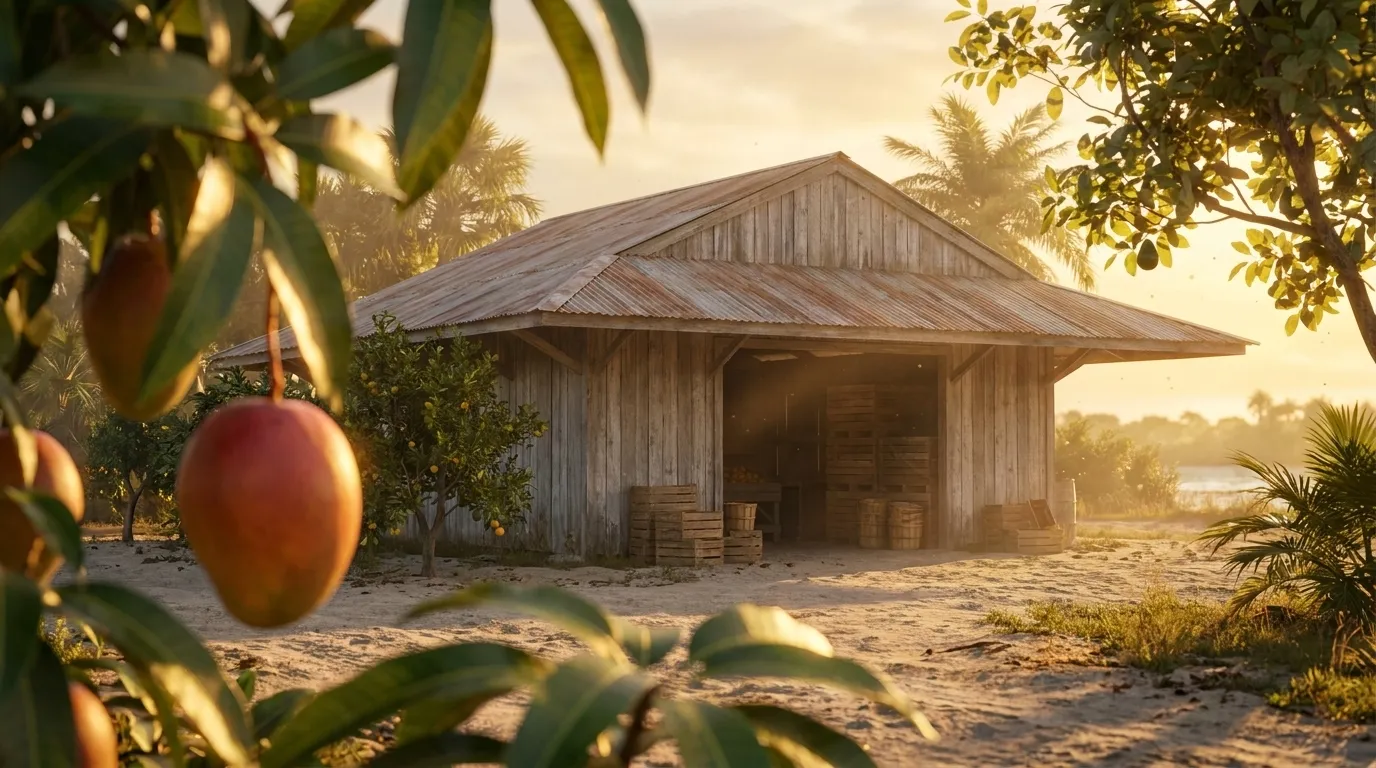
Illustrated landscape of Southwest Florida (Naples–Fort Myers–Sarasota)
Southwest Florida (Naples–Fort Myers–Sarasota)Florida's lower Gulf coast — a near-frost-free subtropical corridor (USDA zone 10a–10b along the shore, dropping to 9b in the DeSoto interior) where mangrove shorelines, sandy and marl soils, and hurricane exposure shape what grows. Year-round warm-season vegetables and mainland tropical fruit thrive here on a Gulf-side footprint distinct from both the cooler Central Florida interior and the Atlantic shore at the same latitude.
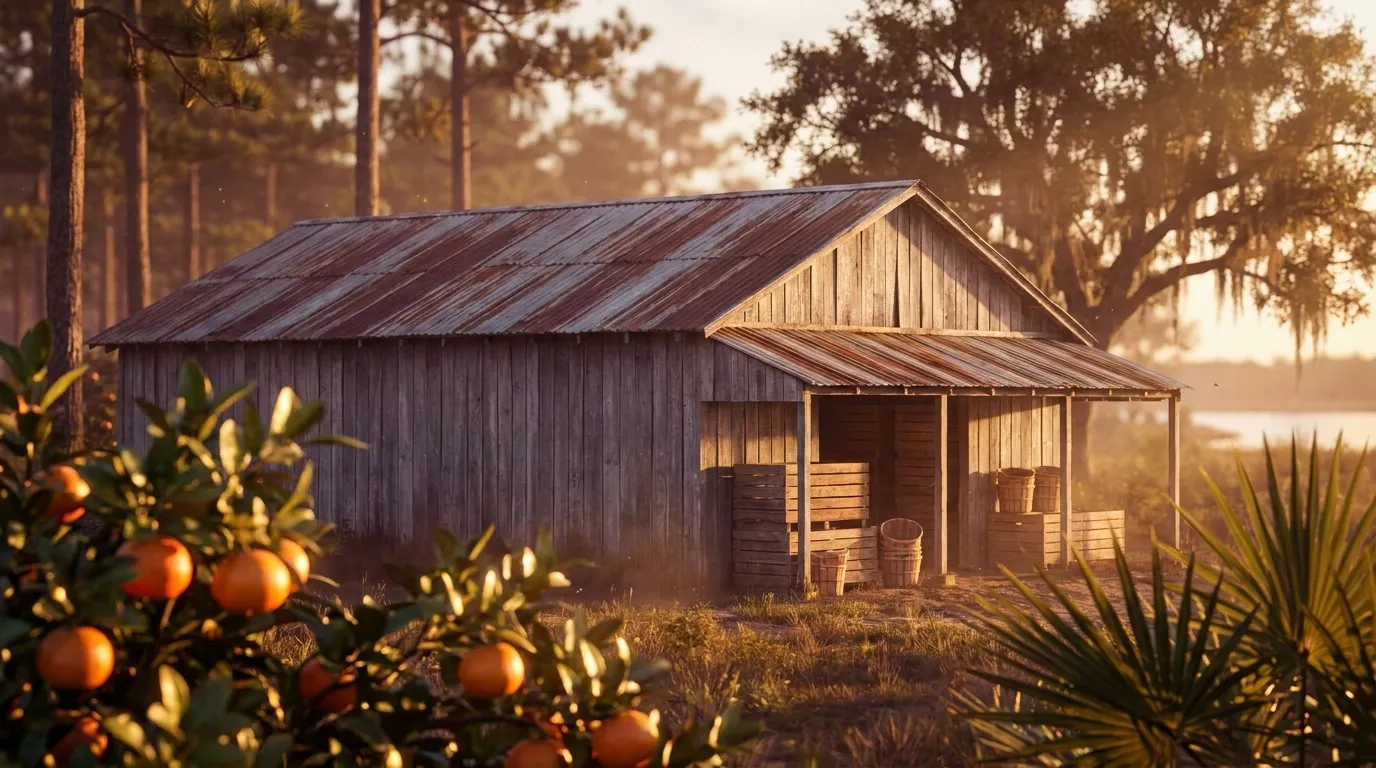
Illustrated landscape of Central Florida Ridge
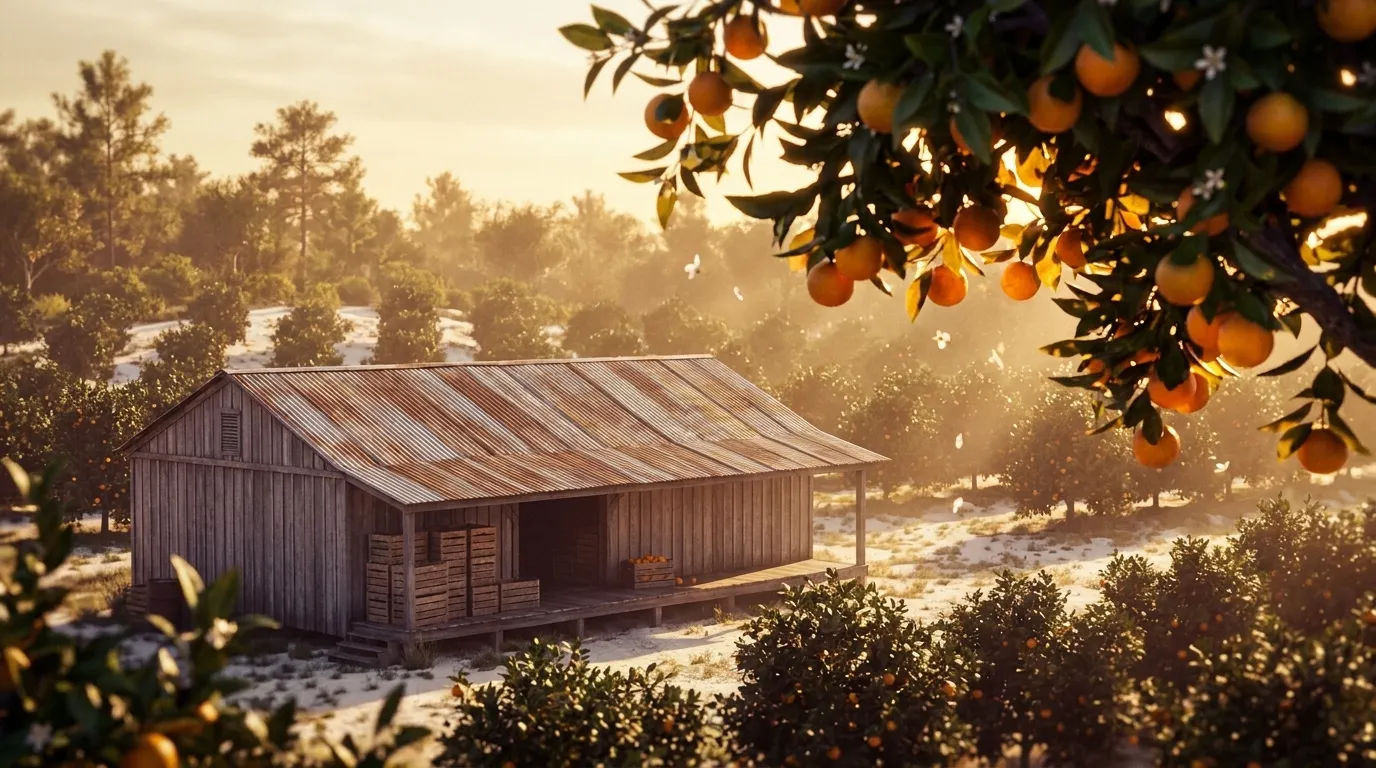
Central Florida RidgeThe Lake Wales Ridge, a well-drained white-sand spine running about 100 miles down the Florida peninsula from Lake County south through Orange, Osceola, Polk, and Highlands, anchors this historic citrus belt in USDA zones 9b–10a with 323-to-335-day frost-free seasons.
Illustrated landscape of Everglades Agricultural Area
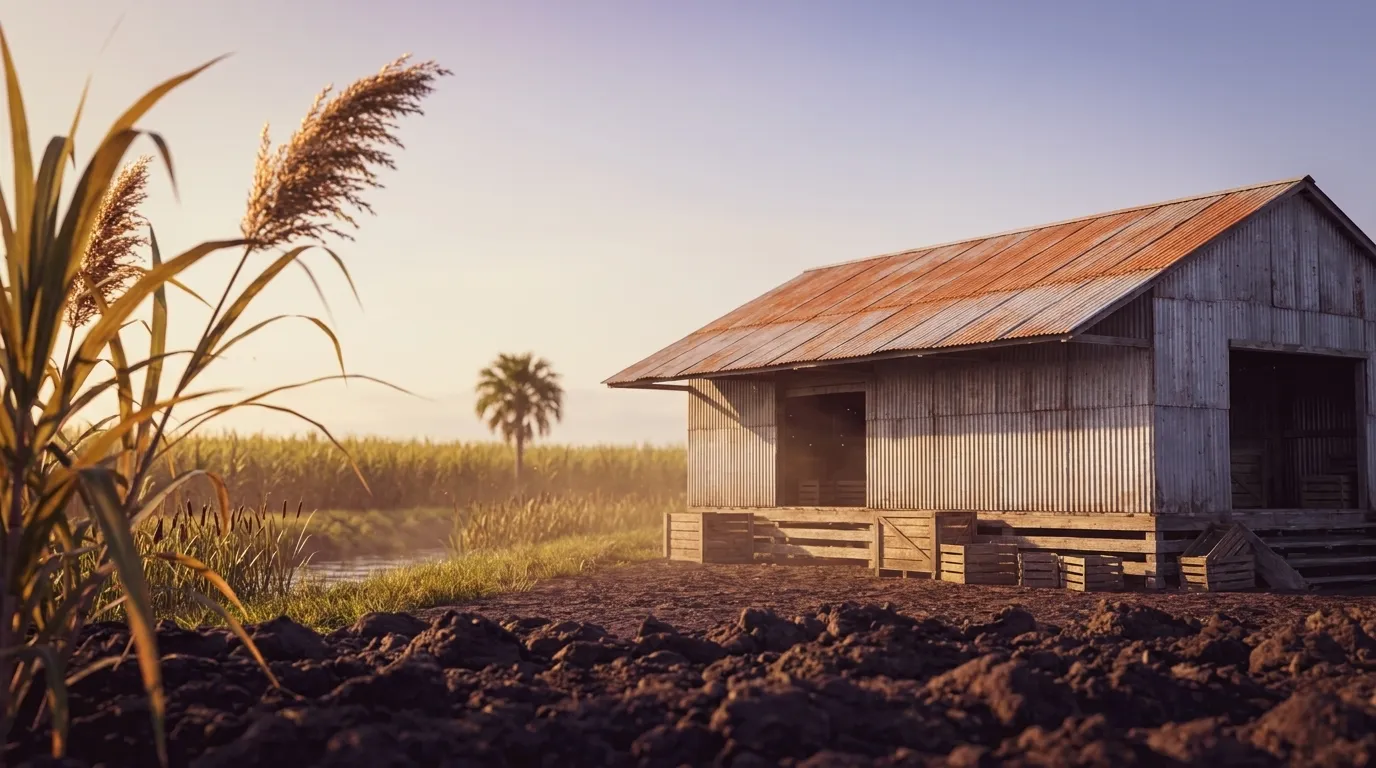
Everglades Agricultural AreaThe Everglades Agricultural Area is roughly 700,000 acres of drained peat-and-muck farmland south of Lake Okeechobee, defined under Florida's Everglades Forever Act (§373.4592, F.S.); its member counties span USDA zones 10a to 10b with a frost-free to 326-plus-day growing season, the deep organic soils behind the region's sugarcane and winter-vegetable harvests.
Explore 5 more growing regions

Florida — the short answer

Florida: USDA zones 8b-12a, 281–365 frost-free days depending on the county, 67 counties.

USDA zones
8b-12a
USDA PHZM 2023
Last hard freeze (28°F)
Jan 25 - Feb 10
NOAA Regional Climate Centers ACIS, 1991-2020
First hard freeze (28°F)
Dec 7 - Dec 18
NOAA Regional Climate Centers ACIS, 1991-2020
Shortest county season
281 days
NOAA Regional Climate Centers ACIS, 1991-2020, county 28°F killing freeze — Holmes County
Annual rainfall
50-65 inches
NOAA Climate Normals
Counties
67
US Census TIGER/Line 2025

The middle half of this state’s counties. Tender transplants usually wait 2–3 weeks past the last hard freeze. The shortest-season figure is Florida's own county record — Holmes County's measured 28°F normal, not a modeled floor.

Zone 8b-12a is Florida's average, not your lot's — a low corner or a tree line moves it. Against Florida's 320-day season, see what your own ground reads.

Florida is not one growing season

One answer for Florida averages 67 counties whose growing seasons are 84 days apart — from 281 frost-free days in Holmes County to 365 in Sarasota County. That is the same state, measured the same way, in the same years. Which end of it your county sits nearer decides what finishes before the first hard freeze.

281 daysHolmes County365 daysSarasota County

The middle half of 67 counties runs 300333 days, with a median of 320 days — a 84-day span end to end.

Measured across 67 counties, each carrying its own 28°F normal. NOAA Regional Climate Centers ACIS, 1991-2020, county 28°F killing freeze. A county with no record of its own is absent from the range rather than counted as zero — nothing here is interpolated to the state. Your own site sits somewhere inside this range; a parcel report resolves where.

Where the line runs inside Florida

The middle half of Florida runs 300333 frost-free days, and 32 of its 67 counties sit outside that — 16 on the short side, 16 on the long. A statewide planting date describes the middle well and the ends poorly, which is worth knowing before you follow one.

Under 300 frost-free days

16 counties

3 of 16 shown

The end of the state that sets the planting calendar — start seed indoors here and the season stretches to meet the crop.

300–333 frost-free days

35 counties

0 of 35 shown

The middle half of the state, and the part a single statewide date describes well.

Over 333 frost-free days

16 counties

3 of 16 shown

Long enough for a second succession of a quick crop after the first comes out.

Each county is placed by its own 28°F frost-free normal (NOAA Regional Climate Centers ACIS, 1991-2020, county 28°F killing freeze), the same figure its own guide page publishes. Elevation, slope and cold-air drainage move a yard within its county as well — which is the part only your address resolves.

The Ground You’re Working With

The soil types that dominate Florida — how each drains decides more about crop success than almost anything else. Tap any soil to learn what it is and how to work with it. Each photo is a representative profile of that soil type; the named series is where it was documented, which is often another state.

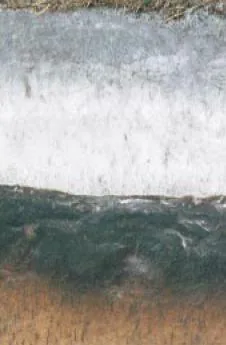
Myakka soil profile: white leached sand over a dark spodic band
Representative SandySoil profile: Myakka series, Florida

Sandy

  • Drainage

    Very fast. Water passes through in hours, not days, taking dissolved nutrients along with it.

  • What thrives

    Carrots, radishes, potatoes, and sweet potatoes size up beautifully; melons, watermelon, and herbs like rosemary and thyme love the warmth and the dry feet. Many natives and drought-adapted perennials prefer it outright.

How to work with Sandy
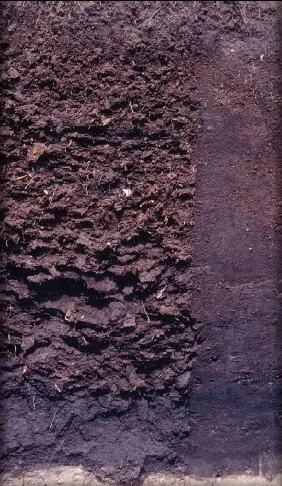
Histosol profile: black, crumbly organic muck
Representative Muck (Everglades)Soil profile: Histosol (USDA soil order)

Muck (Everglades)

  • Drainage

    It holds water like a sponge by nature; farmed muck is managed with ditches and water control, and it can dry, shrink, and even blow when left bare.

  • What thrives

    Muck is celebrated vegetable ground — onions, celery, carrots, lettuce, and greens grow to prize quality in it. Its loose, black tilth is what root and leaf crops dream of.

How to work with Muck (Everglades)
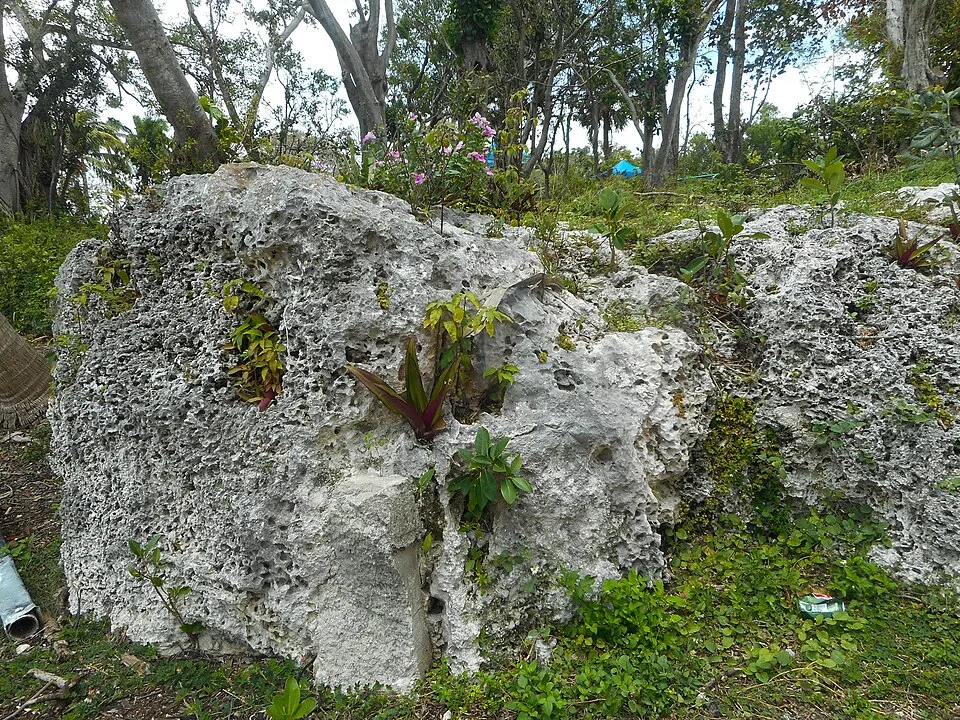
Porous shell-and-coral limestone outcrop with plants rooting in its pockets, Miami Rock Ridge
Representative Shell-rock (Keys)Shell-and-coral limestone outcrop, Miami Rock Ridge, FloridaPhoto: Daniel Di Palma, CC BY-SA 4.0 · CC BY-SA 4.0

Shell-rock (Keys)

  • Drainage

    Instant. Water disappears into the porous rock, and the lime chemistry keeps everything alkaline.

  • What thrives

    Tropical trees famously root right into it — coconut palm, sea grape, gumbo limbo, key lime and other citrus on tolerant rootstocks — finding water in the rock’s own pores.

How to work with Shell-rock (Keys)

A lime-rich mix of clay and calcium carbonate laid down in shallow, calm water — soft and pale, historically dug and spread on acid fields as a liming material.

Marl

  • Drainage

    Slow. Marl compacts easily and holds water, and its carbonate chemistry keeps the pH firmly alkaline.

  • What thrives

    Lime-loving plants take to it readily — brassicas, spinach, asparagus, figs, and many Mediterranean herbs. Tropical fruits on tolerant rootstocks manage it in the far South.

How to work with Marl

Soil data: USDA NRCS SSURGO · Soil types explained

Is it too late to plant in Florida?

Rarely: the season closes in stages, not all at once, and each stage has its crops. Across Florida, cool-season planting typically opens about four weeks before the local last hard freeze — county medians put that freeze near Feb 4, with the middle half of counties between Jan 25 and Feb 10 (NOAA 1991–2020 climate normals). Tender transplants wait two to three weeks past it, and fall planting counts back from first freezes mostly between Dec 7 and Dec 18 — long-season crops need about 90 days of runway, quick greens only 30. In a climate this gentle, “too late” hardly applies — the question becomes which crops prefer the cooler months ahead.

State Symbols of Florida

The plants Florida put its name on — cultural emblems, not growing recommendations.

Orange blossom, photograph
Official state flower

Orange blossom

Citrus sinensis

Designated 1909. In our plant library — see its full growing profile.

Official state tree

Sabal palm

Sabal palmetto

Designated 1953.

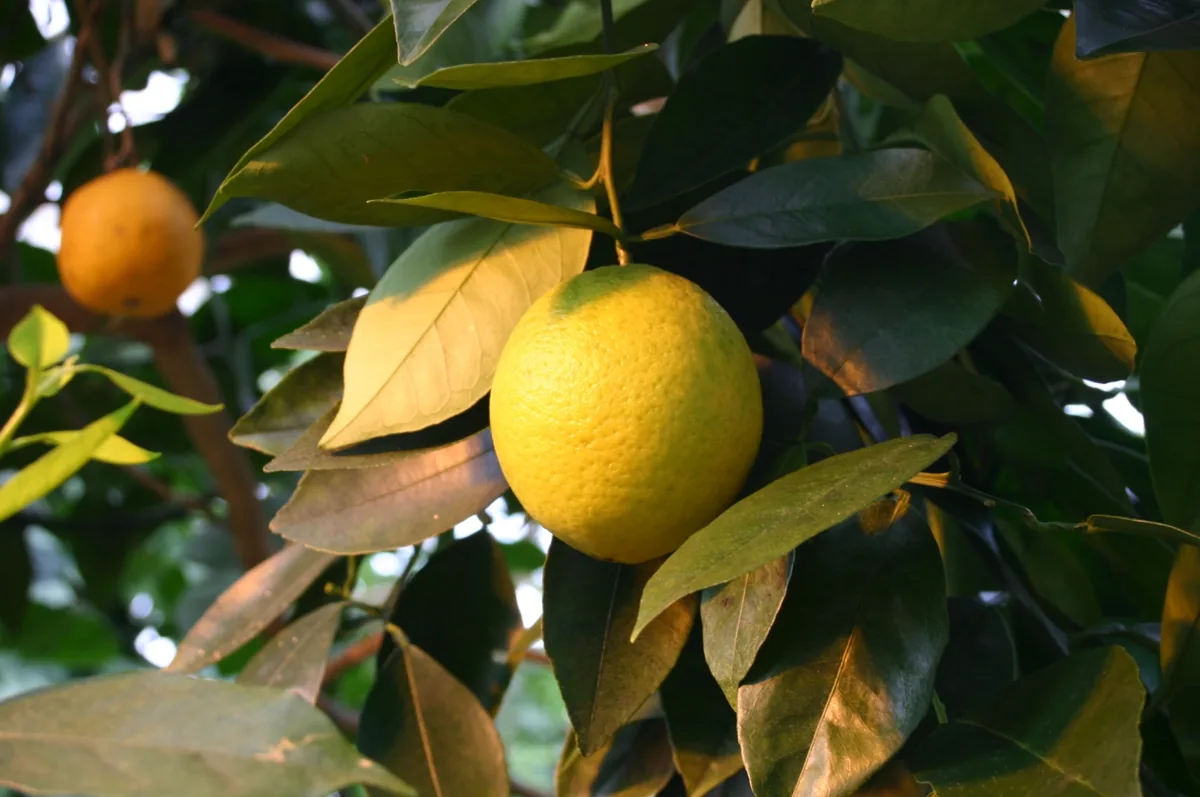
Orange, photograph
Official state fruit

Orange

Designated 2005. In our plant library — see its full growing profile.

Native Plants of Florida

Plants the USDA PLANTS Database documents as native and present in Florida — a real per-state range, not just a zone match. Ordered by how closely each plant’s published hardiness range matches Florida’s zones 8b-12a, so this is a shortlist by climate fit, not a ranking of which plants matter most here. Presence is statewide, so a plant may still be uncommon in your specific county; your state’s Cooperative Extension or a native-plant society is the local authority.

Also zone-compatible

US-native plants whose hardiness range overlaps Florida’s USDA zones 8b-12a but which USDA PLANTS doesn’t map to a single state range here. Zone overlap is a starting filter, not a range map.

Browse all US-native plants by state & zone →

Growing Challenges in Florida

What an experienced grower plans around here — each one has a move.

Sandy soils drain too fast and hold few nutrients — frequent fertilization needed

Build organic matter relentlessly — compost and cover crops turn sand into soil that holds both water and food.

Humidity drives fungal diseases (powdery mildew, black spot, rust)

Space plants for airflow, water at the base in the morning, and choose resistant varieties — your extension office lists the proven ones.

Hurricane season (June-November) can destroy plantings

Favor wind-tough perennials, stake young trees properly, and keep fall crops in containers you can move ahead of a storm.

Nematodes are a serious pest in sandy FL soils

Summer solarization and crop-family rotation knock nematodes back — your extension office can confirm the species from a soil sample.

For cultivar selection, pest pressure, and planting-time guidance specific to Florida, the UF/IFAS Extension is the authoritative local source.

Safe to Grow Here?

What the federal record shows across Florida — and how to grow with it.

Federal record: High

We checked the federal record across Florida76,189 documented sites across 7 of the 9 source types we track.

The most significant on record: 602 Superfund sites. Sites tracked in EPA's Superfund program — from assessment-stage CERCLIS entries to confirmed National Priorities List cleanup sites.

Florida carries one of the heavier federal records we track — and that's not a verdict on your yard. Proximity to a documented site is information, not a diagnosis: nothing here says any particular parcel is affected. It does earn one concrete step — before food beds go in the ground, a professional soil test tells you exactly what you're working with, and raised beds with clean imported soil grow well almost anywhere in the meantime.

Severity Distribution

across Florida

High288Moderate22,587Low53,314

Highest-Severity Sites

Agrico Chemical CO.
Superfund · Superfund NPL
Airco Plating CO.
Superfund · Superfund NPL
Alaric Area Gw Plume
Superfund · Superfund NPL
Aloha Gardens Utilities
PFAS Sampling · PFAS Detected
Altamonte Springs Water Dept (2 Wps)
PFAS Sampling · PFAS Detected

Know Before You Grow

  • Underground tanks leak petroleum as they age — near a former filling station, test the soil.
  • Near a brownfield, raised beds of imported soil give your food clean ground.
  • On a private well, test for nitrates: above 10 mg/L the water needs treatment before irrigating.

Sources: EPA, USGS1.8M documented sites tracked nationwide across 9 federal source types.

Your land is one point inside Florida

Everything above resolves to Florida as a whole — a state whose own counties record seasons 84 days apart, and hardiness across zones 8b-12a. Your parcel sits at one point in that range, not in the middle of it. Slope, tree cover, a low spot that pools cold air, and what is in the soil are all resolved at the address, and none of them are visible at state scale. That is the honest boundary of this page, and the reason the next step is a reading of your own ground rather than a better statewide average.

See what grows on YOUR specific land

State averages sketch the shape. Your soil, sun exposure, drainage, and microclimate decide what actually takes. Pull a site-specific report for your exact parcel.

Free Report

Read your Florida parcel

Enter your address. We read your soil, sun, drainage, and frost dates, then score 1,086 plants against the real conditions on your land.

Three things about your lot that Florida averages can't show:

Your soil pHYour frost-free days — Florida averages 320Your sun & shade

We read public map data around Florida — soil, climate, flood, and parcel records. How we handle your address.

25+ data sources read at your address, not the Florida average

How we know this about Florida

The datasets: hardiness from the USDA ARS Plant Hardiness Zone Map 2023, read per county and aggregated to the state band; the growing season from NOAA Regional Climate Centers ACIS 1991–2020 28°F normals, read at each county’s own record; rainfall from NOAA Climate Normals; soils from USDA NRCS SSURGO; boundaries from US Census TIGER/Line 2025; the contamination record from the federal sources named in that beat above. Where a county carries no record of its own, it is absent from the figure rather than filled in.

Common questions about Florida

What USDA hardiness zones are in Florida?

Florida spans USDA hardiness zones 8b-12a — which is to say winter's coldest night runs from about 15°F to 55°F depending where in Florida you are, averaged over 1991–2020 (USDA PHZM 2023).

Is it too late to plant in Florida?

Rarely: the season closes in stages, not all at once, and each stage has its crops. Across Florida, cool-season planting typically opens about four weeks before the local last hard freeze — county medians put that freeze near Feb 4, with the middle half of counties between Jan 25 and Feb 10 (NOAA 1991–2020 climate normals). Tender transplants wait two to three weeks past it, and fall planting counts back from first freezes mostly between Dec 7 and Dec 18 — long-season crops need about 90 days of runway, quick greens only 30. In a climate this gentle, “too late” hardly applies — the question becomes which crops prefer the cooler months ahead.

When does frost risk typically end in Florida?

Across Florida, the middle half of counties see their last hard freeze (28°F) between about Jan 25 and Feb 10, with a county median near Feb 4 (NOAA 1991–2020 climate normals). That marks the hard freeze, not the last light frost — lighter frosts keep biting past it, which is why tender transplants here wait until about Feb 25.

How long is the growing season in Florida?

Measured between 28°F hard freezes, growing seasons across Florida's counties mostly run about 301 to 333 days, with a county median near 320 (NOAA 1991–2020 climate normals). Tender crops get a somewhat shorter practical window, since lighter frosts reach a few weeks past the hard-freeze dates on both ends.

What vegetables grow well in Florida?

Florida's zones 8b-12a support a wide range — strong performers include Mango, Tomato, Orange, Sweet Potato, and Banana. What actually takes on any one site comes down to its soil, sun, and drainage, and we score each plant against the real conditions at your address.

Which hardiness zone is Florida, really?

Officially, Florida spans USDA zones 8b-12a (USDA PHZM 2023) — but a zone is a 30-year average of winter's coldest night across an area, and it can't see any one yard. A south-facing slope, a tree line, or a low frost pocket can shift a single site by half a zone either way, which is why neighboring gardeners often quote different numbers. We read the conditions at your exact address — soil, sun, slope, and frost — and score 1,086 plants against what's actually there.

Is the soil safe to grow vegetables in Florida?

The federal record across Florida runs heavier than most — 76,189 documented sites, mostly Underground Storage Tanks entries (38,399) — so test the soil before planting food in the ground, and raised beds with clean imported soil grow well in the meantime. Even here, proximity to a documented site is information, not a diagnosis of any one yard; the contamination map shows exactly what's recorded and where.

Just moved to Florida — what should I know before planting?

Start with three facts. Florida spans USDA zones 8b-12a, which sets what survives winter; last hard freezes range from about Jan 25 to Feb 10 across its counties (NOAA 1991–2020 climate normals); and 76,189 documented sites sit on the federal record here, so a soil test before food beds is the smart first step. From there, matching plants to your actual soil and sun is the fun part.

Everything above is measured at Florida's scale — its 8b-12a band and its 320-day season. Your yard writes its own version of Florida's numbers: we read soil, sun, drainage and frost at your exact address. Try it for 14 days — no card required.

What this page reads at Florida’s own scale

6 of the readings below were taken at Florida's own scale — the full zone 8b-12a span inside its borders, the 4 soil types that dominate its ground and 76,189 documented sites on its federal record; anything it cannot resolve at this scale is named below.

Measured here

  • The full span of USDA hardiness zones 8b-12a inside Florida's bordersUSDA PHZM 2023
  • A statewide 28°F hard-freeze window — the middle half of counties run roughly Jan 25 - Feb 10 to Dec 7 - Dec 18NOAA Regional Climate Centers ACIS, 1991-2020
  • 50-65 inches of annual rainfall across the stateNOAA Climate Normals
  • A statewide median of about 7,743 growing-degree days, aggregated county by countyPRISM 1991–2020 normals
  • The 4 soil types that dominate Florida's groundUSDA NRCS SSURGO
  • 76,189 documented contamination sites on the state's federal recordFederal environmental registers

What this page can’t tell you

  • Which single zone your own corner of Florida sits in — zones 8b-12a is the full span across all 67 counties, not a reading anywhere in particularcounty guides
  • When YOUR last frost actually lands — each of the 67 counties below carries its own normal, days to weeks off the statewide windowfrost dates explained
  • The soil pH, drainage, sun hours, and frost pockets on one specific lotwhy one lot differs from the next
Narrow it down: 67 counties in Florida

Cities & Towns in Florida

Explore growing conditions by city or town in Florida.

AlachuaAlafayaAlfordAllentownAltamonte SpringsAlthaAltoonaAlturasAlvaAndrewsAnna MariaApalachicolaApollo BeachApopkaArcadiaArcherAripekaAsbury LakeAstatulaAstorAtlantic BeachAtlantisAuburndaleAucillaAvalonAve MariaAventuraAvon ParkAzalea ParkBabson ParkBagdadBal HarbourBaldwinBalmBardmoorBartowBascomBay Harbor IslandsBay HillBay LakeBay PinesBayonet PointBayportBayshore GardensBeacon SquareBear CreekBee RidgeBellBellair-Meadowbrook TerraceBelle GladeBelle IsleBelleairBelleair BeachBelleair BluffsBelleviewBellviewBerkshire LakesBerrydaleBeverly BeachBeverly HillsBig Coppitt KeyBig Pine KeyBiscayne GardensBiscayne ParkBithloBlack DiamondBlack HammockBloomingdaleBlountstownBoca RatonBokeeliaBonifayBonita SpringsBoulevard GardensBowling GreenBoynton BeachBradentonBradenton BeachBradfordvilleBradley JunctionBrandonBranfordBrentBristolBroadview ParkBronsonBrookerBrookridgeBrooksvilleBrownsdaleBrownsvilleBuckhead RidgeBuckinghamBuenaventura LakesBunnellBurnt Store MarinaBushnellButler BeachCabana ColonyCallahanCallawayCampbellCampbelltonCanal PointCape CanaveralCape CoralCapitolaCaptivaCarrabelleCarrollwoodCaryvilleCasselberryCedar GroveCedar KeyCelebrationCenter HillCenturyChairesCharleston ParkCharlotte HarborCharlotte ParkChattahoocheeChevalChieflandChipleyChokoloskeeChristmasChuluotaChumucklaCinco BayouCitrus HillsCitrus ParkCitrus SpringsClarconaClearwaterClermontClevelandClewistonCobbtownCocoaCocoa BeachCocoa WestCoconut CreekColemanCombee SettlementConnertonConwayCooper CityCoral GablesCoral SpringsCoral TerraceCortezCottondaleCountry ClubCountry WalkCrawfordvilleCrescent BeachCrescent CityCrestviewCrooked Lake ParkCross CityCrystal LakeCrystal RiverCrystal SpringsCudjoe KeyCutler BayCypress GardensCypress LakeCypress QuartersDade CityDade City NorthDania BeachDavenportDavieDayDaytona BeachDaytona Beach ShoresDe Leon SpringsDeBaryDeFuniak SpringsDeLandDeLand SouthwestDeerfield BeachDelray BeachDeltonaDesoto AcresDesoto LakesDestinDickerson CityDixonvilleDoctor PhillipsDoralDoverDuck KeyDundeeDunedinDunnellonEagle LakeEast BronsonEast LakeEast Lake-Orient ParkEast MiltonEast PalatkaEast WillistonEastpointEatonvilleEbroEdgewaterEdgewoodEglin AFBEgypt Lake-LetoEl PortalElfersEllentonEnglewoodEnsleyEsteroEstoEustisEvergladesFairview ShoresFanning SpringsFeather SoundFellsmereFern ParkFernandina BeachFerndaleFerry PassFidelisFish HawkFisher IslandFive PointsFlagler BeachFlagler EstatesFleming IslandFloral CityFlorida CityFlorida Gulf Coast UniversityFlorida RidgeFloridatownForest CityFort BradenFort DenaudFort GreenFort Green SpringsFort LauderdaleFort MeadeFort MyersFort Myers BeachFort Myers ShoresFort PierceFort Pierce NorthFort Pierce SouthFort Walton BeachFort WhiteFountainebleauFour CornersFranklin ParkFreeportFrostproofFruit CoveFruitland ParkFruitvilleFuller HeightsFussels CornerGainesvilleGarcon PointGarden GroveGardnerGatewayGenevaGibsontonGiffordGladeviewGlen RidgeGlen St. MaryGlencoeGlenvar HeightsGolden BeachGolden GateGoldenrodGolfGonzalezGoodlandGothaGouldingGouldsGracevilleGrand RidgeGrant-ValkariaGreen Cove SpringsGreenacresGreenbriarGreensboroGreenvilleGreenwoodGrenelefeGretnaGrove CityGrovelandGulf BreezeGulf GateGulf StreamGulfportGun Club EstatesHaines CityHallandale BeachHamptonHarbor BluffsHarbour HeightsHarlemHarlem HeightsHaroldHastingsHavanaHaverhillHawthorneHeathrowHeritage BayHeritage PinesHernandoHernando BeachHialeahHialeah GardensHigh PointHigh SpringsHighland BeachHighland CityHighland ParkHill 'n DaleHillcrest HeightsHilliardHillsboro BeachHillsboro PinesHobe SoundHolden HeightsHolden LakesHolidayHolleyHolly HillHollywoodHolmes BeachHomelandHomesteadHomestead BaseHomosassaHomosassa SpringsHorizon WestHorseshoe BeachHosfordHowey-in-the-HillsHudsonHunters CreekHurlburt FieldHutchinson Island SouthHypoluxoImmokaleeIndialanticIndian CreekIndian Harbour BeachIndian Lake EstatesIndian River EstatesIndian River ShoresIndian Rocks BeachIndian ShoresIndiantownInglisInterlachenInvernessInverness Highlands NorthInverness Highlands SouthInwoodIonaIslamorada, Village of IslandsIsland WalkIstachattaIves EstatesJacksonvilleJacksonville BeachJacob CityJan Phyl VillageJasmine EstatesJasperJayJenningsJensen BeachJune ParkJuno BeachJuno RidgeJupiterJupiter FarmsJupiter Inlet ColonyJupiter IslandKathleenKendale LakesKendallKendall WestKenneth CityKensington ParkKenwood EstatesKey BiscayneKey Colony BeachKey LargoKey VistaKey WestKeystoneKeystone HeightsKissimmeeLa CrosseLaBelleLacoocheeLady LakeLaguna BeachLake AlfredLake Belvedere EstatesLake Buena VistaLake ButlerLake ButlerLake CityLake Clarke ShoresLake HamiltonLake HarborLake HartLake HelenLake KathrynLake KerrLake LorraineLake Mack-Forest HillsLake MagdaleneLake MaryLake Mary JaneLake MysticLake PanasoffkeeLake ParkLake PlacidLake SarasotaLake WalesLake Worth BeachLakelandLakeland HighlandsLakesideLakewood ParkLakewood RanchLamontLand O' LakesLantanaLargoLauderdale LakesLauderdale-by-the-SeaLauderhillLaurelLaurel HillLawteyLaytonLealmanLecantoLeeLeesburgLehigh AcresLeisure CityLelyLely ResortLemon GroveLiberty TriangleLighthouse PointLimestoneLimestone CreekLisbonLive OakLloydLochmoor Waterway EstatesLockhartLongboat KeyLongwoodLoughmanLower Grand LagoonLoxahatchee GrovesLutzLynn HavenMacclennyMadeira BeachMadisonMaitlandMalabarMaloneManalapanManasota KeyManatee RoadMangoMangonia ParkMarathonMarco IslandMarco Shores-Hammock BayMargateMariannaMarinelandMarion OaksMary EstherMasaryktownMascotteMatlachaMatlacha Isles-Matlacha ShoresMayoMcGregorMcIntoshMeadow OaksMeadow WoodsMedleyMedullaMelbourneMelbourne BeachMelbourne VillageMemphisMerritt IslandMexico BeachMiamiMiami BeachMiami GardensMiami LakesMiami ShoresMiami SpringsMicanopyMiccoMiccosukeeMiddleburgMidwayMidwayMiltonMimsMinneolaMiramarMiramar BeachMolinoMonticelloMonturaMontverdeMoon LakeMoore HavenMorristonMount CarmelMount DoraMount PlymouthMulatMulberryMunsonMyrtle GroveNaplesNaples ManorNaples ParkNaranjaNassau Village-RatliffNavarreNavarre BeachNeptune BeachNew Port RicheyNew Port Richey EastNew Smyrna BeachNewberryNicevilleNobletonNocateeNokomisNomaNorth Bay VillageNorth BrooksvilleNorth DeLandNorth Fort MyersNorth Key LargoNorth LauderdaleNorth Merritt IslandNorth MiamiNorth Miami BeachNorth Palm BeachNorth PortNorth Redington BeachNorth River ShoresNorth SarasotaNorth Weeki WacheeNorthdaleOak HillOak RidgeOaklandOakland ParkOakleaf PlantationOcalaOcala EstatesOcean BreezeOcean CityOcean RidgeOcklawahaOcoeeOdessaOjusOkahumpkaOkeechobeeOld MiakkaOldsmarOlgaOlympia HeightsOn Top of the WorldOnaOpa-lockaOrange CityOrange ParkOrangetreeOrchidOriole BeachOrlandoOrlovistaOrmond BeachOrmond-by-the-SeaOspreyOtter CreekOviedoPacePage ParkPahokeePaisleyPalatkaPalm BayPalm BeachPalm Beach GardensPalm Beach ShoresPalm CityPalm CoastPalm HarborPalm River-Clair MelPalm ShoresPalm SpringsPalm Springs NorthPalm ValleyPalmer RanchPalmettoPalmetto BayPalmetto EstatesPalmona ParkPanaceaPanama CityPanama City BeachParadise HeightsParkerParklandPasadena HillsPatrick AFBPaxtonPea RidgePebble CreekPelican BayPelican MarshPembroke ParkPembroke PinesPenney FarmsPensacolaPensacola StationPerryPiersonPine AirPine CastlePine HillsPine Island CenterPine LakesPine LevelPine ManorPine RidgePine RidgePinecraftPinecrestPinelandPinellas ParkPinewoodPioneerPittmanPlant CityPlantationPlantationPlantation IslandPlantation Mobile Home ParkPoincianaPoint BakerPolk CityPomona ParkPompano BeachPonce InletPonce de LeonPort CharlottePort LaBellePort OrangePort RicheyPort SalernoPort St. JoePort St. JohnPort St. LuciePretty BayouPrincetonProgress VillagePunta GordaPunta RassaQuail RidgeQuincyRaifordRainbow Lakes EstatesRainbow ParkRainbow SpringsRaleighReddickRedington BeachRedington ShoresRichmond HeightsRichmond WestRidge ManorRidge Wood HeightsRidgecrestRioRio PinarRiver ParkRiver RidgeRiverviewRiviera BeachRockledgeRoevilleRoosevelt GardensRoselandRotondaRoyal Palm BeachRoyal Palm EstatesRuskinSafety HarborSamosetSamsula-Spruce CreekSan AntonioSan Carlos ParkSan CastleSanfordSanibelSarasotaSarasota SpringsSatellite BeachSawgrassSchall CircleScottsmoorSea Ranch LakesSebastianSebringSeffnerSeminoleSeminole ManorSevilleSewall's PointShady HillsShalimarSharpesSiesta KeySilver LakeSilver SpringsSilver Springs ShoresSilver Springs Shores EastSky LakeSneadsSolanaSopchoppySorrentoSouth ApopkaSouth BaySouth BeachSouth BradentonSouth BrooksvilleSouth DaytonaSouth Gate RidgeSouth HighpointSouth MiamiSouth Miami HeightsSouth Palm BeachSouth PasadenaSouth Patrick ShoresSouth SarasotaSouth VeniceSouthchaseSoutheast ArcadiaSouthgateSouthportSouthwest RanchesSpring HillSpring LakeSpring RidgeSpringfieldSpringhillSt. AugustineSt. Augustine BeachSt. Augustine ShoresSt. Augustine SouthSt. CloudSt. George IslandSt. James CitySt. LeoSt. Lucie VillageSt. MarksSt. Pete BeachSt. PetersburgStacey StreetStarkeSteinhatcheeStock IslandStuartSugarmill WoodsSumatraSun City CenterSuncoast EstatesSunny Isles BeachSunriseSunsetSurfsideSweetwaterTaftTallahasseeTamaracTamiamiTampaTangelo ParkTangerineTarpon SpringsTavaresTavernierTaylor CreekTemple TerraceTequestaThe AcreageThe CrossingsThe HammocksThe MeadowsThe VillagesThonotosassaThree LakesThree OaksTiceTierra VerdeTiger PointTildenvilleTimber PinesTitusvilleTown 'n' CountryTreasure IslandTrentonTrilbyTrinityTropical ParkTyndall AFBUmatillaUnion ParkUniversityUniversityUpper Grand LagoonValparaisoValricoVamoVeniceVenice GardensVerandahVernonVero BeachVero Beach SouthVero Lake EstatesVerona WalkViera EastViera WestVilano BeachVillasVineyardsVirginia GardensWabassoWabasso BeachWacissaWahnetaWaldoWallaceWarm Mineral SpringsWarringtonWashington ParkWatergateWatertownWauchulaWaukeenahWausauWaverlyWebsterWedgefieldWeeki Wachee GardensWekiwa SpringsWelakaWellingtonWesley ChapelWest BradentonWest Canaveral GrovesWest DeLandWest LealmanWest Little RiverWest MelbourneWest MiamiWest Palm BeachWest ParkWest PensacolaWest PerrineWest SamosetWest Vero CorridorWestchaseWestchesterWestgateWestlakeWestonWestviewWestvilleWestwood LakesWewahitchkaWhiskey CreekWhite CityWhite SpringsWhitfieldWhitfieldWildwoodWilliamsburgWillistonWilliston HighlandsWillow OakWilton ManorsWimaumaWindermereWinding CypressWindsorWinter BeachWinter GardenWinter HavenWinter ParkWinter SpringsWisconWoodlawn BeachWoodvilleWorld Golf VillageWorthington SpringsWrightYalahaYankeetownYeehaw JunctionYuleeZellwoodZephyrhillsZephyrhills NorthZephyrhills SouthZephyrhills WestZolfo Springs

States with a Similar Growing Climate

Florida shares its dominant growing region with these states — a useful comparison if you're weighing where a crop will behave the same way.