What Grows in South Carolina

USDA Zones 7a-9a · 45-55 inches annual rainfall

South Carolina spans USDA hardiness zones 7a-9a, with a growing season of about 220 frost-free days — a season with slack in it: successions, late sowings, and long-maturing crops all fit.

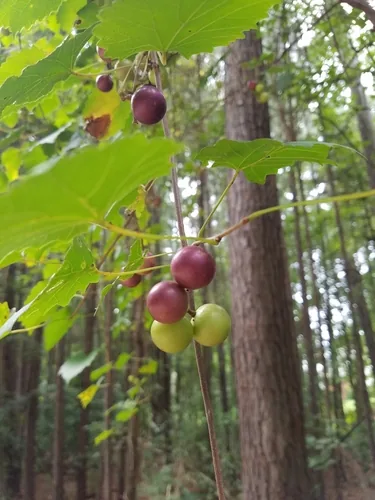
What the season actually delivers comes down to 45-55 inches of annual rainfall, a median of roughly 4,200 growing-degree days (base 50°F), and about 900 winter chill hours for tree fruit. On the soil map, red clay (Piedmont), sandy loam (Coastal), alluvial, and loam dominate — and drainage is the trait that separates an easy bed from a project. Growing in South Carolina really means growing in one of its distinct regions — Piedmont, Tidewater & Chesapeake, and Lowcountry — each with its own zone band and frost rhythm. These conditions suit peach, okra, muscadine grape, and palmetto — a starting list any specific site will trim or extend with its own soil, sun, and drainage.

Grounded inUSDA PHZM 2023NOAA Climate NormalsUSDA NRCS SSURGOGDD aggregate (Cornell CALS)Chill-hour aggregate (MSU Extension)USDA hardiness sub-region mapEPA FRSUSDA PLANTSGrowable Ground suitability scoring

Score your parcel · free

Your yard isn't the whole state.

South Carolina spans zones 7a-9a, but your yard sits in exactly one — and slope, tree cover, and low spots nudge it further. Enter your address and we'll score 1,112 plants against your land's actual soil, sun, and frost.

We read public map data for this spot — soil, climate, flood, and parcel records. How we handle your address.

No card required · your full report in seconds

Quick Facts

USDA Zones

7a-9a

USDA PHZM 2023

Last Frost

Mar 1 - Apr 10

NOAA 30-yr Normals

First Frost

Oct 20 - Nov 20

NOAA 30-yr Normals

Annual Rainfall

45-55 inches

NOAA Climate Normals

Zone maps are averages across South Carolina. Your yard's slope, trees, and frost pockets shift what actually grows — see your land's exact reading.

The Ground You’re Working With

The soil types that dominate South Carolina — how each drains decides more about crop success than almost anything else. Tap any soil to learn what it is and how to work with it.

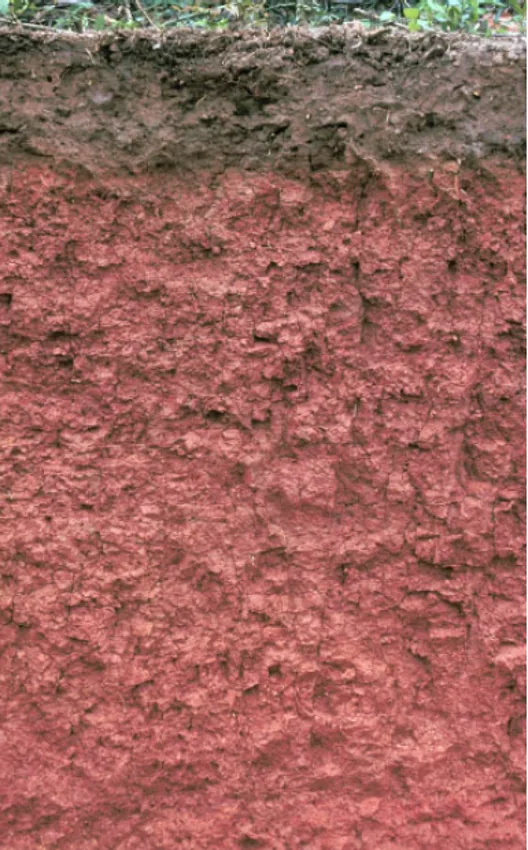
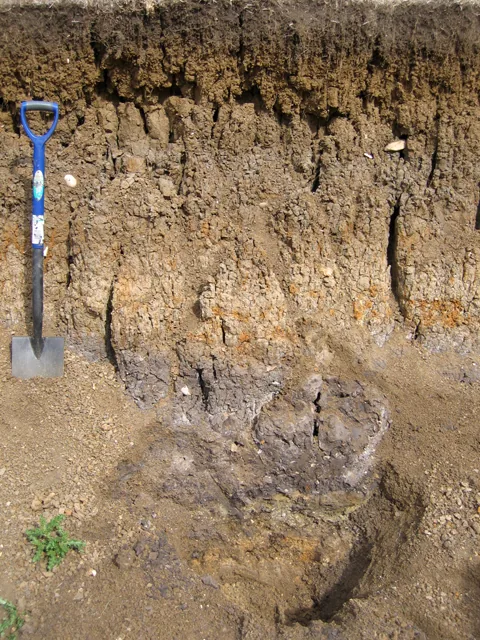
Cecil soil profile: brick-red Piedmont clay subsoil under a thin brown surface layer
Soil profile: Cecil series, North Carolina

Red clay (Piedmont)

  • Drainage

    Slow. Red clay seals under pounding rain and sheds water across the surface, then holds tight to what soaks in.

  • What thrives

    Okra, southern peas, sweet potatoes, and muscadines are traditional red-clay performers, and many fruit trees root deep into it once through the first year. Azaleas and blueberries appreciate its typical acidity.

How to work with Red clay (Piedmont)
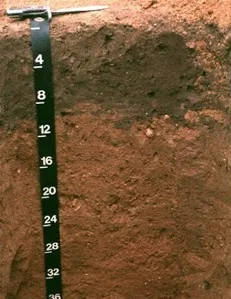
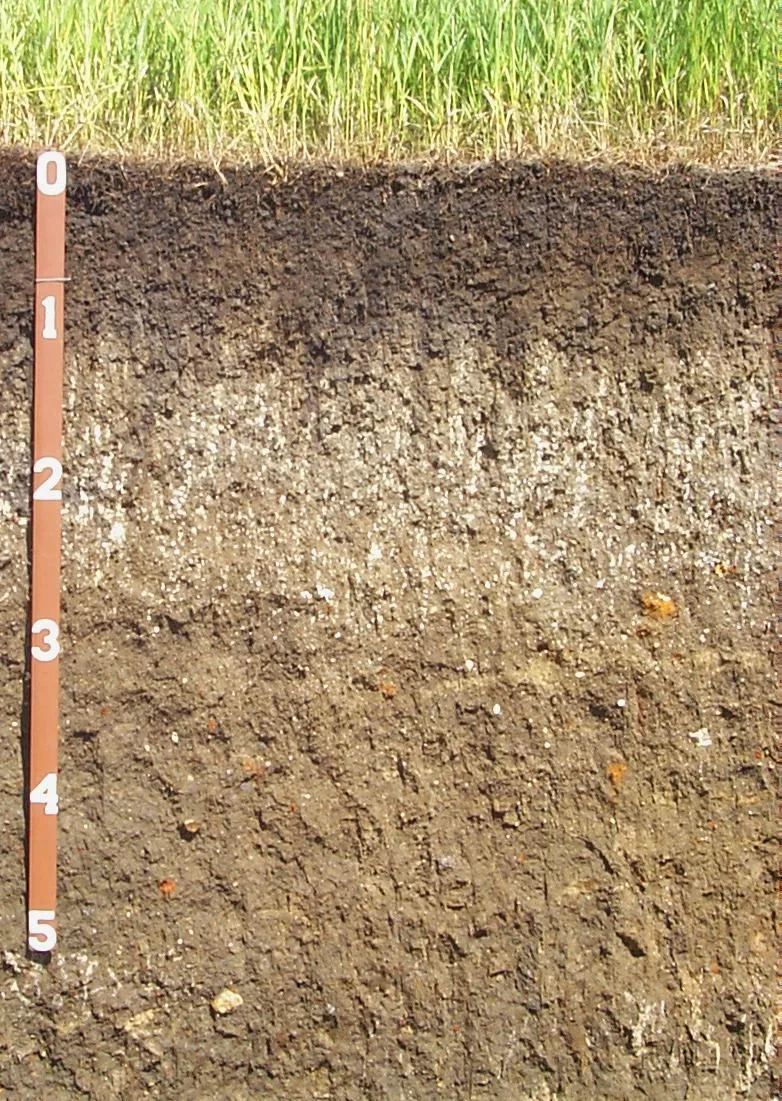
Downer soil profile: reddish sandy loam horizon with a depth scale
Soil profile: Downer series, New Jersey

Sandy loam (Coastal)

  • Drainage

    Fast. The sand fraction opens the soil up, so water moves through the root zone quickly and the surface rarely stays soggy. The trade is that nutrients ride out with the water.

  • What thrives

    Root crops love it — carrots, potatoes, radishes, and onions size up cleanly in ground they can push through. Melons, sweet potatoes, asparagus, and most herbs appreciate the warmth and the drainage.

How to work with Sandy loam (Coastal)
Layered river-laid alluvium in a floodplain soil pit, with a spade for scale
River-alluvium profile (Fladbury series), Great Ouse floodplainPhoto: Rodney Burton, Geograph, CC BY-SA 2.0

Alluvial

  • Drainage

    Usually good: rivers sort their loads, and most alluvial soils have enough sand and silt to move water while holding plenty for roots. Low-lying pockets can run wet.

  • What thrives

    Nearly everything — vegetables, orchards, vines, and berries all prosper on alluvium. Its depth lets roots go as far down as they care to.

How to work with Alluvial
Houdek soil profile: dark grayish-brown loam surface over clay-loam subsoil, with a depth scale
Soil profile: Houdek series, South Dakota

Loam

  • Drainage

    Balanced. The sand fraction keeps water moving, the clay fraction holds enough back for roots to drink between rains. After a heavy storm, loam typically clears the root zone within a day.

  • What thrives

    Nearly everything in the vegetable garden — tomatoes, peppers, beans, squash, brassicas — plus most fruit trees, berries, and herbs. Loam gives you the widest plant palette of any texture.

How to work with Loam

Soil data: USDA NRCS SSURGO · Soil types explained

Top 5 Plants for South Carolina

Plants well-suited to South Carolina's climate, soils, and growing season — each links to its full growing profile.

State Symbols of South Carolina

The plants South Carolina put its name on — cultural emblems, not growing recommendations.

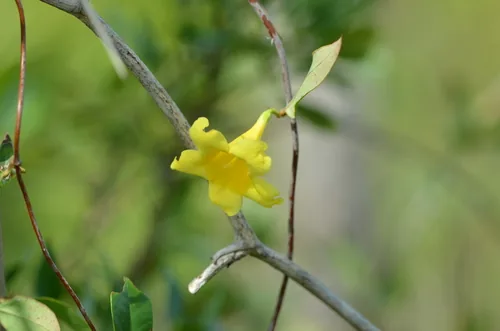
Yellow jessamine, photograph
Official state flower

Yellow jessamine

Gelsemium sempervirens

Designated 1924. In our plant library — see its full growing profile.

Official state tree

Sabal palm

Sabal palmetto

Designated 1939.

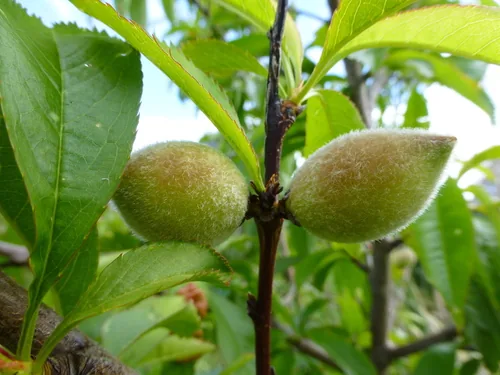
Peach, photograph
Official state fruit

Peach

Designated 1984. In our plant library — see its full growing profile.

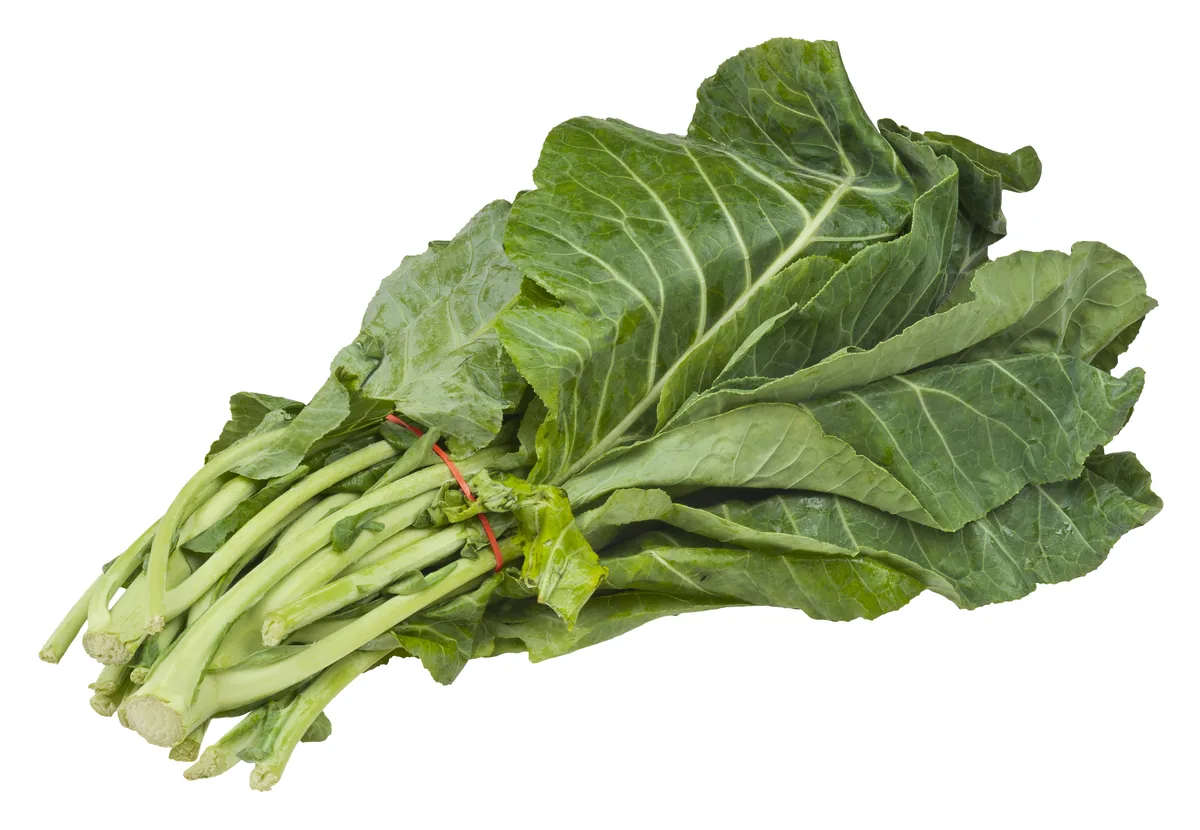
Collard greens, photograph
Official state vegetable

Collard greens

Designated 2011. In our plant library — see its full growing profile.

Native Plants of South Carolina

Plants the USDA PLANTS Database documents as native and present in South Carolina — a real per-state range, not just a zone match. Presence is statewide, so a plant may still be uncommon in your specific county; your state’s Cooperative Extension or a native-plant society is the local authority.

Also zone-compatible

US-native plants whose hardiness range overlaps South Carolina’s USDA zones 7a-9a but which USDA PLANTS doesn’t map to a single state range here. Zone overlap is a starting filter, not a range map.

Browse all US-native plants by state & zone →

Growing Challenges in South Carolina

What an experienced grower plans around here — each one has a move.

Red Piedmont clay requires amendment for drainage

Compost opens red clay over time; a raised bed opens it today — both together is the Piedmont standard.

High heat and humidity promote diseases

Wide spacing, morning base-watering, and resistant varieties keep the humid summer honest — extension keeps the lists.

Hurricane risk along the coast

Coastal beds favor wind-tough perennials and well-staked young trees before the storm season.

For cultivar selection, pest pressure, and planting-time guidance specific to South Carolina, the Clemson Cooperative Extension is the authoritative local source.

Safe to Grow Here?

What the federal record shows across South Carolina — and how to grow with it.

Federal record: High

We checked the federal record across South Carolina24,910 documented sites across 7 of the 9 source types we track.

The most significant on record: 256 Superfund sites. Sites tracked in EPA's Superfund program — from assessment-stage CERCLIS entries to confirmed National Priorities List cleanup sites.

South Carolina carries one of the heavier federal records we track — and that's not a verdict on your yard. Proximity to a documented site is information, not a diagnosis: nothing here says any particular parcel is affected. It does earn one concrete step — before food beds go in the ground, a professional soil test tells you exactly what you're working with, and raised beds with clean imported soil grow well almost anywhere in the meantime.

Severity Distribution

across South Carolina

High372Moderate6,935Low17,603

Highest-Severity Sites

60 Minute Cleaners
Superfund · Superfund (Non-NPL)
Abbeville City of
PFAS Sampling · PFAS Detected
Abbeville Drum Site
Superfund · Superfund (Non-NPL)
Able Contracting Fire
Superfund · Superfund (Non-NPL)
Adams Auto Parts
Superfund · Superfund (Non-NPL)

A note from Gnorman

What an experienced grower watches for around here

In and around South Carolina, Toxic Release Inventory runs higher than the national average — 1,600 sites nearby. It's not cause for alarm — it's worth knowing, and there's a sensible way to grow around it.

Toxic Release Inventory: TRI facilities report annual chemical releases to air, water, and land.

Check prevailing wind direction — downwind parcels face higher exposure than upwind or crosswind locations.

Sources: EPA, USGS1.8M documented sites tracked nationwide across 9 federal source types.

See what grows on YOUR specific land

State averages sketch the shape. Your soil, sun exposure, drainage, and microclimate decide what actually takes. Pull a site-specific report for your exact parcel.

Free Report

Read your South Carolina parcel

Enter your address. We read your soil, sun, drainage, and frost dates, then score 1,112 plants against the real conditions on your land.

Three things about your exact spot that zone averages miss:

Your soil pHYour frost-free daysYour sun & shade

We read public map data for this spot — soil, climate, flood, and parcel records. How we handle your address.

25+ data sources analyzed in seconds

Frequently Asked Questions

What USDA hardiness zones are in South Carolina?

South Carolina spans USDA hardiness zones 7a-9a, per the USDA Plant Hardiness Zone Map 2023. Zones reflect average annual extreme minimum temperatures from 1991–2020 weather data.

When does frost risk typically end in South Carolina?

The last spring frost in South Carolina is typically around Mar 1 - Apr 10, and the first fall frost around Oct 20 - Nov 20, per NOAA 30-year climate normals (1991–2020). Your specific site may differ — frost dates vary by elevation, proximity to water, and local microclimate.

What vegetables grow well in South Carolina?

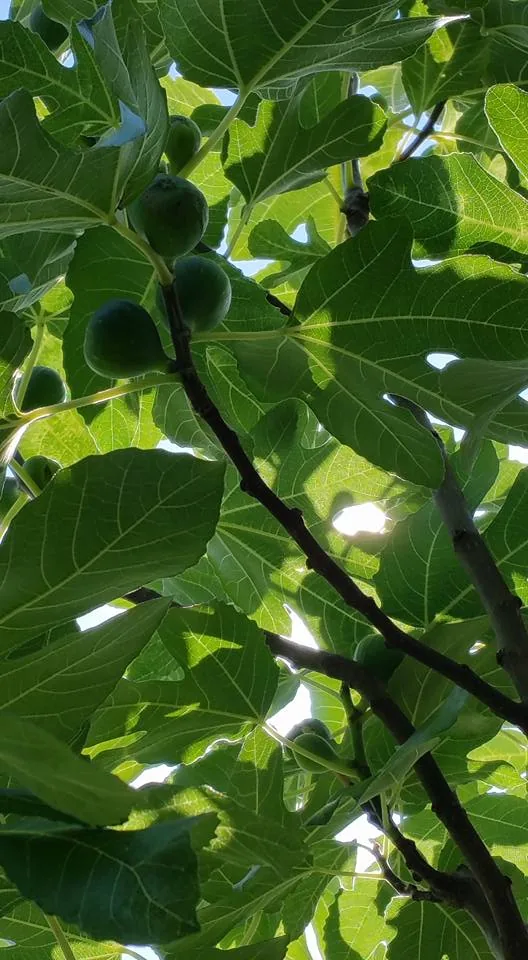
South Carolina's zones 7a-9a support a wide range — strong performers include Peach, Okra, Muscadine Grape, Palmetto, and Fig. What actually takes on any one site comes down to its soil, sun, and drainage, and we score each plant against the real conditions at your address.

Which hardiness zone is South Carolina, really?

Officially, South Carolina spans USDA zones 7a-9a (USDA PHZM 2023) — but a zone is a 30-year average of winter's coldest night across an area, and it can't see any one yard. A south-facing slope, a tree line, or a low frost pocket can shift a single site by half a zone either way, which is why neighboring gardeners often quote different numbers. We read the conditions at your exact address — soil, sun, slope, and frost — and score 1,112 plants against what's actually there.

Is the soil safe to grow vegetables in South Carolina?

The federal record across South Carolina runs heavier than most — 24,910 documented sites — so test the soil before planting food in the ground, and raised beds with clean imported soil grow well in the meantime. Even here, proximity to a documented site is information, not a diagnosis of any one yard; the contamination map shows exactly what's recorded and where.

Just moved to South Carolina — what should I know before planting?

Start with three facts. South Carolina spans USDA zones 7a-9a, which sets what survives winter; the statewide frost window runs about Mar 1 - Apr 10 to Oct 20 - Nov 20 (NOAA 30-year climate normals); and 24,910 documented sites sit on the federal record here, so a soil test before food beds is the smart first step. From there, matching plants to your actual soil and sun is the fun part.

Everything on this page is a South Carolina average. Your yard writes its own version — we read soil, sun, drainage, and frost at your exact address. Try it for 14 days — no card required.

Cities & Towns in South Carolina

Explore growing conditions by city or town in South Carolina.

AbbevilleAbney CrossroadsAdams RunAikenAlcoluAllendaleAndersonAndrewsAntrevilleArcadiaArcadia LakesArialArkwrightArthurtownAshwoodAtlantic BeachAwendawAynorBambergBarnwellBatesburg-LeesvilleBaxter VillageBeaufortBeech IslandBeltonBelvedereBen AvonBennettsvilleBereaBethuneBishopvilleBlacksburgBlackvilleBlenheimBlufftonBlythewoodBoiling SpringsBonneauBonneau BeachBowmanBoykinBradleyBranchvilleBriarcliffe AcresBrookdaleBrowntownBrunsonBucksportBuffaloBufordBurnettownBurtonCaesars HeadCalhoun FallsCamdenCameronCamp CroftCampobelloCane SavannahCapitol ViewCarlisleCarolina ForestCashCatawbaCateecheeCayceCentenaryCentervilleCentralCentral PacoletChapinCharlestonCherawCherokee FallsCherryvaleChesneeChesterChesterfieldChickasaw PointCity ViewClarks HillClearwaterClemsonClemson UniversityCliftonClintonClioCloverCokesburyColumbiaConesteeConverseConwayCoosawhatchieCopeCordovaCoronacaCottagevilleCowardCowpensCross AnchorCross HillDacusvilleDaleDalzellDanwoodDarlingtonDaufuskie IslandDavistonDeBordieu ColonyDenmarkDentsvilleDillonDonaldsDovesvilleDraytonDue WestDunbarDuncanDuneanEasleyEast CamdenEast GaffneyEast SumterEastoverEdgefieldEdistoEdisto BeachEdmundEhrhardtElginElginElkoElliottElloreeEnoreeEstillEureka MillEutawvilleFair PlayFairfaxFairforestFairview CrossroadsFingervilleFinkleaFive ForksFlorenceFloydaleFolly BeachForest AcresForestbrookForestonFort LawnFort MillFountain InnFripp IslandFurmanGadsdenGaffneyGanttGarden CityGastonGayle MillGeorgetownGiffordGilbertGillisonvilleGlendaleGlenn SpringsGlovervilleGolden GroveGoose CreekGovanGramlingGranitevilleGray CourtGreat FallsGreeleyvilleGreen SeaGreenvilleGreenwoodGreerGroverHamerHamptonHanahanHarbor IslandHardeevilleHarleyvilleHartsvilleHeath SpringsHelenaHemingwayHickory GroveHildaHilltopHilton Head IslandHodgesHolly HillHollywoodHomeland ParkHomewoodHonea PathHopkinsIndia HookInmanInman MillsIrmoIrwinIslandtonIsle of PalmsIvaJacksonJacksonboroJames IslandJamestownJeffersonJoannaJohnsonvilleJohnstonJonesvilleJudsonKeowee KeyKershawKetchuptownKiawah IslandKingstreeKlineLa FranceLadsonLake CityLake Murray of RichlandLake SecessionLake ViewLake WylieLakewoodLamarLancasterLandrumLaneLangleyLattaLaurel BayLaurensLesslieLexingtonLibertyLincolnvilleLitchfield BeachLittle MountainLittle RiverLittle RockLive OakLivingstonLobecoLockhartLodgeLongcreekLorisLowndesvilleLowrysLugoffLurayLydiaLymanLynchburgManningManvilleMarionMauldinMayesvilleMayoMcBeeMcClellanvilleMcCollMcConnellsMcCormickMeggettModocMonarch MillMoncks CornerMonettaMount CarmelMount CroghanMount PleasantMountvilleMulberryMullinsMurphys EstatesMurrells InletMyrtle BeachNeesesNew EllentonNewberryNewportNewryNewtownNicholsNinety SixNorrisNorthNorth AugustaNorth CharlestonNorth HartsvilleNorth Myrtle BeachNorth SanteeNorthlakeNorwayOak GroveOaklandOlantaOlarOlympiaOrangeburgOswegoPacoletPagelandPamplicoParkerParksvillePatrickPaulinePawleys IslandPaxvillePeakPelionPelzerPendletonPerryPickensPiedmontPimlicoPine RidgePine RidgePinewoodPinopolisPlum BranchPomariaPort RoyalPowdersvillePrincetonPrivateerPromised LandProsperityQuinbyRainsRavenelRed BankRed HillReevesvilleReidvilleRembertRichburgRidge SpringRidgelandRidgevilleRidgewayRiverviewRock HillRockvilleRoebuckRowesvilleRubyRussellvilleSalemSalleySaludaSandy SpringsSangareeSans SouciSanteeSaxonScotiaScrantonSeabrookSeabrook IslandSellersSenecaSeven OaksSharonSheldonShell PointShilohSilverstreetSimpsonvilleSix MileSlater-MariettaSmoaksSmyrnaSnellingSocasteeSociety HillSouth CongareeSouth SumterSouth UnionSouthern ShopsSpartanburgSpringdaleSpringdaleSpringfieldSt. AndrewsSt. CharlesSt. GeorgeSt. MatthewsSt. StephenStarrStartexStateburgStuckeySullivan's IslandSummertonSummervilleSummitSumterSurfside BeachSwanseaSycamoreTamasseeTatumTaylorsTega CayThe Cliffs ValleyTigervilleTimmonsvilleTradesvilleTravelers RestTrentonTroyTurbevilleUlmerUnionUnityUticaValley FallsVan WyckVanceVarnvilleWade HamptonWagenerWalhallaWallaceWalterboroWardWare PlaceWare ShoalsWarrenvilleWaterlooWatts MillsWedgefieldWelcomeWellfordWest ColumbiaWest PelzerWest UnionWestminsterWhite KnollWhitmireWhitneyWilkinson HeightsWilliamsWilliamstonWillingtonWillistonWindsorWinnsboroWinnsboro MillsWisackyWoodfieldWoodfordWoodruffWybooYemasseeYorkZion

States with a Similar Growing Climate

South Carolina shares its dominant growing region with these states — a useful comparison if you're weighing where a crop will behave the same way.