What Grows in Georgia

USDA Zones 7a-9b · 45-55 inches annual rainfall

Georgia spans USDA hardiness zones 7a-9b, with a growing season of about 275 frost-free days — growing weather most of the year, with mild winters opening seasons colder regions never see.

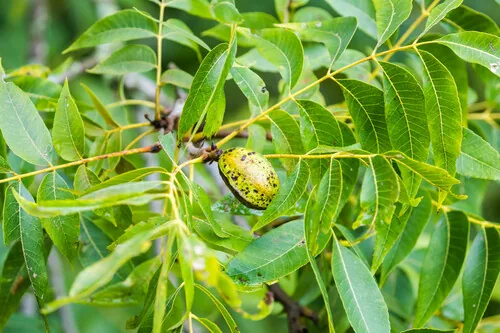
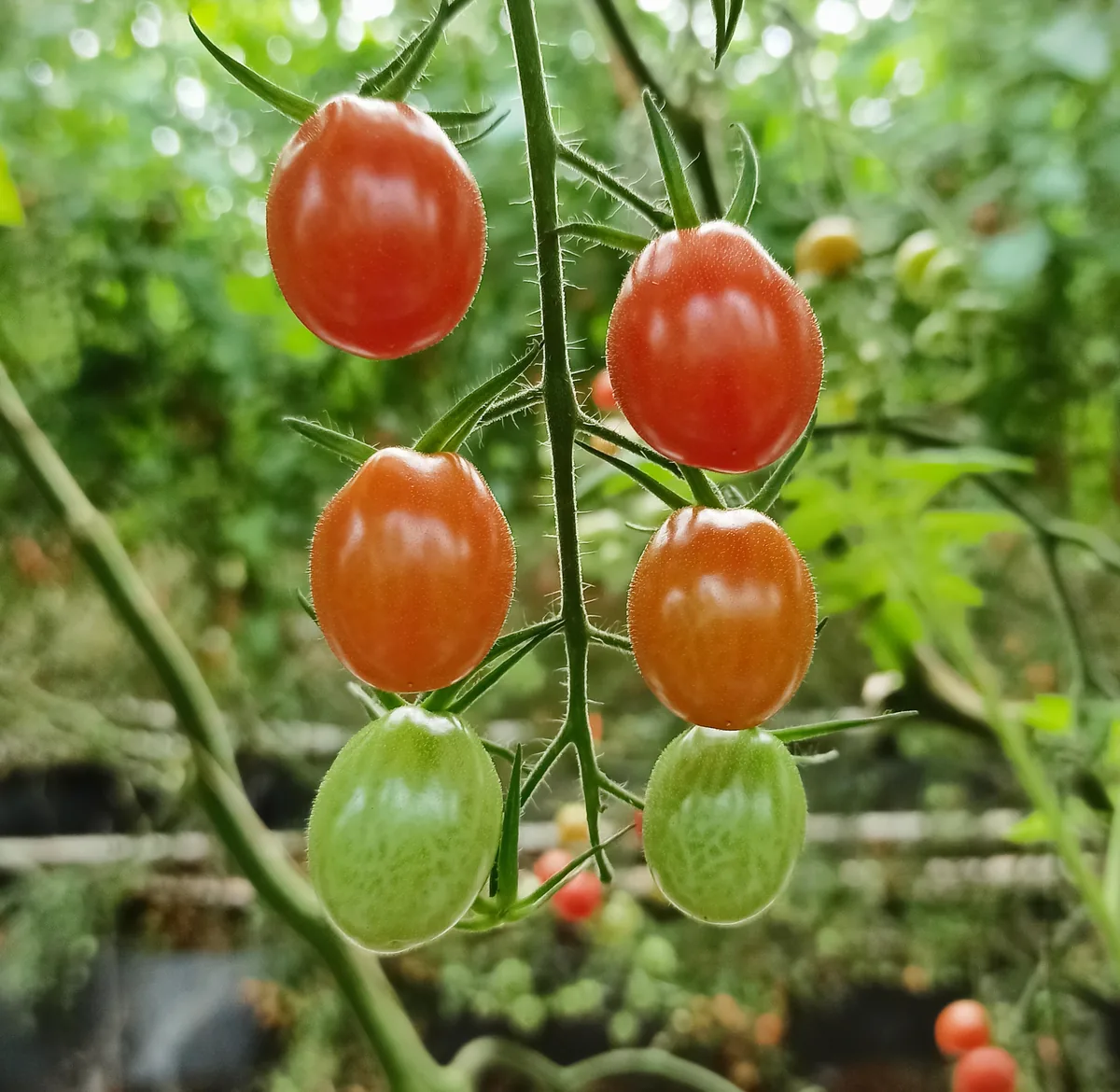
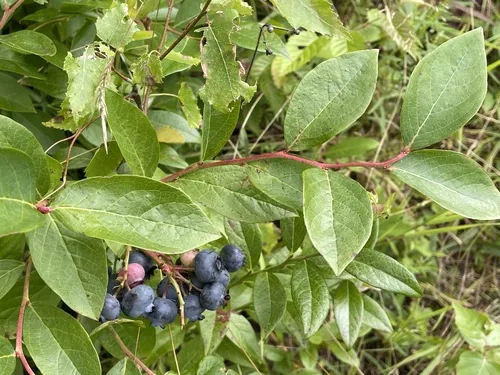
What the season actually delivers comes down to 45-55 inches of annual rainfall, a median of roughly 5,616 growing-degree days (base 50°F), and about 1,015 winter chill hours for tree fruit. On the soil map, red clay (Piedmont), sandy loam (Coastal Plain), alluvial, and mountain loam dominate — and drainage is the trait that separates an easy bed from a project. What grows in Georgia depends on where in it you stand — Appalachia, Piedmont, and Blue Ridge each run on their own zones and frost timing. Among the crops suited to this profile: peach, vidalia onion, pecan, and tomato. The site-level story — soil, sun, drainage — decides the rest.

Grounded inUSDA PHZMNOAA Climate NormalsUSDA NRCS SSURGOGDD (PRISM 1991-2020 normals)Chill hours (PRISM 1991-2020 normals)USDA hardiness sub-region mapEPA FRSUSDA PLANTSGrowable Ground suitability scoring

Score your parcel · free

Your yard isn't the whole state.

Georgia spans zones 7a-9b, but your yard sits in exactly one — and slope, tree cover, and low spots nudge it further. Enter your address and we'll score 1,086 plants against your land's actual soil, sun, and frost.

We read public map data around Georgia — soil, climate, flood, and parcel records. How we handle your address.

No card required · your full report in seconds

Notable Growing Regions in Georgia

Distinct growing regions within Georgia — each has its own zones, soils, and signature crops.

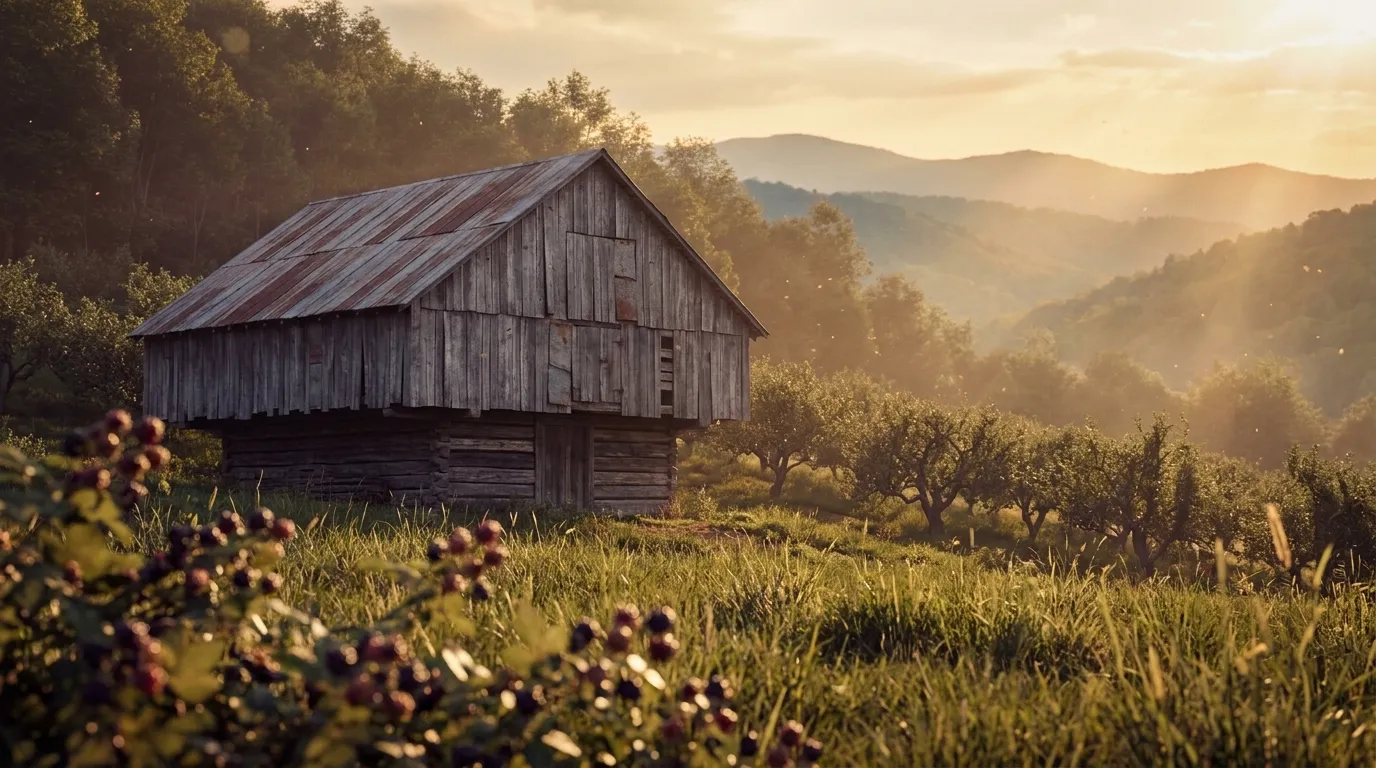
Illustrated landscape of Appalachia
Appalachiaalso spans Alabama, Kentucky & 9 moreThe vast eastern mountain region of steep hollows, thin acidic soils, and short upland seasons — apples, brambles, ramps, and forest crops on hard-won ground. (Union of the core Appalachian ecoregions.)
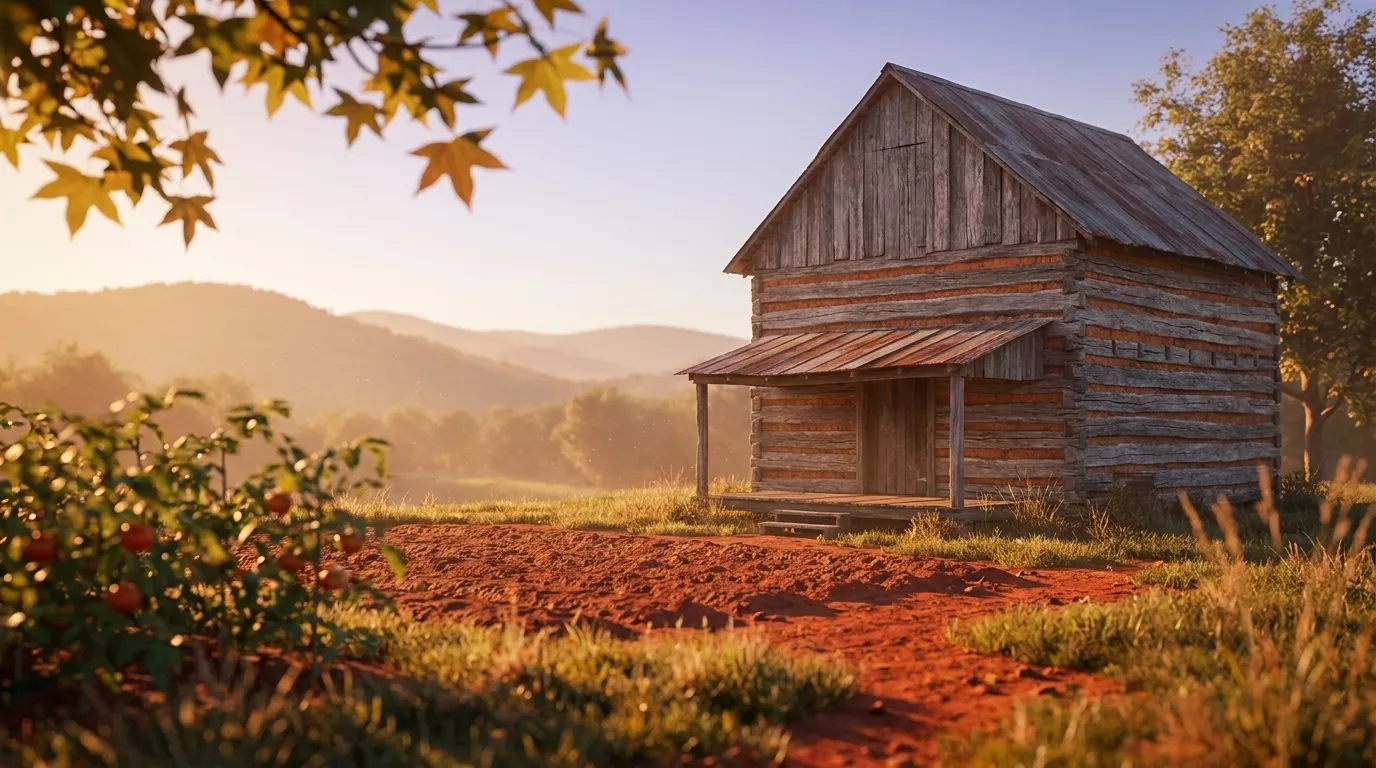
Illustrated landscape of Piedmont
Piedmontalso spans Alabama, North Carolina & 2 moreThe rolling foothill belt between the Appalachians and the coastal plain, defined by heavy red clay soils that reward amendment and drainage. (Southern Piedmont; the Northern Piedmont is a separate ecoregion.)
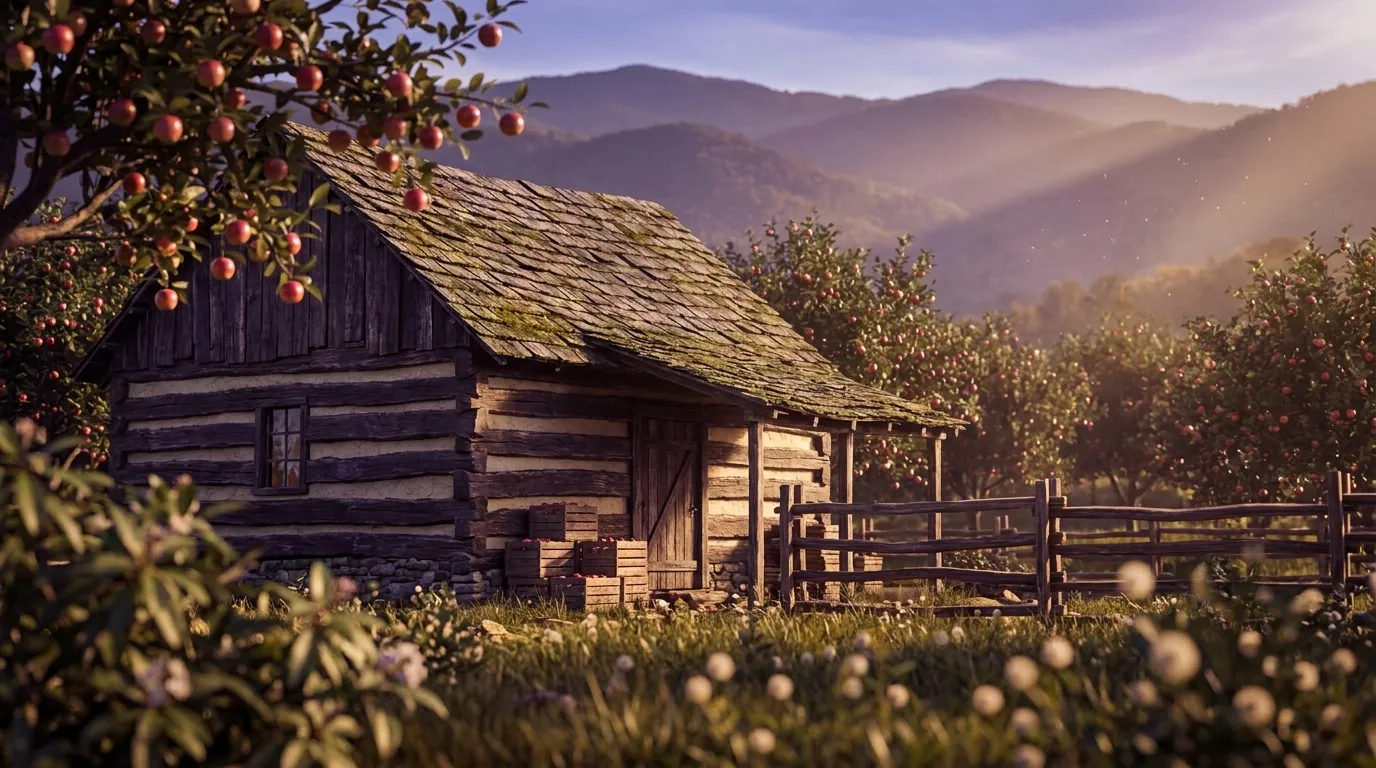
Illustrated landscape of Blue Ridge
Blue Ridgealso spans North Carolina, Tennessee & 1 moreThe high, cool, forested spine of the southern Appalachians — layered ridges, acidic mountain loams, and a short upland season suited to apples and cold-hardy crops.
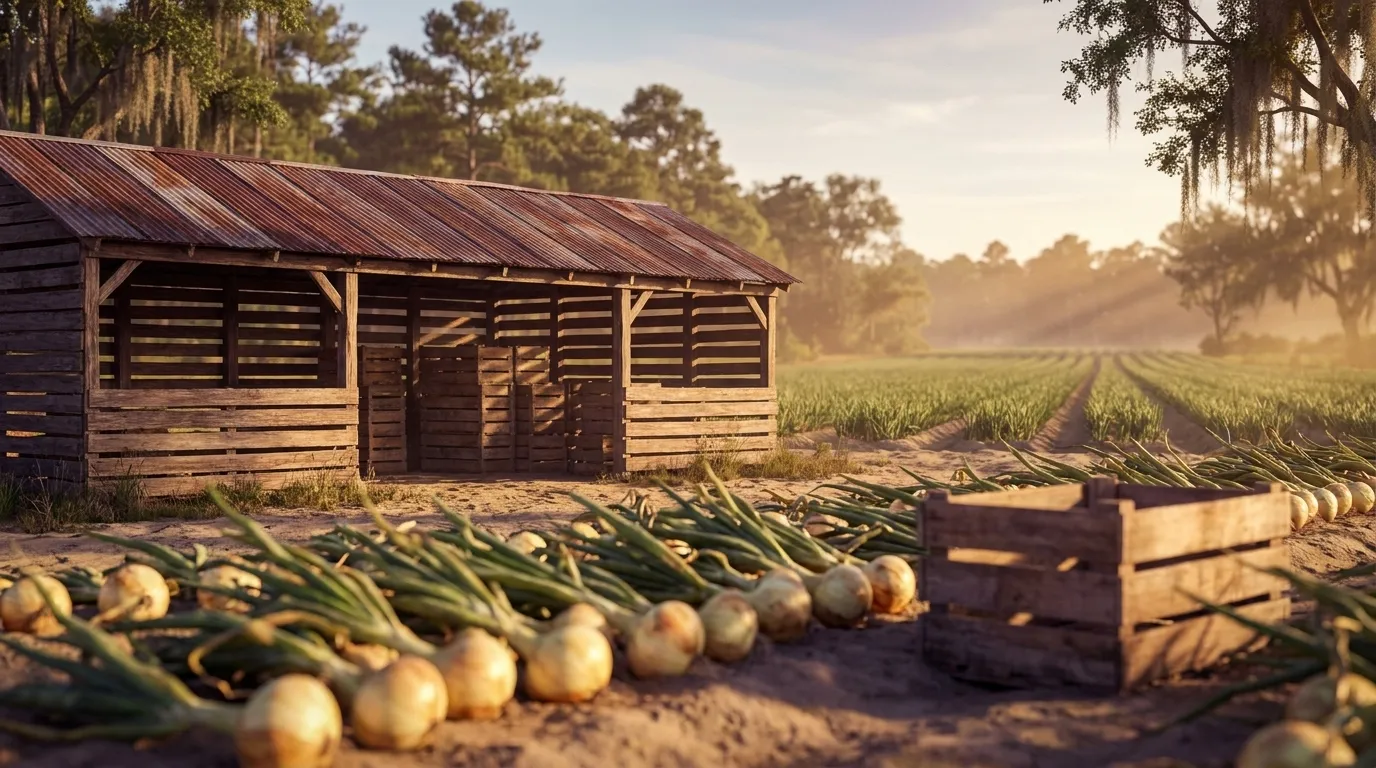
Illustrated landscape of Vidalia / South Georgia
Vidalia / South GeorgiaThe federally designated Vidalia sweet-onion belt of Georgia's coastal plain — USDA zones 8b to 9a and a long frost-free season of roughly 290 days, from a median last frost near February 18 to a first frost around December 4.
Illustrated landscape of Southwest Georgia / Dougherty Plain
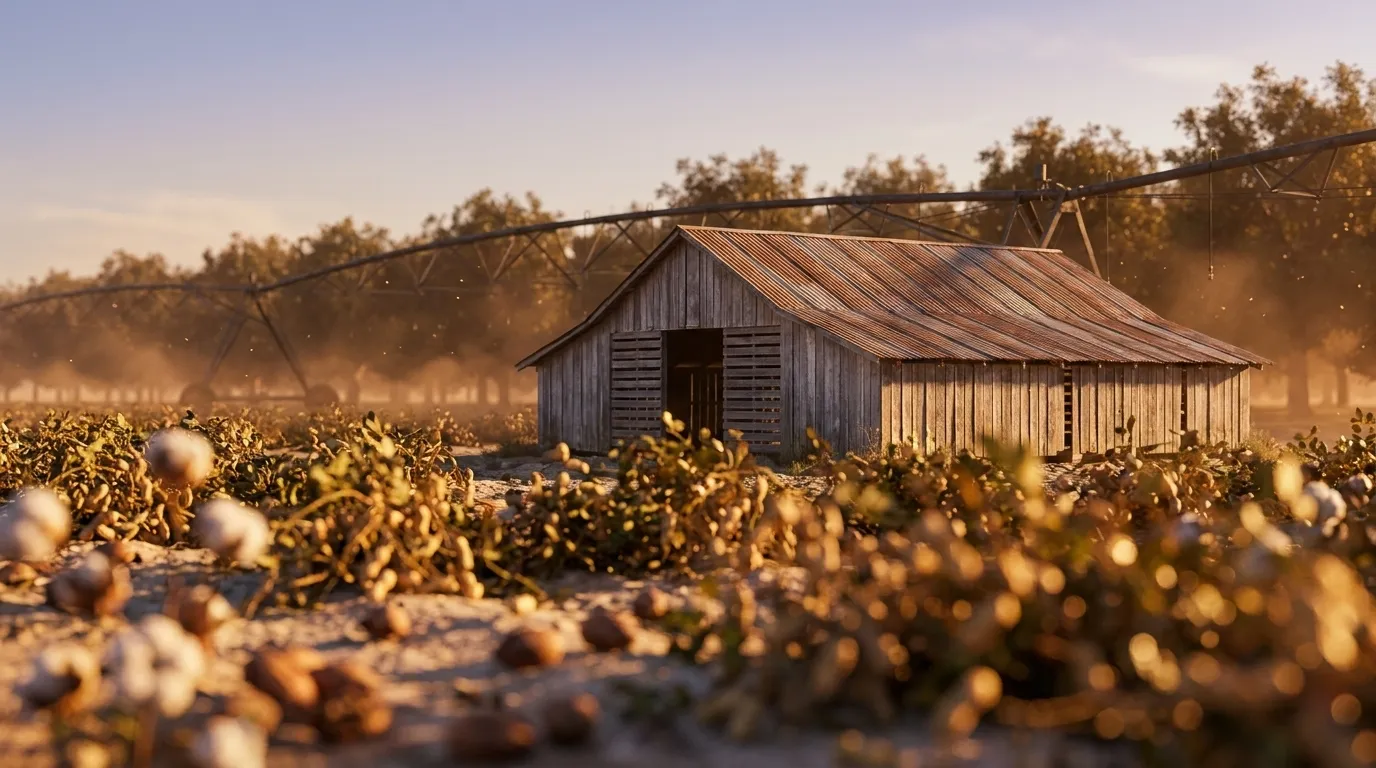
Southwest Georgia / Dougherty PlainUnlike Georgia's sandy east-central Vidalia belt or the state's mountains-to-coast average, this is the Dougherty Plain — a flat karst-limestone plain around Albany where near-surface limestone leaves soils near-neutral and center-pivots draw the Floridan aquifer (EPA Level IV ecoregion 65g). It is Georgia's row-crop heartland: peanuts, pecans, cotton, and corn on a long 8b–9a season of roughly 290–305 frost-free days. Growers here plan around limestone-derived soil chemistry and irrigation-fed summers rather than the acidic Coastal Plain sands that define most of the Southeast.
Illustrated landscape of Deep South Georgia / Wiregrass
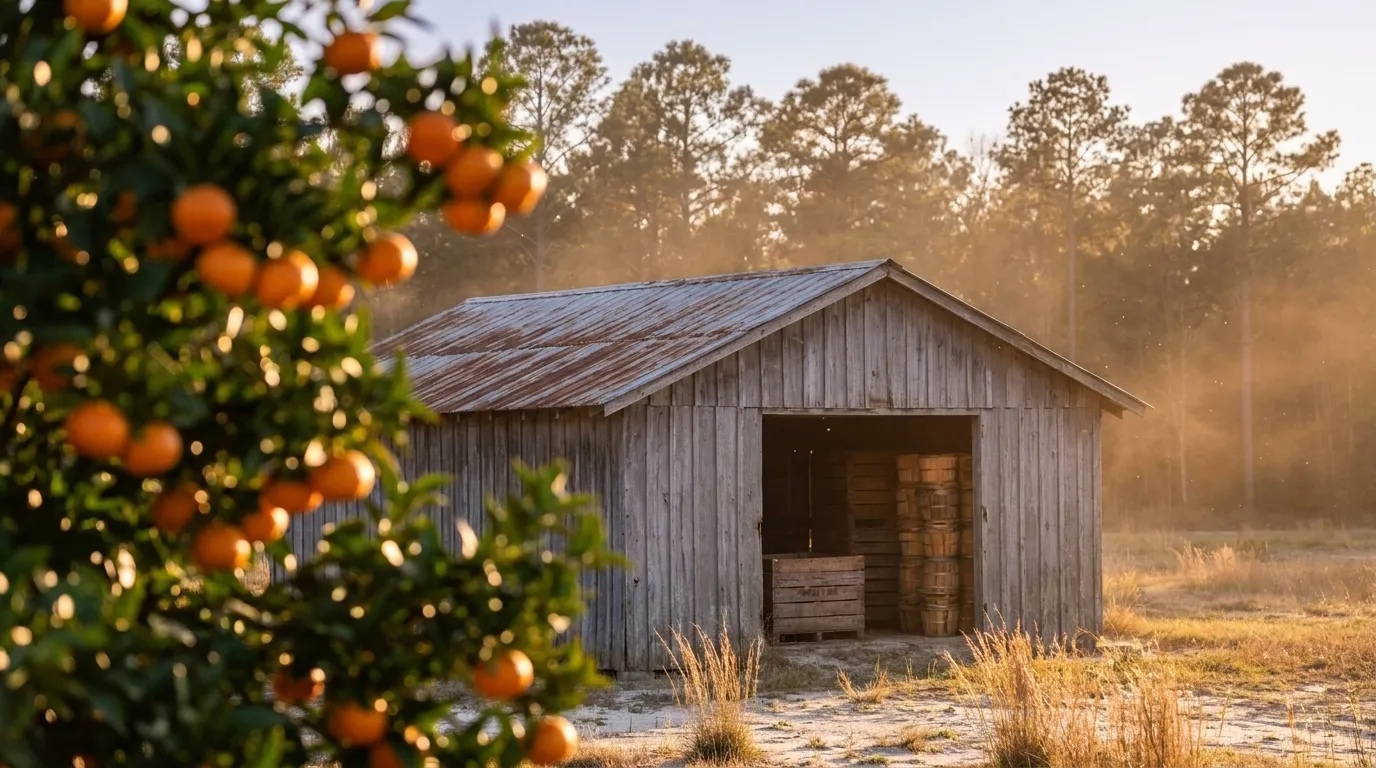
Deep South Georgia / WiregrassGeorgia's only zone 9a band — the far-south coastal plain around Valdosta, Waycross and the Okefenokee — runs roughly 285 to 301 frost-free days, some 40-plus more than the state's dominant 8b (about 250). That extra warmth genuinely shifts the palette: cold-hardy satsuma mandarins fruit and overwinter here, subtropicals survive most winters, and a full second crop is routine rather than a gamble. The catch is underfoot — deep, low-nutrient sandy longleaf-pine flatwoods that need building before they hold a productive garden. An 8b-centered Vidalia page and a mountains-to-coast state average both wash all of this out.
Explore 3 more growing regions

Georgia — the short answer

Georgia: USDA zones 7a-9b, 204–305 frost-free days depending on the county, 159 counties.

USDA zones
7a-9b
USDA PHZM 2023
Last hard freeze (28°F)
Feb 17 - Mar 10
NOAA Regional Climate Centers ACIS, 1991-2020
First hard freeze (28°F)
Nov 24 - Dec 4
NOAA Regional Climate Centers ACIS, 1991-2020
Shortest county season
204 days
NOAA Regional Climate Centers ACIS, 1991-2020, county 28°F killing freeze — Towns County
Annual rainfall
45-55 inches
NOAA Climate Normals
Counties
159
US Census TIGER/Line 2025

The middle half of this state’s counties. Tender transplants usually wait 2–3 weeks past the last hard freeze. The shortest-season figure is Georgia's own county record — Towns County's measured 28°F normal, not a modeled floor.

Zone 7a-9b is Georgia's average, not your lot's — a low corner or a tree line moves it. Against Georgia's 275-day season, see what your own ground reads.

Georgia is not one growing season

One answer for Georgia averages 159 counties whose growing seasons are 101 days apart — from 204 frost-free days in Towns County to 305 in Colquitt County. That is the same state, measured the same way, in the same years. Which end of it your county sits nearer decides what finishes before the first hard freeze.

204 daysTowns County305 daysColquitt County

The middle half of 159 counties runs 259290 days, with a median of 275 days — a 101-day span end to end.

Measured across 159 counties, each carrying its own 28°F normal. NOAA Regional Climate Centers ACIS, 1991-2020, county 28°F killing freeze. A county with no record of its own is absent from the range rather than counted as zero — nothing here is interpolated to the state. Your own site sits somewhere inside this range; a parcel report resolves where.

Where the line runs inside Georgia

The middle half of Georgia runs 259290 frost-free days, and 76 of its 159 counties sit outside that — 38 on the short side, 38 on the long. A statewide planting date describes the middle well and the ends poorly, which is worth knowing before you follow one.

Under 259 frost-free days

38 counties

3 of 38 shown

The end of the state that sets the planting calendar — start seed indoors here and the season stretches to meet the crop.

259–290 frost-free days

83 counties

0 of 83 shown

The middle half of the state, and the part a single statewide date describes well.

Over 290 frost-free days

38 counties

3 of 38 shown

Long enough for a second succession of a quick crop after the first comes out.

Each county is placed by its own 28°F frost-free normal (NOAA Regional Climate Centers ACIS, 1991-2020, county 28°F killing freeze), the same figure its own guide page publishes. Elevation, slope and cold-air drainage move a yard within its county as well — which is the part only your address resolves.

The Ground You’re Working With

The soil types that dominate Georgia — how each drains decides more about crop success than almost anything else. Tap any soil to learn what it is and how to work with it. Each photo is a representative profile of that soil type; the named series is where it was documented, which is often another state.

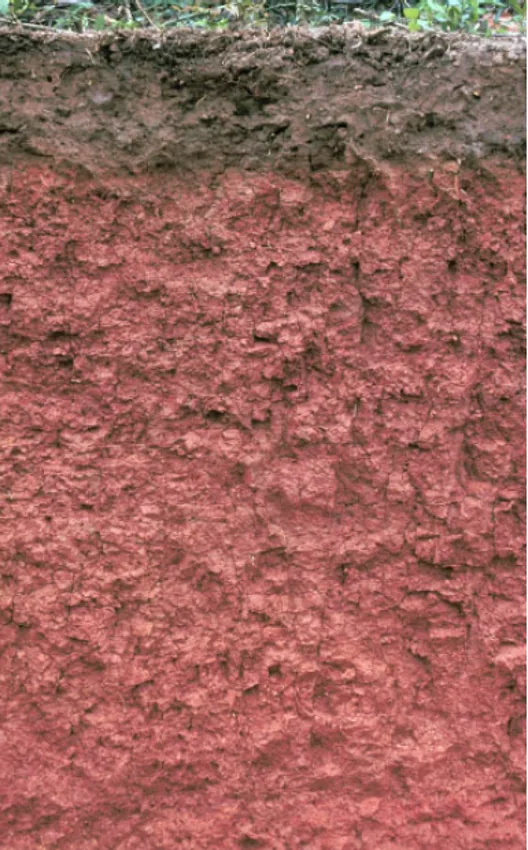
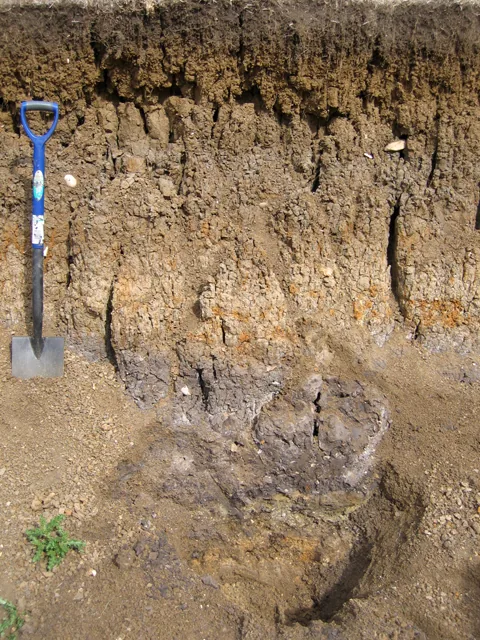
Cecil soil profile: brick-red Piedmont clay subsoil under a thin brown surface layer
Representative Red clay (Piedmont)Soil profile: Cecil series, North Carolina

Red clay (Piedmont)

  • Drainage

    Slow. Red clay seals under pounding rain and sheds water across the surface, then holds tight to what soaks in.

  • What thrives

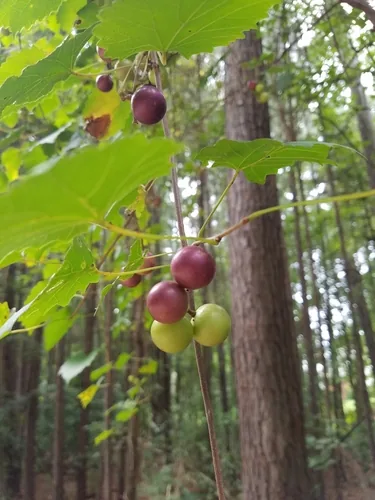
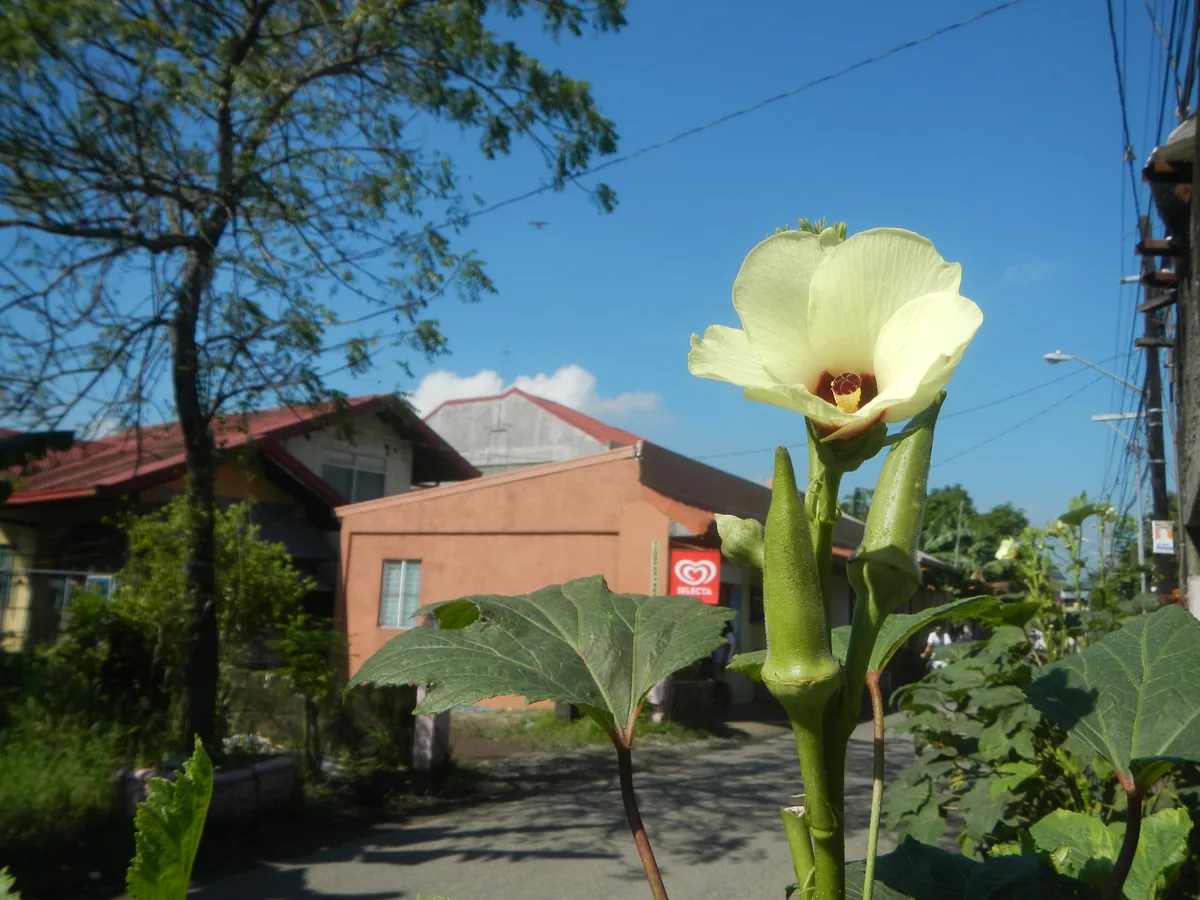
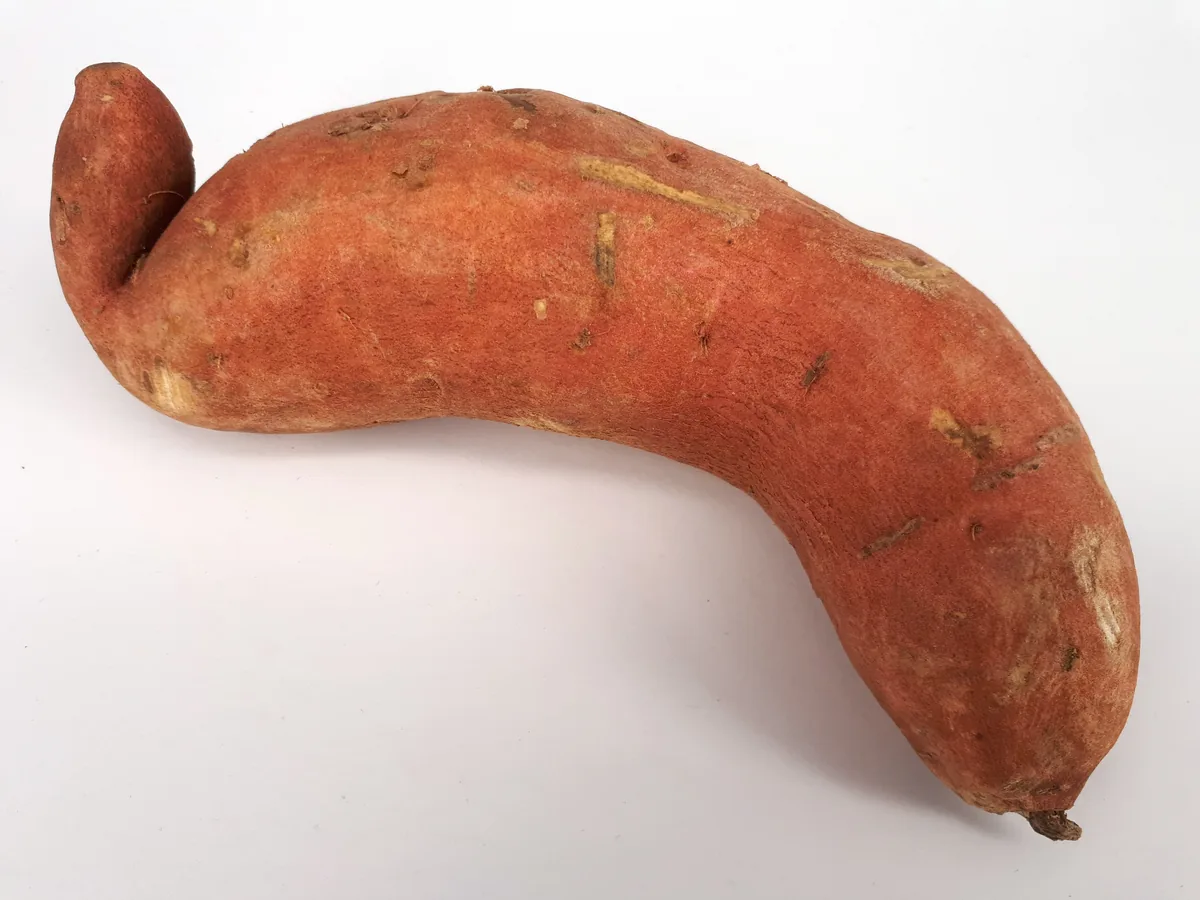
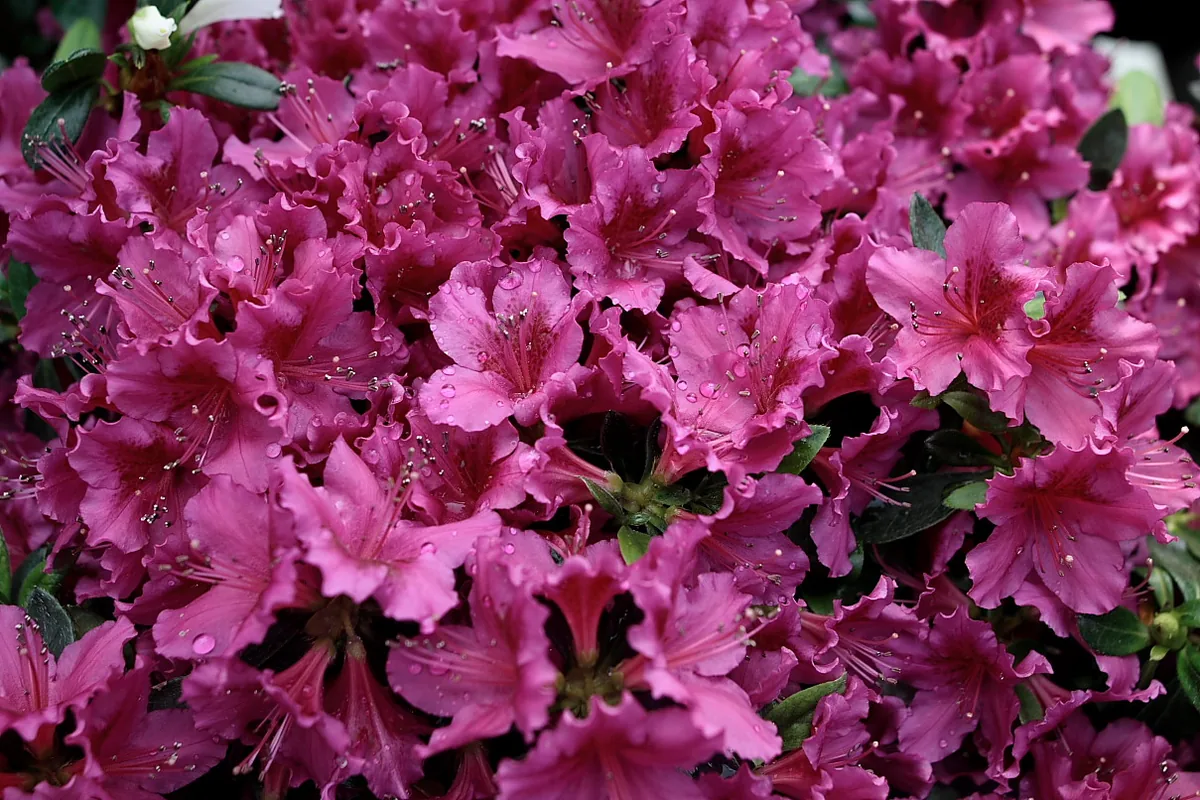
    Okra, southern peas, sweet potatoes, and muscadines are traditional red-clay performers, and many fruit trees root deep into it once through the first year. Azaleas and blueberries appreciate its typical acidity.

How to work with Red clay (Piedmont)
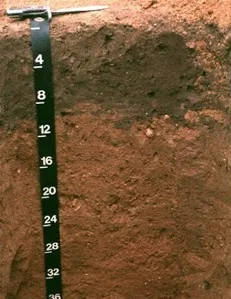
Downer soil profile: reddish sandy loam horizon with a depth scale
Representative Sandy loam (Coastal Plain)Soil profile: Downer series, New Jersey

Sandy loam (Coastal Plain)

  • Drainage

    Fast. The sand fraction opens the soil up, so water moves through the root zone quickly and the surface rarely stays soggy. The trade is that nutrients ride out with the water.

  • What thrives

    Root crops love it — carrots, potatoes, radishes, and onions size up cleanly in ground they can push through. Melons, sweet potatoes, asparagus, and most herbs appreciate the warmth and the drainage.

How to work with Sandy loam (Coastal Plain)
Layered river-laid alluvium in a floodplain soil pit, with a spade for scale
Representative AlluvialRiver-alluvium profile (Fladbury series), Great Ouse floodplainPhoto: Rodney Burton, Geograph, CC BY-SA 2.0 · CC BY-SA 2.0

Alluvial

  • Drainage

    Usually good: rivers sort their loads, and most alluvial soils have enough sand and silt to move water while holding plenty for roots. Low-lying pockets can run wet.

  • What thrives

    Nearly everything — vegetables, orchards, vines, and berries all prosper on alluvium. Its depth lets roots go as far down as they care to.

How to work with Alluvial

Loam formed on mountain slopes and valleys — usually shallower than lowland soils, mixed with rock weathered from the peaks above, and highly variable from one bench to the next.

Mountain loam

  • Drainage

    Usually good to fast, because slopes shed water and the rock fraction keeps the profile open. South-facing ground dries markedly faster than north-facing.

  • What thrives

    Cool-season vegetables, berries, and hardy perennials suited to the elevation. Short seasons matter more than the soil here — choose varieties bred for quick maturity.

How to work with Mountain loam

Soil data: USDA NRCS SSURGO · Soil types explained

Is it too late to plant in Georgia?

Almost never — the real question is what to plant next. Across Georgia, cool-season planting typically opens about four weeks before the local last hard freeze — county medians put that freeze near Feb 27, with the middle half of counties between Feb 17 and Mar 10 (NOAA 1991–2020 climate normals). Tender transplants wait two to three weeks past it, and fall planting counts back from first freezes mostly between Nov 24 and Dec 4 — long-season crops need about 90 days of runway, quick greens only 30. And with a calendar this mild, the honest answer is that planting barely stops — winter opens seasons colder regions never see.

State Symbols of Georgia

The plants Georgia put its name on — cultural emblems, not growing recommendations.

Official state floral emblem

Cherokee rose

Rosa laevigata

Designated 1916.

Southern live oak, photograph
Official state tree

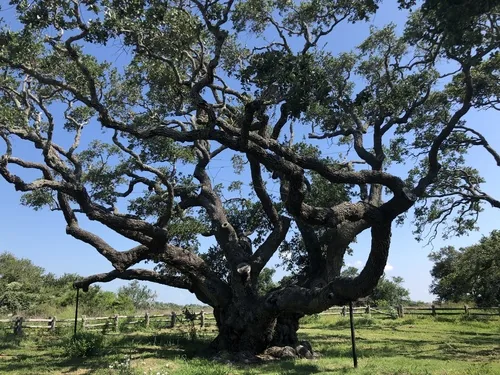
Southern live oak

Quercus virginiana

Designated 1937. In our plant library — see its full growing profile.

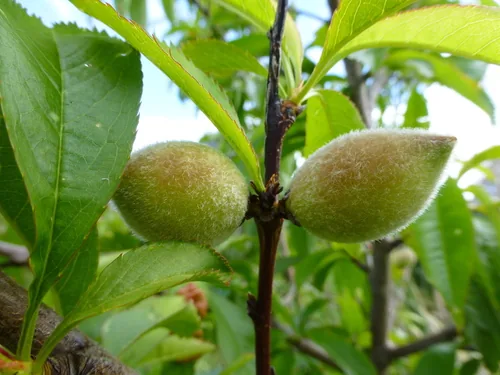
Peach, photograph
Official state fruit

Peach

Designated 1995. In our plant library — see its full growing profile.

Official state vegetable

Vidalia sweet onion

Designated 1990.

Native Plants of Georgia

Plants the USDA PLANTS Database documents as native and present in Georgia — a real per-state range, not just a zone match. Ordered by how closely each plant’s published hardiness range matches Georgia’s zones 7a-9b, so this is a shortlist by climate fit, not a ranking of which plants matter most here. Presence is statewide, so a plant may still be uncommon in your specific county; your state’s Cooperative Extension or a native-plant society is the local authority.

Also zone-compatible

US-native plants whose hardiness range overlaps Georgia’s USDA zones 7a-9b but which USDA PLANTS doesn’t map to a single state range here. Zone overlap is a starting filter, not a range map.

Browse all US-native plants by state & zone →

Growing Challenges in Georgia

What an experienced grower plans around here — each one has a move.

Heavy red Piedmont clay is difficult to work and drains poorly

Compost and patience open red clay up — or a raised bed gets you growing today while the ground improves underneath.

High humidity drives fungal diseases in summer

Morning watering at the base, generous spacing, and resistant varieties — the humid-South disease playbook, straight from your extension.

Fire ants are a persistent pest in gardens across the state

Bait mounds early in the season and keep bed edges mulched — your extension office runs the current two-step control program.

Summer heat (90-100F) can stress cool-season crops by May

Run cool-season crops in the fall-through-spring windows and let summer belong to the heat-lovers.

For cultivar selection, pest pressure, and planting-time guidance specific to Georgia, the UGA Cooperative Extension is the authoritative local source.

Safe to Grow Here?

What the federal record shows across Georgia — and how to grow with it.

Federal record: High

We checked the federal record across Georgia37,000 documented sites across 8 of the 9 source types we track.

The most significant on record: 521 Superfund sites. Sites tracked in EPA's Superfund program — from assessment-stage CERCLIS entries to confirmed National Priorities List cleanup sites.

Georgia carries one of the heavier federal records we track — and that's not a verdict on your yard. Proximity to a documented site is information, not a diagnosis: nothing here says any particular parcel is affected. It does earn one concrete step — before food beds go in the ground, a professional soil test tells you exactly what you're working with, and raised beds with clean imported soil grow well almost anywhere in the meantime.

Severity Distribution

across Georgia

High125Moderate16,466Low20,409

Highest-Severity Sites

Abraham Baldwin Agri. College
PFAS Sampling · PFAS Detected
Albany
PFAS Sampling · PFAS Detected
Alternate Energy Resources INC
Superfund · Superfund NPL
Americus
PFAS Sampling · PFAS Detected
Armstrong World Industries INC.
Superfund · Superfund NPL

A note from Gnorman

What an experienced grower watches for around here

In and around Georgia, two things run higher than the national average across Georgia — Superfund (521 sites) and Underground Storage Tanks (24,572 sites). That's not a problem with your land — it's information about it.

Superfund: Superfund sites represent the most severe contamination in the federal system.

Underground Storage Tanks: Underground storage tanks are the single most common source of soil contamination near homes and gardens.

Commission professional soil testing before any food production (test for heavy metals, VOCs, and SVOCs).

Use raised beds with imported soil — this eliminates the primary soil-contact pathway.

Sources: EPA, USGS1.8M documented sites tracked nationwide across 9 federal source types.

Your land is one point inside Georgia

Everything above resolves to Georgia as a whole — a state whose own counties record seasons 101 days apart, and hardiness across zones 7a-9b. Your parcel sits at one point in that range, not in the middle of it. Slope, tree cover, a low spot that pools cold air, and what is in the soil are all resolved at the address, and none of them are visible at state scale. That is the honest boundary of this page, and the reason the next step is a reading of your own ground rather than a better statewide average.

See what grows on YOUR specific land

State averages sketch the shape. Your soil, sun exposure, drainage, and microclimate decide what actually takes. Pull a site-specific report for your exact parcel.

Free Report

Read your Georgia parcel

Enter your address. We read your soil, sun, drainage, and frost dates, then score 1,086 plants against the real conditions on your land.

Three things about your lot that Georgia averages can't show:

Your soil pHYour frost-free days — Georgia averages 275Your sun & shade

We read public map data around Georgia — soil, climate, flood, and parcel records. How we handle your address.

25+ data sources read at your address, not the Georgia average

How we know this about Georgia

The datasets: hardiness from the USDA ARS Plant Hardiness Zone Map 2023, read per county and aggregated to the state band; the growing season from NOAA Regional Climate Centers ACIS 1991–2020 28°F normals, read at each county’s own record; rainfall from NOAA Climate Normals; soils from USDA NRCS SSURGO; boundaries from US Census TIGER/Line 2025; the contamination record from the federal sources named in that beat above. Where a county carries no record of its own, it is absent from the figure rather than filled in.

Common questions about Georgia

What USDA hardiness zones are in Georgia?

Georgia spans USDA hardiness zones 7a-9b — which is to say winter's coldest night runs from about 0°F to 30°F depending where in Georgia you are, averaged over 1991–2020 (USDA PHZM 2023).

Is it too late to plant in Georgia?

Almost never — the real question is what to plant next. Across Georgia, cool-season planting typically opens about four weeks before the local last hard freeze — county medians put that freeze near Feb 27, with the middle half of counties between Feb 17 and Mar 10 (NOAA 1991–2020 climate normals). Tender transplants wait two to three weeks past it, and fall planting counts back from first freezes mostly between Nov 24 and Dec 4 — long-season crops need about 90 days of runway, quick greens only 30. And with a calendar this mild, the honest answer is that planting barely stops — winter opens seasons colder regions never see.

When does frost risk typically end in Georgia?

Across Georgia, the middle half of counties see their last hard freeze (28°F) between about Feb 17 and Mar 10, with a county median near Feb 27 (NOAA 1991–2020 climate normals). That marks the hard freeze, not the last light frost — lighter frosts keep biting past it, which is why tender transplants here wait until about Mar 20.

How long is the growing season in Georgia?

Measured between 28°F hard freezes, growing seasons across Georgia's counties mostly run about 259 to 290 days, with a county median near 275 (NOAA 1991–2020 climate normals). Tender crops get a somewhat shorter practical window, since lighter frosts reach a few weeks past the hard-freeze dates on both ends.

What vegetables grow well in Georgia?

Georgia's zones 7a-9b support a wide range — strong performers include Peach, Vidalia Onion, Pecan, Tomato, and Blueberry. What actually takes on any one site comes down to its soil, sun, and drainage, and we score each plant against the real conditions at your address.

Which hardiness zone is Georgia, really?

Officially, Georgia spans USDA zones 7a-9b (USDA PHZM 2023) — but a zone is a 30-year average of winter's coldest night across an area, and it can't see any one yard. A south-facing slope, a tree line, or a low frost pocket can shift a single site by half a zone either way, which is why neighboring gardeners often quote different numbers. We read the conditions at your exact address — soil, sun, slope, and frost — and score 1,086 plants against what's actually there.

Is the soil safe to grow vegetables in Georgia?

The federal record across Georgia runs heavier than most — 37,000 documented sites, mostly Underground Storage Tanks entries (24,572) — so test the soil before planting food in the ground, and raised beds with clean imported soil grow well in the meantime. Even here, proximity to a documented site is information, not a diagnosis of any one yard; the contamination map shows exactly what's recorded and where.

Just moved to Georgia — what should I know before planting?

Start with three facts. Georgia spans USDA zones 7a-9b, which sets what survives winter; last hard freezes range from about Feb 17 to Mar 10 across its counties (NOAA 1991–2020 climate normals); and 37,000 documented sites sit on the federal record here, so a soil test before food beds is the smart first step. From there, matching plants to your actual soil and sun is the fun part.


Everything above is measured at Georgia's scale — its 7a-9b band and its 275-day season. Your yard writes its own version of Georgia's numbers: we read soil, sun, drainage and frost at your exact address. Try it for 14 days — no card required.

What this page reads at Georgia’s own scale

6 of the readings below were taken at Georgia's own scale — the full zone 7a-9b span inside its borders, the 4 soil types that dominate its ground and 37,000 documented sites on its federal record; anything it cannot resolve at this scale is named below.

Measured here

  • The full span of USDA hardiness zones 7a-9b inside Georgia's bordersUSDA PHZM 2023
  • A statewide 28°F hard-freeze window — the middle half of counties run roughly Feb 17 - Mar 10 to Nov 24 - Dec 4NOAA Regional Climate Centers ACIS, 1991-2020
  • 45-55 inches of annual rainfall across the stateNOAA Climate Normals
  • A statewide median of about 5,616 growing-degree days and about 1,015 winter chill hours, aggregated county by countyPRISM 1991–2020 normals
  • The 4 soil types that dominate Georgia's groundUSDA NRCS SSURGO
  • 37,000 documented contamination sites on the state's federal recordFederal environmental registers

What this page can’t tell you

  • Which single zone your own corner of Georgia sits in — zones 7a-9b is the full span across all 159 counties, not a reading anywhere in particularcounty guides
  • When YOUR last frost actually lands — each of the 159 counties below carries its own normal, days to weeks off the statewide windowfrost dates explained
  • The soil pH, drainage, sun hours, and frost pockets on one specific lotwhy one lot differs from the next
Narrow it down: 159 counties in Georgia

Cities & Towns in Georgia

Explore growing conditions by city or town in Georgia.

AbbevilleAcworthAdairsvilleAdelAdrianAileyAlamoAlapahaAlbanyAldoraAllenhurstAllentownAlmaAlpharettaAlstonAltoAmbroseAmericusAndersonvilleAntiochApplingArabiAragonArcadeArgyleArlingtonArnoldsvilleAshburnAthens-Clarke County unified governmentAtlantaAttapulgusAuburnAugusta-Richmond County consolidated governmentAustellAvalonAveraAvondale EstatesAxsonBacontonBainbridgeBaldwinBall GroundBarnesvilleBartowBarwickBaxleyBellvilleBelvedere ParkBemissBerkeley LakeBerlinBerry CollegeBethlehemBetweenBishopBlackshearBlairsvilleBlakelyBloomingdaleBlue RidgeBlufftonBlytheBogartBolingbrokeBonanzaBostonBostwickBowdonBowersvilleBowmanBox SpringsBoykinBraseltonBraswellBremenBrinsonBristolBronwoodBrookhavenBrookletBrooksBroxtonBrunswickBuchananBuckheadBuckheadBuena VistaBufordButlerByromvilleByronCadwellCairoCalhounCalvaryCamakCamillaCandler-McAfeeCanonCanoocheeCantonCarlCarltonCarnesvilleCarrolltonCartersvilleCataulaCave SpringCecilCedar SpringsCedartownCentervilleCentralhatcheeChambleeChatsworthChattahoochee HillsChattanooga ValleyChaunceyCherry LogChesterChickamaugaClarkesvilleClarkstonClaxtonClaytonClermontClevelandClimaxClyattvilleCobbtownCochranCogdellCohuttaColbertColemanCollege ParkCollinsColquittColumbusComerCommerceConcordConleyConyersCoolidgeCordeleCorneliaCountry Club EstatesCovingtonCrawfordCrawfordvilleCrescentCrooked CreekCullodenCummingCusseta-Chattahoochee County unified governmentCuthbertDaculaDahlonegaDaisyDallasDaltonDamascusDanielsvilleDanvilleDarienDasherDavisboroDawsonDawsonvilleDe SotoDearingDecaturDeenwoodDeepstepDemorestDentonDewy RoseDexterDillardDixieDixie UnionDock JunctionDoerunDonalsonvilleDoolingDoravilleDouglasDouglasvilleDruid HillsDu PontDublinDudleyDuluthDunwoodyDutch IslandEagle GroveEast DublinEast EllijayEast GriffinEast NewnanEast PointEastmanEatontonEchols County consolidated governmentEdge HillEdisonElbertonEllavilleEllentonEllerslieEllijayEmersonEmpireEnigmaEphesusEpworthEtonEuharleeEuloniaEvansEverettExperimentFacevilleFair OaksFairburnFairfield PlantationFairmountFairplayFairviewFargoFayettevilleFitzgeraldFlemingtonFlovillaFlowery BranchFolkstonForest ParkForsythFort GainesFort OglethorpeFort StewartFort ValleyFranklinFranklin SpringsFunstonGainesvilleGarden CityGardiGarfieldGayGenevaGeorgetownGeorgetown-Quitman County unified governmentGibsonGillsvilleGirardGlennGlennvilleGlenwoodGodfreyGood HopeGordonGoughGrahamGrantvilleGrayGraysonGreensboroGreenvilleGresham ParkGriffinGrovetownGumbranchGumlogGuytonHaganHahiraHamiltonHamptonHannahs MillHapevilleHaralsonHardwickHarlemHarrisonHartwellHawkinsvilleHazlehurstHelenHendersonHephzibahHeron BayHiawasseeHickoxHiggstonHilltopHiltoniaHinesvilleHiramHobokenHogansvilleHolly SpringsHomelandHomerHomervilleHortenseHoschtonHowardHullIdealIlaIndian SpringsIron CityIrondaleIrwintonIsle of HopeIveyJacksonJacksonvilleJakinJasperJeffersonJeffersonvilleJekyll IslandJenkinsburgJerseyJesupJohns CreekJonesboroJulietteJunction CityKennesawKennesaw State UniversityKeysvilleKings Bay BaseKingslandKingstonKiteKnoxvilleLaFayetteLaGrangeLake CityLake ParkLakelandLakeviewLakeview EstatesLavoniaLawrencevilleLearyLeesburgLenoxLeslieLexingtonLilburnLillyLincoln ParkLincolntonLindaleLithia SpringsLithoniaLocust GroveLoganvilleLone OakLookout MountainLouisvilleLovejoyLudowiciLulaLumber CityLumpkinLuthersvilleLyerlyLyonsMabletonMacon-Bibb CountyMadisonManassasManchesterManorMansfieldMariettaMarshallvilleMartinMartinezMatthewsMaxeysMaysvilleMcCaysvilleMcDonoughMcIntyreMcRae-HelenaMeansvilleMeigsMendesMenloMershonMetterMidvilleMidwayMilanMilledgevilleMillenMillwoodMilnerMilsteadMiltonMineral BluffMitchellMolenaMonroeMontezumaMontgomeryMonticelloMontroseMoody AFBMorelandMorganMorgantonMorrowMorvenMoultrieMount AiryMount VernonMount ZionMountain CityMountain ParkMountain ParkMusellaNahuntaNashvilleNaylorNelsonNew EnglandNewbornNewingtonNewnanNewtonNichollsNicholsonNorcrossNorman ParkNorristownNorth DecaturNorth Druid HillsNorth High ShoalsNorwoodNunezOak ParkOakwoodOchlockneeOcillaOconeeOdumOffermanOglethorpeOhoopeeOliverOmegaOrchard HillOxfordPalmettoPanthersvilleParrottPattersonPavoPeachtree CityPeachtree CornersPearsonPelhamPembrokePendergrassPerkinsPerryPhillipsburgPine LakePine MountainPinehurstPineviewPiney GrovePittsPlainsPlainvillePoolerPort WentworthPortalPorterdalePoulanPowder SpringsPulaskiPutneyQuitmanRangerRaoulRay CityRayleRebeccaRedanReed CreekRegisterReidsvilleRemertonRentzResacaRest HavenReynoldsRhineRiceboroRichlandRichmond HillRiddlevilleRinconRinggoldRiverdaleRobertaRobins AFBRochelleRock SpringRockinghamRockmartRocky FordRomeRoopvilleRossvilleRoswellRoystonRussellRutledgeSale CitySalemSandersvilleSandy SpringsSanta ClausSardisSasserSatillaSautee-NacoocheeSavannahScotlandScottdaleScrevenSenoiaSevilleShady DaleShannonSharonSharpsburgShellmanShilohSiloamSkidaway IslandSky ValleySmarrSmithvilleSmyrnaSnellvilleSocial CircleSopertonSouth FultonSparksSpartaSpringfieldSt. MarysSt. SimonsStapletonStatesboroStathamSterlingStillmoreStockbridgeStocktonStone MountainStonecrestSugar HillSummertownSummervilleSumnerSunny SideSunnysideSunset VillageSurrencySuwaneeSwainsboroSycamoreSylvaniaSylvesterTalahi IslandTalbottonTalking RockTallapoosaTallulah FallsTalmoTarrytownTate CityTaylorsvilleTazewellTempleTennilleThe RockThomastonThomasvilleThomsonThunderboltTiftonTigerTignallToccoaToomsboroTrentonTrionTuckerTunnel HillTurinTwin CityTy TyTybee IslandTyroneUnadillaUnion CityUnion PointUnionvilleUvaldaValdostaVarnellVernonburgVidaliaVidetteViennaVilla RicaViningsWacoWadleyWaleskaWalnut GroveWalthourvilleWaresboroWarm SpringsWarner RobinsWarrentonWarthenWarwickWashingtonWatkinsvilleWaverlyWaverly HallWaycrossWaynesboroWaynesvilleWebster County unified governmentWenonaWest BrowWest PointWhighamWhiteWhite PlainsWhitemarsh IslandWhitesburgWildwoodWillacoocheeWilliamsonWilmington IslandWinderWintervilleWoodbineWoodburyWoodlandWoodstockWoodvilleWoolseyWrensWrightsvilleYatesvilleYonahYoung HarrisZebulon